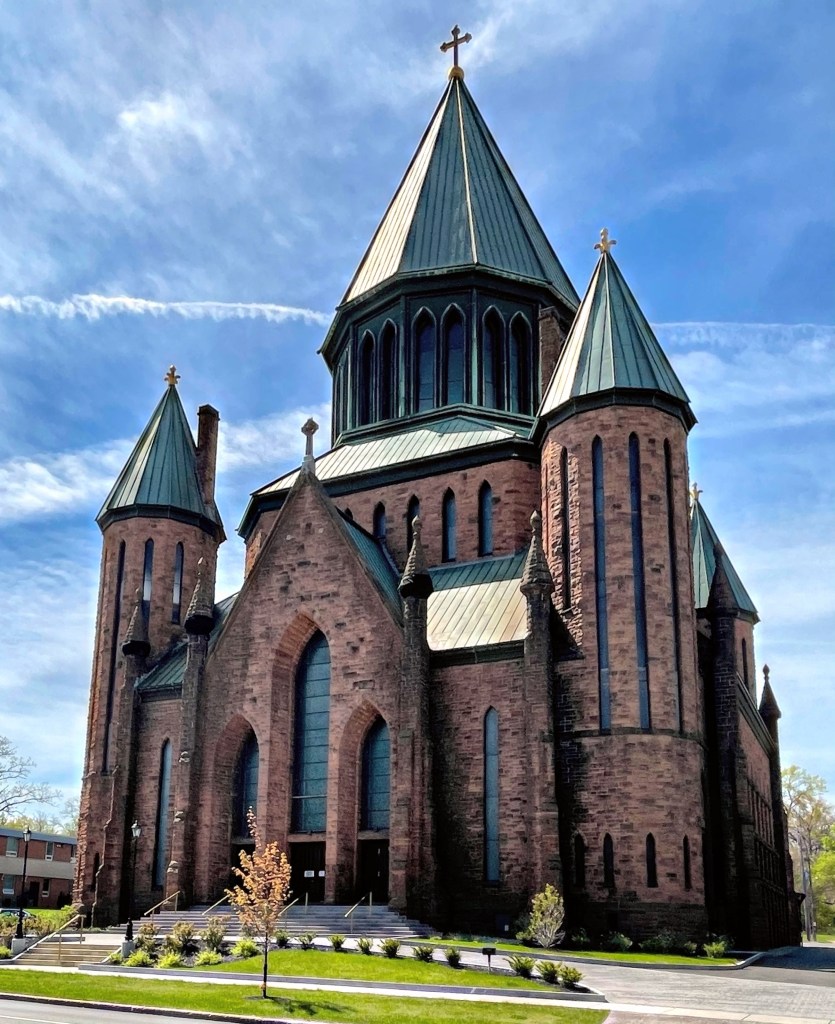
St. John the Evangelist Church // 1900

St. John the Evangelist Church in Schenectady, NY is probably the most imposing church I have ever seen (outside of European cathedrals). The church began in 1898 when Monsignor John L. Reilly purchased land across from Union College’s campus to erect a new church. He began collecting donations to fund a church suitable for Schenectady, and visited Europe to seek inspiration for the design. He worked with architect Edward Loth of nearby Troy, NY on the design which resulted in this massive 120’x130′ structure. The stone church has a small tower at each of its four corners with a central spire reaching 230′ high. The center spire was constructed of steel and glass to cast light onto the sanctuary below (sadly has been replaced with a metal roof). This is definitely one of the more memorable churches I have ever seen! What do you think of it?
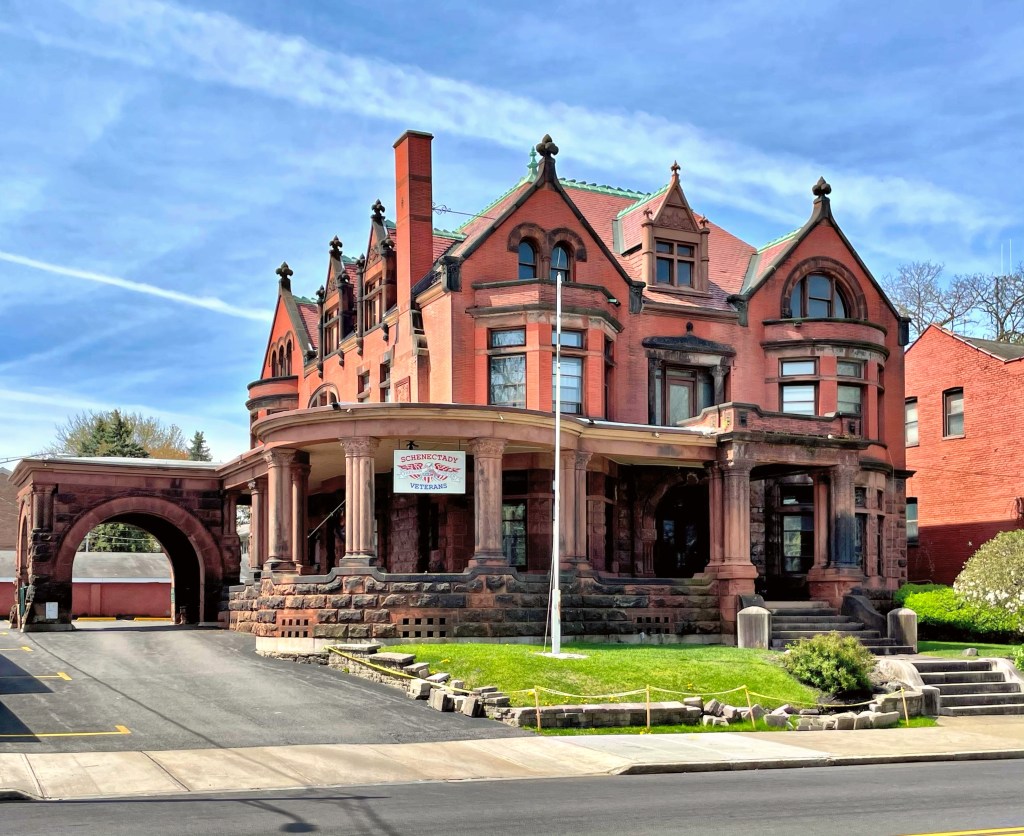
Henry S. DeForest Mansion // c.1890

Henry Schermerhorn DeForest (1847-1917) was born in Schenectady, New York and became a leading citizen of the bustling upstate city. He attended school in his hometown before leaving to study at Eastman Business College in Poughkeepsie. He returned to Schenectady and married Lucie Van Epps, soon after gaining employment by her brother at his broom manufacturing company as a clerk and bookkeeper. He began using his earnings to buy and develop property in the city, eventually making him the city’s largest landlord. He was also a building contractor, with his company constructing more than 1,000 homes in the Schenectady area. He served as Mayor, in a role that he successfully advocated for General Electric to locate in Schenectady when it was formed from the mergers of several other companies, including Edison Machine Works, which had moved to Schenectady in 1886, creating a huge boom in development and growth for the city. After this, he has this large stone mansion constructed to showcase his wealth and success as a developer and Mayor. After his death in 1917, the home remained in the family for some time until it was acquired by the Schenectady Veterans Association not long after WWII, who maintain the building to this day.

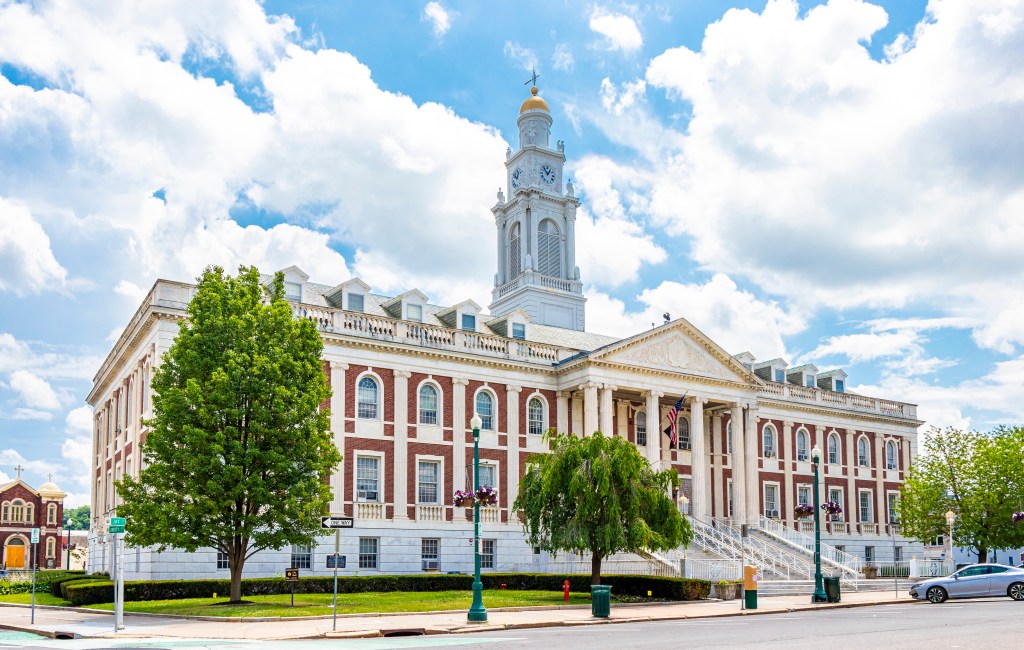
Schenectady City Hall // 1931

Buildings of New England travels! Welcome to Schenectady, a great city in upstate New York, with an hard to spell and pronounce name! The name “Schenectady” is derived from the Mohawk word skahnéhtati, meaning “beyond the pines”. Schenectady was founded on the south side of the Mohawk River by Dutch colonists in the 17th century, many of whom were from the Albany area. In 1664 the English seized the Dutch New Netherland colony and renamed it New York. They established a monopoly on the fur trade around Albany, and issued orders to prohibit Schenectady from the trade through 1670 and later. The town grew mostly as an inland agricultural town until the Erie Canal was built in 1825, creating a navigable water route from New York City and the Atlantic Ocean to the Great Lakes, cutting through Schenectady. The town grew and became an industrial center, attracting a very diverse population of immigrants in the 19th century and African Americans as part of the Great Migration out of the rural South to northern cities for work. The community struggled (like many) in the mid 19th century but has seen a large resurgence as of late!

This building is the Schenectady City Hall, a massive architectural landmark which made my jaw drop when I saw it! The City of Schenectedy outgrew their old City Hall, and in the late 1920s, held a nationwide contest to select designs for a new City Hall. The contest was won by the prominent architectural firm McKim, Mead, and White. It appears that the designs were furnished by James Kellum Smith of the firm, the often overlooked genius of the MMW practice. The exorbitant cost of the project, which was undertaken during the Great Depression, caused the building to be dubbed “Fagal’s Folly” after Mayor Henry C. Fagal, who allowed all the cost increases while the city’s future was uncertain. He was not re-elected after this building was completed. The building is a pleasing mixture of Colonial and Classical Revival styles and features bold pilasters and a towering cupola

George L. Allen Summer Residence // c.1895

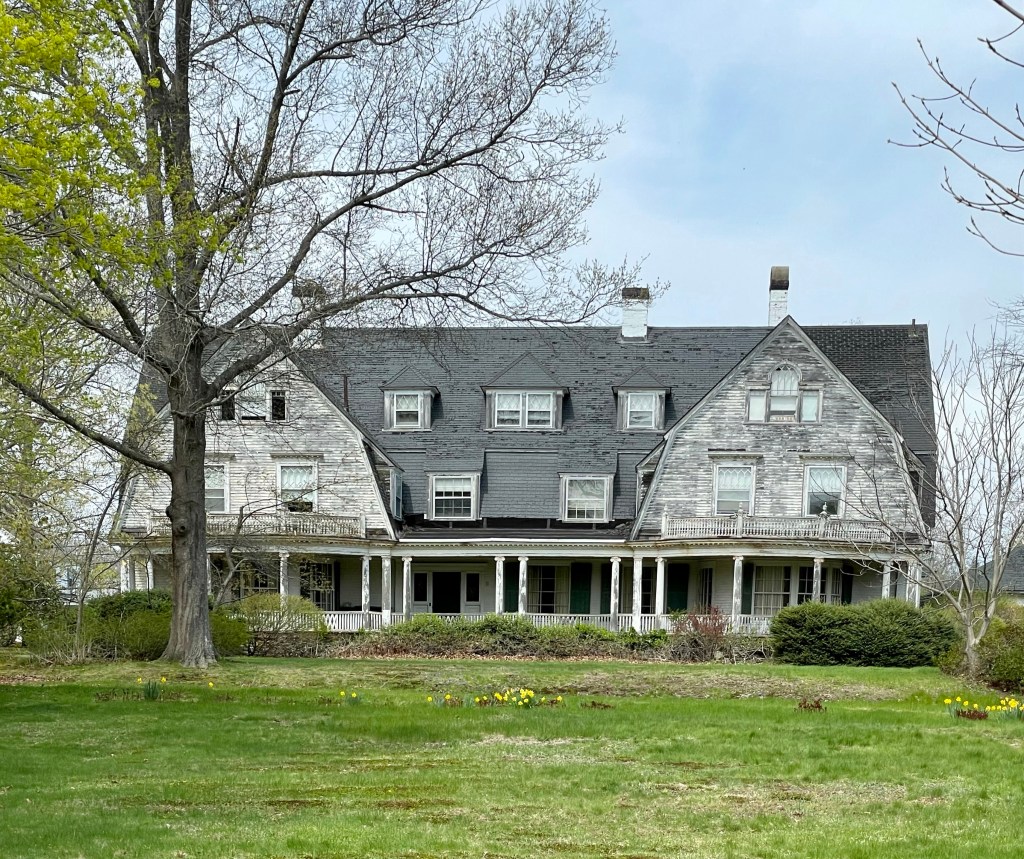
This massive summer “cottage” in Rye Beach, NH, was built around 1895 for St. Louis businessman George L. Allen. The massive Colonial Revival home features a gambrel roof with a series of gabled, hipped and shed dormers to break it up. A circular driveway would have allowed visitors for Great Gatsby-esque parties to get dropped off by their driver and enter right into the home’s large stair-hall. The most stunning facade is the rear, which faces a lawn with views out to the Atlantic Ocean. A full-length porch on the first floor sits recessed under the floor above to provide shelter from the harsh summer sun. Sadly, the mansion has seen better days and appears to be a shadow of its former self. Luckily, almost all of the historic windows remain and the home can definitely be saved. Fingers and toes are crossed to see this beauty preserved.

Susan Lord House // 1913

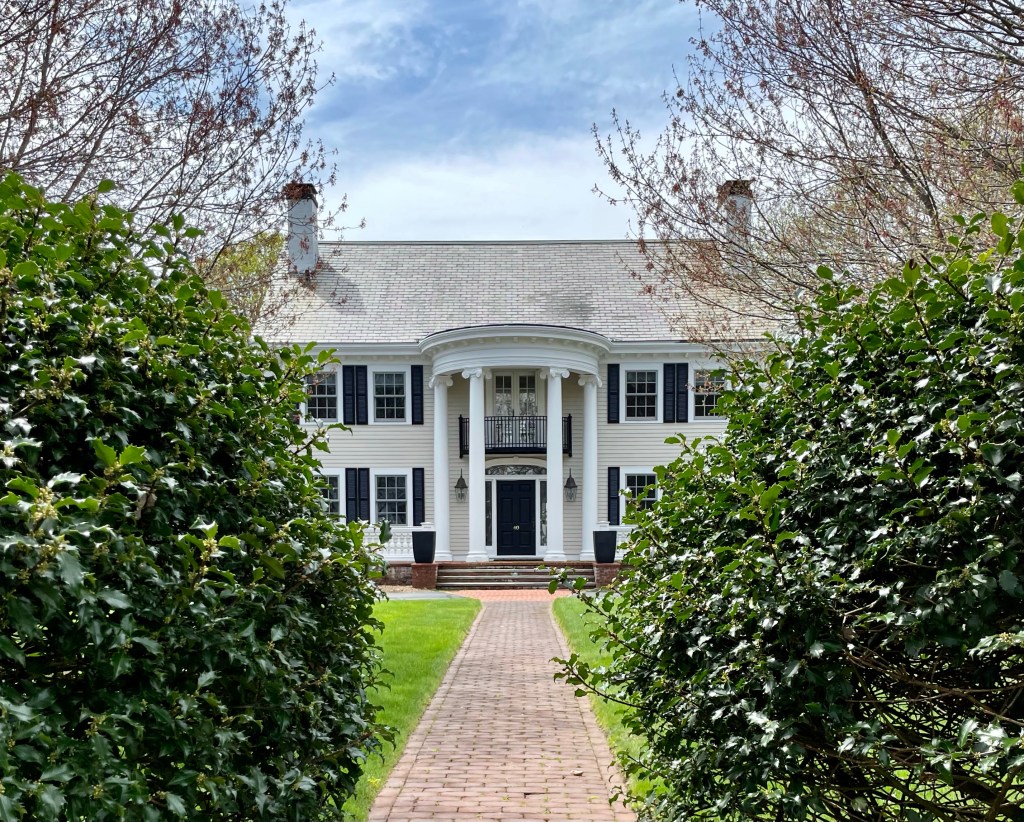
This home was built in 1913 and is a high-style Neo-Classical example of a “beach cottage”. The home is located in the fashionable Rye Beach colony in New Hampshire, which developed in the mid 19th century through the first half of the 20th century as an exclusive enclave for vacationing elite. The home was purchased by Susan Bailey Lord just years after its completion as a summer retreat from her home in Malden, MA, just outside Boston. She purchased the home just years after the death of her husband, who was thirty years her senior. It’s safe to say that Susan let loose up on the beach and had a “hot girl summer”.

Rye Beach Club // 1925

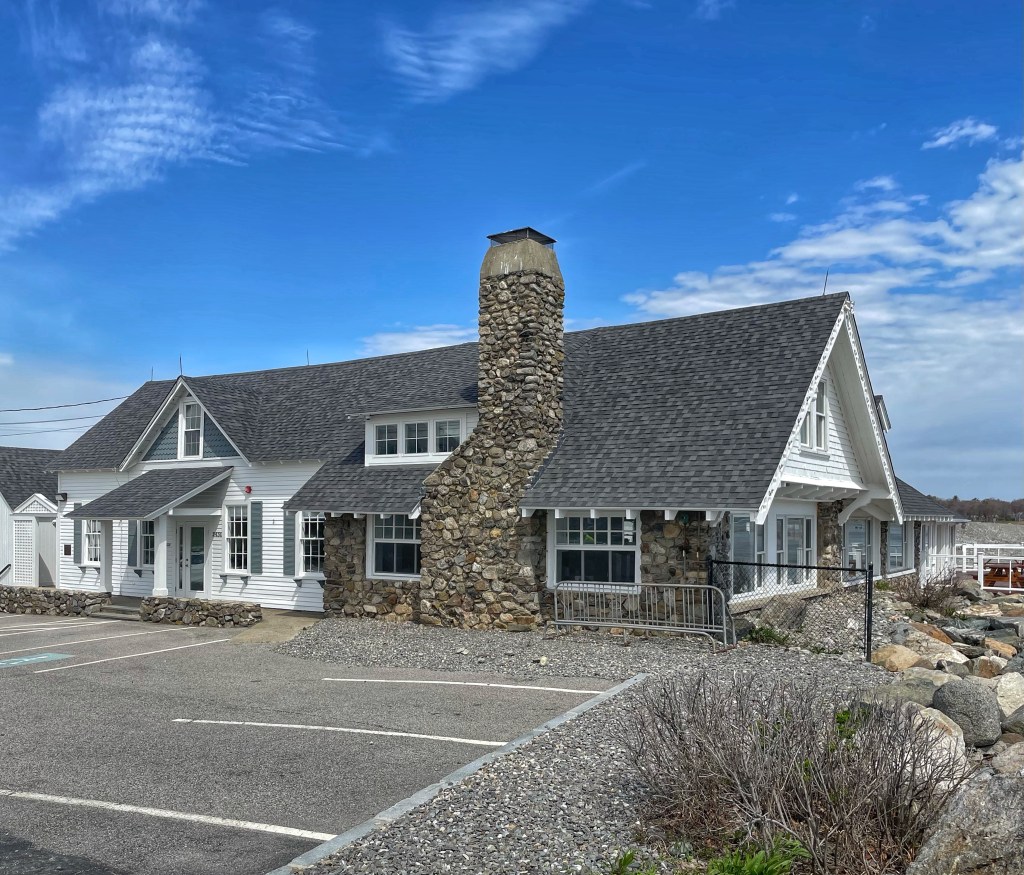
The Rye Beach Club is located right on Rye Beach, one of New Hampshire’s most upscale seaside communities, one whose history as a fashionable summer resort dates back to the 1840s. The Beach Club was established in 1925 in the decade after the First World War as the nation was experiencing a social transformation fueled by the postwar boom of the “Roaring Twenties”. As automobile ownership rates increased by the 1920s, the average motorist was no longer dependent upon schedules and the fixed routes of streetcars, railroads and steamboats. As one early historian of American recreation noted tongue-in-cheek, “The wealthy could make the fashionable tour in 1825, the well-to-do built up summer resorts of the 1890s, but every Tom, Dick and Harry toured the country in the 1930s.” As a result, many wealthy communities created private, exclusive recreation and social clubs where they would not be forced to mingle with the “average” American. Rye Beach residents formed the Rye Beach Club in 1925, which comprises of a rubblestone building with various wood-frame additions.

Lougee Cottage // c.1880

This house was built and first occupied by George G. Lougee, owner and proprietor of the Sea View House Hotel (demolished) across the street. Before building his own hotel, Lougee was a clerk at the Atlantic House, another summer resort. Lougee eventually worked his way up and ended up managing that hotel. Lougee’s success managing the Atlantic and later, the Farragut, enabled him to pursue his own enterprise and build his Sea View Hotel. When Lougee sold the Sea View hotel, he also sold this house with it. His former Stick style home was then converted to additional rooms at the hotel until it closed in the 20th century.

Fort Dearborn // 1943-1961

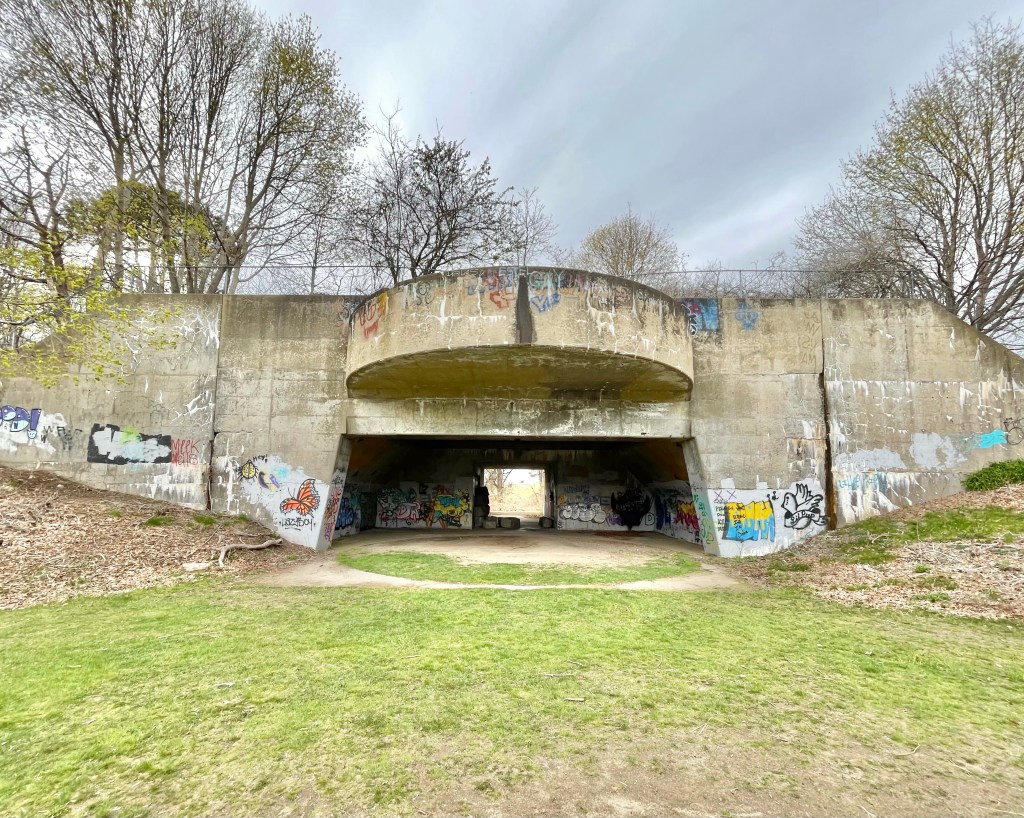
Odiorne Point in Rye New Hampshire was owned by the Odiorne Family from at least 1800, when the family built a farmhouse on the land. The peninsula juts out into the Atlantic Ocean, just south of Portsmouth, and it was seen as a strategic position by the United States Government, to protect the Portsmouth Naval Shipyard. With the advent of World War II, the United States Government deemed it necessary to improve the fortifications commanding the approaches to the Portsmouth Navy Yard, so the Government acquired this property and named it Fort Dearborn. Giant 16” coast defense guns and other equipment were installed to protect the coast from the impending German advance into North America. The Government acquisition on Odiorne’s Point included Mr. Odiorne’s home and 24 other properties, with many fine old homes on the coast demolished to make way for military facilities, but the Odiorne house was converted to a barracks. When The Nazi forces were beat in Europe, the fort was deactivated and all the guns were removed. In the Cold War period, the U.S. Air Force took formal possession of 45.3 acres at Odiorne’s Point in 1955, which it had been using since 1949 as the Rye Air Force Station. By 1961, the defensive use of the site was not as important, and the site was sold to the State of New Hampshire as a State Park. Today, you can explore the park and the decaying concrete batteries up close, which is a favorite excursion of mine.

Stoneymeade Farm // c.1773

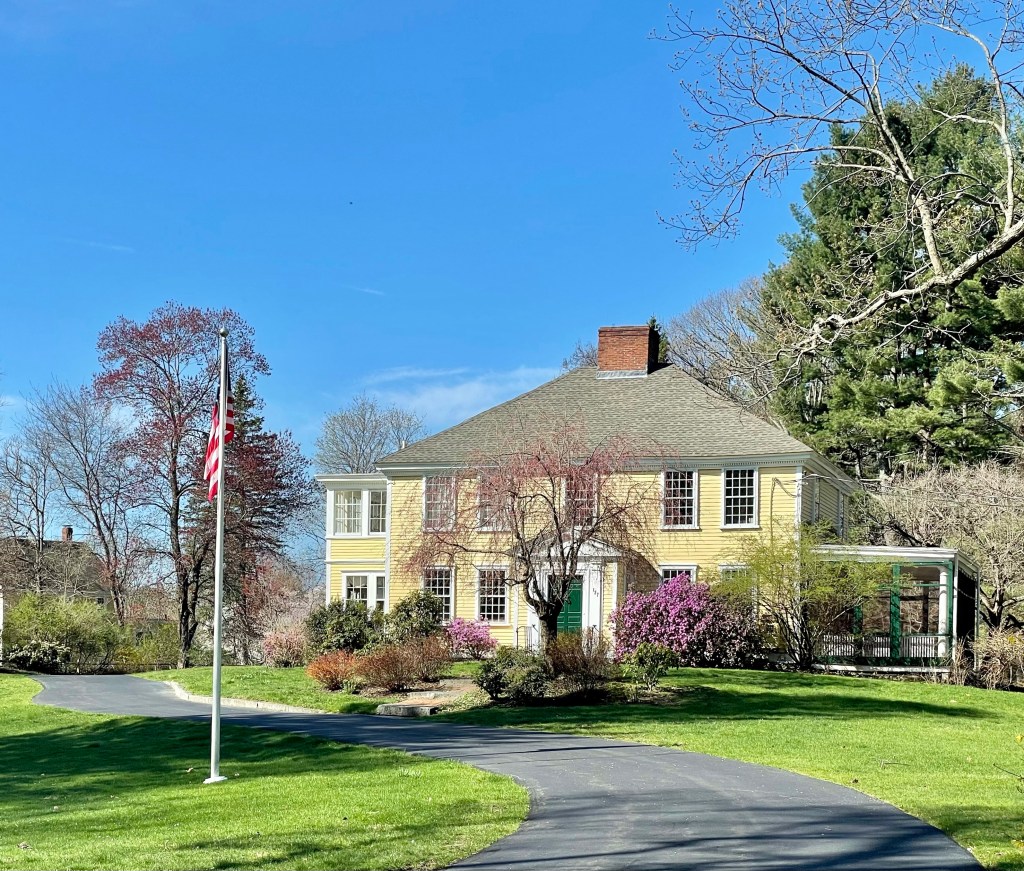
This stunning Georgian farmhouse in Acton, Massachusetts, was built around 1773 for Seth Brooks (1740-1831) and his wife Molly Conant Brooks, on land that had belonged to her father, William Conant of Concord (part of which was later annexed to Acton). Seth Brooks fought under Captain Isaac Davis on April 19th, 1775 at the Battle of Concord, who was among the first killed and was the first American officer to die in the Revolution. It was Brooks who ordered Davis’ body carried from the field after he fell, so he could be buried with honor. After the war, the family suffered an unfathomable tragedy. Seth and his wife, all their nine children, and all but one of their grandchildren died of the same type of tuberculosis, “slow consumption.” The family “curse” appears to have been broken by grandson Nathan Brooks, Jr., (1799-1881,) who inherited the property. According to local legend, a room beside the center chimney sheltered runaway slaves, as Nathan Brooks was an avid abolitionist. At the turn of the 20th century, the farm was purchased by Brookline timber merchant Benjamin Pope, owner of the Pope and Cottle Company of Boston. For many years, the Pope family used the house as a summer residence, with managers working the property as a dairy farm. It was Pope who named the farm “Stoneymeade,” and added greenhouses, an icehouse, and had an elaborate water system installed. Stoneymeade Farm continues to this day as an equestrian farm with boarding space for horses.

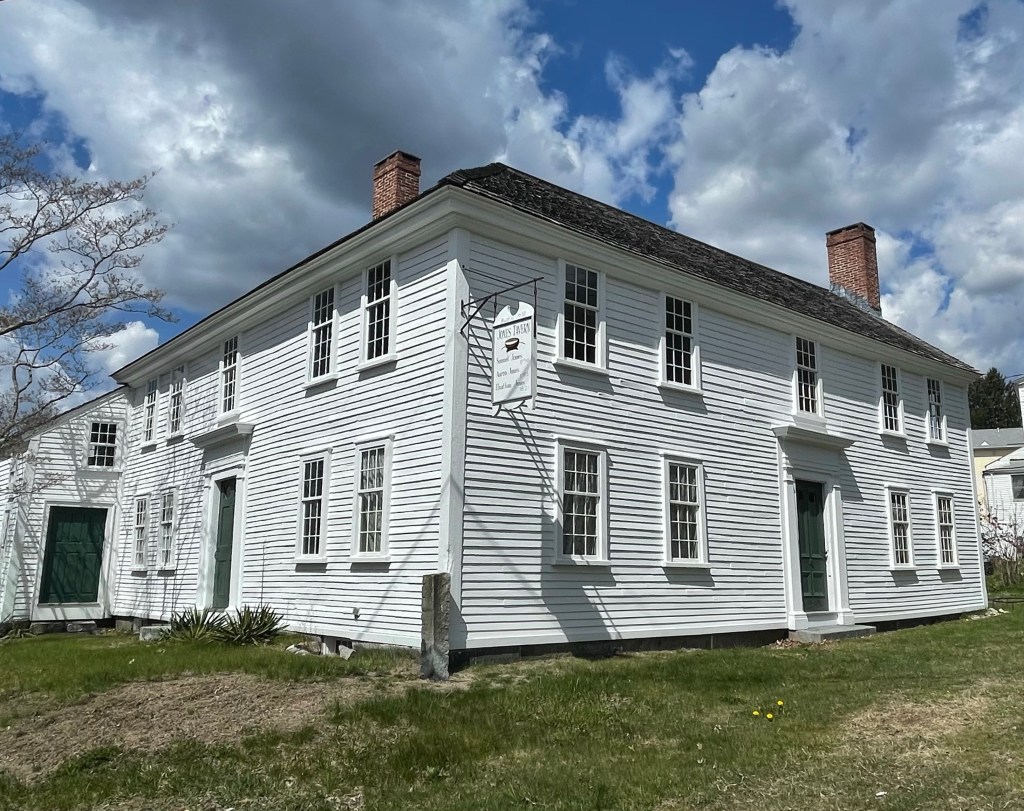
Jones Tavern // 1732

Settlement of South Acton (by colonialists) was begun in 1701 when the Jones and Knight families purchased 600 acres of a private land grant. Over the next 26 years, members of the two families established and operated mills near the Fort Pond Brook, which provided running water for operations. Samuel Jones built a home here in 1732, which as originally built, was a simple, four room central entry Georgian home with gable roof, typical of many eastern Massachusetts homes at the time. In 1750, Jones opened a tavern and general store in his house, enlarging it with a two story addition now visible on the left side. Samuel’s son Aaron Jones, a Harvard graduate and soldier who fought at the Battle of Concord nearby, took over the tavern from his father. In 1818, Aaron more than doubled the size of his establishment when he built a large, 5-bay extension and rear kitchen ell directly behind the existing structure. In addition to enlarging his property, Aaron also had it “modernized”, inserting sash windows (replacing the casement windows) throughout and adding fashionable Federal style door and window surrounds. The additions gave the building two major entries, as well as secondary access to the communal taproom. The property was then willed to his son Elnathan Jones, who operated the establishment until 1845 as both a tavern and hotel. The building remained in the Jones family until it was sold in 1946, and divided inside into multi-family use. The house was sold for salvage in 1964 after years of neglect, but was saved by Iron Work Farm, Inc., a non-profit who maintain the property to this day.