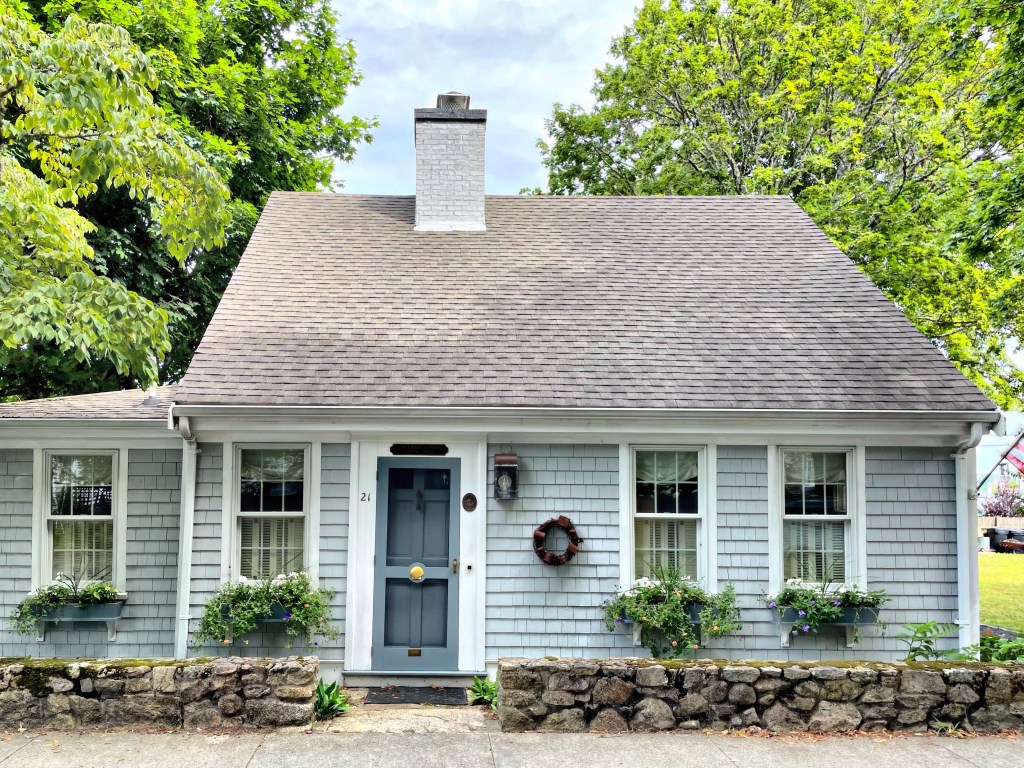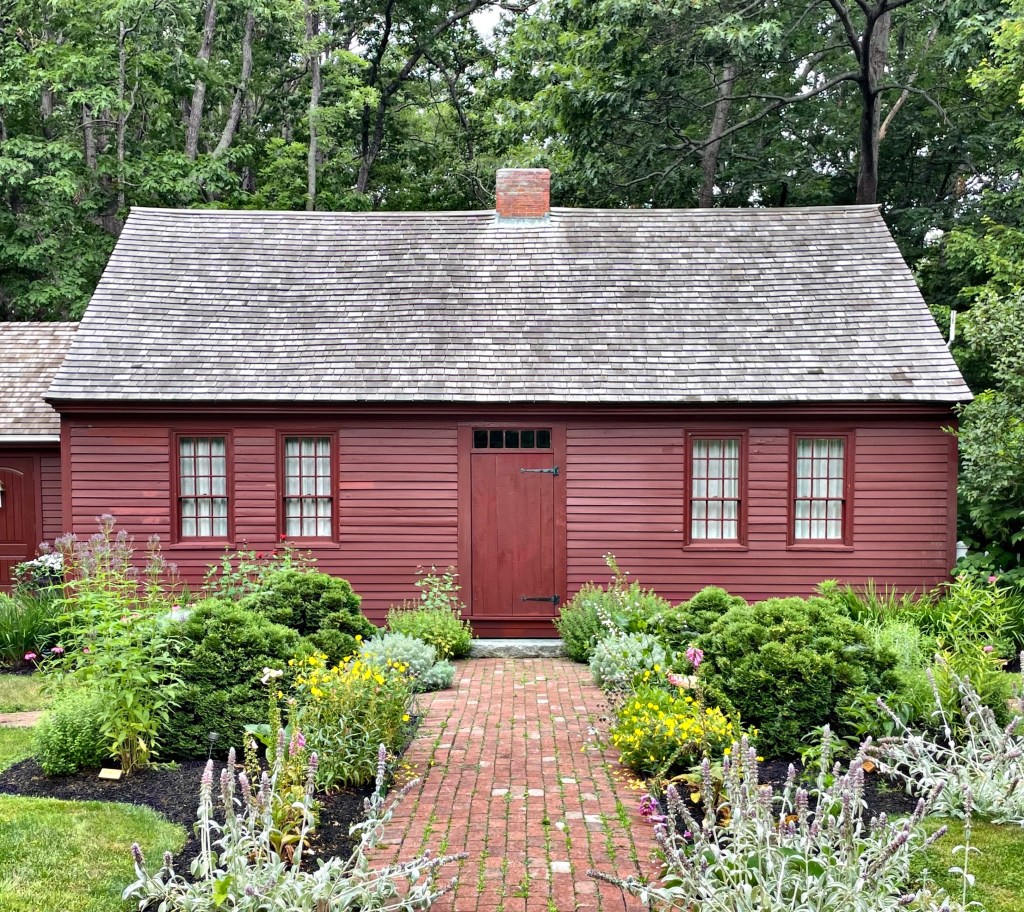
Blankinship-Prichard House // 1790

Main Street in Marion, Massachusetts is a house lover’s dream. The street is lined with perfect 18th century capes and old whaling captains houses. This little cape house was built in 1790 for a J. Blankinship, one of the prominent local whaling families in town. By the early 1900s, Henry M. Prichard, an accountant, lived here. Born in New York City, Prichard and his family moved to Massachusetts. During the Civil War, he enlisted in the 25th Massachusetts Volunteer infantry and was part of the Burnside Expedition. According to his obituary,“he was wounded so seriously at the Battle of Cold Spring Harbor that he never fully recovered.” An “ardent devotee of canoeing”, Mr. Prichard retired to Marion, having spent most of his life in New York City and lived out his final days. It was likely he who added the large dormer windows as fresh air and light were seen as cures to ailments in the time. His widow, Abby and daughter, lived here until at least the mid-1920s.

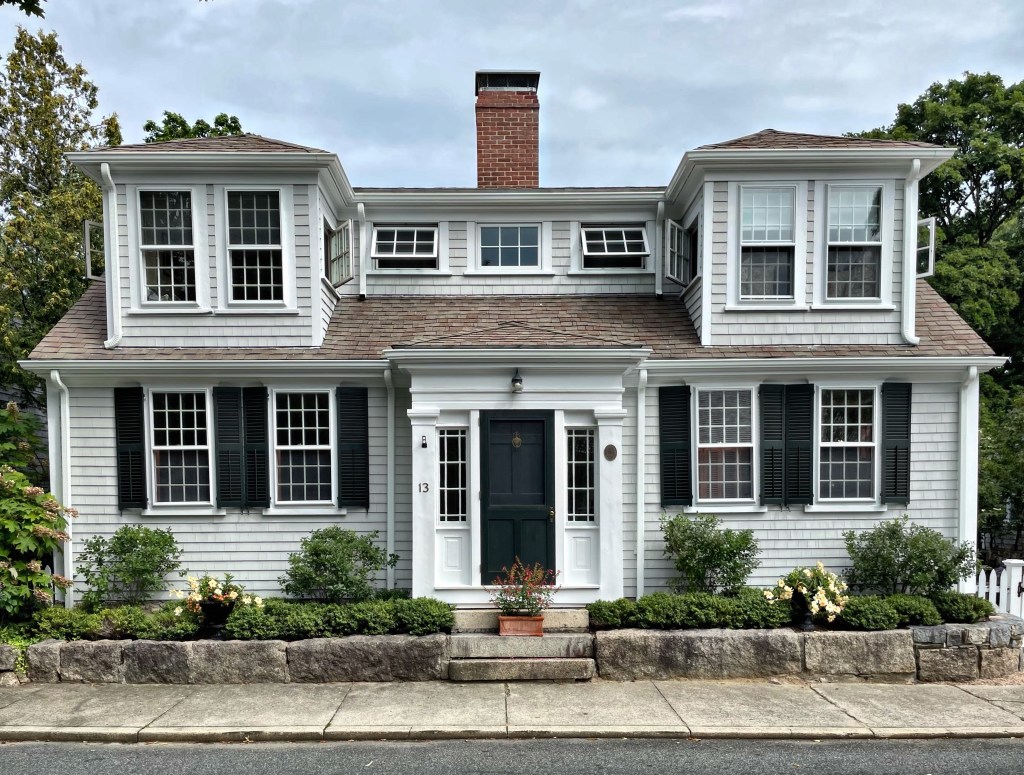
Look-Coggeshall House // 1828

Believe it or not, this beautiful home was once a one-story Cape house! Built in 1828, the home was constructed for Captain Hiram Look, a sea captain, and his new wife Kezziah (Kezia) within a year of their marriage. They had two daughters. Hiram died in 1865, possibly related to the Civil War, which ended that year. After his and his widow’s death, the home was willed to their daughter and her husband, Bernard Coggeshall, who was likely a descendant of the Coggeshall Family of Bristol, RI. The Look daughter died in 1890, and Bernard remarried a year later. Sometime after 2008, this home was enlarged, giving it the second story we see today. If you look closely at photos from before 2008, you can see the matching door surround, window lintels, and window spacing seen today. While the home is completely different, the “updated” version is still appropriate and conveys the home’s history.

What do you think?

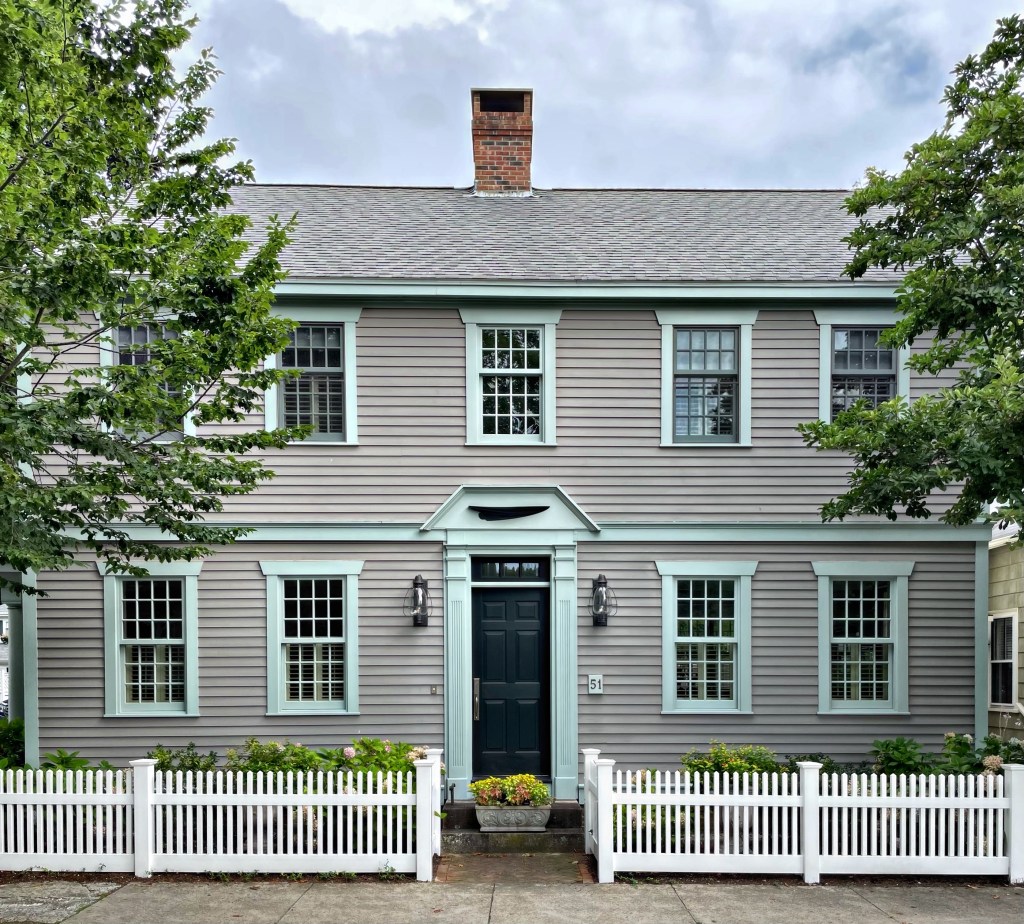
Beebe-Phillips House // c.1832

The Beebe-Phillips house in Waterford, CT, was built in the 1830s by Orrin Beebe (though some accounts say it was built for his wife Lydia after his death), and is an excellent example of a traditional full-cape house in Connecticut. The home is a vernacular example of the Federal style with no frills or expensive details. The house was originally located elsewhere in town but was moved to its current site on Jordan Green in 1974 by the Waterford Historical Society, next to the Jordan Schoolhouse.

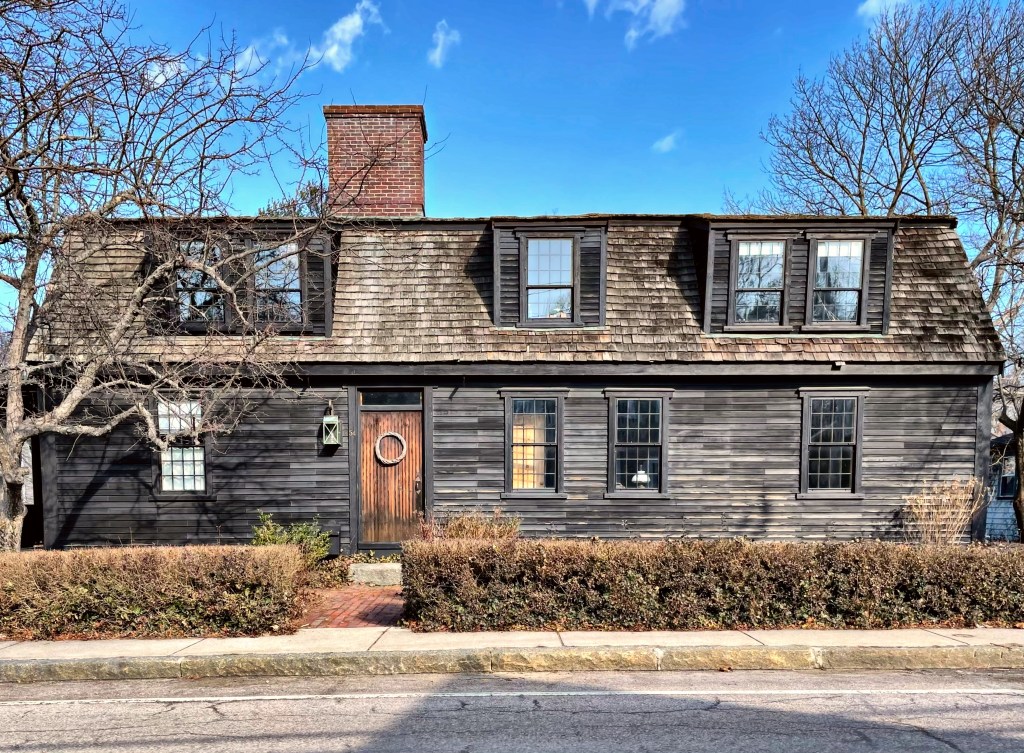
Tirrell-Cobb House // c.1750

One of the most stunning Georgian cape homes I have seen is this charming house in Hull, Massachusetts. Built in the mid-18th century, this house was acquired by Gideon Tirrell after the Revolutionary War. Gideon married Mary Loring, a descendant of John Loring, who built the home in my last post. The family appears to have occupied the home until the Cobb family acquired the house in about 1860, when Capt. Joseph Cobb and his wife, Eliza Turner settled here. He was the third “Keeper of the Lifeboat” from 1858-1876. In his role, he rowed out to sinking ships in the Boston Harbor and attempted to save any sailors still alive, often saving dozens of lives. The home was restored in the 1980s and remains one of the best-preserved in the town!

Ivory Goodwin House // c.1808

Built by Ivory Goodwin (1783-1851), a joiner who moved to Kennebunkport from Berwick, Maine in 1799. Goodwin and his wife Mary, lived in this small Cape house with their six children, a pretty amazing feat in its own right! The Federal/Greek Revival home is five bays wide with a central entry with sidelights and pilasters flanking.