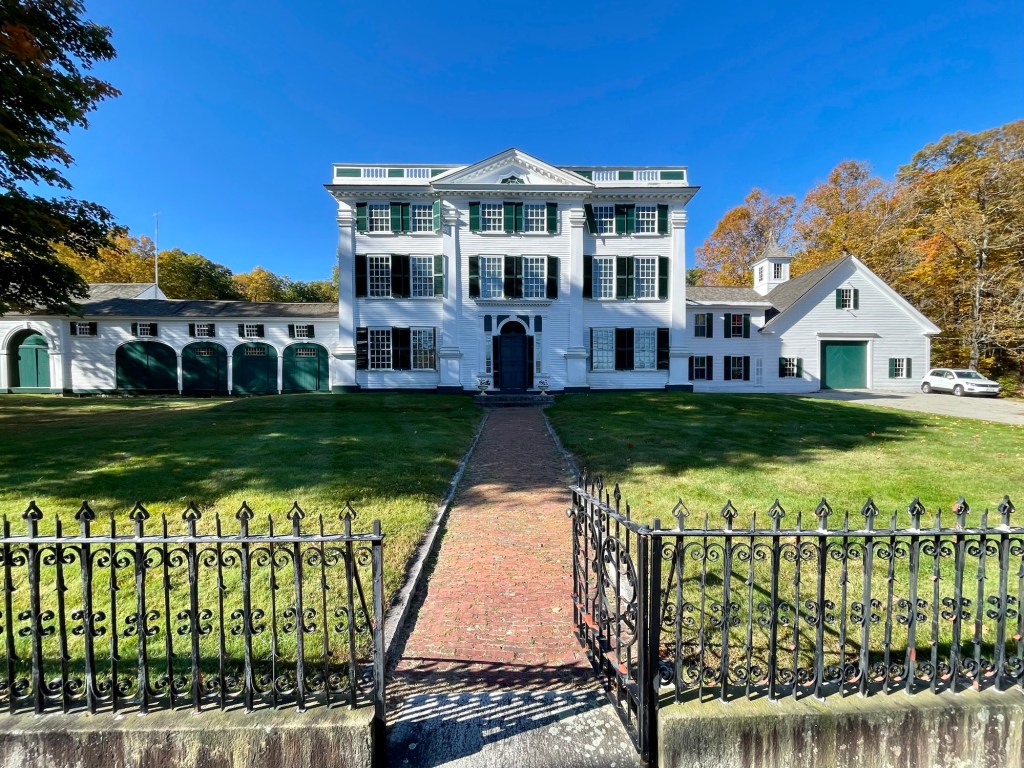
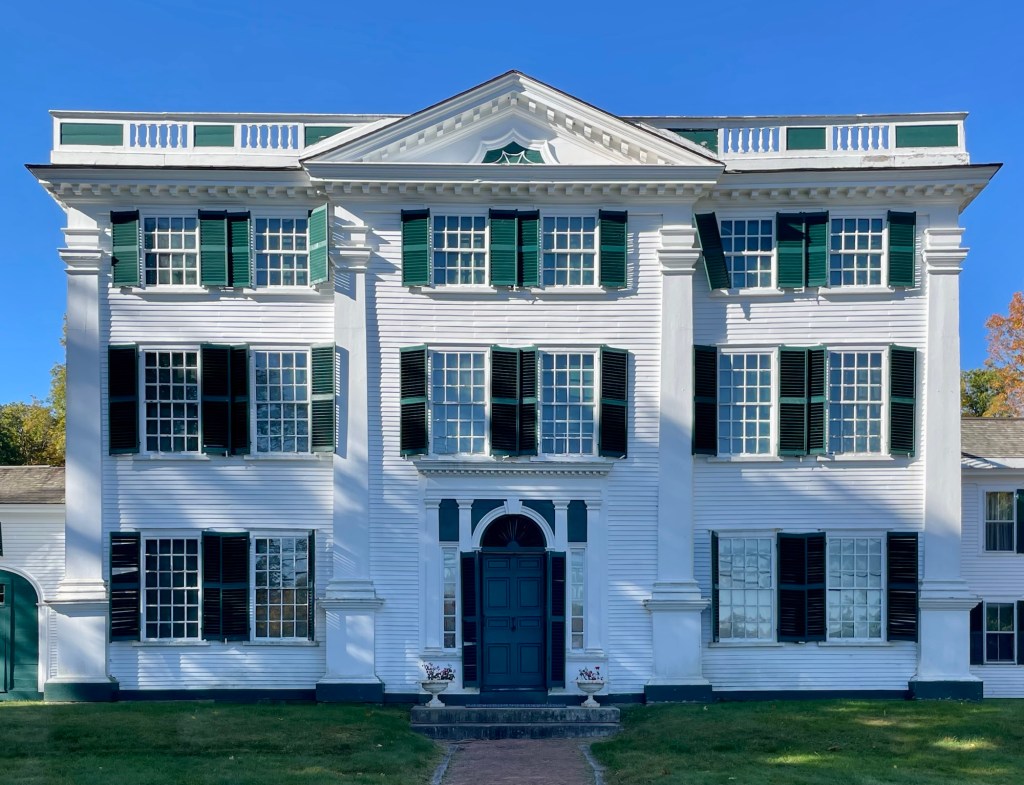
Barrett House // 1800

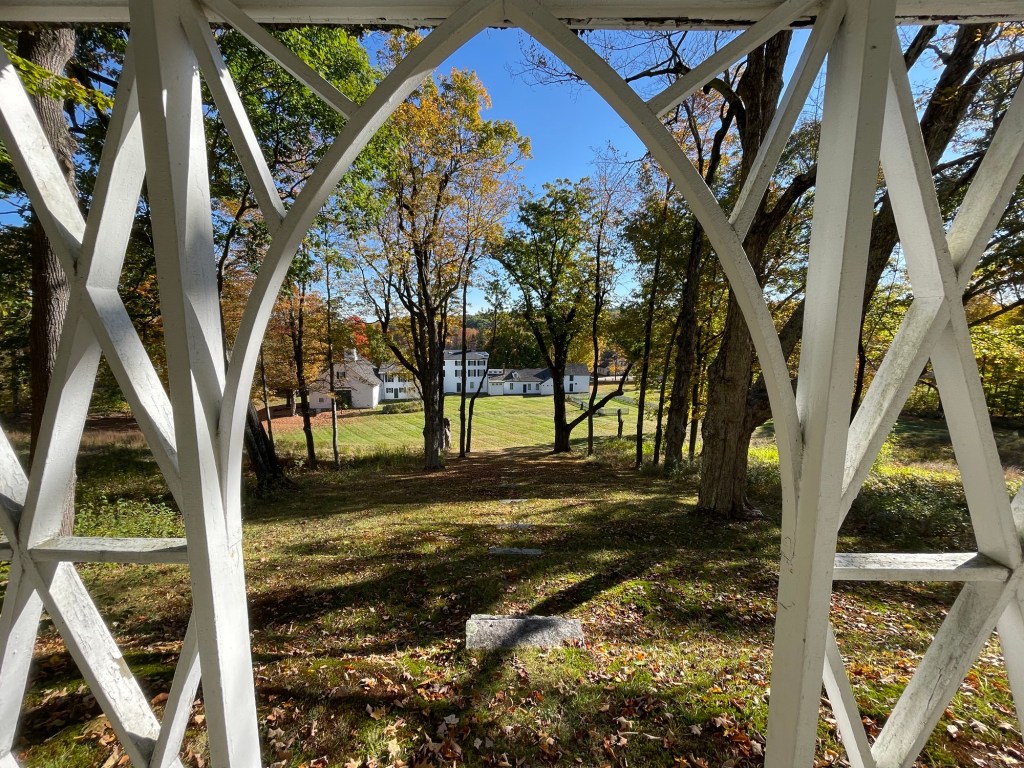
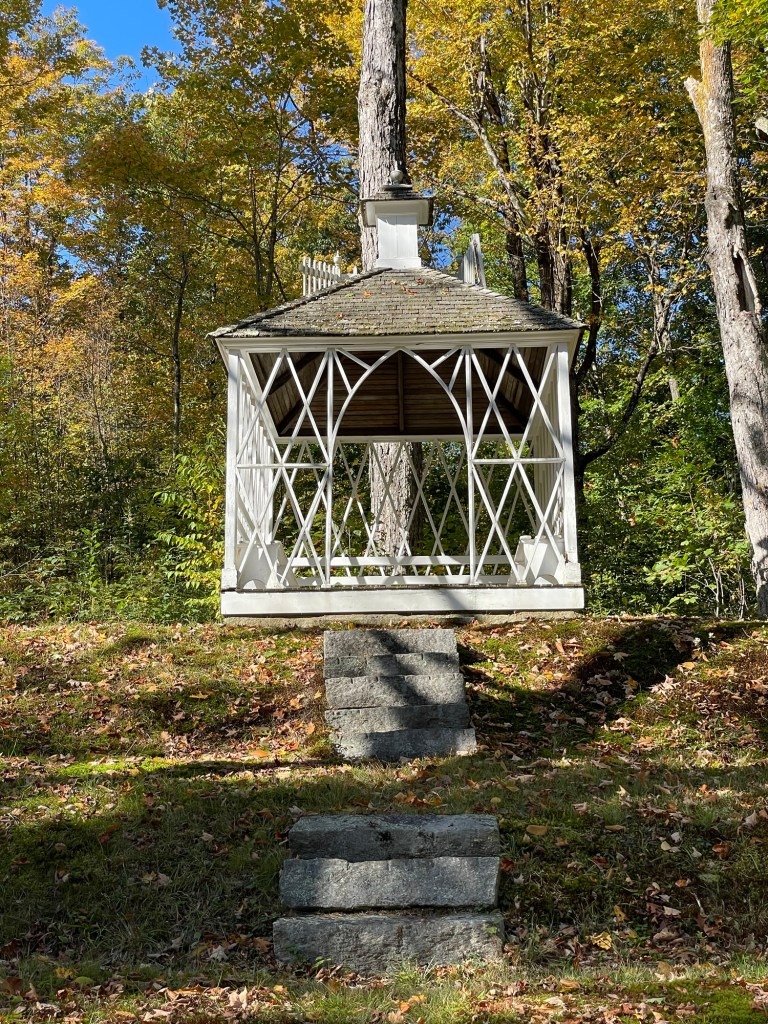
The Barrett House (also known as Forest Hall) is a Federal style mansion located in New Ipswich, New Hampshire and one of the finest buildings in the entire state. The mansion was built around 1800 by Charles Barrett Sr. for his son Charles Jr. and daughter-in-law Martha Minot as a wedding gift. Its grand scale was encouraged by Martha’s father, who promised to furnish the house in as lavish a manner as Barrett Sr. could build it. The interiors are elegantly furnished, and numerous reception rooms were designed for entertaining in a cosmopolitan manner. An elaborate allée was later added to the landscape, with a flight of stone steps flanked by maples rising up the hillside behind the house and leading to an elegant summerhouse. After Charles and Martha died, the estate remained in the family. However, after the railroad bypassed New Ipswich, the town entered into a decline. Charles Barrett’s descendants stayed on, but today Forest Hall remains essentially a relic of the Federal era. After 1887, the family used the house only in the summer-time. It was donated to Historic New England in 1948. Historic New England has ever-since opened up the property to those who want to see one of the best examples of a rural, Federal style estate in New England and its well preserved interior and grounds.
Ms. Dolly Everett House // c.1825

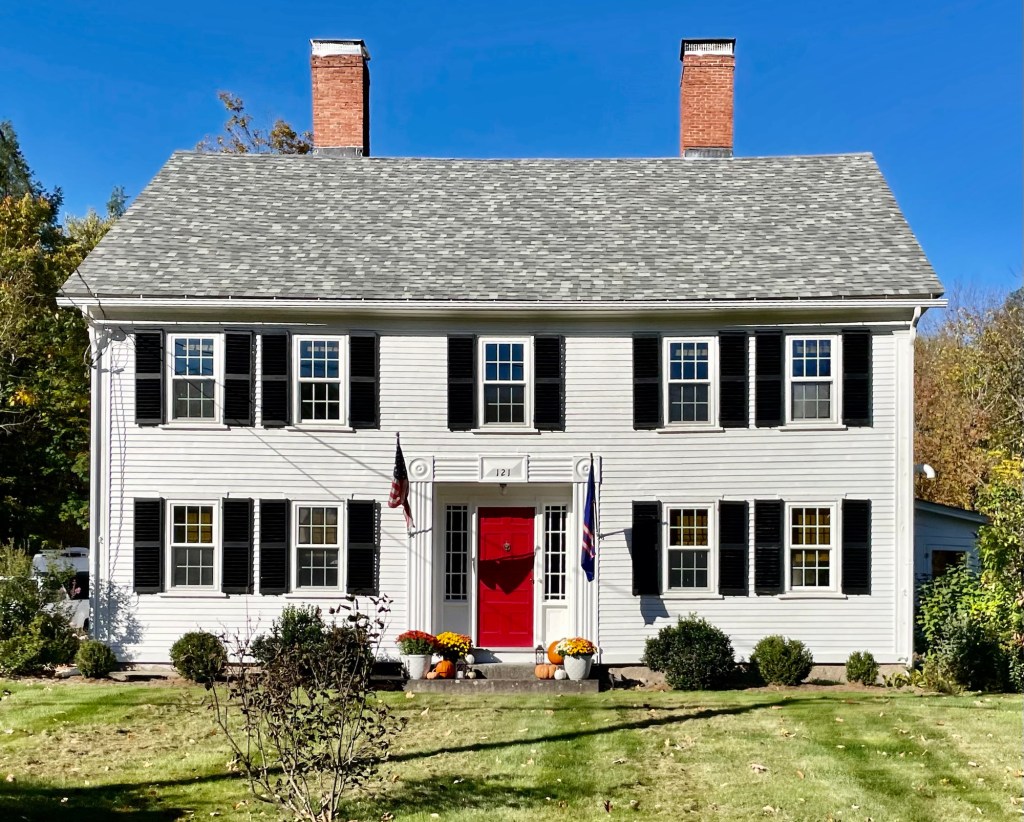
This house on Main Street in New Ipswich, New Hampshire, was built for Mrs. Dorothy “Dolly” Everett, (1770-1859), a sister of Samuel and Nathan Appleton, who returned to New Ipswich after her husband’s death. Her husband was David Everett (1769-1813), who had been a student at New Ipswich Academy, then attended Dartmouth, after which he studied law and practiced in Boston where he founded the Boston Patriot in 1809, and published works of drama and poetry, as well as political writings and died while on a trip to Ohio. Dolly’s house in New Ipswich is a unique, high-style blending of Federal and Greek Revival styles, with a notable entry with its recessed paneled entry, narrow paneled doorway surround with small corner blocks and paneled door. The wide, molded outer surround with its pateras and corner blocks, faceted tablet over the door and partial sidelights show the influence of architectural plan books of the period. In her will, Dolly Appleton Everett left her home to the local Congregational Church, who used the property as a parsonage into the 20th century. It was purchased in the mid-20th century as a summer residence and has remained a private home ever since.

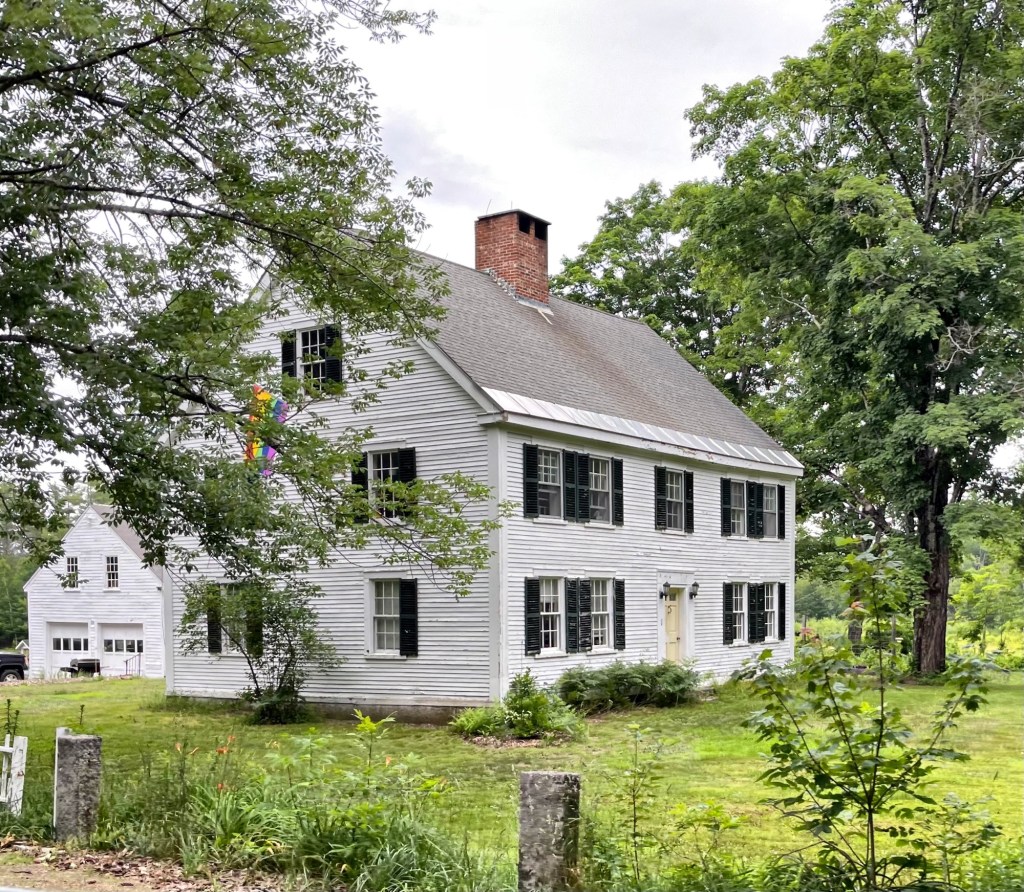
Isaac Appleton Homestead // 1756

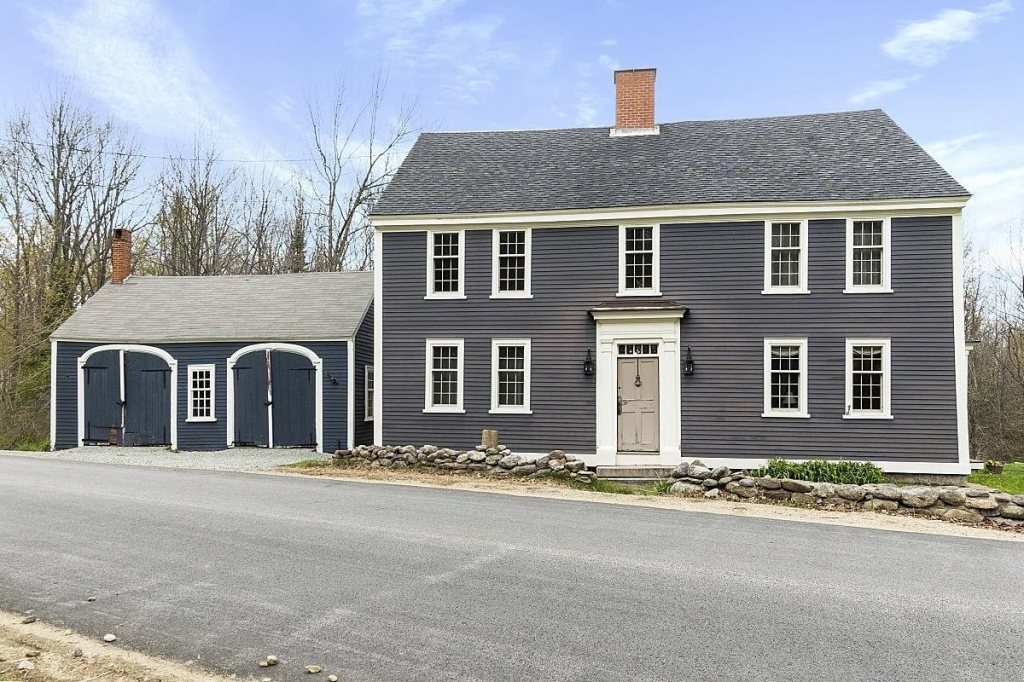
One of the oldest (if not the oldest) extant houses in Ipswich, New Hampshire is this Colonial home on Appleton Road, which gets its name from the first owner, Isaac Appleton. Deacon Isaac Appleton III (1731-1806) was one of the town’s original settlers who came to New Ipswich from Ipswich, Massachusetts. He held the office of town clerk and of selectman and was a deacon for thirty years. He responded to the call to arms from Concord to fight in the American Revolution. Deacon Isaac Appleton III was the father of Samuel Appleton, a wealthy Boston merchant; and Nathan Appleton, a merchant and politician in Boston and head of the famous Appleton Family which would influence Boston business and politics for generations. Samuel Appleton would fund and establish the Appleton Academy in New Ipswich, the second oldest in New Hampshire after Phillips Exeter Academy. The Isaac Appleton Homestead remains in a great state of preservation and sits just outside the town center.

Lord Mansion // 1822

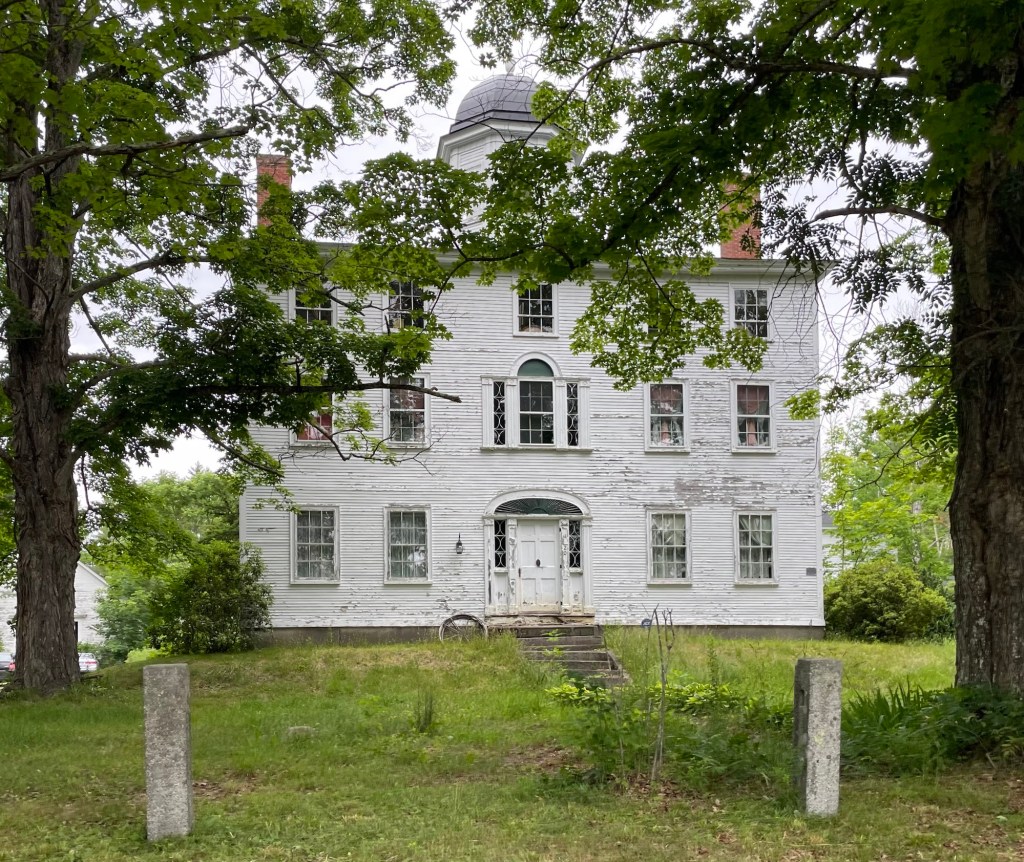
Isaac Lord (1772-1838) was born in Maine, but would spend much of his time transforming the small town of Effingham, New Hampshire. Isaac married the love of his life, Susanna Leavitt in Exeter in 1793 and the couple moved to Effingham, living and working in a tavern he built. Isaac prospered as an innkeeper, merchant, farmer, and entrepreneur, becoming Effingham’s wealthiest citizen, making the village he owned buildings to be called Lord’s Hill in his name. From 1818 to 1822, Isaac and Susanna lived in Portland, but he was ridiculed for “having money but no culture”. Growing tired of the city, he decided to return to Effingham. Mrs. Lord found the village too quiet and longed for the social life to be had in Portland, Maine. To convince his wife to remain with him, Isaac promised her a mansion that rivaled the homes in wealthy seaports like Portland and Portsmouth and began working on his mansion in Effingham in 1822. After years, the massive estate was completed, but Susanna remained in Portland. A heartbroken Isaac moved into the large mansion and continued business until his death in 1838. The Isaac Lord House consists of a three-story main block with a grand cupola on its roof and a three story ell to its rear. Stables and a carriage house are also on the lot today. I would do anything to see the inside of this beauty!

Dearborn-Keay House // c.1772

The town of Effingham, New Hampshire, was settled by members of the Leavitt family of HamptonNew Hampshire, led by Captain John Leavitt. From them the settlement first took the name “Leavitt’s Town”. In 1749, the land here was officially granted by Governor Benning Wentworth, and he renamed it “Effingham” for the Howard family, who were Earls of Effingham in England and who were related to the Wentworths by marriage. The town was incorporated in 1778, six years after this house was built. This is the Dearborn-Keay House, a 1772 Colonial home in Effingham, built by Benjamin Dearborn, who was an early settler of the area from Hampton, New Hampshire. The homestead was enlarged by his nephew Asahel Dearborn in the early 1790s, giving the home its present appearance. After later ownership in the Dearborn Family, the property was purchased by Cyrus Keay, who would die in the home in 1894. The property remained in the ownership of the Keay family for many years more.

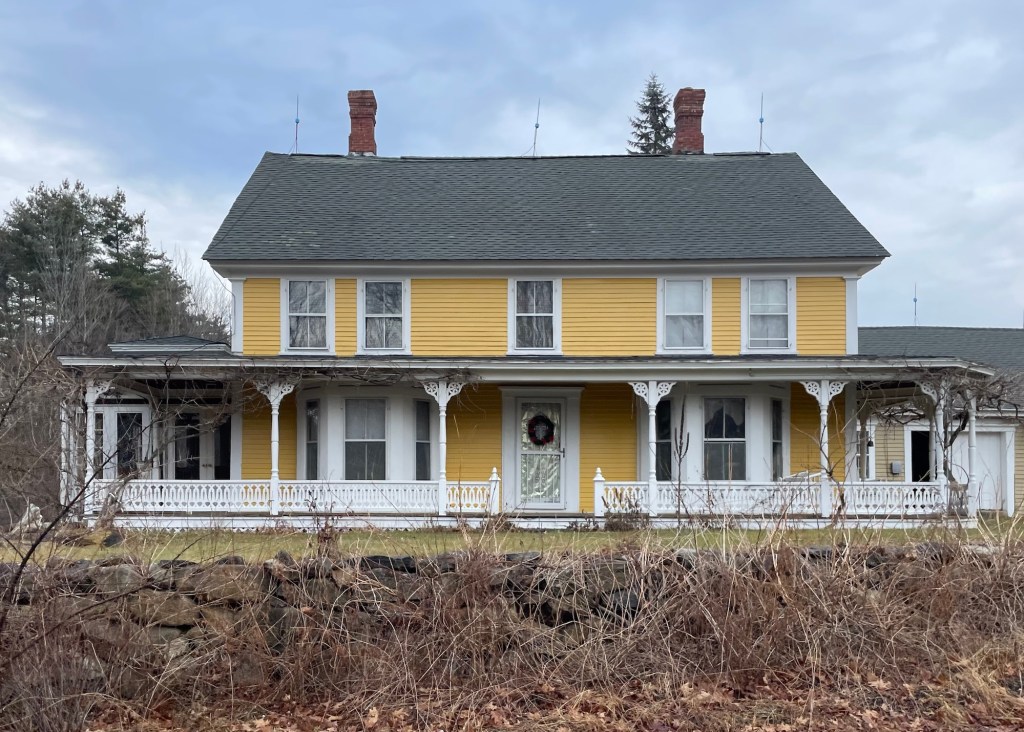
Cyrus Hazen House // c.1850

The backroads of New England always lead you to great discoveries! This time, driving around Weare, New Hampshire, I stumbled upon this large farmhouse on the side of the road. The home was owned by Cyrus Hazen by 1858 and due to its style, I would date it to be built in the 1850s. Cyrus Hazen married Louisa Bartlett (as her second marriage) in 1847 and they appear to have had this home built a few years later. The Hazen’s ran a farm from this home for decades. Sometime after the Civil War, the home would have gotten the full-length verandah (front porch) and a side tower, both Victorian-era additions. The home is now attached to the historic barn by an ell.