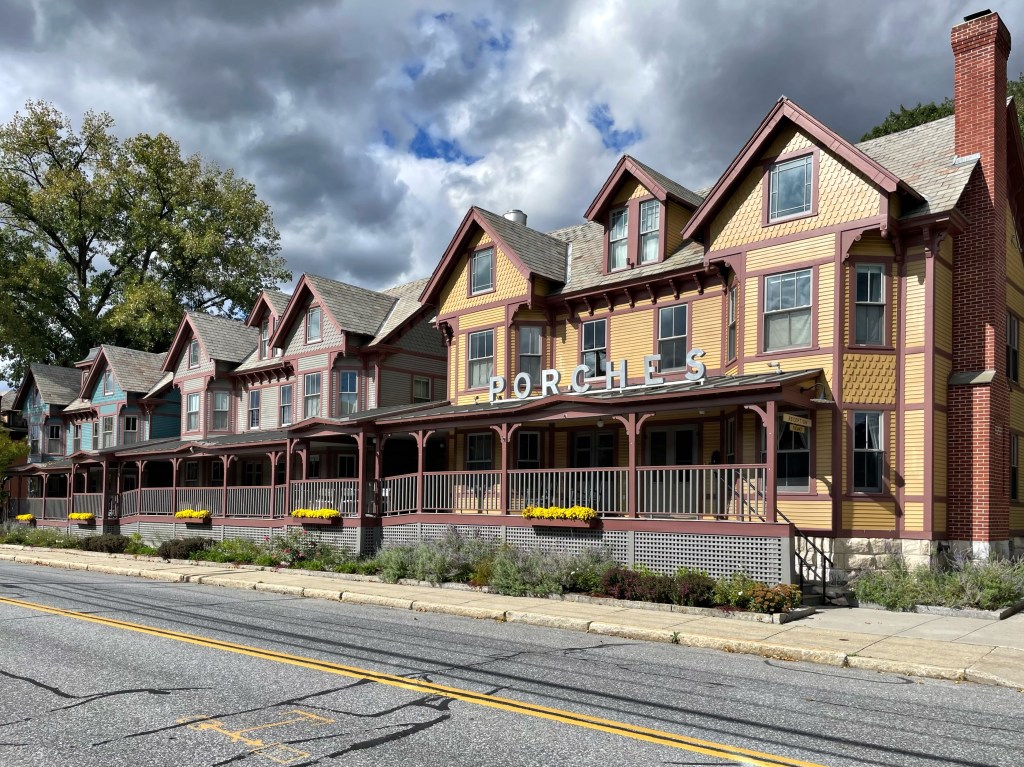
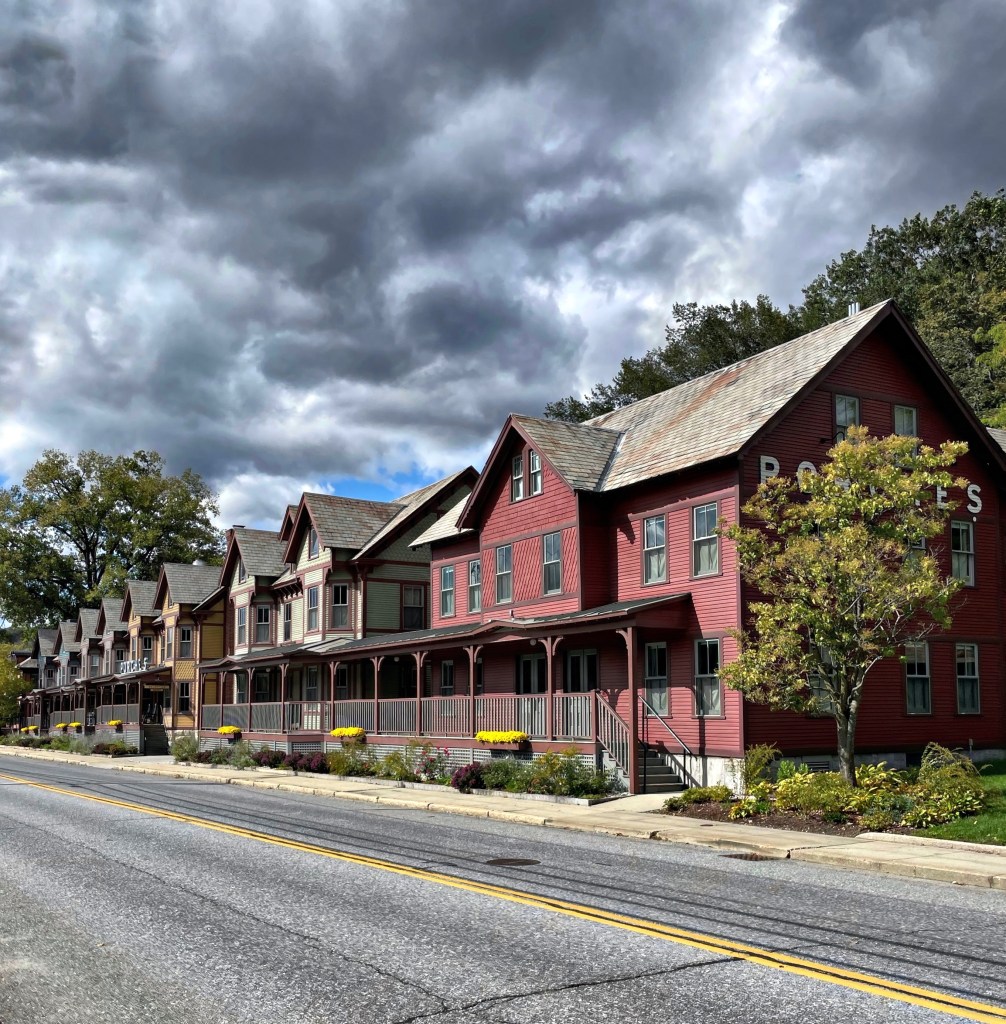
The Porches Inn // 1895

Prior to a few decades ago, there were not many reasons one would visit or stay a weekend in North Adams, Massachusetts. The former industrial city, like many others in the region, saw a sharp decline in population, services, and quality of life when many of the local factories closed in the second half of the 20th century. The major draw of tourists today is Mass MoCA, a museum in a converted factory building complex that is now one of the largest centers for contemporary visual art and performing arts in the United States! The new museum has created a huge demand for restaurants, housing, and hotels of all types in the formerly decaying river city. This is a story of perseverance and rebirth! In the early 2000s, Jack Wadsworth, an alumnus of nearby Williams College, wished to revitalize a block of vacant 19th-century workers houses across from the growing attraction of MASS MoCA. He worked with Burr and McCallum Architects of Williamstown to convert the decaying workers cottages into a boutique hotel. The span of Queen Anne and Colonial Revival cottages were joined via a long porch lined with rocking chairs, and the space between the buildings is bridged with skylights, giving the complex its appropriate name, Porches Inn.
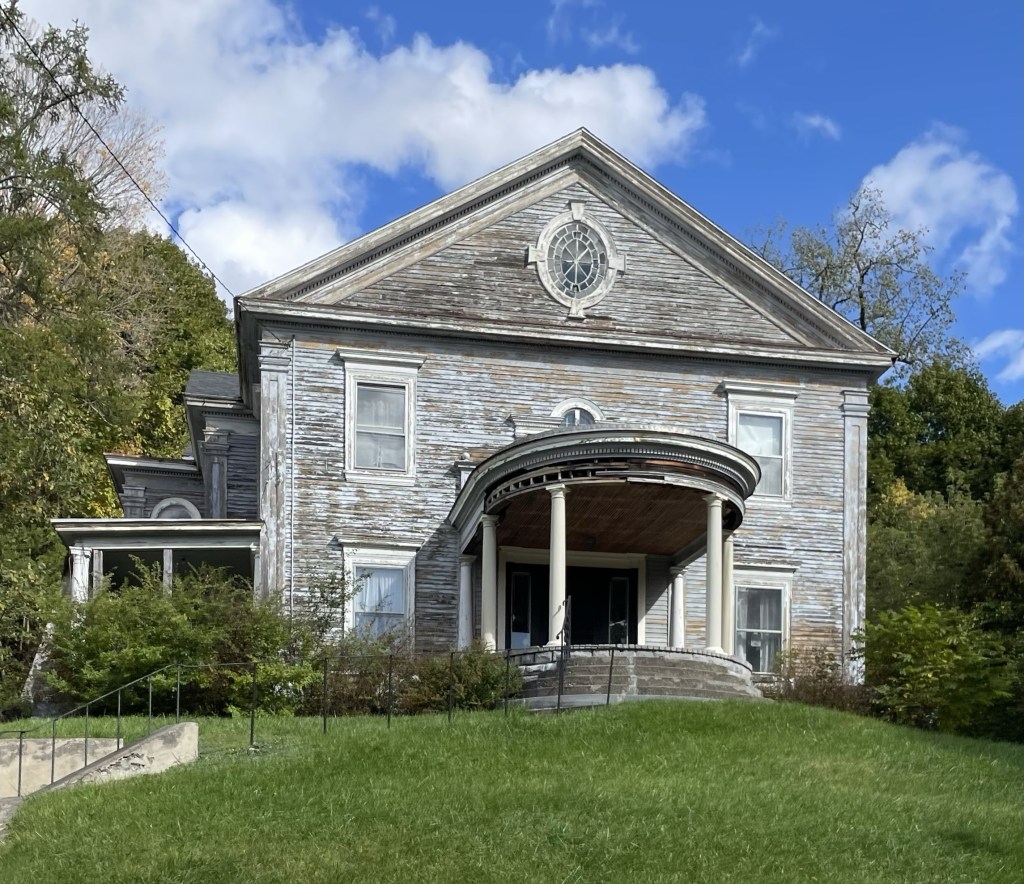
Ashe House // 1898

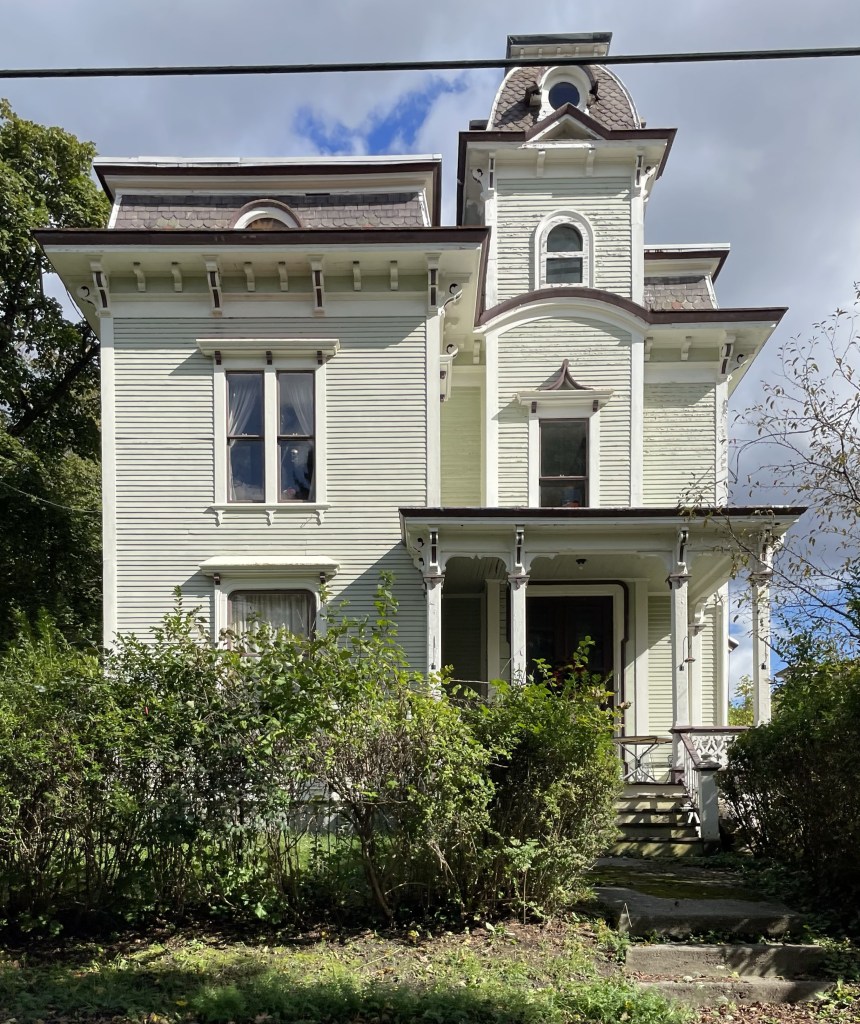
North Adams, like many formerly industrial towns and cities in New England has some amazing old Victorian and Colonial Revival houses built before the factories closed. Luckily for us, this town still has many unaltered residences, with some needing more love than others. This is the Ashe House, built in 1897-8 for Patrick J. Ashe and wife Katherine O’Brien. Classical details from many different styles make this house unique. An oval window dominates the traditional Greek facade which includes a pediment and side pilasters. A palladian window sits over the elliptical porch which is supported by columns. This one has so much potential!!

Vadner House // 1874

This elegant estate which stands on the corner of E. Quincy and Pleasant streets in North Adams, Massachusetts was originally built for Samuel Vadner in 1874, by architect Frank Davis the architect. Samuel Vadner established his carriage repository in town in 1870, which saw immediate success. His company manufactured carriages, sleighs, wagons, harnesses, and more, during a period of wealth for the industrial city. The high-style Second Empire style house features a bellcast style mansard roof with broad overhanging eaves, a small entry portico, and a three-tier entry tower that is capped by a convex mansard roof.

R.J. Walden House // c.1872

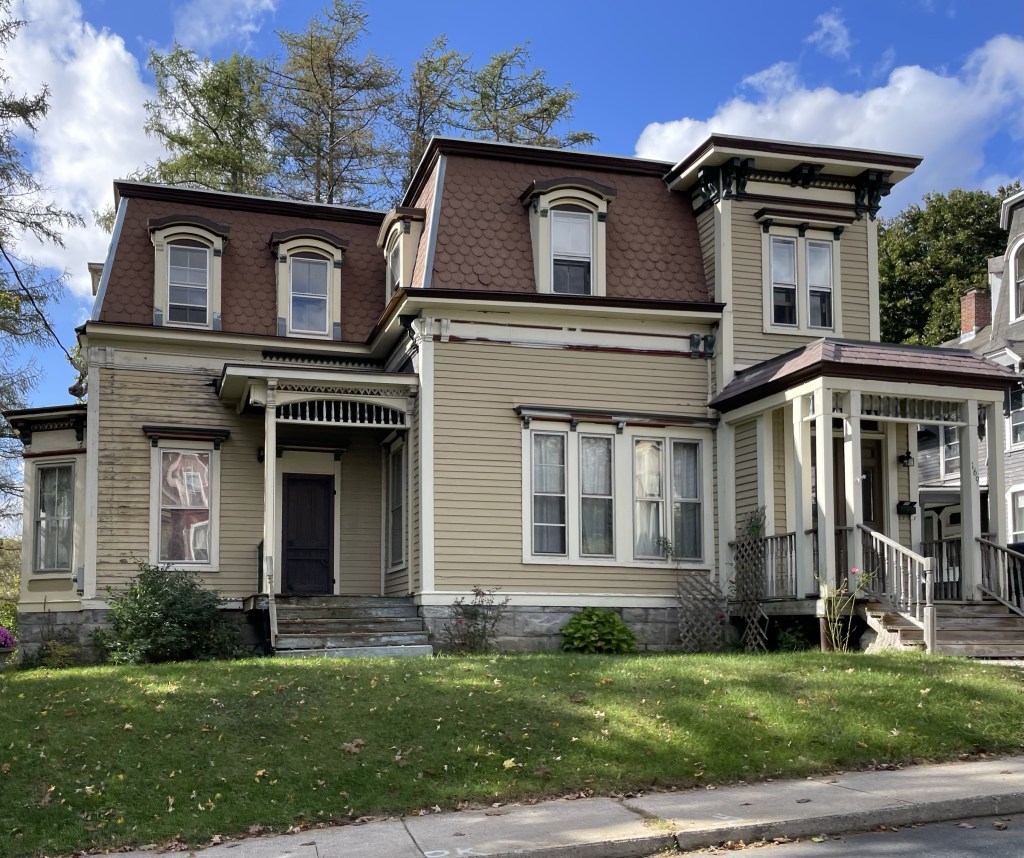
Located on the appropriately named Pleasant Street in North Adams, Massachusetts, this charming Second Empire style house is one of the finest in town. The house was built sometime between 1869-1875 for an R.J. Walden, who was listed in directories as a Deputy Sheriff for Berkshire County, an auctioneer, and real estate agent. Interestingly, the mansard roof is broken by a truncated corner tower with a flat roof. This is a unique one!

First Congregational Church of North Adams // 1863

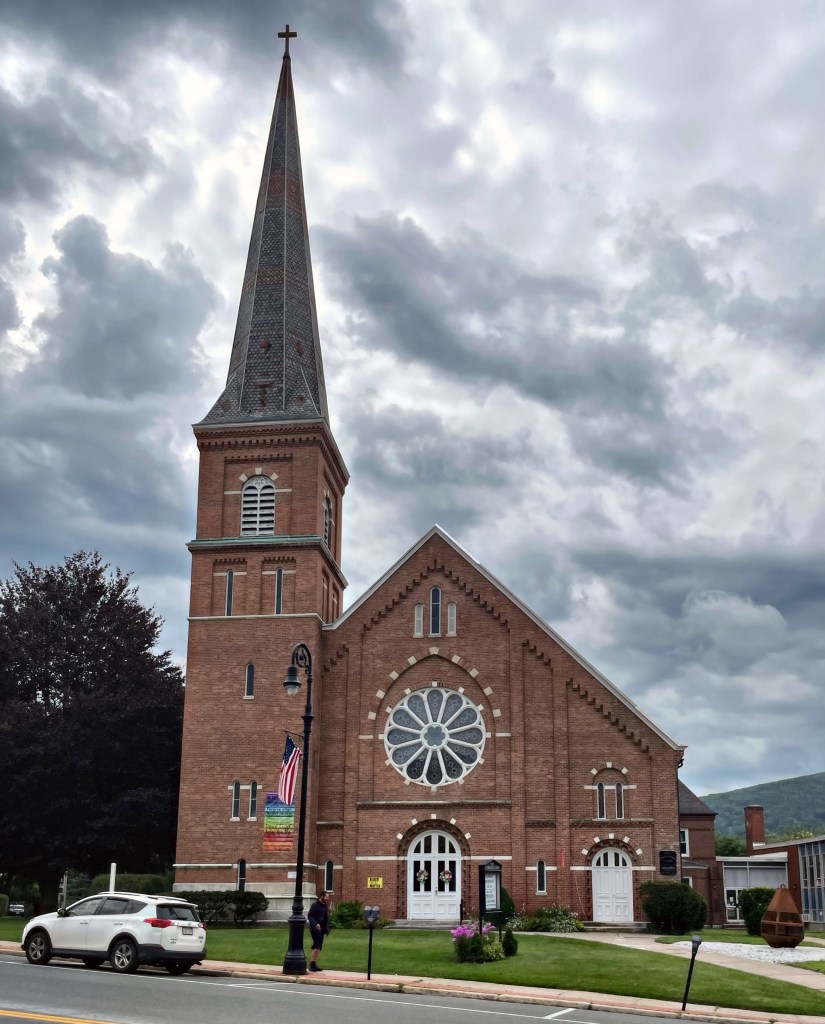
Initially the Congregationalists of Adams and North Adams, Massachusetts met in a small, wooden meetinghouse that was lent to them for use by the Baptist Church. The small, but active congregation totaled just 22 people; 5 men and 17 women. The first minister of the church, John W. Yeomans, worked diligently to see the new church succeed. He was able to raise $3000 from Congregationalist members here and in surrounding communities to build a church of their own. In 1827, a new brick meetinghouse was constructed on the site of the current building. Due to the continuing growth of the church, a new building was necessary after membership outgrew the brick meetinghouse. Bricks from the 1827 building were used in the construction of this church. Architect Charles Edward Parker began construction of the First Congregational Church during 1863 and finished building in 1865. The church was constructed in the Romanesque Revival style; which can be seen in the church’s narrow elongated windows that are covered with wide stone arches, as well as its brick and stone construction, and the building’s slate, conical-shaped roof. What a textbook academic example of an early Romanesque church, especially in a relatively remote town!

The Boardman Rowhouses // 1899

Built between 1899-1901, the Boardman rowhouses of North Adams, Massachusetts were constructed by developer and hardware dealer Walter Penniman and his wife Susan Boardman Penniman to serve as much-needed middle-class housing for workers in the growing city. The name “Boardman” was likely taken from Susan’s maiden name. The entire row is comprised of nine rowhouses, all with a front porch, as well as servants’ quarters on the third floor. Each residential unit is fronted by a porch of granite block with Tuscan columns supporting a shed roof. Entrances are recessed behind round-arched openings, also composed of granite blocks. While much architectural details on the second story are obscured by synthetic siding, the
building’s gables retain simple bargeboarding, and eaves are bracketed. The Boardman’s designer was Edwin Thayer Barlow who opened an architecture practice in the town in the 1890s. The rowhouses are still some of the finest example of middle-class housing built in North Adams in the 19th century.

Sullivan Three-Deckers // 1895

The three-decker is a commonly found housing type in New England’s urban industrial cities. These buildings are typically of light-framed, wood construction, where each floor usually consists of a single apartment, and frequently, originally, extended families lived in two, or all three floors. These were affordable housing, largely built by and for first- or second-generation immigrant families who could build a home and rent the other two units to family or friends to offset the steep cost of a mortgage. These three buildings were constructed around 1895 by David Sullivan, a cabinet-maker in North Adams, Massachusetts. They are all Queen Anne in style with applied stickwork, gabled roofs, and multi-story porches. Housing like this is what keeps so many New England towns and cities (relatively) affordable with increased density without sacrificing character or charm.

Whitman House // 1881

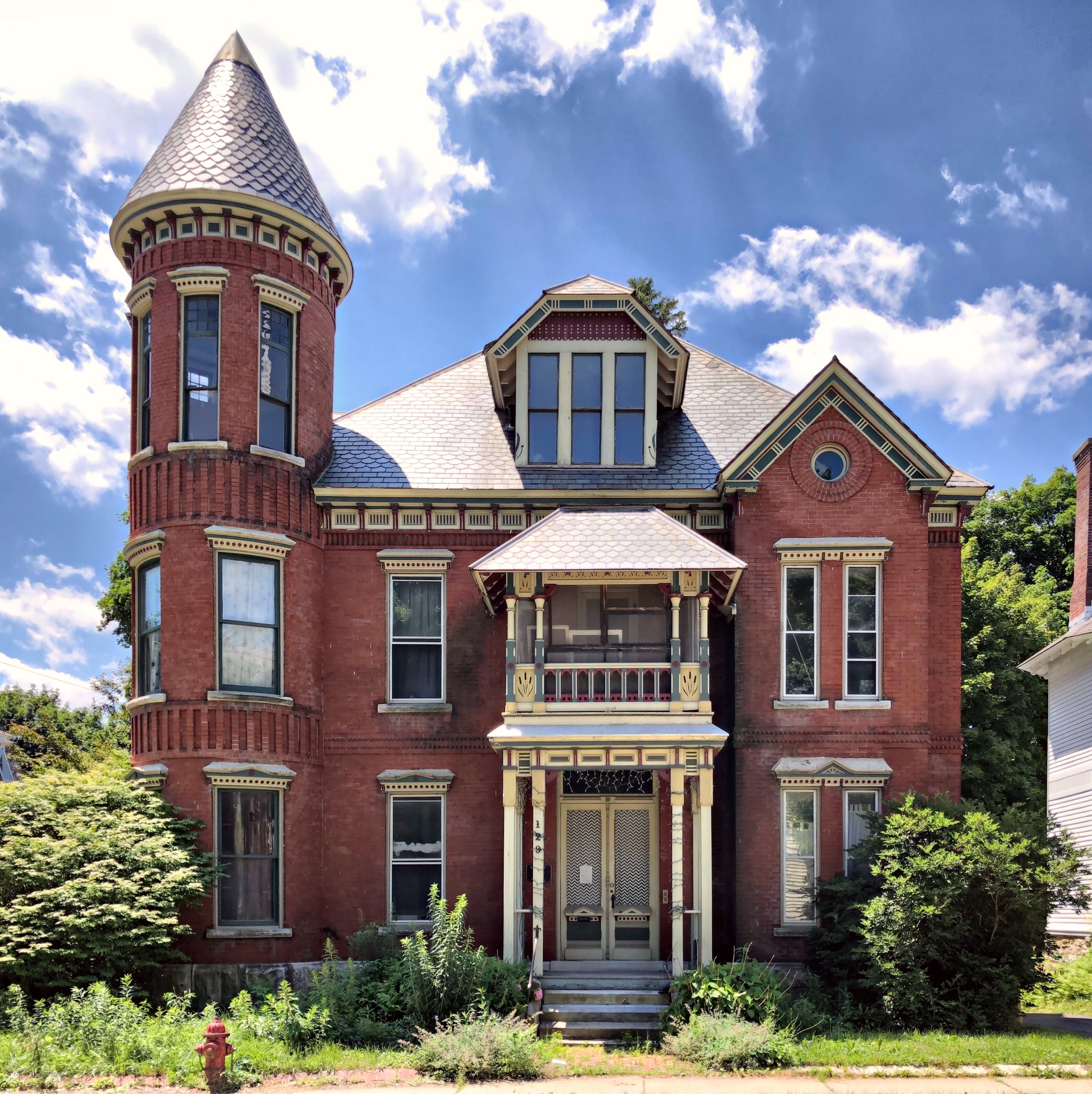
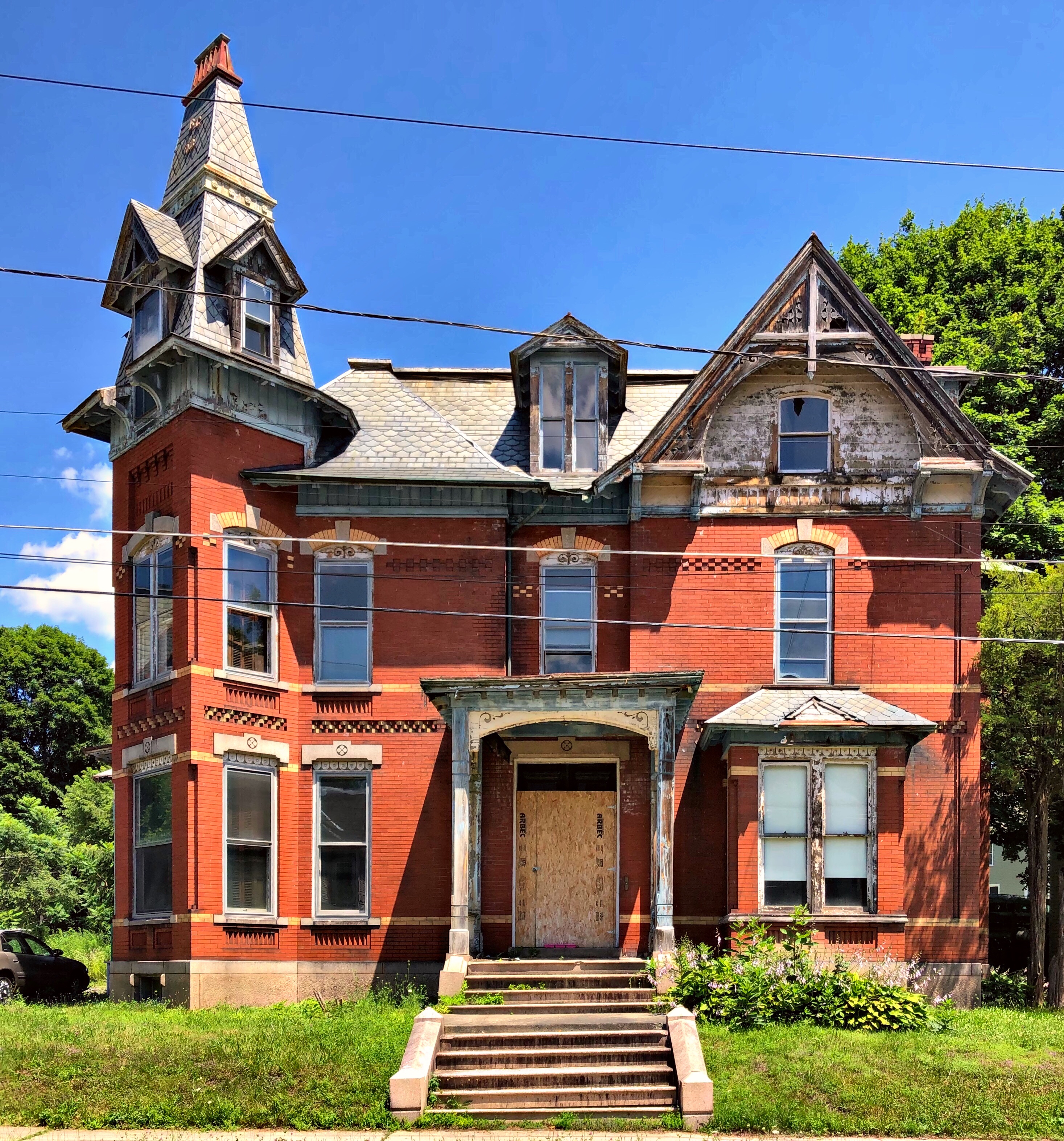
Built in 1881 for William Henry Whitman, this stunning Victorian house remains one of the better-preserved in the town of North Adams. William Whitman was a successful shoe manufacturer in town that lived modestly until his late 40s when he had this home built. The brick home is trimmed with freestone and features a very prominent three-story corner tower with conical roof. The house is a blending of the Stick and Queen Anne styles, under the umbrella of the ‘Victorian’ classification.

Walker House // 1882

This house was built in 1882 for Frank Walker, a merchant who owned a feed and grain store in Downtown North Adams, Massachusetts. The Stick and Queen Anne style home was designed by architect Marcus F. Cummings, who also designed the Blackinton Mansion. The brick and freestone home was converted to multi-family sometime in the mid-20th-century due to the changing demographics of the town. Since then, the home has seen weathering and deferred maintenance, but retains much of its original detailing and character.

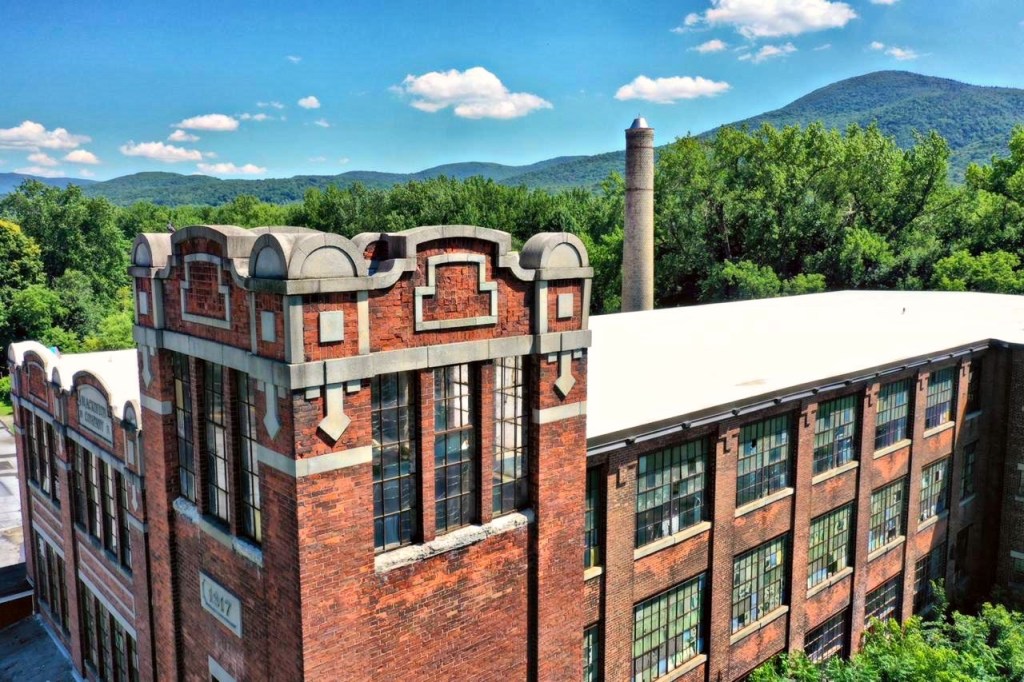
Blackinton Woolen Mill // 1917

On the outskirts of North Adams, in the village of Blackinton, you will find this massive decaying mill complex slowly being overtaken by Mother Nature and time. The complex is the Blackinton Woolen Mill, which was founded by Sanford Blackinton, who started his woolen mill on the banks of the Hoosic River in 1821 (later building his mansion closer to town). The mill increased production yearly and produced cloth during the Civil War for the Union cause. After, the mill increased production and ran 24 hours a day with the only time the mill would close down would be for mill fires, machinery repairs, or low water supply. In 1869, 162 men, 105 women, and 35 children worked in the mill with the length of the working day being eleven hours! After Blackinton’s death, the mill was succeeded by William Pomeroy, his son-in-law, who had marketed the Blackinton product through his own woolen goods store in New York. In 1917, the present main mill building was built; it is three stories high, with large windows in recessed bays between vertical brick members, resembling pilasters, which rise from the ground to the flat roof. The tower and parapet on the end facing the street are decorated with ornate castellation giving the complex a high-style design. The mill was constructed behind the weave shed (1908) which is a long one-story structure fronting the main street, decreasing the mill’s presence. As is the history of industry in New England, the mill struggled after WWII with a national shift to a service economy away from production. The building has been vacant since the late 1980s and has been eyed for redevelopment into loft and artist studios since.

Fingers crossed!