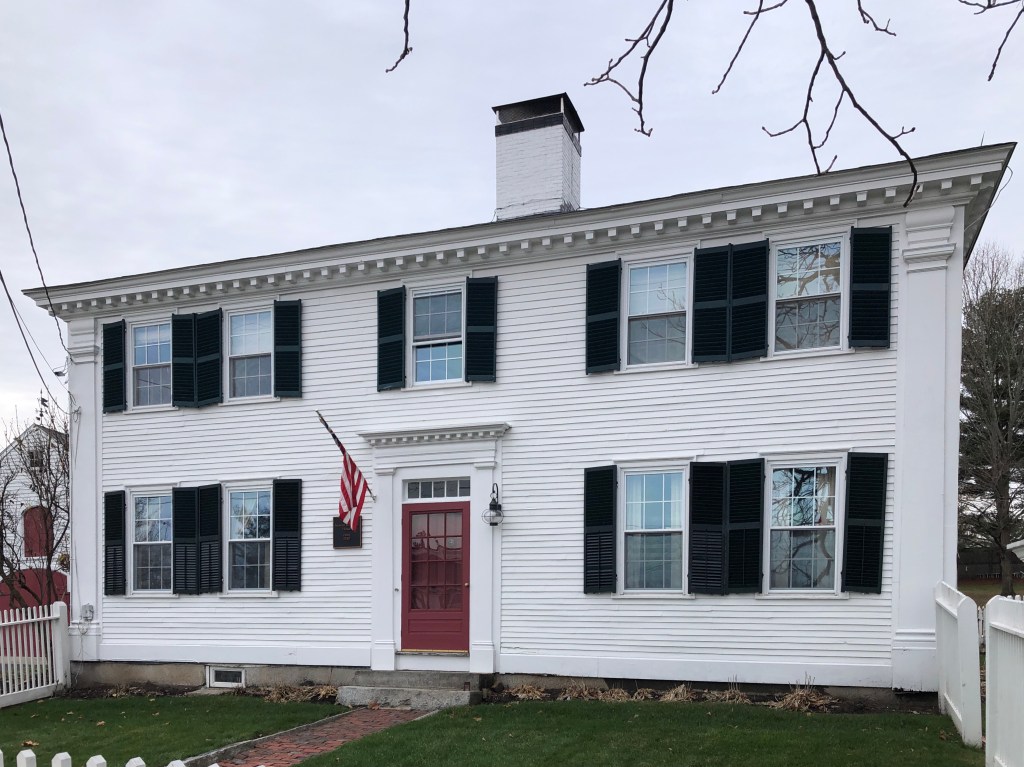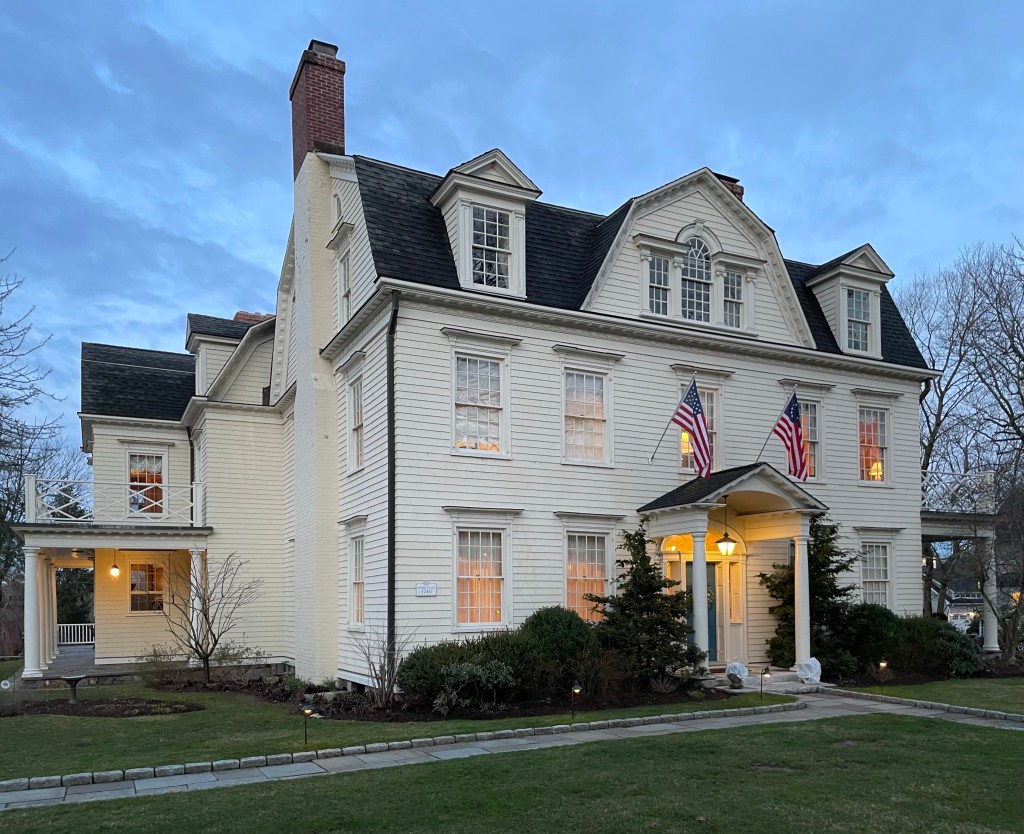
Joseph Reynolds House // 1698

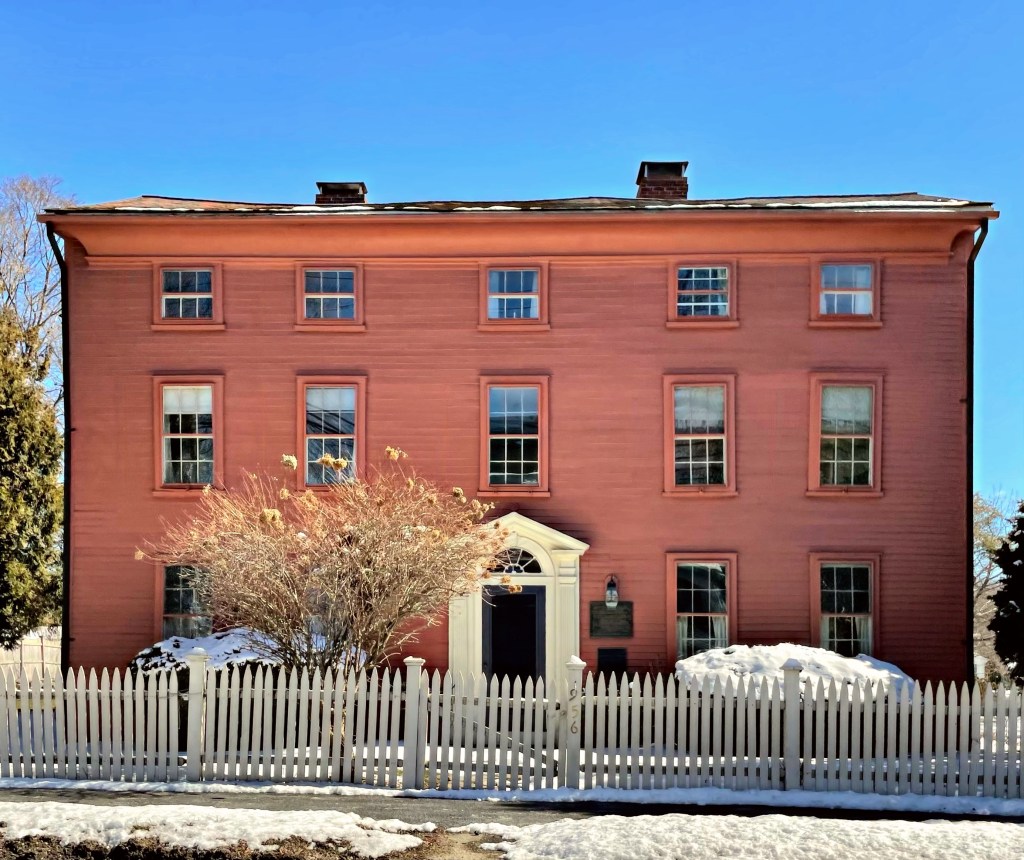
This three-story wood-frame house is one of the oldest buildings in Bristol and the oldest known three-story building in Rhode Island. The home was built by Joseph Reynolds (1679-1759), a patriarch in the Reynolds Family, who later built the Reynolds-DeWolf House I featured previously. The house is five bays wide and three deep with the roof extending lower to the rear, giving the house a classic New England saltbox appearance. Joseph built this house, and also operated a tannery and gristmill on his land. The home is nationally significant as during the ownership of the house by his son Joseph II, Marquis de Lafayette occupied the north parlor chamber. Lafayette was a general in the Continental Army and was responsible for the defense of Bristol and Warren from September 7 to 23, 1778 during failed military operations to drive the British from occupied Newport. The home was added onto and altered in 1790 to give it the current design, with Federal detailing. The home remained in the Reynolds Family until 1930.

Washington Meeting House // 1787

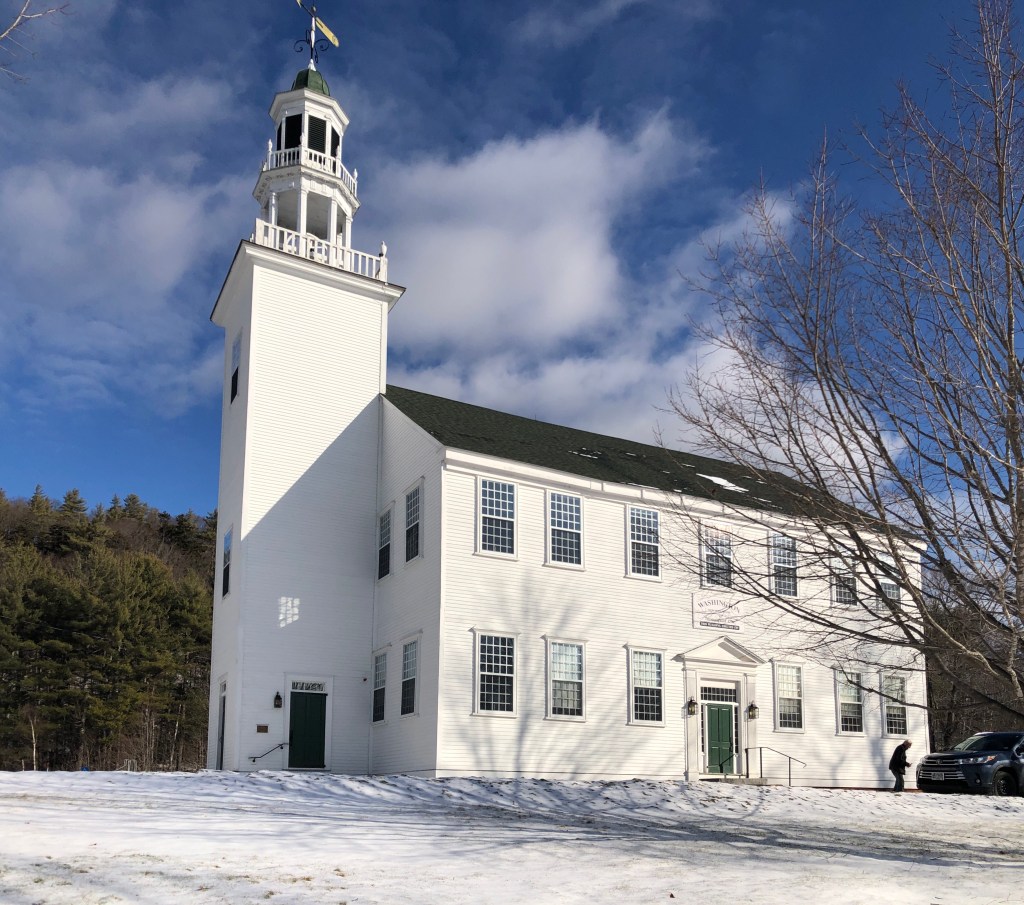
The Washington Town Hall, originally raised as a meetinghouse in 1787, is the civic and visual focal point of Washington Center in New Hampshire. Land here was first granted in 1735 by Colonial Governor Jonathan Belcher of Massachusetts. The town was one of the fort towns designated to protect the colonies from attack by Native peoples, and it was named “Monadnock Number 8”. The first permanent settlers arrived in 1768 and built log houses. By 1773, the community had 132 inhabitants. On December 13, 1776, the newly established American revolutionary government incorporated the town as “Washington”, after George Washington — one of the first named in his honor. A small townhouse was built but was replaced a decade later with what we see today. The current structure was originally a simple, two-story clapboarded structure, with east and west porches. The tower and belfry rising from the end were added in 1820. The building committee specified all details of the meeting house, including “that the windows should be glazed with squares of glass, seven by nine inches, forty panes to the window”. This attention to detail shows how the meeting house would be a source of pride for the new town and all details were to be discussed to the smallest detail.

Cummings-Abbott House // c.1735

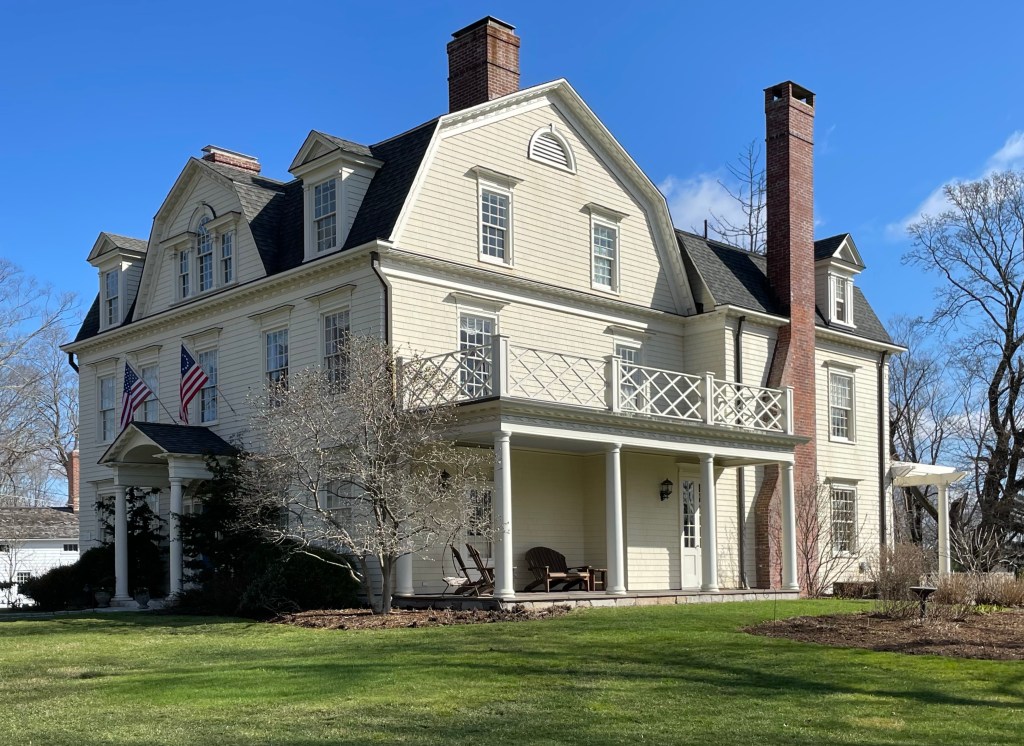
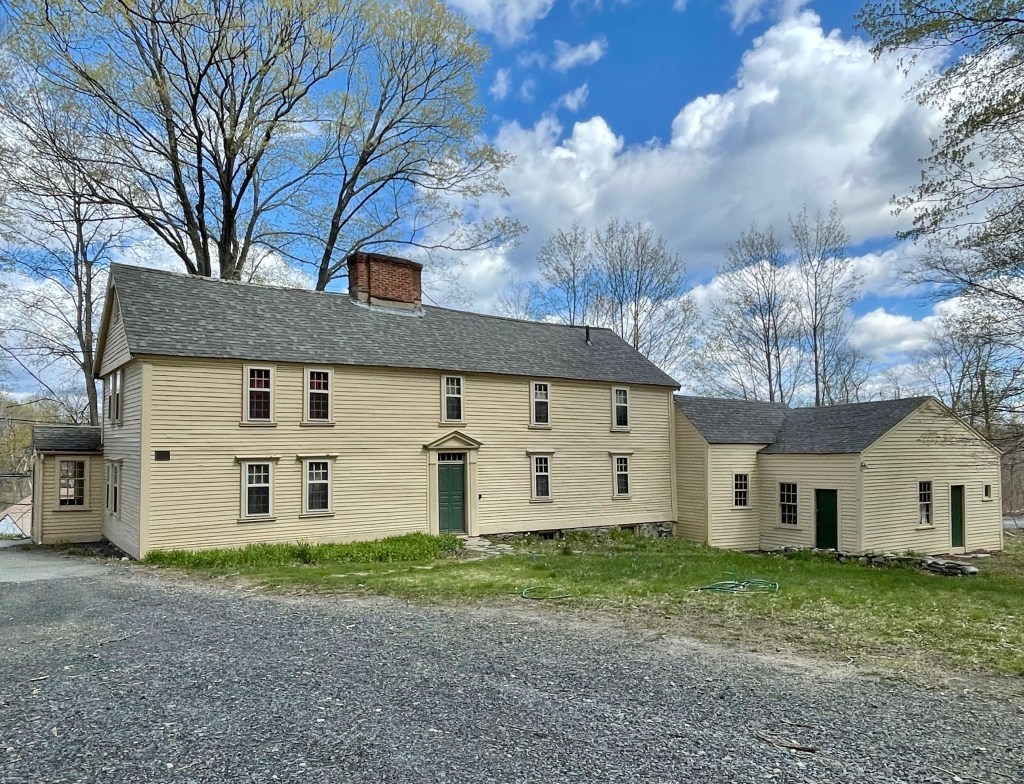
Samuel Cummings (1709-1772) married Prudence Lawrence (1715-1796) and moved to Hollis, NH from Groton, MA. The couple had a home built in town and raised at least four children, Samuel Jr., Mary, Sibbel, and Prudence. The original house built by Cummings was a single-story, four room, center chimney type. After his death in 1772, the property passed to Cummings’ son, Samuel Cummings, Jr., an acknowledged Tory. Interestingly, Samuel’s sister Prudence was an ardent patriot, who moved to Pepperell, MA and married a militia man, David Wright. While the Revolutionary War was raging, Prudence visited her brother in the old family home, when she overheard her brother Samuel talk to his friend, a British army officer about passing information to the British. Prudence returned to Pepperell and gathered the women of the town. Then a 35-year-old mother of five, she organized 30 or 40 of them into a militia called ‘Mrs. David Wright’s Guard.’ The women dressed in their husbands’ clothes and carried whatever they could for weapons. As the men had probably taken muskets with them, the women probably used farm implements such as pitchforks. The women patrolled the roads leading into town. The group eventually captured two British soldiers on horseback and let them go only once they agreed to never come back to the colony. Due to this event, Prudence never spoke to her loyalist brother again.

In the 1850s, the house was owned by Superintendent of Schools, Levi Abbott and his wife, Matilda. It was the Abbotts who reportedly added a second story to the house with a hip roof, cornice and corner pilasters, giving it the appearance we see today.

Old North Church // 1723

One of the most visited buildings in New England is the stunning Old North Church in the North End of Boston. Old North Church (originally Christ Church in the City of Boston) was established when the cramped original King’s Chapel, then a small wooden structure near Boston Common, proved inadequate for the growing number of Anglicans in the former Puritan stronghold. Subscriptions for a new church were invited in 1722. The sea captains, merchants, and artisans who had settled in Boston’s North End contributed generously to the building fund, and construction began in April, 1723. The church was designed by William Price, though heavily influenced by Christopher Wren’s English churches.

Before the American Revolution, both Patriots and Tories were members of the church, and often sat near each-other in pews, clearly adding to bubbling tensions. The enduring fame of the Old North began on the evening of April 18, 1775, when the church sexton, Robert Newman, and Vestryman Capt. John Pulling, Jr. climbed the steeple and held high two lanterns as a signal from Paul Revere that the British were marching to Lexington and Concord by sea across the Charles River and not by land. This fateful event ignited the American Revolution.

A full scale restoration of Old North was carried out in 1912-14 under the direction of architect R. Clipson Sturgis and a number of 19th century alterations were then eliminated. In this work, floor timbers and gallery stairs were replaced, the original arched window in the apse at the east end was replaced, and the old square box pews and raised pulpit were reconstructed. Additionally, the interior woodwork was incorrectly repainted white rather than the rich variety of original colors described in the early documents of the church, clearly submitting to Colonial Revival sensibilities. The iconic white steeple is also not original. The original steeple of the Old North Church was destroyed by the 1804 Snow hurricane. A replacement steeple, designed by Charles Bulfinch, was toppled by a hurricane in 1954. The current steeple uses design elements from the original and the Bulfinch version. Even with all these differences, Old North lives up to her name and stands proudly as a symbol of freedom and revolution.