Oakwold Cottage // 1883

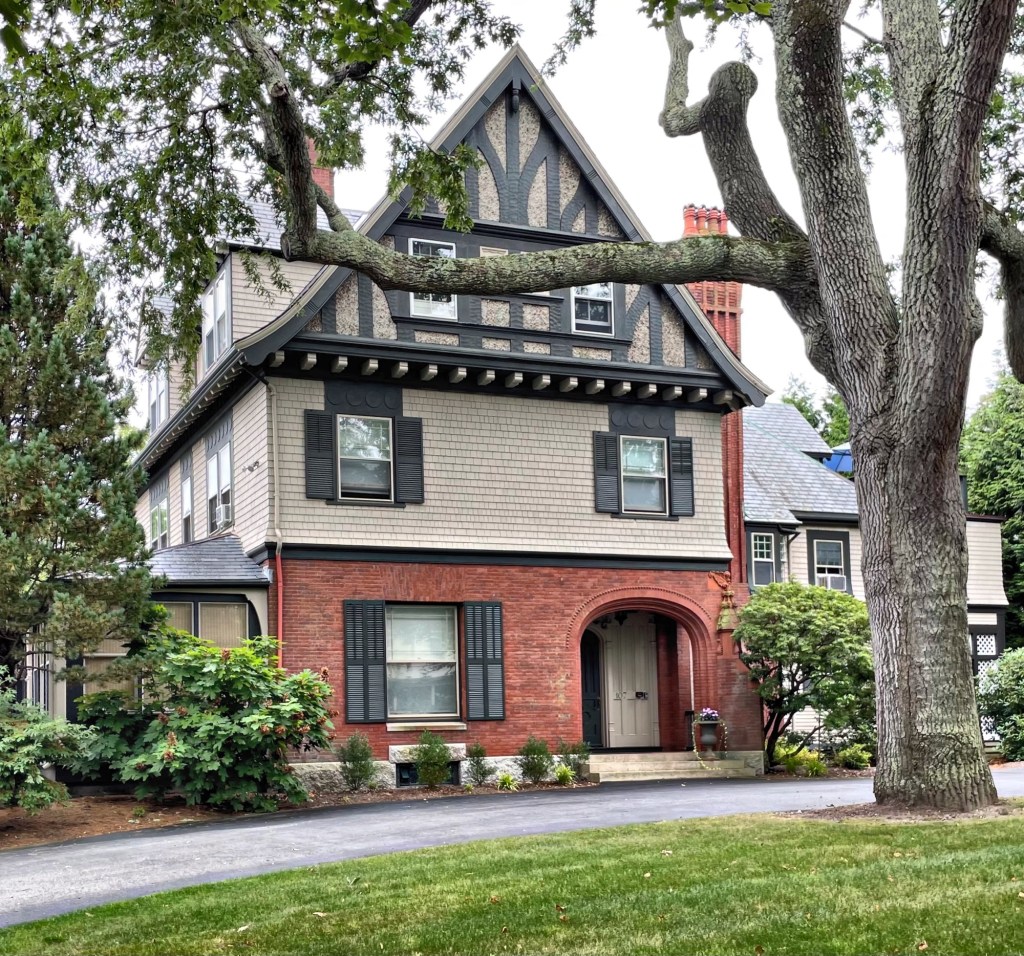
Oakwold, a stunning Queen Anne residence on Old Beach Road in Newport, Rhode Island was supposedly built on speculation and purchased by Augustus Jay (1850-1919). Mr. Jay was born in Washington, D. C., the son of Peter Augustus Jay and Josephine Pearson Jay. Augustus Jay graduated from Harvard College in 1871 and from the Columbia Law School in 1876, and worked as a diplomat. His wife was Emily Astor Kane (1854–1932), a daughter of DeLancey Kane and Louisa Dorothea (née Langdon) Kane. Emily was a descendant of John Jacob Astor. The “cottage” was named Oakwold, and was designed by architect Clarence Sumner Luce, who designed many summer residences in Newport, and specialized in the Queen Anne style. Particularly noteworthy in the design of Oakwold are the brick first floor with entrance within a recessed arched opening and pebble-dashed and half-timbered gable ends.

Joseph P. Allen Cottage // 1877

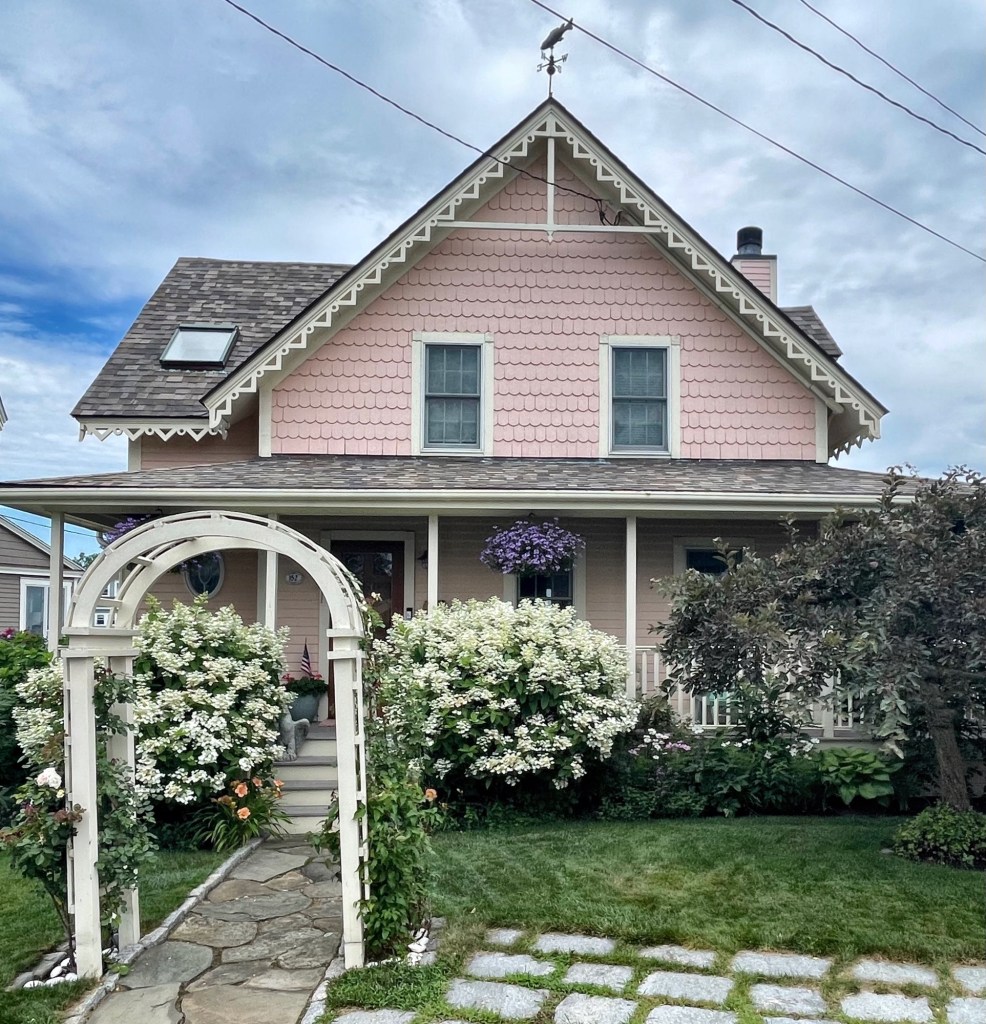
One of the most picturesque and charming summer cottages (now year-round residences) in the Salem Willows neighborhood in Salem, Massachusetts is this Victorian on Bay View Avenue. The cottage was built around 1877 for Joseph Pray Allen (1822-1897) who was a police officer who likely climbed the ranks in the force to afford a second home in the city. The 1 1/2-story cottage has decorative bargeboards at the eaves and stick bracket at the gable. Perfection!

Old Platte Clove Post Office // c.1885

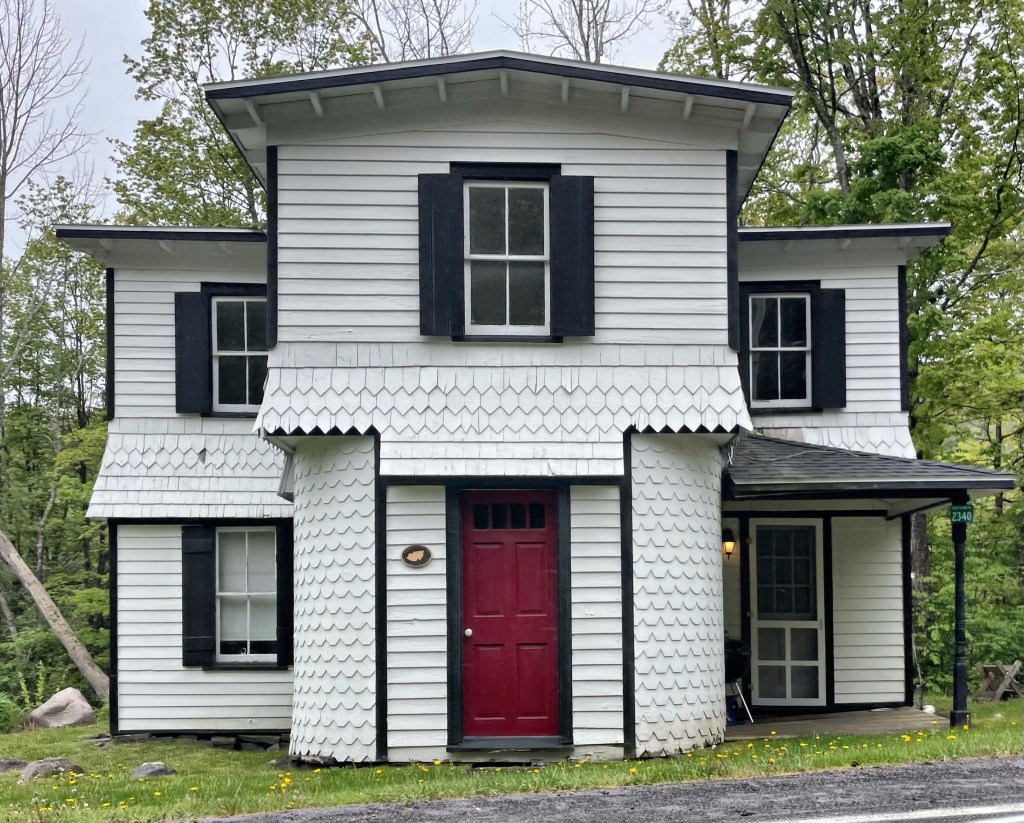
Believe it or not, but I occasionally venture out of New England, and a favorite place of mine to explore is Upstate New York. On a recent trip, I ended up driving through the tiny town of Hunter, New York, located in the middle of the Catskills. This charming little building was constructed c.1885 as the Platte Clove Post Office. The building was constructed to serve a rural portion of the town and was built as an early mixed-use building with the post office at the ground floor and small residence upstairs for the postmaster to live. The exterior cladding features both shingle and clapboard siding with overhanging eaves. The post office here ceased by 1911 and the use reverted solely to residential.