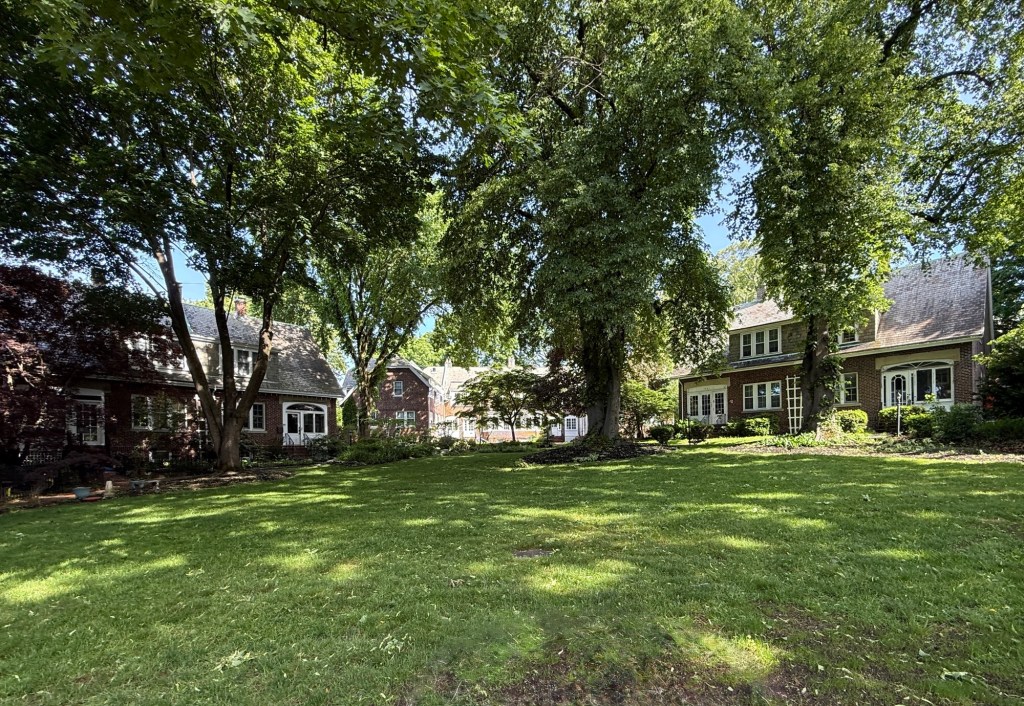
Nestled in Jamaica Plain, the Woodbourne neighborhood is one of Boston’s most notable early twentieth-century planned residential neighborhoods, developed in early 20th century on land that had once been part of large country estates. Inspired by Garden City planning principles, the neighborhood was designed to harmonize with its natural landscape, featuring curving streets, mature trees, and thoughtfully arranged green spaces rather than a rigid urban grid. Its architecture reflects the predominant architectural styles of the period, notably showcasing modest housing in Arts and Crafts and Colonial Revival styles with many of the original buildings designed by the firm of Kilham & Hopkins off Southbourne Road. The development envisioned and funded by The Boston Dwelling House Company, a who’s who of well-connected Boston residents who envisioned the development as an attractive and healthy suburban community for middle-class families with convenient access to streetcar and rail transportation, with the grounds laid out by the Olmsted Brothers. Woodbourne remains remarkably intact today, offering a rare glimpse into the ideals of early suburban planning amidst the somewhat hectic piecemeal development and layout of streets in other parts of the city.
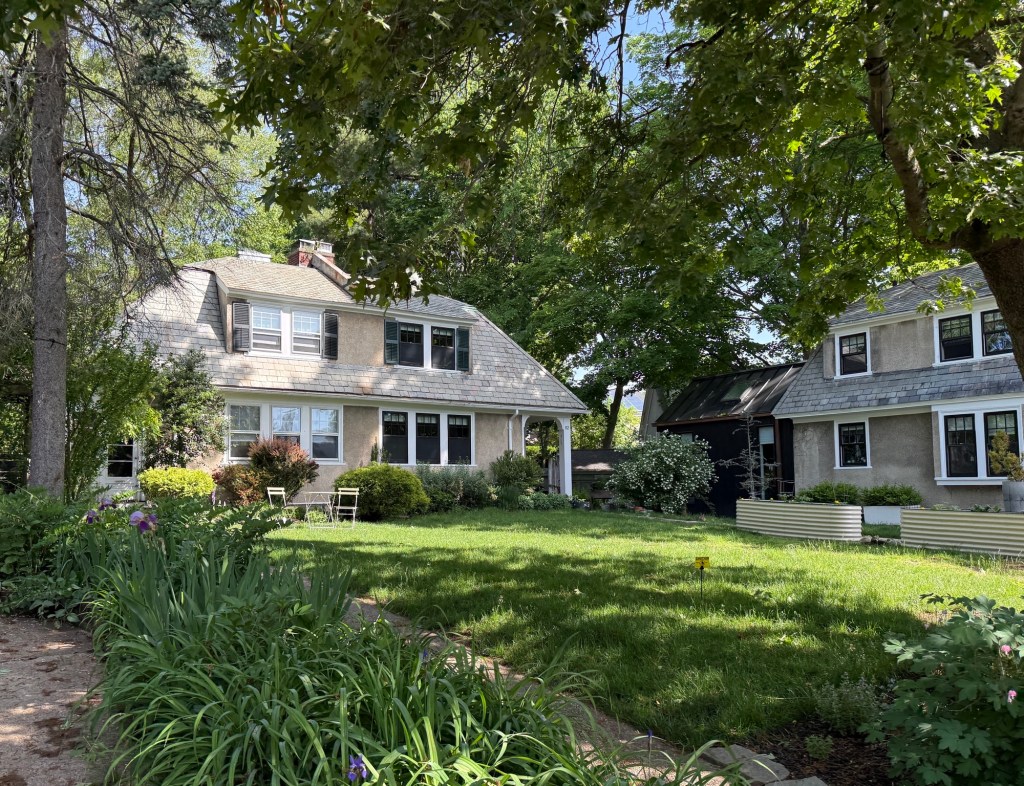


I did a long piece on Woodbourne in my Arts and Crafts Houses of New England, pp 108-118 if you want to know more or do more of the houses, especially the attached ones on Southbourne Street. I found Kilham an especially interesting architect, as were Allen and Collens.
I am going to Warren RI soon with my old architectural historian partner to see the wonderful houses you found. I am thanking you in advance.
Best,
Heli
LikeLiked by 1 person
So great to hear, Heli! I was actually inspired to check out Woodbourne from your book, I read about it a while back and remembered to go there on a nice spring morning. Its a beautiful enclave of Arts & Crafts. Warren is such a gem, great town to zigzag streets and get lost! Enjoy 🙂
LikeLike