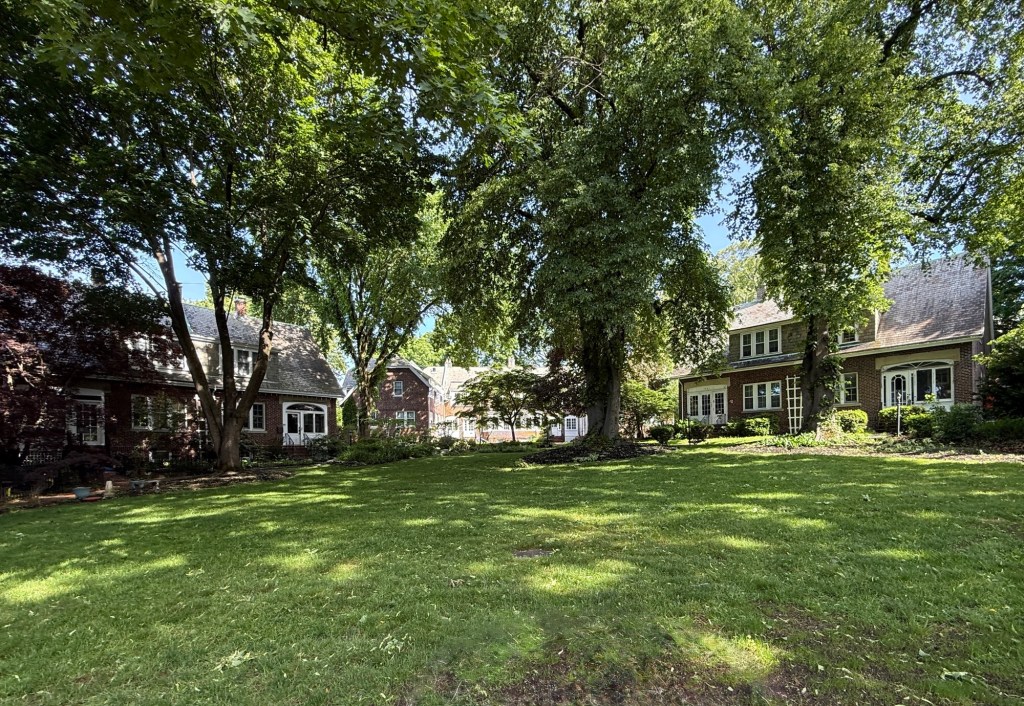
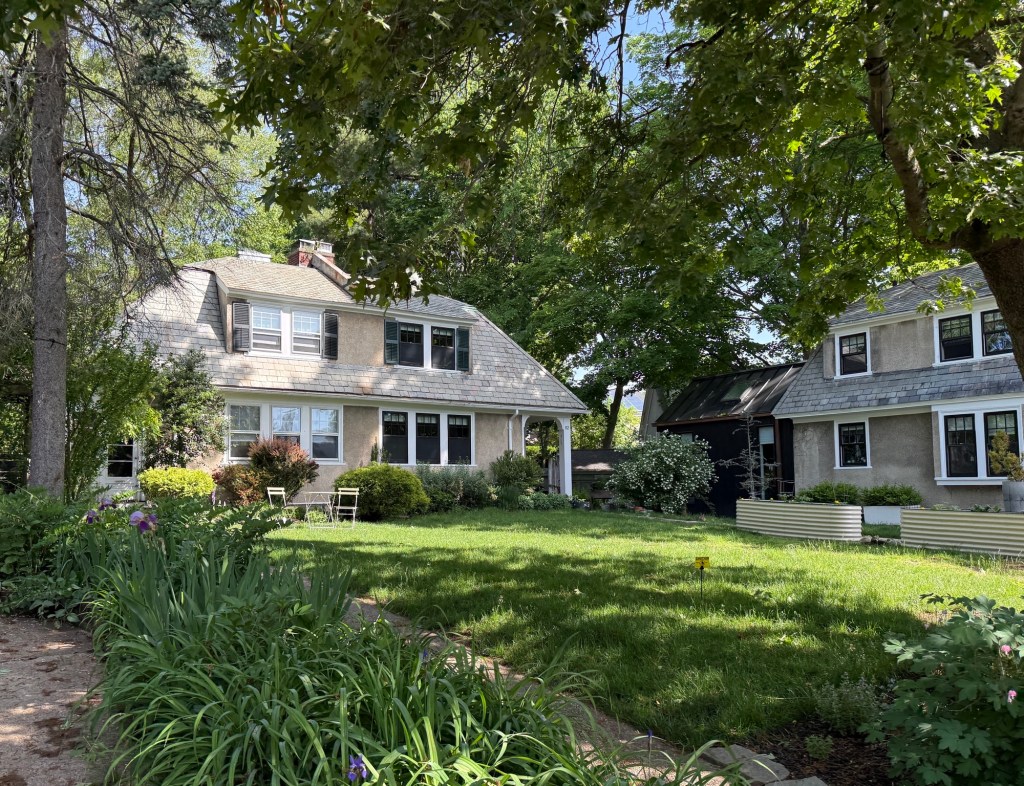
Boston Dwelling House Company Houses – Woodbourne Neighborhood // c.1912

Nestled in Jamaica Plain, the Woodbourne neighborhood is one of Boston’s most notable early twentieth-century planned residential neighborhoods, developed in early 20th century on land that had once been part of large country estates. Inspired by Garden City planning principles, the neighborhood was designed to harmonize with its natural landscape, featuring curving streets, mature trees, and thoughtfully arranged green spaces rather than a rigid urban grid. Its architecture reflects the predominant architectural styles of the period, notably showcasing modest housing in Arts and Crafts and Colonial Revival styles with many of the original buildings designed by the firm of Kilham & Hopkins off Southbourne Road. The development envisioned and funded by The Boston Dwelling House Company, a who’s who of well-connected Boston residents who envisioned the development as an attractive and healthy suburban community for middle-class families with convenient access to streetcar and rail transportation, with the grounds laid out by the Olmsted Brothers. Woodbourne remains remarkably intact today, offering a rare glimpse into the ideals of early suburban planning amidst the somewhat hectic piecemeal development and layout of streets in other parts of the city.
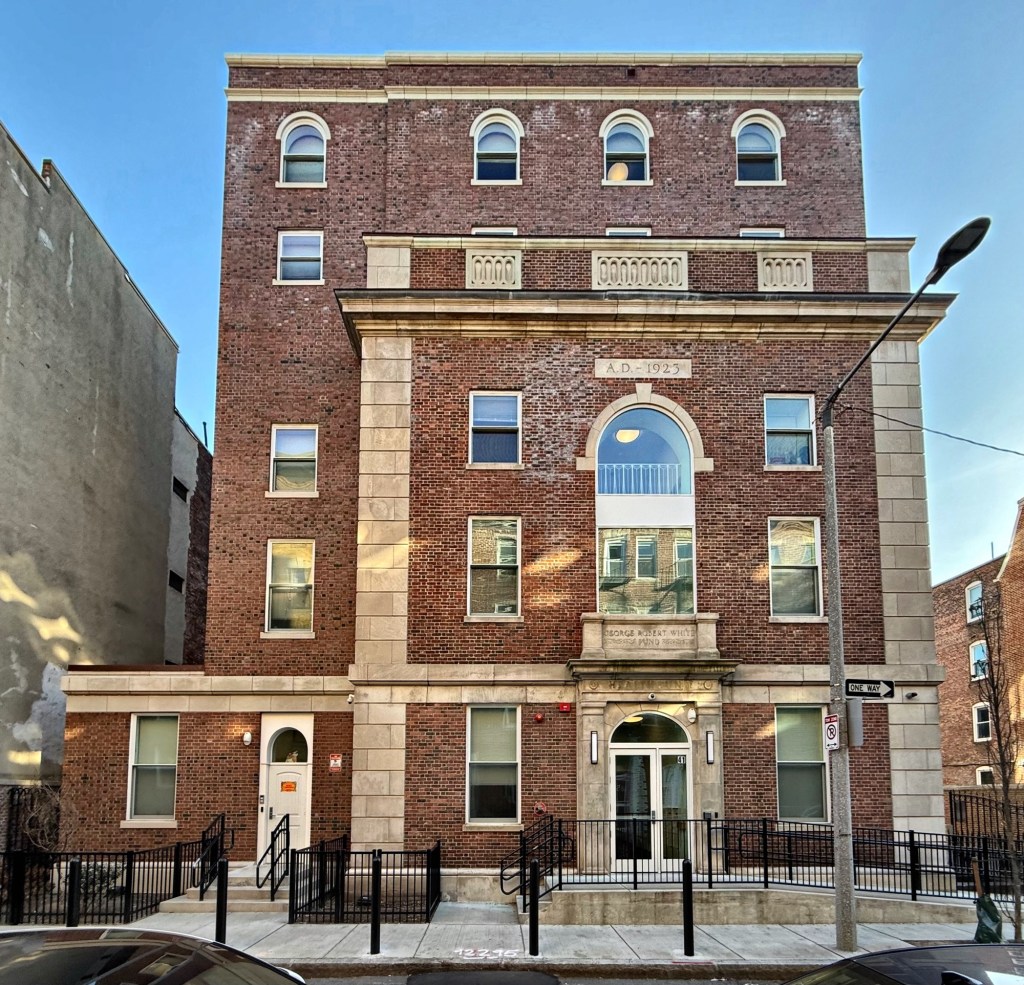
George Robert White Health Unit No. 2 // 1923

Originally known as the George Robert White Health Unit Number 2, this Colonial Revival style building is located on North Margin Street in the North End of Boston, and is significant as an early health center providing health and education services for some of Boston’s most underserved residents. The building was constructed in 1923 as one of the neighborhood-based health centers built in Boston in the 1920s and early 1930s from funding by the George Robert White charitable trust. George Robert White (1847-1922), a longtime resident of Boston, worked in the office of the Potter Drug and Chemical Company as a boy, eventually becoming president and an owner of the corporation. He was an investor in real estate and reportedly was known for many years as the largest individual taxpayer in Boston. Upon his death, his will specified that his bequest to the city, about $5 million in 1922 (approximately $93 Million valued today), would be held in a permanent charitable fund “to be used for creating public utility and beauty and for the use and enjoyment of the inhabitants of Boston.” The North End Health Unit was the second built (the first was in the West End), and designed in the Colonial Revival style from plans by Coolidge and Shattuck, later known as Coolidge, Shepley, Bulfinch & Abbott. Since the 1970s, the building was occupied by the Knights of Columbus, a fraternal organization, until 2020, when the building was renovated and converted into housing with 23 units for elderly residents.