Boston Dwelling House Company Houses – Woodbourne Neighborhood // c.1912

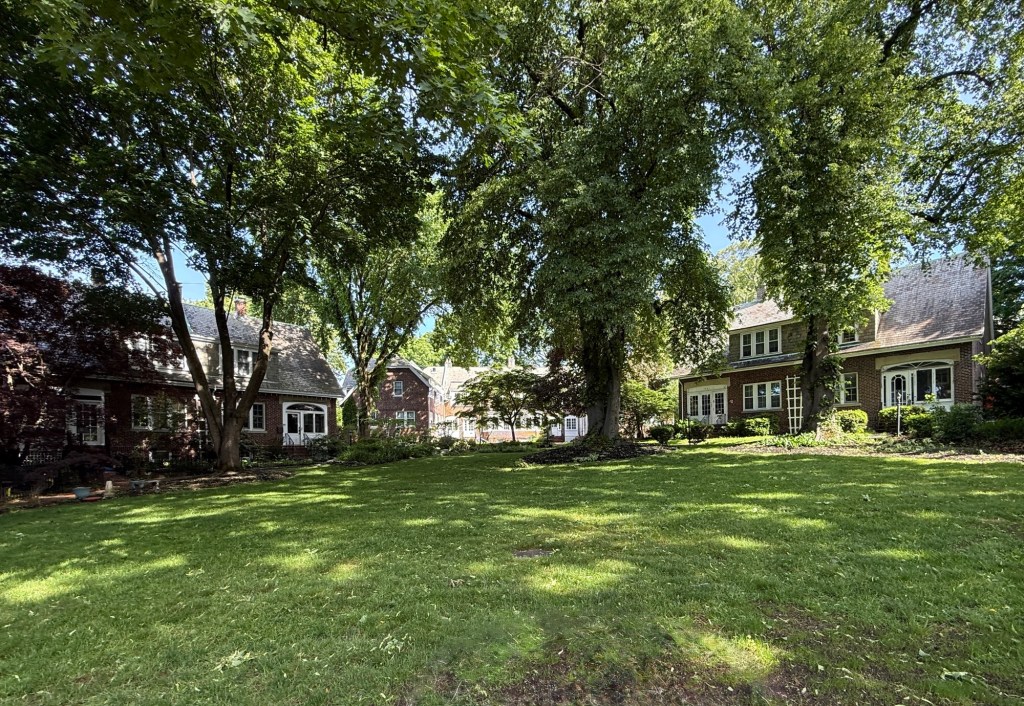
Nestled in Jamaica Plain, the Woodbourne neighborhood is one of Boston’s most notable early twentieth-century planned residential neighborhoods, developed in early 20th century on land that had once been part of large country estates. Inspired by Garden City planning principles, the neighborhood was designed to harmonize with its natural landscape, featuring curving streets, mature trees, and thoughtfully arranged green spaces rather than a rigid urban grid. Its architecture reflects the predominant architectural styles of the period, notably showcasing modest housing in Arts and Crafts and Colonial Revival styles with many of the original buildings designed by the firm of Kilham & Hopkins off Southbourne Road. The development envisioned and funded by The Boston Dwelling House Company, a who’s who of well-connected Boston residents who envisioned the development as an attractive and healthy suburban community for middle-class families with convenient access to streetcar and rail transportation, with the grounds laid out by the Olmsted Brothers. Woodbourne remains remarkably intact today, offering a rare glimpse into the ideals of early suburban planning amidst the somewhat hectic piecemeal development and layout of streets in other parts of the city.
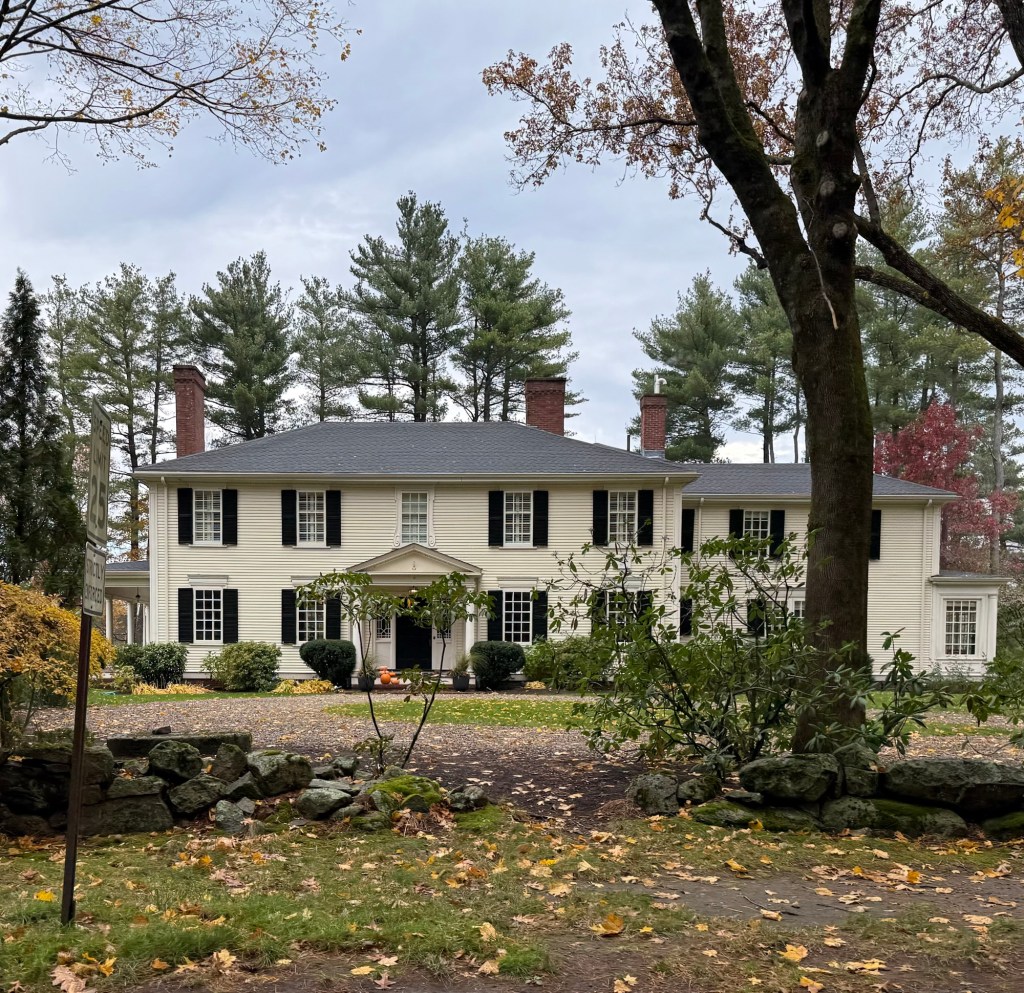
Isaac Gleason House // 1805

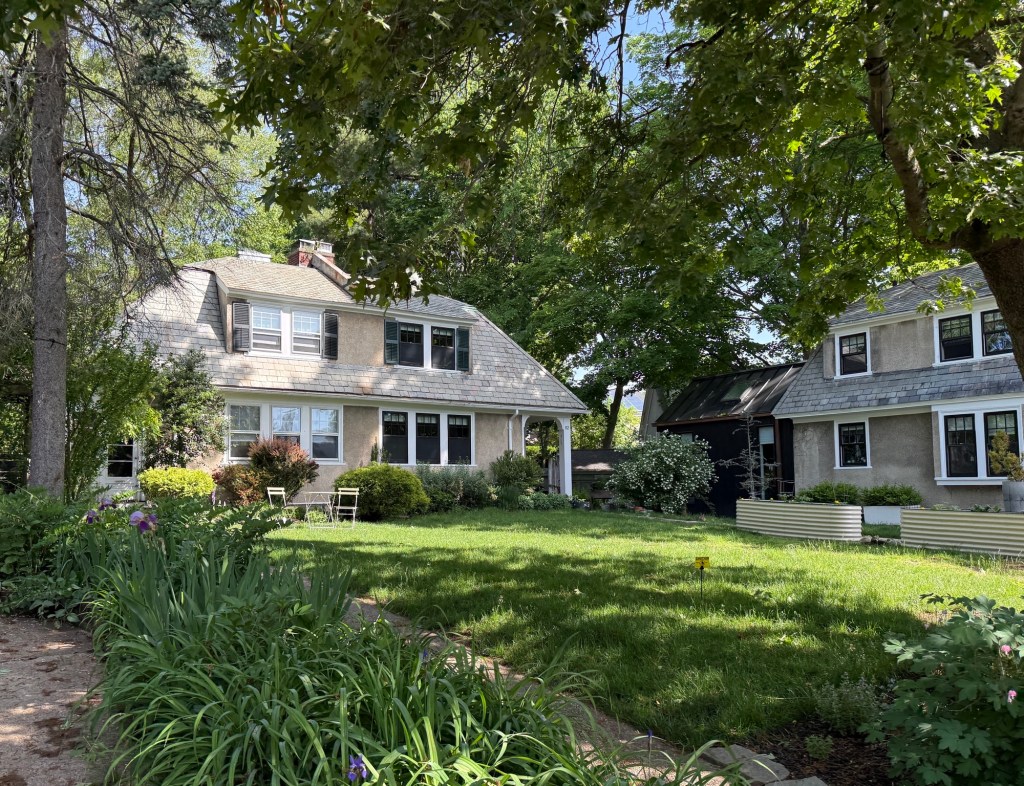
Built in 1805 by Isaac Gleason (Glezen), this Federal style mansion was later expanded in the early 20th century in the Colonial Revival style as Wayland became more of a wealthy Boston suburb. Located on the appropriately named Glezen Lane, this house was constructed for Isaac Glezen (1769-1843), who farmed the land here. Other family members built homes nearby. As Wayland shifted from rural community to a wealthy Boston suburb in the early 20th century, the property was purchased by Charles Ashley Hardy and his wife, Alice. The couple would sell the property in 1918, which comprised of 89-acres of land and a chauffeur’s residence, was purchased by Albert H. Beck, a New York banker. The property was later subdivided and consists of many other large, single-family homes.

Dr. Miner House // 1928

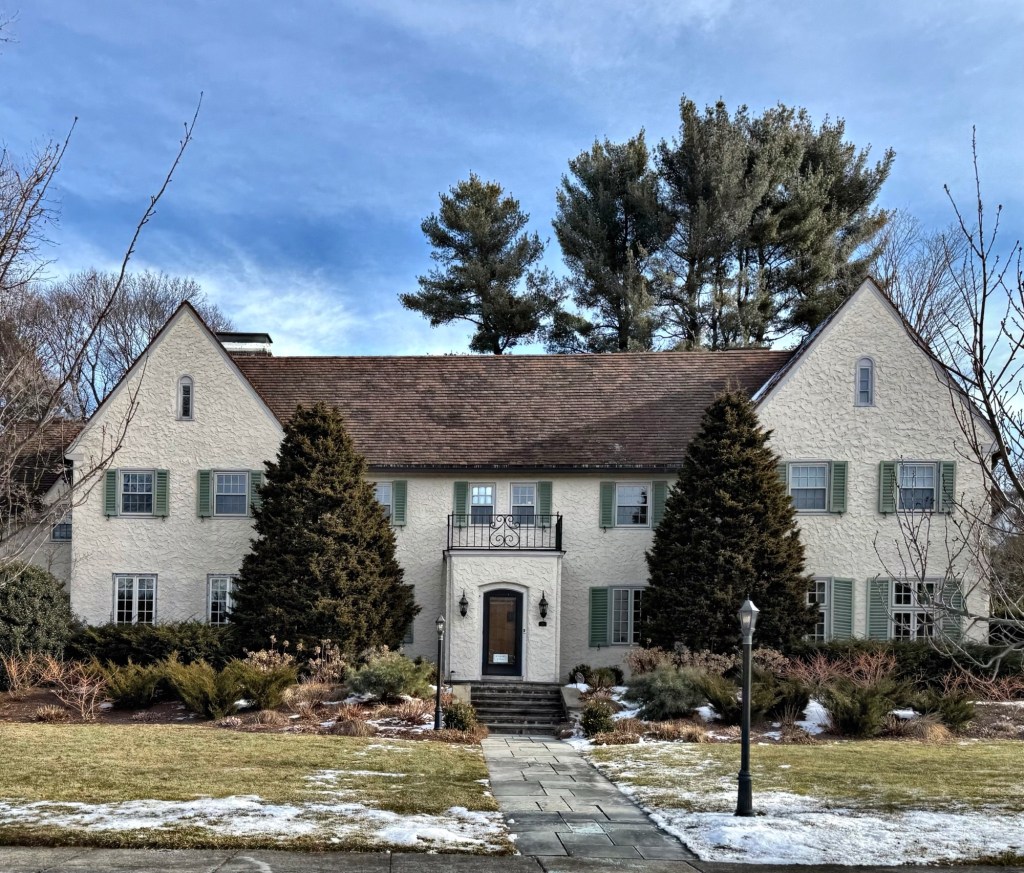
The early decades of the 20th century were the golden years for suburban development in the Boston area. With personal automobiles better-connecting the city to lesser developed areas like Milton, Newton and Brookline, middle-upper class residents were able to relocate to the suburbs and build stately homes, typically in one of three architectural styles: Colonial Revival (most common), Tudor Revival, or Arts and Crafts (least common). This large house is located on Randolph Road in the Woodland/Heath area of Southern Brookline, and dates to 1928. The residence was constructed for Dr. Walter C. Miner, an orthopedic dentist, and his wife, Ethel and designed by the firm of Strickland, Blodgett & Law. The large house sits on a double-lot, and is notable for its symmetry, slate tile roof, and rough-faced stucco walls.

Howard Lee House // c.1928

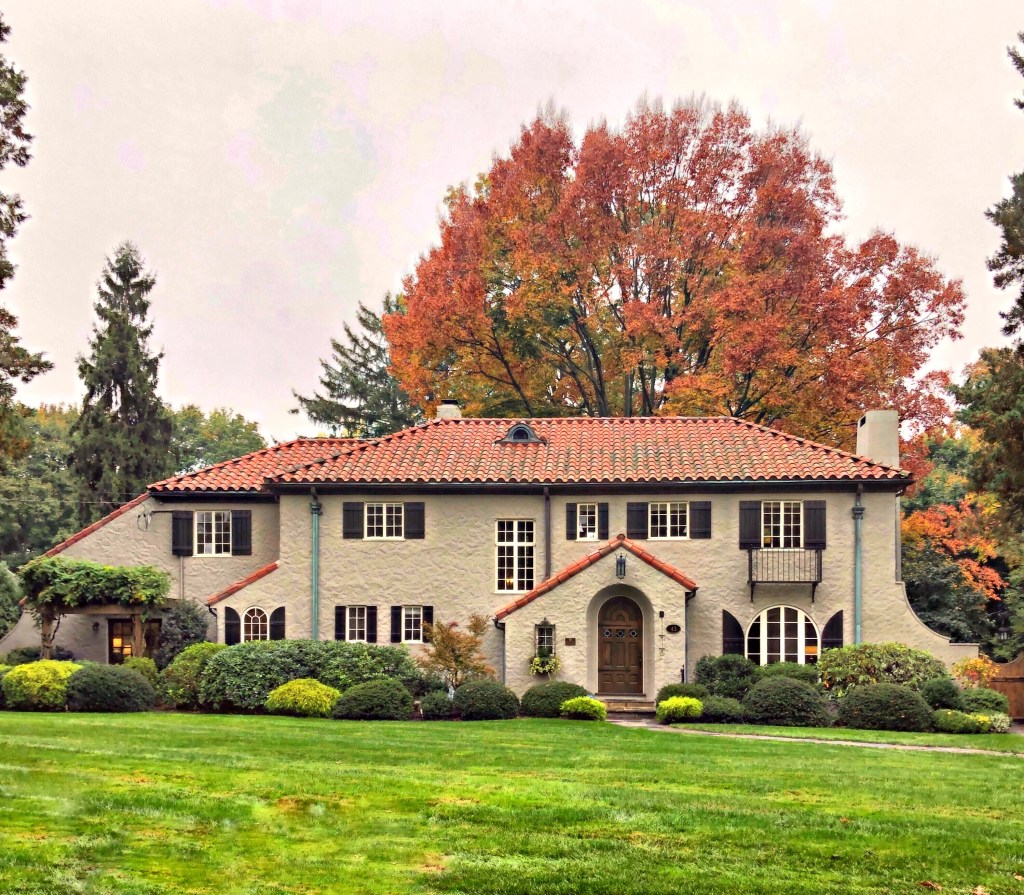
Fairfield in the early 20th century began to shift as a suburban town with neighborhoods of large homes in planned districts. The proliferation of the personal automobile led to the “suburbanization” past streetcar suburbs closer to downtowns. Howard Greeley Lee (1893-1965) worked as Vice President of the Lee Brothers Furniture Co. based out of nearby Bridgeport. The company clearly did well as Howard had this large home built in the fairly uncommon (in New England) Spanish Revival style. It features a red tile roof, stuccoed siding, metal casement windows, and arched windows and front door, all commonly found in the style.