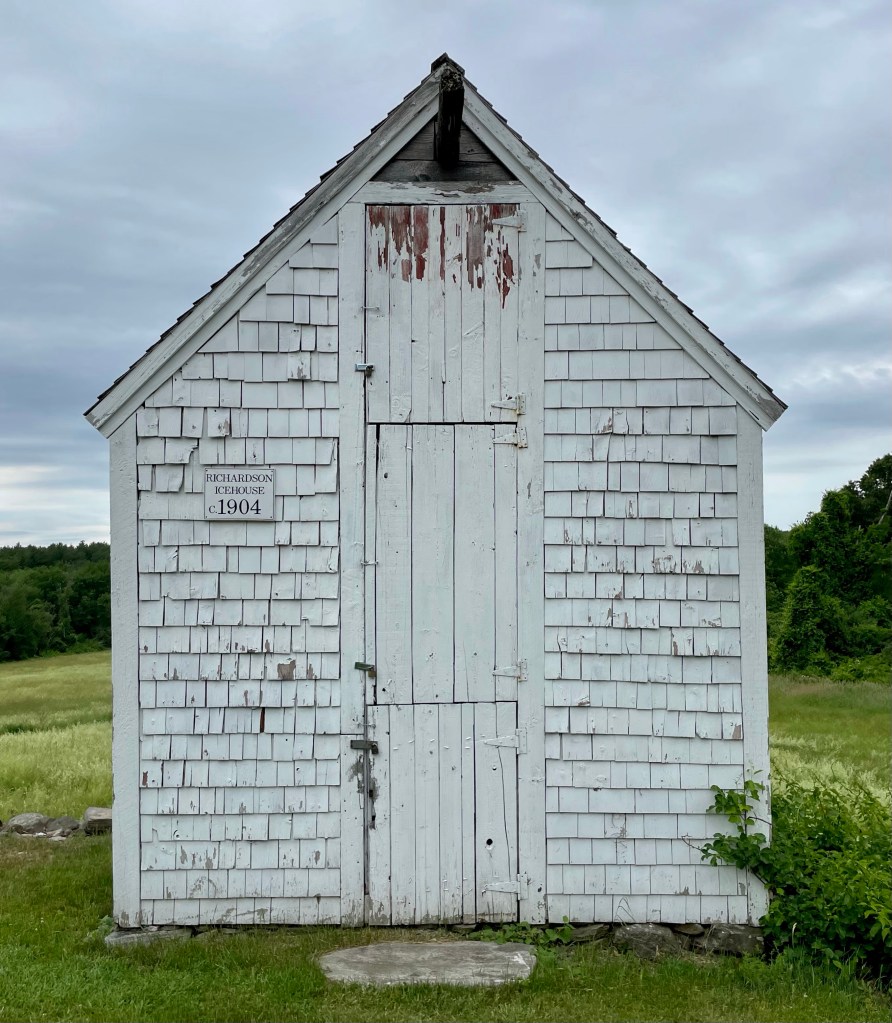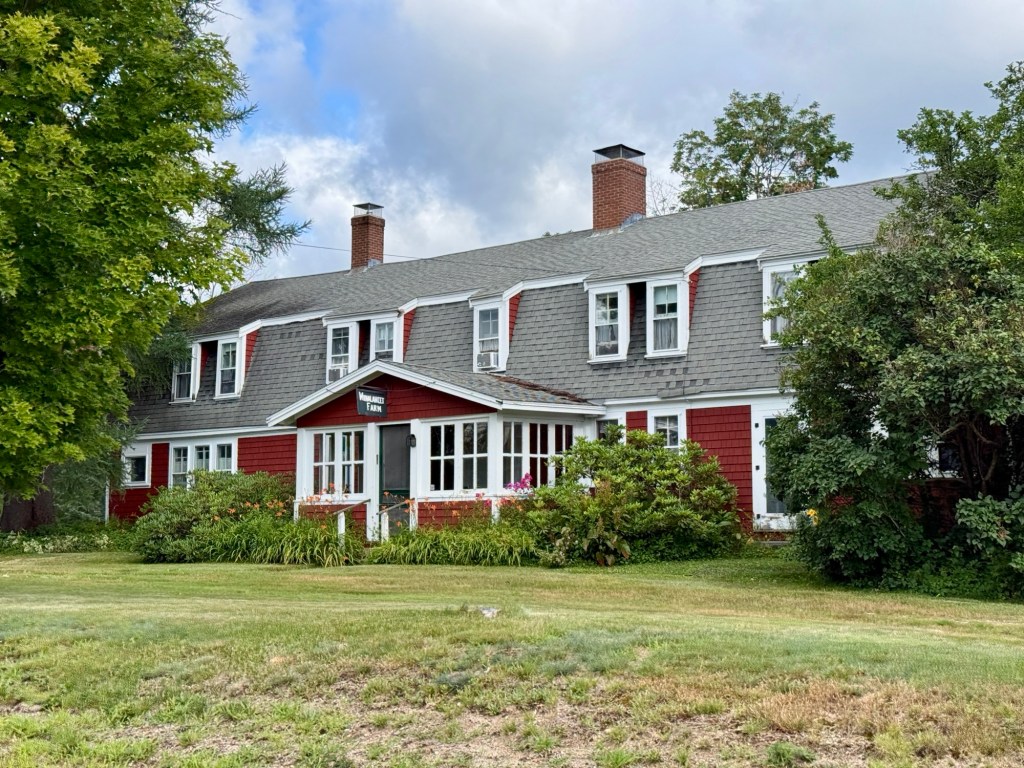
Tucked into the village of Wonalancet at the foot of the Sandwich Range in Tamworth, New Hampshire, Wonalancet Farm began as a modest 1814 farmhouse on roughly 1,300-acres of land land once worked by Theophilus Brown and was updated to its present form as a late 19th century inn and farmhouse. The farm was purchased in 1890 by a young Katherine Sleeper, who set out to convert the historic farmhouse into a proper mountain inn, adding the porches, additions as guest wings that gave the classic New England farmhouse its present form. She hired Arthur Walden, her cousin by marriage and friend, to manage the new Wonalancet Farm and maintain the farm’s crops while she ran the inn. In managing the farm’s large property, Arthur was given the opportunity and means to breed and train sled dogs. These efforts produced the Chinook breed, which is now the official state dog breed of New Hampshire. Katherine would marry Arthur in 1902 and remained business and life partners and together, succeeded in protecting thousands of acres of old-growth forest in the White Mountains. When the Great Depression and summer tourism shifted in New Hampshire, the couple were forced to sell the inn, and moved nearby. In their other home, a fire broke out and trapped Katherine inside. While rescuing her and attempting to extinguish the fire, Arthur died. Katherine was unable to recover from the emotional and physical trauma; she died two years later. After the Sleepers, Wonalancet Farm operated as a dairy, sheep, and hay farm ever-since. Much of the surrounding land is preserved as conservation land, a testament to Katherine Sleeper Walden and her ever-lasting impact on Wonalancet.