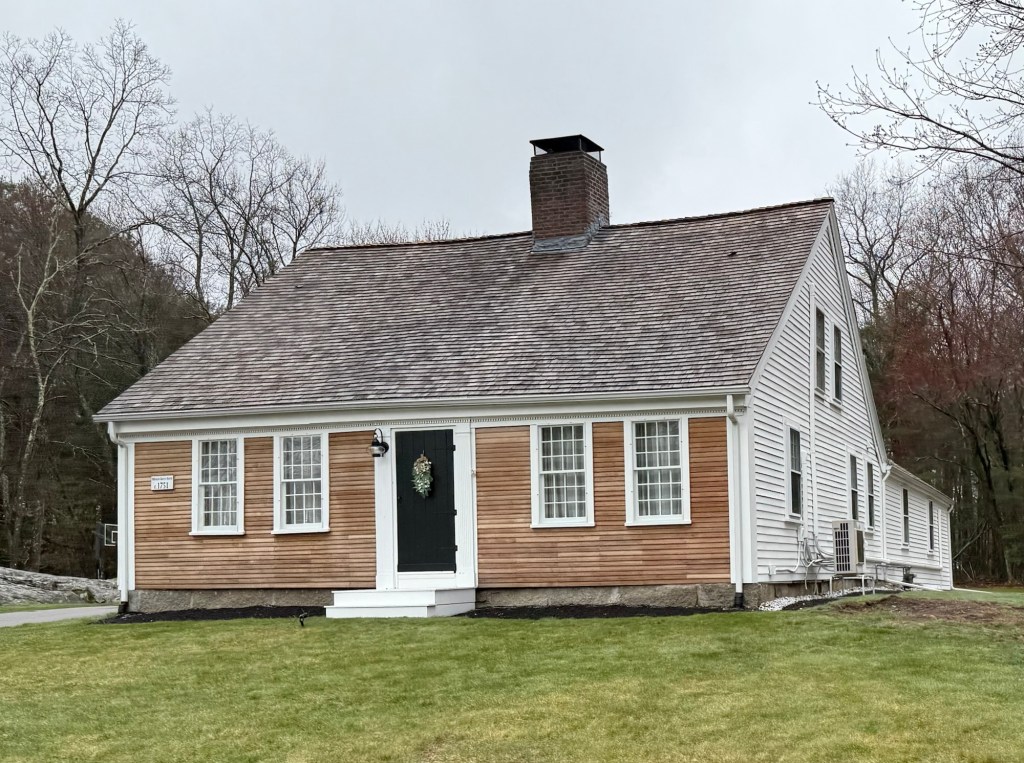
Orcutt-Ford Homestead // c.1751

In about 1751, Emerson Orcutt (1713-1777) purchased land in North Abington, Massachusetts, and built a half cape for his family. In 1762, Orcutt sold some of the land to John Ford, who was later a Lieutenant in the Continental Army, and according to local tradition, Ford added the other half of this current Georgian Cape house, giving it the current configuration. Character defining architectural details include an entry surround with fluted pilasters, and dentil cornice band on the main facade, 12-over-12 sash windows, and the central chimney, which would have heated both sides of the house. The property remained in the Ford family for over 100 years, and has since been converted back to a single family residence. Today, the charming pre-Revolutionary cottage is one of the oldest extant houses in Abington.
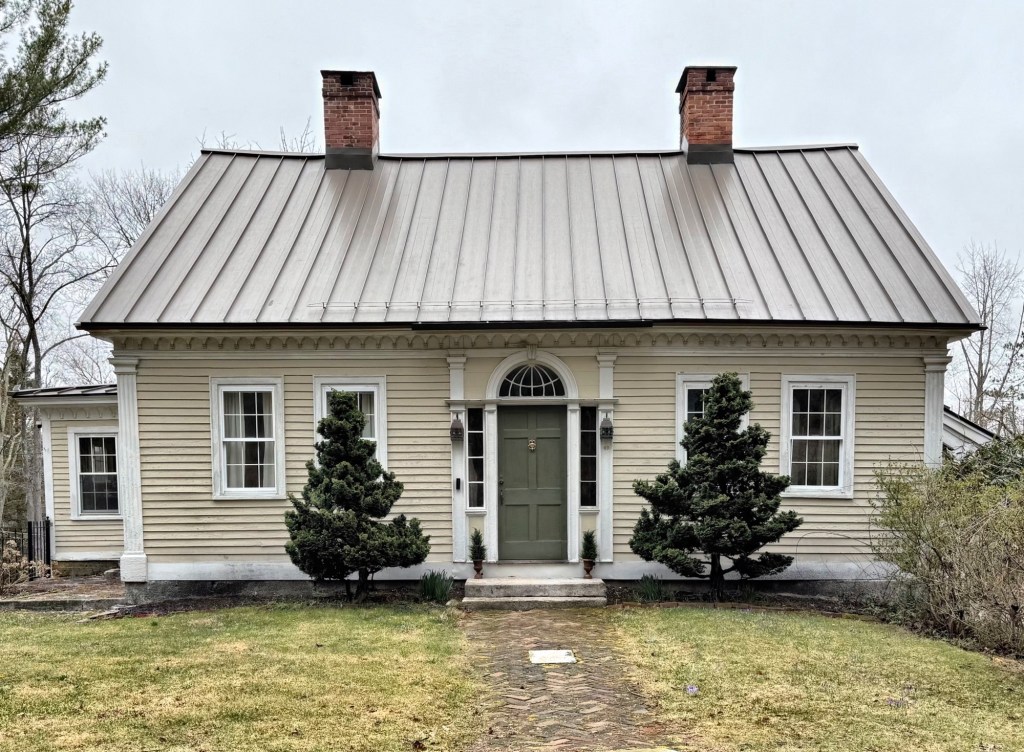
Levally-Crandall House // c.1820

This attractive Federal-style Cape house is located in Canterbury, Connecticut, and is one of the very finest such houses of its type in the state. The house was built by William Levally, a successful millowner in town who married Patience Horton just prior. William died unexpectedly in 1841, and the property was inherited by Patience, who then married Hezekiah Crandall, also a millowner, who was also the brother of Prudence Crandall, the teacher who operated the famous African American girls boarding school in Canterbury Center in the 1830s. Hezekiah and his sister later migrated to Kansas, after essentially being pushed out of town. The Levally-Crandall House stands out for its proportions, exterior moldings, and ornate entry with pilasters, sidelights, and a molded, keyed arched transom. The house has been lovingly preserved by the successive owners, who clearly take pride in owning such a piece of history.

Briggs House // c.1790

The village of Assonet in Freetown, MA, has a great collection of late 18th and early 19th century homes built along the riverfront. This home is a great example of a late-Georgian cape house, built in the late 1700s or early 1800s. The home was constructed when Assonet was developing into a prominent, inland commercial fishing port. From this, a shipyard was constructed nearby, where shipbuilders constructed vessels along the river. By the 1850s, the house was owned by Charles Briggs, who worked in the village as a nailer (maker and seller of nails) and his wife Bathsheba. The cottage features a high pitched roof, boxed-eave cornice, and windows standing out from the plane of the house. They really don’t make them like they used to!