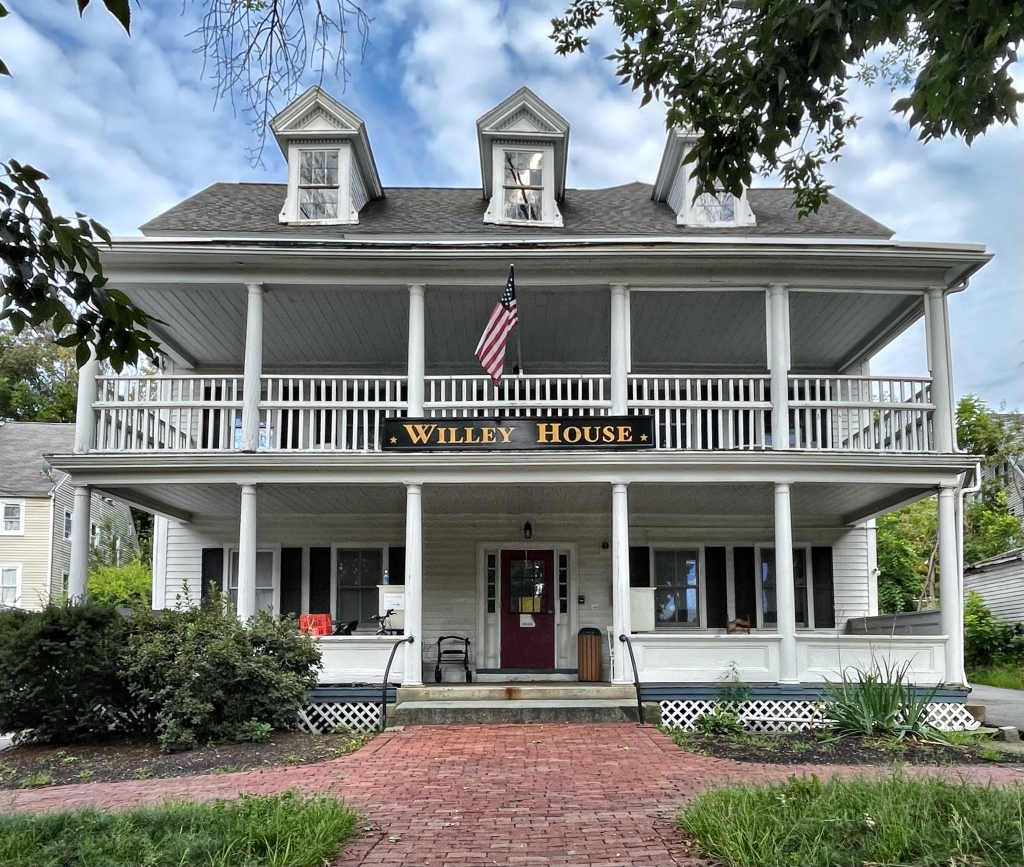
Originally an old tavern/inn, this wood-frame building in Newmarket, NH, was built for a member of the Rundlett Family who settled in town from nearby Portsmouth. The old building was known as Rundlett’s Tavern for a number of years, later renamed the Washington House, and eventually Silver’s Hotel by 1870. Under owner Joseph B. Silver, the Federal style building was updated with Victorian-era flair, marketing to visitors of town who had business with the Newmarket Manufacturing Company across the street. After Silver died in 1898, the building was purchased by George H. Willey and renamed the Willey Hotel/Willey House. He oversaw renovations in the 1920s to give it the Colonial Revival appearance we see today. The building is now apartments.
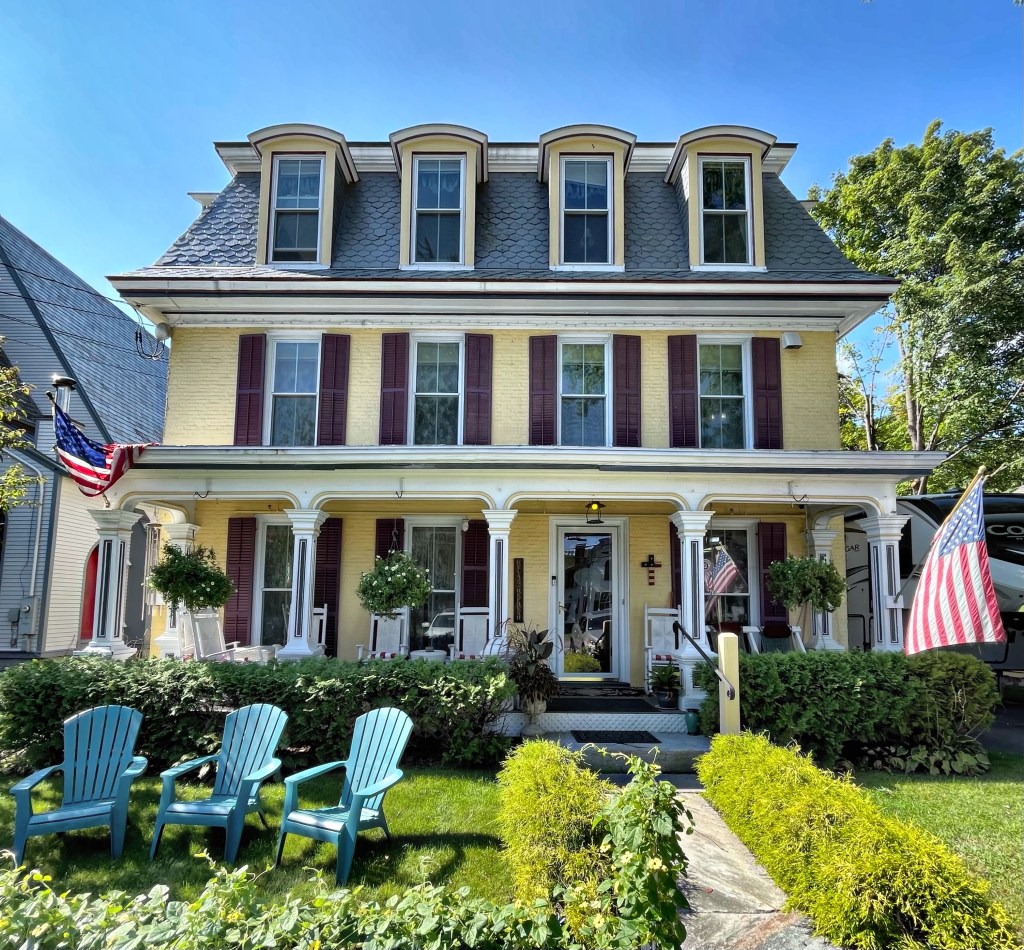
Located right on Main Street in the beautiful village of Chester, Vermont, this historic inn has been a landmark in town since it was built in the mid 19th century. The house was constructed around 1850 for Dr. Abram Lowell (1794-1876), the village doctor. Dr. Lowell conducted his medical practice in a small building next to the main house and resided in the home, which originally had a side-gable roof. Tributes printed in regional newspapers at the time of his death called him an eminent physician, accomplished gardener, “eccentric in his ideas,” and “the wealthiest man in town.” After his death, the home was inherited by his daughter and her husband, George Hilton. They immediately “modernized” the home, adding the mansard roof, which provided an extra full story of living space. The home was converted to a bed & breakfast in 1998, and has been one of the most intact, Victorian era inns in the state since! It is known as Inn Victoria, so named after Queen Victoria and the Victorian period of architecture in the United States.
This Greek Revival home with a one-story full-length porch was built in 1839 for Peter Wanton Snow, one of the unluckiest men in Providence. Born the son of a leading China trader and the son of a granddaughter of a former governor of Rhode Island, Peter W. Snow (1788-1843) was born into privilege and like many of such stature, could enter the family business with ease and make a lot of money. Peter first sailed for Canton (Guangzhou, China) with his father in 1803. Doubtless because of his father’s position and trading connections, young Snow became the partner of Edward Carrington who, within fewer than a dozen years, was to become one of the richest and best merchants dealing in Chinese goods in Rhode Island, if not in the entire country. Carrington wanted to retire and have Peter Snow take over his agency in China, but Peter did not seem to like it there and always wanted to go back home to the United States. He got the chance for a few years beginning in 1814, but upon returning home, he learned that his only son, Charles, had died a year earlier at the age of five years, and to compound his personal tragedy, Snow lost two baby daughters in the next three years. By 1816, he returned to China but never seemed to be able to get out of debt, while trying to provide for his last two remaining children. Tragedy struck again when his last living daughter died, while he was in China. Peter’s business partner and friend R. B. Forbes before letting Peter know the bad news wrote this.
While in debt, he somehow had this home built in Providence, likely from assistance from family and colleagues. The land here was purchased by Peter’s wife Jeanette, and the home was likely built soon after. Peter died in 1843, virtually penniless.
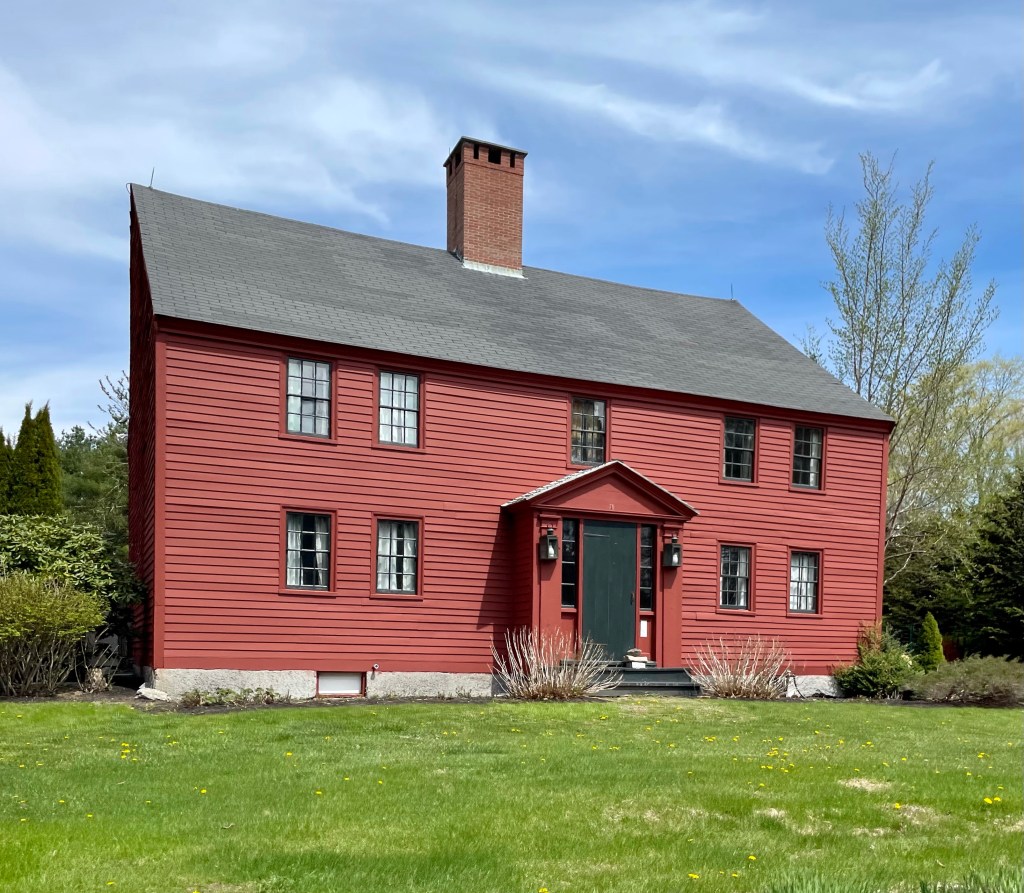
John Locke (1627-1696) settled in New Hampshire about 1640, arriving from London. He was a farmer and carpenter, and reportedly built the first church in New Hampshire. He was also a Captain in the local militia, who was constantly at odds with the people who’s land they were usurping. While working the fields at his homestead in Rye, he was killed by a native person, likely as a retaliatory attach. The attacker was soon after shot by his son, who was helping his father at the time. This Georgian home was built by John’s grandson Elijah in 1739 on family land; the date is found incised on one of the original roof beams inside.
In 1794, four men from Acton, Abel Conant, Dr. Abraham Skinner, John Robbins and Horace Tuttle, jointly purchased a $5.00 ticket in a lottery run by Harvard College to raise funds for the construction of Stoughton Hall in Harvard Yard. This house, built for Dr. Abraham Skinner, is one of the four, and is the most grand of the four. Dr. Skinner was the third physician to practice in Acton and the first to arrive from out of town. He came to Acton in 1781 from Woodstock, Connecticut, and continued in practice until his death in 1810. The Federal style home is nearly square with five bays on all sides, with the facade and rear being slightly less crowded. The main entry includes a pediment with dentils, 4-pane side lights and a 4-panel, wooden door with elongated, rectangular, top panels. A similar entry, without sidelights, centers the south elevation. Time to buy some lottery tickets!
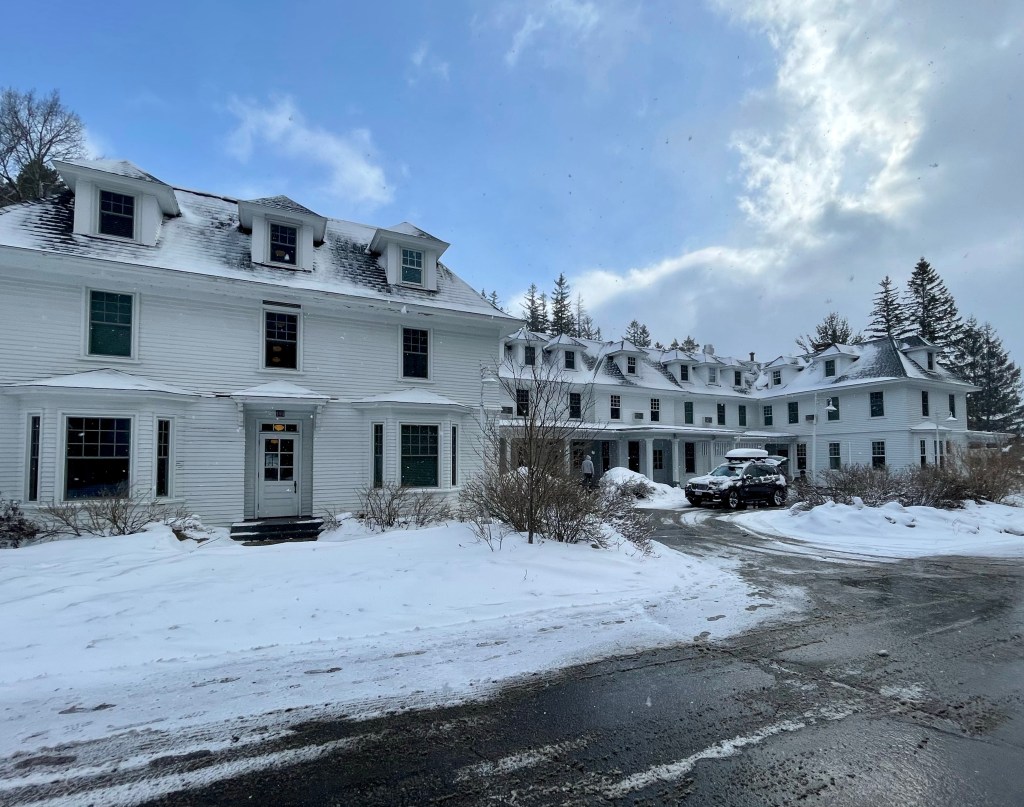
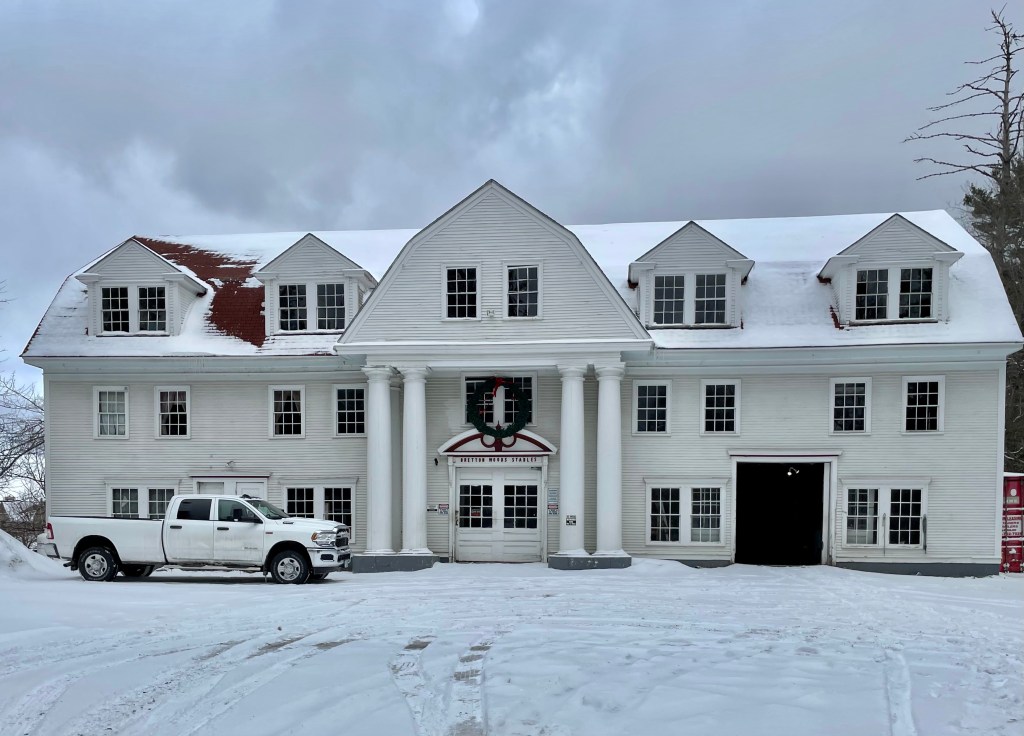
The historic Omni Bretton Arms Inn, adjacent to the Omni Mount Washington Hotel in the White Mountains of New Hampshire, was built as a private home in 1896. The home was designed by, and occupied by architect Charles Alling Gifford, while he oversaw the design and construction of the iconic Gilded Age hotel. After the hotel nearby was opened, the interior was converted to hotel rooms, and opened to guests in 1907. The Colonial Revival building features a central mass with two wings. The building was occupied in 1944 as the headquarters for the Conference Secretariat during the 44-nation Bretton Woods Monetary Conference. The Inn was granted National Historic Landmark designation in 1986 and has recently undergone a $1.4 million renovation focused on bringing the outdoors in. Part of the Omni Mount Washington Resort, this property offers more seclusion and less crowds compared to its larger neighbor. Just down the road from the Bretton Arms is the equally stunning Bretton Woods Stable, likely built at the same time.
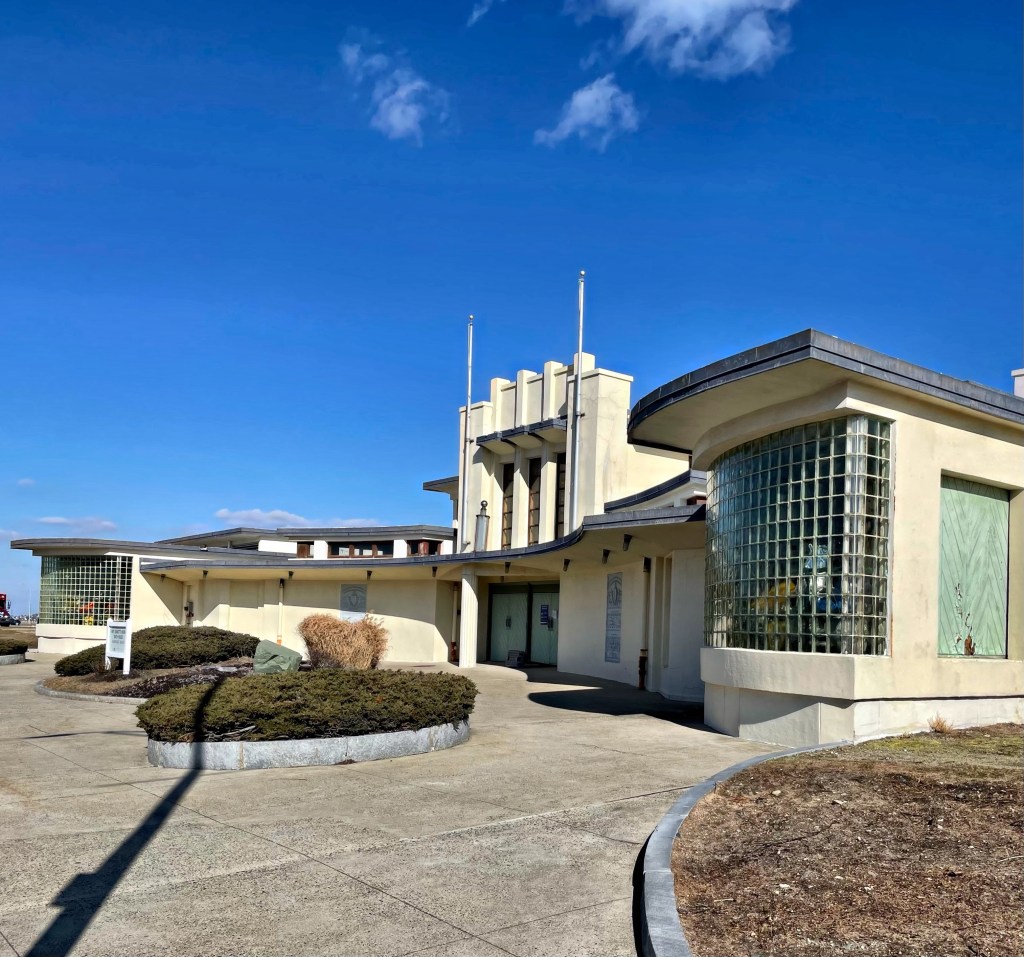
A part of any large public beach in Massachusetts is the public bathhouse, where visitors can go to the bathroom, change, and store belongings in lockers. Ever since the Massachusetts Parks System of Boston acquired land at Nantasket Beach, a bathhouse was here for visitors. The earlier building by Stickney & Austin burned down and was soon replaced. This amazing Art Moderne bathhouse features a central mass with wings adorned by glass block. The architects Putnam & Cox created a whimsical 1935 Moderne design that blends into the sandy beach. The building suffered from the salt air and cold winters and went through a massive restoration in the late 1990s, it was then re-opened and re-named after Mary Jeanette Murray, a state representative.
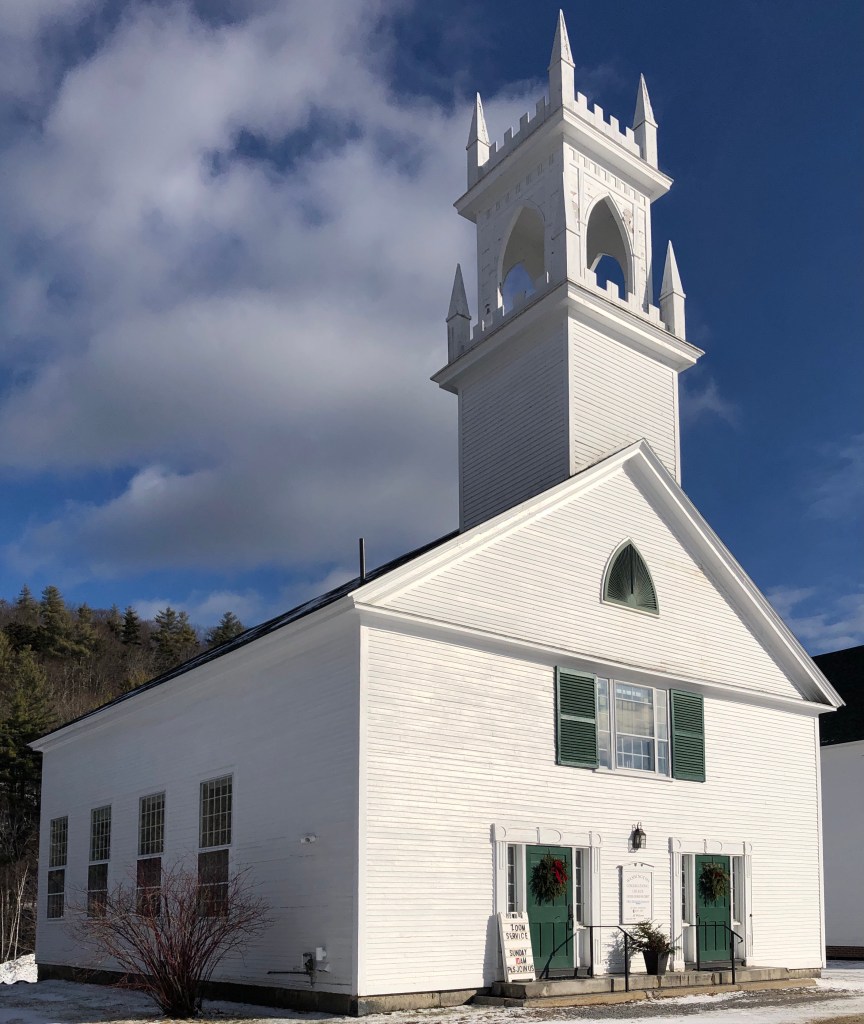
Located adjacent to the Washington Meeting House and Central Schoolhouse on the Washington, New Hampshire Town Green, the Washington Congregational Church perfectly compliments the collection of vernacular buildings here to create a very cohesive, three-building historic district. The church is dominated by a Gothic-inspired two stage square tower adorned by pointed pinnacles and crenellation. The building, constructed in 1840, is a great example of a Gothic Revival vernacular church building in rural New Hampshire and has been well-maintained over the years. In 1960, a fire in the church resulted in several thousand dollars worth of damage. A full basement was built under the church in 1985 to provide space for Sunday School classes and events. The simple arched sanctuary has remained in keeping with the original interior design, and features wide board wainscoting and wooden pews, taken from the old Meeting House.
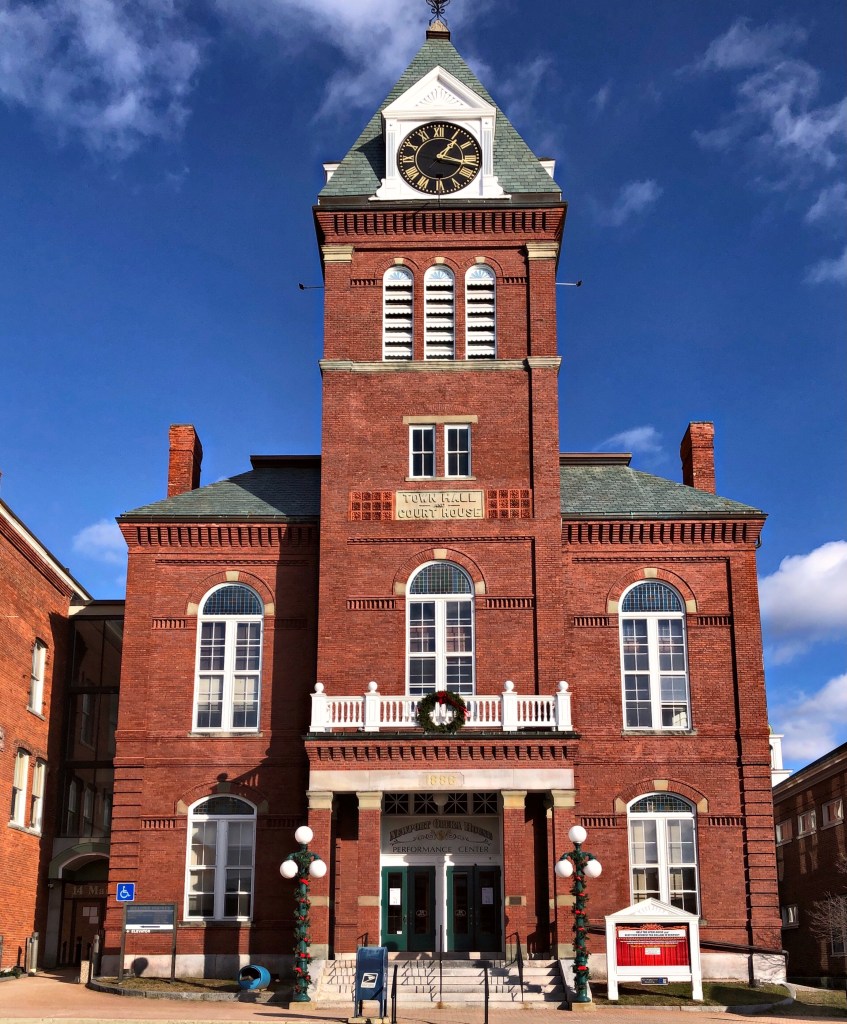
The architectural focal-point on Main Street in Newport, NH is the Newport Opera House, with its solid massing and prominent central tower. The town was growing after the American Civil War and its position as County Seat solidified that growth. A new large civic building was erected in 1872 which housed a new courthouse and town hall. A fire destroyed much of the buildings on Main Street in 1885, and destroyed the courthouse and town hall building. As a response to the loss of the building, a fire-proof structure was erected from designs by Hiram Beckwith, a regionally prominent architect from Claremont. The structure featured space for the county, town, and even an opera house! The jewel of the new building was the Opera House located on the second floor that housed a stage considered the largest north of Boston. The Newport Opera House soon became the center of entertainment in Sullivan County and patrons came from far away to enjoy the large variety of programs presented. The large hall played host to dances, boxing matches, weddings, political rallies, plays, school graduations and more! After a period of severe decline, a group of artists and residents of town worked together to restore the building and use the space as a performance center. It remains one of the finest buildings in this part of the state.
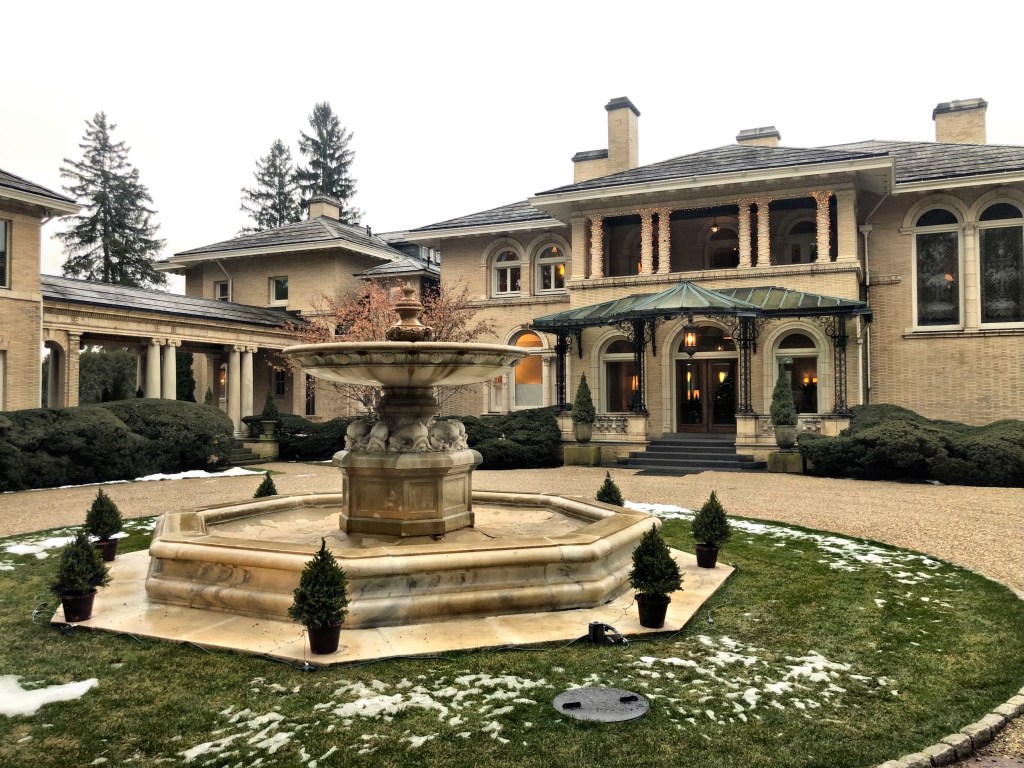
Designed in 1893 by the Boston architectural firm of Peabody and Stearns, Wheatleigh is an early example of Renaissance Revival architecture which became popular for country estates in the early 20th century. The estate was constructed for Henry Harvey Cook, who purchased over 250-acres of forest and lawns overlooking Lake Maheenac for his summer “cottage”. Cook was a New York-based businessman who made his fortune in the railroad and banking businesses, and he wanted a summer house to escape to every year. He named his home “Wheatleigh” as an homage to his family’s ancestral home, Wheatley, Oxfordshire. The mansion is approached by a circular drive that terminates in a formal entrance court partially enclosed by a buff brick wall and evergreen trees, centered on an octagonal marble fountain decorated with a shell and leaf motif. Upon Cook’s death in 1905 Wheatleigh passed to his daughter, Georgie, the Countess de Heredia. Under her ownership the formal garden was opened for evening worshipping services and musical events. Following de Heredia’s death in 1946 the property was divided and changed hands numerous times. In 1976 the mansion and 22 acres were opened as a resort hotel, known as the estates historic name. The Wheatleigh remains one of the most esteemed luxury hotels in the country.


 Buildings of New England