Baker Free Library // 1914

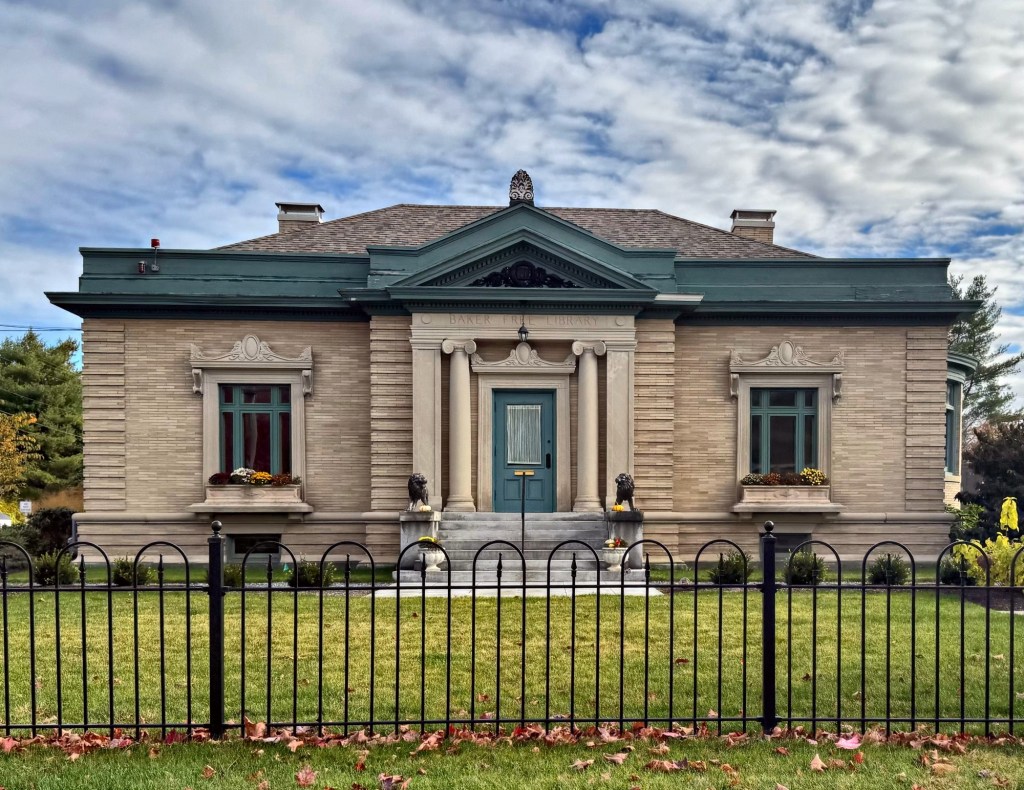
In 1912, Congressman Henry M. Baker, cousin of Mary Baker Eddy, the founder of the Church of Christ, Scientist, left in his will, $10,000 and the land next to his family home to the Town of Bow for the creation of a public library for his hometown. Architect, William McLean formerly of the firm, McLean and Wright, who specialized in library designs of the early 20th century, was selected to furnish plans for Bow’s new library, which employs a sort of Classical Revival/Beaux Arts design, similar to many Carnegie libraries of the time. As the town grew, the library has been expanded.

Bolton Public Library // 1903

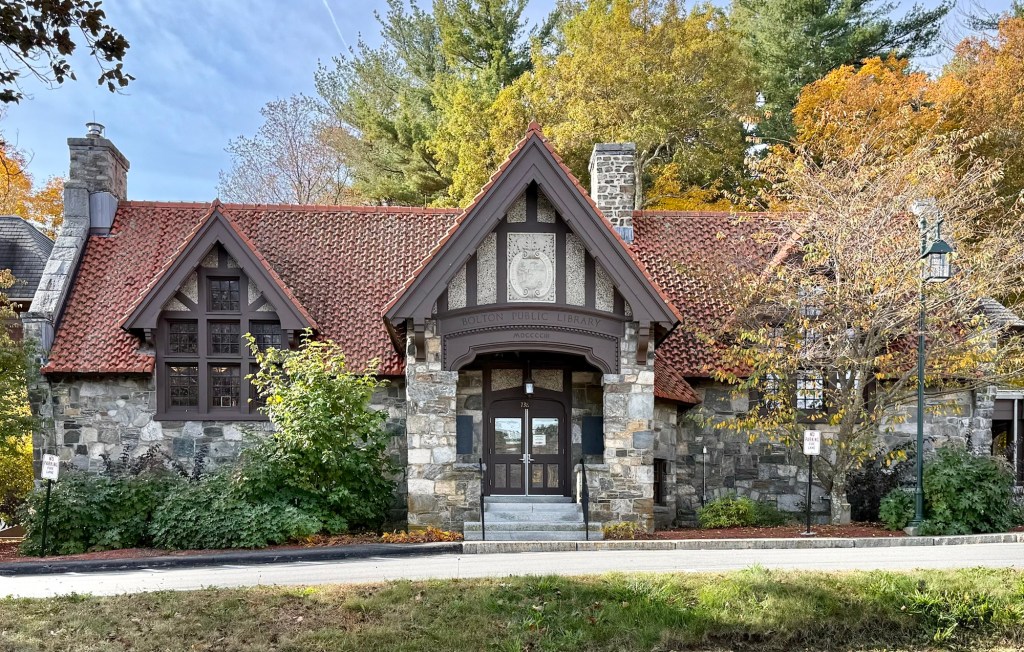
The Bolton Public Library was established in 1859, when the town’s library collection was housed on a few shelves in the Selectmen’s room at the Town Hall. In the following decades it became clear to the community that a purpose-built library building should be constructed in town to house the growing collections there. At the time when wealthy benefactors donated funds for public libraries in towns and cities across New England, sisters Emma and Anna Whitney gifted their hometown of Bolton, $10,000 to build a dedicated library building in memory of their father, Captain Joseph Whitney in 1901. Completed in 1903, the Bolton Public Library was designed by the architectural firm Stone, Carpenter & Willson and built of local Bolton fieldstone in the Tudor Revival style. Of particular architectural merit is the red tile roof and three gabled bays with carved stucco and woodwork within half-timbered frames. The library was added onto in 2010 from plans by Lerner Ladds & Bartels Architects, who replicated key materials and forms so the new wing feels coherent with the original yet clearly differentiated.

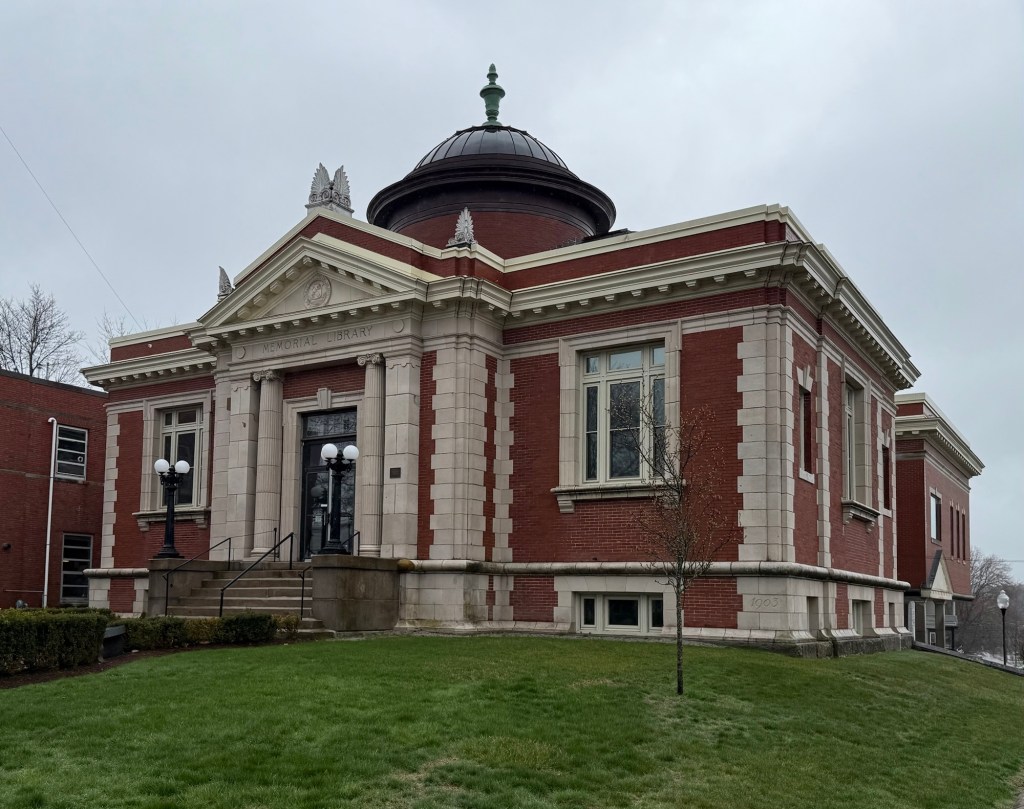
Rockland Memorial Library // 1903

The Rockland Memorial Library in Rockland, Massachusetts is one of the most architecturally and historically significant buildings in the town. The Classical Revival style library was built in 1903 and is the Town of Rockland’s first purpose-built library structure. When Rockland separated from adjacent Abington in 1874, much of the collection became housed in a commercial building, which was consumed by fire in 1890, taking much of the collections with it. Although funds were raised soon after the fire for a permanent home for the library, its construction was made possible by a grant of $12,500 from Andrew Carnegie in 1902, as part of his nationwide gift to cities and towns for libraries. The handsome structure is constructed of brick, granite, and terra cotta, and was designed by the Boston-based architectural firm of McLean & Wright. The most interesting features of the building include the rooftop dome containing skylights and capped by a finial and the projecting entrance with pediment, quoins, and engaged Ionic columns.

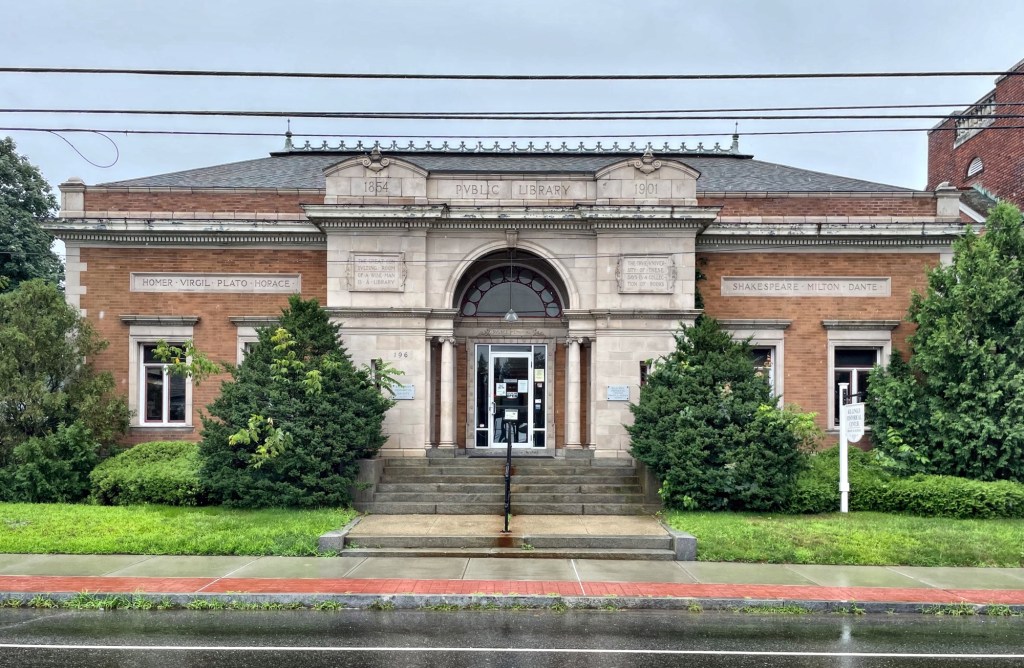
Bugbee Memorial Library // 1901

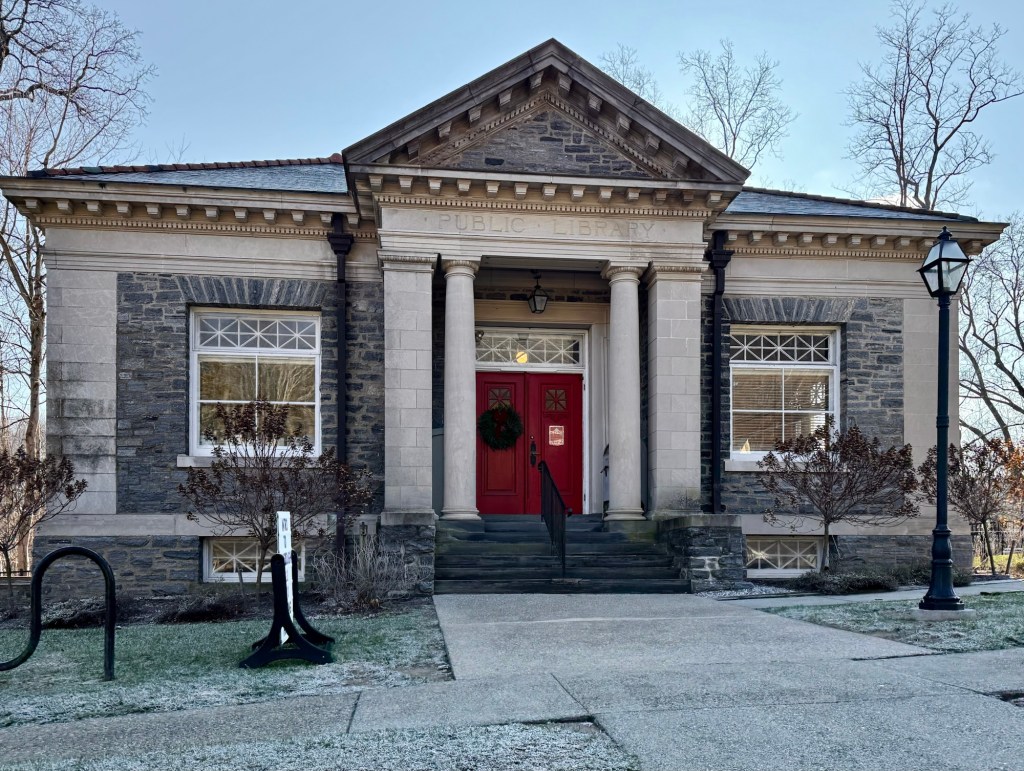
The Bugbee Memorial Library sits on Main Street in Danielson, the main village in the town of Killingly, Connecticut. The library was built in 1901 and financed by a bequest from Edwin Holmes Bugbee, who made his fortune at local mills. When Bugbee died in 1900, his estate left his entire collection of books along with funds for a new library for Danielson. Boston architect Walter Jefferson Paine designed the library building in the Classical Revival style with buff brick and stone construction. The names of Homer, Virgil, Plato and Horace, along with Shakespeare, Milton and Dante, are boldly emblazoned across the facade denoting the building as a house of learning. The library was outgrown, and a new library was built nearby in 1994. The old Bugbee Memorial Library has since been occupied by the Killingly Historical Society.

Ogunquit Public Library // 1897

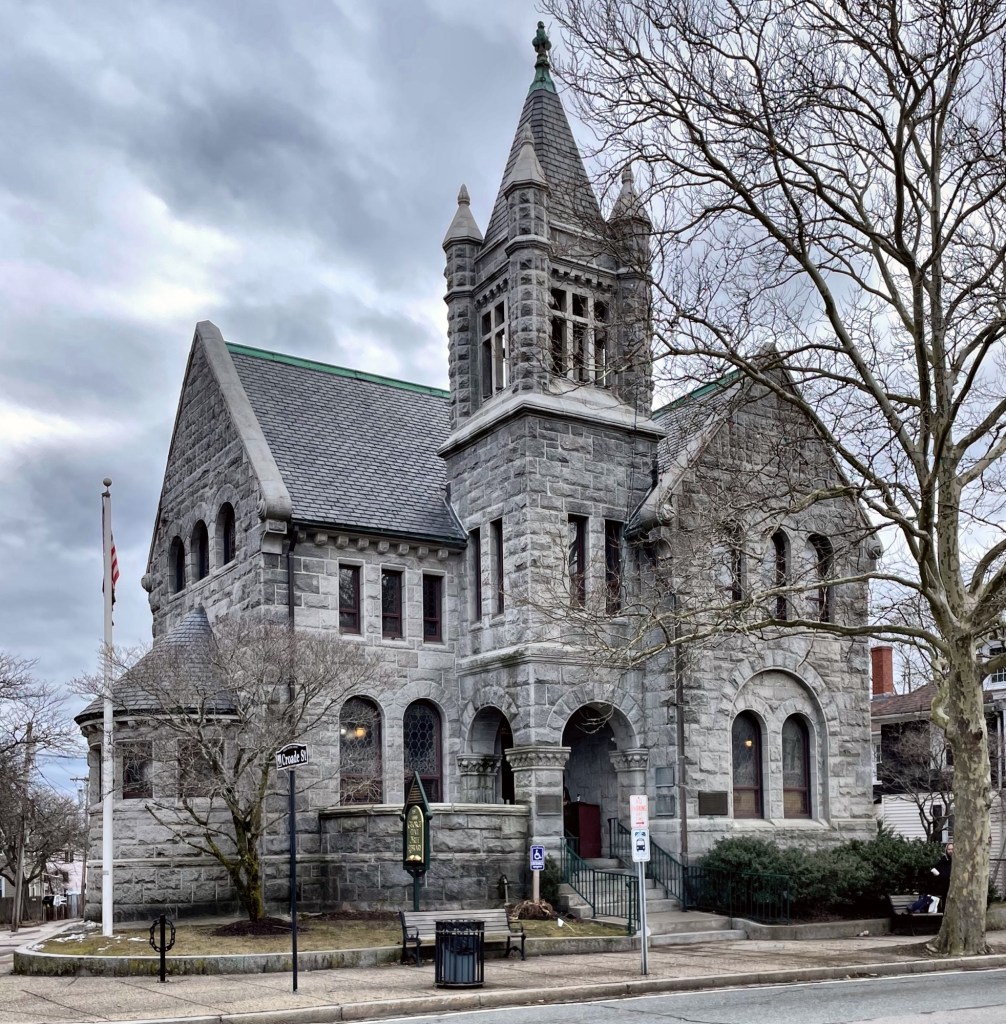
One of Maine’s most charming libraries is right in the coastal village of Ogunquit, and like many of the greatest, it was built as a memorial to someone. George Mecum Conarroe was born Nov. 9, 1831. His father, George Washington Conarroe, was an accomplished Philadelphia portrait artist who provided his family with every advantage mostly from an inherited family fortune. The Conarroes and their cousins, the Trotters, who summered at Cape Arundel, had been associated in a very successful steel venture for several previous generations. George M. Conarroe apprenticed in a Philadelphia law firm and was admitted to the Bar in 1853. He ran a successful probate law practice and his prudent real estate development investments enhanced his formidable fortune. Nannie Dunlap, daughter of another leading Philadelphia lawyer married George M. Conarroe in 1868, they were inseparable. He built a summer estate in York Cliffs, a burgeoning Summer colony just south of Ogunquit (then a part of Wells). George died in 1896, and Nannie fought to keep her late husband’s legacy living in the coastal area he loved so much. She hired Philadelphia architect Charles M. Burns to design a new summer chapel in York and this beautiful village library in Ogunquit. The library was constructed of fieldstone taken from the site and is a lovely example of the Romanesque Revival and Queen Anne architectural styles in Maine.