The Whitney Hotel // 2019

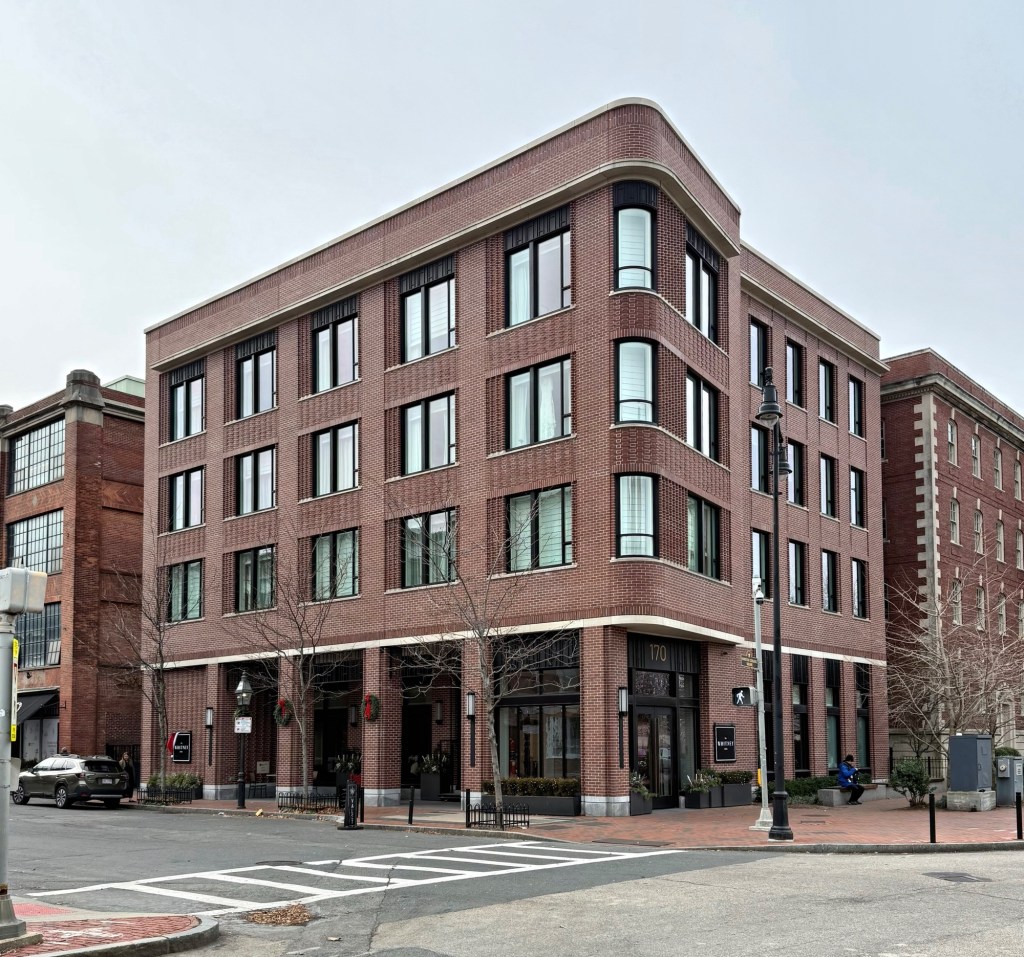
The Whitney Hotel on the iconic Charles Street in Beacon Hill, represents the best of contextual infill construction and good design. Completed in 2019, the hotel was built on an open lot adjacent to the 1909 Eye and Ear Infirmary Nurse’s Residence that sold in 2016. Developers hired Boston architectural design firm of Hacin to construct the new structure as an addition to the 1909 building. As the building is located within the Historic Beacon Hill District, a local commission closely reviewed plans to ensure the new building would blend old and new on the site, while being its own landmark on the prominent corner lot. The scale, massing, materials and rhythm of windows ties the 2019 contemporary wing with the 1909 building, while the brick layering styles, window types and unique rounded corner read clearly contemporary. The hotel is named after Henry Melville Whitney (1839-1923) a Boston politician and businessman who founded the West End Street Railway Company, which preceded the Metropolitan Transit Authority and today’s MBTA. The Whitney Hotel serves as an important visual anchor and entrance into Beacon Hill, enlivening the street and neighborhood through high-quality design.
Eye and Ear Infirmary Nurse’s Residence // 1909

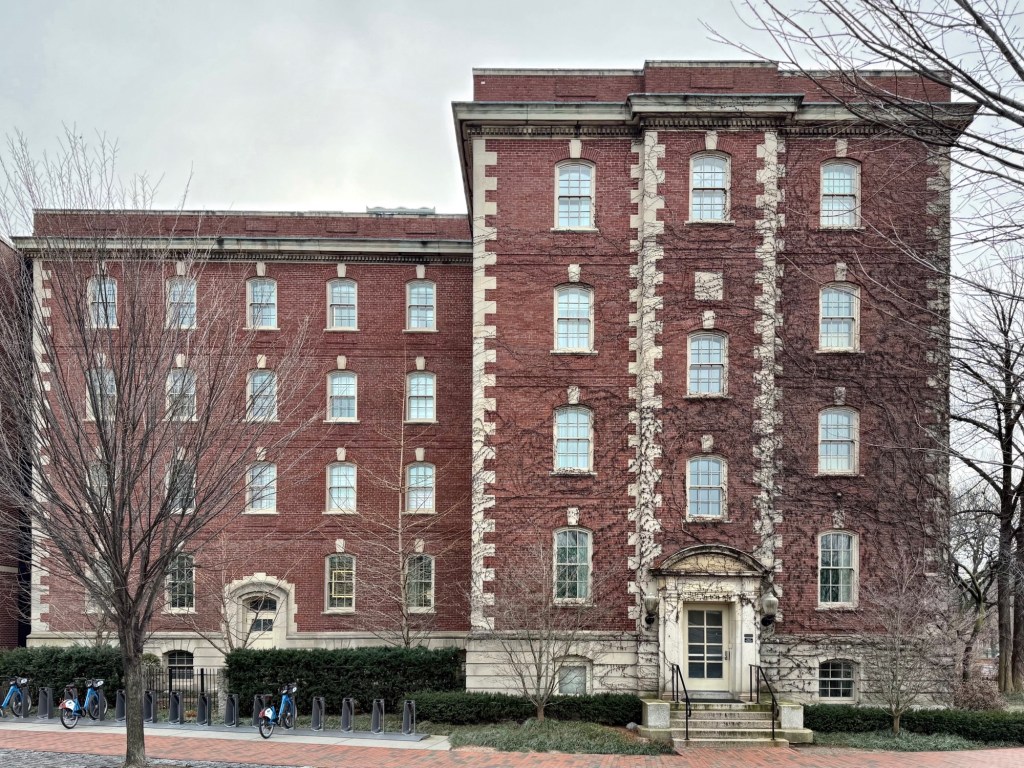
The Massachusetts Charitable Eye and Ear Infirmary (now Massachusetts Eye and Ear) began in 1824 by doctors, Edward Reynolds and John Jeffries II as a free weekly clinic they operated out of a rented room in Boston’s Scollay Square. At the time, Boston was an immigration destination for laborers arriving from Europe, among whom occupational injuries were common, but affordable medical care was scarce. With an increasing population and increasing medical needs, the clinic expanded rapidly. In 1849, a new clinic was built on Charles Street, just south of the West Boston Bridge (now Longfellow Bridge) from plans by Edward C. Cabot. As demand grew in the late 19th and early 20th centuries, the hospital sought expansion and built a new facility farther north on Charles Street, closer to Massachusetts General Hospital. The 1849 building was deemed excess and demolished, soon to be replaced by the current building on the site, the Nurse’s Dormitory. Built in 1909, this handsome, four-story brick and stone structure was designed by the office of Page and Frothingham in the Colonial Revival style, which contributes to the architectural character of Beacon Hill. The building provided much-needed residential space for nurses and other staff people who worked at the new Eye and Ear Infirmary a few blocks away. The building was later converted into an inn, the John Jeffries House (after one of the founders of the infirmary) until 2016, when the site closed and was converted into a wing of the new Whitney Hotel by Hacin Architects!

Spruce Point Inn // c.1892

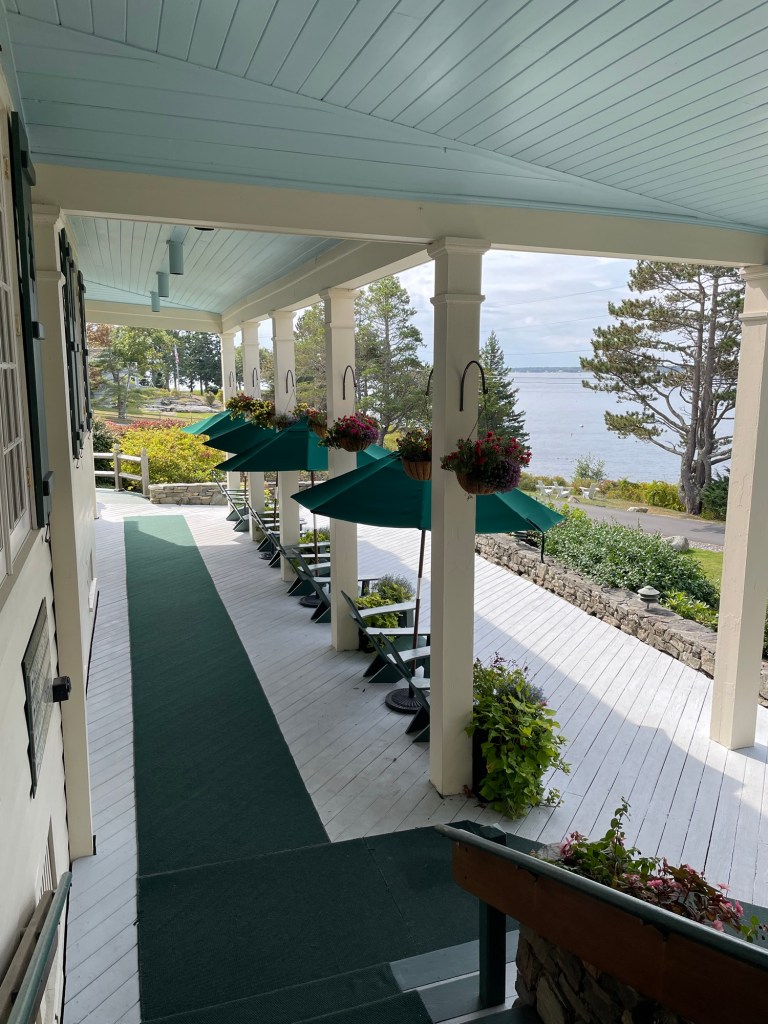
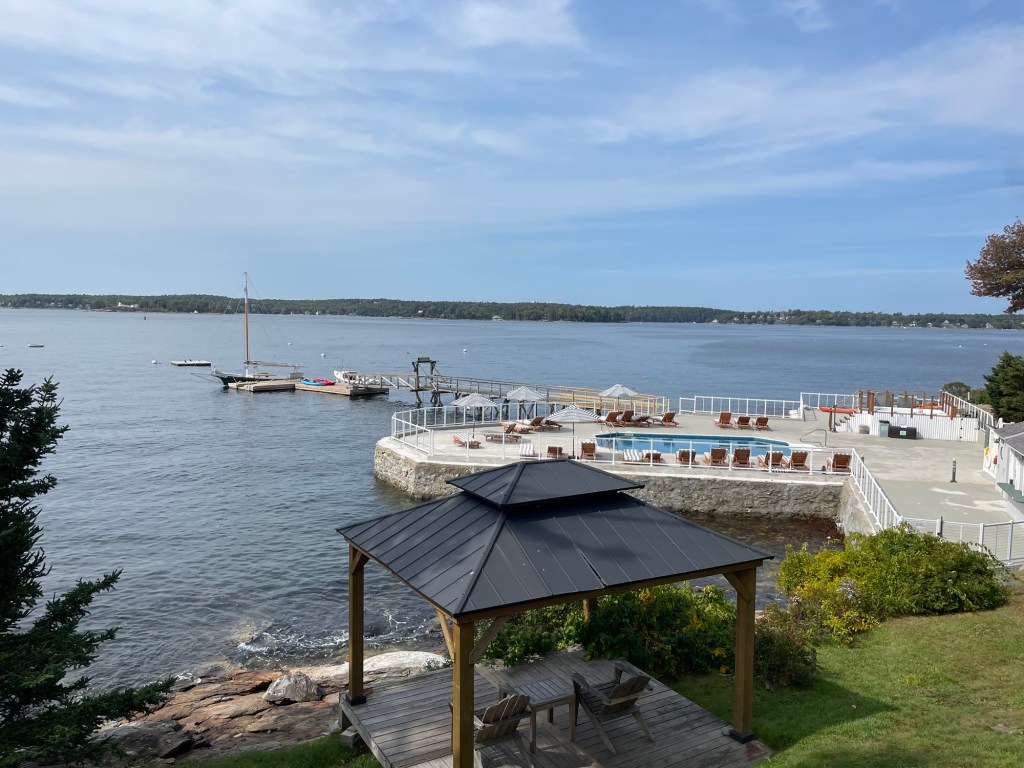
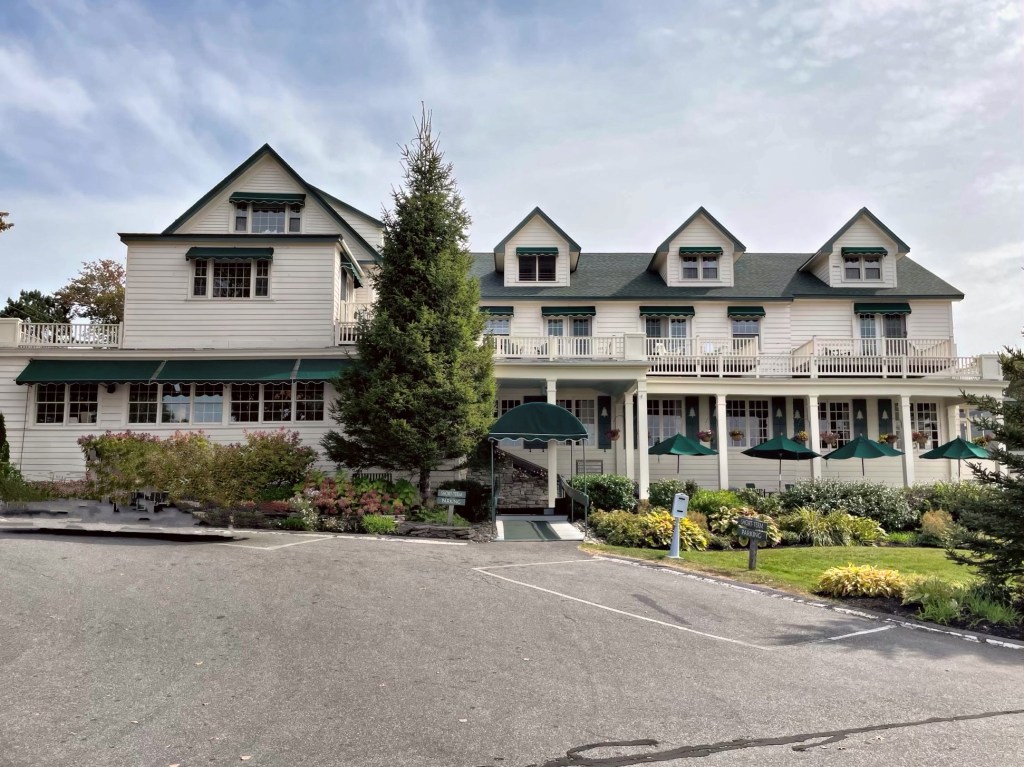
Spruce Point Inn sits amongst acres of pristine pine forests on the shore of the rugged coastline in Boothbay Harbor, in Mid-Coast Maine. The Inn had its beginnings in the 1890s as a hunting and fishing lodge when the peninsula was an undeveloped and remote point on the outer edge of Boothbay Harbor. The enchanting location off the beaten path attracted rusticators, who sought to escape the hot and polluted air of Boston and other cities, for the coastal breezes on Spruce Point. Private cottages were built nearby the old lodge, and frequented by summer rusticators year-after-year. By the 1940s the lodge was converted to an inn and many of the private summer cottages surrounding were acquired and rented out for summers. The buildings exhibit the warm, natural materials typical of the region, with weathered shingles and expansive porches that invite guests to take in the ocean breeze. Inside, the beadboard walls, wood floors, and fireplaces paired with period-appropriate furnishings really provide an authentic historic feeling. The resort’s first saltwater pool was constructed in a rocky outcropping right at the coastline and was recently restored, providing visitors a unique experience to swim in a historic saltwater pool just over the ocean! Over the years, the inn has undergone several renovations and expansions, ensuring that it continues to meet the needs of modern travelers while preserving its historical significance. The Spruce Point Inn is more than just a place to stay; it is a part of the rich history of Boothbay Harbor and ongoing legacy, a historic getaway that blends both luxury and history in a setting unlike any other.

Tourists Hotel // 2018

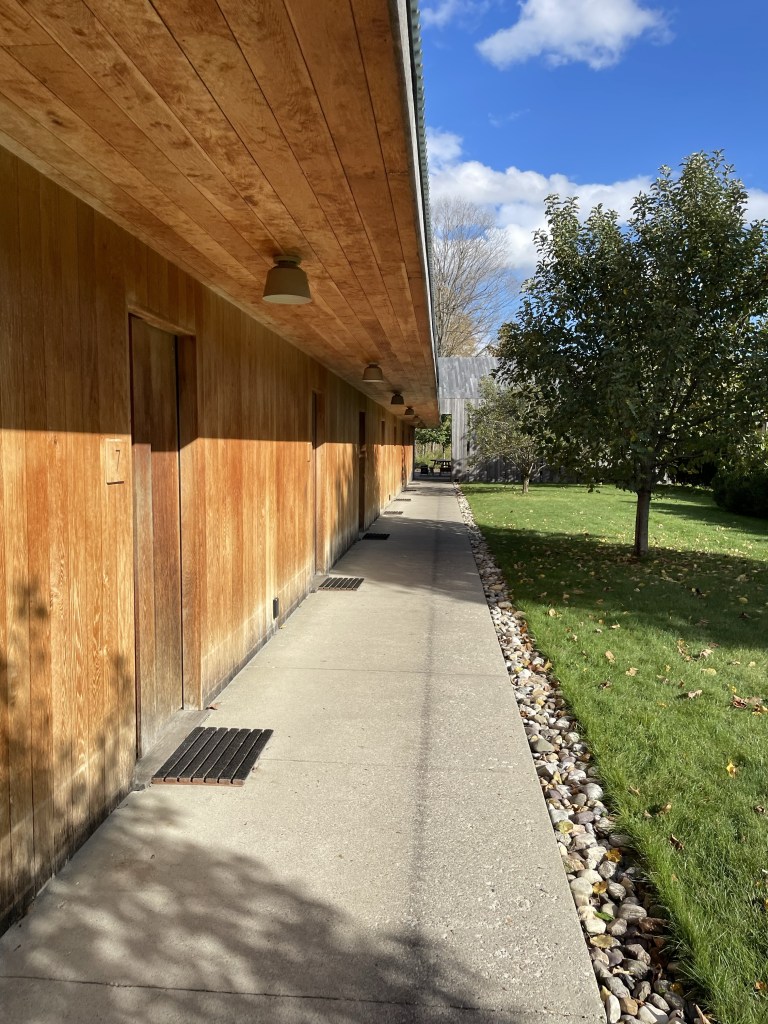
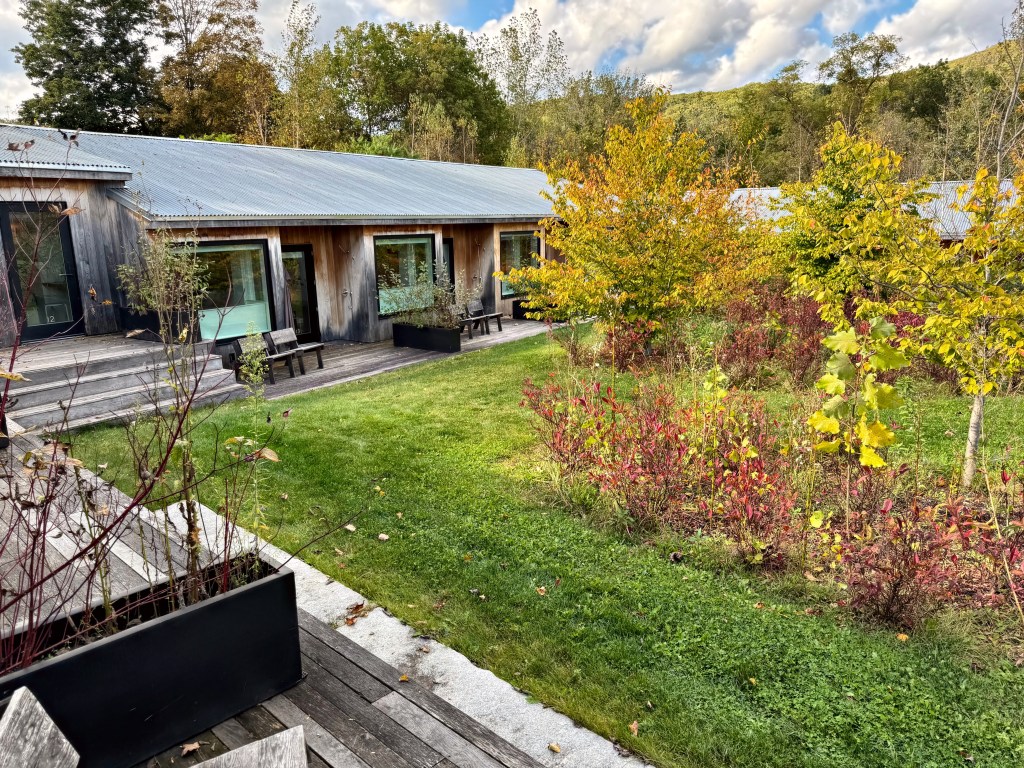
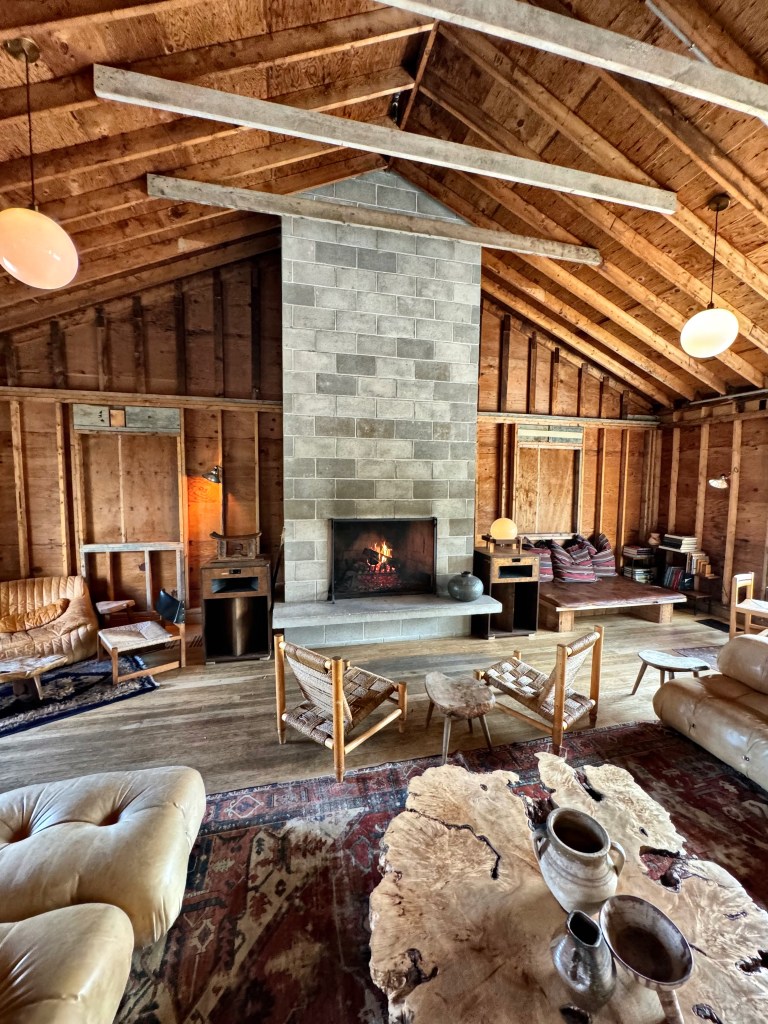
This past weekend, I had the absolute pleasure to stay at one of New England’s coolest new hotels, Tourists Hotel! Located in the industrial-turned-artistic town of North Adams in the Berkshires of Massachusetts this elevated, 48-room hotel modernises the aesthetic of a classic American motor lodge with contemporary design that feels cozy and inviting. The site was originally home to the Redwood Motel, a prototypical 1960s motel on the Mohawk Trail, a designated scenic tourist route which became popular in the automobile era of the 20th century. The reimagined motel was developed by Broder a Boston-based developer who worked with architect Hank Scollard and landscape architecture firm Reed Hilderbrand to design the new hotel. U-shaped in plan, the main part of the hotel surrounds a central courtyard with native flora. Facades are wrapped in white oak planks with the intention to blend the architecture with the surrounding woods. My favorite part was that the rooms have sliding glass doors which open to private decks which make rooms feel more personable. On the crisp fall day, the lounge was an amazing space to cozy up with some spiked cider and chat with other guests. An unexpected treat was to learn that the grounds include dozens of walking trails running along the Hoosac River with a suspension bridge that stretches 220 feet across. Pictures do not effectively showcase how special Tourists is, both in the design details and the attention to detail the staff had during my stay. If you are ever in the Berkshires for a weekend trip, I highly recommend you check them out!