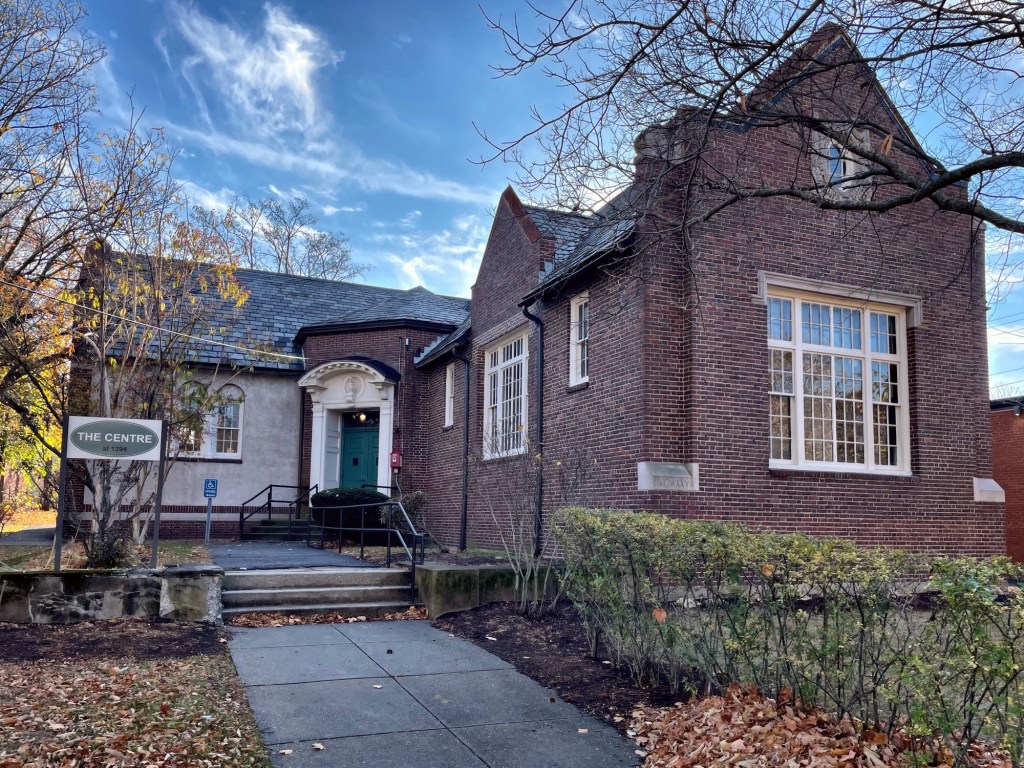
Former Newton Centre Branch Library // 1927

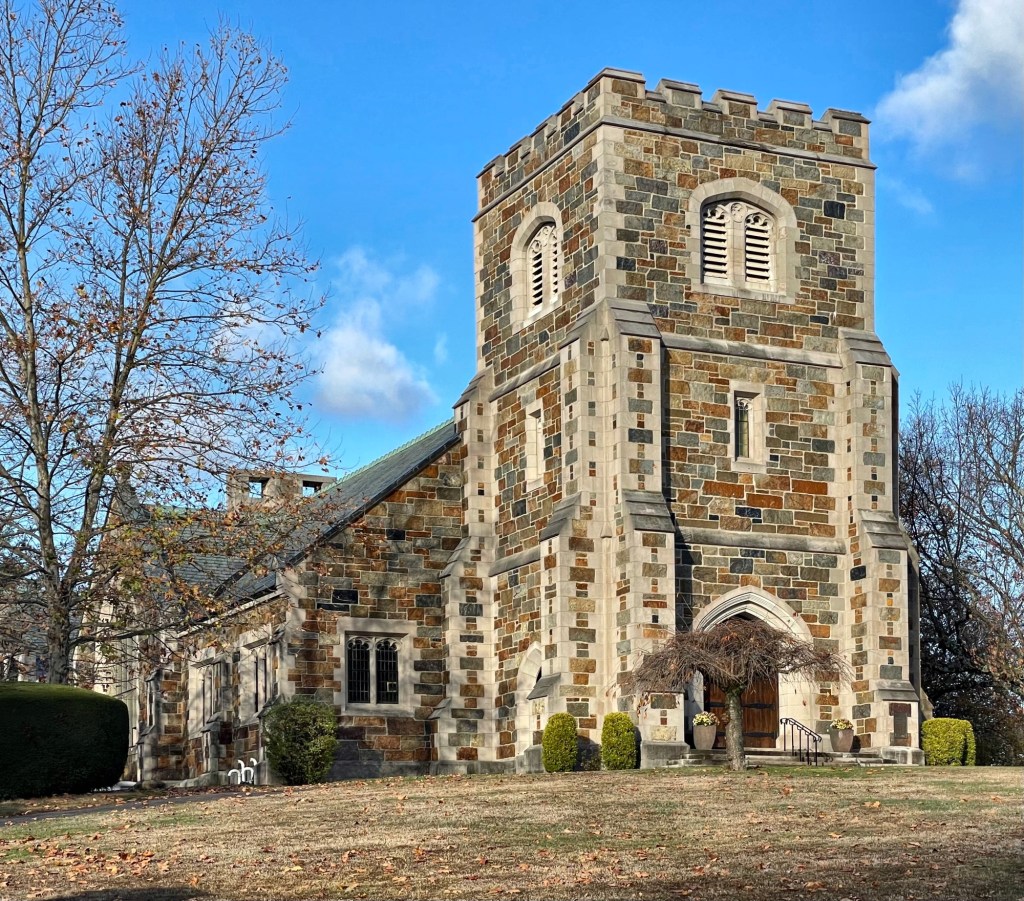
Formerly the Newton Centre Branch Library, this building was one of five branch libraries funded in Newton, Massachusetts by citizen subscription between 1926 and 1939 and turned over to the city. Like most of the others, the building is a small-scale, one story brick library of a Tudor Revival style. The building was designed by the firm of Ritchie, Parsons & Taylor and constructed in 1927. Architect James H. Ritchie was born and educated in Scotland, relocating to Boston and lived in Newton Centre, in two houses he built for his family. The Newton Centre Branch Library was one of the six branch libraries to close in 1991 when the main library opened, consolidating the neighborhood libraries under one roof; the remaining four closed in 2008 due to a budget cut. Today the Newton Centre branch library building serves as the Newton Health Department offices. Thanks to the Community Preservation Act, funds have been allocated to preserve and restore the building for another 100 years.
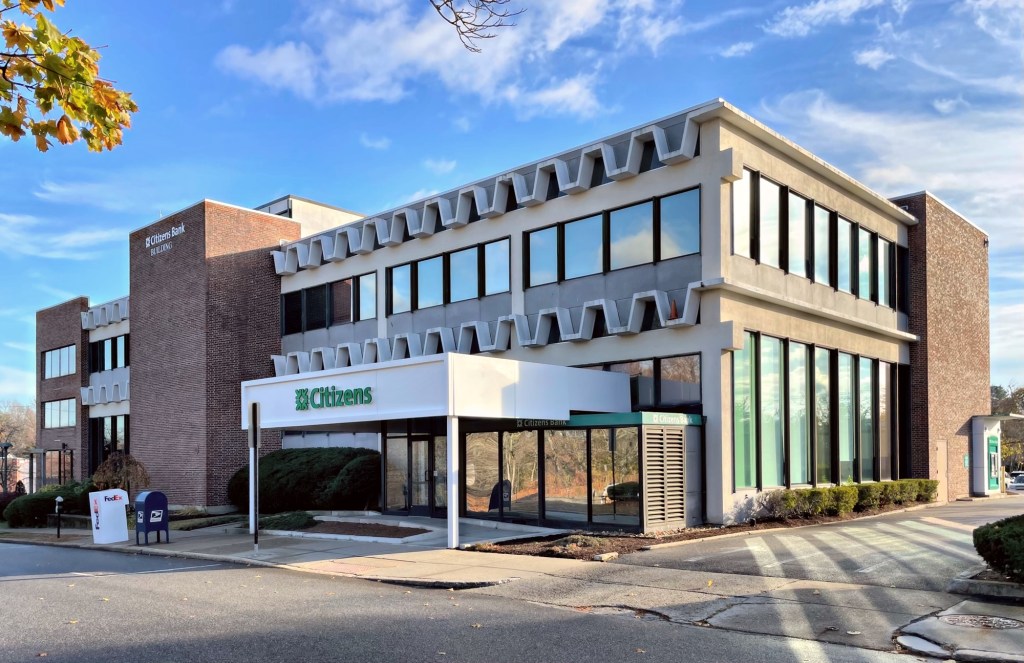
Former Newton Savings Bank Building // 1962

Opened in 1962 as the Newton Savings Bank, this unique Mid-20th century Modern banking structure showcases the forms and materials not conceived in previous decades. The building is located on the Newton Centre Green, adjacent to the former Newton Centre Methodist Episcopal Church, and provides a sharp contrast between the stone building in the Romanesque style and more contemporary forms. The bank was designed by Bastille and Halsey Associates, established in 1953 by partners, Robert Adams Bastille and William Ashbaugh Halsey. Now occupied by a Citizens Bank with professional offices also inside, the building exhibits precast concrete “zipper” banding between floors that are broken up by solid brick masses in the facade. What do you think of these corporate modern buildings?

Samuel D. Garey House // c.1870

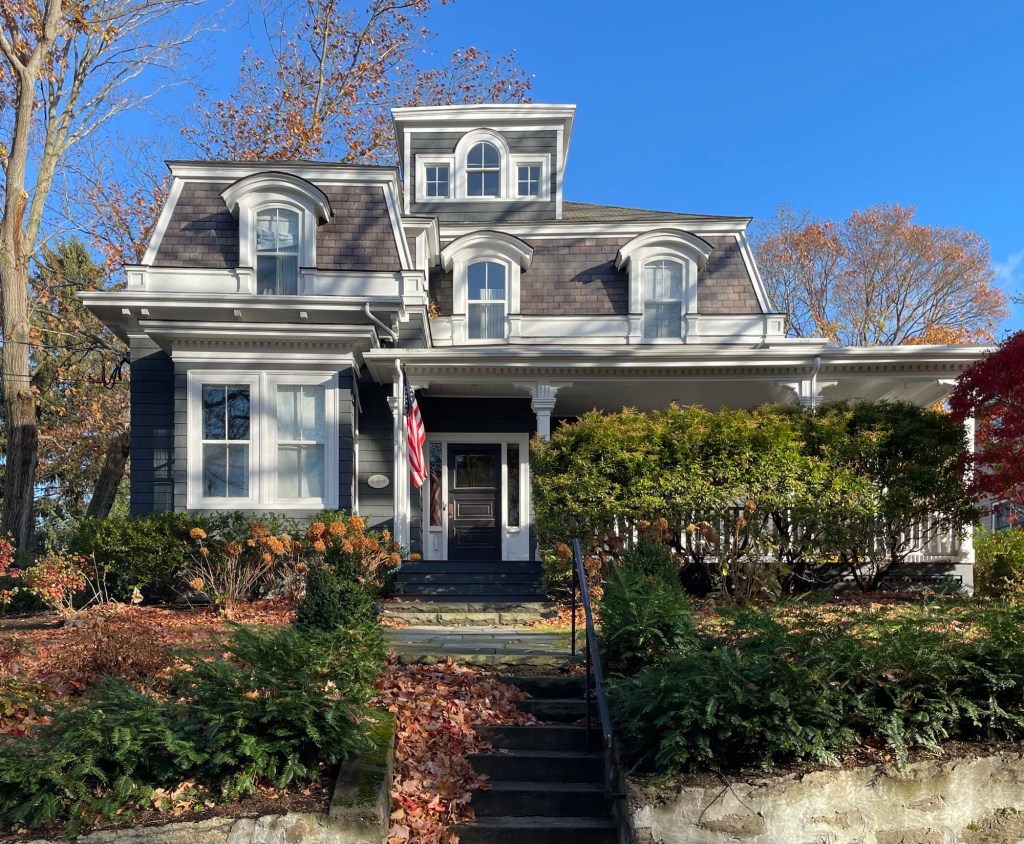
Samuel D. Garey (1825-1891) was born in Auburn, Maine, and worked as a carriage manufacturer there before moving to Newton, Massachusetts to use his carpentry skills building houses in the rapidly developing Boston suburb. He became a prominent builder and developer in Newton Centre, residing there and building this mini-mansard house on Gibbs Street before 1870. Garey likely rented the house out to tenants for supplemental income, with the family maintaining the charming cottage into the 20th century.

John H. Sanborn Mansion // c.1868

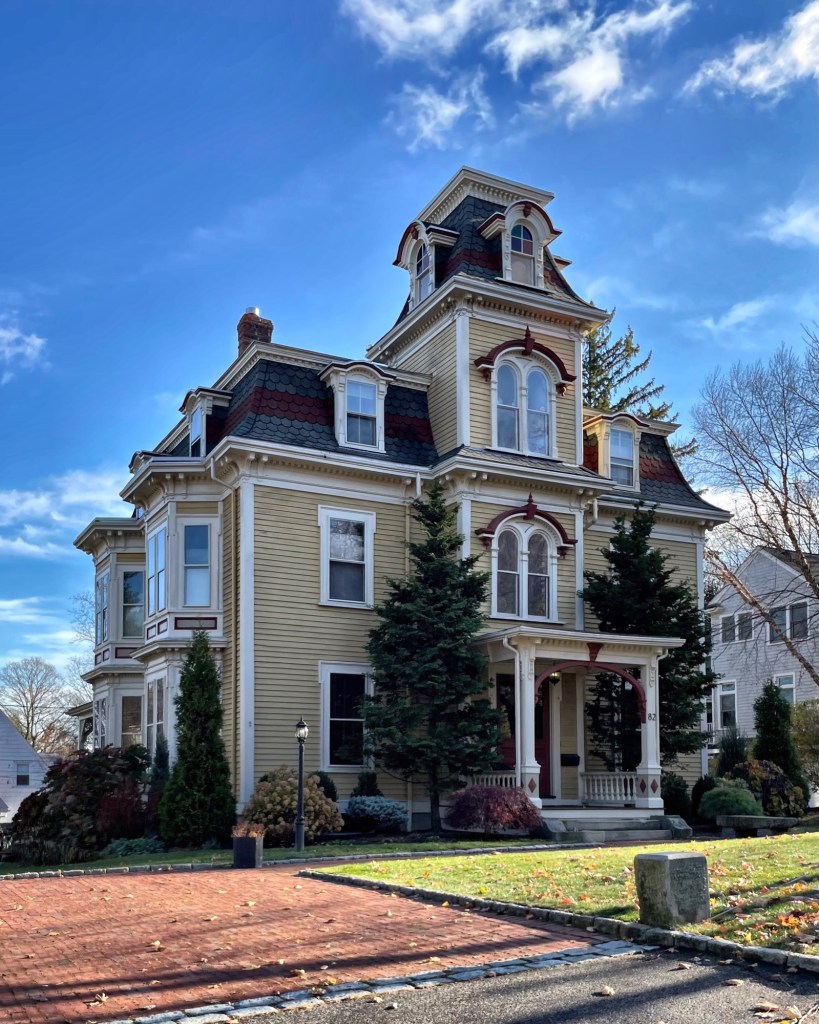
One of the finest Second Empire style residences in Newton, Massachusetts, can be found on Herrick Road in Newton Centre. This is the John H. Sanborn house, built before 1870 for John H. Sanborn, a Boston broker and commission merchant who also served as a Representative to the Massachusetts General Court. The imposing residence is a two-story house based on a rectangular plan, and capped with a bellcast Mansard roof of gray, fish-scale patterned slates. The focal point of the design is the four-story, towered entrance pavilion which dominates the facade.

Trinity Episcopal Church, Newton // 1915

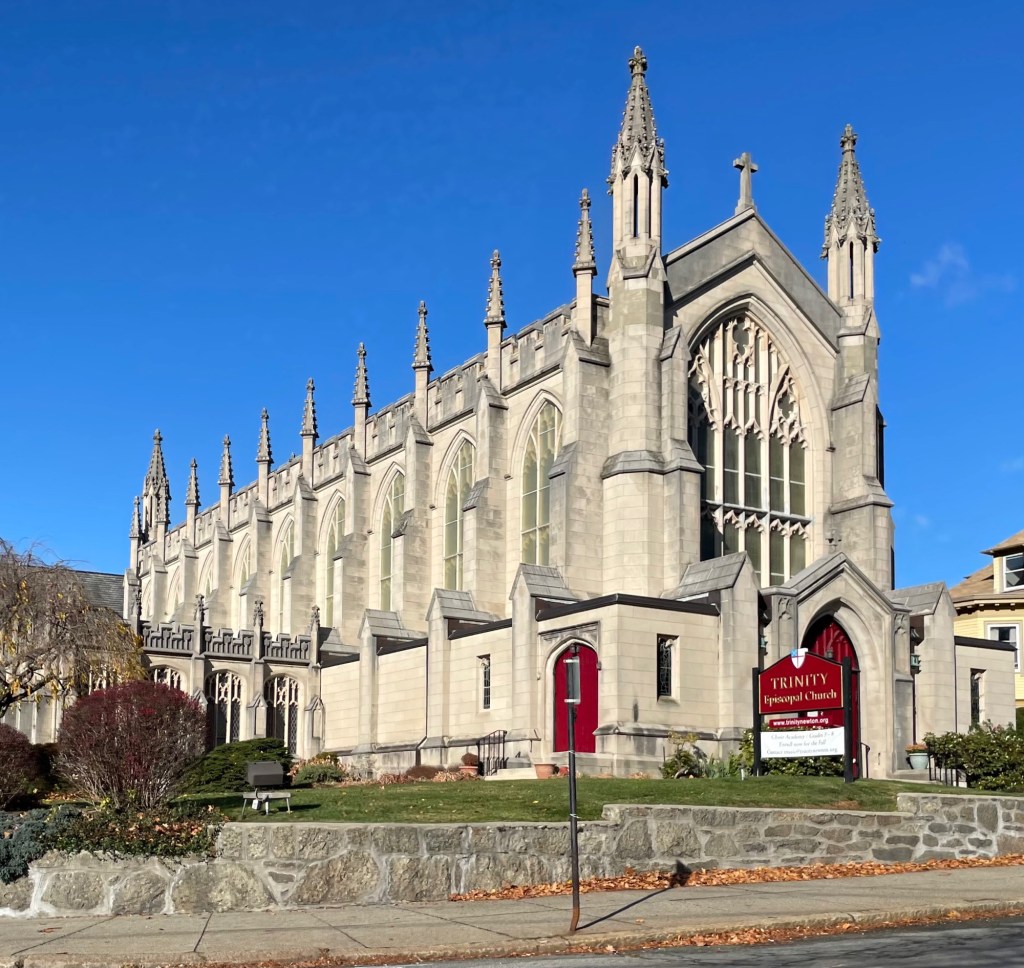
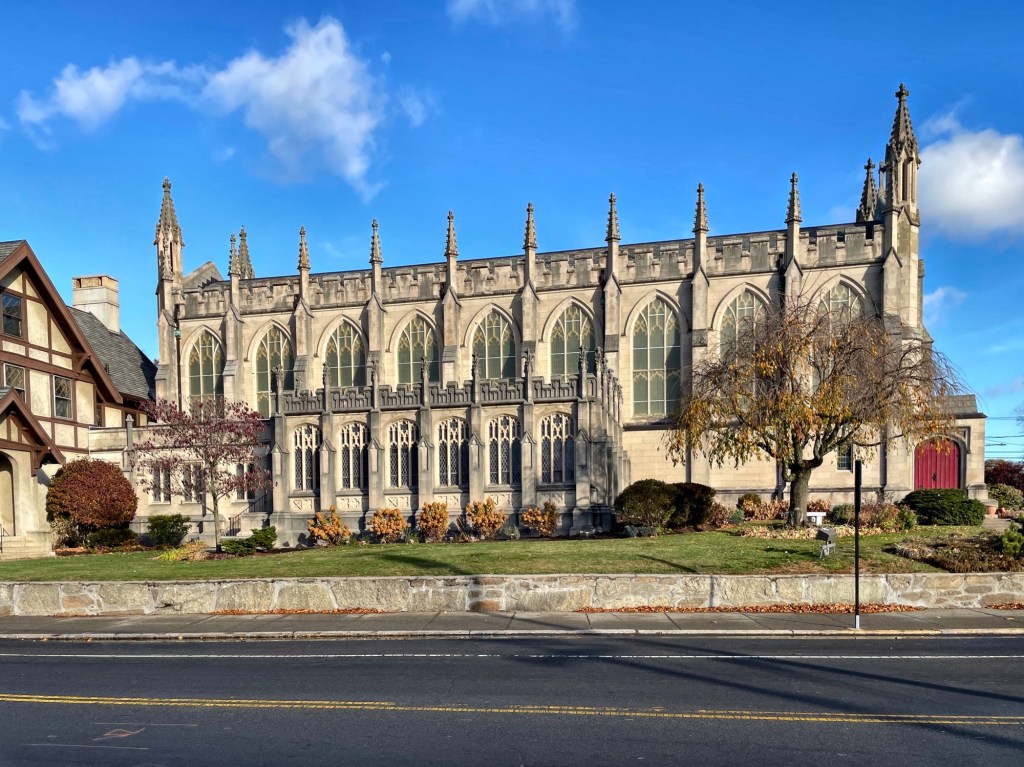
The Trinity Episcopal Church in Newton Centre is one of the most unique and architecturally significant buildings in the village. Episcopalians began meeting in Newton Centre by at least 1889 and began discussions about erecting their own church. A small wood-frame chapel was built (since relocated and used by the Newton Parks Department) and provided worship space for years until the 1910s when the congregation acquired enough funds to build a more substantial structure. The cornerstone for the new church, which was designed by architect George W. Chickering, was laid in May of 1915, and the building was completed in 1916. Modeled after the stunning King’s College Chapel in Cambridge, England, the high-style Gothic edifice is notable for the crenelated parapet and pinnacles rising above the buttresses.

Former First Congregational Church, Newton // 1904

The former First Congregational Church (now the Greek Evangelical Church of Boston) of Newton Center, Newton, is a landmark example of the Neo-Gothic architectural style for a church building. Built in 1904, the structure resembles an English village church in the form of a Roman Cross with short trancepts. The structure is constructed of Quincy granite and was designed by the architectural firm of Shepley, Rutan & Coolidge. The First Congregational Church of Newton was originally established in 1664 as a parish church when Newton was still a part of Cambridge (then known as Newtowne). The parish has had six meeting houses built by the Congregation, with the last four on this site. Seeing dwindling membership in the mid-20th century, First Church in Newton dissolved in 1972, after more than 300 years of service to the Newton community. Luckily, the newly formed Greek Evangelical Church of Boston would buy the church that same year and has maintained the significant edifice ever-since!

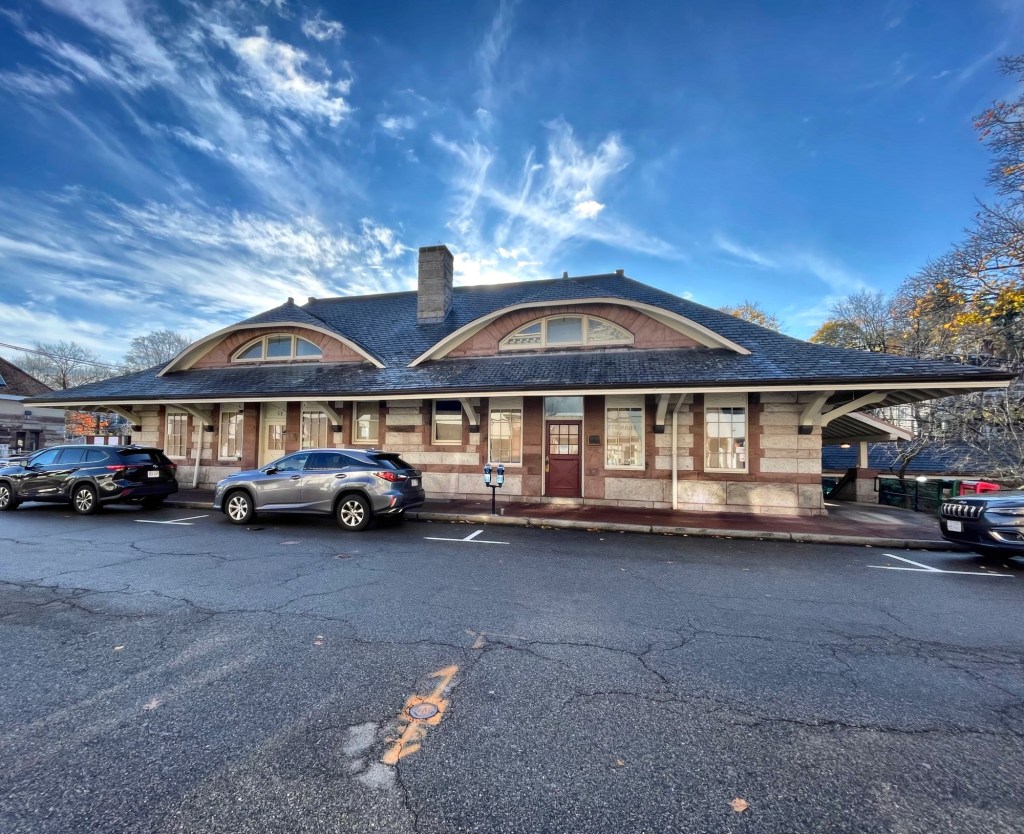
Newton Centre Railroad Station // 1890

All aboard! Next Stop… Newton Centre! The Newton Centre station was originally commissioned by the Boston and Albany Railroad in 1884 as one of a series of new, highly designed stations in the Boston suburbs. Architect, H. H. Richardson designed five passenger stations for the Boston & Albany Railroad in Newton, and of which, only one survives. After his death in 1886, Richardson’s successor firm, Shepley, Rutan and Coolidge, followed the design vocabulary of Richardson for the remainder of the stations outstanding. The new station, built by the Norcross Brothers firm of Worcester, opened in 1891. The station was heavily modified in 1905–07 when the line was lowered below grade to eliminate street crossings. The Highland branch was closed in 1958 and quickly converted for streetcar use; streetcar service began in July 1959, with this station being located on the MBTA Green Line D. The station has long been leased to commercial stores and coffee shops but has been unused since 2022. Here’s to hoping the building can be used again in the future!

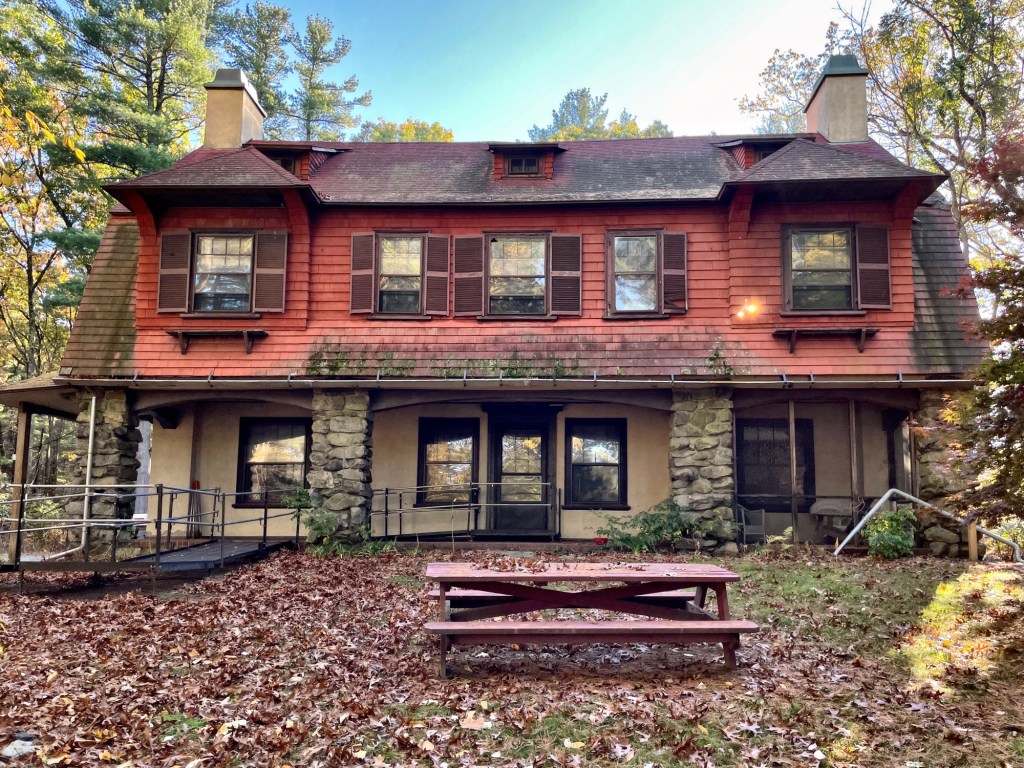
Kennard Estate // 1907

A significant house and grounds are tucked away, hidden off Dudley Road in Newton, Massachusetts. This is the Kennard Estate. Frederic Hedge Kennard (1865-1937) was born in Brookline and attended Harvard College. He did graduate work for a time at the Bussey Institution and the Lawrence Scientific School, and entered the employ of Frederick Law Olmsted, the noted landscape architect, with his office in Brookline. By 1906, he decided to open his own landscape architecture office, opening locations in Boston and Philadelphia. He would purchase this expansive wooded property, and had this house built by 1907. He laid out the grounds, creating paths and gardens on the property and planted native trees. It is unclear who designed the house, sadly. Mr. Kennard was also a noted ornithologist (an expert on birds) and would host visiting scholars at his home, walking the grounds and studying birds there. After his death in 1937, the property was inherited by his son, Harrison Eisenbrey Kennard, and ultimately willed to the City of Newton upon his death in 1982. Since then, Newton Parks and Recreation have maintained the house (though they could be doing more to preserve it), and opened the grounds as Kennard Park, a free public park comprised of wooded trails and streams.