Somerville Central Library // 1914

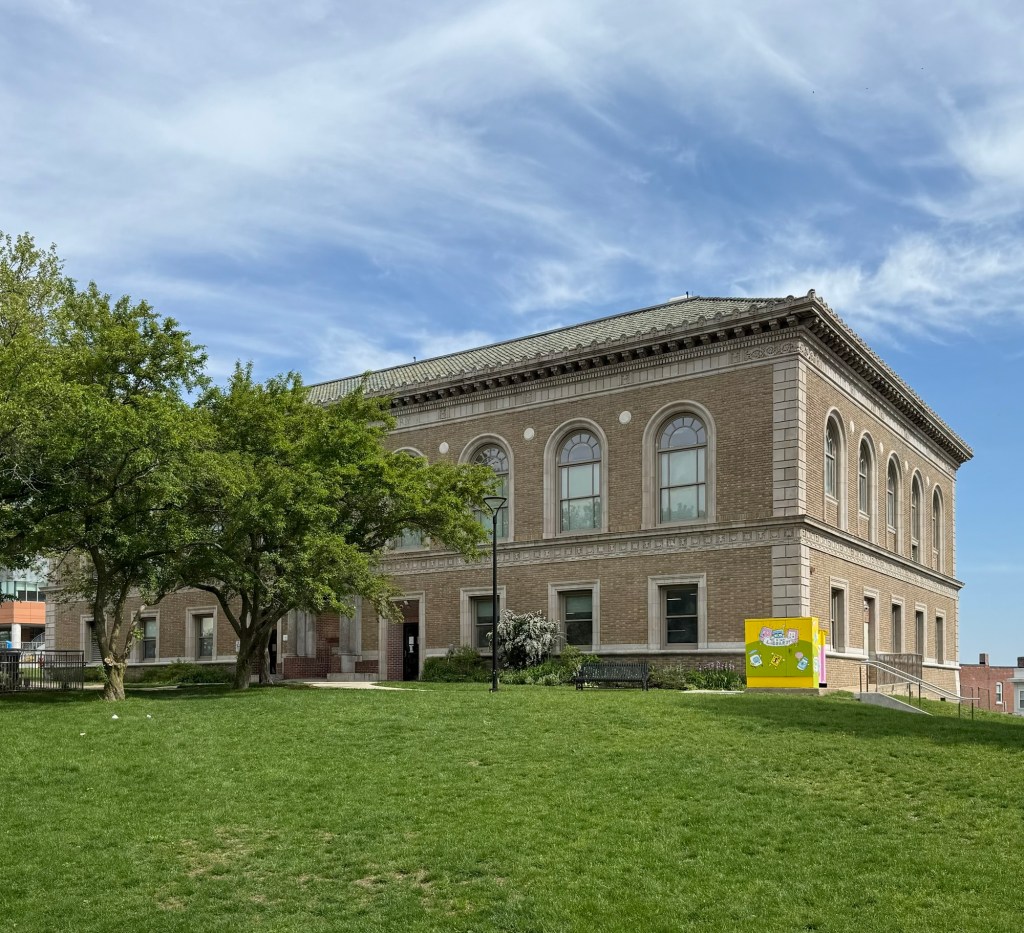
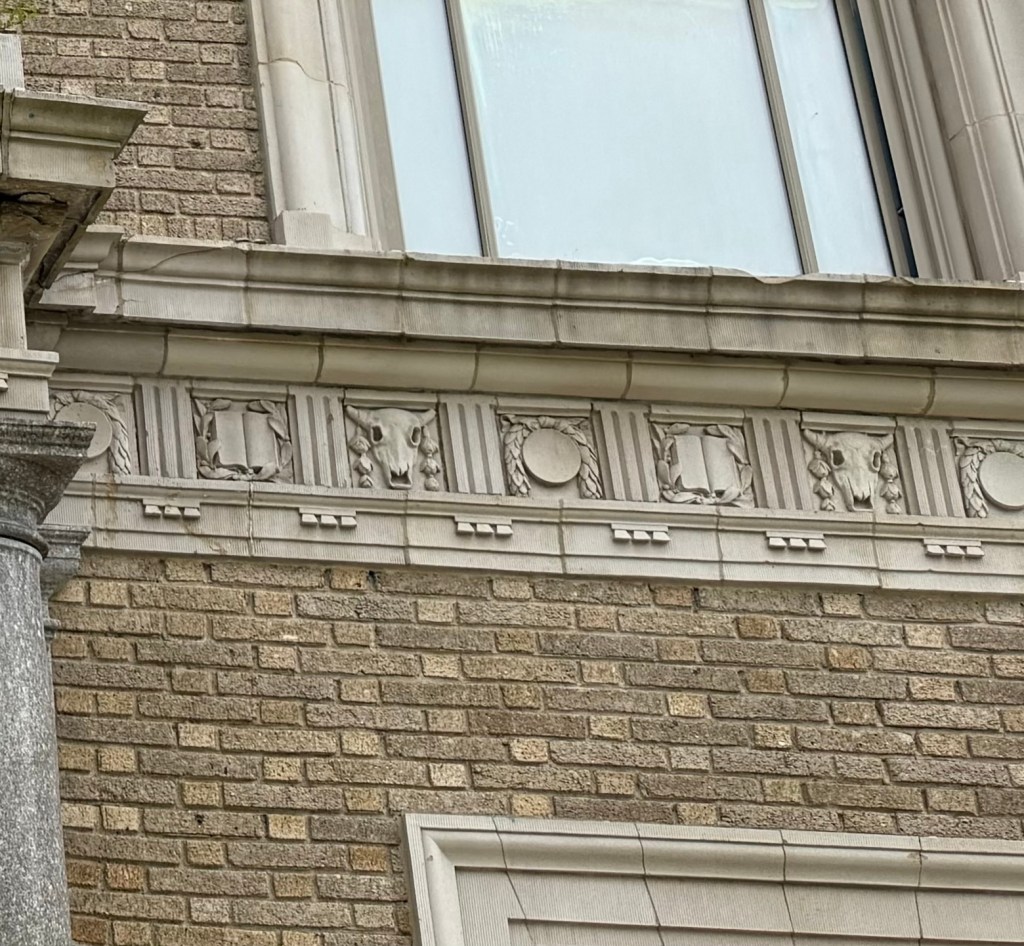
The Central Library of Somerville, Massachusetts, is a landmark example of the Renaissance Revival architectural style for civic purposes and showcases the prosperity and growth of the city in the early 20th century. The building was the second library constructed on Central Hill,  with the city’s first library built on west side of Central Hill, near City Hill, and was designed by local architect George F. Loring in the Romanesque style. By the early 20th century, the old library was becoming outgrown and planning began for a new, larger library. A site at the eastern edge of Central Hill Park was selected, and following a $123,000 gift from the Andrew Carnegie foundation for funding a new library, the new library became a reality. Architect Edward L. Tilton, was hired to furnish designs for the building. Tilton was likely selected as his experience with modern libraries was a highlight in his works. The two-story Italian Renaissance Revival style building is built of blonde brick with limestone and terra cotta trim. The building is capped by a shallow hipped roof of green tiles. A character-defining feature of the building is the large, second-story round arched windows along with the string course between floors, decorated by alternating wreath, book, and animal skull medallions. 
Barnes-Luce House // c.1890

This lovely Queen Anne style home can be found on Highland Avenue in Somerville, Massachusetts. Built around 1890, the residence was built for Walter Saunders Barnes (1838-1931), a manufacturer with a paper box business in Boston. The property was sold in 1903 to Robert Luce (1862-1946), a prominent businessman and politician who founded the Luce’s Press Clipping Bureau before he was elected a member of the Massachusetts House of Representatives in 1899 and 1901–1908. He was elected the 42nd lieutenant governor of Massachusetts in 1912. After serving as Lt. Governor, Luce would spend the next decades in the House of Representatives. His Somerville house is a well-preserved example of the Queen Anne style and includes a steeply pitched hipped roof with gable and dormers, asymmetrical plan, porch with braced supports, and a half-round window in the gable.

George F. Loring House // 1895

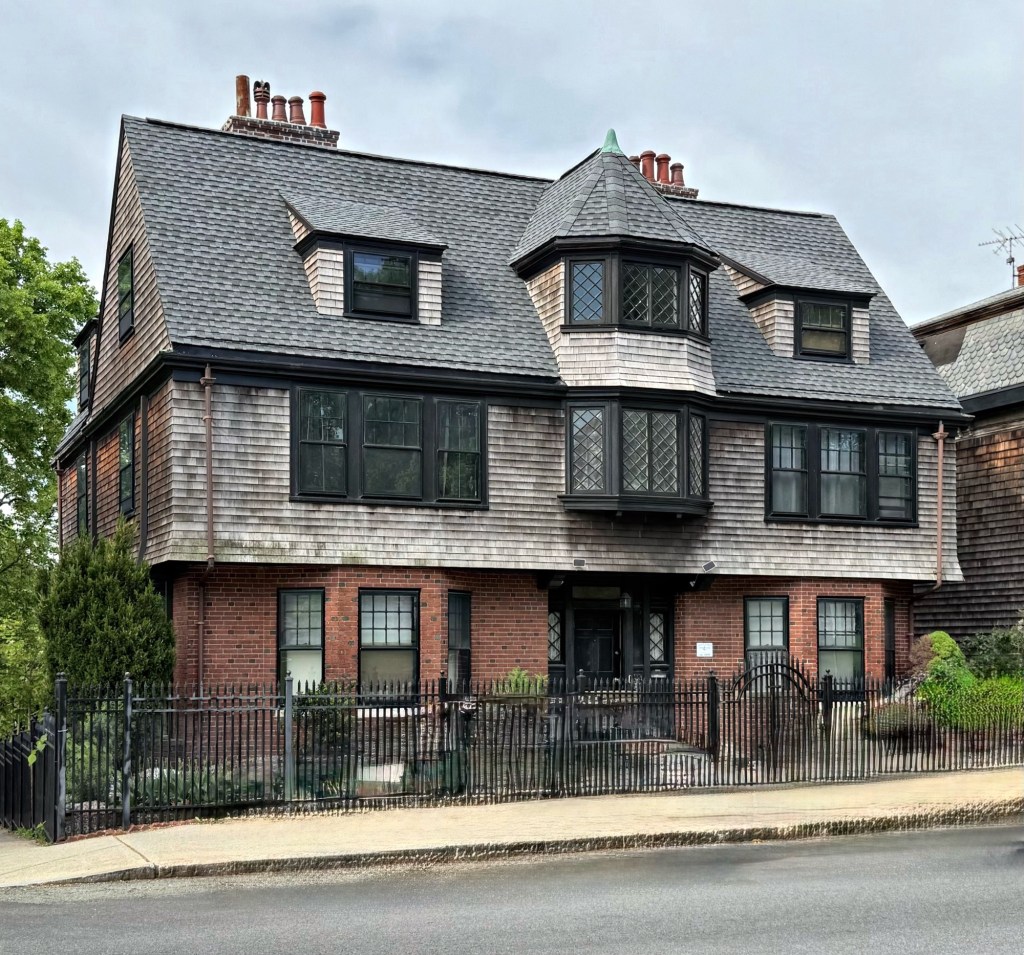
The George F. Loring House on Highland Avenue in Somerville, Massachusetts, is an architect-designed house designed as the architect’s personal residence. While the architect specialized in the Richardsonian Romanesque and Colonial Revival styles, for his own home, George Loring crafted a free interpretation of seventeenth-century medieval architecture with a brick first story and upper floors overhanging and sheathed in cedar shingles. Loring trained in the office of Boston City Architect, George A. Clough, before establishing his own practice. By 1895, when he constructed this residence on Highland Avenue, Loring was in partnership with Sanford Phipps, specializing in the design of large single-family homes in the Boston metropolitan area.

Samuel & Susan Gaut House // c.1855

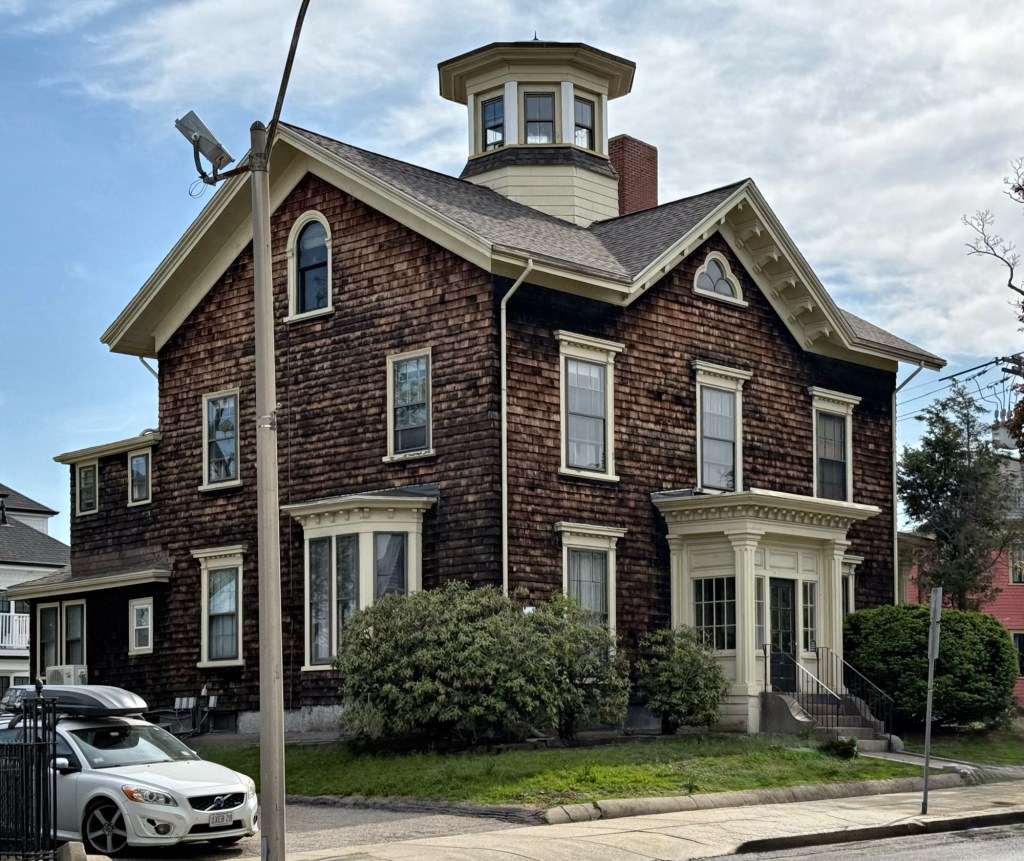
Built in the 1850s, the Samuel and Susan Gaut House on Highland Avenue in Somerville, Massachusetts, is one of the finest examples of a symmetrical, three-bay, Italianate style house in the city. Samuel Norton Gaut (1816-1891) worked as a baker with shops in downtown Boston, and married Susan Dutton (1824-1892), the daughter of a wealthy shipbuilder in Newburyport. The Gaut House was listed on the National Register of Historic Places for its architectural significance as an intact example of a gabled Italianate style home. Special details include the brackets in the gable, trefoil window in the peak, and the octagonal cupola at the roof. Early 20th century alterations include the shingle siding, replacement windows, and enclosed portico, but neither truly detract from the beautiful home.

First Unitarian Church of Somerville // 1895

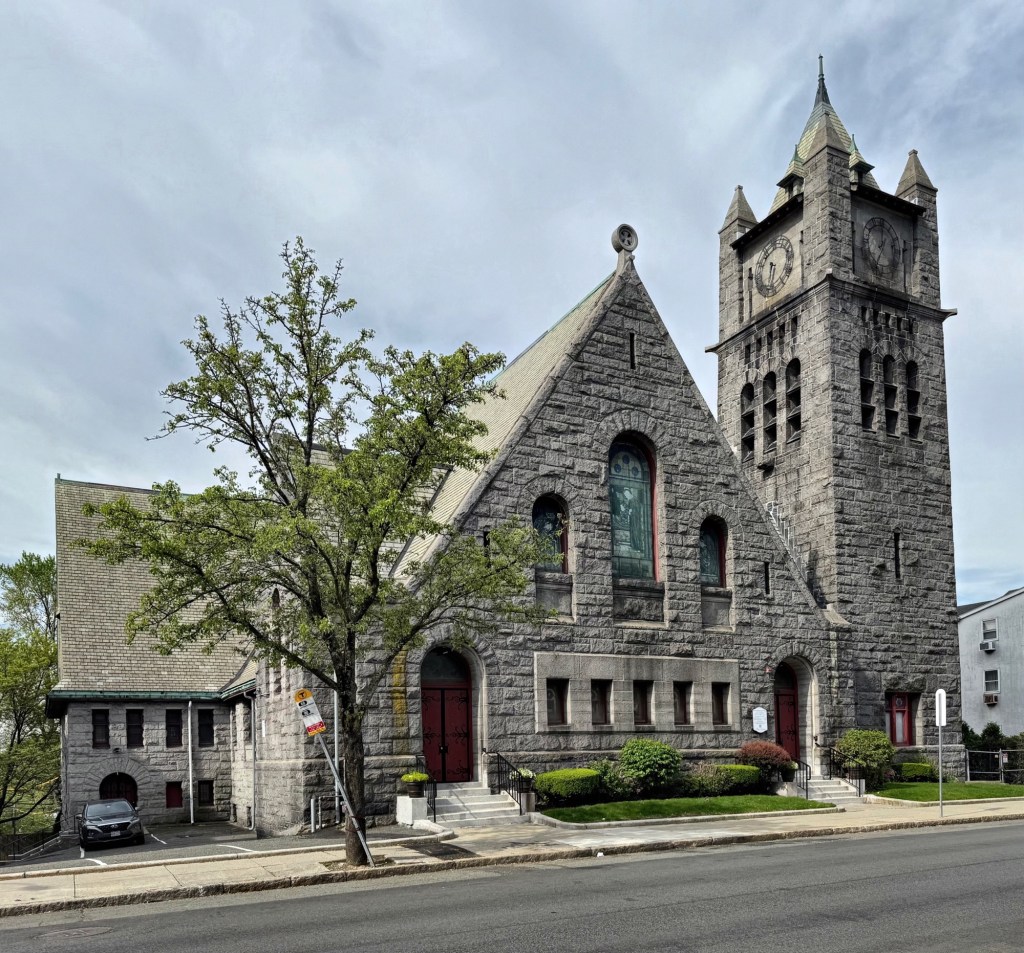
Located on Highland Avenue in the Central Hill section of Somerville, Massachusetts, the First Unitarian Church of Somerville is a landmark example of a church in the Romanesque Revival style. The church was built in 1895 from plans by the esteemed architectural firm of Hartwell & Richardson, and was the fourth and final building of the congregation, which was originally established in 1844. The congregation’s first church was a Gothic Revival style building designed by Richard Bond, but was destroyed by fire in 1852. A year later, the second edifice was designed and built by architect Thomas W. Silloway, which also burned in 1867. The church was replaced again by a Romanesque style structure in 1869. In the 1890s, when the City of Somerville purchased the building as part of the site for the new Somerville High School, a lot down Highland Avenue was secured and planning began for this building. The church is built of granite block with a steeply pitched gable roof, and a square tower at its right front corner. The prominent gable contains two arched entrances with a bank of five rectangular stained-glass windows below three tall round-arch stained glass windows. The congregation was dissolved in 1975 and a year later, the building was purchased by the Mission Church of Our Lord Jesus Christ, an Apostolic Pentacostalist church, who continue to use the building today.