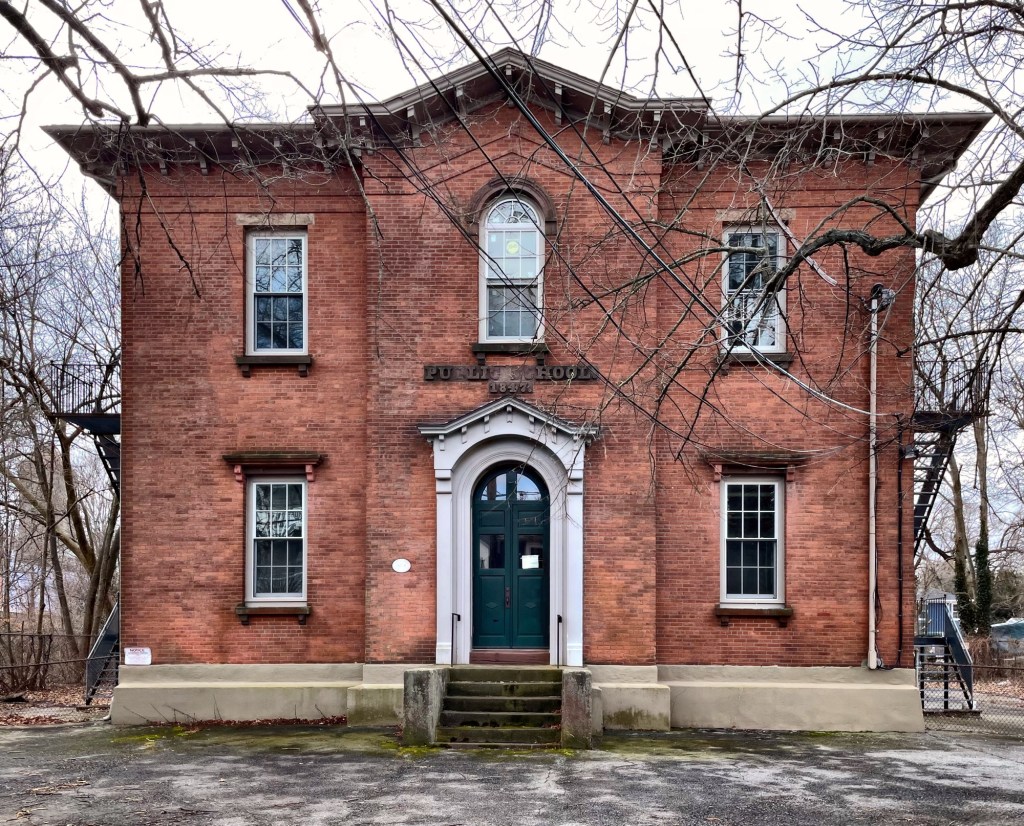
Liberty Street School // 1847

The Liberty Street School building in Warren, Rhode Island, was built in 1847 as only the third high school building constructed in the state, and is the oldest survivor of its style. Architect Thomas Alexander Tefft, one of the nation’s first professionally trained architects, designed the school when he was just 21 years old in the Italianate style, with a two-story form, center entrance set within a round-arched surround and a central projecting gable-end pavilion. The young architect would later take an excursion around Europe in the mid 1850s, but would fall ill with a fever in Florence, Italy and he died there in 1859. He was just 33 years old when he died. The Liberty Street School was remodelled as an elementary school at the turn of the 20th century and continued as a public school until the 1970s. The historically and architecturally significant building has sat vacant for years. The building is still owned by the Town of Warren, and after over decades of planning studies and proposals, the building remains vacant and deteriorating. What would you like to see as the future of the Tefft-designed Liberty Street School?
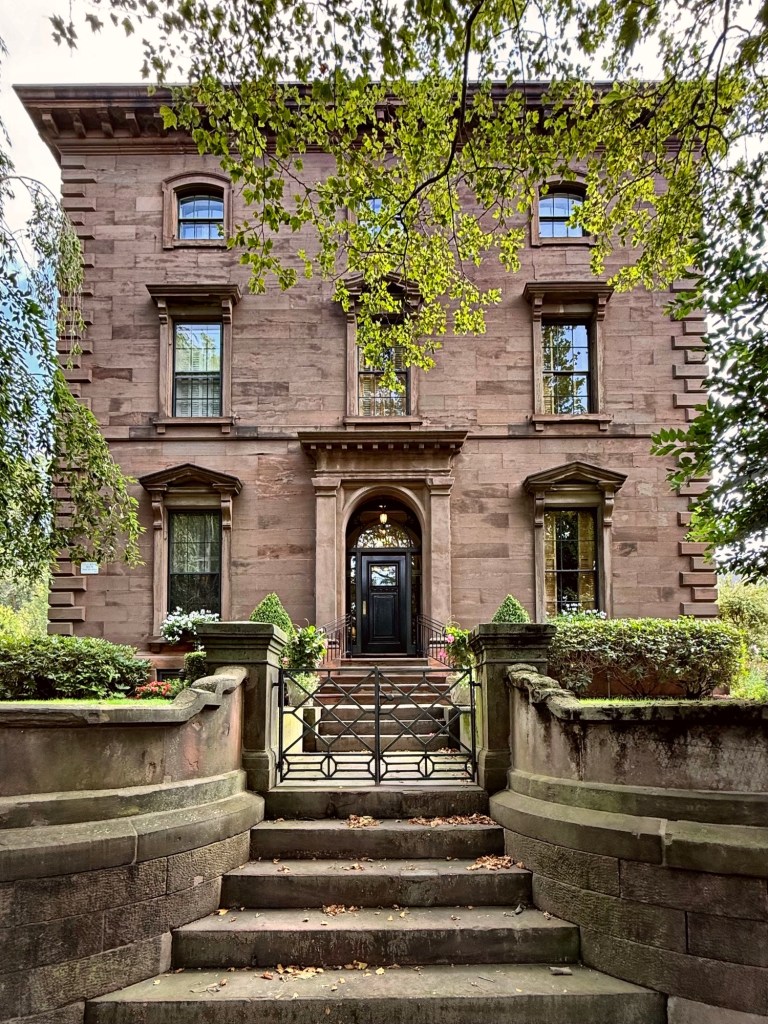
Tully Bowen House // 1853

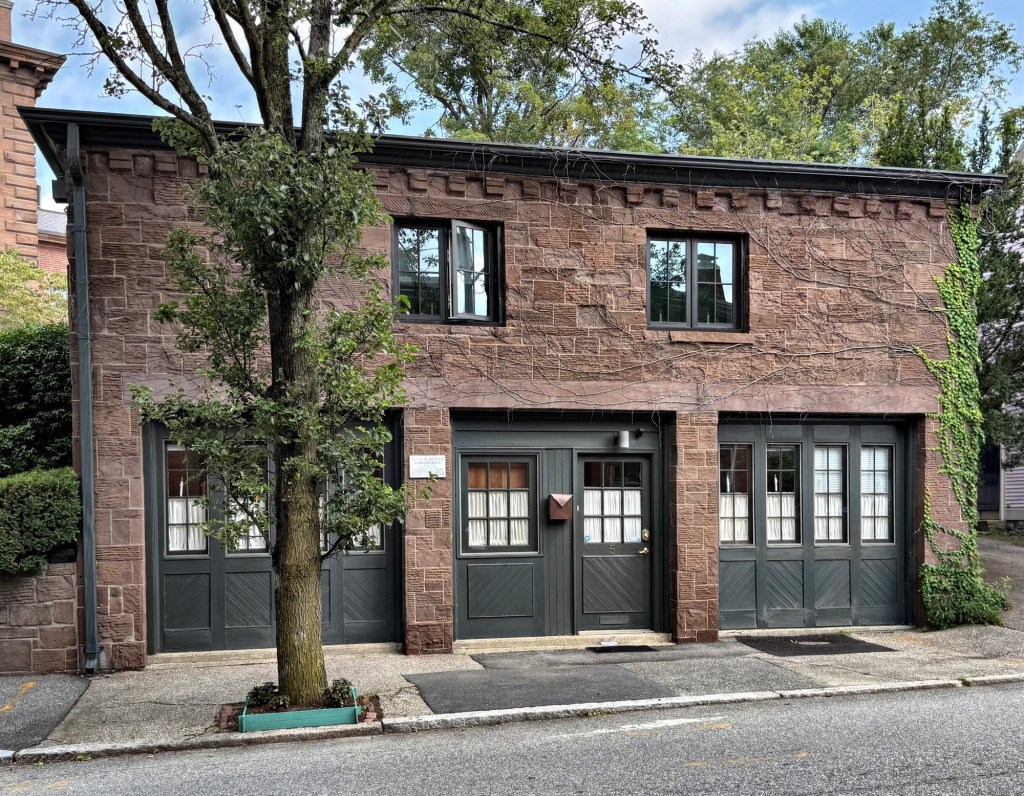
Designed by great architect, Thomas Tefft, this three-bay, three-story brownstone house located at 389 Benefit Street in Providence, was built for Tully D. Bowen, a cotton manufacturer. The house, one of the finest Italianate style mansions in the state, is constructed of brownstone and features a recessed arched entrance surrounded by a flat-headed Doric-pilastered frame, pedimented first-floor windows resting on brackets with the alternation of flat and pedimented heads at the second story, and quoining at the corners. The property also retains its original Tefft-designed brick and brownstone carriage house. Thomas Tefft, who was just 27 at the time of designing this house and corresponding brownstone and iron gate, would become one of America’s finest architects before he died in Florence with a fever in 1859 at just 33 years old. The residence was converted to 12 apartments in 1941 and the carriage house was converted to residential use as well. Even with the subdividing the interior spaces of the residence and carriage house, the Bowen property remains in a great state of preservation and is one of the finest homes in Providence.

Robert Lippitt House // 1854

“Less is more” is a phrase adopted in 1947 by architect Ludwig Mies van der Rohe to describe his minimalist, Miesian glass box buildings. While he was referring to Modern architecture, the same phrase can be used in 19th century design, where massing, form, and materials are showcased in all their glory with little frills or additions. The Robert Lippitt House in Providence was constructed by 1854 for Robert Lincoln Lippitt (1823-1858), who worked with his brother Henry Lippitt in owning and managing textile mills. Henry would later build his own mansion nextdoor to his late brother’s house (see past post). Sadly, Robert died four years after this home was built, at the young age of 34. His widow, Louisa Gorden Hallet remained in the home and remarried within a year of her late husband’s death, to Charles Lippitt, possibly a cousin to Robert. Messy. The home was designed by architect Thomas A. Tefft, a promising and respected young architect who also died young, at the age of 33.