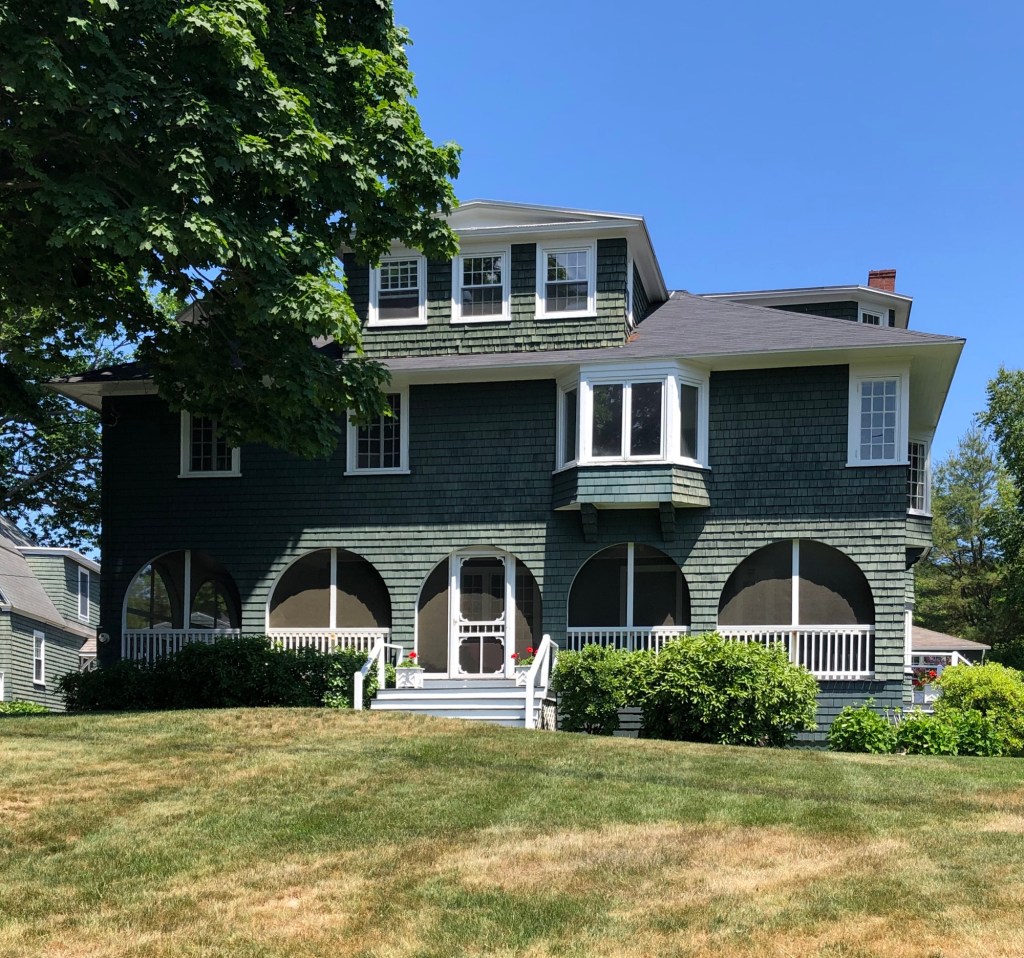
Point O’ View Cottage // 1892

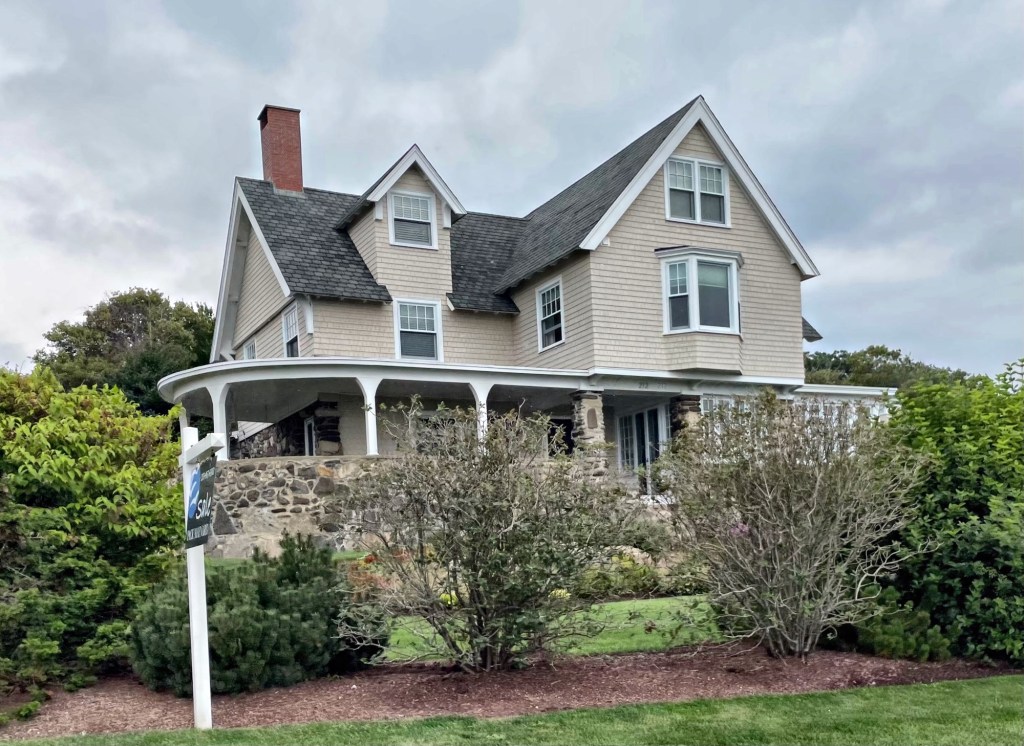
The Point O’ View Cottage in Kennebunkport sits on a large lawn on the rugged Maine coast, with sweeping views of the Atlantic Ocean. Built in 1892 by Burleigh S. Thompson as a rental property (he rented it for $1,500 for the summer) the nine-bedroom “cottage” was designed in a Tudoresque version of the Queen Anne architectural style and originally named Fort Bradford. The cottage (like others built for Mr. Thompson) was designed by Henry Paston Clark, THE architect for the Cape Arundel Summer Colony in the 1890s, who also designed St. Ann’s Episcopal Church and other cottages nearby. The cottage was renovated more in keeping with the Shingle style and was entirely clad in cedar shingles, but it retains its perfect, rustic stone foundation and rounded porch. It is now known as Point O’ View Cottage. What a view it has!
Kewaydin Cottage // 1900

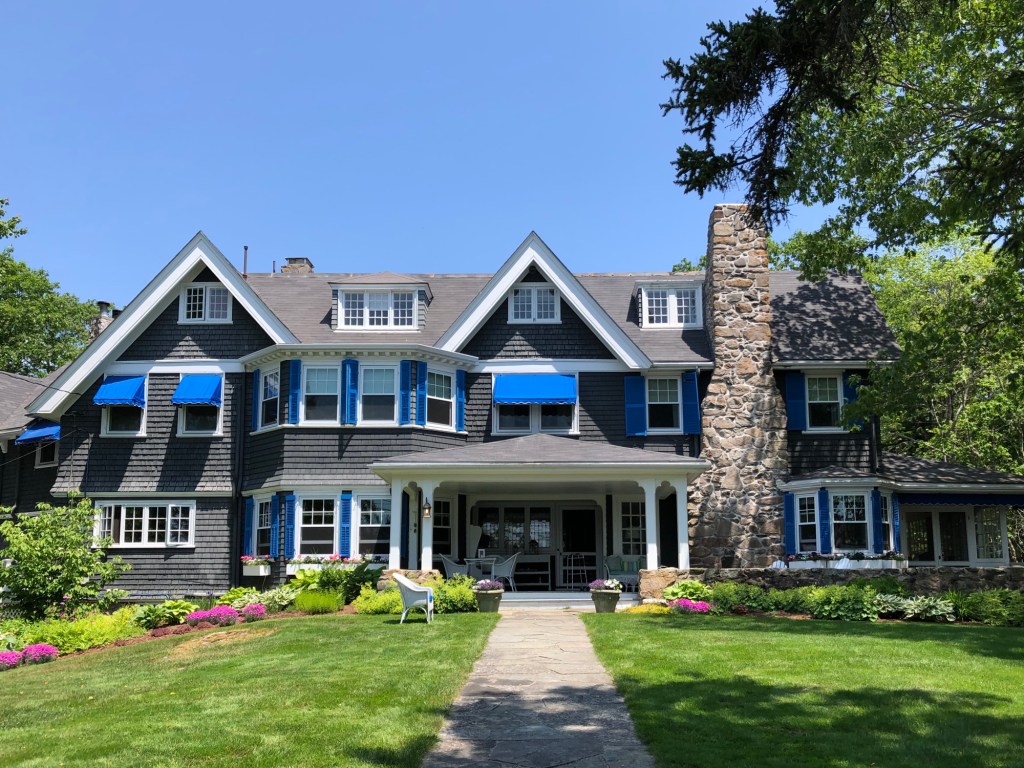
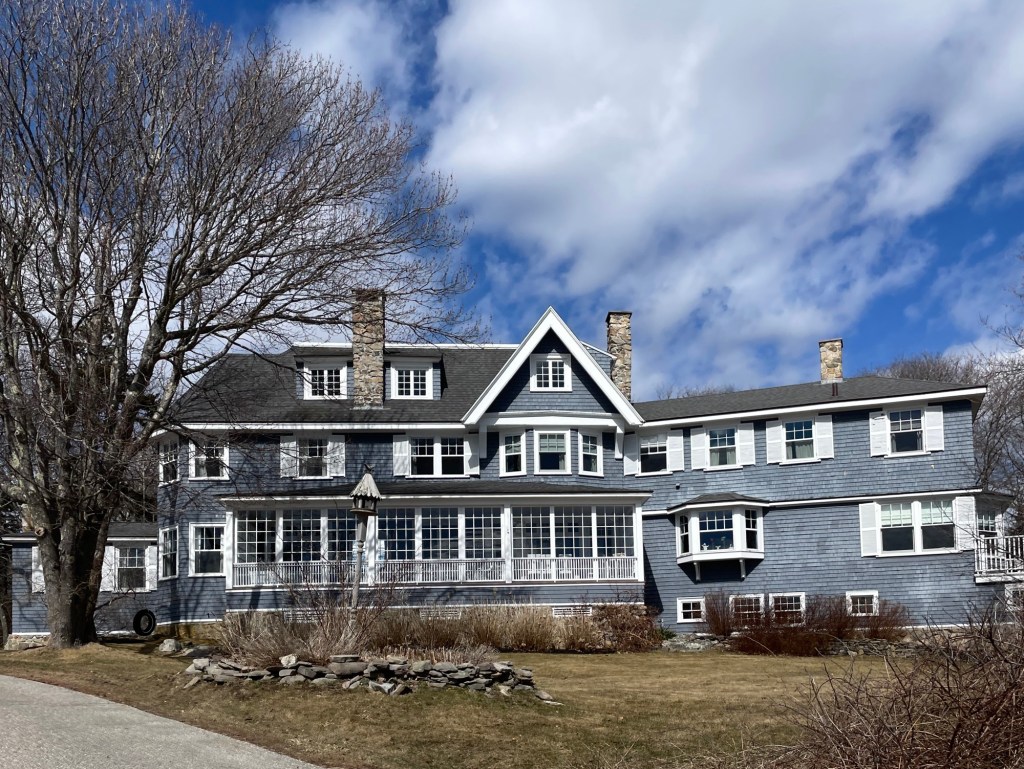
Every good summer cottage needs a name, and this charmer in the Cape Arundel Summer Colony of Kennebunkport, Maine, is no exception! This is “Kewaydin” a massive summer home built for Eben Caldwell Stanwood Jr. (1856-1906) a merchant and later banker of Boston, Massachusetts. Stanwood hired the Boston firm of Chapman & Frazer to design the cottage, which blends Shingle style and Queen Anne elements in a rustic composition that has such great curb appeal! The use of cedar shingles and rubblestone chimneys, paired with the vergeboards and complex roofline with dormers, makes this one of the gems of Kennebunkport!

Pine Haven Cottage // 1902

Pine Haven Cottage sits on a rise overlooking the Atlantic Ocean in the Cape Arundel summer colony in Kennebunkport, Maine. Built in 1902 for Thomas Brodhead Van Buren, Jr., a silk importer in Manhattan as a summer home, the cottage was designed by Henry Paston Clark and his partner, John W. Russell in an eclectic example of the Shingle style with gable roofs, vergeboards, stone foundation, and a prominent porch that has since been enclosed.

Chester Guild Cottage // 1902

One of the many stunning summer “cottages” built in the Cape Arundel summer colony of Kennebunkport, Maine, is this turn-of-the-century Shingle style dwelling built for Chester Guild of Boston. Chester Guild III was born into the wealthy Guild Family of Roxbury with his father being a successful leather dealer. Chester Guild spent summers with his family in Kennebunkport beginning in the 1890s, eventually had this cottage built in 1902. The Shingle style dwelling remained in the family for five generations and is very well-preserved, showcasing the hallmark elements of the ubiquitous coastal Maine architectural style.

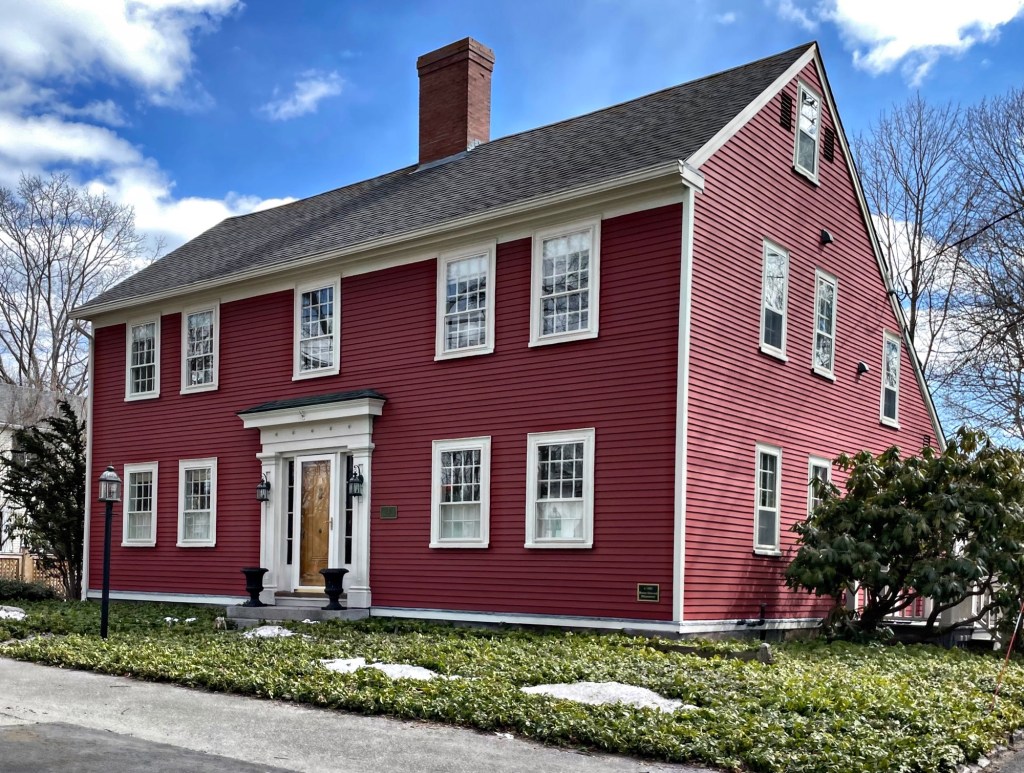
Moses Howard House // c.1794

This charming Federal style saltbox house was built around the turn of the 19th century for Moses Howard, a “shipmaster” who moved to Kennebunkport from Cohasset, Massachusetts in 1793. The house here is clapboard with a symmetrical facade and central chimney. A saltbox roof extends off the rear of the house. Moses Howard did not stay in Kennebunkport for long as he moved to Portland by 1812. The house was lovingly maintained for the next 200+years.

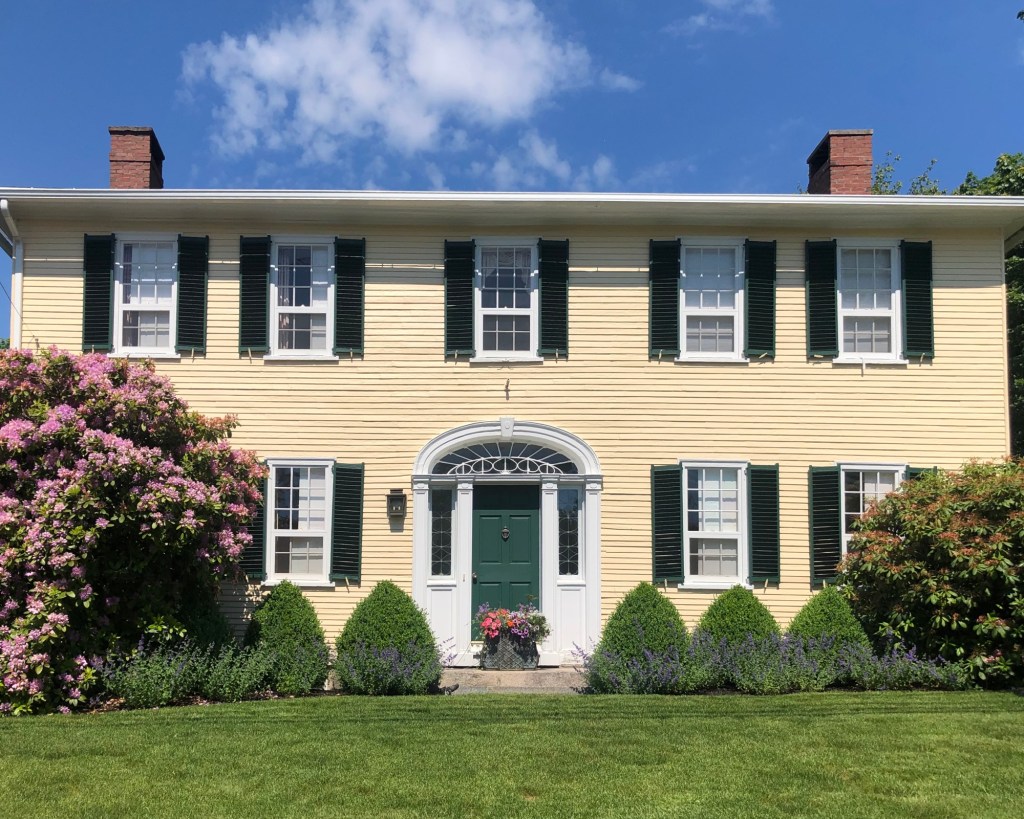
John Andrews Jr. House // c.1808

John Andrews Jr. (1747-1844) was born in Essex County, Massachusetts to John Andrews Sr., a church Deacon, merchant, and blacksmith. John Jr., was a fisherman and would later move to Arundel by 1783 (now named Kennebunkport) and built this stately Federal style residence in the village. The house was built sometime between 1783 and 1810, with my best estimate dating the house (at least in its current form) to around 1808 as the high-style entry is similar to what is seen in Asher Benjamin’s plan books of the early 19th century, like the American Builder’s Companion, which provided builders with plans for elevations, cornices, entrances and windows, and any other features of a house built at the time.

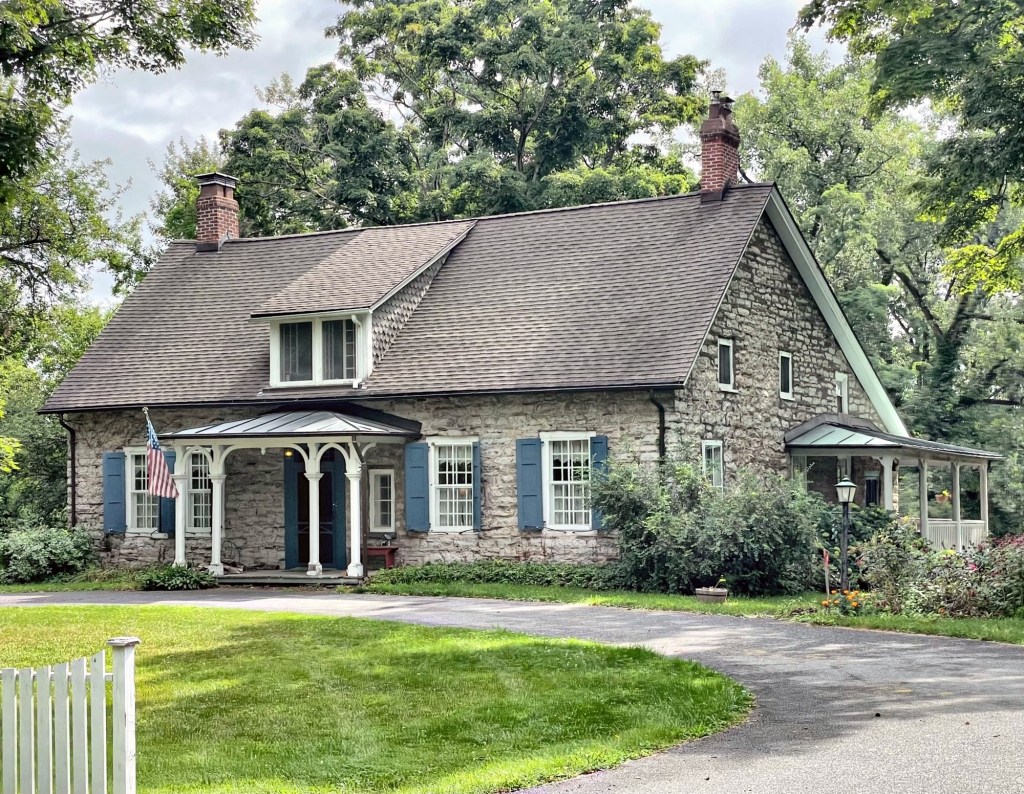
Cornelius Person House // c.1770

The Cornelius Person House is a pre-Revolution stone dwelling built in the Katsbaan village of Saugerties, New York. The residence was constructed around 1770 by Cornelius Person (1744-1827) a merchant who held a store just south of this home. The store was apparently used as a meeting place for Patriots during the Revolutionary War and Cornelius fought in the local militia at the time. After the war, John Jacob Astor was said to have traded with local fur trappers at the store. The Person Stone House was originally a smaller dwelling and was expanded multiple times to give it the center hall appearance and later saltbox rear. Later alterations include the porches, but the house retains so much of its original charm.

Katsbaan Reformed Church // 1732

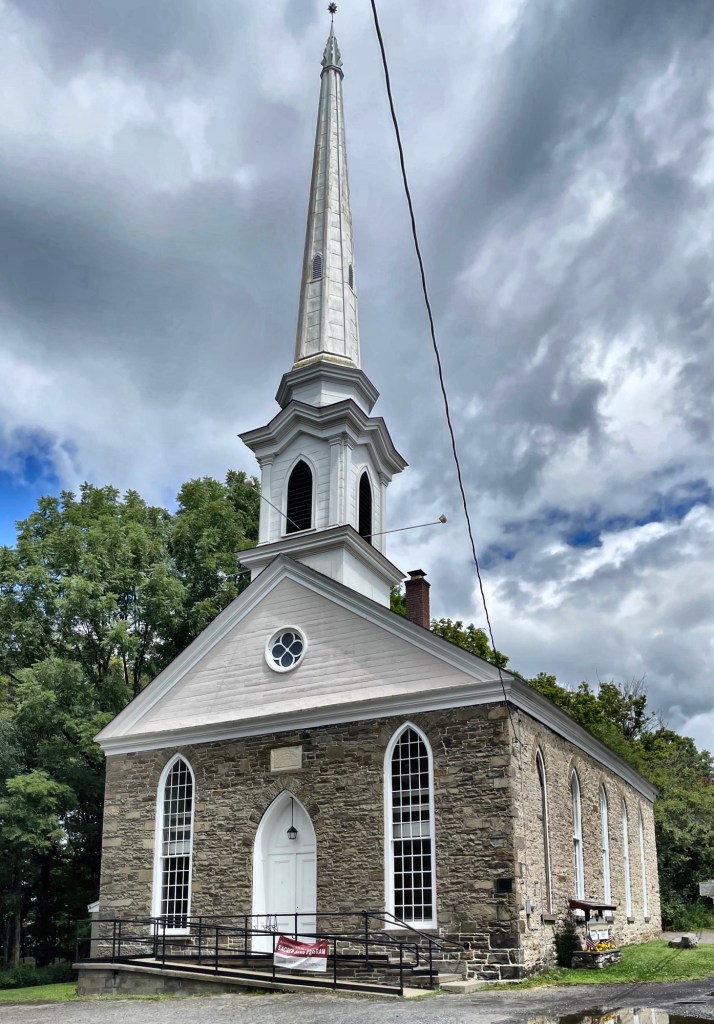
The first church on this site in Katsbaan, Saugerties, New York, was a 1732 simple stone church built by Dutch and German settlers. Church services were first held in the German language,  and gradually came to be also held in Dutch and English, as the village and surrounding area developed. The original church was rebuilt in 1816 using the same stone base, but the entrance was shifted away from the street. Larger windows and the steeple were added at this time. In 1867, the steeple was heightened and the windows were enlarged with Gothic points, giving the building its present appearance. The Katsbaan Reformed Church remains an architectural and historical landmark noting the early history of Ulster County and its growth.

St. Mary’s of the Snow Catholic Church // 1833

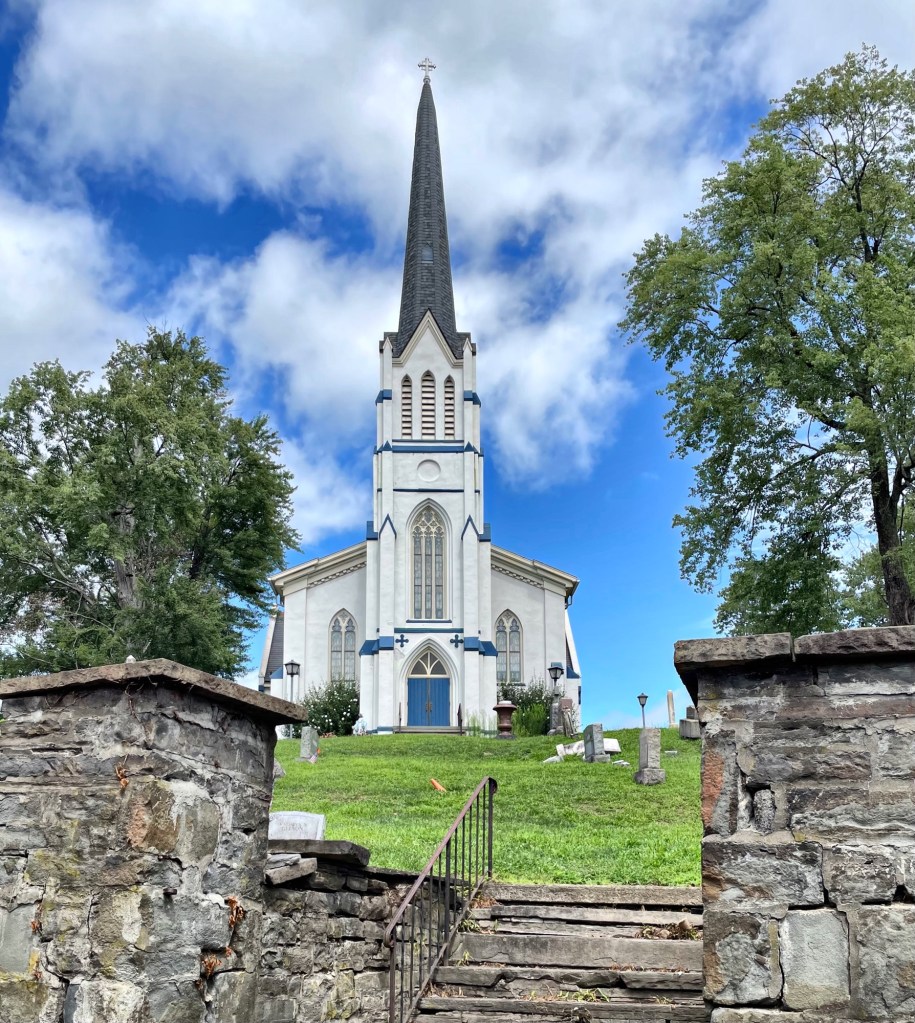
In 1830 Rev. Philip O’Reilly was sent by Bishop John Dubois to establish missions and build churches along the Hudson River wherever there were sufficient resident Catholics. O’Reilly visited the village of Saugerties, in Ulster County in 1832 and began holding services in private homes. The area was home to many Irish residents working in industry, a large number of which were Catholics, and as a result, the village here became the location of the first Catholic church in the county. Father O’Reilly founded St. Mary’s in 1833 creating the first parish of the Hudson, spanning New York City to Albany, with the cornerstone of the new church laid that same year; though, the church would be dedicated a decade later. The church cemetery grew from the first graves around the church in 1833 to fill much of the church property now occupied setting the Gothic edifice in a sea of gravestones. The church grew and eventually the steeple was added in the 1860s. It is also said that the church basement was used as a stop on the Underground Railroad. The church (like many in the United States) has struggled to maintain its large campus, which originally contained the church, a school, and convent, but the church remains in good condition, shining like a beacon on a hill on the Hudson.

DuBois-Kierstede Stone House // 1727

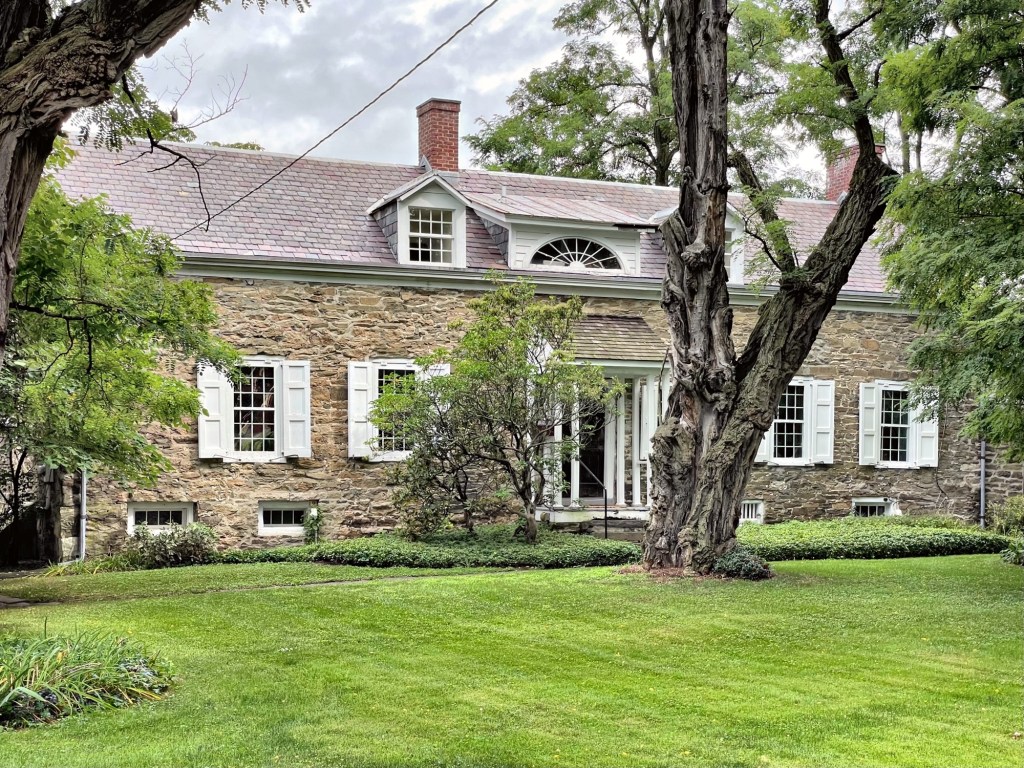
Ulster County, New York, is known for its many stone houses, largely built in the 18th and 19th centuries by Dutch and other European settlers to the region. This stone house in Saugerties was built beginning in 1727 by Hiskia DuBois (Du Boys), who established a 40-acre farm here. The original homestead was the one-and-a-half-story east wing of the present structure and occupied by Hiskia until his death in 1757, afterwhich, the property was inherited by his son David, who would sell the farmstead to Dr. Christoffel “Christopher” Kiersted (1736-1791), the first doctor to take up a residence in present-day Saugerties. After Dr. Kiersted died in 1791, the property was expanded and enlarged to its current composition, likely by his son, John Kiersted. Under the ownership of John, a grove of Black Locust trees were planted in the front yard setting the cottage in a small forest. The DuBois-Kierstede Stone House is currently the home of the Saugerties Historical Society, which operates the structure as the Kiersted House Museum, along with a preserved Dutch Barn on the site.