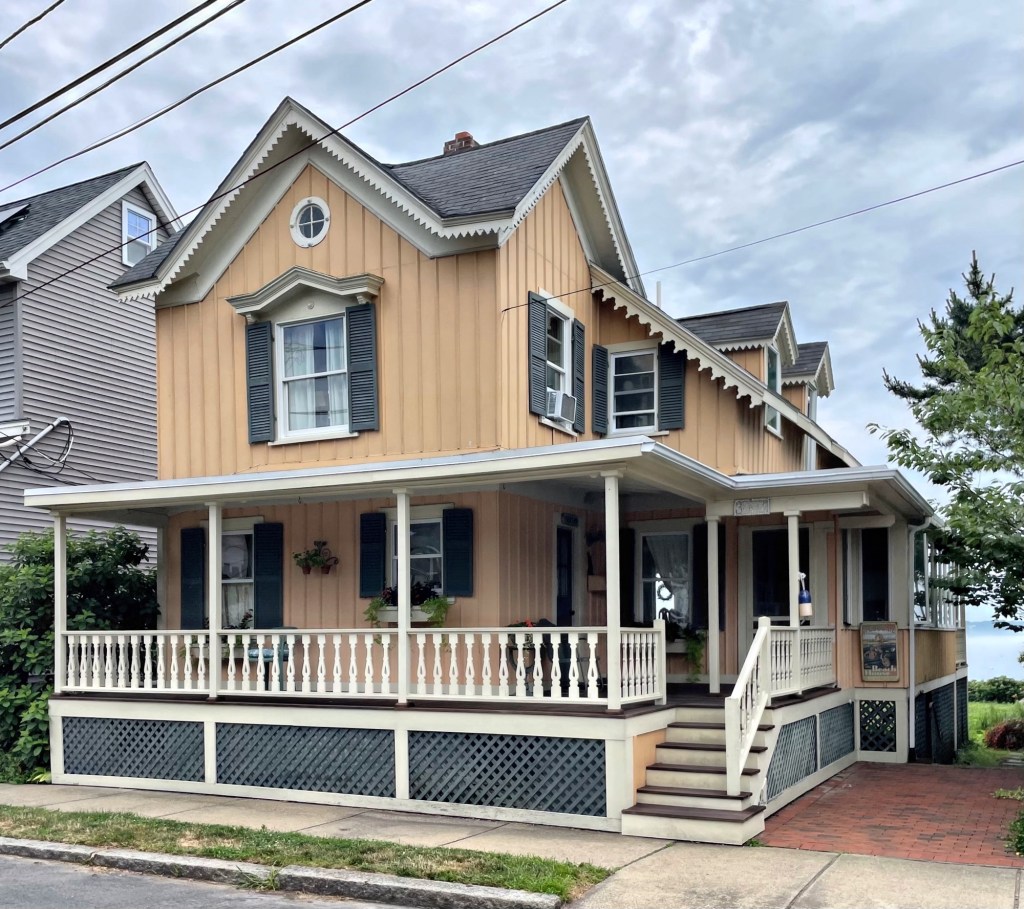
Streeter Cottage // 1882

In 1881, Gilbert Streeter and his wife Rebecca purchased a small house lot in the Salem Willows for a summer cottage for them to retreat across town to during the warmer months. Gilbert Streeter was an amateur historian, businessman, publisher of the Salem Observer and was able to afford a second residence in his hometown. The Streeter cottage was built by 1882 and stands out not only for its excellent state of preservation, but for its unique architecture. The cross-gabled form cottage is covered in board-and-batten siding with bargeboards lining the eaves.
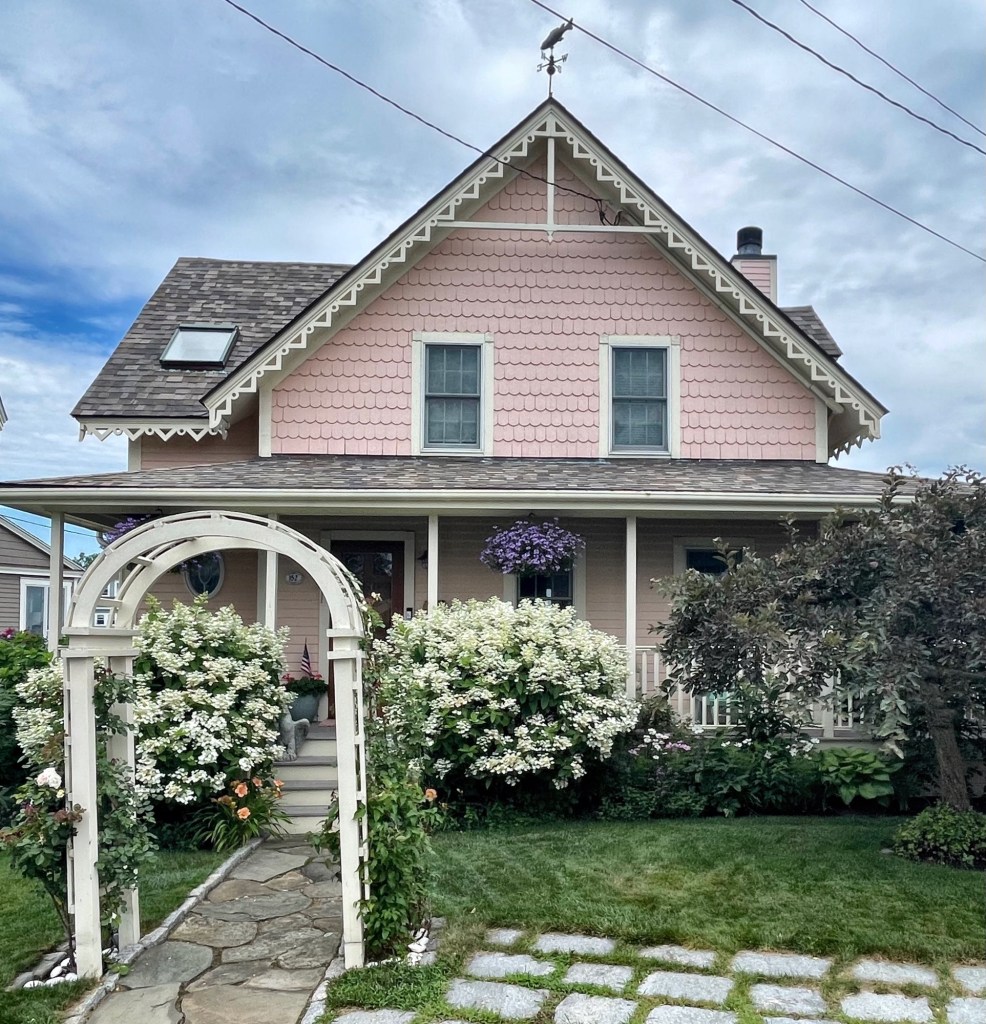
Joseph P. Allen Cottage // 1877

One of the most picturesque and charming summer cottages (now year-round residences) in the Salem Willows neighborhood in Salem, Massachusetts is this Victorian on Bay View Avenue. The cottage was built around 1877 for Joseph Pray Allen (1822-1897) who was a police officer who likely climbed the ranks in the force to afford a second home in the city. The 1 1/2-story cottage has decorative bargeboards at the eaves and stick bracket at the gable. Perfection!

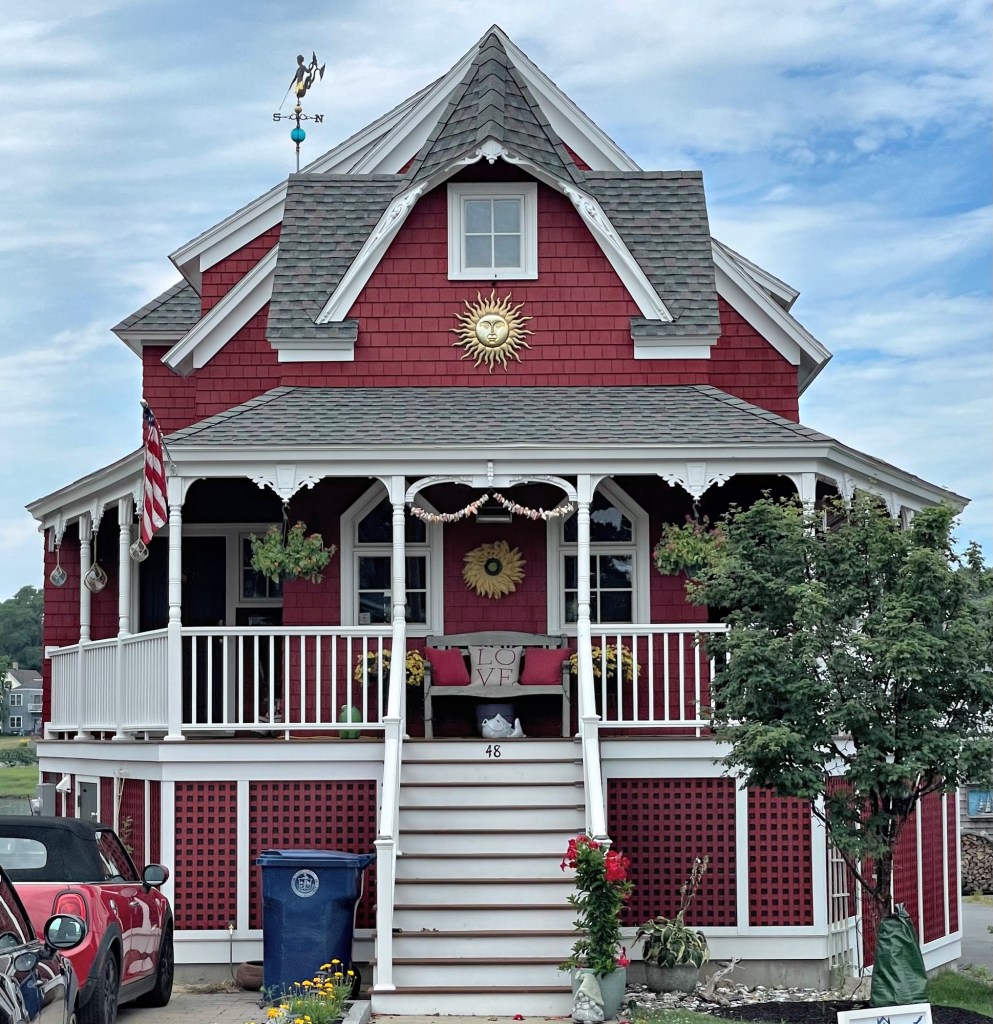
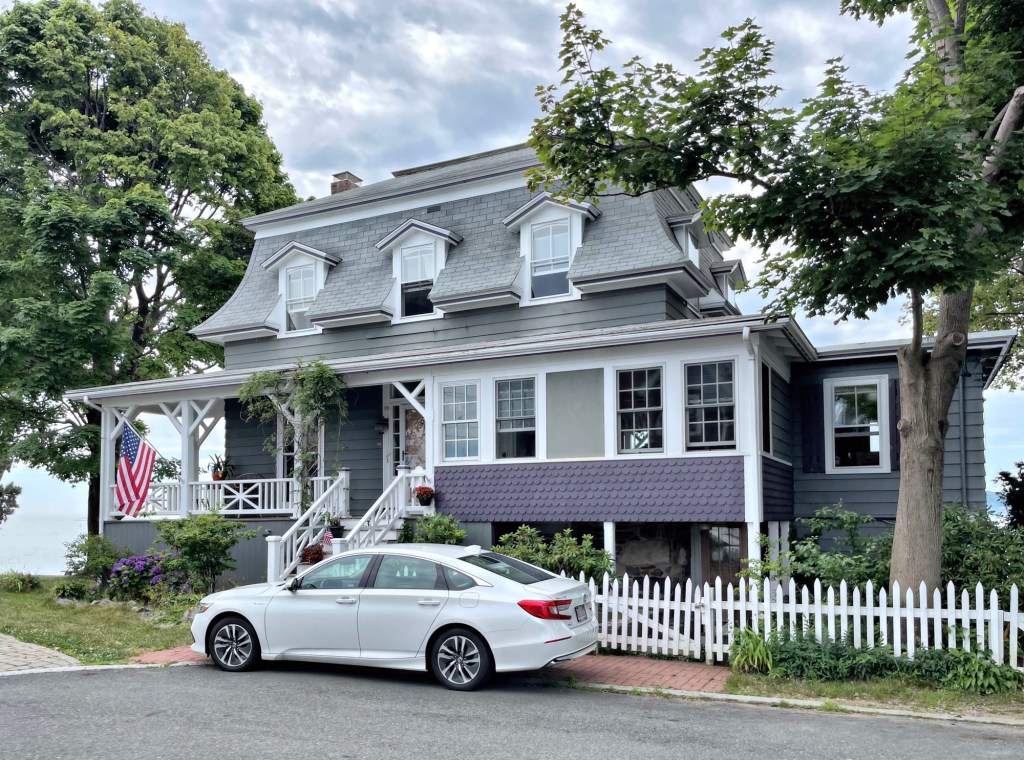
Patrick Dempsey Cottage // c.1875

This charming mini-mansard summer cottage is located in the coastal neighborhood of Salem Willows, in Salem, Massachusetts. The neighborhood developed in the 1870s-1900s as a summer colony for middle-income families who wanted a second home away from the hustle-and-bustle of urban living in favor of ocean breezes. The cottage likely dates to the mid-1870s as one of the earliest summer homes in the neighborhood, and historic maps show it was owned by a P. Dempsey. It appears this is Patrick Dempsey (1821-1902), an Irish immigrant who settled in Lowell, Massachusetts, making it big as a liquor dealer and saloon-keeper. The Second Empire style cottage has a partially enclosed porch, but retains much of its original character and is located right on the water with sweeping views of the Atlantic Ocean.

William Bates Summer Cottage // 1885

While Salem is best-known for its First Period and Federal style buildings, the Salem Willows neighborhood features some of the finest Victorian summer cottages in the Boston area. This cottage was built in 1885 by William Marston Bates (1820-1912), a Salem-based dentist, as his summer retreat when not in the office. The Stick style cottage has a steep gable roof with jerkinhead clip at the facade and a wrap-around porch with decorative jigsawn bracketed details. The house is a well-preserved example of the style, examples of which are becoming less-and-less frequent in recent years.

Salem Willows Park // 1859

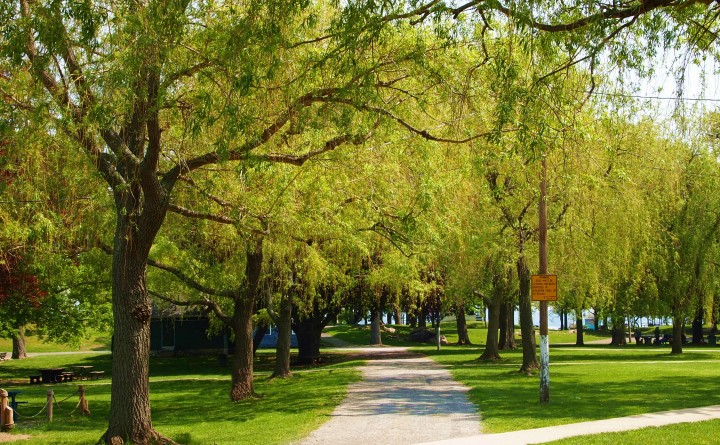
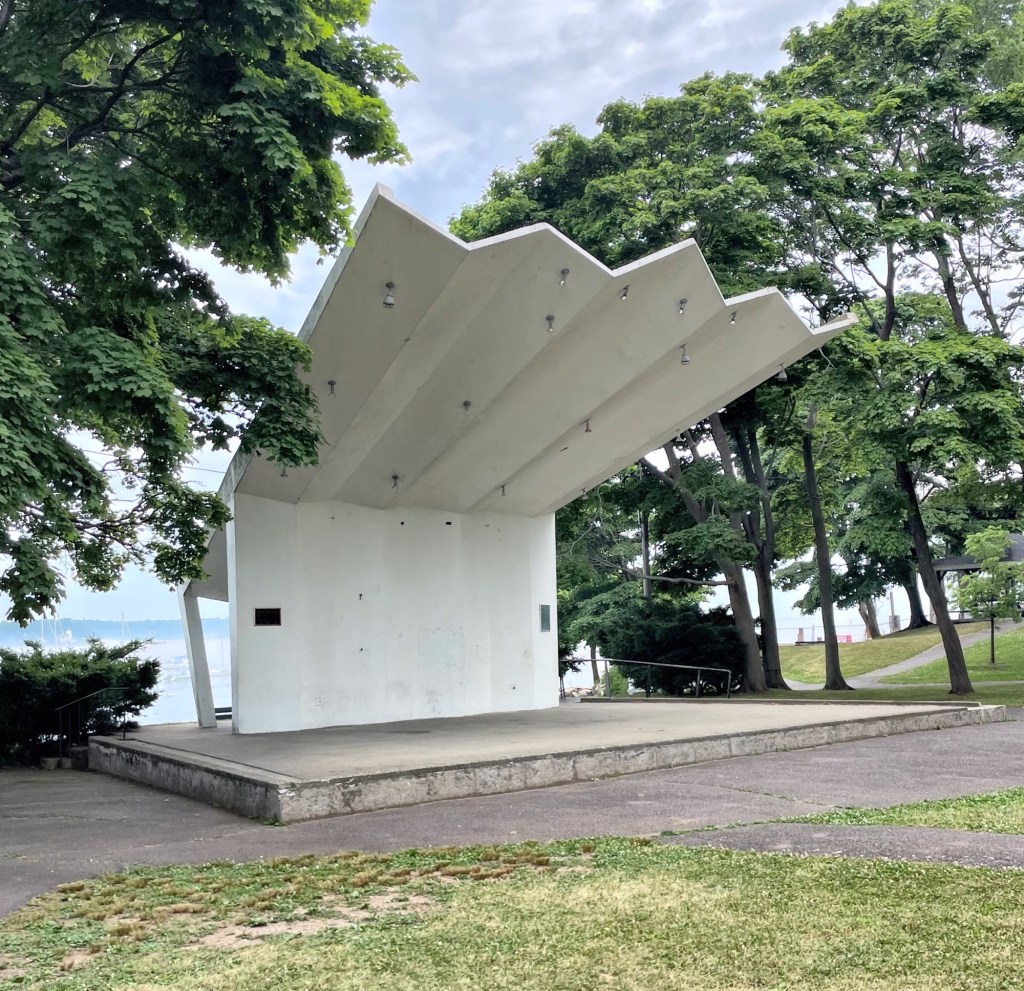
The Salem Willows neighborhood of Salem, Massachusetts sits at the extreme tip of Salem Neck, which juts out into the Atlantic Ocean. The area here was sparsely used until the 19th century, when a smallpox hospital was built here in 1800, mainly used for sailors to recover and be treated. Soon after, a man by the name of Hezekiah Williams planted rows of Willow trees for the enjoyment of patients, which would give the area (and later park) its name. The hospital burned in 1846. Part of the land on the Neck became a park, and a former farm known as the Derby Farm, was purchased and redeveloped with new streets and house lots laid out for summer cottages in the early 1870s. The neighborhood became known as Juniper Point. The Salem Willows Park was enhanced in the late 19th and early 20th centuries with bathing facilities, pavilions, and amusement and commercial buildings. The park is today well-maintained by the City of Salem and is an important protected site that documents the city’s history of the 19th and 20th centuries. I was also pleased to find the 1965 Memorial Shell Band Stand with accordion metal roof designed by the architectural firm of Robert Charles, Associates.

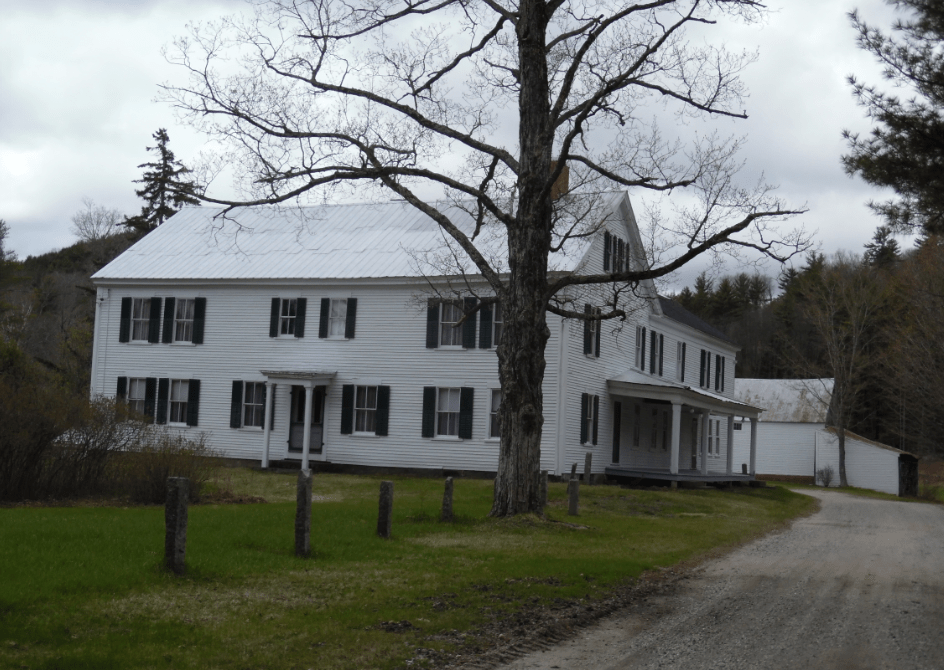
Wadsworth Hall // 1800

Wadsworth Hall is a significant and hidden estate house located in rural Hiram, Maine. The house was built in 1800 for Peleg Wadsworth (1748-1829), an officer during the American Revolutionary War and a Congressman from Massachusetts representing the District of Maine. He was also grandfather of noted American poet Henry Wadsworth Longfellow. General Wadsworth’s primary residence, now known as the Wadsworth-Longfellow House in Portland, Maine, was built in 1785–86. Following the war, Wadsworth was granted 7,800 acres of land by the state in 1790 for his war service, the land was located here in Hiram. General Wadsworth would build this large Federal period home. After, he gave his Portland home to his daughter Zilpah and her husband Stephen Longfellow, parents of the poet Henry W. Longfellow. Wadsworth, in his role as a leading citizen in Hiram, opened his house for meetings and town functions, and even used the large hall for militia drills during bad weather.

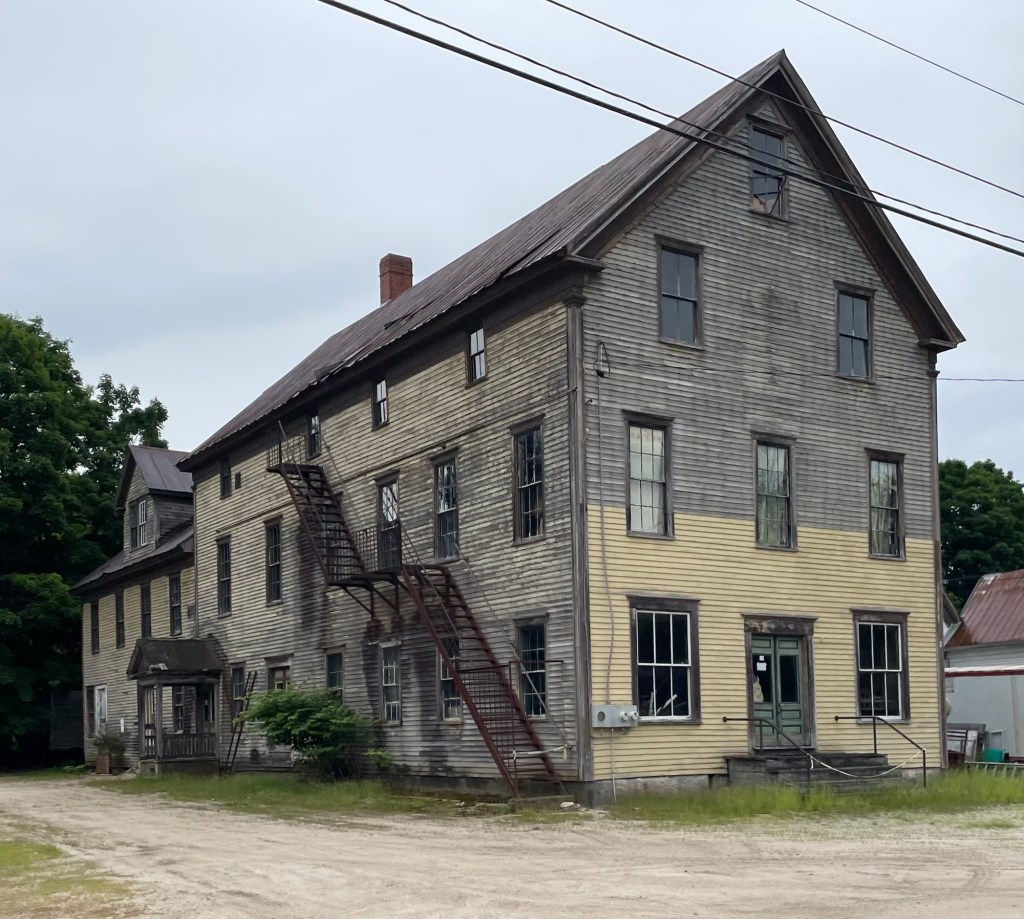
Hiram Lodge 39, Knights of Pythias // 1895

Another of the extant, significant vernacular buildings in the small town of Hiram, Maine, is this large frame building on Main Street. Hiram Lodge #39, Knights of Pythias, was organized in 1883 and a building was constructed on this site around that time. The first meeting hall was destroyed by fire in 1895, and soon-after replaced by this large lodge building, which is possibly the largest wooden building in town!  On the destruction of that first “hall” by fire in 1895, the Lodge hired Alva Ward to build what is probably the largest wooden building extant in Hiram. The Knights of Pythias Hall is important as a remnant of Hiram’s earlier commercial prosperity, with general store on the first floor, a large hall on the second floor (where dances, theatrical performances, and public suppers were held), and the lodge hall on the third floor.

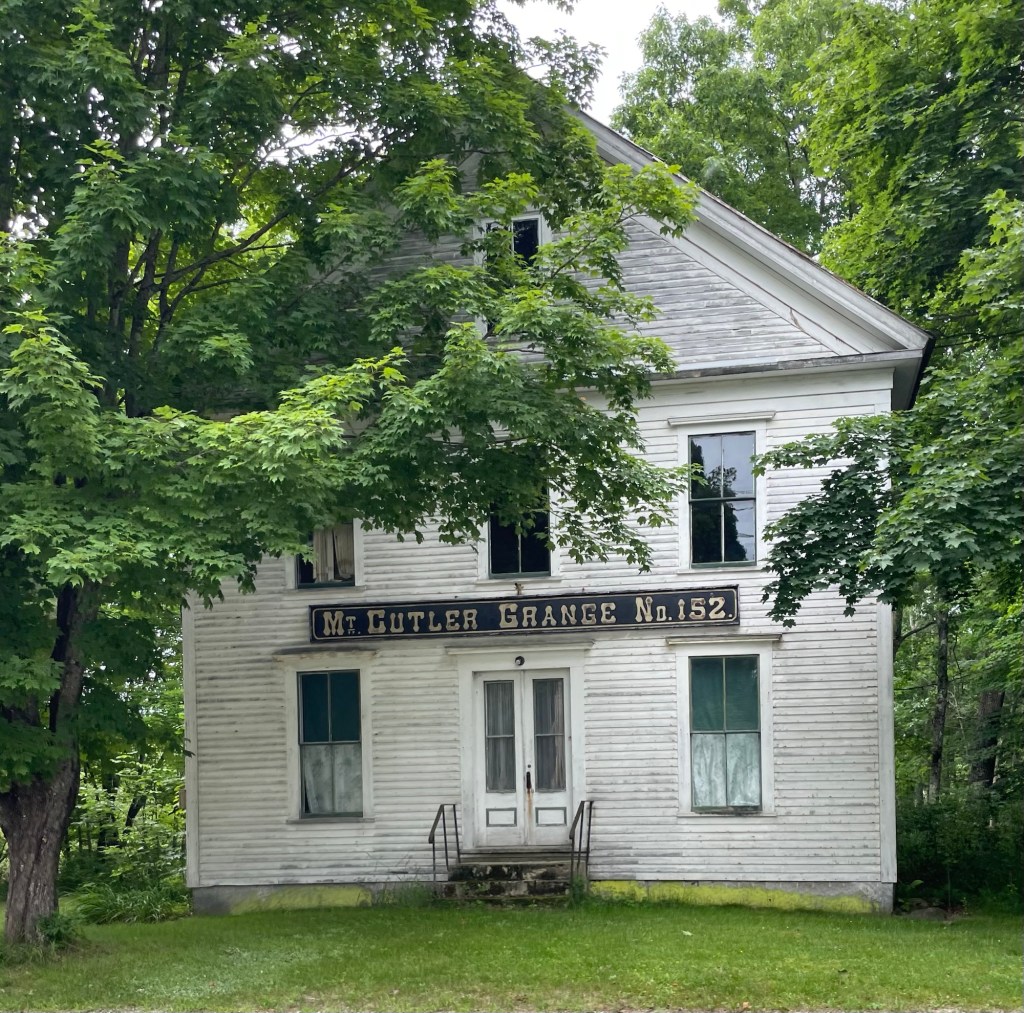
Mount Cutler Grange Hall // 1875

The two-and-a-half story Mount Cutler Grange Hall in Hiram, Maine, is a plain but important vernacular structure near the western end of the town’s Main Street. Originally organized in 1875 by local farmers, the local grange was able to dedicate its present building in late December of that year. Attributed to local builder James Lot Hill, the clapboard-covered frame building has a three-bay facade and retains its original windows. Once the site of grange store, the well-preserved structure still displays a fine late-nineteenth century sign above its first story. Little changed over the years, the Mount Cutler Grange Hall remains an important part of Hiram’s social fabric, but appears vacant or largely unused. Hopefully some life can be brought back to this significant building (and other abandoned Grange Halls in New England).

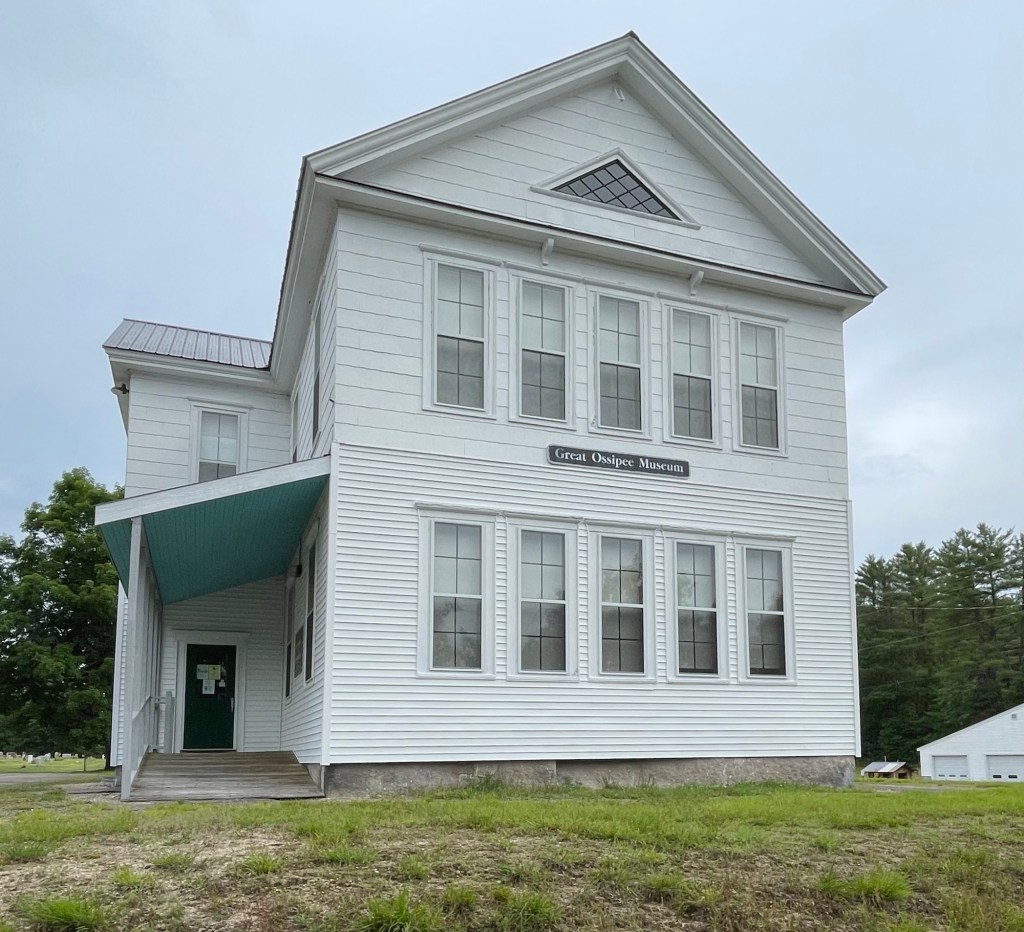
Mount Cutler School // 1882

The cross-gabled, two-and-a-half story Mount Cutler School was built in 1883, possibly by local builder James Lot Hill, and is a well-preserved example of a district school in Hiram, Maine. A very late example of the Greek Revival style utilized for an educational facility, the structure displays a gabled facade with closed pediment highlighted at the center by a diamond-paned triangular window. The building, used solely as a grammar school (except from 1922-30 when a two-year high school operated in one room) replaced a similar structure which burned in February of 1883. The Mount Cutler School served the youth of Hiram from 1883-1967 and again in 1974-78. Its second floor now houses the collections of the Hiram Historical Society and it has been preserved ever since.

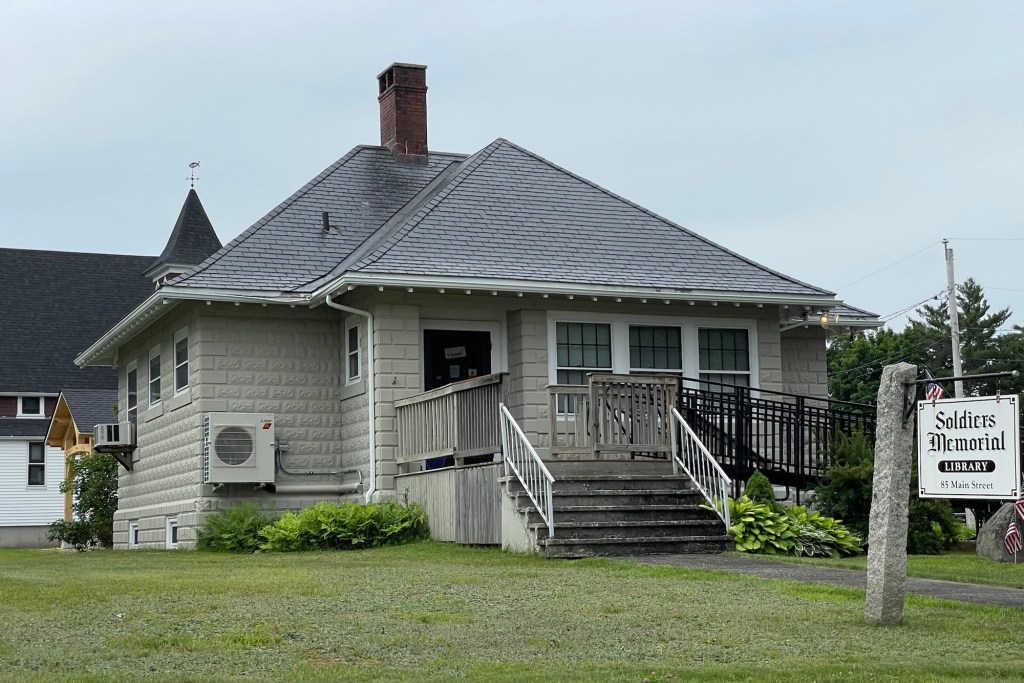
Hiram Public Library // 1915

Located on a slight rise above Main Street and across from the sprawling Hiram Village Cemetery, this one-story library with walls of textured concrete blocks was dedicated in August of 1915 and has been a center for cultural activities in the town of Hiram, Maine, since that time. The Soldier’s Memorial Library was built with funds provided largely by Virginia Barker Jordan, a granddaughter of local businessman Benjamin Barker. Also instrumental in organizing Hiram’s first free public library was Llewellyn A. Wadsworth, local poet and cousin of Henry Wadsworth Longfellow. Beyond the unique use of concrete block construction for a library, other interesting exterior architectural features include the wide-flaring eaves with exposed rafters and the bands of windows on the first story walls, which hint of the Arts and Crafts/Bungalow styles. The library building was designed by Boston architects Robert Wambolt and Amos A. Lawrence.