Located on Trinity Park in Wesleyan Grove (aka the Martha’s Vineyard Camp Meeting Association), this 1878 church served the year round Methodist community in Oak Bluffs. The Trinity Methodist Church is a towered, Victorian Gothic structure of some distinction. Edward M. Hyde, a Methodist minister who had trained in architecture and art, designed it. The property that the church and Parish House sit on belongs to the Association, but the buildings are maintained by the congregation. Interestingly, should the congregation disband, the buildings would return to the Association.
One of the most unique buildings I have ever seen is the Union Chapel in Oak Bluffs on Martha’s Vineyard. The chapel, built in 1870 in the American Stick Style, is in the form of an Octagon, very unique for churches. Built as an inter-denominational house of worship, it is significant as the first non-sectarian religious building to be erected in a community that until 1870, was noted primarily for its strong association with the Methodist Church and its summer camp meeting (Wesleyan Grove) assemblies. The Chapel offered islanders and seasonal visitors regardless of religious affiliation not only an opportunity to worship but a gathering place for cultural activities. According to historic images, the chapel once had more elaborate stick work and finials, since removed, likely due to storms and general maintenance concerns. The chapel was designed by island resident Samuel Freeman Pratt (1824-1920) who had no known architectural training besides working as a wood carver in Boston, yet his work is characterized as having a dynamic and festive style. Pratt’s other major contribution to Oak Bluffs’ architecture, the Sea View Hotel, was erected at the head of the wharf in 1872, but burned down in 1892.
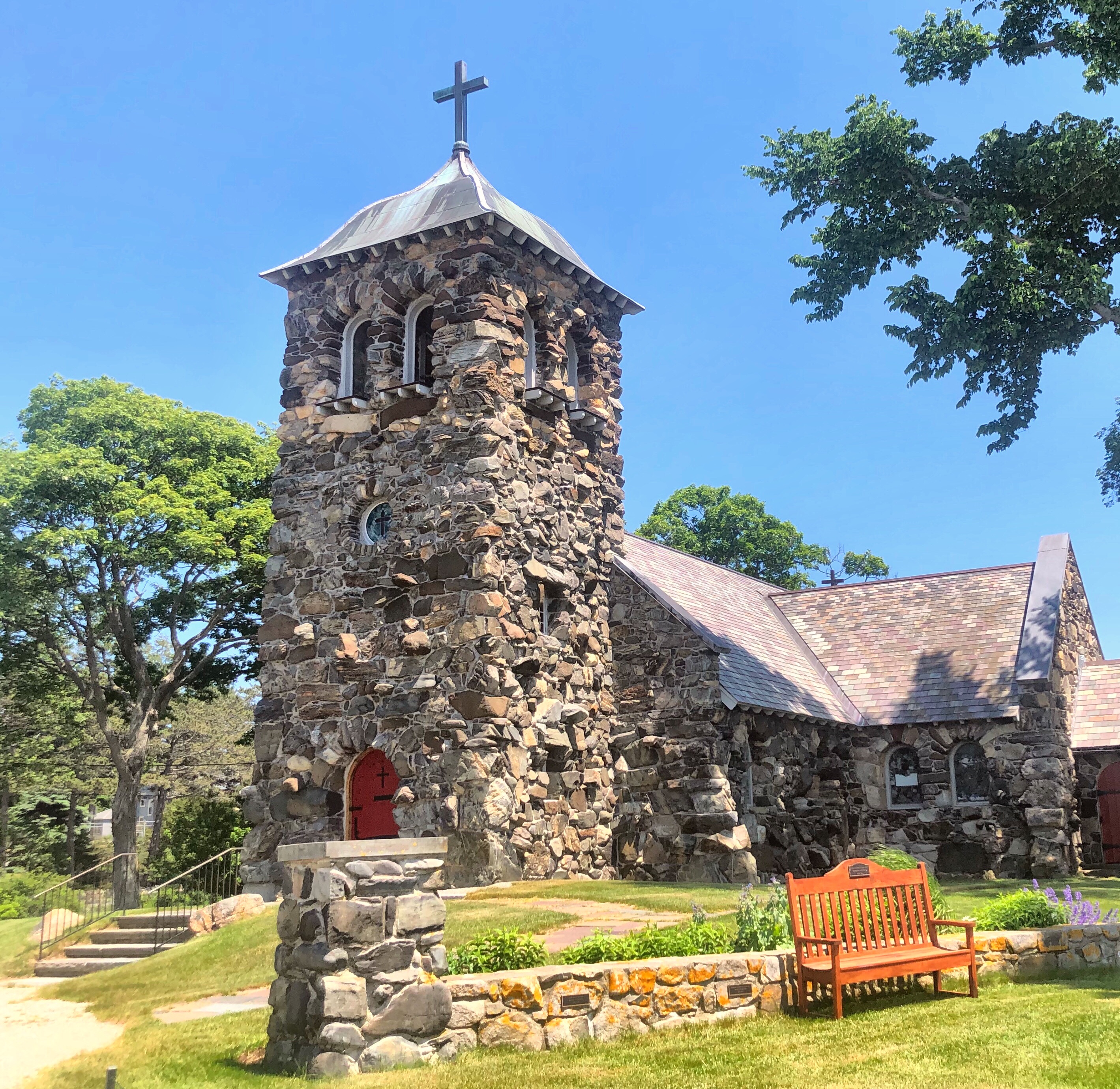
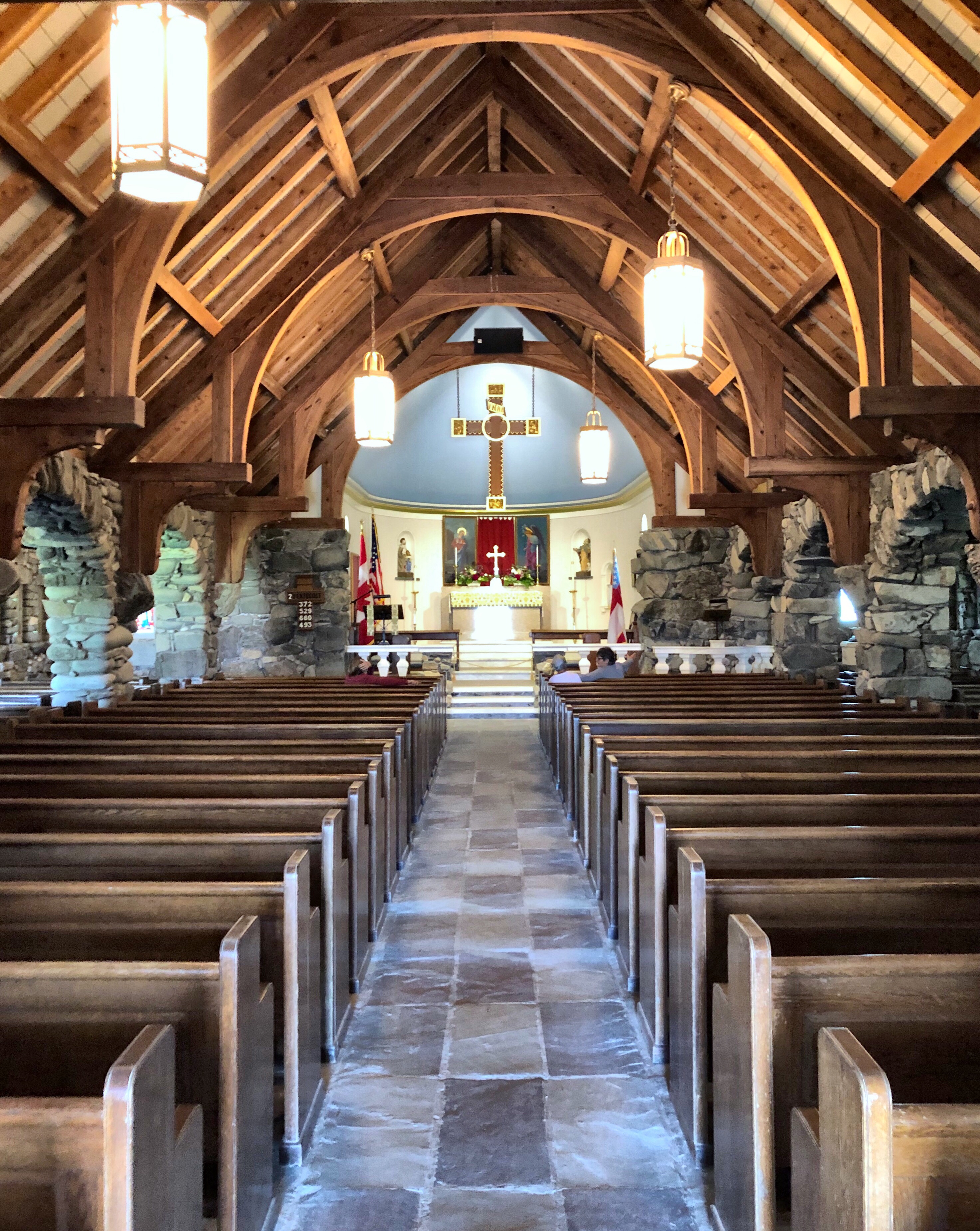
Saint Ann’s by-the-Sea Episcopal Church in Kennebunkport is possibly my favorite building in the seaside town. As the Cape Arundel summer colony of Kennebunkport was rapidly developing in the 1880s, summer residents needed a place to worship and sought an appropriate location close to their mansions. Boston architect Henry Paston Clark sketched up some conceptual drawings for a stone chapel pro-bono as he already had active commissions in the town and summered there himself. Funds were raised and the current site was donated by the Kennebunkport Seashore Company, who developed the neighborhood. The cornerstone was laid on August 22, 1887. Five years later construction was completed, and the church was debt-free. The large sea-washed stones were hoisted and dragged to the church site during the winter of 1886-1887, and work on the building began May 27, 1887. The same sea-washed stones that grace the building’s exterior were also used for the interior of the church and sacristy. The roof over the central part of the church (the nave) is framed with hard pine hammer beam trusses and the floor is cleft slate.
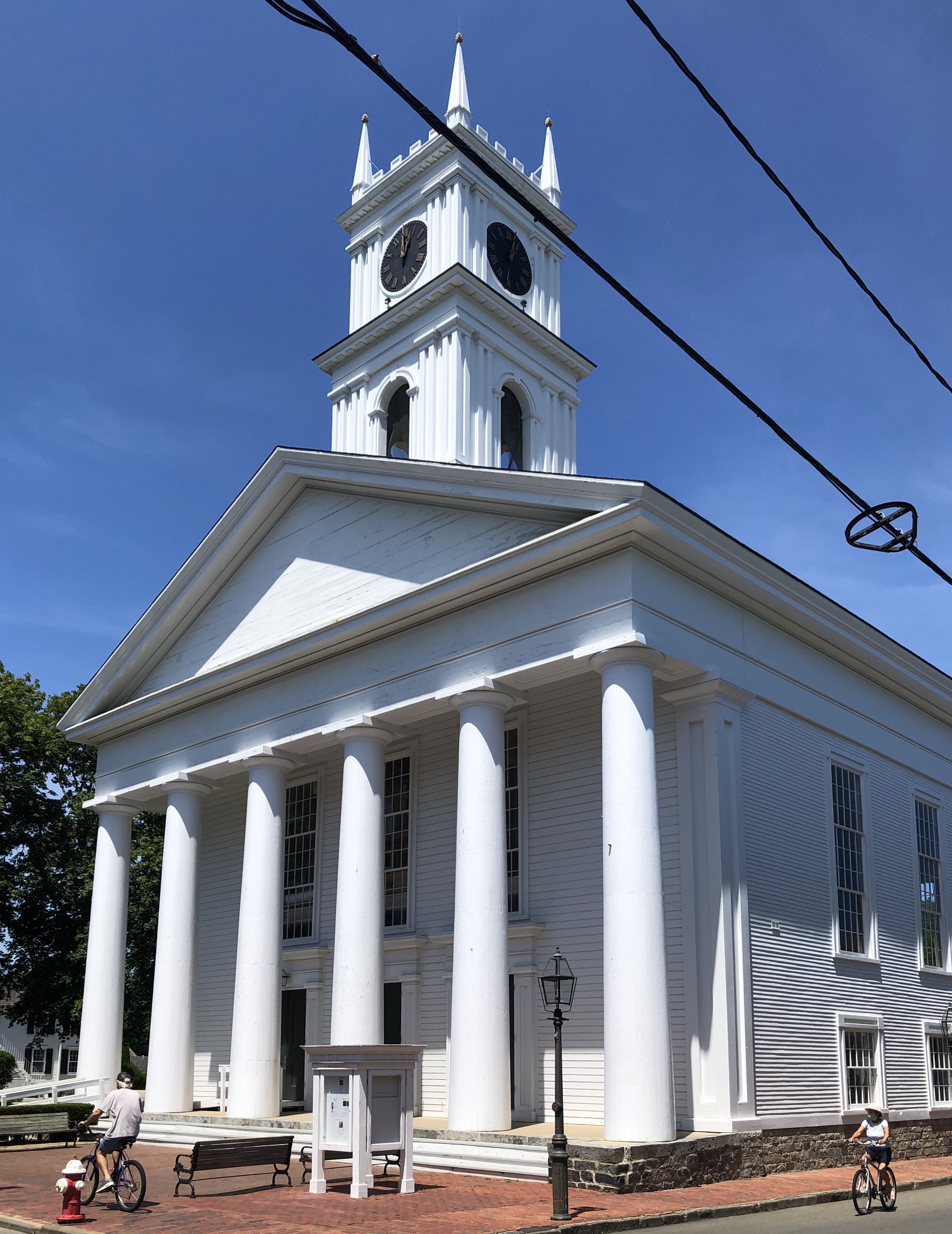
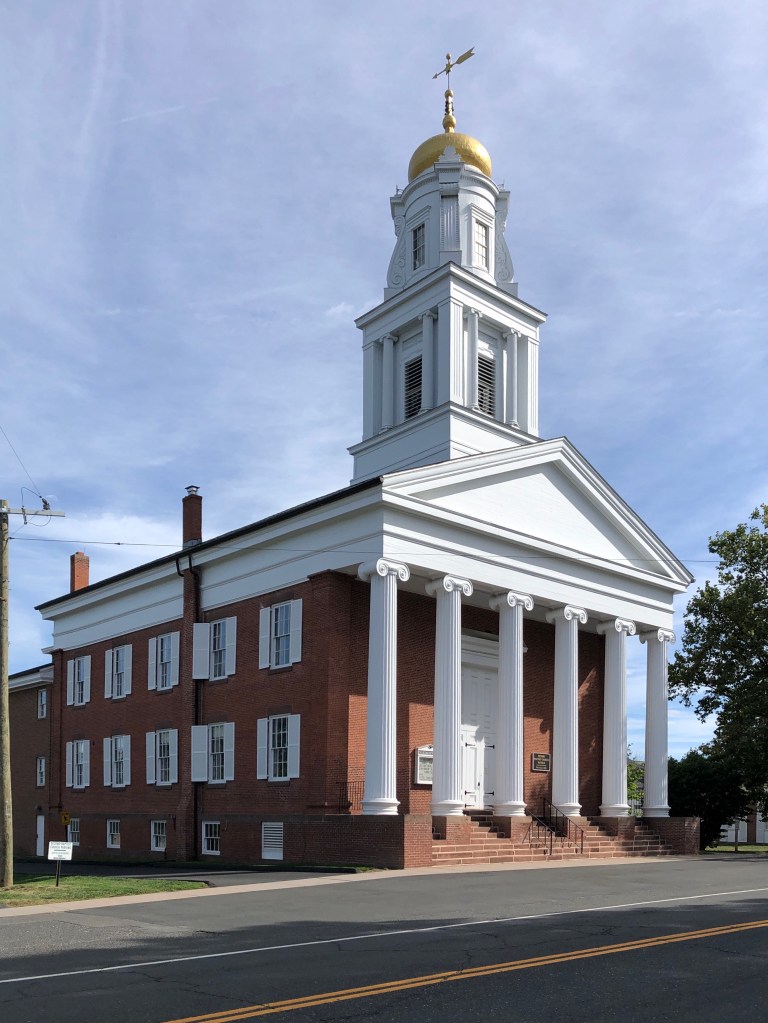
Built in 1824, the South Church in Kennebunkport Village looked very much as it does today, with the exception of the portico, which was added in 1912. In the early 19th century, architects were seldom employed in such remote areas therefore, builders often used manuals and examples of other churches in addition to their own experience gained from working the large shipbuilding yards adjacent to the Kennebunk River. The cupola, restored in 1991, is designed after an example by Christopher Wren and the steeple retains the original 1824 Aaron Willard clock with its unique wooden face, still keeps accurate time and rings on the hour. The church remains as an active space with a growing congregation in the summer months.
The Chapel in the Pines church had its origins in the growing desire by many late-19th century New Englanders to move away from the strictures of fundamentalist religion. A Universalist Society was formed in Eastham on the Cape for the erection of a new place of worship. Local families and esteemed citizens pooled resources and constructed the building themselves over five months, under the direction of an Elkany Hopkins (though sources state he died in 1885). The Victorian Gothic church has a certain flair with the turned posts at the entry, bell tower, and roof cresting. After serving various congregations and uses (including as the First Encounter Coffeehouse a renowned venue for folk and acoustic music since 1974), the building was purchased by the Nauset Fellowship. In 2017 and 2018, the Chapel underwent a renovation with money raised from the community along with two grants from the Town of Eastham’s Community Preservation Act funds.