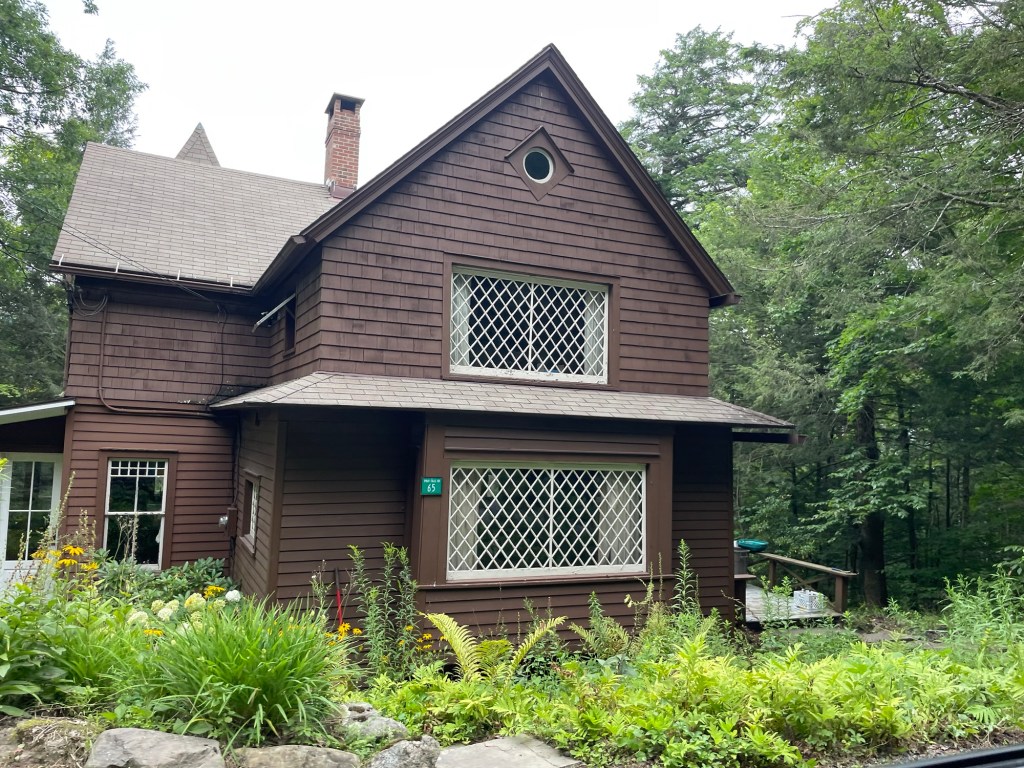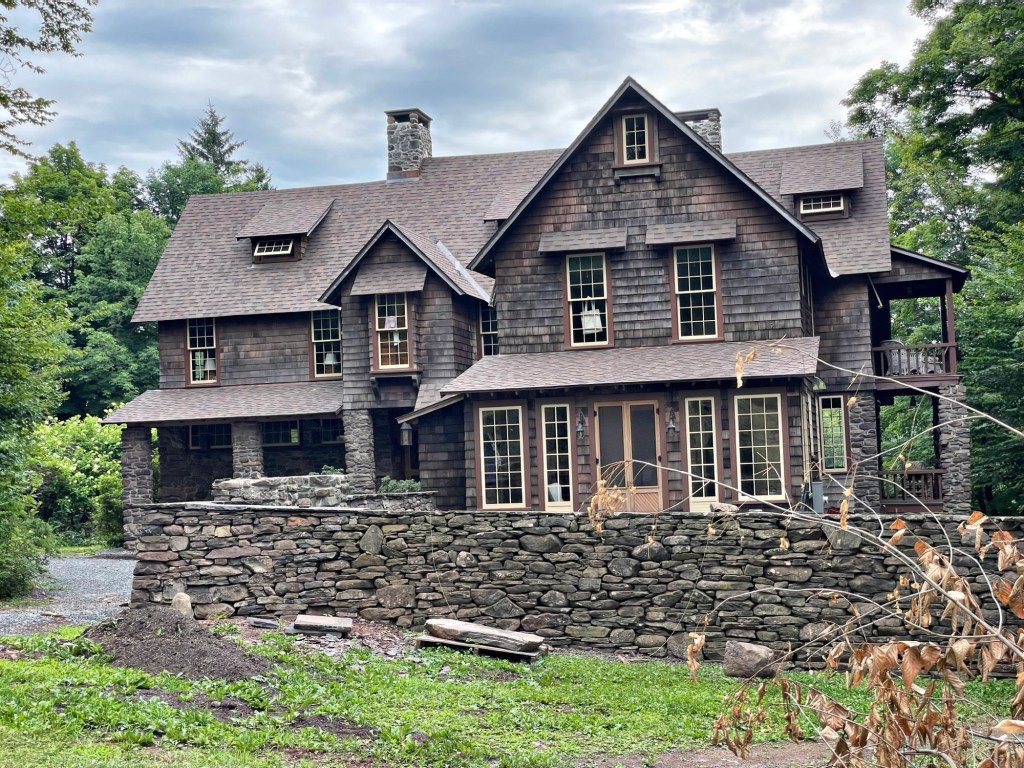
Beauford Lodge Cottage // 1902

This handsome cottage on Thurber Road in the Onteora Park colony in the Catskills of New York, was built by 1902 for Col. James P. Kimball (1840-1902), and his wife, Maria (Brace) Kimball, as their summer home. James Peleg Kimball was one of the most renowned U.S. Army surgeons of the late nineteenth century. The home was meant to be the couple’s place of respite, but Col. Kimball died here in 1902, not long after the family moved into the home to enjoy the fresh air of the Catskills. Maria Kimball retained the cottage for years until it was sold in 1919, and owned later by Clayton McMichael of Pennsylvania, and a director of the Onteora Summer Theatre. The rustic Shingle/Arts and Crafts style cottage was originally named Beauford Lodge, and was later named Stone Acres by McMichael.
Crossways Cottage // c.1890

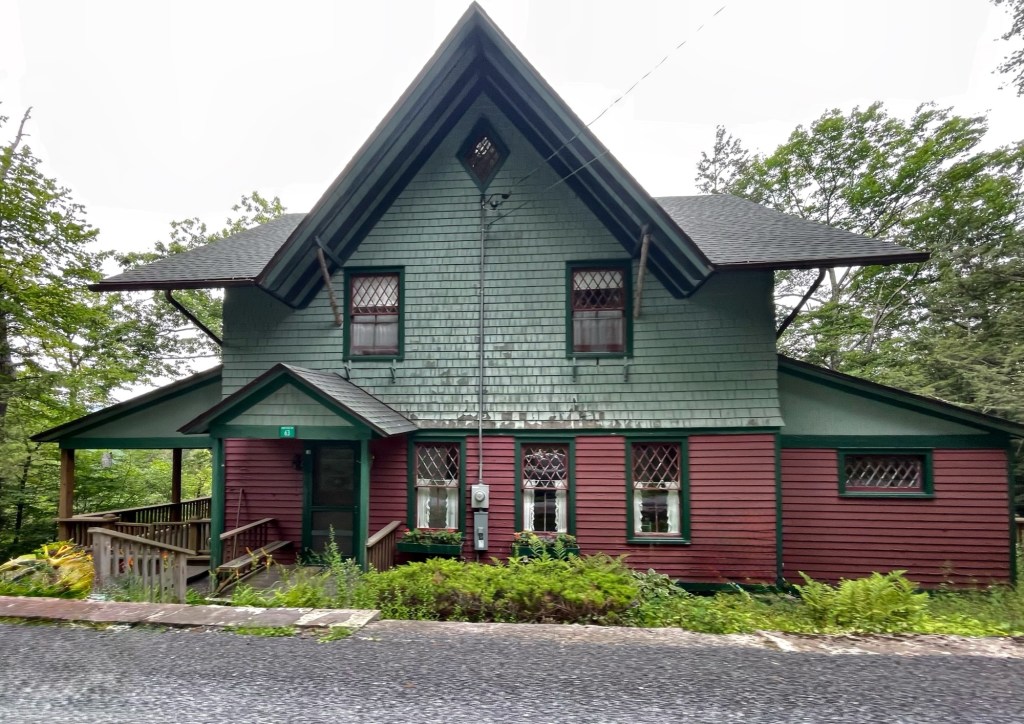
Tucked away in the town of Hunter in the Catskill Mountains of New York, the summer colony of Twilight Park has stood as an exclusive and private resort community established in the late 19th century. Twilight Park was born out of the Twilight Club, a Manhattan social club in the late-19th century and brought to life by founder, Charles F. Wingate. Mr. Wingate traveled to the mountaintop in 1887, and became enamored by its natural beauty. He arranged for the purchase of a former sheep’s meadow and led the construction of the first cluster of cottages in what would become a large community of over 100 summer homes. Cottages were laid out on roughly parallel roads at different elevations and on old connecting paths that later became roads with all lots built on ledges overlooking the Catskills. The first cottages were log cabins, and quickly followed by larger, Queen Anne style “cottages” as others invested in the development. Crossways Cottage is one of the many unique late-Victorian summer “cottages” in the exclusive Twilight Park colony in the Catskills of Hunter, New York. The cottage stands out for its cross-gable roof with overly deep eaves which are supported by rustic twig brackets, diamond sash windows, and the use of varied clapboard and shingle siding. 

Union Chapel, Twilight Park // 1897

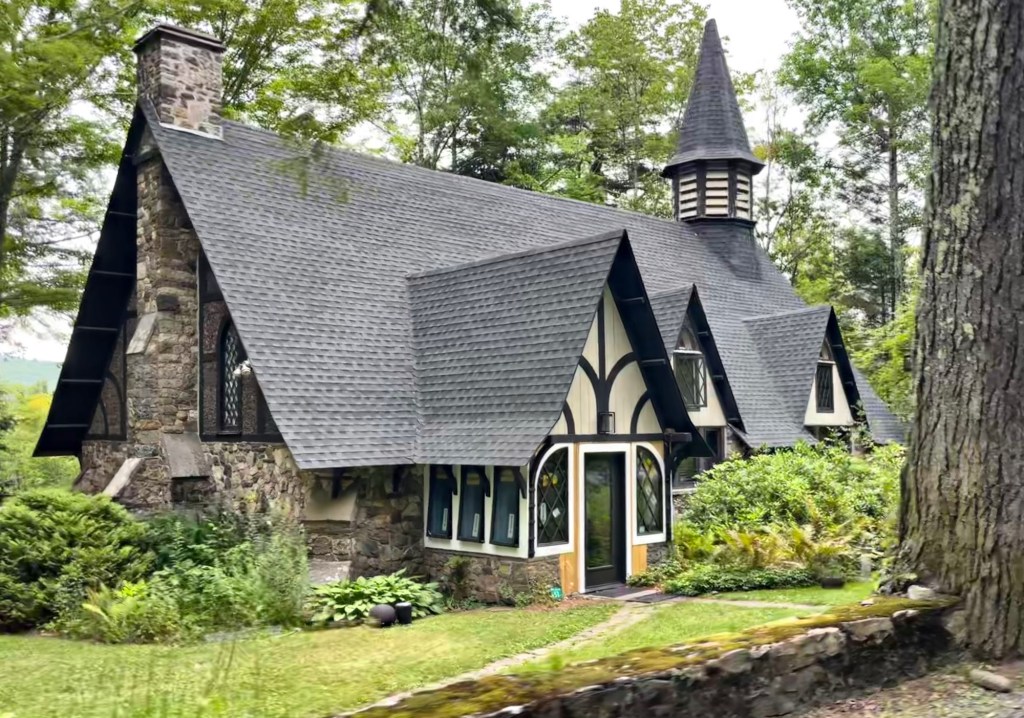
The Union Chapel in the summer colony of Twilight Park in the Catskill Mountains of New York, is one of the finest late Victorian chapels in the region. The edifice was built in 1897, a year following the erection of the All Angels Episcopal Church, in Twilight Park, and was designed to complement the rustic character of the surrounding cottages. The chapel was built as a non-denominational, or Union church, for summer residents of the colony who preferred an alternative to Episcopal sermons down the dirt road. The church was designed by Alice Hands, of the New York firm Gannon & Hands, the first all-female architectural firm in the United States. The chapel was eventually closed in 1970 and converted to a private residence, with some stained glass windows donated to the Episcopal Church in Twilight Park.

Sans Souci Cottage // 1894

Tucked away in the town of Hunter in the Catskill Mountains of New York, the summer colony of Twilight Park has stood as an exclusive and private resort community established in the late 19th century. Twilight Park was born out of the Twilight Club, a Manhattan social club in the late-19th century and brought to life by founder, Charles F. Wingate. Mr. Wingate traveled to the mountaintop in 1887, and became enamored by its natural beauty. He arranged for the purchase of a former sheep’s meadow and led the construction of the first cluster of cottages in what would become a large community of over 100 summer homes. Cottages were laid out on roughly parallel roads at different elevations and on old connecting paths that later became roads with all lots built on ledges overlooking the Catskills. The first cottages were log cabins, and quickly followed by larger, Queen Anne style “cottages” as others invested in the development. This cottage, known as Sans Souci Cottage, was built in 1894 in Twilight Park, during the “rustic” period, where Queen Anne Victorian styles made way for a more rustic, Arts and Crafts mode. The cottage was built for owner John McClure and it is notable for its varied siding, diamond-pane windows and large porch overlooking the Catskills.

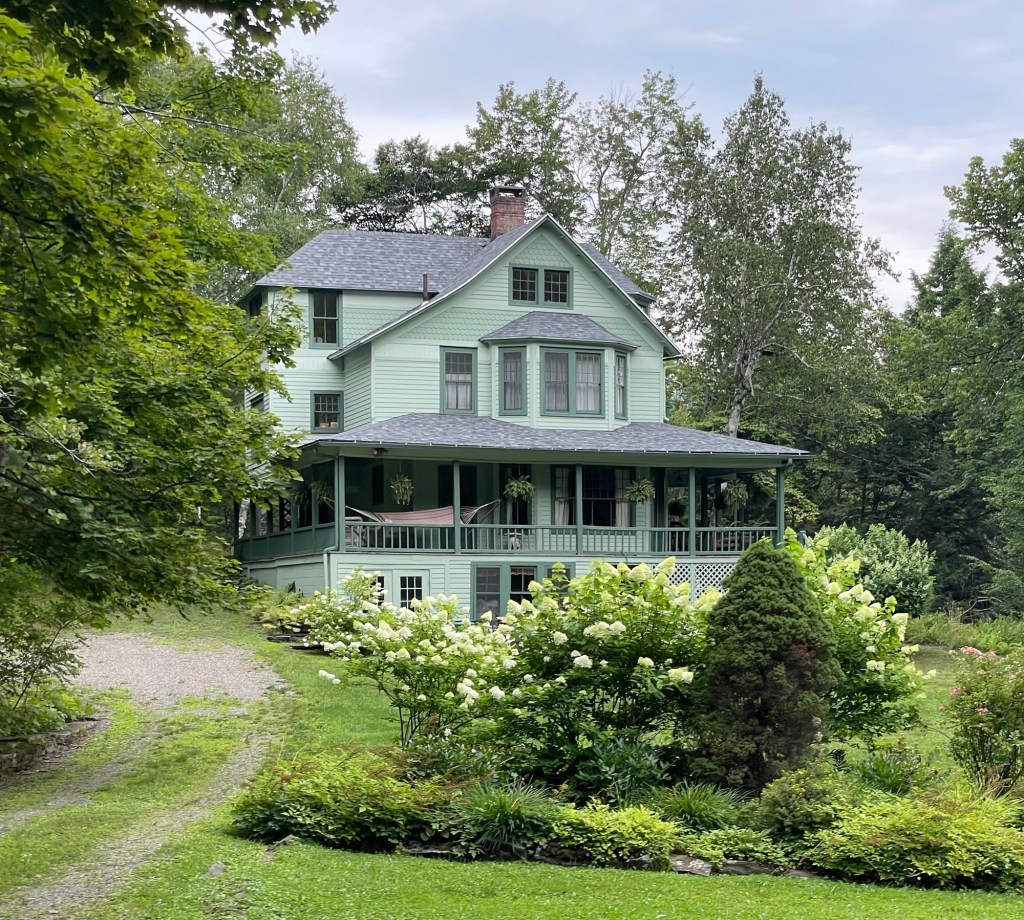
Four Winds Cottage // 1889

Tucked away in the town of Hunter in the Catskill Mountains of New York, the summer colony of Twilight Park has stood as an exclusive and private resort community established in the late 19th century. Twilight Park was born out of the Twilight Club, a Manhattan social club in the late-19th century and brought to life by founder, Charles F. Wingate. Mr. Wingate traveled to the mountaintop in 1887, and became enamored by its natural beauty. He arranged for the purchase of a former sheep meadow and led the construction of the first cluster of cottages in what would become a large community of over 100 summer homes. Cottages were laid out on roughly parallel roads at different elevations and on old connecting paths that later became roads with all lots built on ledges overlooking the Catskills. The first cottages were log cabins, and quickly followed by larger, Queen Anne style “cottages” as others invested in the development. This cottage, known as “Four Winds”, was built in 1889 during the first phase of development in Twilight Park, and it is notable for its varied siding, wrap-around porch, bay window, and elevated siting to provide better views of the landscape.

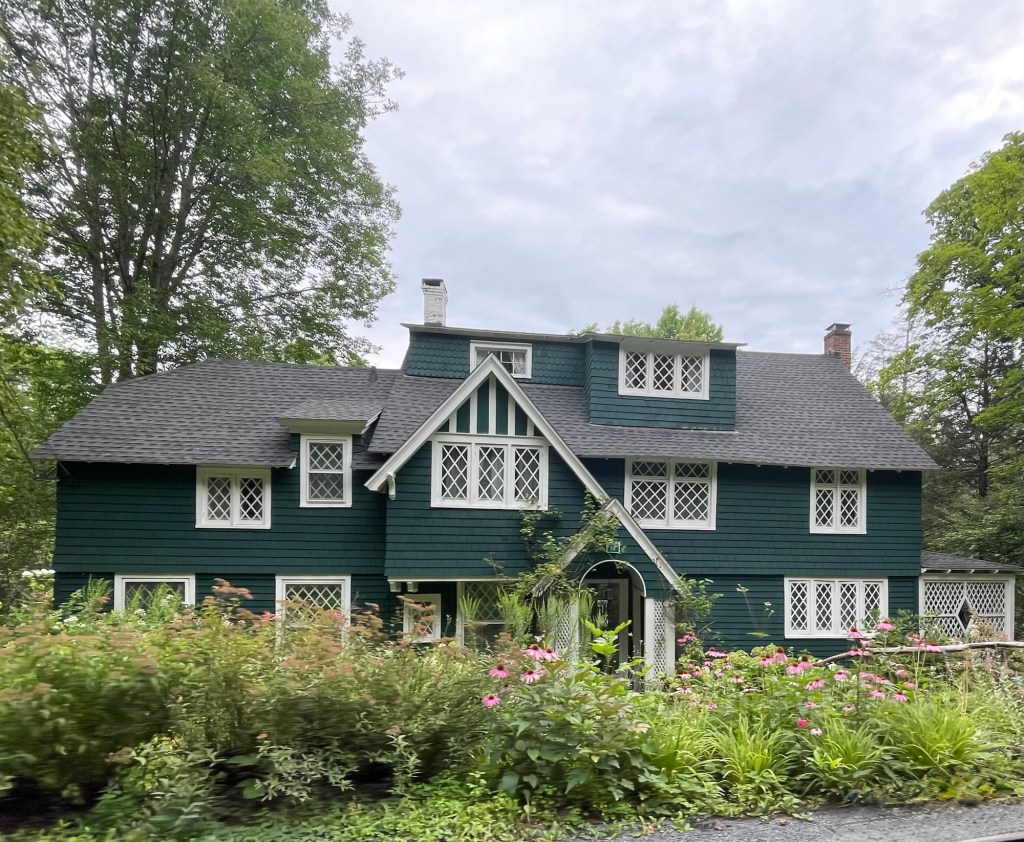
Braeside Cottage // 1888

Tucked away in the town of Hunter in the Catskill Mountains of New York, the summer colony of Twilight Park has stood as an exclusive and private resort community established in the late 19th century. Twilight Park was born out of the Twilight Club, a Manhattan social club in the late-19th century and brought to life by founder, Charles F. Wingate. Mr. Wingate traveled to the mountaintop in 1887, and became enamored by its natural beauty. He arranged for the purchase of a former sheep meadow and led the construction of the first cluster of cottages in what would become a large community of over 100 summer homes. Cottages were laid out on roughly parallel roads at different elevations and on old connecting paths that later became roads with all lots built on ledges overlooking the Catskills. The first cottages were log cabins, and quickly followed by larger, Queen Anne style “cottages” as others invested in the development. This cottage, known as Brae Side Cottage, was built in 1888 during the first phase of development in Twilight Park, and it is notable for its varied siding, diamond-pane windows, complex roof form with dormers, and the laticed entry.

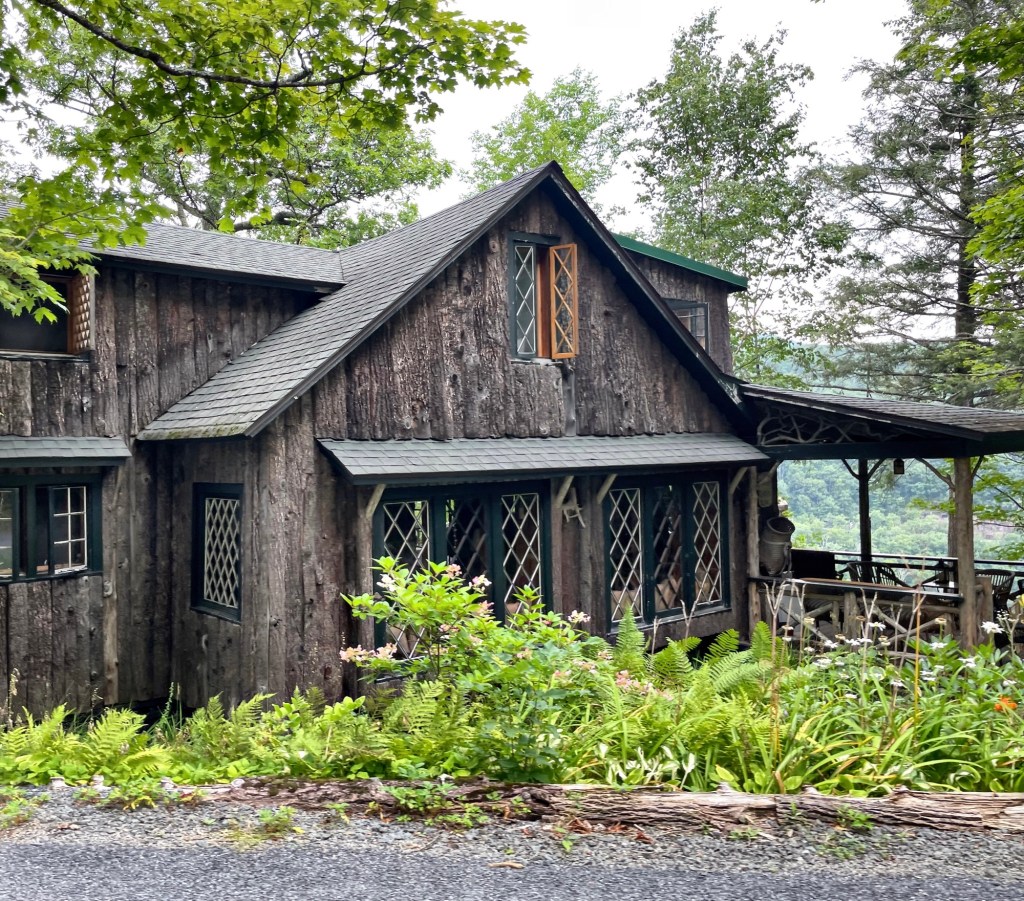
Cosy Cabin // 1887

Tucked away in the town of Hunter in the Catskill Mountains of New York, the summer colony of Twilight Park has stood as an exclusive and private resort community established in the late 19th century. Twilight Park was born out of the Twilight Club, a Manhattan social club in the late-19th century and brought to life by founder, Charles F. Wingate. Mr. Wingate traveled to the mountaintop in 1887, and became enamored by its natural beauty. He arranged for the purchase of a former sheep’s meadow and led the construction of the first cluster of cottages in what would become a large community of over 100 summer homes. Cottages were laid out on roughly parallel roads at different elevations and on old connecting paths that later became roads with all lots built on ledges overlooking the Catskills. The first six cottages were log cabins, with this example, likely in the first batch. From maps and a report on the area, this early cottage appears to have been named “Cosy Cabin” and was first occupied by Mr. Wingate, the founder of the Twilight Club and Twilight Park. The cottage is unique for its vertically laid logs still containing their bark, and the rustic porch balustrade and detailing.

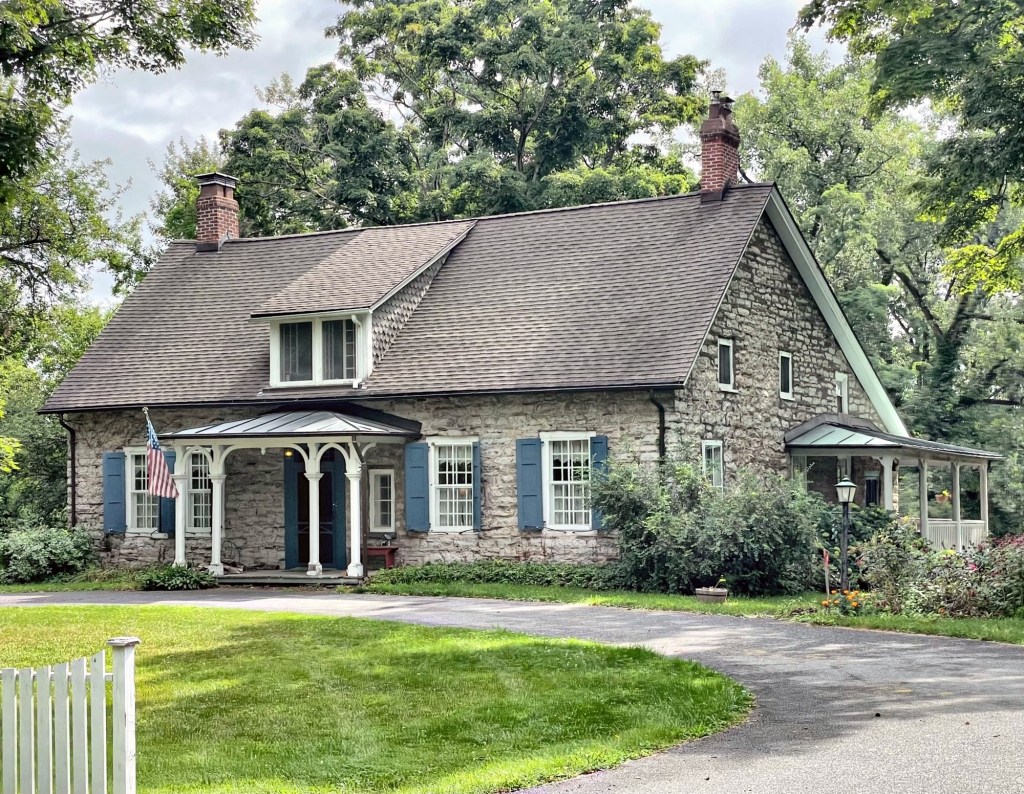
Cornelius Person House // c.1770

The Cornelius Person House is a pre-Revolution stone dwelling built in the Katsbaan village of Saugerties, New York. The residence was constructed around 1770 by Cornelius Person (1744-1827) a merchant who held a store just south of this home. The store was apparently used as a meeting place for Patriots during the Revolutionary War and Cornelius fought in the local militia at the time. After the war, John Jacob Astor was said to have traded with local fur trappers at the store. The Person Stone House was originally a smaller dwelling and was expanded multiple times to give it the center hall appearance and later saltbox rear. Later alterations include the porches, but the house retains so much of its original charm.

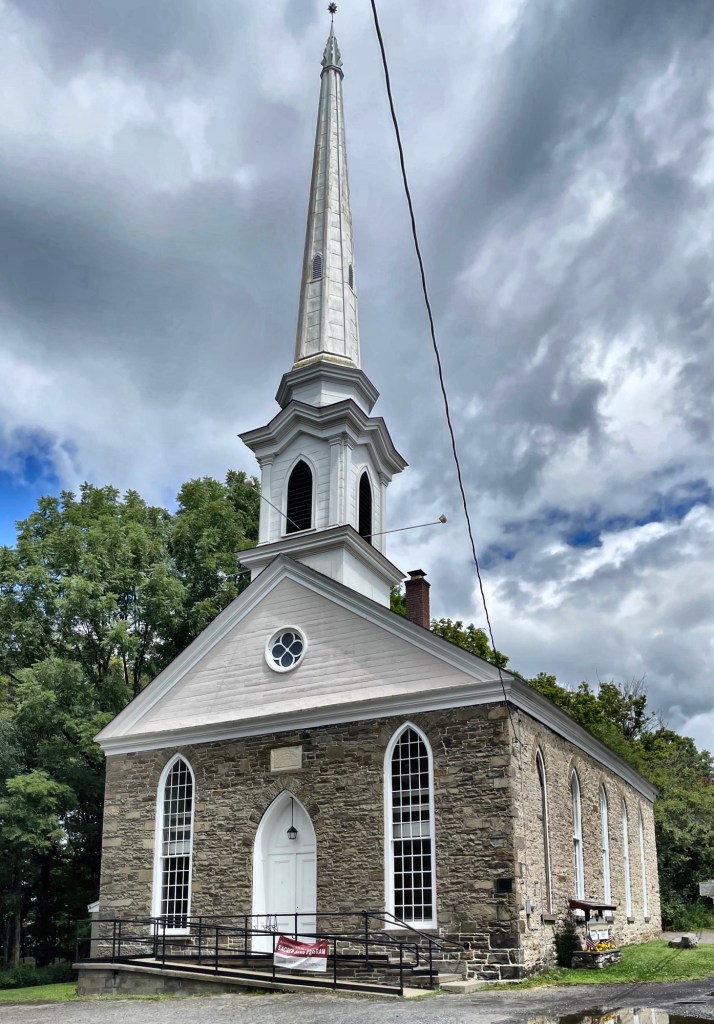
Katsbaan Reformed Church // 1732

The first church on this site in Katsbaan, Saugerties, New York, was a 1732 simple stone church built by Dutch and German settlers. Church services were first held in the German language,  and gradually came to be also held in Dutch and English, as the village and surrounding area developed. The original church was rebuilt in 1816 using the same stone base, but the entrance was shifted away from the street. Larger windows and the steeple were added at this time. In 1867, the steeple was heightened and the windows were enlarged with Gothic points, giving the building its present appearance. The Katsbaan Reformed Church remains an architectural and historical landmark noting the early history of Ulster County and its growth.

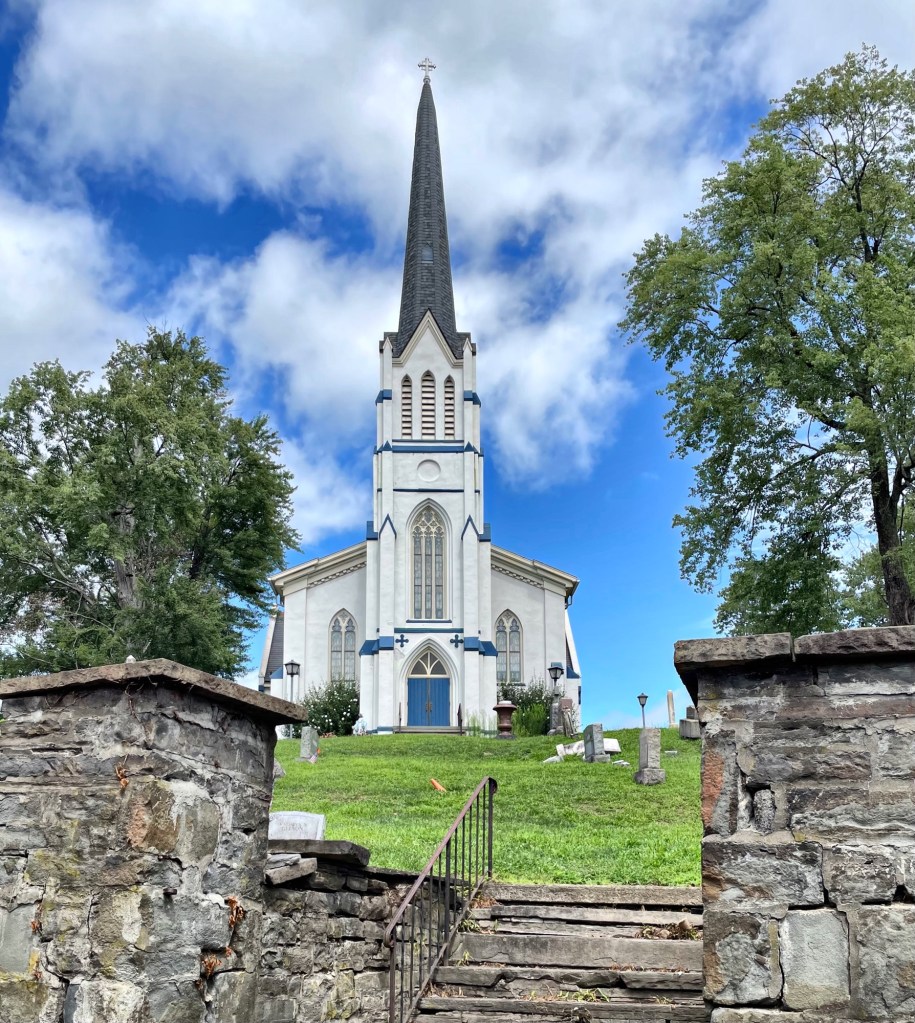
St. Mary’s of the Snow Catholic Church // 1833

In 1830 Rev. Philip O’Reilly was sent by Bishop John Dubois to establish missions and build churches along the Hudson River wherever there were sufficient resident Catholics. O’Reilly visited the village of Saugerties, in Ulster County in 1832 and began holding services in private homes. The area was home to many Irish residents working in industry, a large number of which were Catholics, and as a result, the village here became the location of the first Catholic church in the county. Father O’Reilly founded St. Mary’s in 1833 creating the first parish of the Hudson, spanning New York City to Albany, with the cornerstone of the new church laid that same year; though, the church would be dedicated a decade later. The church cemetery grew from the first graves around the church in 1833 to fill much of the church property now occupied setting the Gothic edifice in a sea of gravestones. The church grew and eventually the steeple was added in the 1860s. It is also said that the church basement was used as a stop on the Underground Railroad. The church (like many in the United States) has struggled to maintain its large campus, which originally contained the church, a school, and convent, but the church remains in good condition, shining like a beacon on a hill on the Hudson.