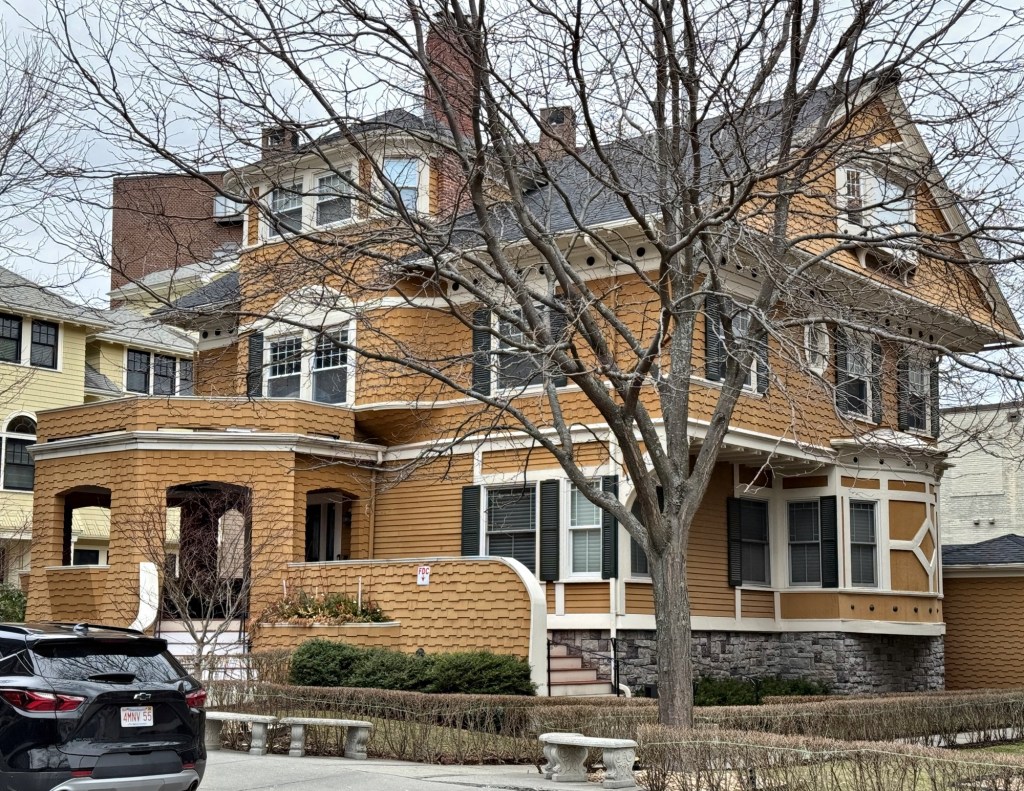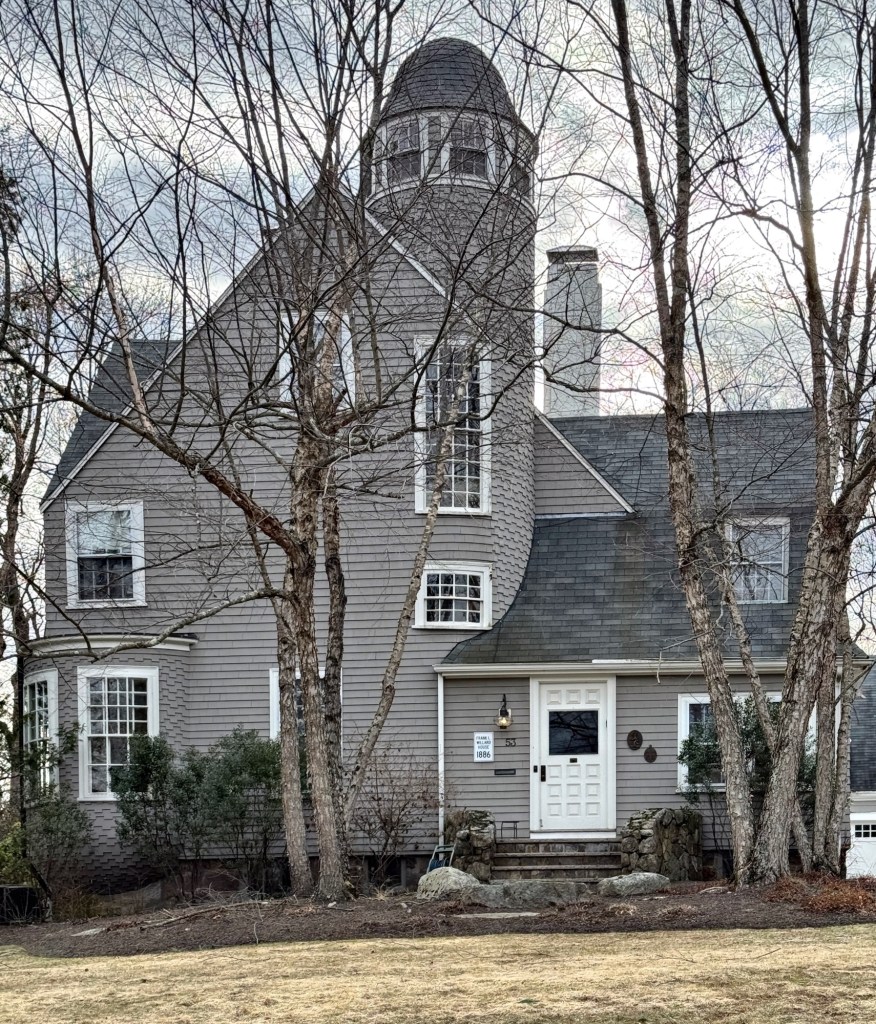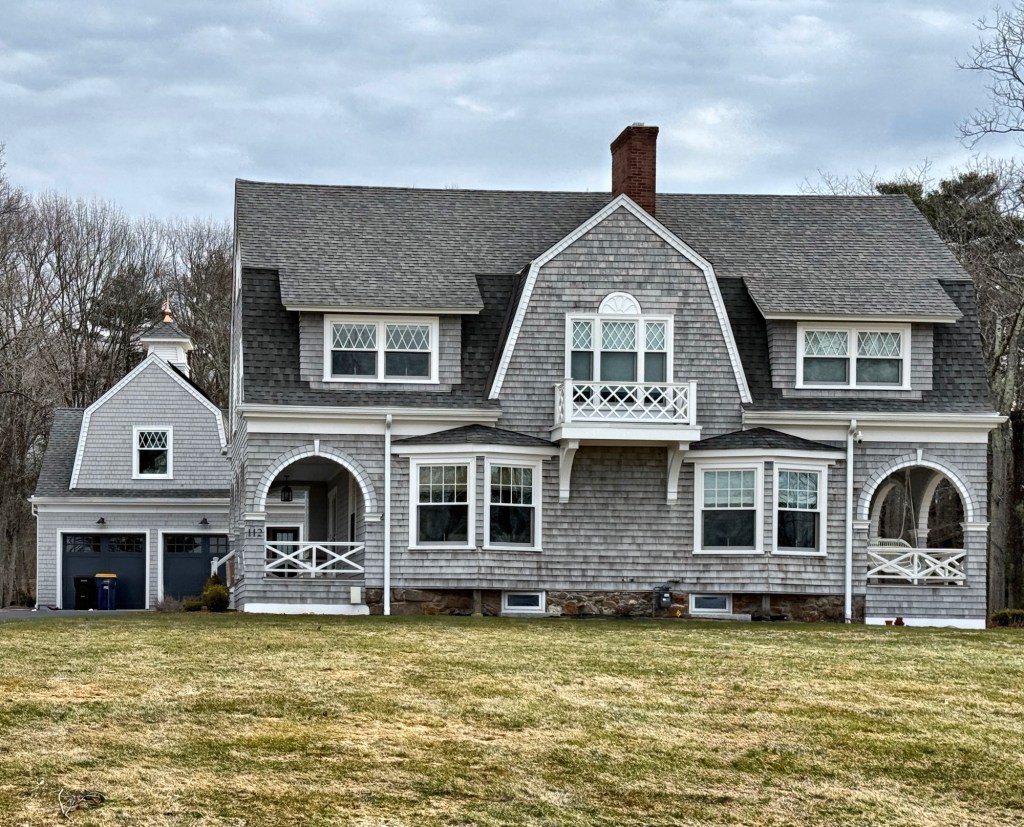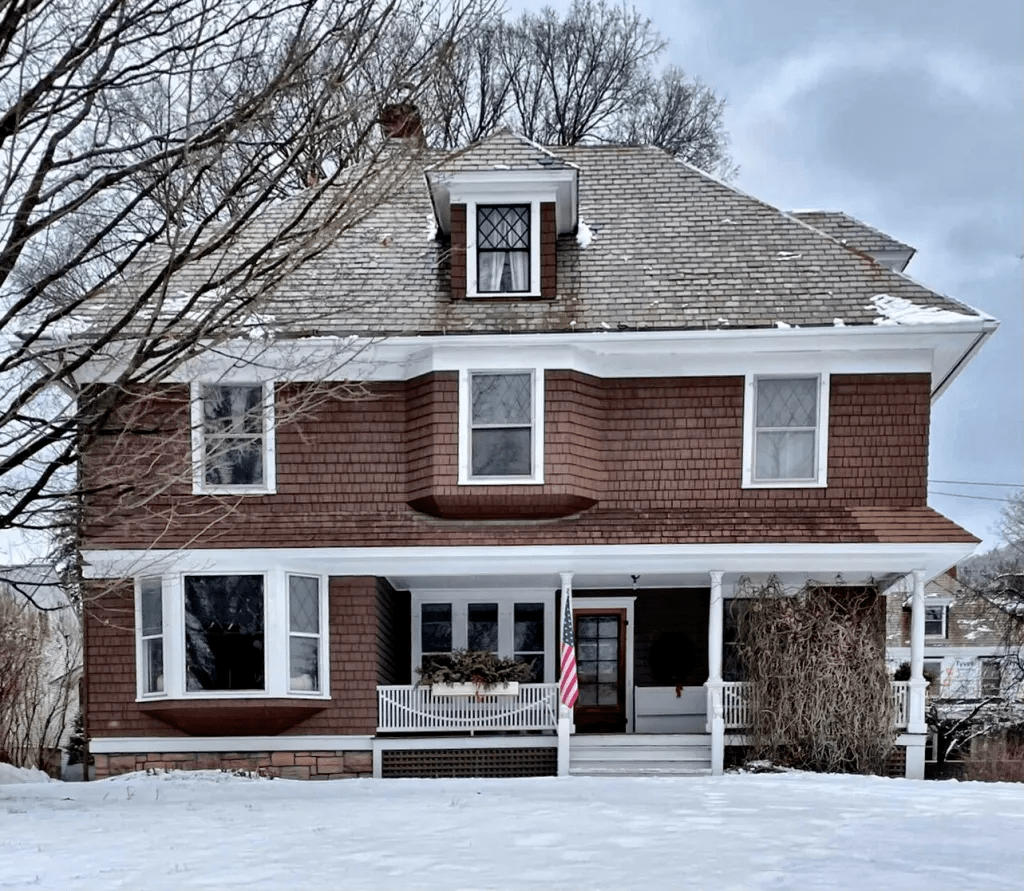
Charles H. Rutan House // 1889

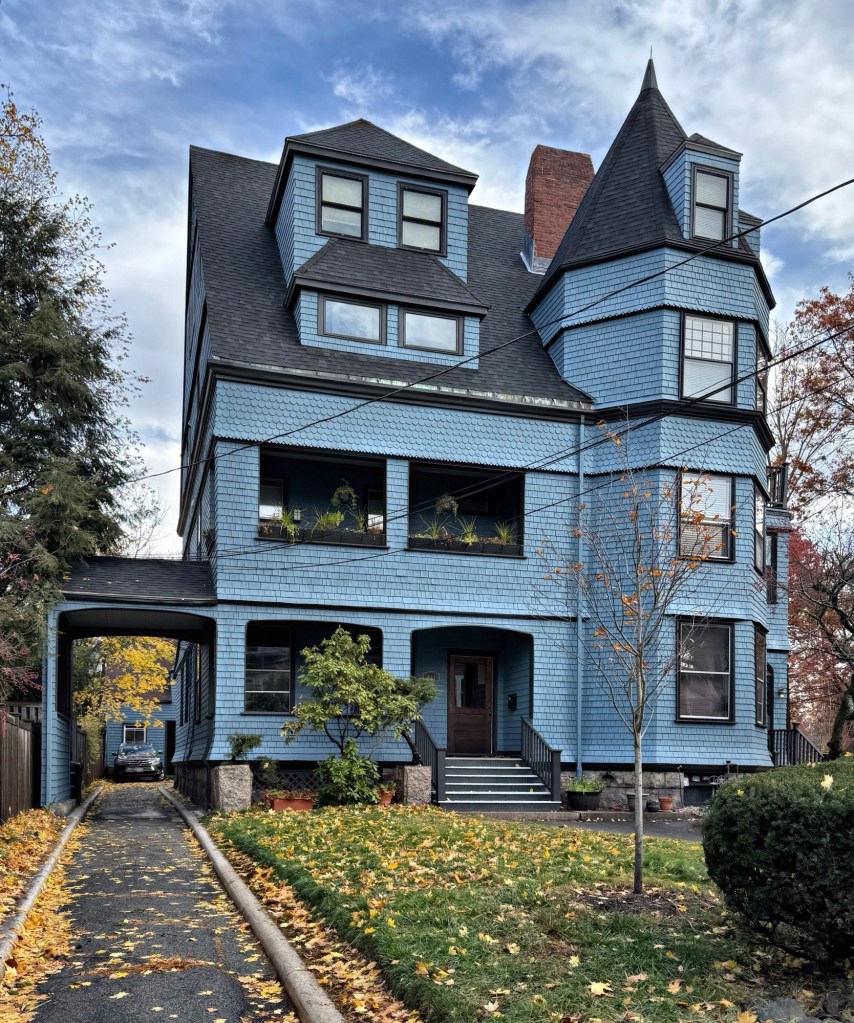
In 1889, prestigious architect Charles H. Rutan, purchased a house lot from the heirs of Elijah Emerson on the family estate and oversaw construction of his own residence in Brookline Village. Charles Hercules Rutan (1851-1914) was born in New Jersey and moved to Brookline in 1874, where he worked in the office of famed American architect, Henry Hobson Richardson. After Richardson’s death in April 1886, at the height of his career, Rutan and two other senior employees, George Foster Shepley and Charles Allerton Coolidge, took charge of the studio and its uncompleted work. Soon after, the three formed a formal partnership, Shepley, Rutan & Coolidge, to succeed to Richardson’s practice, and in 1887 moved the office to Boston. From his new position as head of a prominent firm, Rutan designed this handsome Queen Anne/Shingle style mansion for his family, where he lived until he suffered from two debilitating strokes in 1912, when he and his wife moved to an apartment on a nearby street. Besides the blue color, the house retains so much of its original architectural integrity and is one of the most significant residences in the Brookline Village neighborhood.

Loring-Sherburne House // 1883

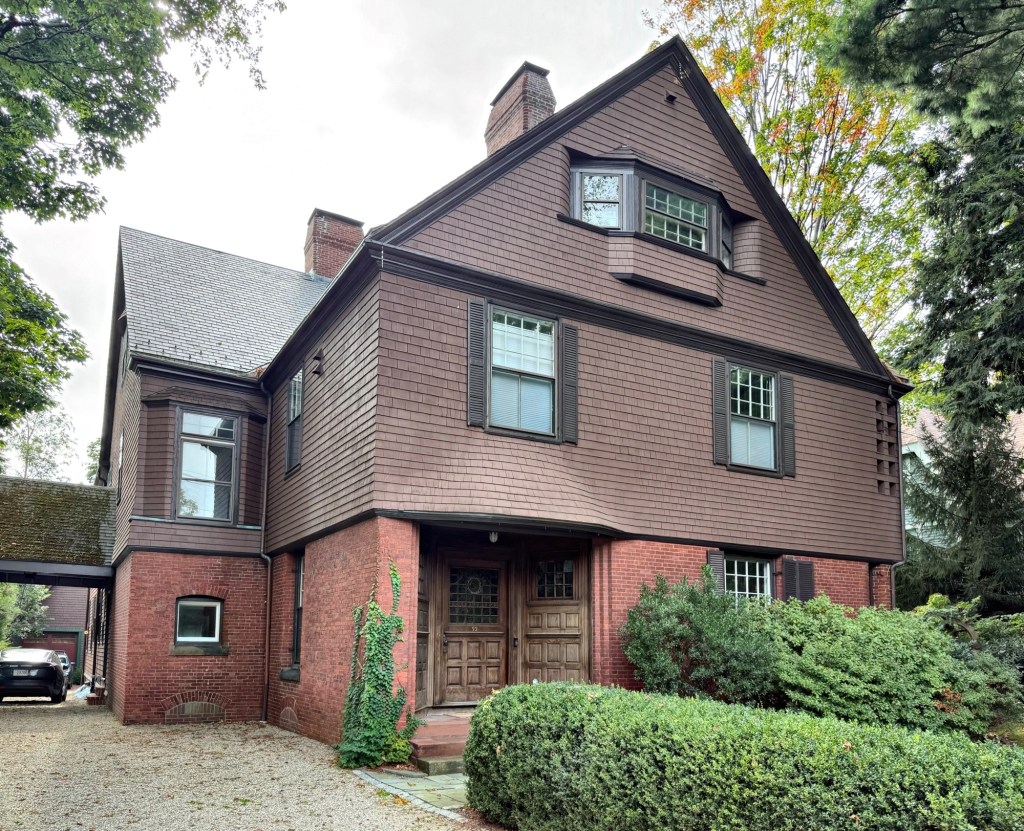
One of the many great Queen Anne/Shingle style homes in Brookline is this residence at 92 High Street built for Thacher Loring (1844-1928), president and treasurer of the National Dock and Warehouse Company, of Boston, founded by his father, Elisha Thacher Loring. For their Brookline home, Mr. Loring hired architect, William Ralph Emerson, one of the great architects who mastered the Shingle style of architecture. The Loring Family lived here until the early 1900s, when they sold the property and moved to the Back Bay in Boston. The property was purchased by John Henry Sherburne (1877-1959), who lived here with his family for over sixty years. John Sherburne was an attorney, politician, and military officer who served during the Pancho Villa ExpeditionWorld War I, and World War II and attained the rank of brigadier general receiving numerous military awards, including the Silver Star and Purple Heart. During WWI, he commanded the U.S. Army’s first “negro” artillery battalion in France. After the war he testified before Congress about orders that pointlessly sent hundreds of U.S. soldiers from other units “over the top” to their deaths on the morning of November 11, 1918, when the armistice hour was already known. Following his World War I service, Sherburne advocated for civil rights for African Americans, including support for anti-lynching laws and from 1926 to 1931, he served on the board of trustees for Howard University. The Loring-Sherburne House is significant for its residents and for its architecture, including the use of brick and shingle siding, and the show-stopping recessed panel-wood entry with bulging shingles above.

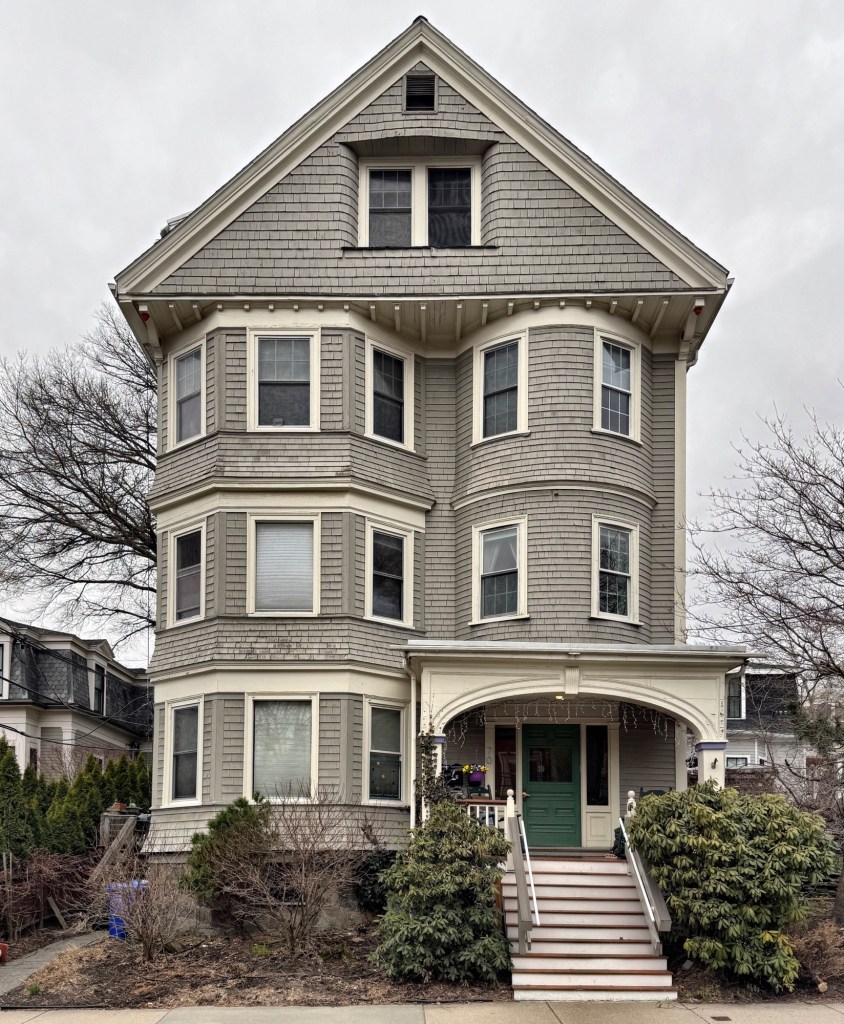
Frank and Laura Carter House // 1889

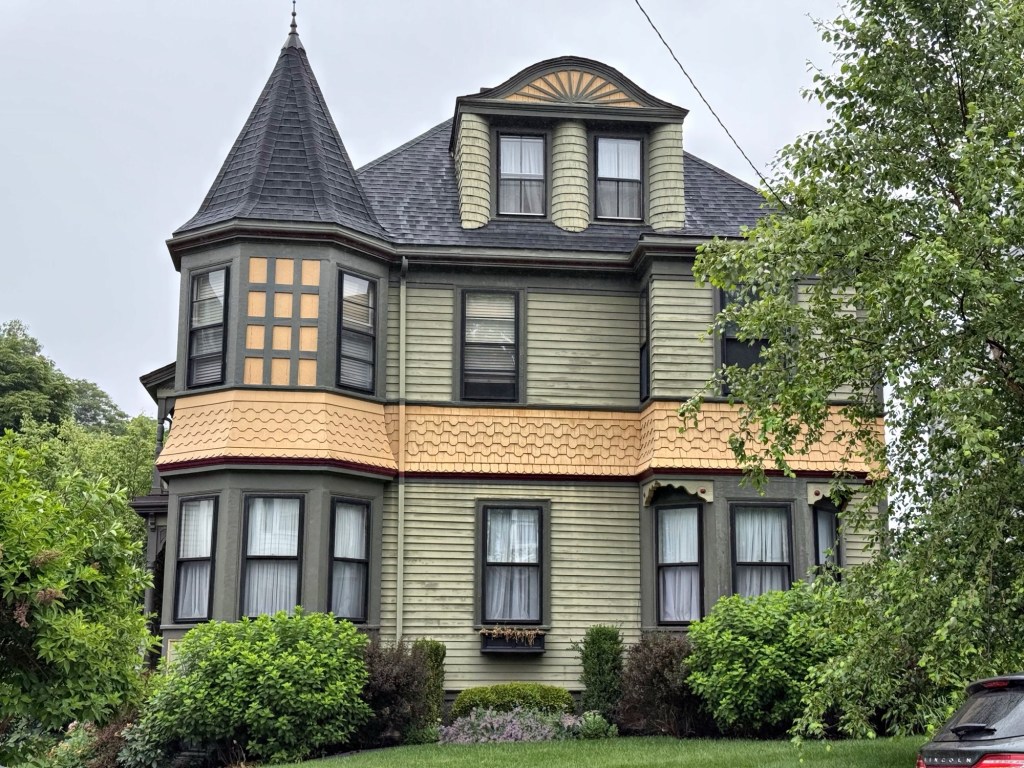
Effortlessly blending the Shingle and Queen Anne architectural styles, the Frank and Laura Carter House at 107 Ocean Street in Ashmont, Dorchester, Massachusetts, is one of the finest Victorian residences in the neighborhood. The house was designed by famed local architect Arthur Vinal, who also furnished plans for the Dorchester Temple Baptist Church nearby that same year. The house was built for Frank Carter (1859-1950), treasurer of the Bay State Belting Company, and his new wife, Laura. Special details on the house include the polygonal bay capped by pyramidal roof, belt-course of shingles breaking up the facades, and stunning two-bay eyebrow dormer facing the street with shingled returns.

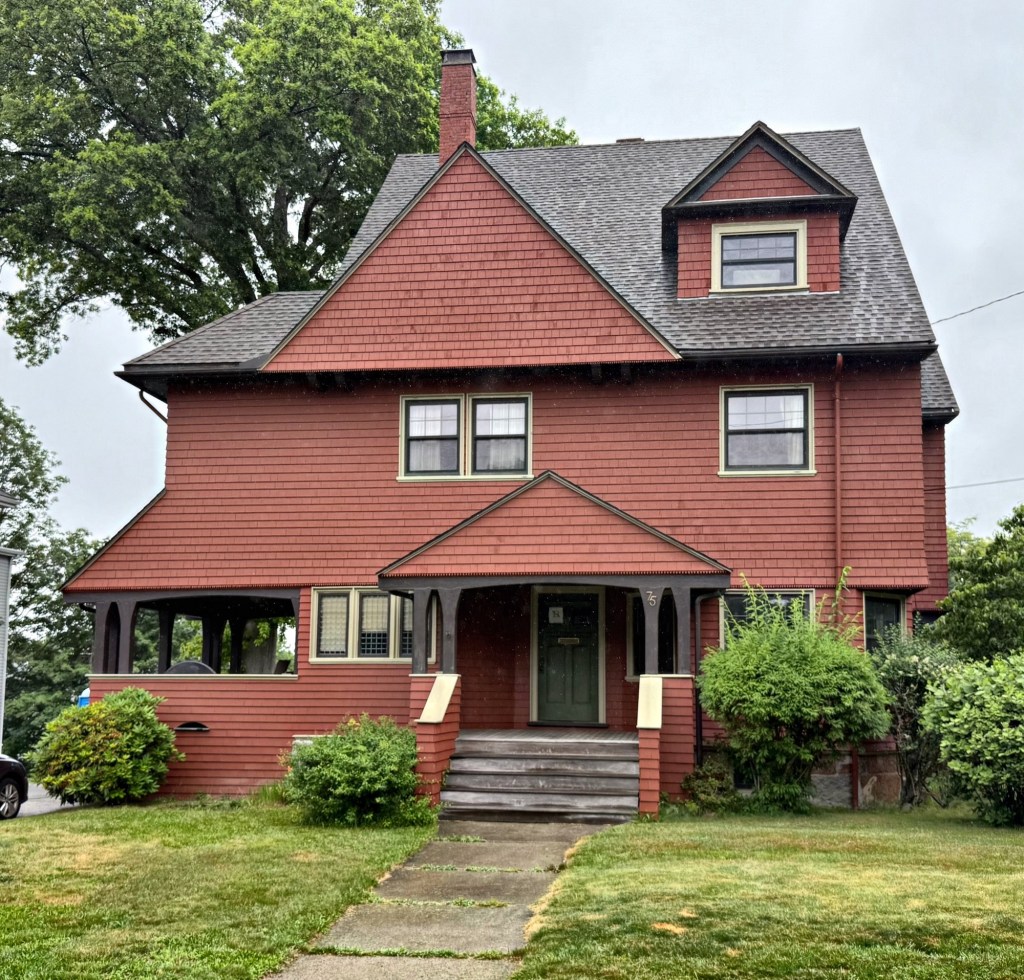
Reed-Fitzgerald House // 1891

The Reed-Fitzgerald House at 75 Ocean Street in Ashmont Hill, Dorchester, stands out as a simple, yet beautiful example of the Shingle style of architecture for residential purposes. The house here was built in 1891 from plans by Edwin J. Lewis, Jr., a Boston-born architect who worked at the office of Peabody and Stearns before he opened his own firm in 1887, specializing in suburban houses and churches. The first owner of this residence was George Reed, a Boston insurance executive. Years later, the house was owned by Henry Fitzgerald, possibly Henry S. Fitzgerald, the brother of John “Honey Fitz” Fitzgerald (1863-1950), the Mayor of Boston who resided in a since demolished house in the neighborhood. Mayor John Fitzgerald was the father of Rose Fitzgerald and maternal grandfather of her sons President John F. Kennedy, Attorney General Robert F. Kennedy, and Senator Ted Kennedy. Recently, the owners of the Reed-Fitzgerald House have restored the exterior, and stained the shingles the lovely rust color.

Dillaway House // 1889

One of the finest and refined examples of the Shingle style in Boston can be found on Alban Street in the Ashmont Hill section of Dorchester, a lovely, walkable neighborhood where you can find timeless examples of just about any Victorian-era architectural style. Built for Charles F. Dillaway, a banker in Boston, this home was designed by local architect, Edwin J. Lewisarchitect for many houses in the Ashmont area.  Lewis’s designs are distinguished by their crisp geometry, often with horizontal lines emphasized and small-paned windows. The house has been slightly modernized by later owners who added new siding within the inset porch and a more moody color scheme. 

Mary S. Hartford House // 1890

This charming Shingle style bungalow at the corner of Harley and Walton streets in Dorchester’s Ashmont Hill neighborhood, was built around 1890 for Ms. Mary S. Hartford. Mary Hartford (1840-1910) was the mother of famed American painter, Edmund Charles Tarbell, and the wife of Edmund Whitney Tarbell, who died in 1863 after contracting typhoid fever while serving in the Civil War. After the death of her husband, Mary sent her son to live in Groton, Massachusetts with his grandparents to raise them as she remarried to David Francis Hartford, a shoe manufacturer. David and Mary lived nearby on Alban Street, and rented this and other houses to tenants for supplemental income. Local architect Edwin J. Lewis furnished plans for the house as a prototypical example of the Shingle style. Mary died in 1910 and in 1917, David Hartford, as his wife’s executor, deeded this property at 17 Harley Street to Emma C. Rich, the wife of George M. Rich, a Boston banker. The house is excellently preserved, even down to the appropriate brown stained shingles.

Crandall-Peirce House // 1890

Talk about a statement! This pink, Shingle style house is located at 140 Brown Street in the fashionable College Hill section of Providence, Rhode Island. Built in 1890 for William and Katherine Crandall, the Shingle style residence stands out for its cantilevered two-story tower and corner rounded porch at the corner, and of course the continuous shingled facades. William T. Crandall was the president of the Union for Christian Work, a religious charitable institution which provided aid to needy children in Providence. Augustus R. and Ida W. Peirce would board in the home for decades, and were likely family, inheriting the property upon Katherine’s death in 1932. The architect could not be located.

Frank and Elizabeth Ratcliffe House // 1890

I do not think that I have ever seen rounded shingled columns like this before… What a treat! This house is located on Rice Street in Newton Centre, and was built in 1890 by Henry H. Read, a leather dealer who developed the entire street. This house was built on speculation and initially rented out to tenants before it was sold to Frank Ratcliffe and his wife, Elizabeth Ratcliffe. Frank Ratcliffe was born in England and would become treasurer of the Boston & Albany Railroad, which had a stop in Newton Centre. Frank and Elizabeth would sell or gift this property to their daughter, Mary Elizabeth Ratcliffe Holt and her husband, Warner R. Holt. Besides the unique shingled columns, the house features a broad gambrel roof and sunburst panels and a two-story rounded shingled bay. I could not locate the architect for this one, sadly.

“Villino” // 1882

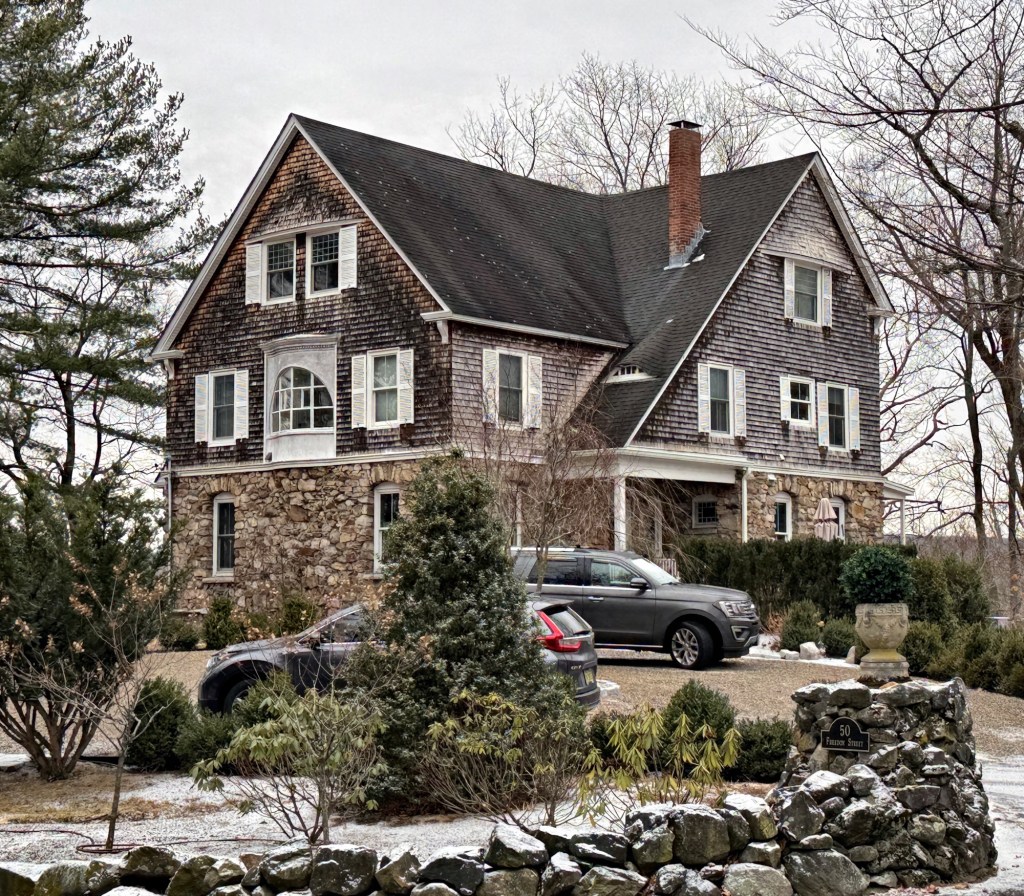
“Villino” was built in 1882 for $7,553, as a summer residence for Ms. Frances L. Skinner, a widow of the late Reverend Thomas Skinner. “Villino” was the work of the young firm of McKim, Mead & White, and it is one of the firm’s many Shingle style buildings, but one of the most compact. The asymmetrical 2½-story Shingle Style cottage sits atop a granite foundation with continuous shingles above. The entrance porch is tucked into the building mass on the side and its prominent tower with conical roof. The house is sited well into the landscape and unlike many other summer “cottages” the name Villino which is Italian for cottage, actually fits!


Frederick & Arabella Holden House // 1893

The Frederick & Arabella Holden House sits on Aspinwall Avenue in the Brookline Village neighborhood of Brookline, Massachusetts. Built in 1893, the excellently designed Shingle style dwelling was actually built on speculation by developers, and sold upon completion to the couple. Fred G. Holden (1858-1927) was a marble dealer who managed the Boston Marble Company and had connections in his home state, Vermont for the highest quality marble to sell around Boston, largely for building products and grave memorials. Arabella Proctor Holden (1859-1905) was born in Cavendish, Vermont, as the eldest daughter of Redfield Proctor, 37th Governor of Vermont and the founder of the Vermont Marble Company, the largest such company in the world. I could not find the architect of the house, so any more information, let me know. I’d love to solve the mystery!