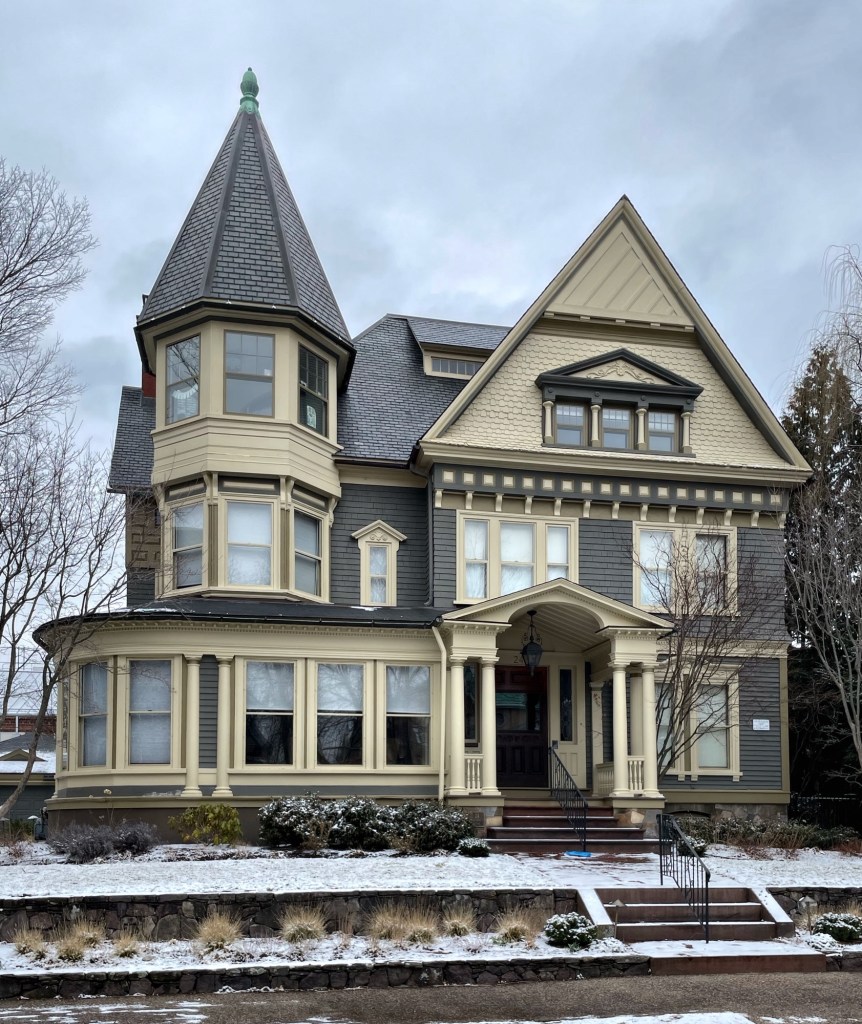
Newton D. Arnold House // 1888

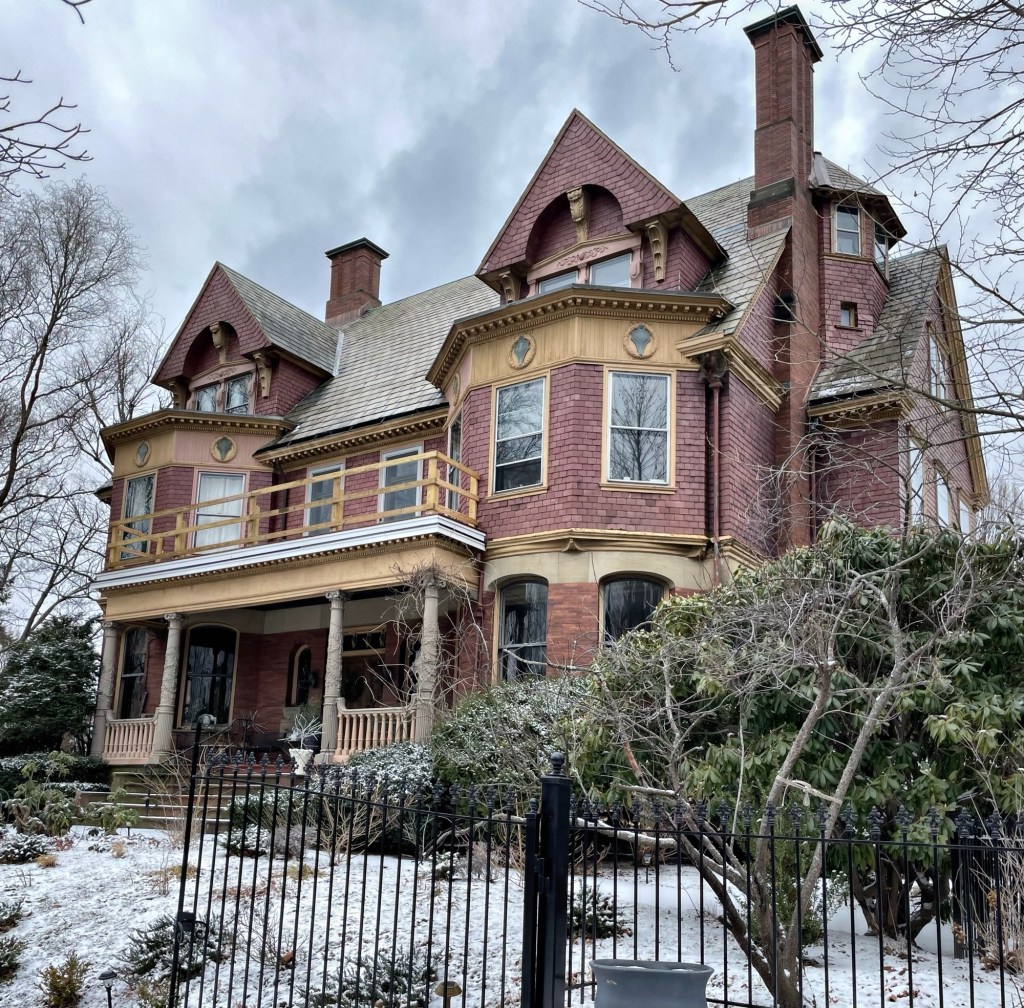
Behold, a Queen Anne Victorian house in all her majesty! This residence, the Newton D. Arnold House, is located at 24 Stimson Avenue in Providence, and is one of the finest examples of its style in the city. Newton Darling Arnold (1843-1916) was employed at the Rumford Chemical Works serving as Treasurer for the company and from this position, accepted additional roles in banking and fraternal organizations, like the Freemasons, where he served a term as Grand Master of the secret society. Newton and his wife, Caroline, purchased a house lot on Stimson Avenue and set out to build one of the finest homes in Providence. To achieve this, they hired local architect, Edward I. Nickerson, to furnish designs. The Arnold House is covered by clapboard and shingle siding beneath a complex, cross-gabled roof of slate, with an ornate gable end and two-story corner tower.
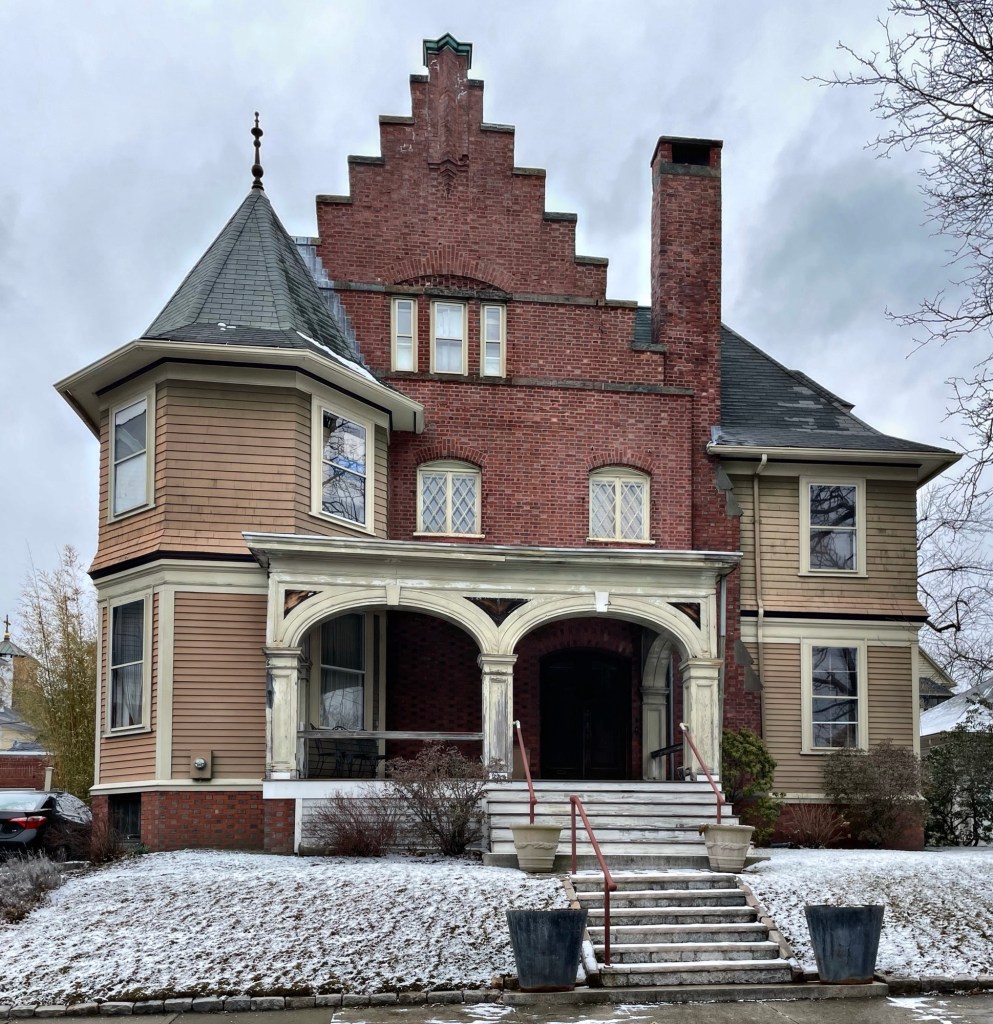
Ellen and Charles Baker House // 1898

The versatility of the Queen Anne style of architecture is unmatched! This stunning example is located at 67 Stimson Avenue in Providence, Rhode Island, and was built in 1898 for Charles H. Baker and his wife, Ellen. Mr. Baker was a superintendent at the Gorham Manufacturing Company, one of the largest manufacturers of sterling and silverplate tableware in America. Sadly, Charles Baker would not get to enjoy the house for long as he died within a year of the house being finished. Ellen and the couple’s daughter, Maude, would reside here for years later. The Providence architectural firm of Gould and Angell designed the house with a large brick Flemish gable breaking the shingled mass of the house in a really abrupt, yet pleasing way.

Goodwin House // 1886

Queen Anne style buildings are a favorite as they are all so different and interesting to look at with all the ornate details, asymmetrical forms, varied siding, and rooflines. This example on Stimson Avenue in Providence is a great example of the style. The house was built in 1886 for William P. Goodwin (1852-1921), a banker, insurance executive, and author, who never married and lived in the house with his sister, Sarah Jane Goodwin. Keeping it in the family, William hired his brother, architect, John Bray Goodwin, to design his residence, with little expense spared. Interestingly, the house is built right at the street with its front door accessed up a stair and a brick base adjacent to enclose the property from the sidewalk, creating a high garden wall with gate. There is so much to look at here, it is spectacular.

Joseph Fletcher House and Stable // 1889

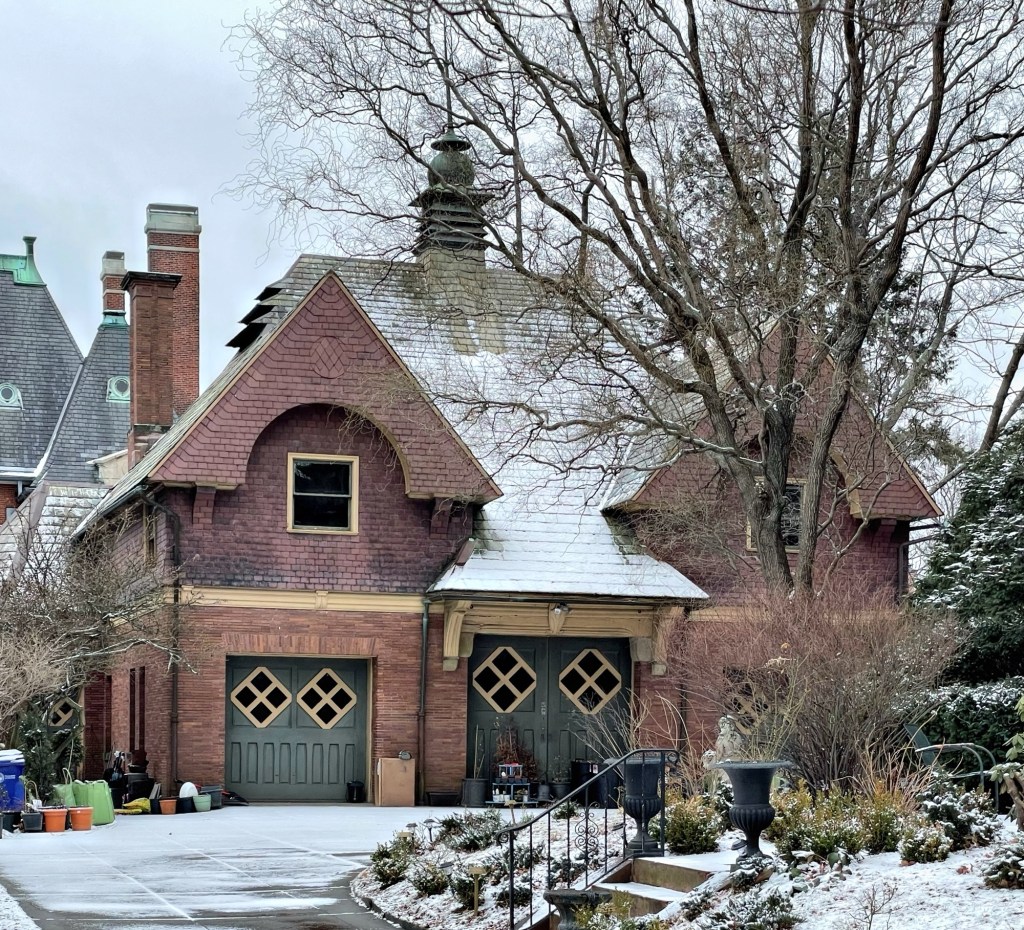
With red brick and slate siding and all the finest trimmings, this house looks like a present wrapped under the Christmas tree! The Joseph Fletcher House is located at 19 Stimson Avenue in Providence, Rhode Island, and is an excellent example of a Queen Anne residence with the innovative use of siding types often found in the style. The residence was built in 1889 for textile manufacturer, Joseph Edward Fletcher (1866-1924), the son of wealthy, English-born manufacturer, Charles Fletcher. The Fletcher house and adjacent stable were designed by Stone, Carpenter & Willson, one of the most prestigious architectural firms in New England at this period. It is believed that the site was developed by Charles Fletcher, as a wedding gift to his 23-year-old son and daughter-in-law following their marriage. The home was recently sold, and the interiors are as stunning as the exterior!

Daniel T. Kidder House // 1884

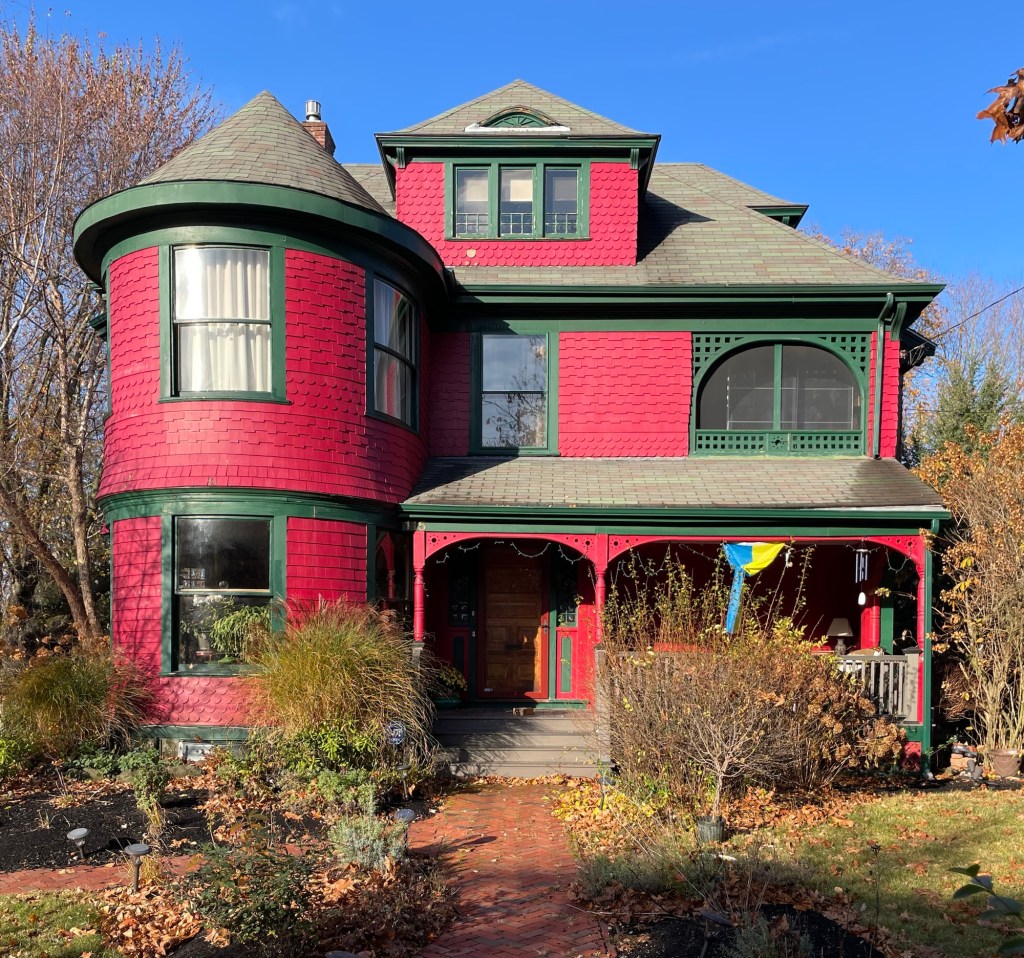
This charming Shingle/Queen Anne style house is located on Sumner Street in Newton Centre, a street of fine suburban houses built for businessmen who commuted into Boston. This house was built in 1884 for Daniel Tufts Kidder (1852-1941), a glass dealer. Daniel got his start under the employ of Hills, Turner & Harmon, jobbers of plate, window and mirror glass, and manufacturers of mirrors, eventually working his way up to salesman and later as president of the consolidated company, Boston Plate and Window Glass Co. It is believed that Mr. Kidder used antique and imported glass in his home when it was built. The house remains well-preserved and characteristic example of the fanciful Victorian styles.

Maine State Building // 1893

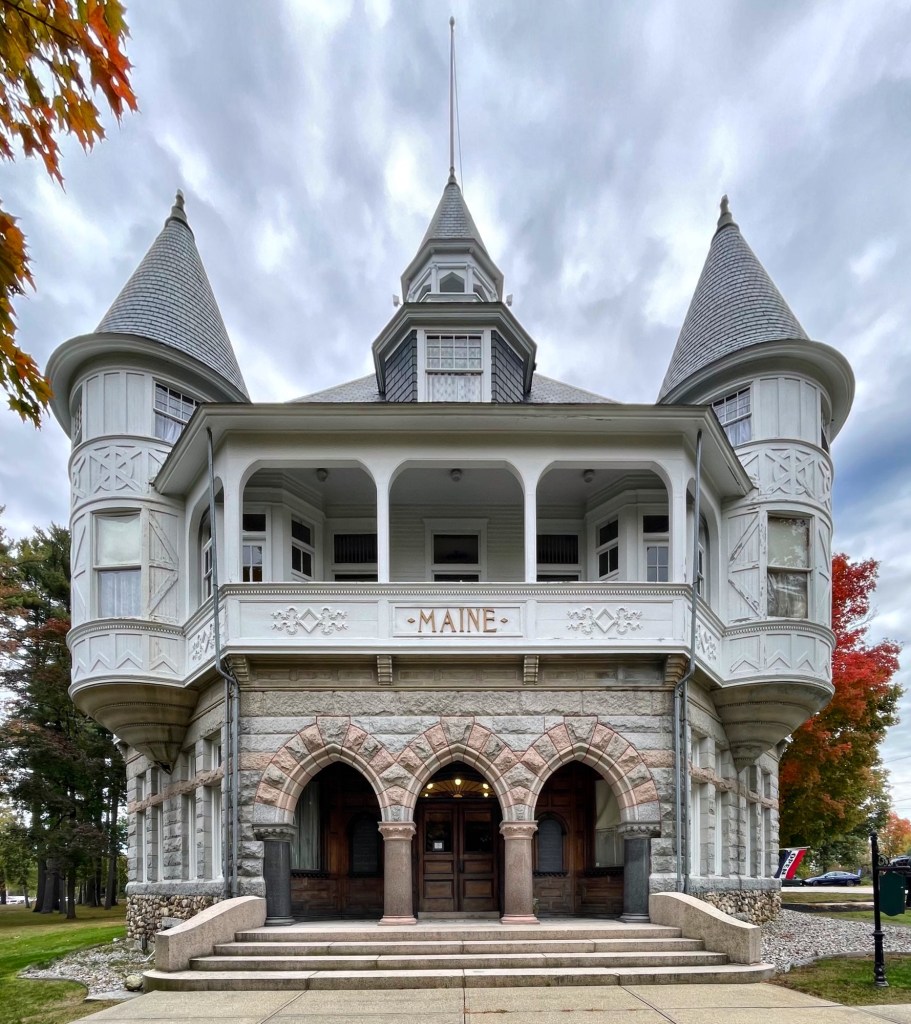
The Maine State Building is a one-of-a-kind landmark located in the Poland Springs Historic District of Poland, Maine, though it was not originally built in this location! The Victorian structure was built in 1893 at the Columbian Exposition in Chicago (aka the Chicago World’s Fair) as one of the State Buildings constructed by each U.S. state to highlight their history. Designed by Chicago architect Charles Sumner Frost, a Lewiston, Maine native and MIT graduate, the building was constructed of granite with a slate roof. After the close of the fair, the Ricker family of Poland Spring, purchased the building from the state. They had it dismantled, moved to Maine, and rebuilt on their resort, which brought even more visitors to their property. In Maine, it reopened in 1895 as a library and art gallery for their hotel guests. Along with the Norway Building in Norway, The Dutch House in Brookline (a personal favorite), the Palace of Fine Arts (now the Museum of Science and Industry) and World Congress Auxiliary Building (now the Art Institute of Chicago) in Chicago, the Maine State Building is one of the few remaining buildings from the 1893 World’s Fair, and the only State Building remaining. It has been lovingly preserved and operated by the Poland Spring Historical Society, who operate the building as a museum.

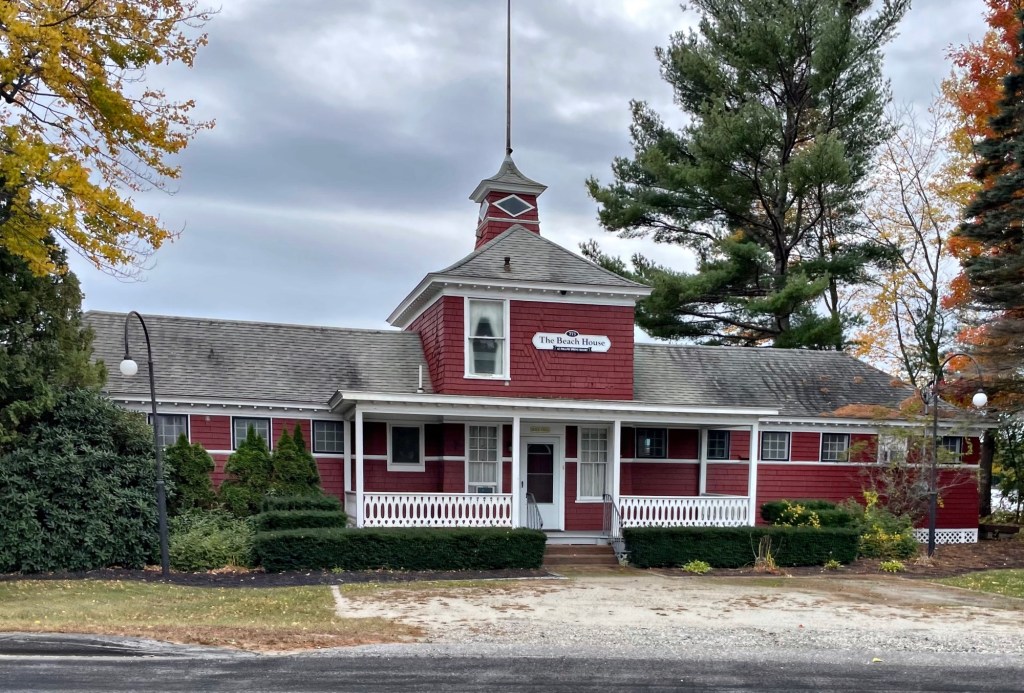
Poland Springs Beach House // 1909

The Poland Springs Resort in Poland, Maine, brought thousands of visitors to the once sleepy community to take in the clean air and healing spring waters on the grounds, and eventually built recreational facilities to keep guests entertained for summers. An 18-hole golf course on the grounds was originally designed by Arthur Fenn in 1896 and redesigned by Donald Ross in 1915; and the Ricker family who owned and operated the resort, sought to take advantage of the nearby Middle Range Pond for guests. In 1909, this 1909 eclectic Queen Anne beach house was built on the northwest edge of Middle Range Pond. For twenty-four years, it was set over the water, supported on piers, but in 1932, it was moved to the east and was set on land. In 1982, the building was remodeled to a private home, now available for rent.

Hiram Ricker House // 1893

The Hiram Ricker House sits in the Poland Springs Historic District of Poland, Maine, and was built as the personal residence of its namesake, who developed this formerly sleepy town into a destination in the 19th and 20th centuries. Hiram Ricker (1809-1893), the son of Wentworth Ricker and Mary Pottle, helped turn his father’s country inn in Poland into a popular late 19th century resort, bringing in droves of tourists to take in fresh air and the healing natural spring water. He and his wife, Janette (Bolster) Ricker had six children, all but one of which helped run the resort. This Queen Anne style residence was designed by Lewiston architect, George M. Coombs, and is set back down a long drive overlooking the resort grounds. Sadly, Hiram Ricker died the same year his residence was built, but the home was occupied by the Ricker Family for years after, notably by Hiram’s son, Hiram Weston Ricker. It is covered in later siding, but the trim details are preserved and typical of high-end Victorian homes of this period in Maine.

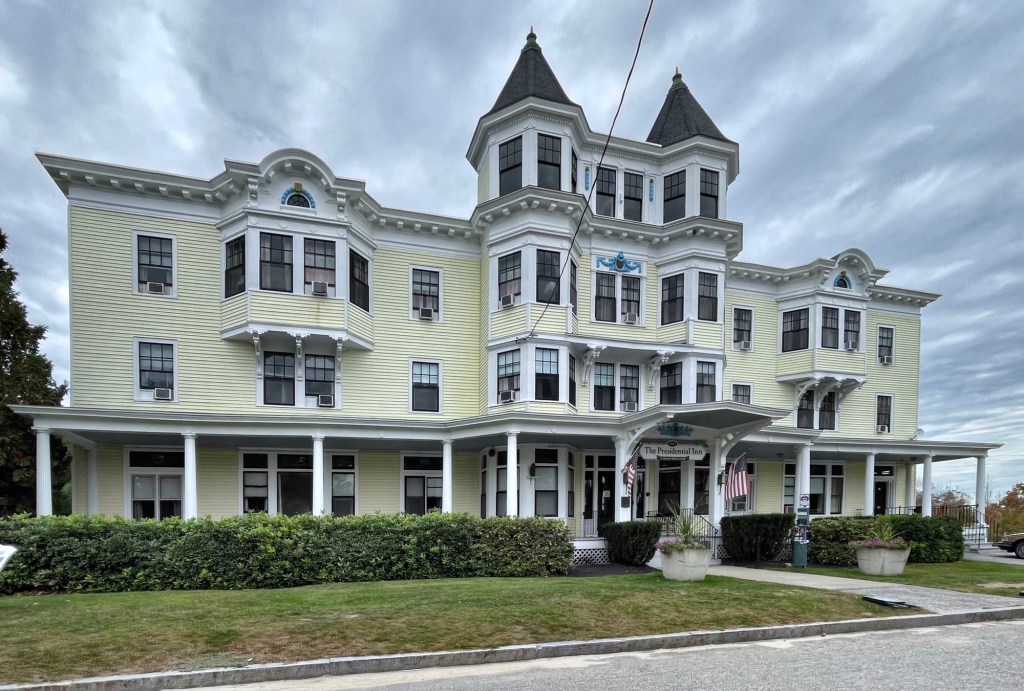
Riccar Inn // 1913

The Riccar Inn, now known as the Presidential Inn, was constructed in 1913 on the grounds of the former Poland Springs House. The structure was the last of the hotel buildings constructed by the Ricker family, who started the resort aimed at drawing in tourists to take in the area’s natural healing waters. The annex hotel building was named Riccar Inn, with the spelling “Riccar” from the historic surname used by members of the family before they emigrated to America. The Queen Anne/Colonial Revival style hotel building survived the 1975 fire that destroyed the main hotel, the Poland Springs House. Architecturally grand, this three-story irregular plan hotel has a flat roof and features a four-story projecting double bay in the front facade topped with two octagonal towers. While covered in vinyl siding, much of the original ornament still shines (and there is likely more underneath the siding to be uncovered at a future date). What a beautiful building.

Mighill House – Baldpate Inn – Baldpate Hospital // 1733

Just below the summit of Baldpate Hill in Georgetown, Massachusetts, stands an architecturally idiosyncratic old structure with a long history. The oldest part of the structure was built in 1733, as a residence for Stephen Mighill (1707-1783), a Deacon of the town’s church and brewer of beer. The early years were filled with much sadness, as Stephen and his wife Elizabeth, lost six of their nine children in youth or infancy, including an eight-year-old son who died after falling into a scalding hot vat of liquid in a malt house on the property. The Mighills also owned slaves, who tended to the house and malting operations here. In the 1890s, the property was acquired by Paul Nelson Spofford, a Georgetown native who moved to New York to make his fortune. It was Mr. Spofford who greatly enlarged the dwelling for use as an inn, naming it the Baldpate Inn. The gambrel-roofed tower was reportedly Spofford’s private space to look out over the rolling hills and forests. After Spofford’s death in 1912, coupled with the tourist trade falling off in the Depression years, the property was sold to a group of physicians who established a psychiatric facility, known as Baldpate Hospital, here in 1939. Today, the complex is known as the Baldpate Treatment Center, an addiction recovery center, who do a great job at maintaining the main structure and former stable on site.