Frederick Henshaw House // 1888

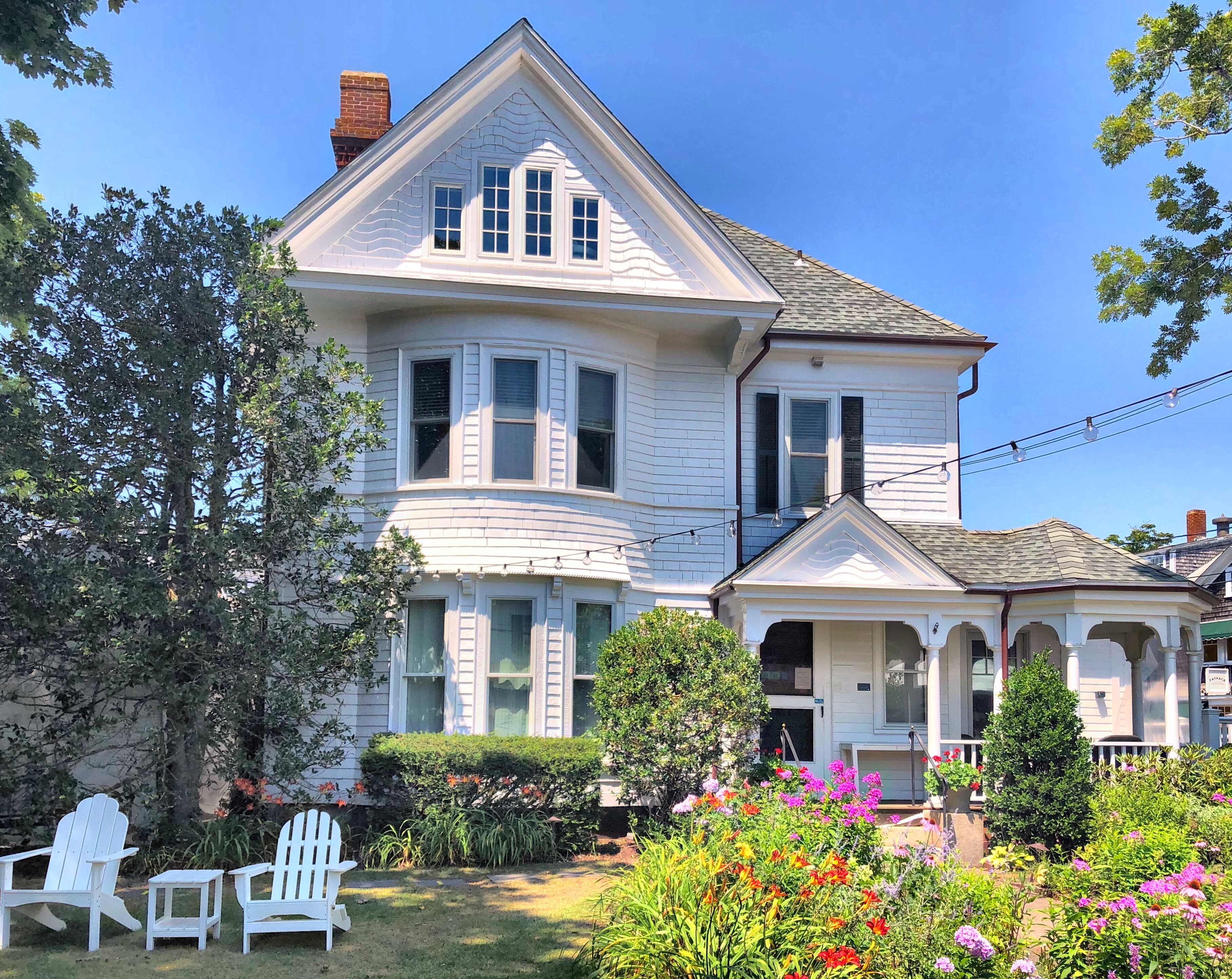
After the completion of the Waban Station, providing opportunity for residential and commercial development due to transit to and from Boston, two men sought to develop the area into attractive housing lots. In 1886, Dr. Morrill Wyman, founder of Mount Auburn Hospital in Cambridge, sold the old Wyman Farmhouse (still extant) and 150 acres of farmland to real estate speculators. The speculators, Charles Page and Frederick Henshaw, proceeded to subdivide the land into 87 house lots, creating this suburban neighborhood in Waban we know today. Frederick Henshaw sought to build his own home adjacent to the old farmhouse and hired H. Langford Warren (who then owned the farmhouse next door), esteemed architect and then Dean of the Harvard School of Architecture to complete designs. The Queen Anne mansion with its bold octagonal bay commands the corner lot and is a well-preserved significant home in the neighborhood.
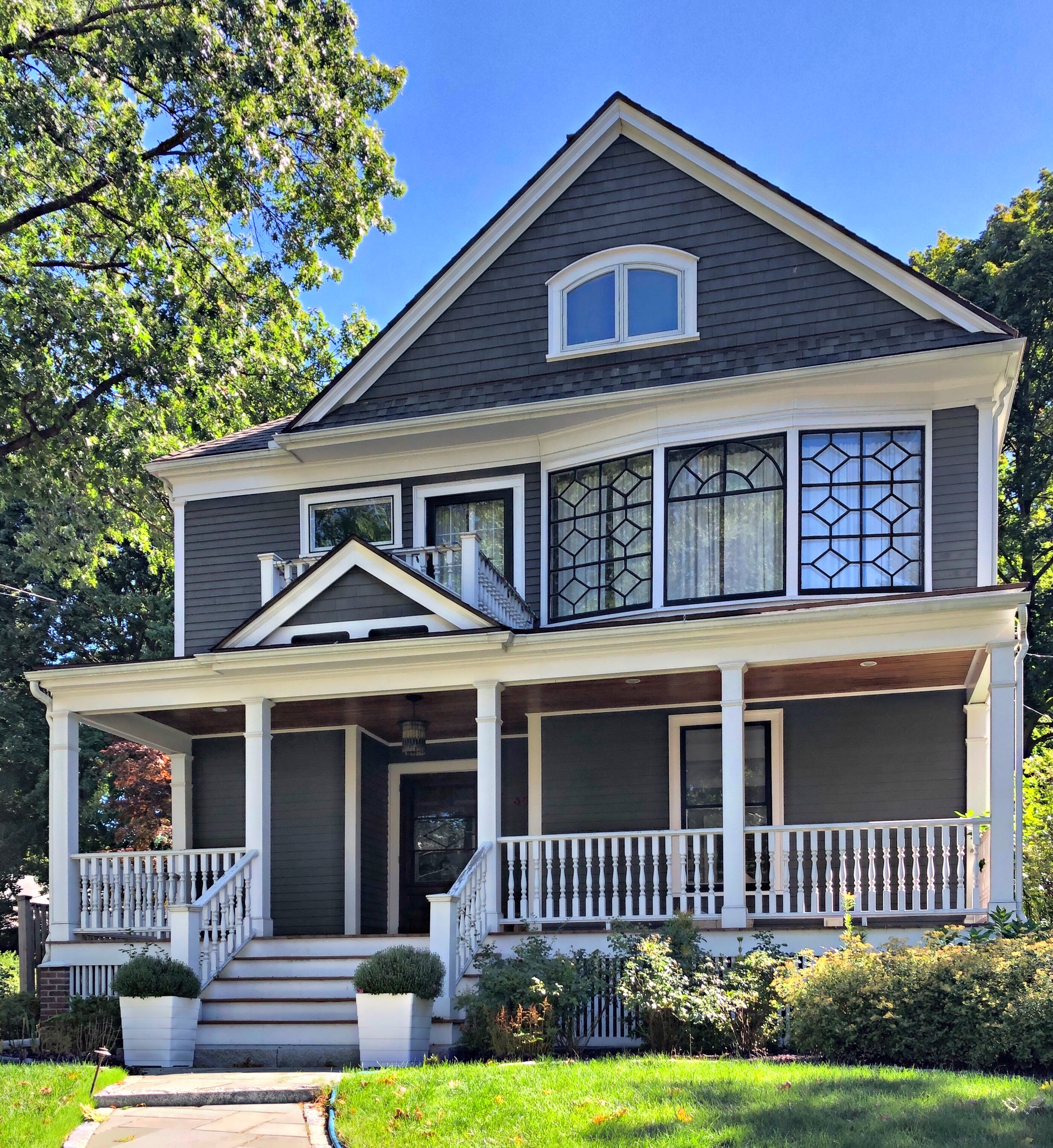
William F. Goodwin House // 1888

When an architect designs their own home, they typically focus on the minute details which can make such a difference, often because they know what works and what doesn’t! This home was designed and built for William F. Goodwin, an architect with an office in Downtown Boston. After the Waban Station was built in 1886, he sought open space and a large home in suburban Boston, to get away from the hustle-and-bustle of daily life. Years after he moved into his home, he gifted his services to design the neighborhood’s first church, the Church of the Good Shepherd.

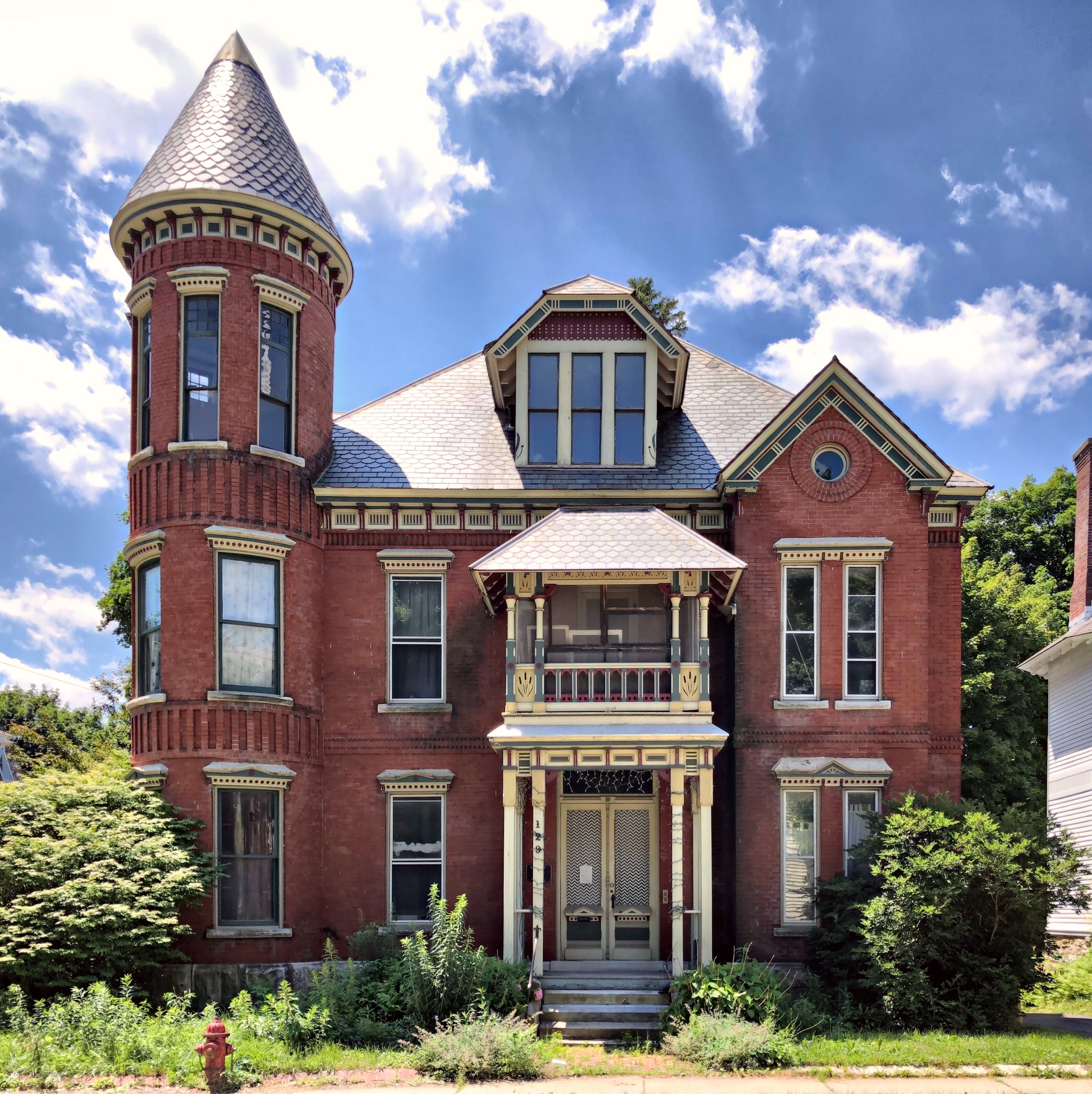
Whitman House // 1881

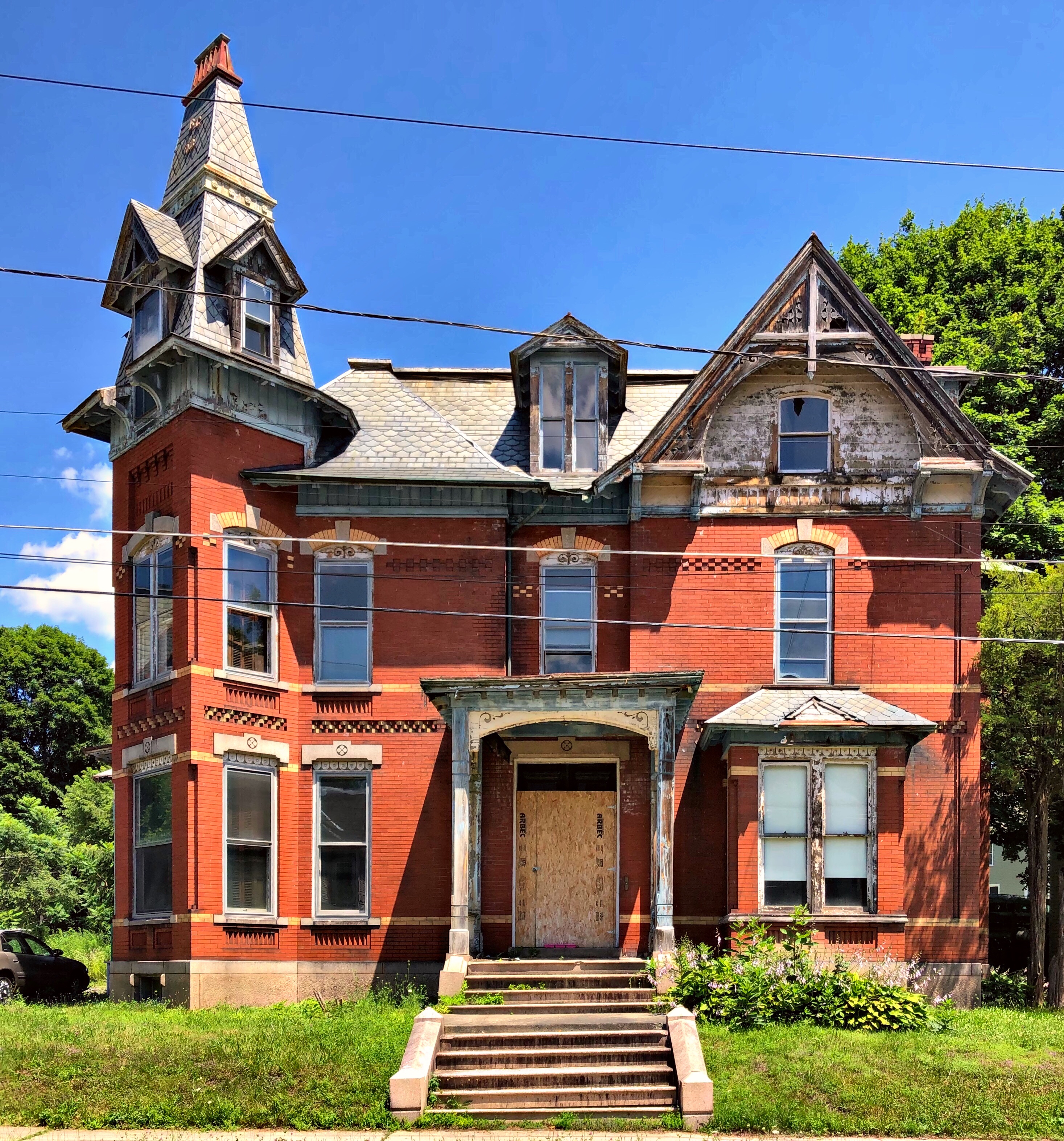
Built in 1881 for William Henry Whitman, this stunning Victorian house remains one of the better-preserved in the town of North Adams. William Whitman was a successful shoe manufacturer in town that lived modestly until his late 40s when he had this home built. The brick home is trimmed with freestone and features a very prominent three-story corner tower with conical roof. The house is a blending of the Stick and Queen Anne styles, under the umbrella of the ‘Victorian’ classification.

Walker House // 1882

This house was built in 1882 for Frank Walker, a merchant who owned a feed and grain store in Downtown North Adams, Massachusetts. The Stick and Queen Anne style home was designed by architect Marcus F. Cummings, who also designed the Blackinton Mansion. The brick and freestone home was converted to multi-family sometime in the mid-20th-century due to the changing demographics of the town. Since then, the home has seen weathering and deferred maintenance, but retains much of its original detailing and character.

Wilkinson House // c.1895

At the end of the 19th century, many homes built were a hybrid of architectural styles. The Wilkinson House on Church Street in North Adams, MA is one of these examples. The term Eclectic can often be used to describe the phenomena when many architects of the 19th and early 20th centuries designed buildings in a variety of styles according to the wishes of their clients, or their own, blending features and styles which in the past may have been reserved for a single style. This home exhibits features of the Queen Anne and Colonial Revival styles.

Captain Fisher House // 1892

Standing out amongst the Federal and Greek Revival homes in Edgartown, this Victorian home was constructed in 1892 by Captain Charles W. Fisher (1835-1905) for his new wife. The Fisher family includes many members who were active in the local whaling industry. Fisher is said to have caught the largest sperm whale on record in 1884 and apparently loved being on the open ocean. The next year he married Parnell Pease and she sailed with him to the Pacific on a whaling voyage, lasting five years! At the time of their marriage, Fisher was in his 50s and his new wife in her 20s. Upon their return, Fisher built his wife this “modern style house on the pretentious side with Victorian ornamentation.” Unfortunately, his wife preferred her former house, which was a block a way and obscured any views of the water. Tradition states that apparently, Mrs. Fisher had seen enough of the water during her voyage, as her diary on the five year trip detailed her many unfortunate bouts with sea-sickness, a stay on an island, and dangerous storms.

Frank A. Ferris House // 1890

Located north of downtown Oak Bluffs, this oceanfront summer estate exemplifies the grandeur of Martha’s Vineyard at the end of the 18th century. This home was built in 1890 for Frank A. Ferris, a Manhattan meat dealer who processed and shipped his product to wealthy customers, markets, luxury hotels and restaurants all over the east coast. His processing plant on Mott Street in Manhattan remains an excellent example of Romanesque Revival architecture in the city. He lived at 5 Russell Terrace in Montclair, NJ, and in summers, stayed in this waterfront mansion overlooking the Atlantic. His summer home is a great blending of the Queen Anne and Shingle styles, both very common at the time.

Corbin-Norton House // 1891

Sited prominently on Ocean Park in Oak Bluffs, the Corbin-Norton House overlooks the Nantucket Sound with no buildings obscuring the gorgeous sunrises. When the home was originally built in 1891, it belonged to Philip Corbin, a manufacturer of household hardware and locks from New Britain. Conn., who got his start as a locksmith apprentice and grew his business until it employed 15,000 people. Corbin summered on Martha’s Vineyard and saw the shift from Cottage City, a Methodist-oriented summer resort town to Oak Bluffs, an exclusive summer colony. The house was built by Eli A. Leighton, a carpenter from Oak Bluffs whose descendants still live on the Is­land. The house remained in the Corbin family for some 40 years, after which it changed hands a number of times, at one point, housing a doctor’s office. By that time, nearly all of the historic character had been stripped of the home with replacement vinyl windows, removed trim and finials, and a monochrome color scheme. In 1991, when Peter Norton, the computer soft­ware magnate, and his wife, Eileen, de­cided to buy the old Corbin house for a reported $350,000, it was begging for someone with the resources to restore it. The restoration would take three years to complete, and Mr. Norton commissioned a team of consultants, ar­chitects and contractors to do the job. They meticulously restored the home, only to have the misfortune of a fire which destroyed the home. Norton funded the replica which was completed soon after, and passers-by wouldn’t be able to tell the difference!

St. Ann’s by-the-Sea Episcopal Church // 1892

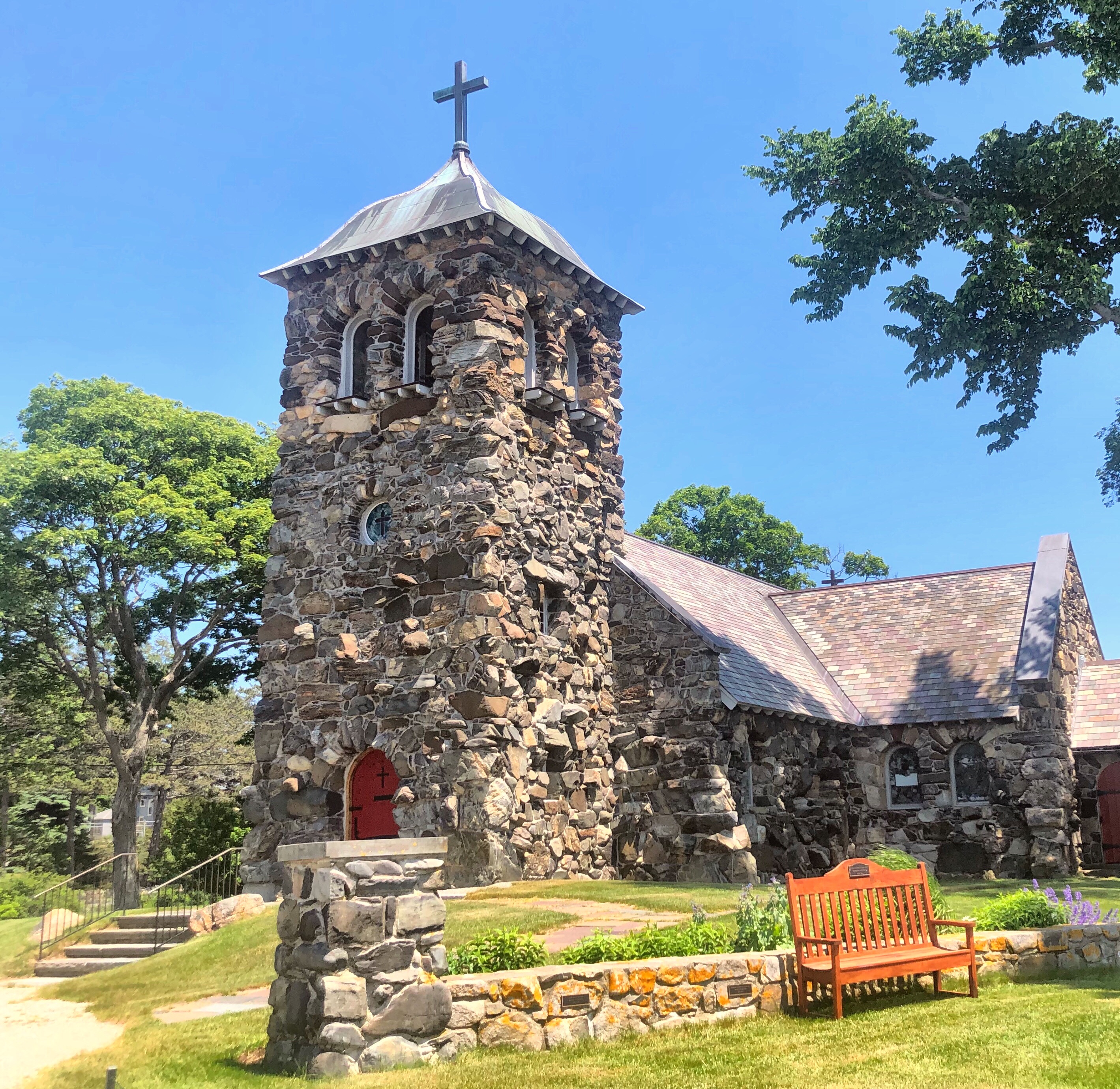
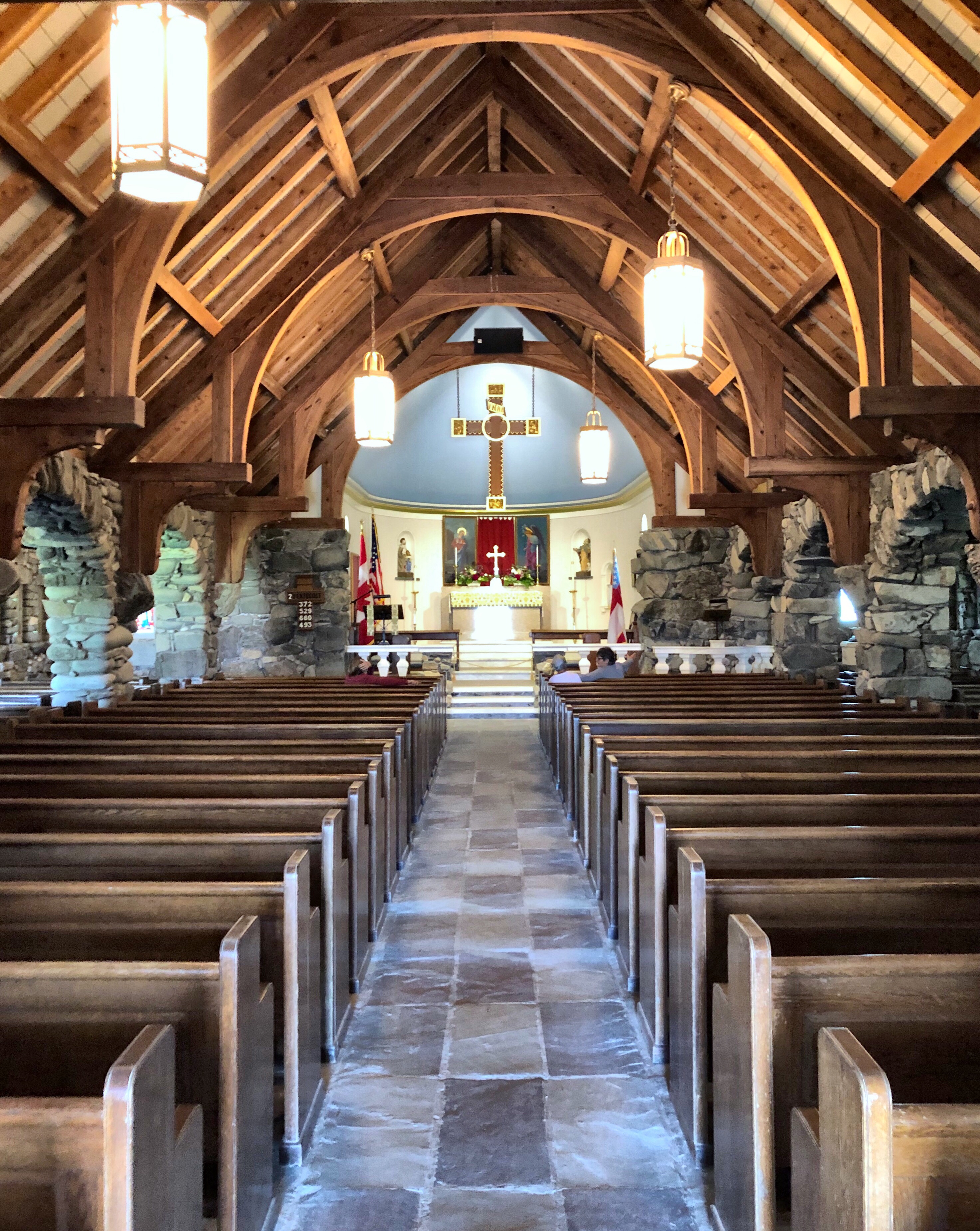
Saint Ann’s by-the-Sea Episcopal Church in Kennebunkport is possibly my favorite building in the seaside town. As the Cape Arundel summer colony of Kennebunkport was rapidly developing in the 1880s, summer residents needed a place to worship and sought an appropriate location close to their mansions. Boston architect Henry Paston Clark sketched up some conceptual drawings for a stone chapel pro-bono as he already had active commissions in the town and summered there himself. Funds were raised and the current site was donated by the Kennebunkport Seashore Company, who developed the neighborhood. The cornerstone was laid on August 22, 1887. Five years later construction was completed, and the church was debt-free. The large sea-washed stones were hoisted and dragged to the church site during the winter of 1886-1887, and work on the building began May 27, 1887. The same sea-washed stones that grace the building’s exterior were also used for the interior of the church and sacristy. The roof over the central part of the church (the nave) is framed with hard pine hammer beam trusses and the floor is cleft slate.