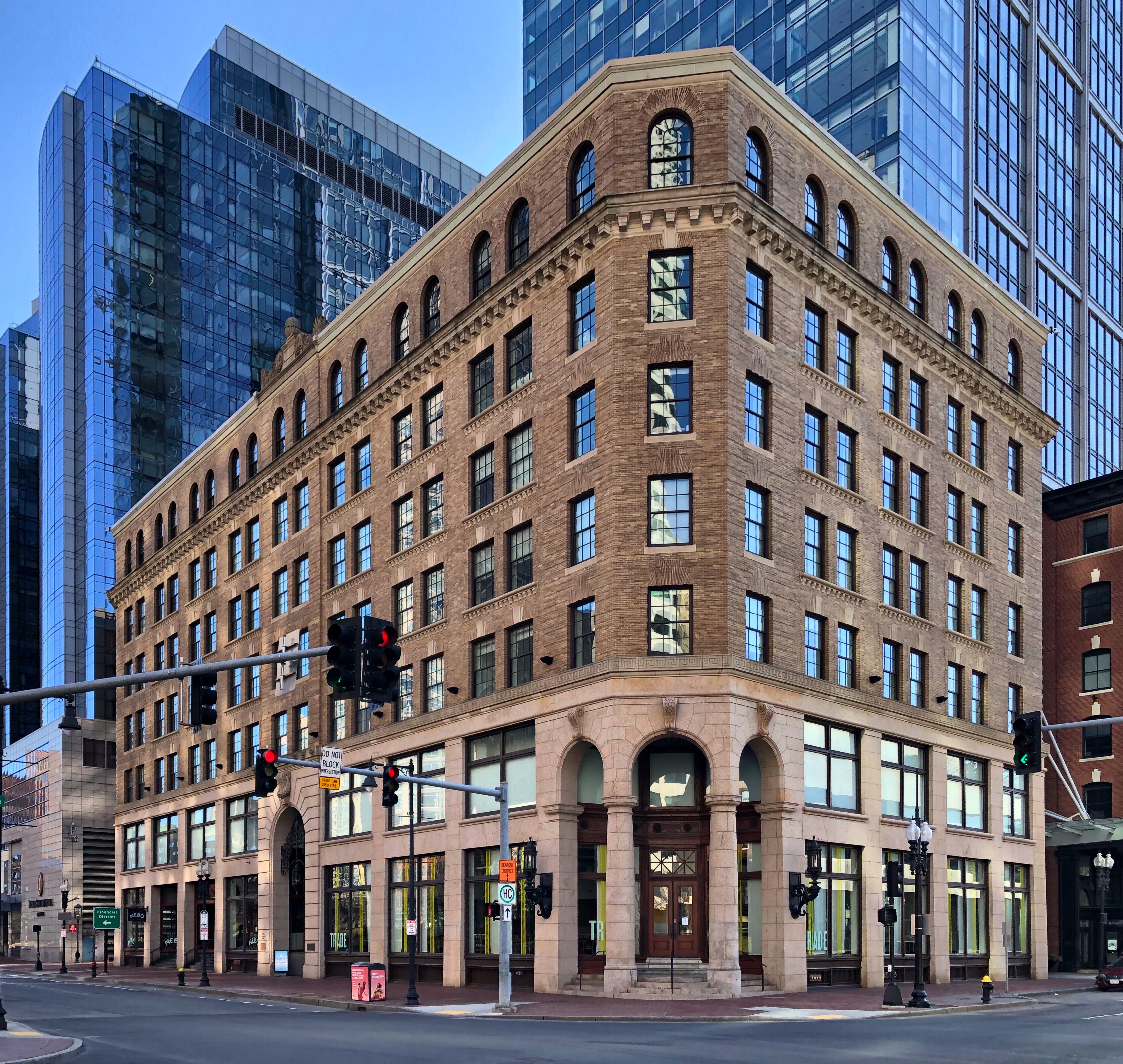
Russia Building // 1897

After the Great Fire of 1872 burned a large portion of Downtown Boston and destroyed the Russia Wharf structures on Atlantic Ave, the city decided to extend Congress St. over the wharf and across a new bridge connecting Downtown to areas being filled in South Boston (now Seaport). The wharf was the center of Boston’s trade with Russia in the late 18th and early 19th centuries. The original wharf buildings were destroyed in the Great Boston Fire of 1872, and the land area was extended by building over the wharf and filling the spaces surrounding it. Three new Russia Wharf buildings were built on the original site of Russia Wharf, near where the Boston Tea Party took place in 1773. Permits were issued in 1897 for the Russia Building and its two neighbors facing Congress St. Opening in 1898, the principle occupant of the Russia Building (seen here) was the Library Bureau, manufacturers of the “Perfected Card System,” library and office Supplies, with branches in other major cities. The buildings were designed by the renowned firm of Peabody and Stearns, who were VERY busy at the end of the 19th and early 20th centuries around Boston.
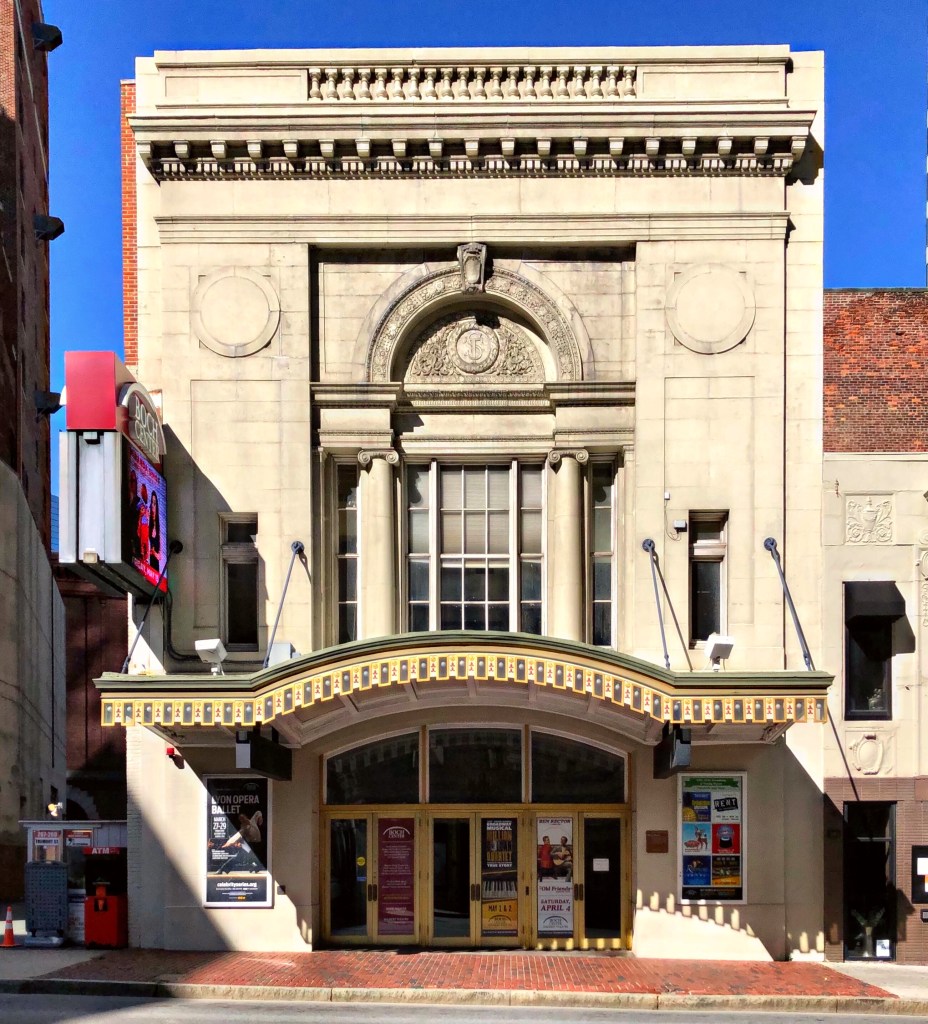
Shubert Theater // 1908

One of the many iconic theaters on Theater Row in Downtown Boston, the Shubert Theater packs a punch for one of its size. Designed in 1908 and originally named the Lyric Theatre, the theatre was built for live performances. The theatre was named in 1910 after Sam S. Shubert, known as the founder of the independent theatre movement. Shubert was the oldest of three brothers and the first to become involved in theatre management in the 1880’s. At the age of just 26, Sam Shubert died due to a train wreck in 1905, and his brothers Lee and Jacob went on to continue their brother’s empire, which included theatres in Boston, New York and Chicago, which operates after their deaths as the Shubert Organization. In February 1996, the Wang Center signed a 40-year lease agreement to operate the theatre with the Shubert Organization, which continues to own the building and property; the theatre reopened after renovation in November 1996. The Boch family became the namesake of the center in 2016, making the full name of the theatre the Shubert Theatre at the Boch Center.

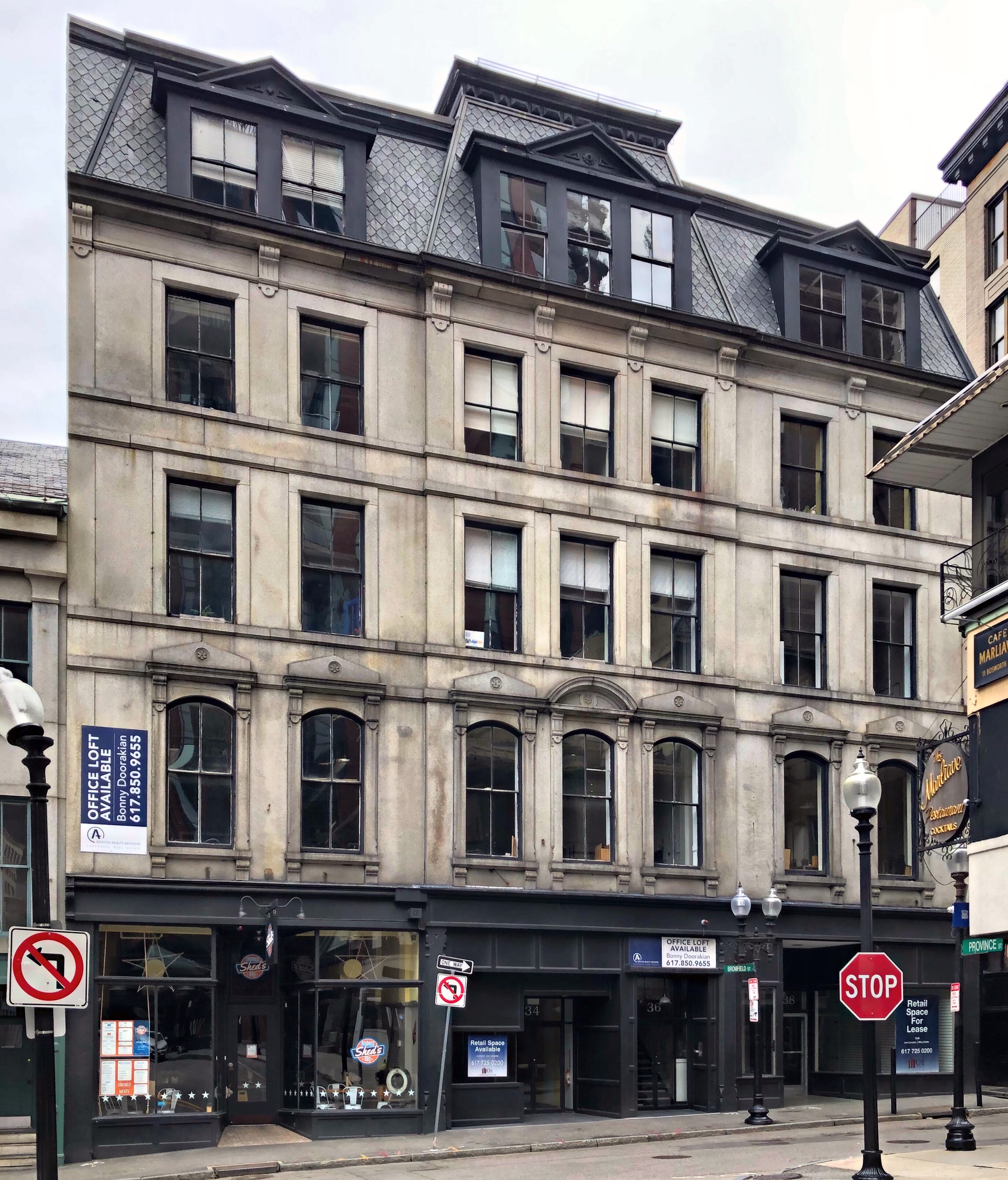
Wesleyan Building // 1870

Located between the heavily-trafficked streets of Tremont and Washington Streets in Downtown Boston, you’ll find the Wesleyan Building, centered on Bromfield Street. Constructed in 1870, the Second Empire commercial building was designed by the architectural firm (and brothers) of Billings & Billings, who designed College Hall at Wellesley College just four years later. The five-story granite-clad structure features neo-Grecian detailing and a mansard roof, showcasing the waning popularity of the Second Empire style by the 1870s. The building was constructed adjacent to the Bromfield Street Methodist Church (demolished around 1913) and housed the offices of the Wesleyan Association, which published the newspaper ‘Zion’s Herald‘, a Methodist publication. The building was also occupied by the Emerson College of Oratory by 1890, which later became Emerson College.

Reuben Nickerson House // c.1835

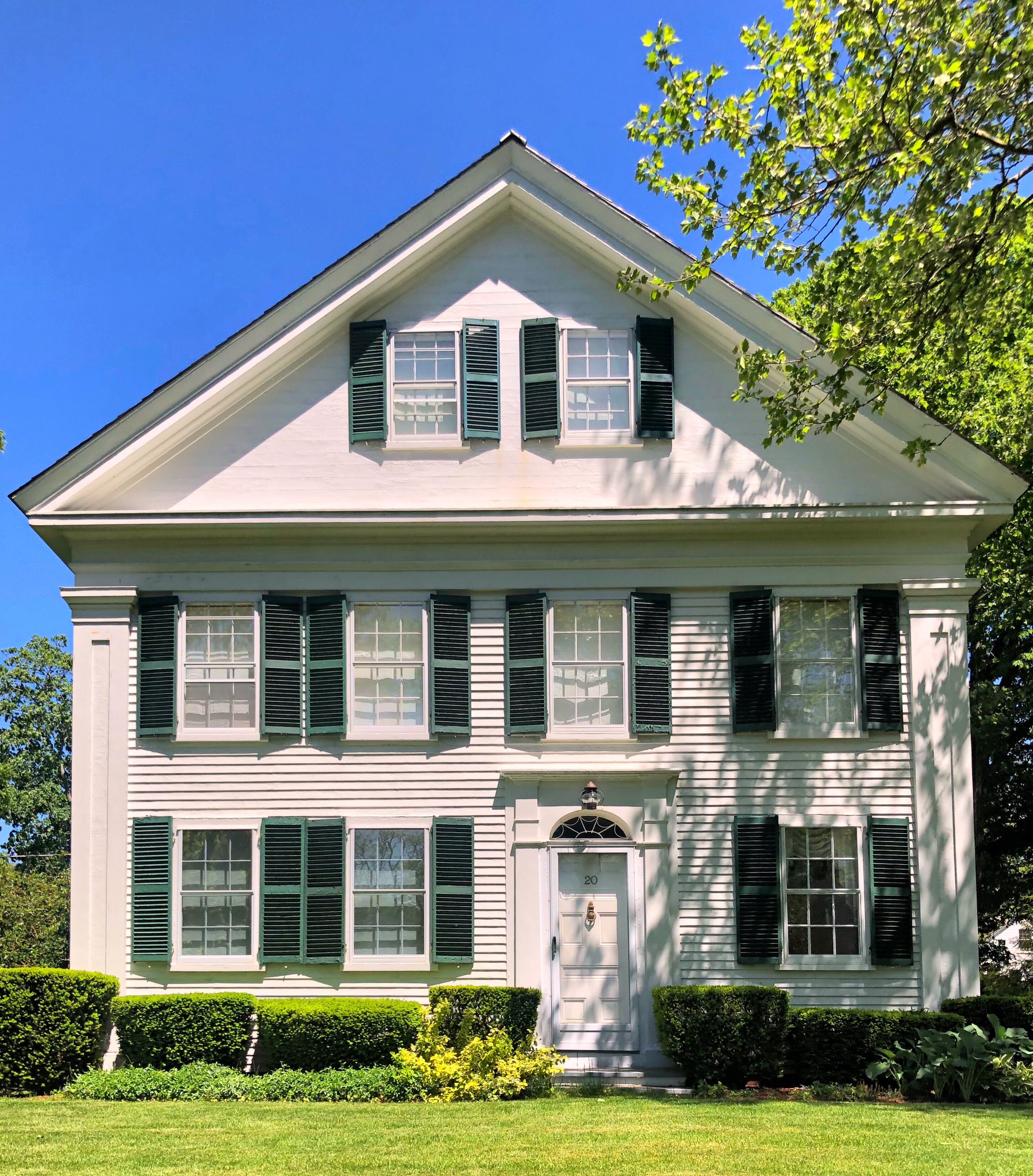
The gorgeous Reuben Nickerson House on Bridge Road in Eastham is an excellent example of a transitional Greek Revival home with hold-over features of the Federal style. Reuben Nickerson was born in 1814 on Cape Cod and worked as a farmer and saltmaker, he later served as a senator, school committee member, and representative. He was married twice; first to Elizabeth Doane who died in 1849, and he remarried Elizabeth’s sister Sarah Doane just a year later. By the 20th century, the home was operated by descendants of Reuben as a funeral home and residence. After WWII, the home was a bed and breakfast and has since been reverted to a single family home. Detail on the home includes: wide, paneled pilasters, boxed, molded cornice, a pedimented gable, a 2-part wide frieze, and a fanlight at the entrance.

Nauset Coast Guard Station // 1936

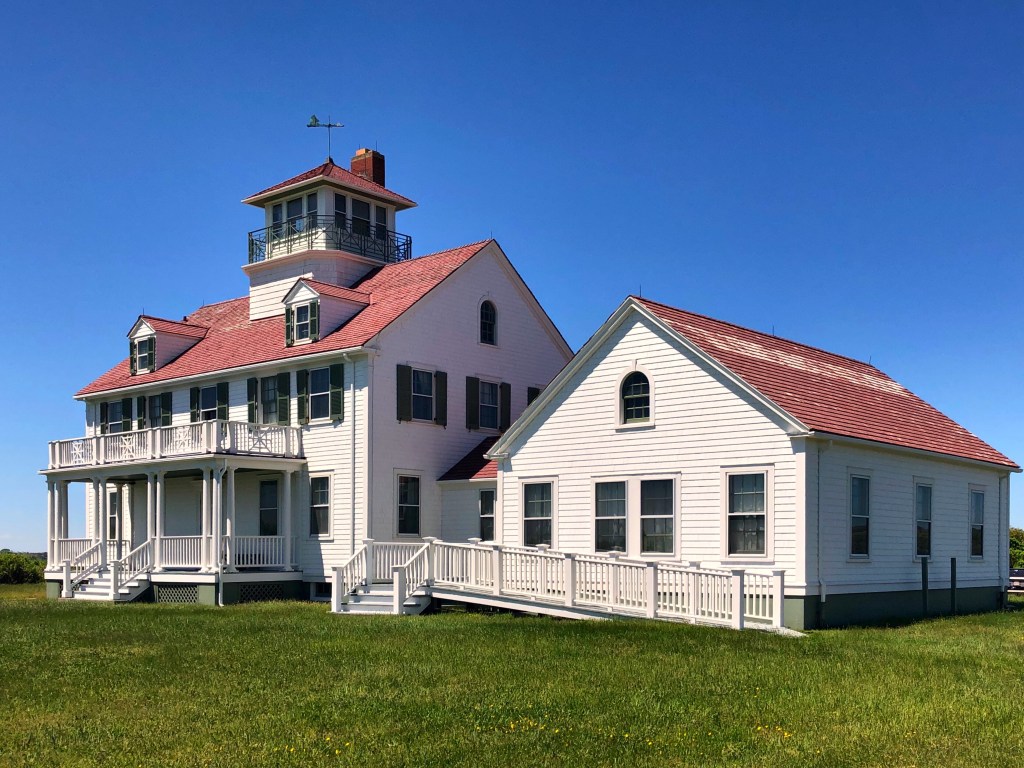
Located at one of my favorite beaches in New England, the aptly named Coast Guard Beach, the Nauset Coast Guard Station is an imposing Colonial Revival structure perched upon the bluffs providing sweeping views of the shoreline. The Nauset Coast Guard Station was built in 1936 to replace a late nineteenth century Coast Guard Station which had stood further eastward and north, on land which has been eroded away by the ocean. The present structure was reportedly commissioned after Secretary of the Treasury Henry Morganthau Jr. and his fellow picnickers were driven in 1935 by a summer thunderstorm to seek shelter in the old and antiquated Coast Guard Station, built after the Civil War. Construction of the new station was authorized several weeks after this incident as Morganthau, who spent summers on Cape Cod, took a personal interest in the building’s construction, visiting the site during the summer of 1936.

This area of beaches has had a tradition of assistance to shipwrecked sailors. In 1802, the country’s first all volunteer life saving organization, the Massachusetts Humane Society, erected a hut on this beach. It was replaced by a larger one in 1855 and by the Nauset Life Saving Station in 1872. The building was added on to and moved twice before it was replaced by the present structure in 1936. The building was occupied by the Coast Guard as a station until 1958. It now is home to an education center as part of the Cape Cod National Seashore.

Eastham Windmill // 1793

Built in 1793, the Eastham Windmill on the old Town Green is the oldest workable gristmill on Cape Cod. Typical of Cape Cod, Eastham’s windmill is an octagonal , “hat and smock” or Flemish design in which the revolving top or hat can be rotated to direct the sails into the wind. Local historians contend that Thomas Paine, a noted early millwright and resident of Eastham, most likely built the Eastham Windmill in the late eighteenth century. Some sources state that the windmill was likely built in Plymouth and later moved to Truro and eventually to Eastham in 1793. In 1895, the women of the Village Improvement Society raised money to purchase the windmill and two adjoining properties from private ownership for $ 113.50. Around the turn of the twentieth century, the windmill became a local tourist attraction and the subject of postcards and souvenirs. The windmill is now the main attraction of the annual Eastham Windmill Weekend.

Knowles Doane House // 1765

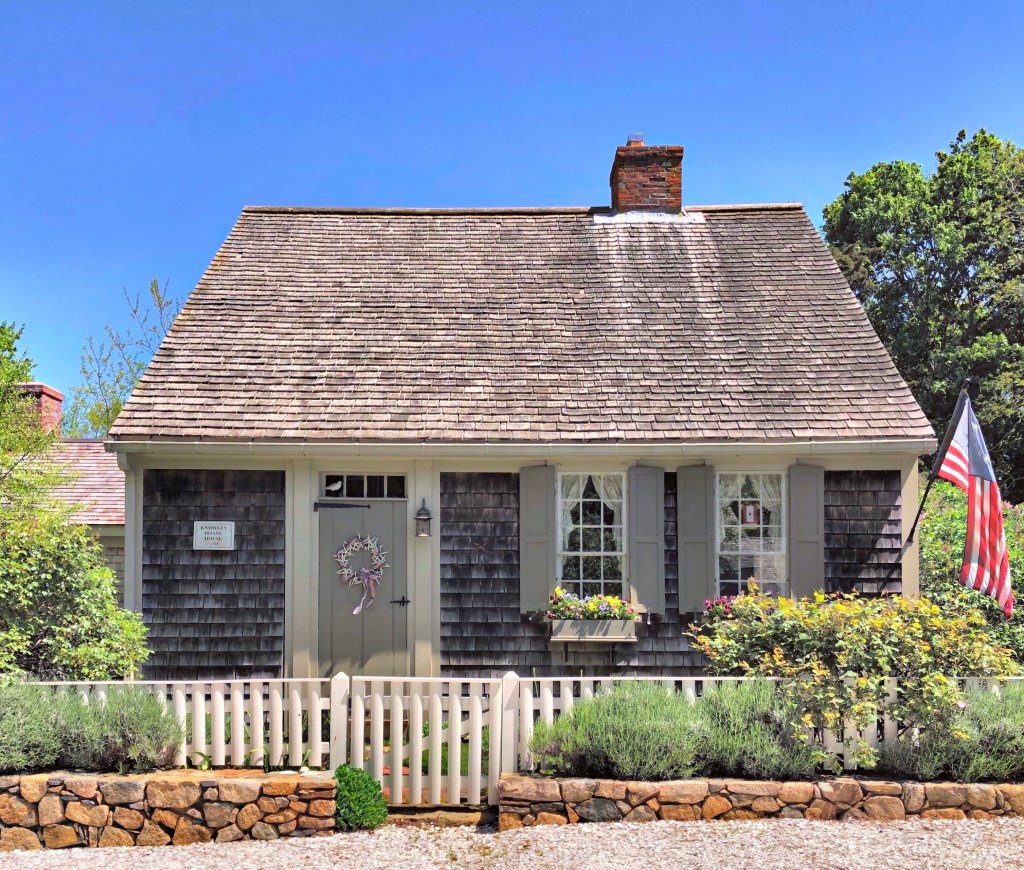
The gorgeous half-cape Knowles Doane House in Eastham is an early example of a traditional Cape home that are synonymous with the peninsula. The modest house features an off-center entry with a solid wood door with a transom above. Clad with wood shingle siding and roofing, the home screams “Cape Cod”. The large central chimney would have provided warmth inside the home during the harsh winter months. The home was likely built for a member of the Doane Family, whos patriarch, John Doane, arrived to Plymouth Colony by 1632. The family eventually settled in Eastham and participated in fishing, whaling and agriculture. By the early 1800s, the home was occupied by Knowles Doane.

Eastham Public Library // 1897

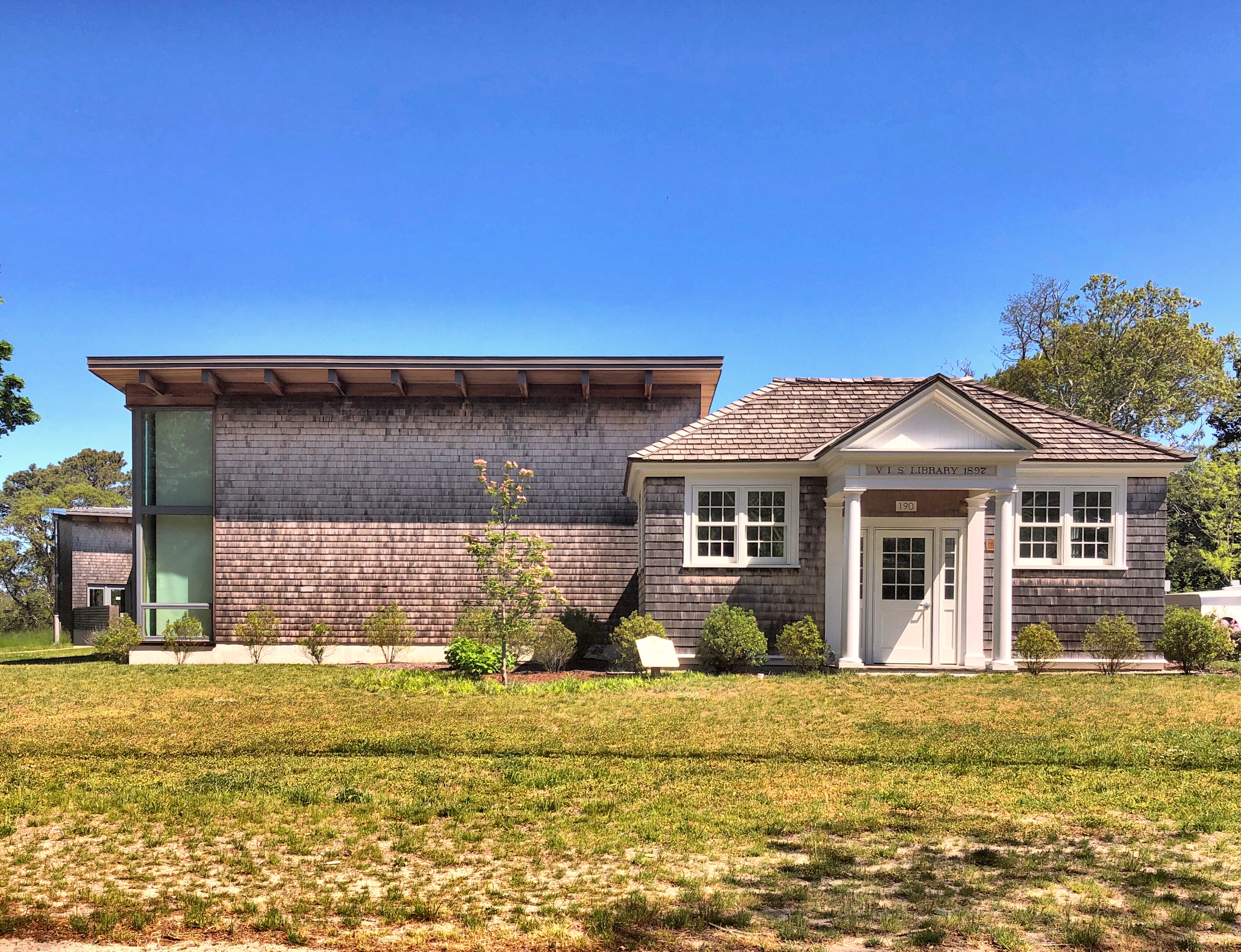
Built in 1897, the ever-charming Eastham Public Library has served the town for over 100 years, constantly adapting and growing to meet the needs of the community. Originally constructed as a one-room hipped-roof shingled library building, the tiny space was appropriate for the town of just 500 people in 1900. By the 1960s, the rear ell was replaced with a large addition, effectively quadrupling the square footage of the library, but keeping the original structure intact. The 1960s addition was eventually deemed insufficient and was replaced in 2016 with the gorgeous modern addition by Oudens-Ello Architecture of Boston. The addition compliments the quaint one-room original structure with the use of materials, yet clearly distinguishes itself as 21st century design.

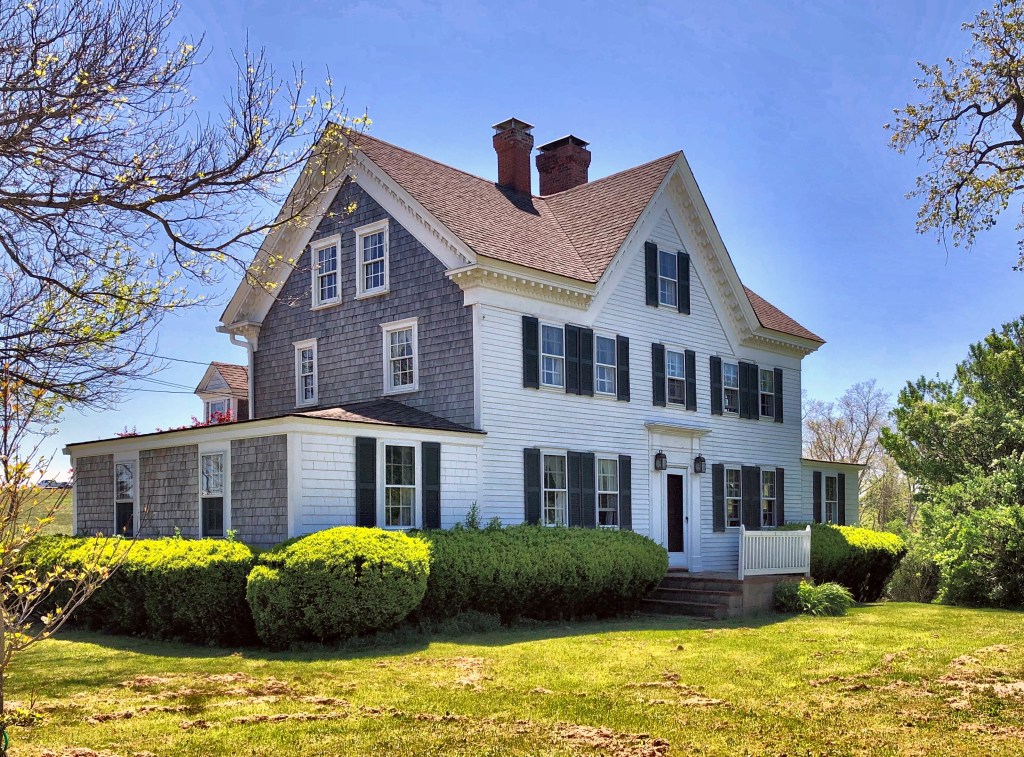
Knowles House // c.1820

Located just a stones throw from the Penniman House, the c. 1780 Knowles House stands at the historic end point of Fort Hill Road. Accounts differ on its history. Some sources explain the home was built in c.1790 by Seth Knowles (who died in 1787) a prominent citizen of Charlestown, Mass., and one of the original members of the Bunker Hill Monument Association and of its board of directors. From my research, the home appears to have been built for Thomas Knowles, Seth’s son, and was later willed to his son, also named Thomas. Thomas Knowles Jr., was born in 1803, in Eastham, and in early life settled at New Bedford, engaging in the whale fishery industry. Deed research would be required to find out more. The gorgeous Federal home features a large, center cross gable with dentils at the cornice.

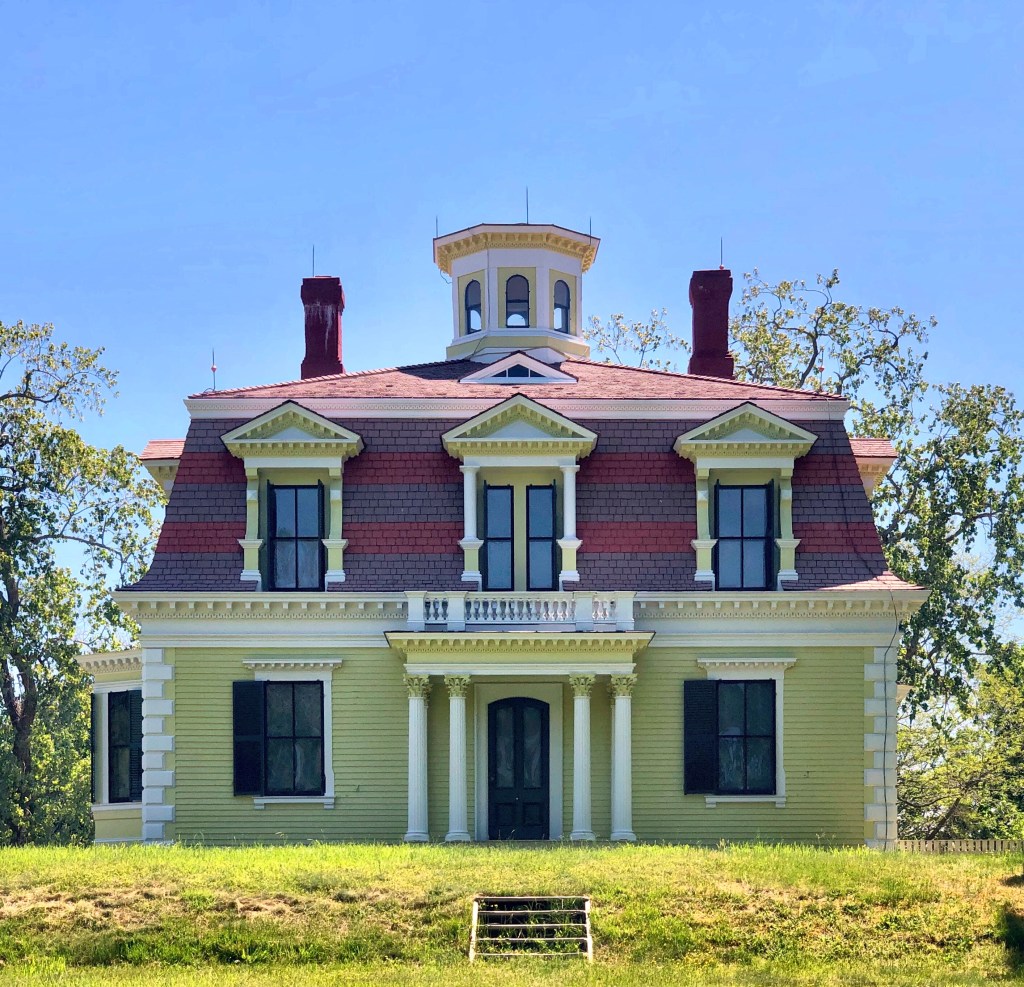
Captain Edward Penniman House // 1868

The Edward Penniman House is the finest example of Second Empire style in Eastham, and is one of the finest examples of this architectural style on Cape Cod. The grand home was designed and occupied in 1868 for Edward Penniman (1831-1913), one of the most successful whaling captains in New England.

Born in 1831 in Eastham, Edward Penniman set sail for the first time at age 11. The voyage was to the dangerous and unpredictable waters of the Grand Banks, a rich fishing ground off the coast of Canada’s Newfoundland. Nantucket had a flourishing whaling industry as early as the late 1600s, but it was New Bedford with its deep water harbor and railway system that would become New England’s whaling capital. In 1852 at the age of 21, Penniman would journey to New Bedford and sign on to his first whaling expedition. Later when Penniman became a captain he would select New Bedford as his home port setting sail seven times to hunt whales.

With whale over-harvested in the Atlantic along the shores of New England, whalers were forced to go further and further from home to hunt. Whaling expeditions often spanned three or four years, and it was not uncommon for wives and families of ship captains to go along on the trip. Penniman’s wife, Betsy Augusta Penniman, called “Gustie” by her husband, went on three such voyages often assisting with navigation and other shipboard matters. In addition, each of the three Penniman children accompanied their parents on various journeys with eldest son Eugene eventually becoming a whaling captain himself.

After the Captain’s death in 1913, Mrs. Penniman and their daughter, Betsey, continued to live in the home. Mrs. Penniman’s died in 1921. Betsey Penniman, who never married, stayed around and raised her niece, Irma. Upon Betsey’s death in 1957, the home was left to Irma Penniman Broun. Irma and her husband sold the house with twelve acres to the National Park Service in 1963 when the Cape Cod National Seashore was formed.