Henry Forbes Bigelow House // 1916

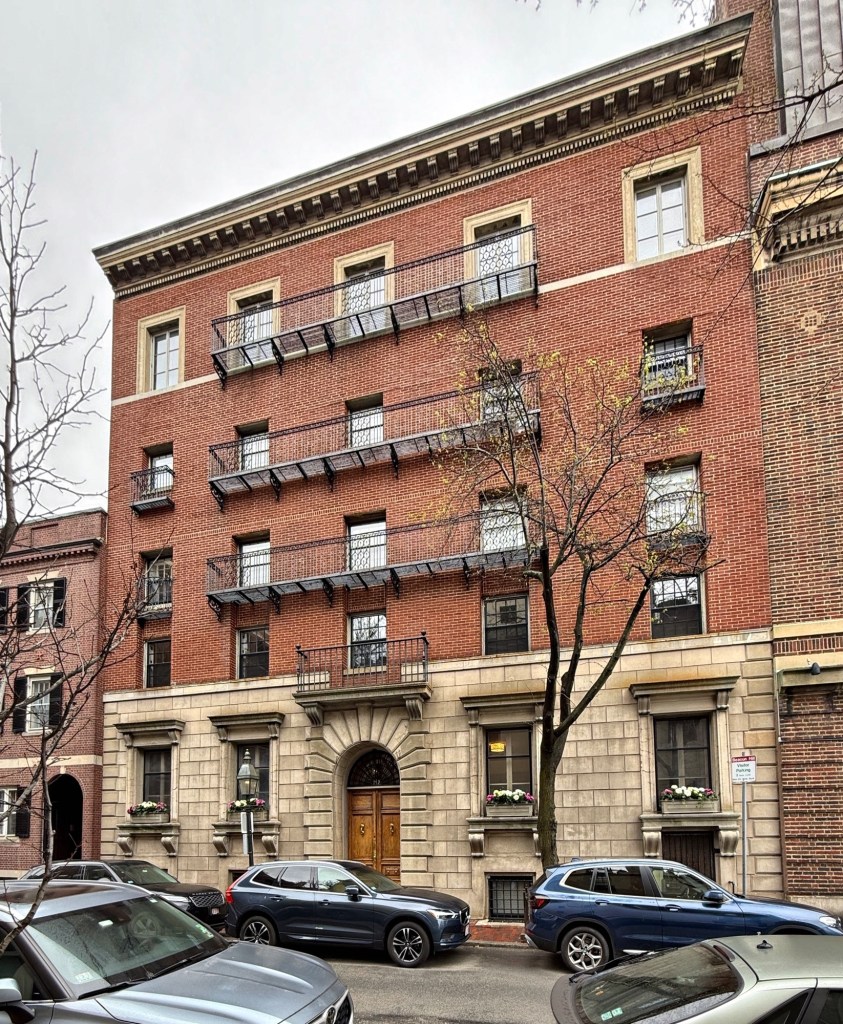
This massive five-story, five-bay building at 142 Chestnut Street on the Flat of Beacon Hill is today, an 11-unit condominium building, but it was originally built as a single-family home, designed by a prominent Boston architect as his own residence. Henry Forbes Bigelow (1867-1929) was born in Clinton, Massachusetts and graduated from the Massachusetts Institute of Technology in 1888. He was hired by the firm of Winslow & Wetherill and soon became a partner of the same firm, which changed its name to Winslow, Wetherill and Bigelow. The firm designed many commercial buildings, hotels, stately mansions, and academic buildings in the New England area. Henry F. Bigelow purchased a two-story stable and cleared the site to erect his home in 1915-1916. This building remained his primary residence until his death in 1929. After his death, the Bigelow heirs sold the Chestnut Street mansion to Bernard Brooker, President and Treasurer of the Building Finishing Corporation, a real estate development company, who converted the building into apartments, which were later converted again into the 11 condominium units. The handsome structure could be classified as Renaissance Revival in style with its cubic form, recessed central entrance, cornice-like window headers, limestone base and entry, iron balconies, and corbeled cornice. The building was designed with an enclosed courtyard with fountains, which today, provide a private space for residents.

Eben S. Draper Mansion // 1926

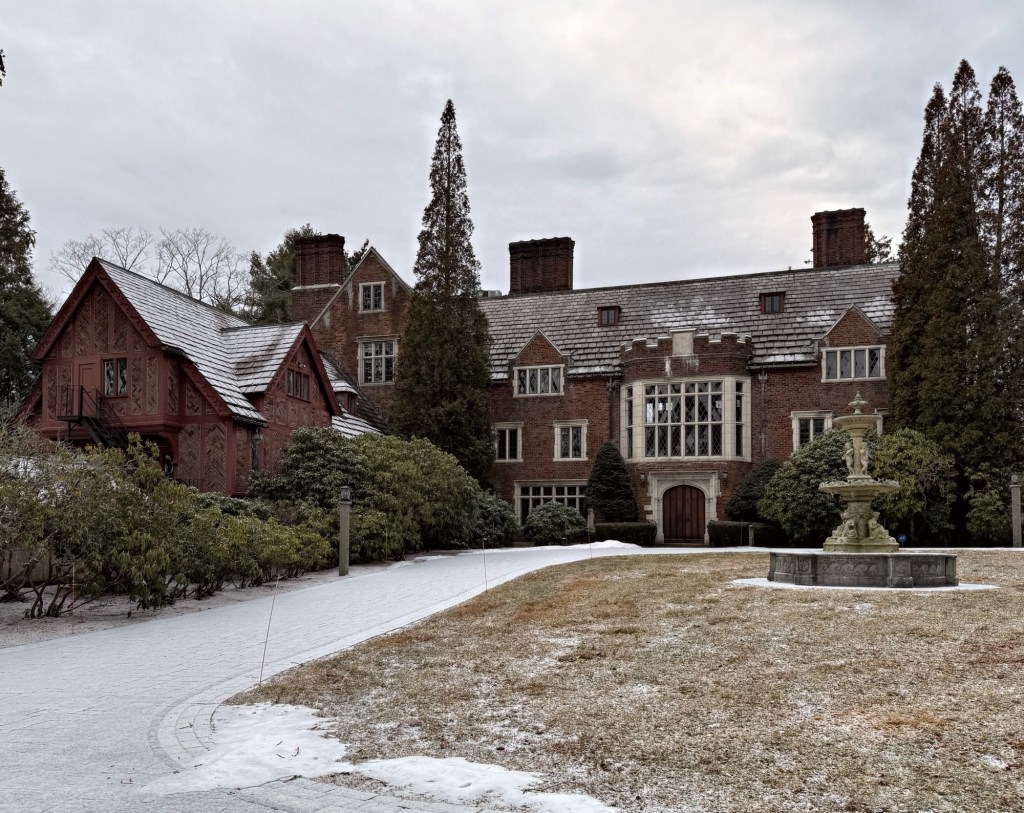
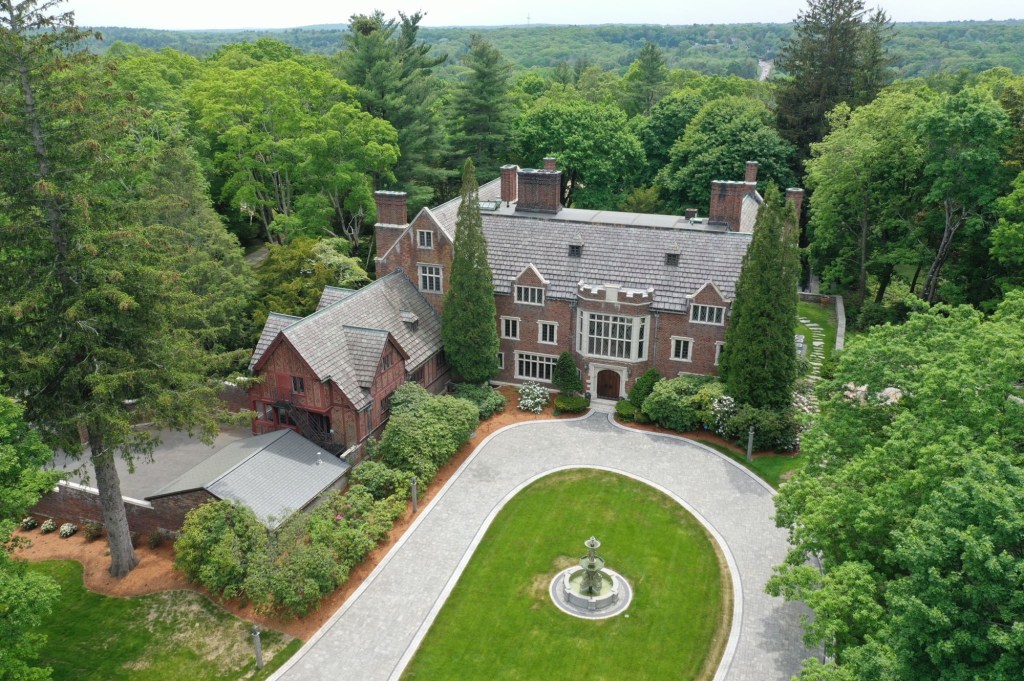
Built in 1926 for Eben Sumner Draper Jr. (1893-1959), the son of Massachusetts Governor and Draper Corporation executive, Eben Sumner Draper, this massive Tudor Revival style mansion in Hopedale, provided a secluded country estate for the wealthy industrialist. The home was designed in 1926 by Boston architects Bigelow & Wadsworth, and replaced Eben’s father’s Shingle style country mansion “The Ledges“. The new Draper mansion was highlighted in numerous architectural magazines shortly after it’s construction, which highlighted the amazing brickwork, layout, and interior finishes, all of which remain to today! This spectacular home is over 14,000 square feet and has 17 bedrooms, several located in the staff wing, 10 full-baths and four half-baths, an in-ground swimming pool, gazebo, tennis court, and landscape design attributed to the notable landscape architect Warren Manning. In the 1960s, the home sold out of the family and was used as a home for adults living with developmental disabilities, mental illnesses, physical disabilities, the facility has since sold the Draper mansion and occupies the former carriage house on the grounds.

Wilder Mansion // c.1738

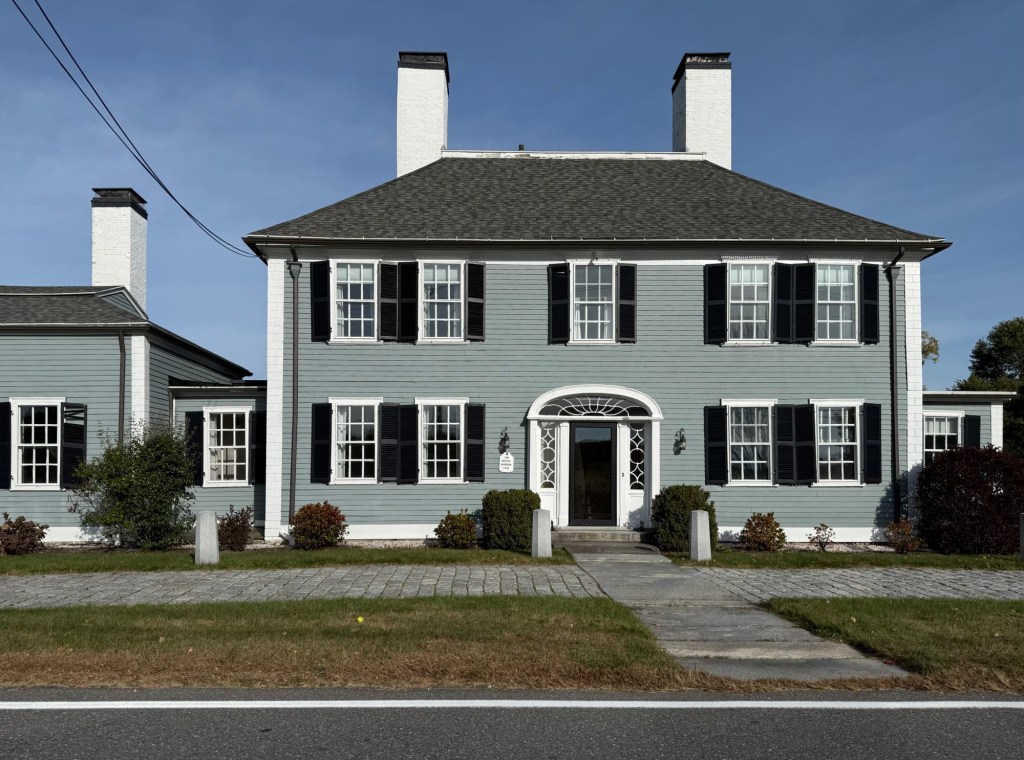
The Wilder Mansion at 101 Wilder Road in Bolton, Massachusetts, was built in about 1738 as an early Georgian farmhouse by Josiah Richardson, a Revolutionary War veteran who died in the home in 1799. By 1814, Sampson Vryling Stoddard Wilder purchased the property and “modernized” the old farmhouse which due to its location along the Bay Path, a major east-west route from Lancaster to Boston, operated it as an inn and tavern. Mr. Wilder expanded the property, purchasing additional nearby farmland to create a country seat worthy of a wealthy agent for some of the most influential merchants in the shipping trade in Boston. During his tour of the United States in 1824, Marquis de Lafayette spent the night here on September 2nd between visits to Boston and Lancaster. Sampson V. S. Wilder lost the property following economic crises, and the property changed hands many times until the early 20th century. Stockbroker John L . Saltonstall (1878-1929), first cousin to Massachusetts Governor Leverett Saltonstall, hired Boston architects Bigelow & Wadsworth in 1910, to return the house to a more Colonial appearance. He and his family were apparently only summer residents here, and he was probably absent for a long period during the First World War, when he worked with the Navy and the War Trade Board in Washington, D.C. In about 1915, he sold the property, and in the early 1920’s he relocated to Topsfield, Mass. After WWI, the house had a series of short-term owners, one of which was Henry Forbes Bigelow, who designed the renovation of the house just years prior. Bigelow would later relocate to a new summer house nearby in Lancaster.