Hotel Mellen // 1894

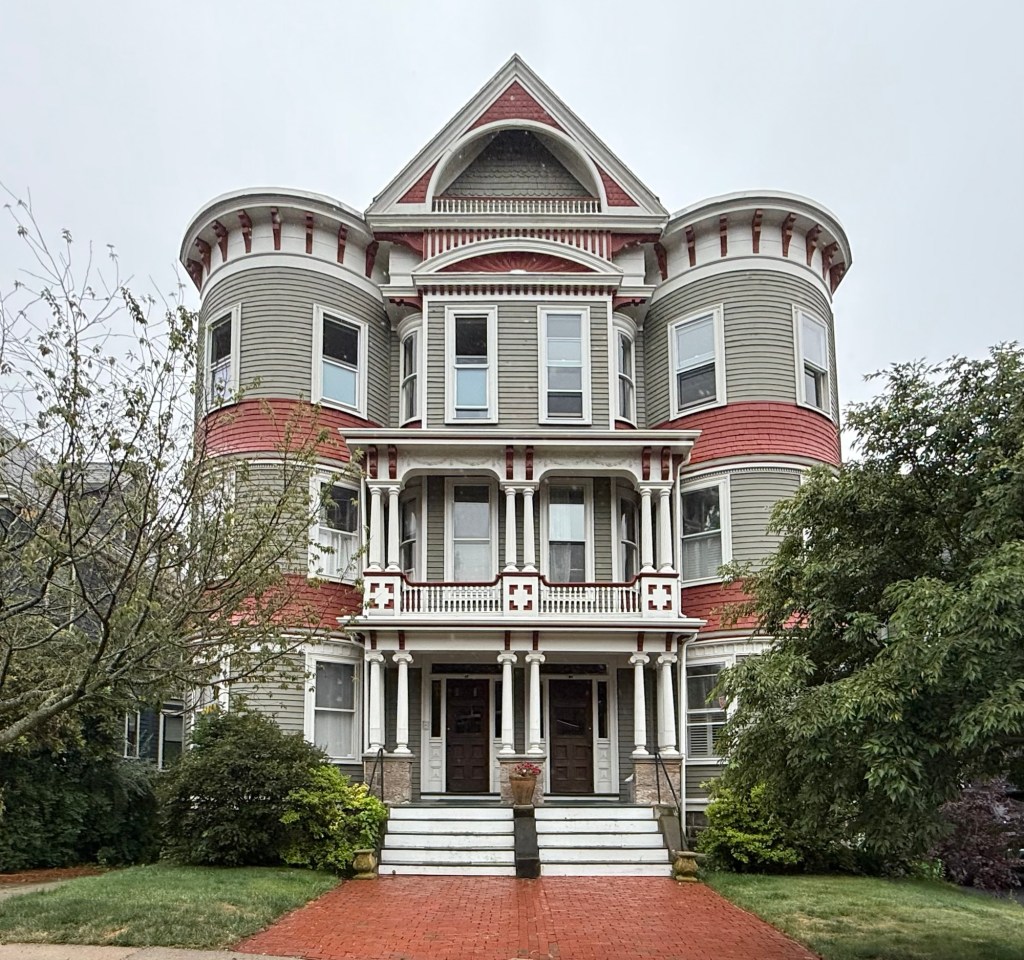
While Ashmont Hill in Dorchester is known for large, single-family Victorian houses, there are a number of grand apartment houses and three-deckers dispersed throughout the area, showing the evolution of housing in desirable neighborhoods in the late 19th and early 20th centuries. This is the Hotel Mellen, located at 18-20 Mellen Street, a multi-family building that architecturally blends in with its surroundings, not like many uninspiring boxes being built all over the region today. The property was developed by Louis Pfingst, a German streetcar designer and mechanic who was also active in the local Dorchester Gentlemen’s Driving Club. The building was designed by local architect Alexander B. Pinkham, who specialized in multi-family housing designs around Boston. The rounded bays, recessed porch in the gable, varied siding, and applied ornament, make the building stand out, while fitting well within its context of surrounding homes.

George Robert White Health Unit No. 2 // 1923

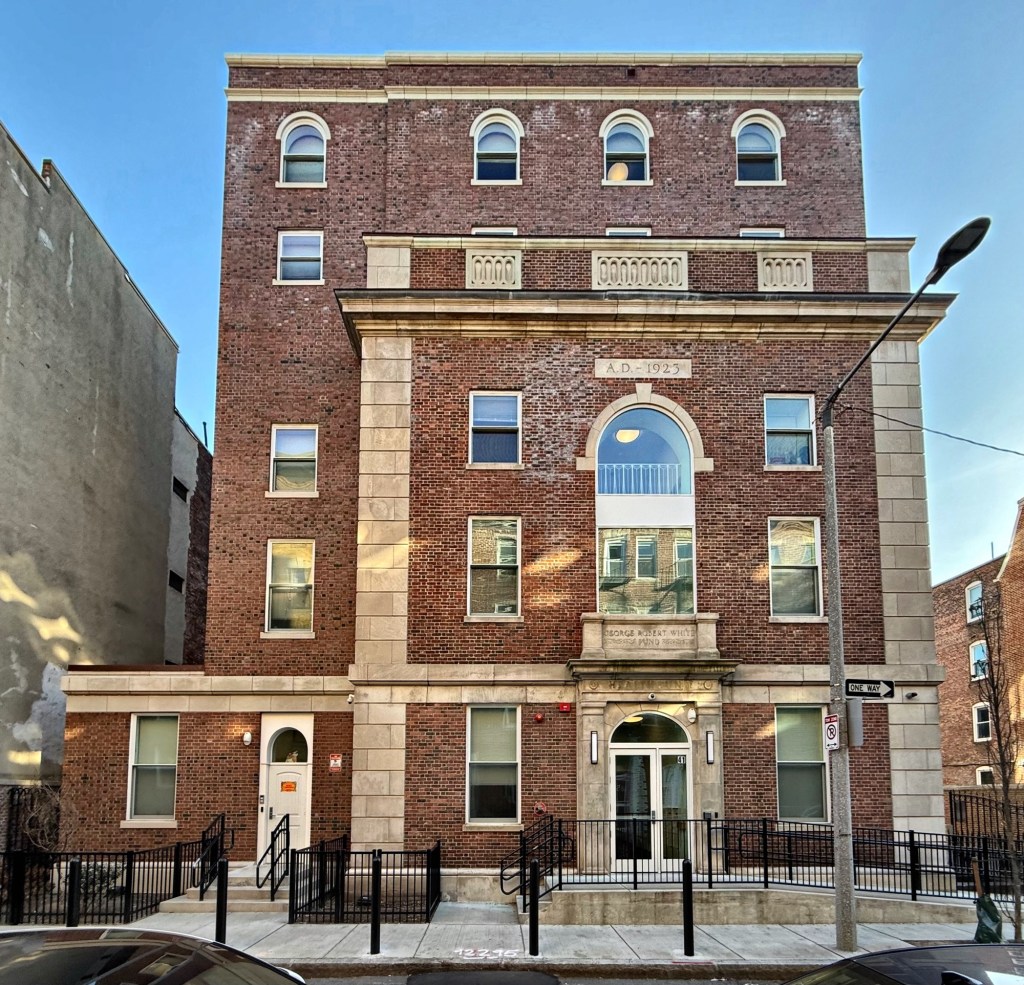
Originally known as the George Robert White Health Unit Number 2, this Colonial Revival style building is located on North Margin Street in the North End of Boston, and is significant as an early health center providing health and education services for some of Boston’s most underserved residents. The building was constructed in 1923 as one of the neighborhood-based health centers built in Boston in the 1920s and early 1930s from funding by the George Robert White charitable trust. George Robert White (1847-1922), a longtime resident of Boston, worked in the office of the Potter Drug and Chemical Company as a boy, eventually becoming president and an owner of the corporation. He was an investor in real estate and reportedly was known for many years as the largest individual taxpayer in Boston. Upon his death, his will specified that his bequest to the city, about $5 million in 1922 (approximately $93 Million valued today), would be held in a permanent charitable fund “to be used for creating public utility and beauty and for the use and enjoyment of the inhabitants of Boston.” The North End Health Unit was the second built (the first was in the West End), and designed in the Colonial Revival style from plans by Coolidge and Shattuck, later known as Coolidge, Shepley, Bulfinch & Abbott. Since the 1970s, the building was occupied by the Knights of Columbus, a fraternal organization, until 2020, when the building was renovated and converted into housing with 23 units for elderly residents.

Longwood Towers // 1925

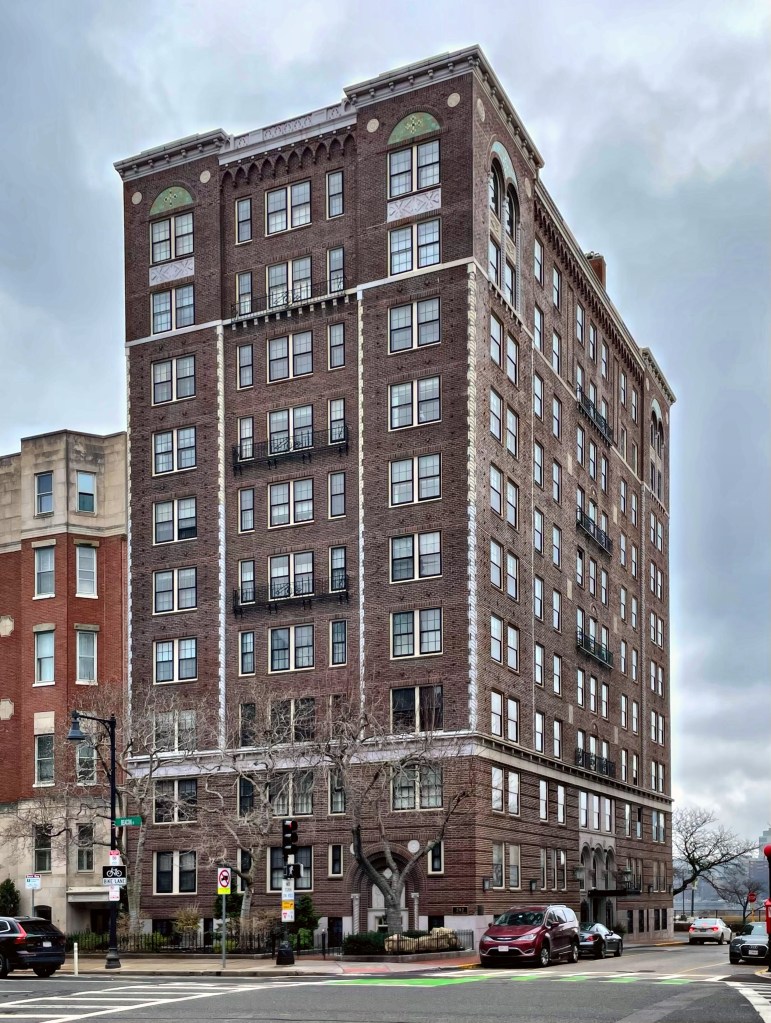
No trip to Longwood in Brookline would be complete without checking in on one of the finest multi-family housing developments of New England… This is Longwood Towers. The development was originally built in 1925 from plans by architectural/engineering firm Kenneth DeVos and Co. who built three near-identical developments in the early 1920s: Detroit (1922)Brookline (1925), and finally Philadelphia (1928). The complexes were all originally called Alden Park Manor. Kenneth DeVos worked with local architects for each project to oversee construction details and furnish interior detailing as needed. For Brookline, he hired Harold Field Kellogg, who earlier served as the first director of the Boston Housing Authority. The design is Tudor Revival in style with towers connected by social spaces and a lobby linking the towers with a dining room for residents, a ballroom, lounge, day care facilities, barber and beauty shops, and a garage. The idea of a parking garage incorporated into an apartment complex was a very new idea when these were built, so much so it was written about as a new amenity for future developments to emulate. Another interesting tidbit about the complex is that it was featured in architectural journals in 1926 as it solved the “garbage problem” with trash chutes on each floor which terminated down in a brick incinerator (no longer in use). The Longwood Towers in Brookline were eyed as innovative and set trends for later developments, here’s to hoping future developers take cues to what makes good design and finishes rather than just profit with so many new boxy, uninspiring 5-over-1 apartment buildings going up all over the region.

282 Beacon Street // 1927

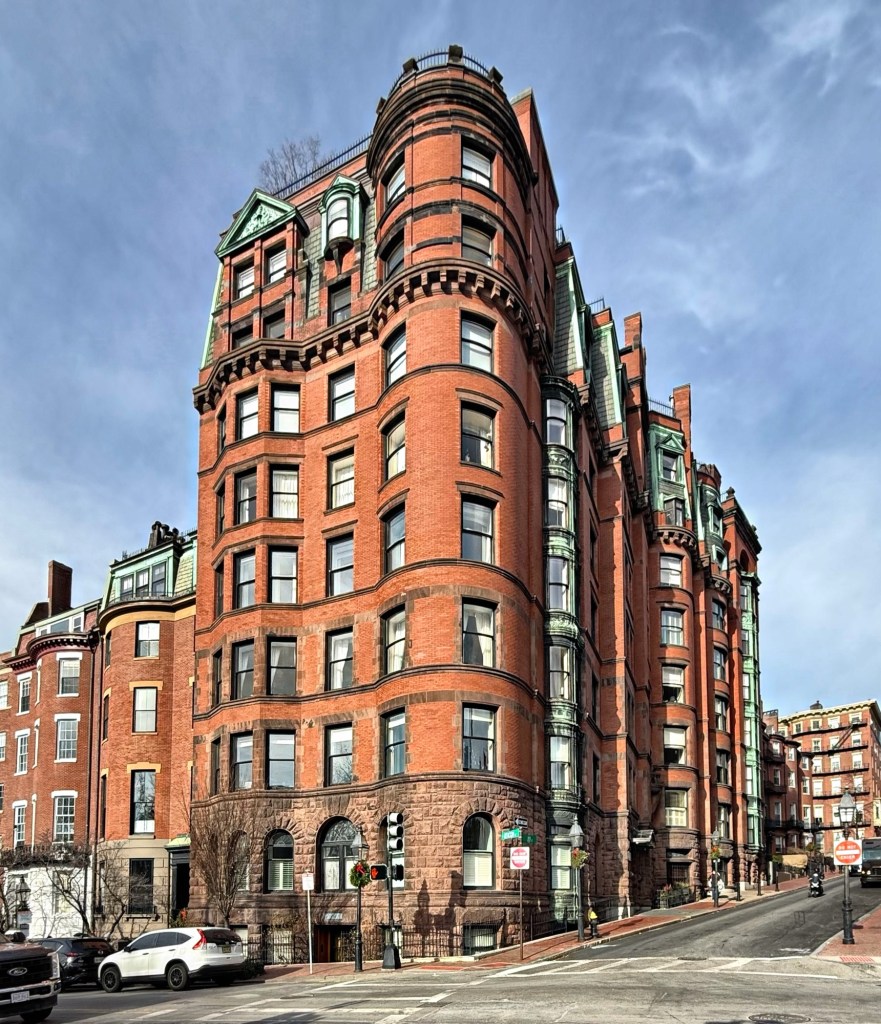
One of the finest apartment-houses in Boston is this towering building at the corner of Beacon and Exeter streets in the Back Bay neighborhood. In 1926, real estate dealers Elliott Henderson and Roger B. Tyler purchased two townhouses on small lots and demolished them for the present structure. They hired the architectural firm of Blackall and Elwell furnished the plans for the 11-story Renaissance Revival style residence which included ten large apartments. The design is unique to the Back Bay with amazing cast stone details at the entries with rounded arch windows, fanciful brickwork, and spiral columns!

Newcastle Court // c.1907

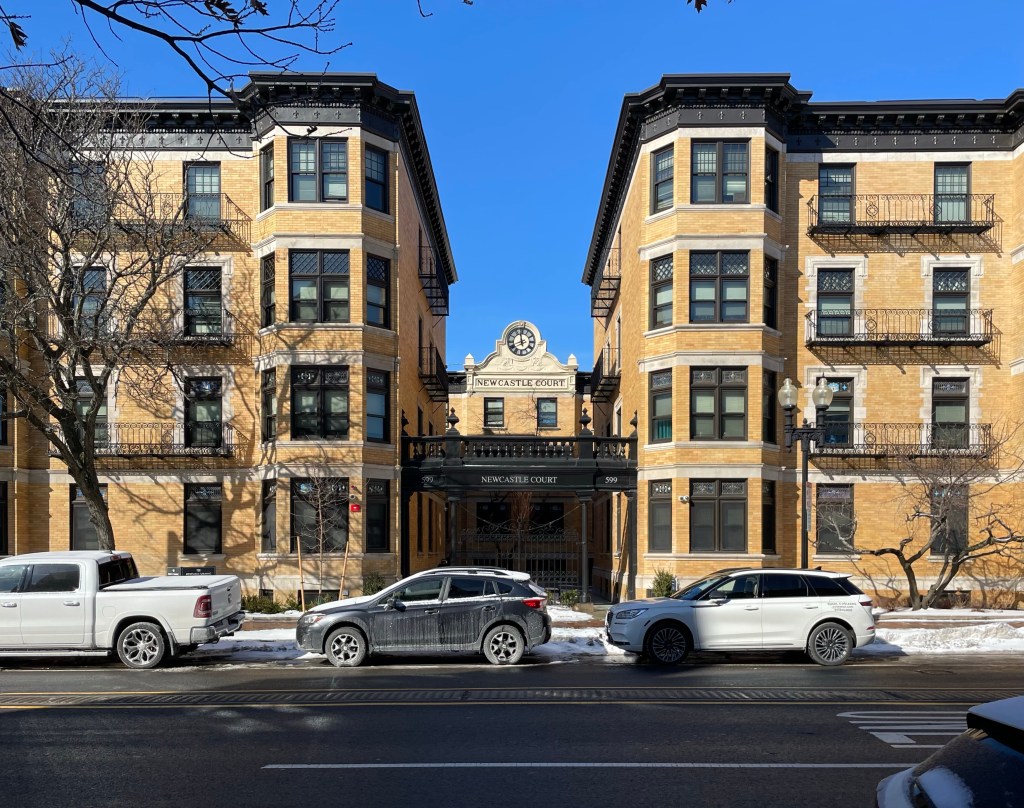
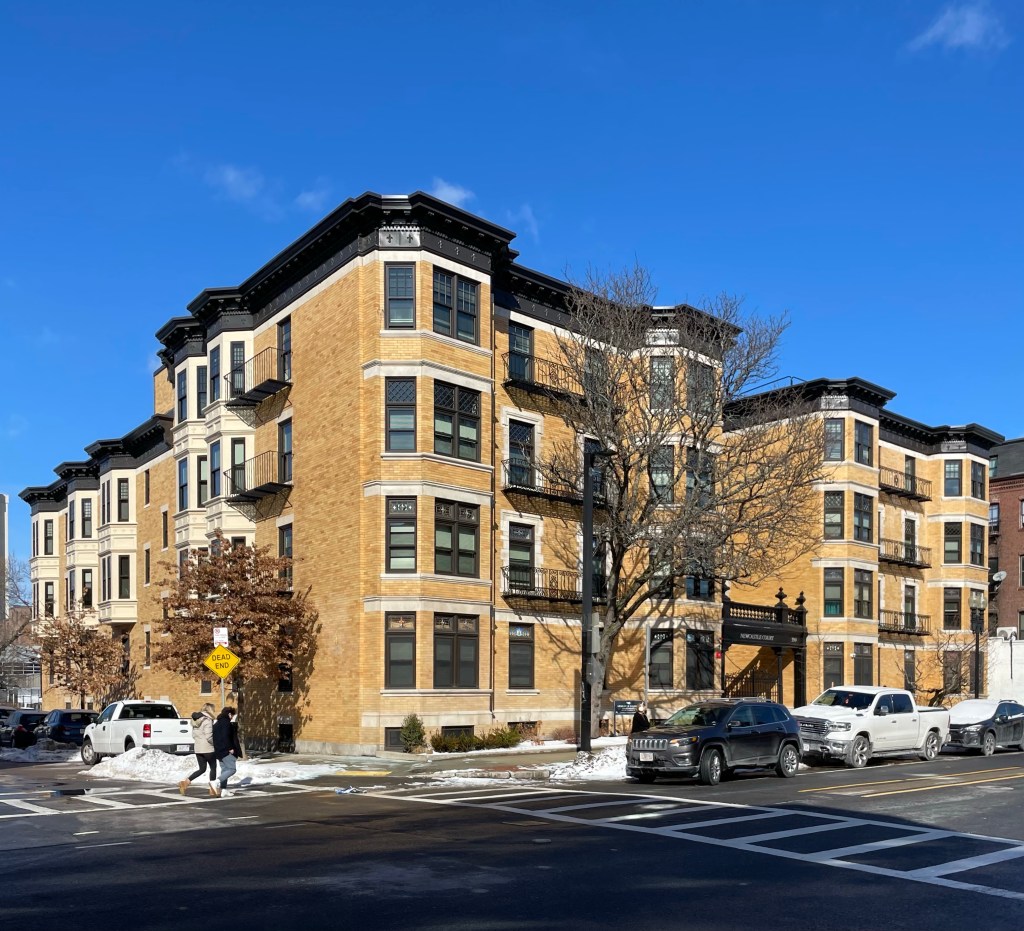
Newcastle Court in Boston’s South End/Lower Roxbury neighborhoods is one of the finest apartment buildings in the city built in the early 20th century. The complex is U-shaped with a central courtyard off Columbus Street, to provide air and natural light in all bedrooms and units of the building. Newcastle Court was built by builder/developer Israel Nesson, who was credited as building the first fireproof apartment building in the city. Nesson and his family built and owned apartment buildings all over Boston and Cambridge, and operated many of them as landlords with massive real estate holdings. Newcastle Court stands out for the garden courtyard set behind the gate. At the back of the courtyard, the building has a raised parapet at the roof, which encompasses a clock. Many of the units retain the original stained glass windows, which are AMAZING!