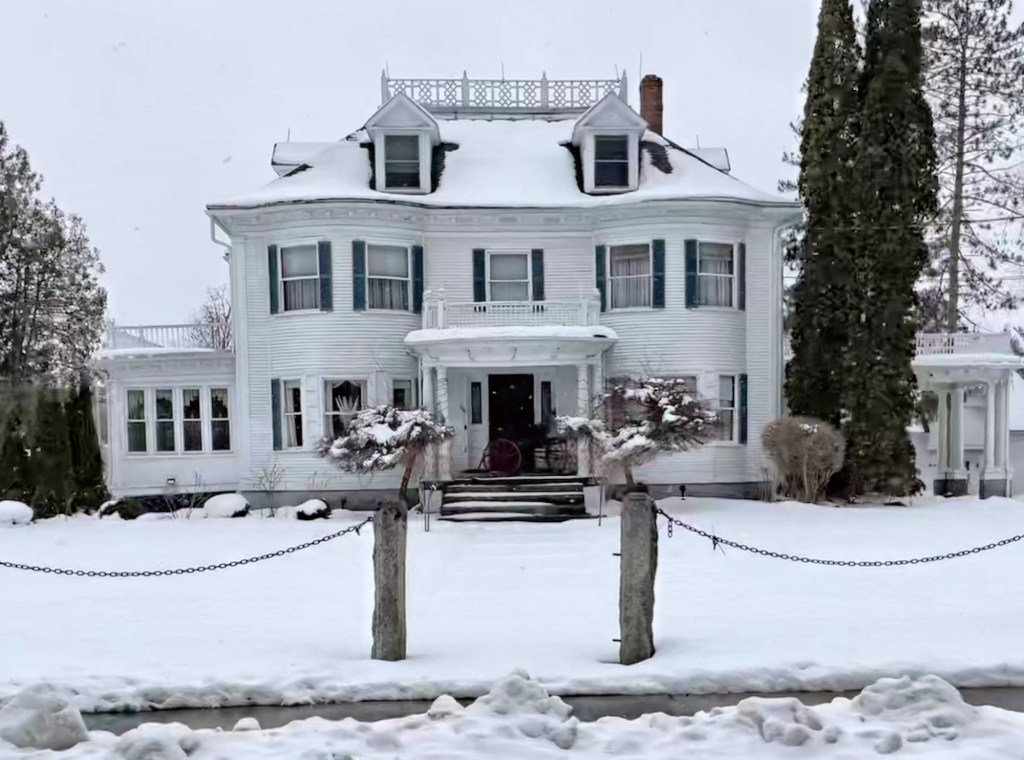
Built for Revolutionary War veteran and local lawyer Benjamin Stiles, this stunning Georgian mansion is unique for its use of brick in construction, a material not too common for some of Southbury’s earliest homes. Local tradition holds that a French engineer in General Rochambeau’s army provided assistance in designing the building, using the metric system, likely on the march from Newport to Yorktown. Benjamin’s father was one of the original settlers who migrated from present-day Stratford to the un-developed Southbury. The hip-on-hip roof with pedimented dormers is really a stunner, and unique for the town!
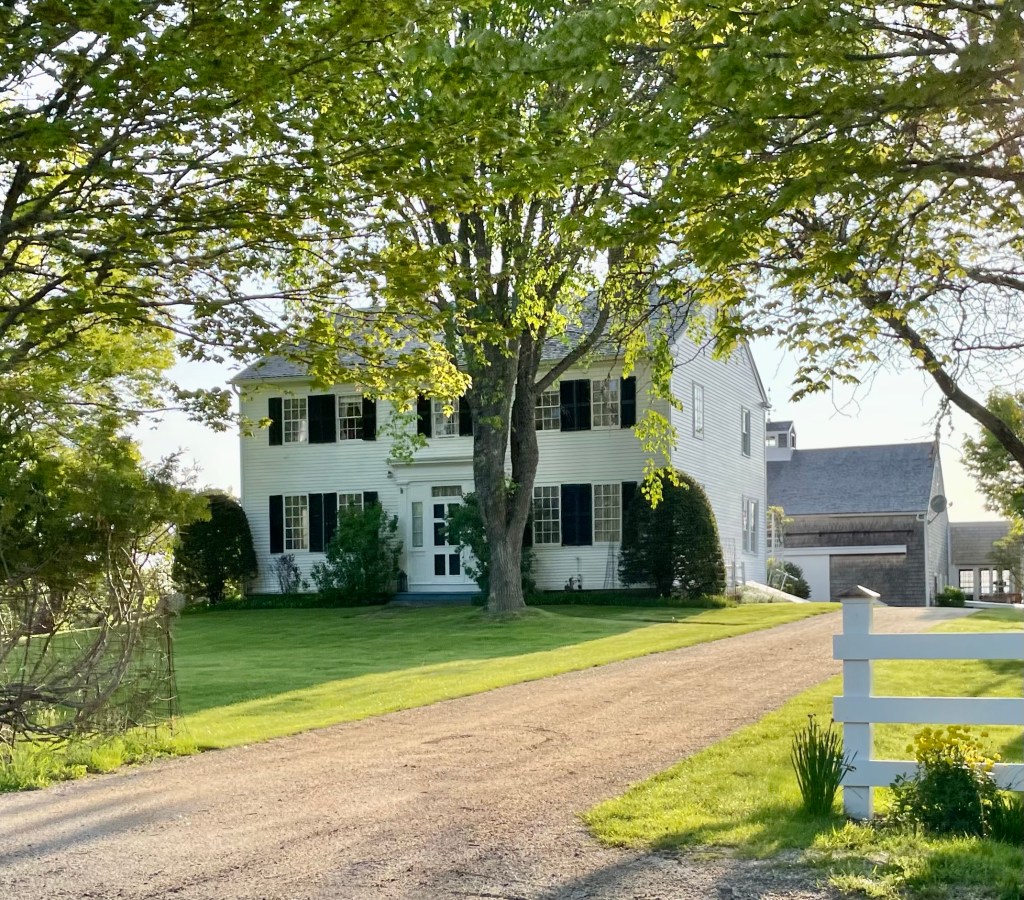
The coast of Maine has long been a refuge for those looking for an easier way of life and access to natural splendor. One of the more well-known residents of Maine was author E.B. White, who lived on this farm in Maine for 48 years. The estate sits on 44-acres and was built in 1795 for William Holden by Captain Richard Allen, a local housewright. The property was purchased by E. B. White in 1933 as a summer residence, but it became a full-time home where he and his wife, New Yorker editor Katharine Angell, raised sheep, geese, chickens, pigs, even spiders all with a historic barn and tire swing. Sound familiar? It is from this house that he wrote the iconic children’s book, Charlotte’s Web (and Stuart Little) among others. White was a private person, and despite his internationally famous books, he did not advertise the location of his home while he was alive. In 1977, he convinced an interviewer to report that “he lives in ‘a New England coastal town’, somewhere between Nova Scotia and Cuba“. Katharine died in 1977, and E. B. in 1985. The property was inherited by their son, who summered there for years. The most recent owners, Robert and Mary Gallant of South Carolina, who have summered there for the past 30 years and preserved the house immaculately, selling it a few years ago.
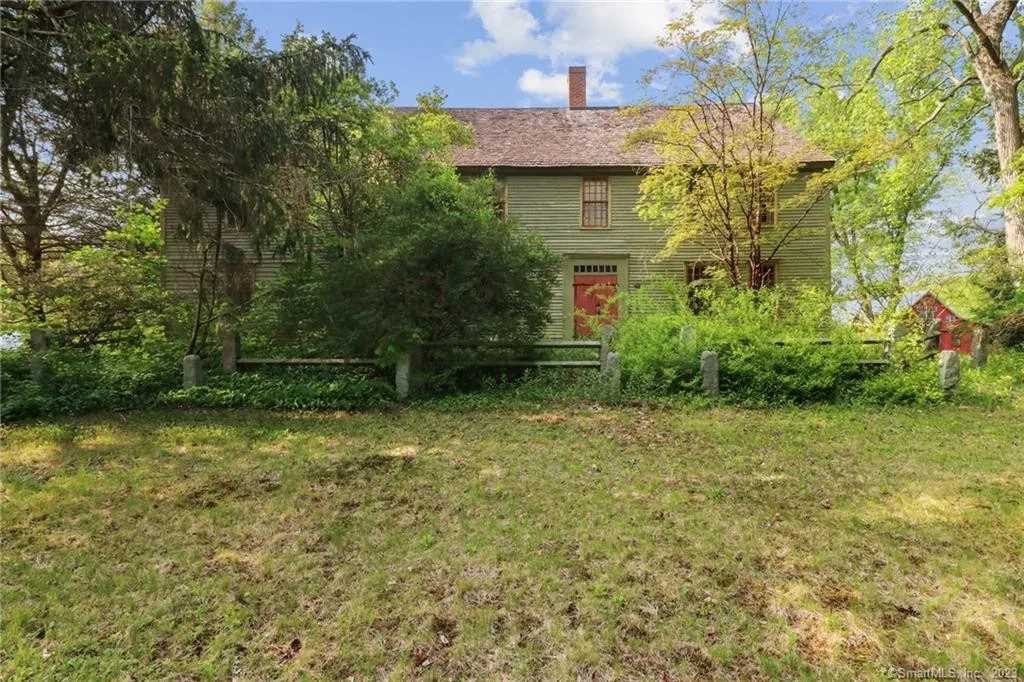
At the end of the War of 1812, Captain John Nichols settled in Assonet and appears to have had this Federal style house built soon after. The house remained in the family for at least two successive generations, seeing little exterior modifications during that time. After John’s death in 1848, the property was inherited by his second-born son, Thomas. Dr. Thomas Nichols left town as a young man and studied medicine at Jefferson Medical College in Philadelphia, and returned to Freetown to begin the practice of medicine in 1847, likely to assist his ailing father. In Freetown, Thomas was involved with the local church, politics, medicine, and worked for a local gun manufacturer. After Dr. Nichols died with paralysis, his son, Gilbert inherited the family home. The family home is a great example of the Federal style with a symmetrical facade, low hip roof, twin interior chimneys, and central doorway with sidelights and blind, elliptical fan above. The side porch was likely added in the early 20th century.