St. Sylvia’s Catholic Church // 1881-1909

Photo in Detroit Publishing Co. Collection.

As wealthy citizens from cities like Boston, Philadelphia and New York, began building summer cottages on Mount Desert Island in Maine, an influx of carpenters and tradespeople from Ireland followed to construct and work on them. Realizing this, cottager DeGrasse Fox along with Brooks White of Philadelphia, donated land for a new Catholic church building. Maine architect, William Ralph Emerson, donated plans for the church. A masterpiece of Shingle style design, the church, which seated 300 people, was deemed too small for the growing village’s summer congregation. A new, stone church was built closer to town (featured previously). The spire and belfry resemble another church Emerson designed in Beverly, MA, St. Margaret’s Catholic Church. Sadly, St. Sylvia’s burned down in 1909.

Willey Hotel // pre-1822

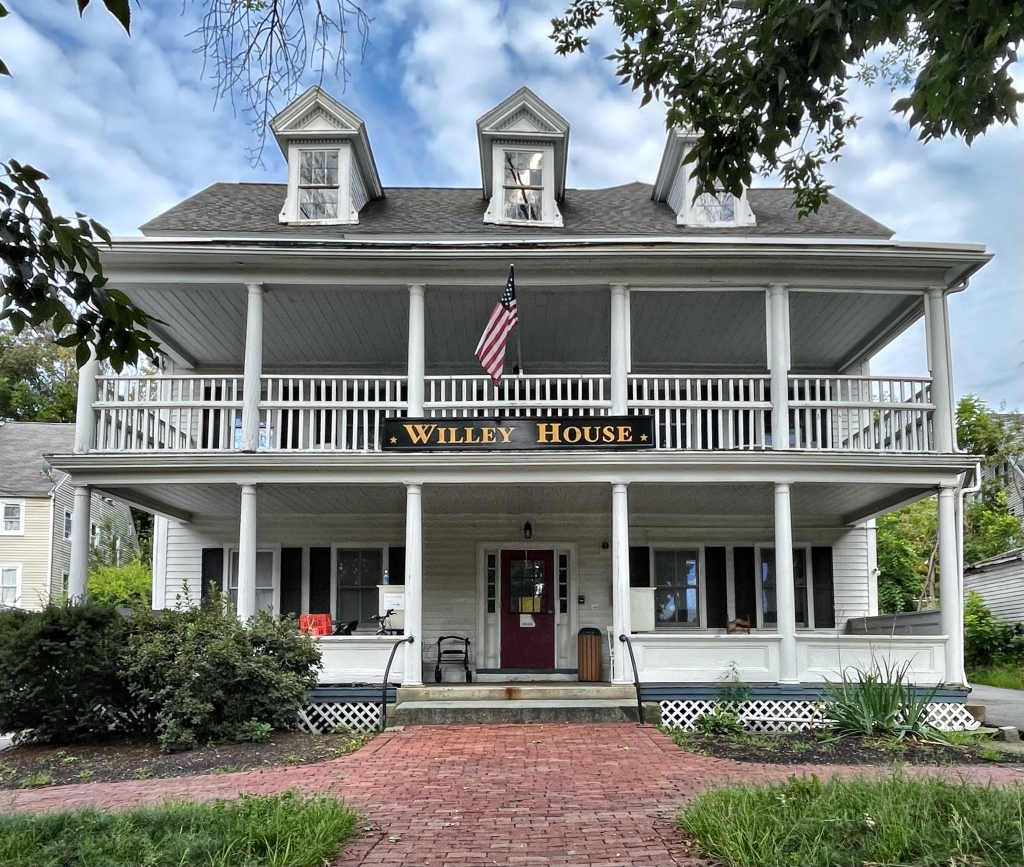
Originally an old tavern/inn, this wood-frame building in Newmarket, NH, was built for a member of the Rundlett Family who settled in town from nearby Portsmouth. The old building was known as Rundlett’s Tavern for a number of years, later renamed the Washington House, and eventually Silver’s Hotel by 1870. Under owner Joseph B. Silver, the Federal style building was updated with Victorian-era flair, marketing to visitors of town who had business with the Newmarket Manufacturing Company across the street. After Silver died in 1898, the building was purchased by George H. Willey and renamed the Willey Hotel/Willey House. He oversaw renovations in the 1920s to give it the Colonial Revival appearance we see today. The building is now apartments.
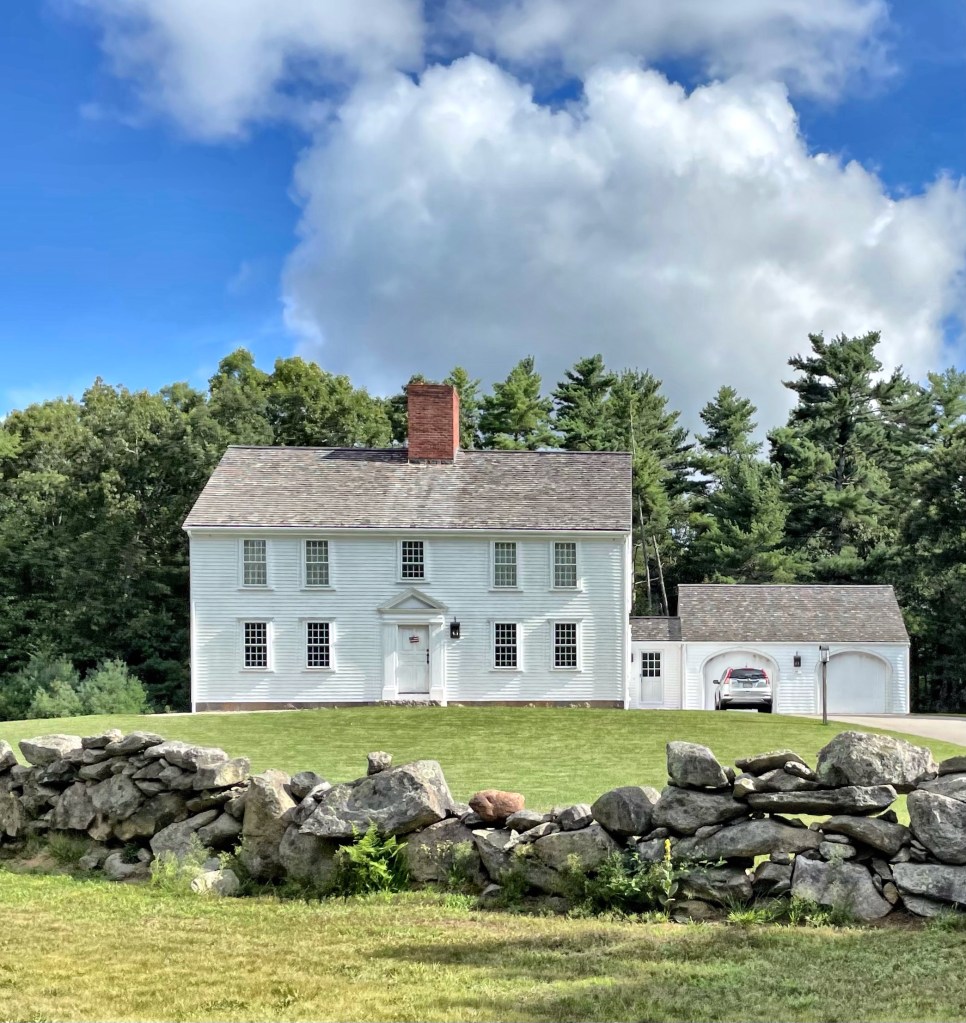
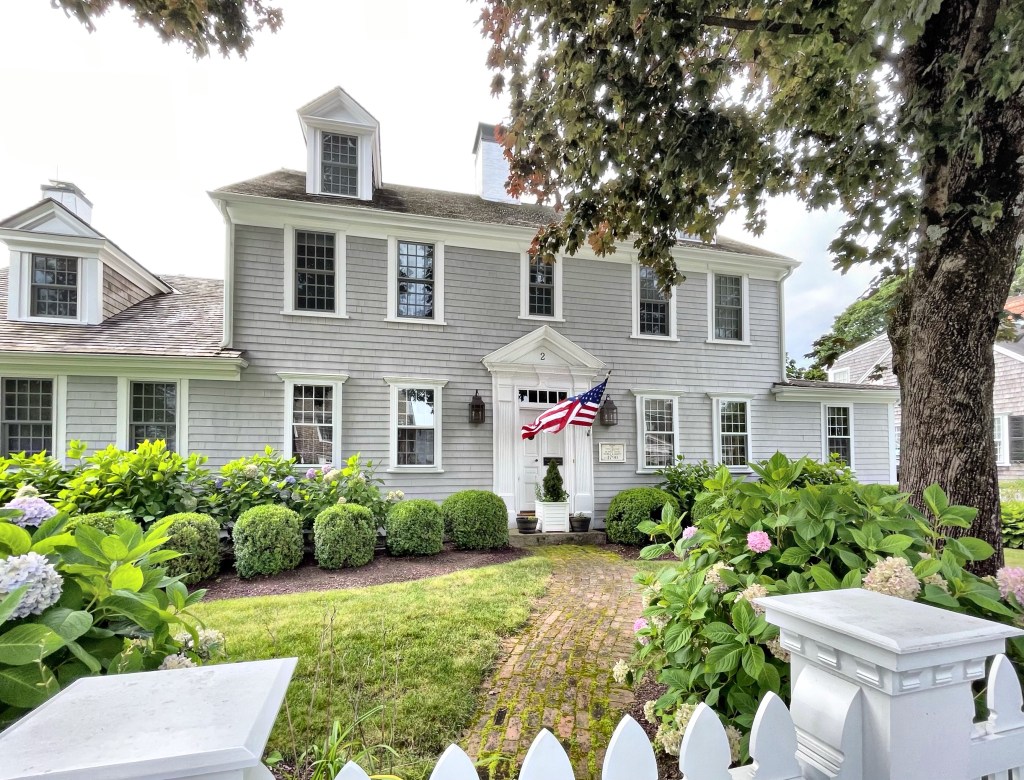
Delano-Clapp House // 1735

My favorite Georgian style house in Rochester, MA is the Delano-Clapp House set far off the street, behind a stone wall. The house was built in 1735 for Jonathan Delano, a weaver. Jonathan’s son, Jonathan, Jr., sold the house and land to Ebenezer Clapp, in 1755. The property remained in the Clapp Family for nearly 250 years, when it sold out of the family in 1990. This house is testament to the fact that you can find great architecture in every corner of New England!

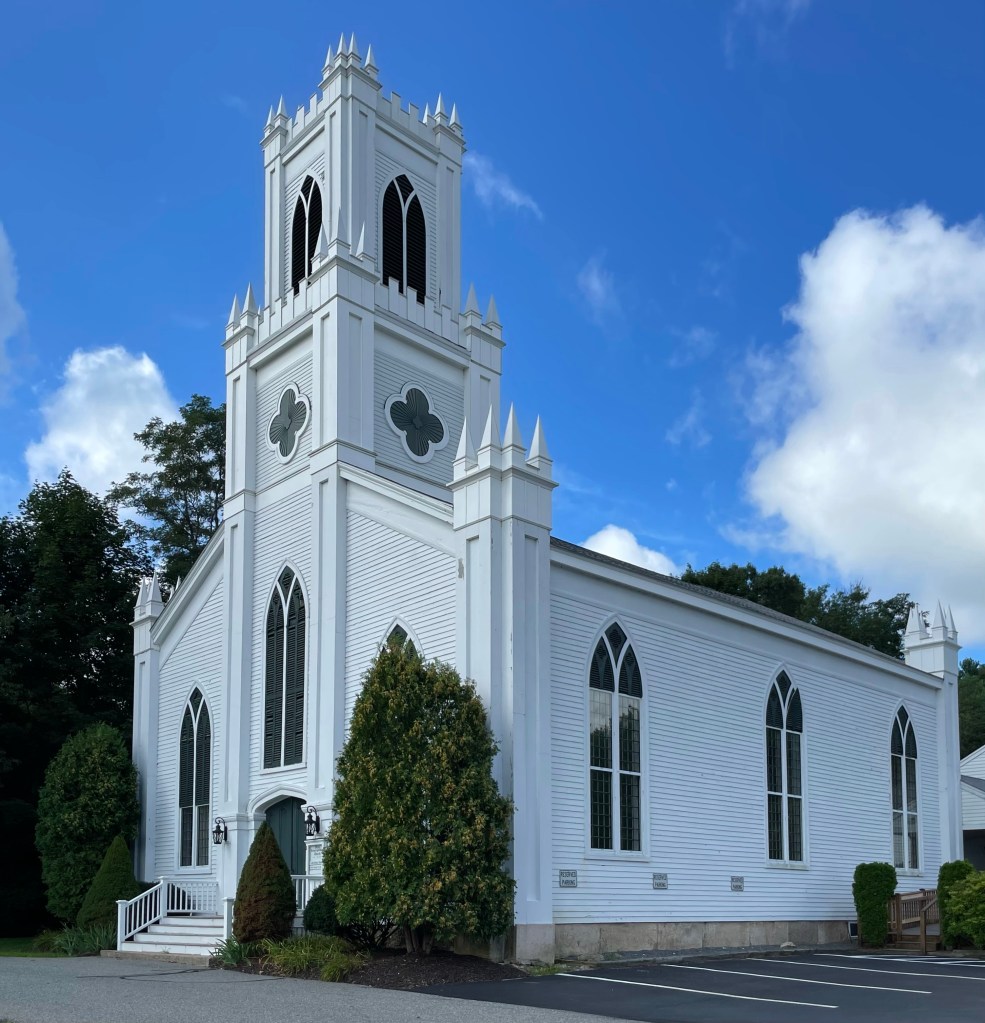
Rochester Congregational Church // 1837

Rochester’s First Congregational Church is the oldest extant building still standing on the Town Green in Rochester Center and is the fourth house of worship to occupy the site. Constructed in 1837 to the designs of architect, Solomon K. Eaton, the beautiful Gothic Revival church building is among the most beautiful in the state. Eaton was well-known for his ecclesiastical structures, but also designed other prominent civic buildings in Southeastern Massachusetts. A fun fact about Eaton is that at age 55, he volunteered for the Union Army during the Civil War and his unit saw action in North Carolina, he returned home after the war and lived out his final days. The church stands out to me for the quatrefoil windows on the bell tower, the pointed finials and comer posts, and large lancet windows. Swoon!

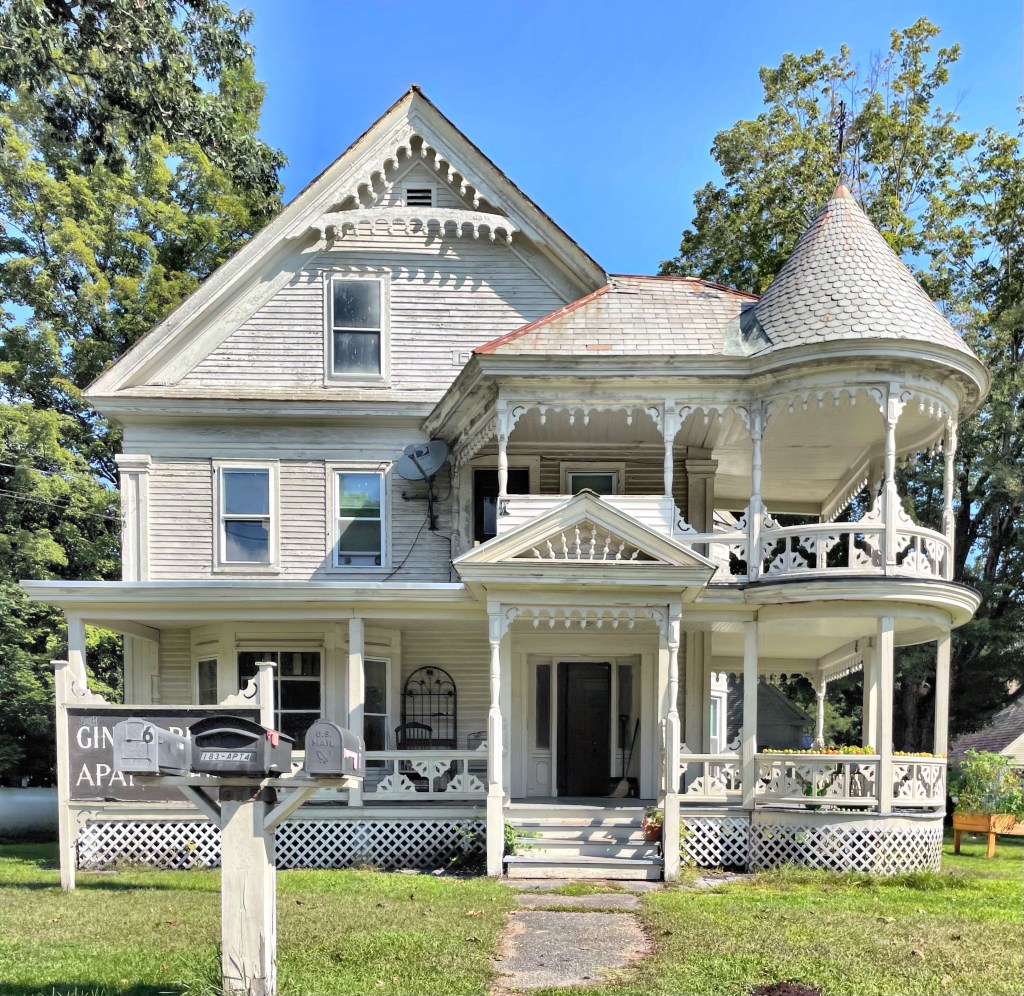
Gingerbread Apartments // c.1850

Built in the mid-19th century this former home in Chester, VT, exhibits the range in tastes seen from the Classically inspired Greek Revival style to the ornate and over-the-top Queen Anne style. The original 1850 Greek Revival design of the house survives in its temple form and classical details, augmented by a visually dominant overlay of Queen Anne features. The house was acquired sometime after 1870 by the Haselton family, whose daughter Hattie married John Greenwood. The Greenwoods undertook a major renovation of the building about 1900, adding the elaborate front porch and other features, giving it the wedding cake or lace-like appearance we see today. The home was converted to apartments in the 1960s, but retains much of its architectural details, it is best known as the Gingerbread Apartments.

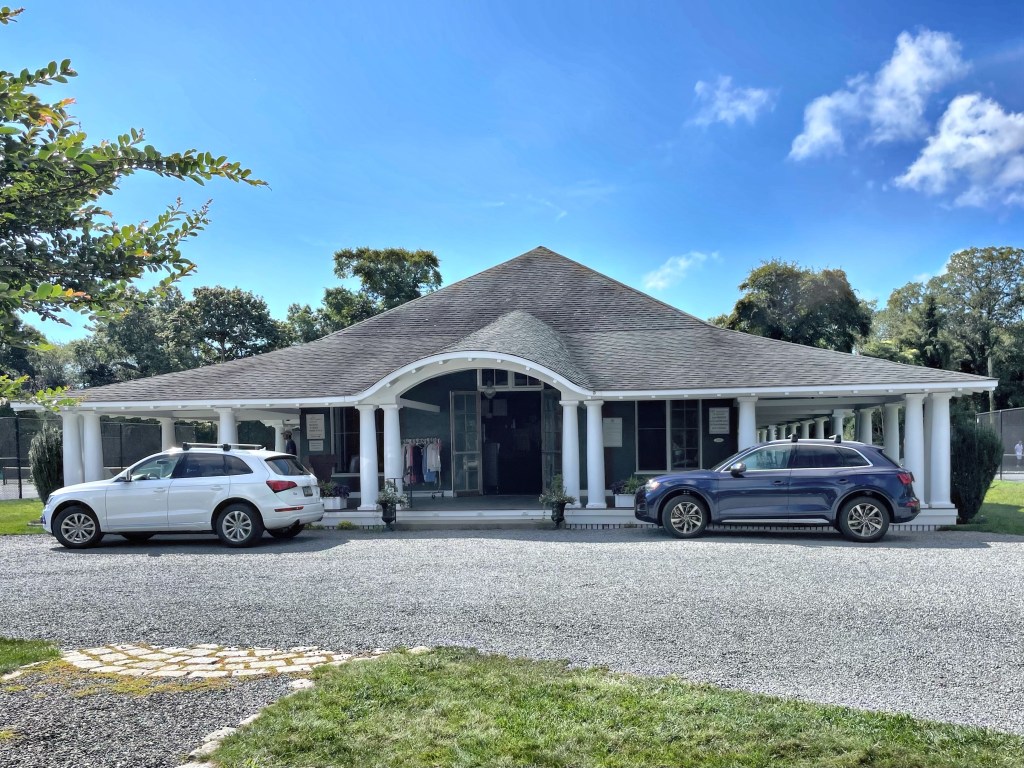
Sippican Tennis Club // 1908

The Sippican Tennis Club in Marion, Massachusetts, was established in 1908 for the purpose of athletic exercise and a place for social gatherings in town. Historically, the town’s population surged in the summer months when wealthy city residents would flock here and stay in their waterfront mansions for a few months a year. The large hipped roof rectangular building was constructed just before the club opened in 1908, and it is flanked by eight tennis courts. Charles Allerton Coolidge, a principal in the well known firm, Shepley Rutan and Coolidge, was one of the original shareholders as well as the architect for the building. He also was a summer resident himself (his home was previously featured). The building is constructed of concrete and features paired, tapered columns which run the perimeter of the structure, supporting a deep porch. The broad elliptical arch and exposed rafters add to the Craftsman style flair of the building.

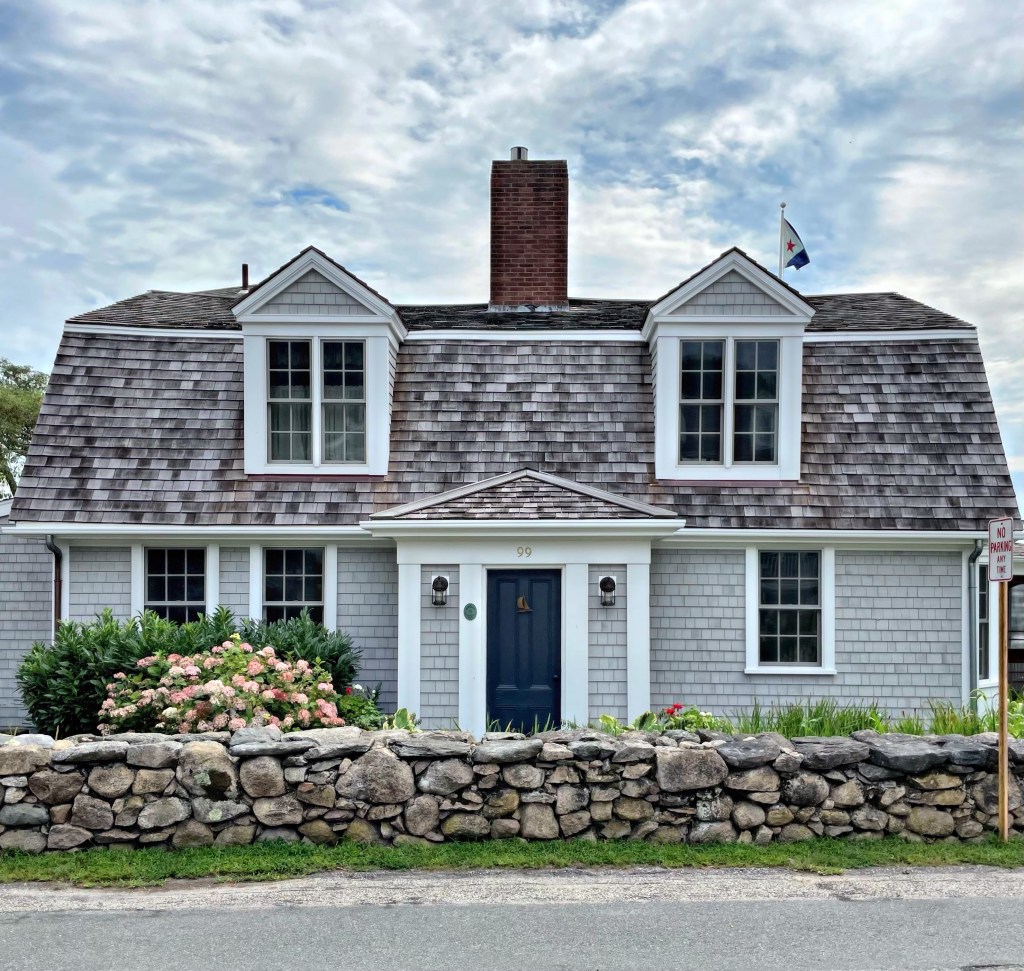
Sherman’s Inn – Beverly Yacht Club // 1784

One of the oldest homes in Sippican/Wharf Village in Marion, Mass., this beautiful Cape house with gambrel roof dates to 1784 from deed research. The house was constructed by two owners, Barnabas Luce, innholder, and Stephen Cunningham, a mariner, seemingly as an inn for sailors who would dock their ships in the harbor just behind the property. It was later acquired by Edward Sherman (1790-1867), a shipwright and carpenter who built schooners at the wharfs in town. In 1868, his son Edward Franklin Sherman (1821-1907), also a ship carpenter, sold the waterfront property after his father’s death to Andrew A. Harwood, an admiral in the United States Navy, Commodore of the Washington Navy Yard, and through his mother, Elizabeth Franklin Bache, a great-grandson of Benjamin Franklin! The property remained in the Harwood family until, 1955, when the property was sold to the Beverly Yacht Club. The yacht club was originally named after the town of Beverly, north of Boston, when members broke from the Eastern Yacht Club of Marblehead which was more prestigious. For the first 23 years, the club had no fixed location, but eventually settled in Bourne, and merged with the local Sippican Yacht Club. The Great Hurricane of 1938 destroyed their clubhouse and they were “homeless” for years until moving into this 1784 home, later expanding it to meet growing needs.

Luce-Bates House // c.1790

Captain Elisha Luce (1786-1850) was born in Massachusetts and from a young age, loved the sea. The son of Rowland Luce, Elisha spent his childhood in the family home (featured in the last post). Captain Luce moved into half of this double-house by 1813, right after his marriage to Jane Hiller, when he was 27 and she was 19. I don’t know many 27 year olds that could afford a house like this today! Captain Elisha E. Luce’s best known ship was the Persia, which made numerous profitable trade missions and whaling excursions from her home port of New Bedford. His wife, Jane died at the young age of 29, and he quickly remarried the next year to Lucretia Clark; they had three boys. In the other half of the home, Captain Noble Everett Bates who co-owned the schooner Marmion and went on his own voyages from his wharf in town. The home was locally known as the “Two Captains House”.

Mitchell-Patten House // c.1840

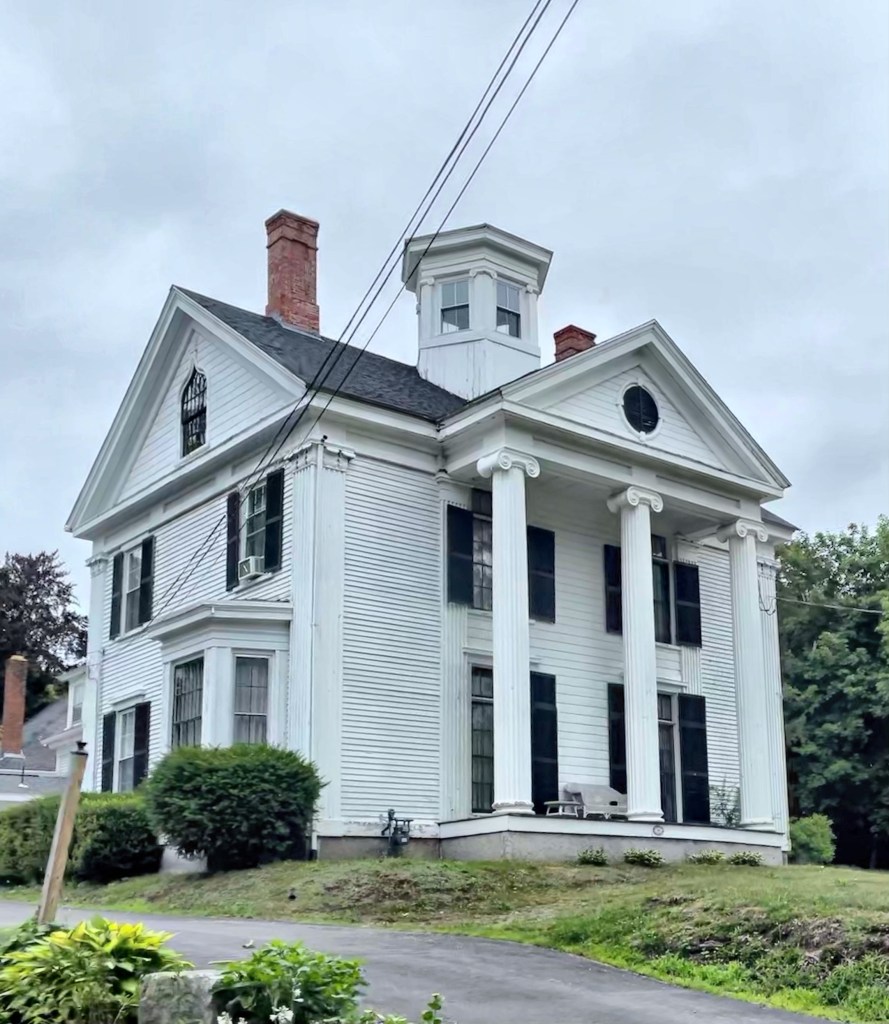
One of the most stunning examples of Greek Revival architecture in Gardiner, Maine, is the Mitchell-Patten House. The home was constructed in the mid-1840s for John S. Mitchell (1804-1891) head of the firm of Mitchell, Wilson and Co., who were traders on the Kennebec river, in lumber and other goods. The home was likely built not long after John’s wife, Philenia Sewall Mitchell died during childbirth in 1837 to the couple’s son, who died at just two years old himself. After the death of his wife and only son, John met Mary and they married, moving into this home. Together, they had four children. Together, they had three sons, but like with his first marriage, tragedy wasn’t far behind. Their first son was stillborn, their son William died at age 27, and their third son, Egbert died in his first year. The family home was willed to the couple’s only living child, Susan, after her marriage to husband Freeman Patten. Freeman was a successful businessman in town and worked as a bank director, and later served as President of the Board of Trade and as Mayor of Gardiner 1899-1900.

Gardiner Universalist Church // 1843

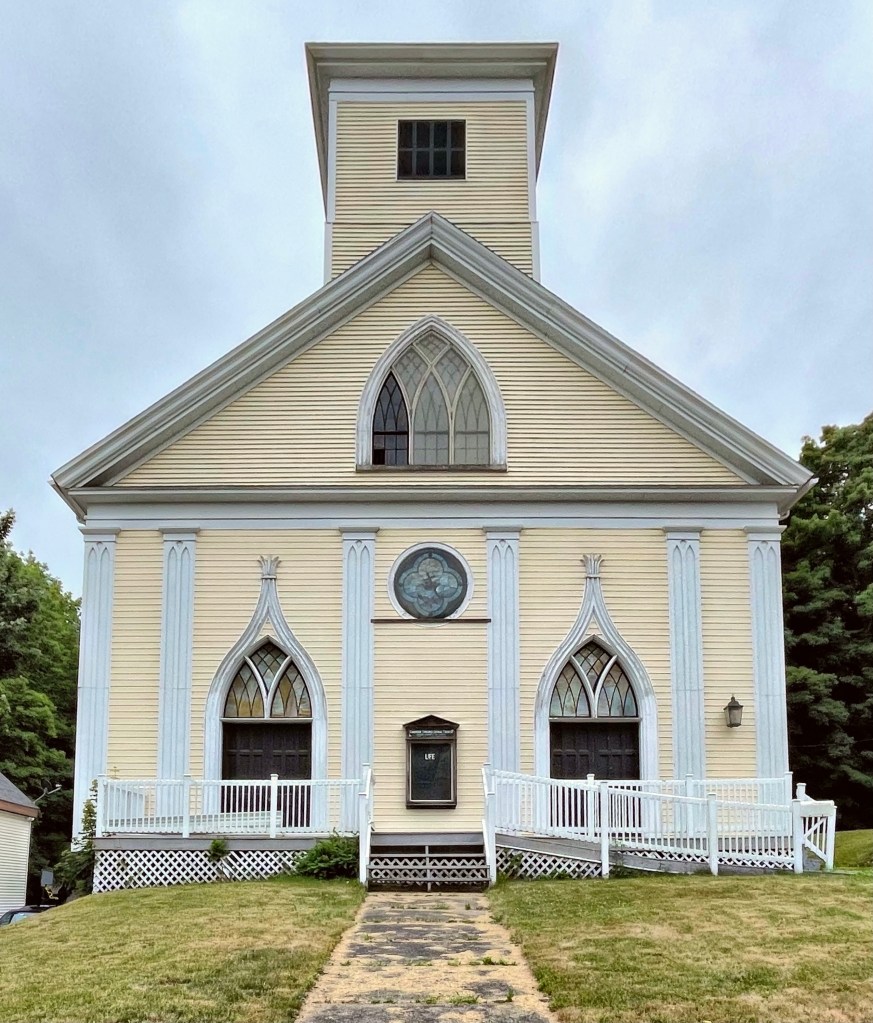
This stunning Gothic Revival church was built in 1843, on the site of the blockhouse, erected 80 years prior for the settlers of the area from native attack. In the 17th and 18th centuries, many rural parts of New England had blockhouses erected to allow the settlers a defensive fort from attack. The blockhouses were often garrisoned wooden structures with small windows on all sides to allow for gunfire to attackers below. The structure would protect those inside from arrows and melee weapons. This building however, was constructed later for the Universalists, who believed in “universal salvation,” who had been meeting since 1821 in a schoolhouse beside the town common. The church, in its original state with its steeple and clock, was an extremely sophisticated example in wood of the Gothic Revival style with its pinnacles, lancet windows and pilasters. Sadly, the steeple and clock were removed in the early 1920’s for safety reasons as the structure could not support it without significant engineering. The church and congregation changed to the United Church of Christ-Congregational denomination in 1964. After that, the building was occupied by a brewery (believe it or not), before being reverted back to a church by the current congregation.