Pomfret Records Building // 1904

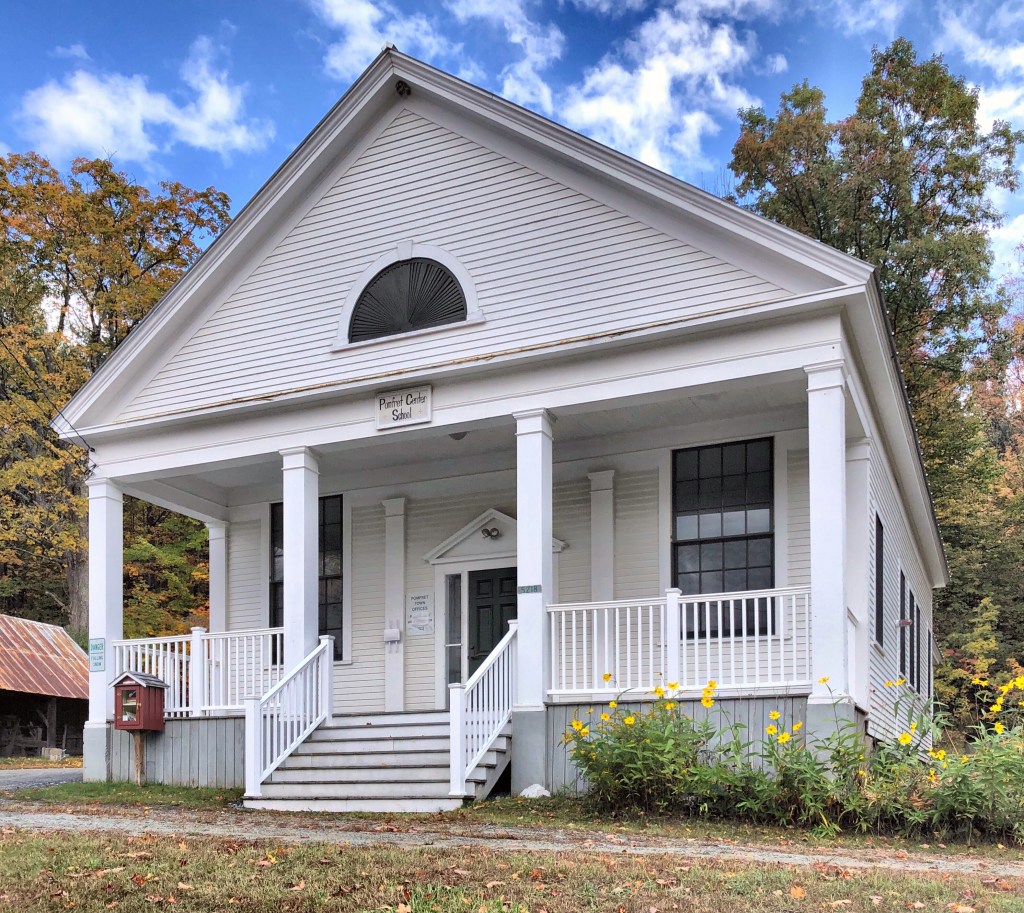
This little brick building may appear like a schoolhouse, but it was actually built to house the 1761 Town Charter for Pomfret, Vermont. The building is believed to have been built in honor of Hosea Doten (1809-1886), who was an engineer, school teacher, and land surveyor in Windsor County Vermont, with his former students constructing the building. It was built nearby the Town Hall and Clerk’s Office and features a fire-proof walk-in vault inside.

Pomfret Methodist Church // c.1850

Located across the street from the Congregationalist Church (now Town Hall) in Pomfret Center, the Methodists in Pomfret Vermont built this church building just a couple years after their neighbor was completed. Replicating the Greek Revival style seen across the street, the building showcases a templed form with projecting portico, as an excellent vernacular example of the style. Similar to its neighbor, this church was sold to the Town of Pomfret in the 1880s, modernized in the early 20th century, and converted to a district schoolhouse.

Pomfret Town Hall // 1845

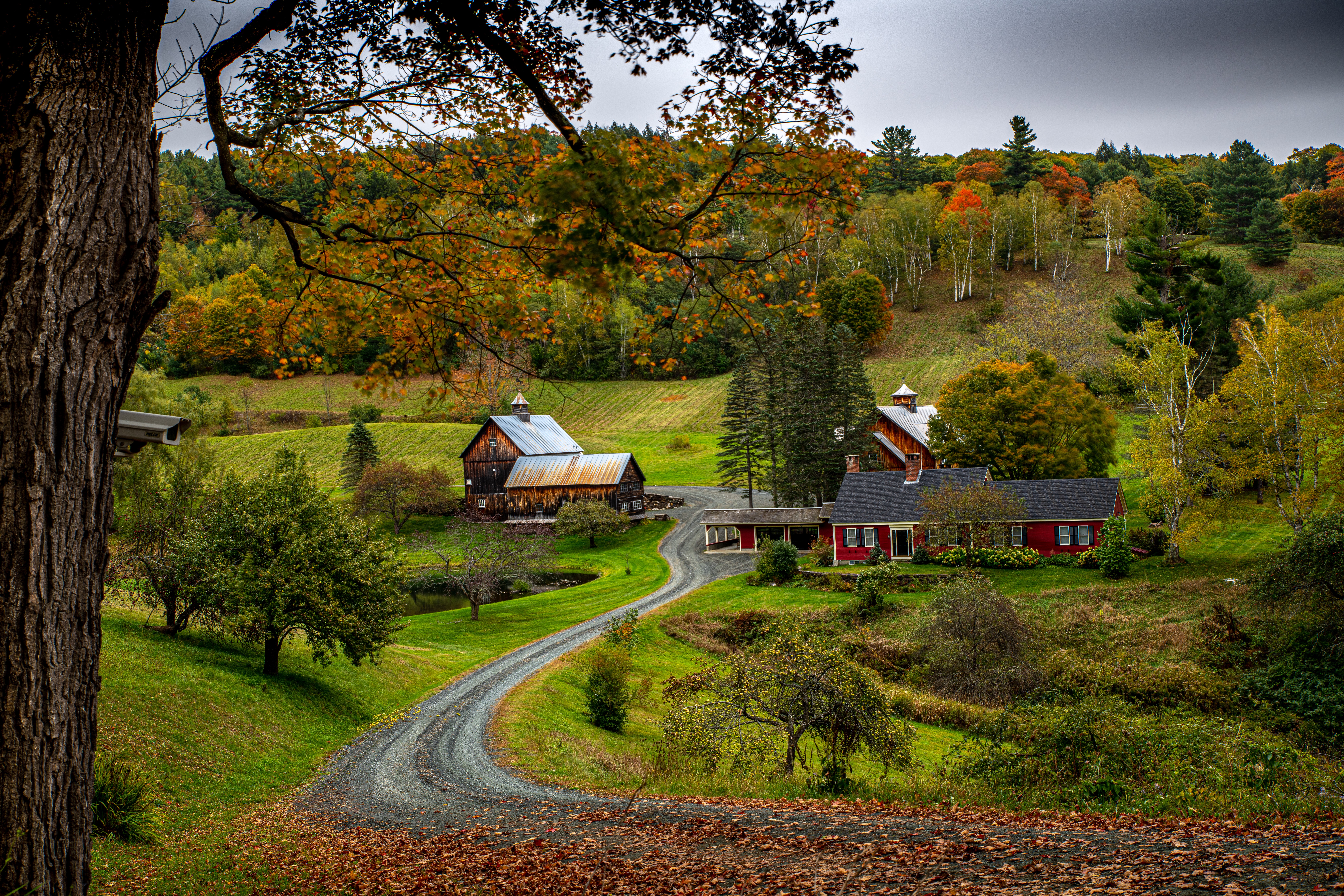
The quaint town of Pomfret, Vermont sees flocks of “leaf-peepers” and Instagrammers every Fall who are in awe of the natural scenery and historic farms seen there. The town was first settled in 1770 when Bartholomew Durkee travelled from Pomfret, Connecticut, along with his family and friends and named the town “New Pomfret” at first to show their roots in Connecticut. The tiny town grew to its peak population in 1830 at just under 1,900 residents, declining steadily over time to roughly 900 today, greatly adding to the rural character of the town.

In Pomfret Center, the local Congregationalists sought a new place of worship and had this structure constructed as their church in 1845. Local builder Eli Buch constructed the Greek Revival edifice with its projecting portico, doric columns, and corner pilasters. As nearby Woodstock Vermont grew, many families moved there and the church sold their building to the Town of Pomfret in 1872 and the building has since been used as Pomfret’s Town Hall.

Peabody Library // 1867

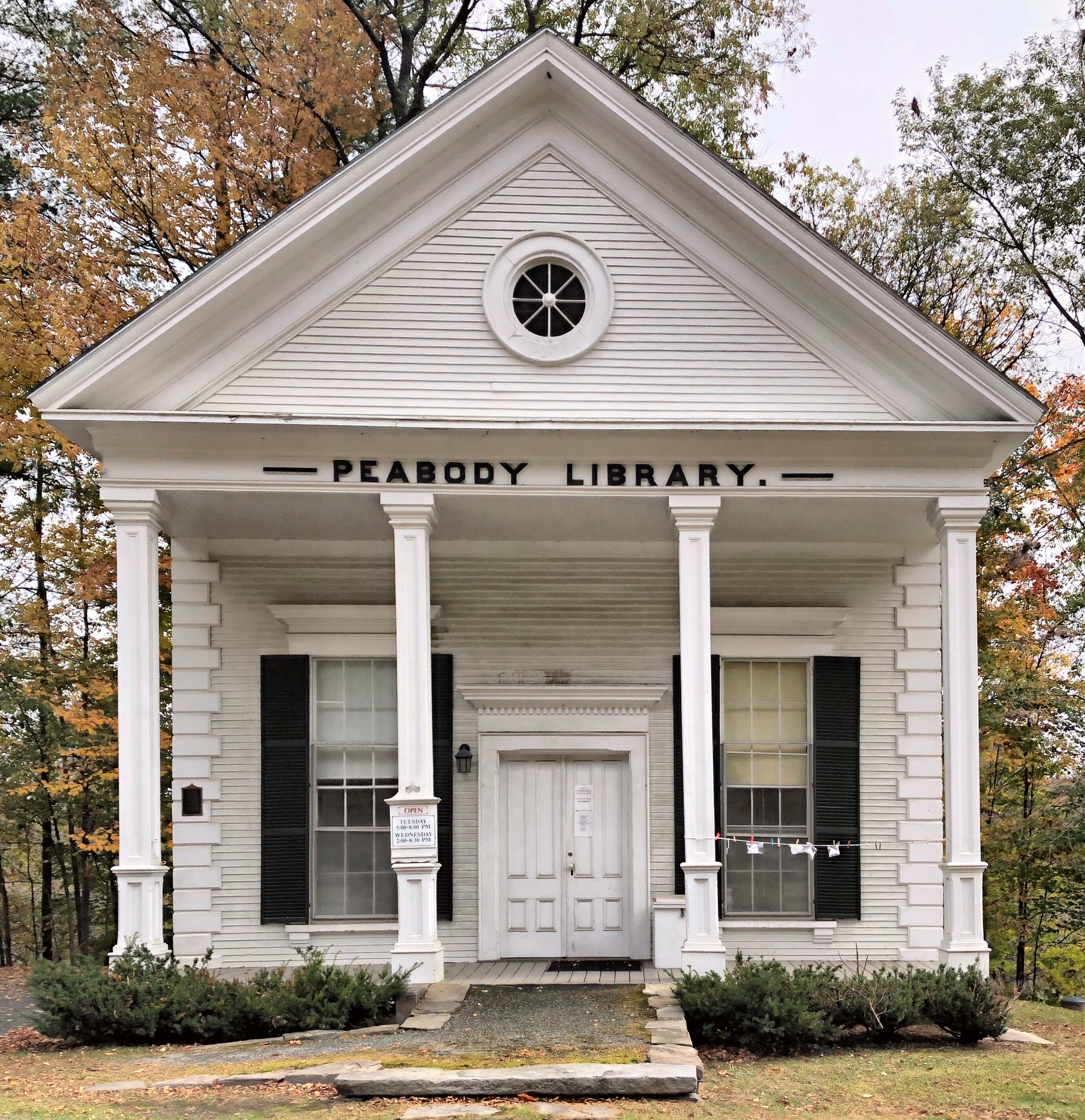
Located in the Post Mills Village of Thetford, Vermont, the Peabody Library is one of the cutest library buildings ever! The library was a gift to the community of Post Mills by George Peabody, one of the first great American philanthropists. Peabody spent some time in Post Mills as a teenager, where his maternal grandfather lived. Peabody’s grant of $5,000 paid for purchase of the land, construction of the building, and acquisition of 1,100 volumes. He also donated funds for other libraries including the Peabody Institute Library in Danvers. The library exhibits a unique blend of characteristics from both the Greek Revival and Italianate Revival styles, being an outstanding representative of the mid nineteenth-century transition in architectural fashion. Oh to see inside this little library!

Thetford Center Methodist Church // 1838

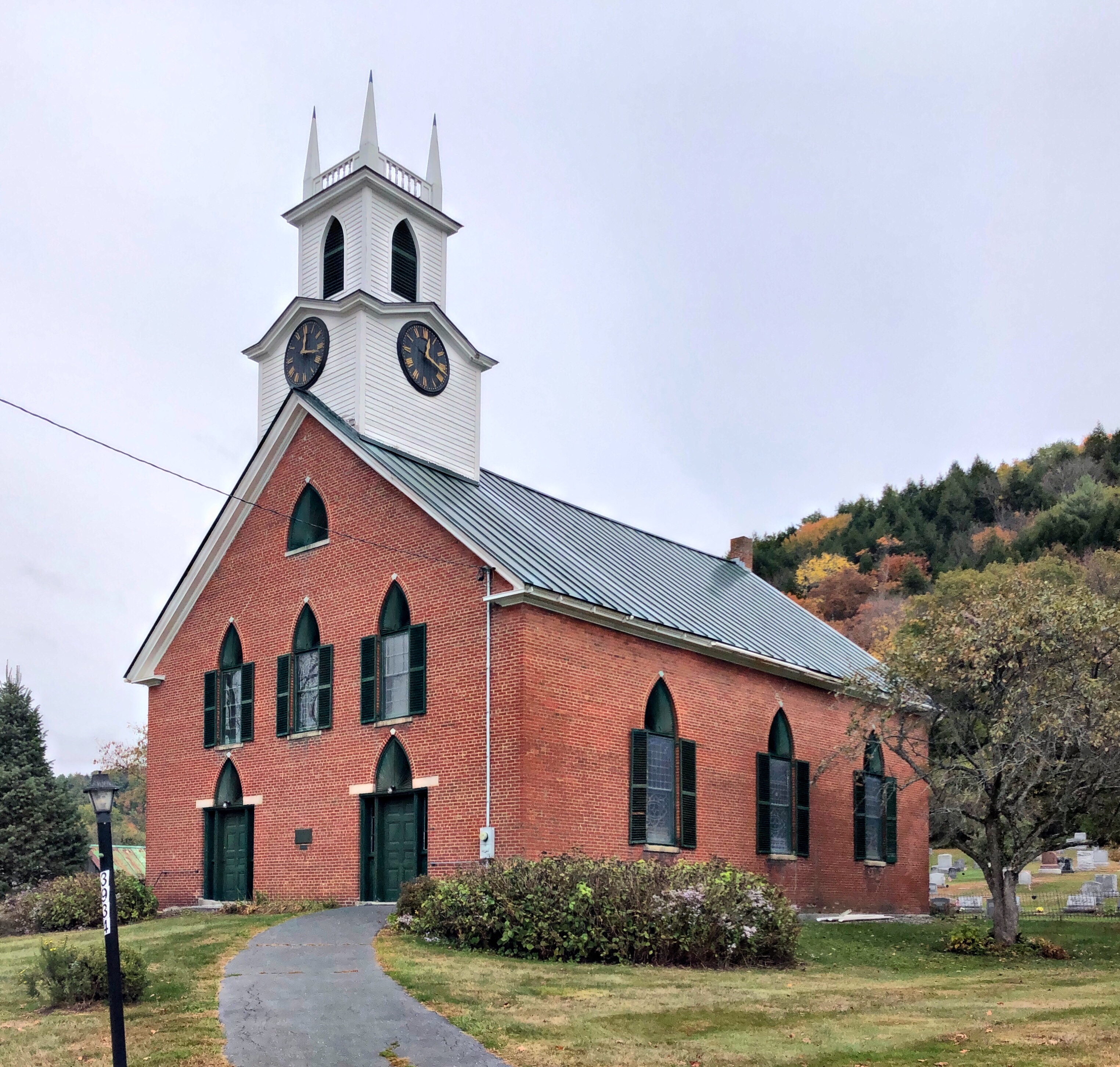
An outstanding example of the Gothic Revival style churches in Vermont, this brick, three bay, gable front church was constructed in 1838 in Thetford Center Vermont. The Gothic Revival style is expressed here primarily in the pointed louvered insets above the windows (including the pointed louvers in the steeple) and the finials at the steeple. The church building was constructed using brick made in the local brickyard owned by Hezekiah Porter. Designed to seat 250 people, it was constructed for the cost of a mere $1,400. Behind the church is the Evergreen Rest Cemetery, administered by a Cemetery Association, in which are many of the early residents of Thetford and members of the congregation and its founders.

Hosford Stone House // c.1835

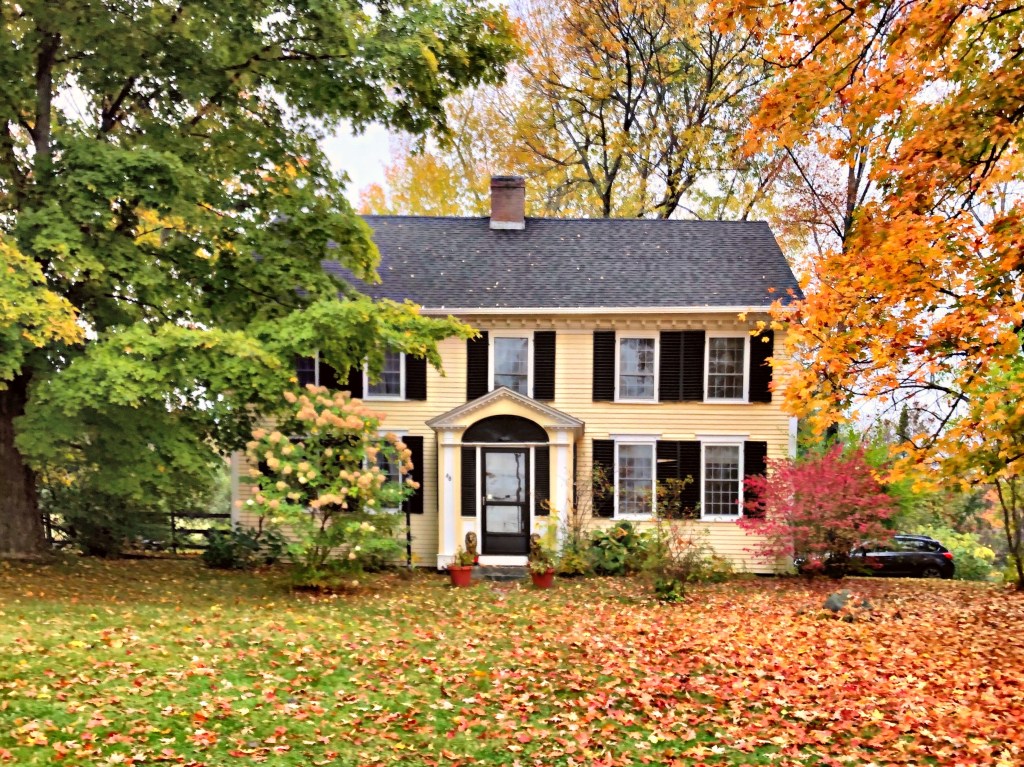
Josiah Hosford of Thetford, Vermont built this stone house for his family in about 1835. Hosford was a stone mason who built a series of stone houses in town, using stone quarried in nearby Lyme, New Hampshire. Josiah Hosford (1802-1883), was the grandson of Aaron Hosford, one of the earliest settlers in the North Thetford area. The distinguished family contributed resided and contributed to the town’s vibrant history, as ministers, teachers, artists, farmers, and tradespeople. A fire at the home in the early 1900s gutted the interior, and the owner at the time, a carpenter, reconstructed the interiors, shingled the side gables, and added on the porches.

Child Farmhouse // c.1835

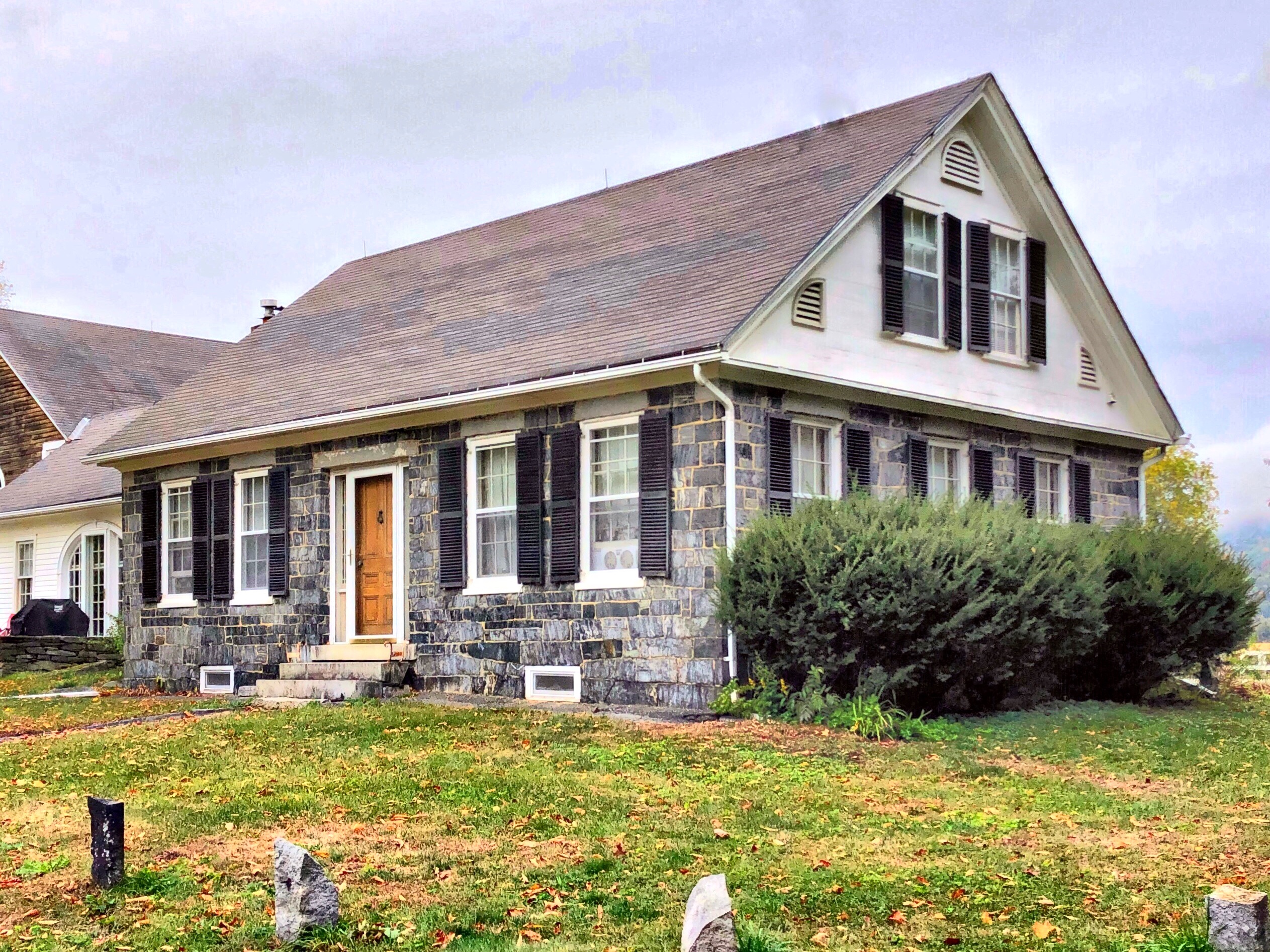
Constructed out of stone quarried from nearby Lyme, New Hampshire, the Child Farmhouse is one of a handful of stone houses in East Thetford, Vermont. This house is a particularly fine example of a Cape Cod with Federal detailing, as translated into granite construction. The home features stone lintels over the door and window openings. It was built for Bela Child (1786-1866), likely after the death of his first wife, as a new home for his second. The family operated a massive farm along the Connecticut river.

Burton Hall, Thetford Academy // 1845

Burton Hall was constructed in 1845 as a boy’s dormitory for Thetford Academy on a lot given by Orange Heaton (who lived nearby), just north of the original Academy Building. The structure was named Burton Hall in memory of Asa Burton, one of the Academy’s founders. The structure was sold by the Academy by about 1860 for $200, to a J.H. Huntington, who moved it across the street to its present site to replace his house which had burned the year prior. In the late 1930’s, Dwight Goddard, the owner of the home at the time, gifted the building back to the Academy since which time it has been known as Goddard Hall.

Fun Fact: Buildings historically were much more likely to be moved than demolished as the cost of building materials was much more than labor. Today, the opposite is true so many developers and owners prefer to demolish.

White-Heaton House // 1795

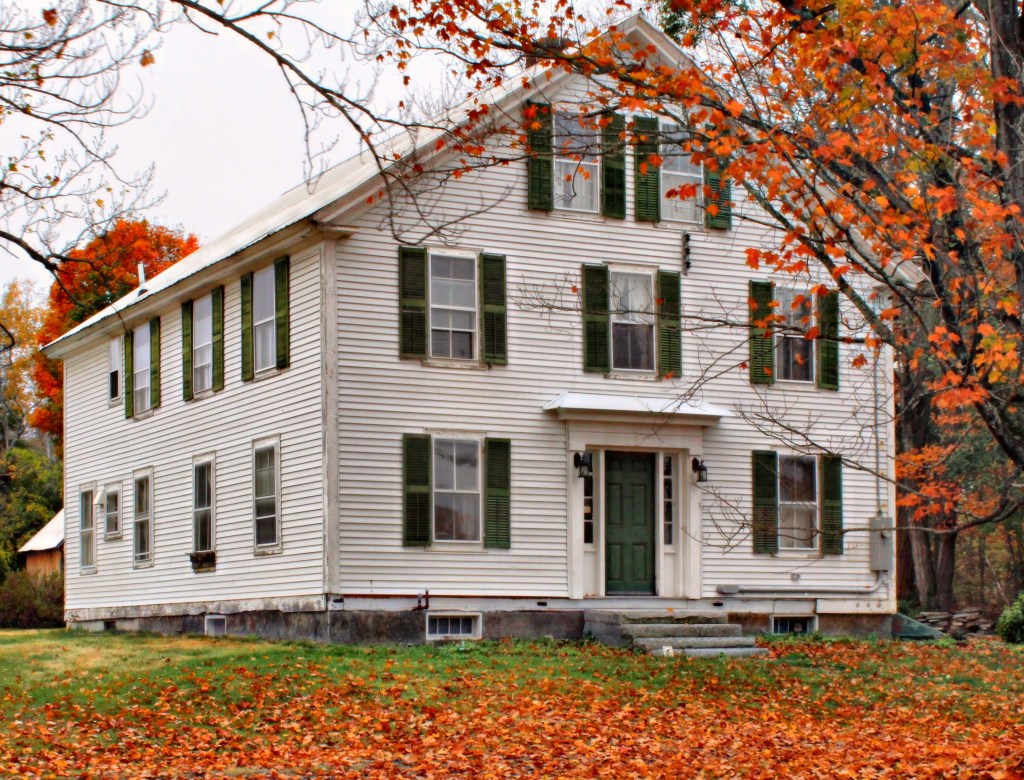
This transitional Federal house in Thetford was built around 1795 for an Isaac White. The house was later owned by Orange Heaton (who’s name perfectly fits the color of the leaves in the photo). The design is refined, yet stately with the enclosed, gabled, projecting entrance porch. Louvered panels and an elliptical louvered fan frame the door.

Thetford Academy, White Building // 1942

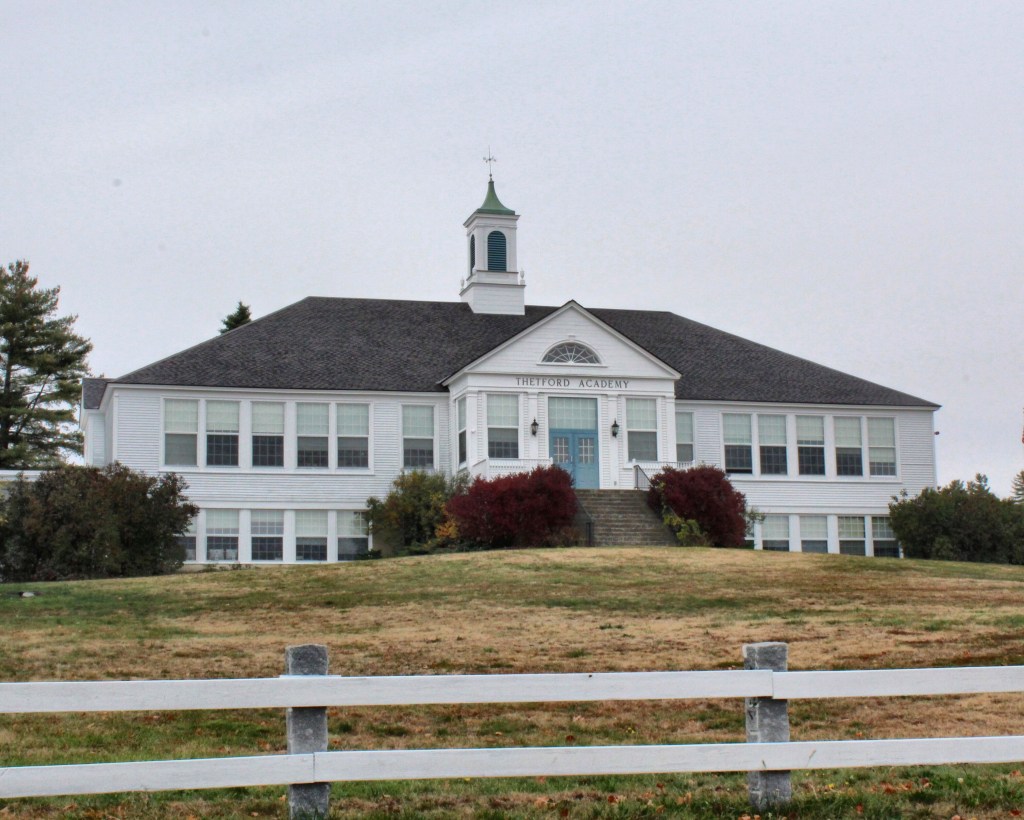
Thetford Academy opened in February 1819, after the constitution of Vermont called for free elementary schools in each town, a school in each county for studies above the elementary level, and one university for the state. These schools prepared students in classical languages, mathematics, “natural philosophy,” and the arts for entrance into colleges and universities, and careers in ministry, law, medicine, and teaching. By the time Thetford Academy was founded, girls were being admitted to some academies (usually in the summer term) for studies which were advanced beyond the common schools, but which were not intended to prepare for college. Thetford Academy admitted both boys and girls from its founding. The school thrived beginning on it’s first day of classes, growing almost annually with new buildings constructed to house new classrooms and dormitories.

The first academic building, erected in 1818 by Fitch, was crowned by a bell tower and featured separate entries for boys and girls. It was destroyed by fire on November 14, 1942. Fueled by high winds, the fire also destroyed the girls’ dormitory and the library. Undeterred, the school rebuilt nearby beginning with this Colonial Revival building, known as the White Building. Later buildings were added to create the campus we see today.

First Congregational Church, Thetford // 1785 & 1830

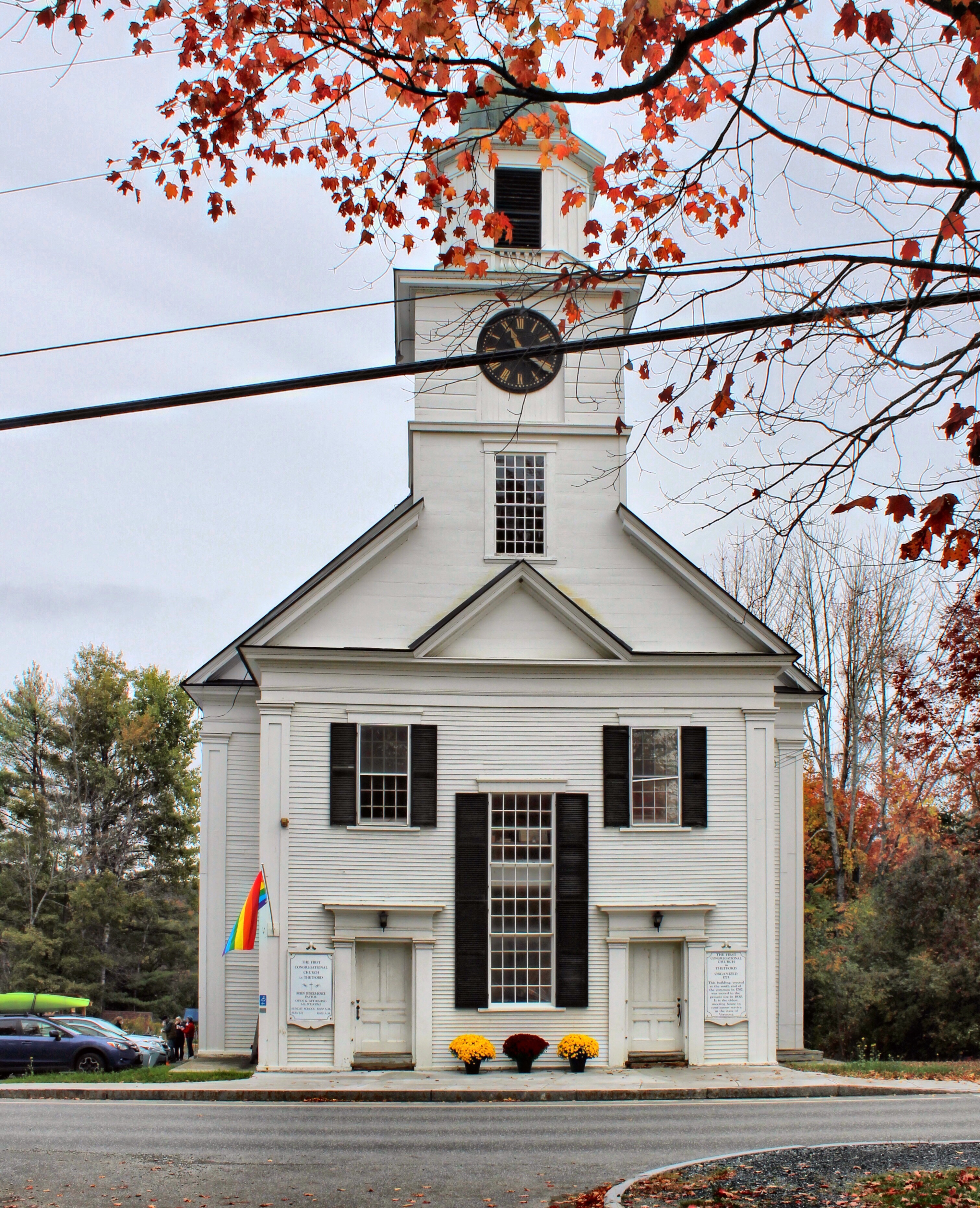
Attempts were made to organize the Congregational Church in Thetford, Vermont as early as 1771, making this congregation among the five earliest in the state. As was typical of the day, the meetinghouse was intended to serve both public and religious functions, before the separation of church and state. Following the customary dispute over the location of the meetinghouse in town, the structure was erected on the Town Common, marking the beginning of the village of Thetford Hill. Construction began on the meetinghouse in 1785, being completed within a couple years. Sometime between 1807 and 1812, the Congregational Church ceased to be supported by taxes as the separation of church and state resulted in the sale of the meetinghouse and its subsequent move in 1830, from the town-owned common to its present site just north of it. In 1830, the pavilion, tower, and pilasters were added to give the church a Greek Revival flair. The church is reportedly the oldest meetinghouse in the state still in continuous service.