Old New Ipswich Center Schoolhouse // 1829

Presently owned and occupied by the New Ipswich Historical Society, this handsome brick building was originally constructed in 1829 as a schoolhouse for young students in town. The structure is located on Main Street and replaced wood-frame school that was located on the other side of the road. Almost immediately after it was built, the building and its location were heavily criticized as early as 1847. There were up to 92 pupils in its two rooms, both of which were accessed by a central entrance, causing those entering and leaving to disrupt both classrooms. Additionally, the closeness to the road caused noise and dust to enter the classrooms. The school closed in 1860 and was used for a time as a blacksmith shop before it was acquired by the New Ipswich Historical Society in 1939.
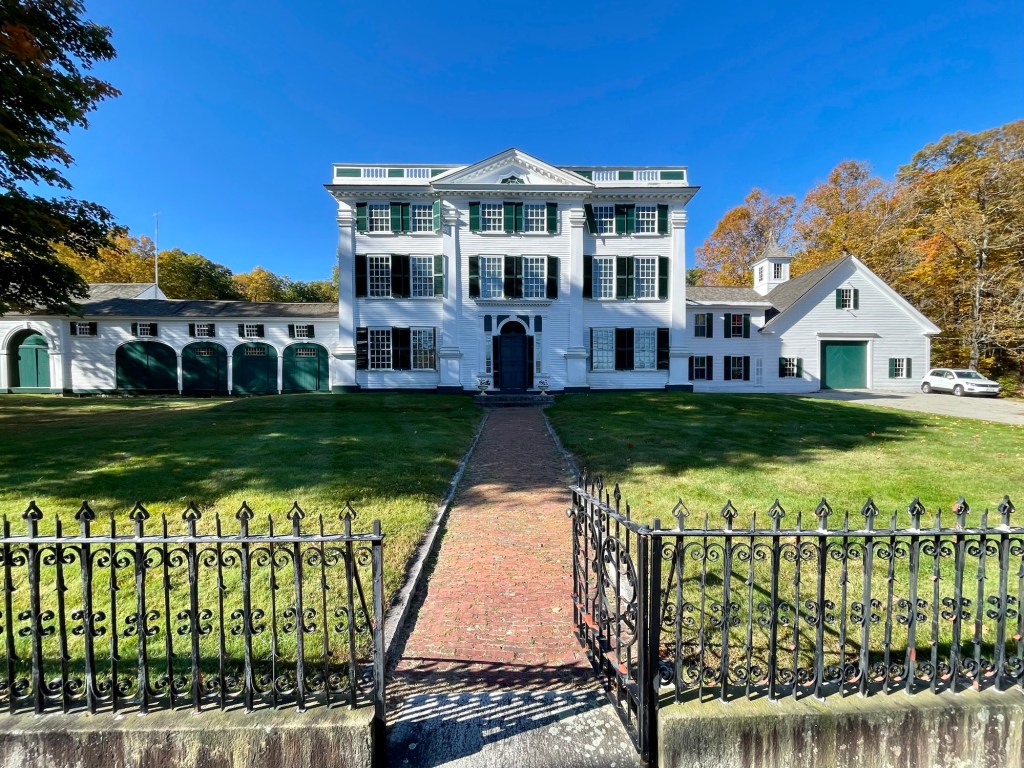
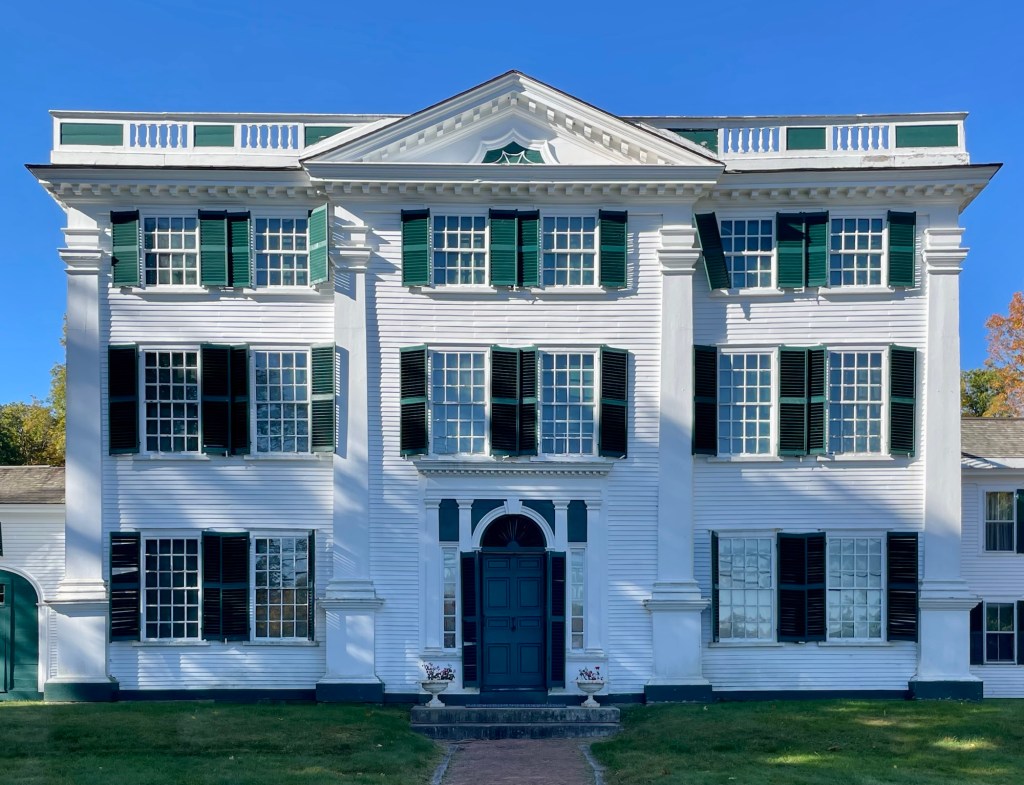
Barrett House // 1800

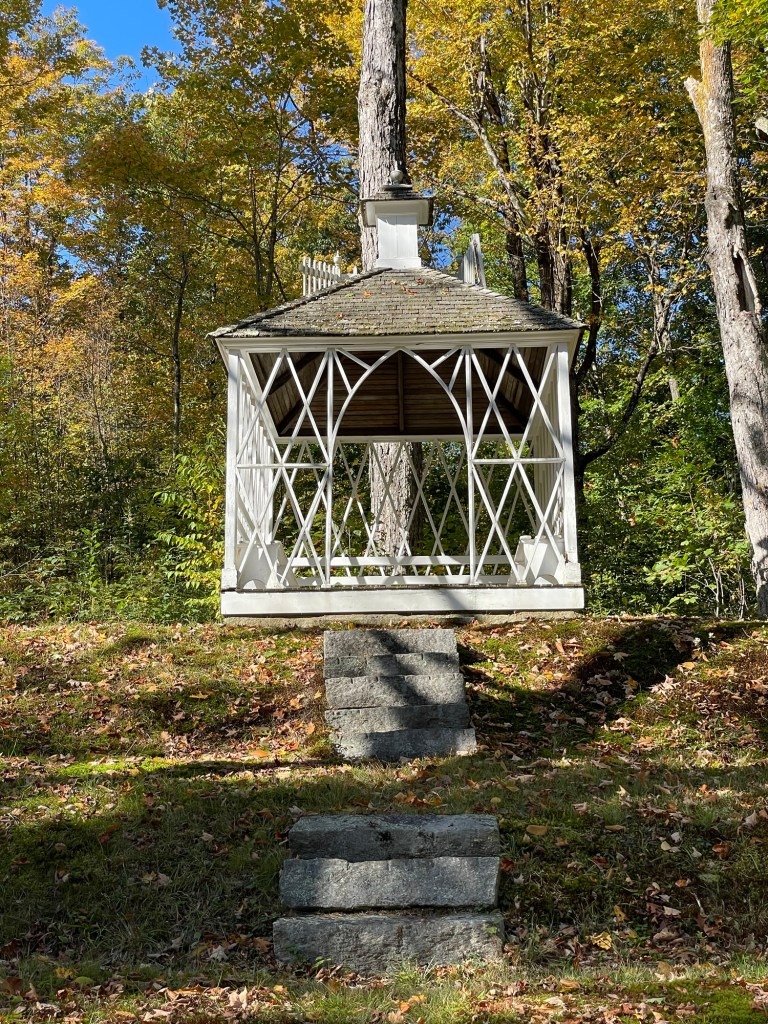
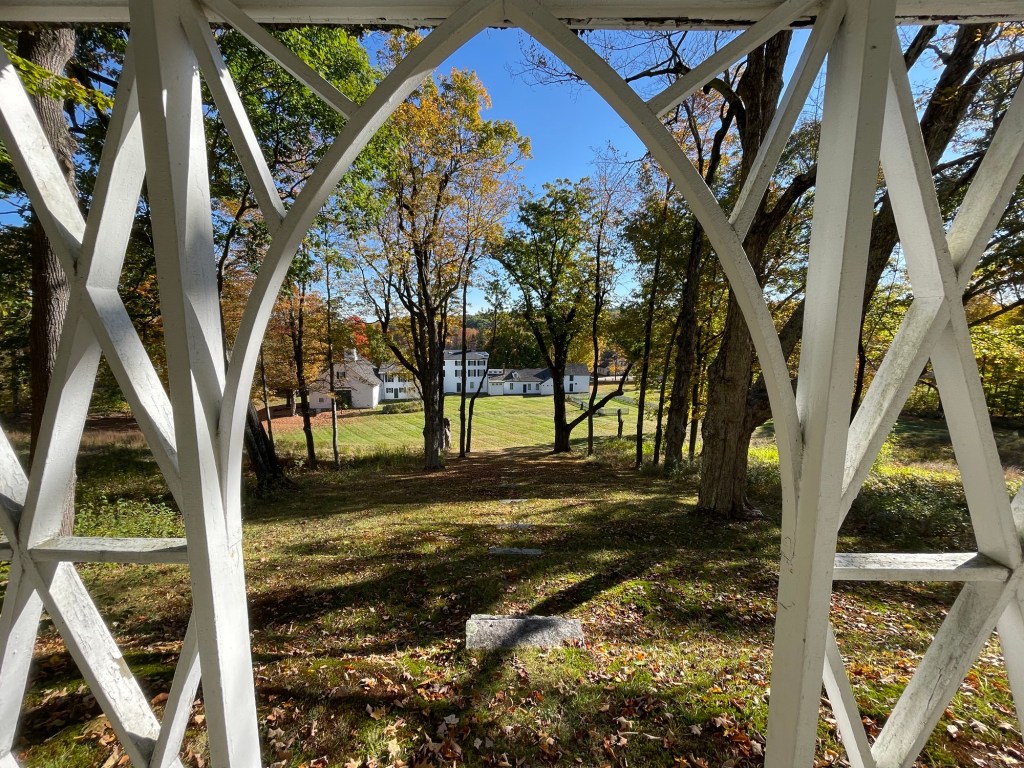
The Barrett House (also known as Forest Hall) is a Federal style mansion located in New Ipswich, New Hampshire and one of the finest buildings in the entire state. The mansion was built around 1800 by Charles Barrett Sr. for his son Charles Jr. and daughter-in-law Martha Minot as a wedding gift. Its grand scale was encouraged by Martha’s father, who promised to furnish the house in as lavish a manner as Barrett Sr. could build it. The interiors are elegantly furnished, and numerous reception rooms were designed for entertaining in a cosmopolitan manner. An elaborate allée was later added to the landscape, with a flight of stone steps flanked by maples rising up the hillside behind the house and leading to an elegant summerhouse. After Charles and Martha died, the estate remained in the family. However, after the railroad bypassed New Ipswich, the town entered into a decline. Charles Barrett’s descendants stayed on, but today Forest Hall remains essentially a relic of the Federal era. After 1887, the family used the house only in the summer-time. It was donated to Historic New England in 1948. Historic New England has ever-since opened up the property to those who want to see one of the best examples of a rural, Federal style estate in New England and its well preserved interior and grounds.

Old New Ipswich Town Hall // 1817

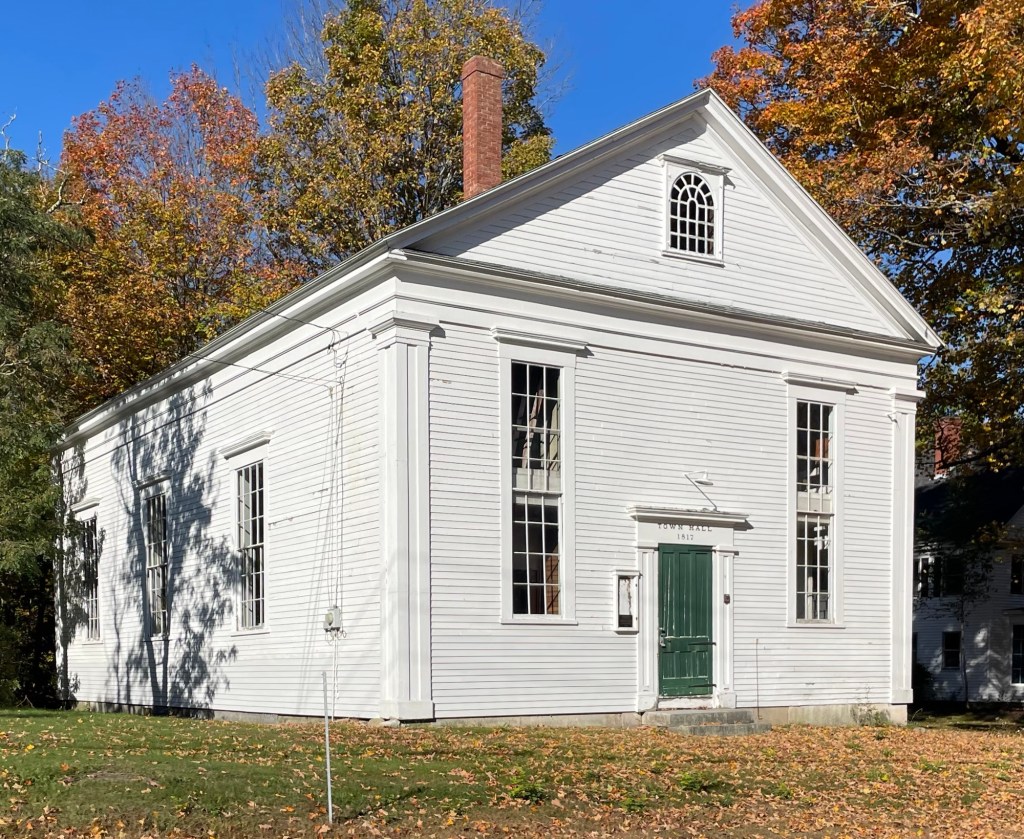
New Ipswich, New Hampshire, is a town that oozes New England charm! Winding back roads are lined with Colonial-era homes and buildings, lovingly maintained by stewards and neighbors to create the quintessential small town feeling. New Ipswich was granted in 1735 to 60 inhabitants of Ipswich, Massachusetts, where the name is derived, by colonial Governor Jonathan Belcher and the General Court of Massachusetts. European settlement began here in 1738, when Abijah Foster arrived to the area with his wife and infant daughter. At the center of town, a new Town Hall was built in 1817 as a combination town hall and private academy with funds provided by the town government and by the trustees of New Ipswich Academy. The building was constructed under the direction of Deacon Nathaniel Gould, using materials salvaged from a disused meetinghouse of 1770. The arched gable window is reputed to have been taken from the meeting house, as are twisted balusters on the gallery stairway inside. As completed in 1817, the building had a full second floor which provided the academy with a lecture room, a small library, and a laboratory, but that was taken over by 1869 when the Town renovated the building, removing a tower and belfry, and occupied the second floor spaces. The building is still owned by the town, and is used occasionally for civic functions, with town offices in a mundane, newer building a short distance away.

Laton House Hotel // 1878

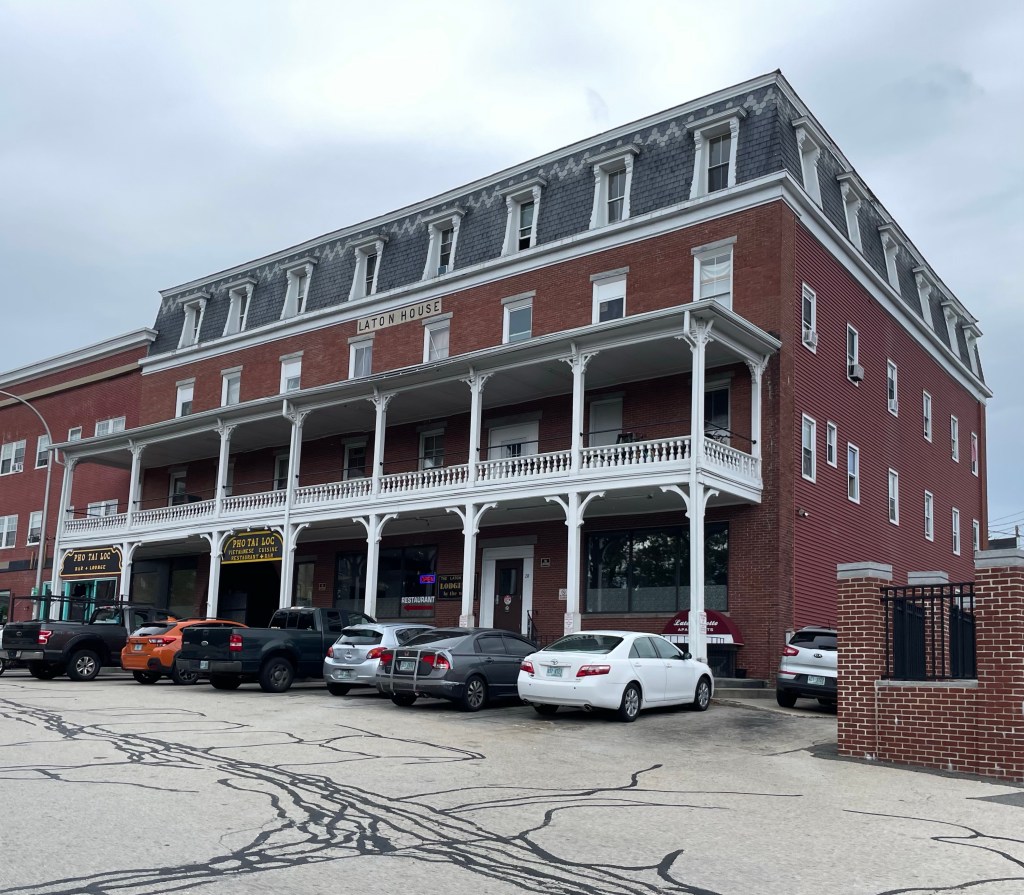
A late example of Second Empire style architecture, the Laton House in Nashua, New Hampshire, is a 3 ½ -story brick hotel building with a slate-covered mansard roof pierced by regularly spaced dormers. The facade is dominated by a two-story porch with decorative railings and brackets. The hotel was developed between 1878-1881 when Railroad Squareserved as the central square in town. The hotel thrived, allowing visitors cheap rooms while doing business in the manufacturing hub of Nashua. Eventually, the hotel closed and was converted to housing. Today, it houses commercial space on the ground floor with low-income housing above.

Dr. Eugene F. McQuesten Residence // 1887

Dr. Eugene Forrest McQuesten was born in Litchfield, NH, on October 11, 1843. He enrolled at local schools before graduating from theJefferson Medical College in 1866. He practiced medicine in Lynn, Massachusetts for two years before moving to Nashua, New Hampshire to run a medical office. He worked in Nashua for years, later being nominated President of the New Hampshire Medical Society. In 1886, he purchased a house lot on Nashua’s Concord Street and razed the existing dwelling, building this stunning brick residence a year later.

Elijah Shaw House // 1889

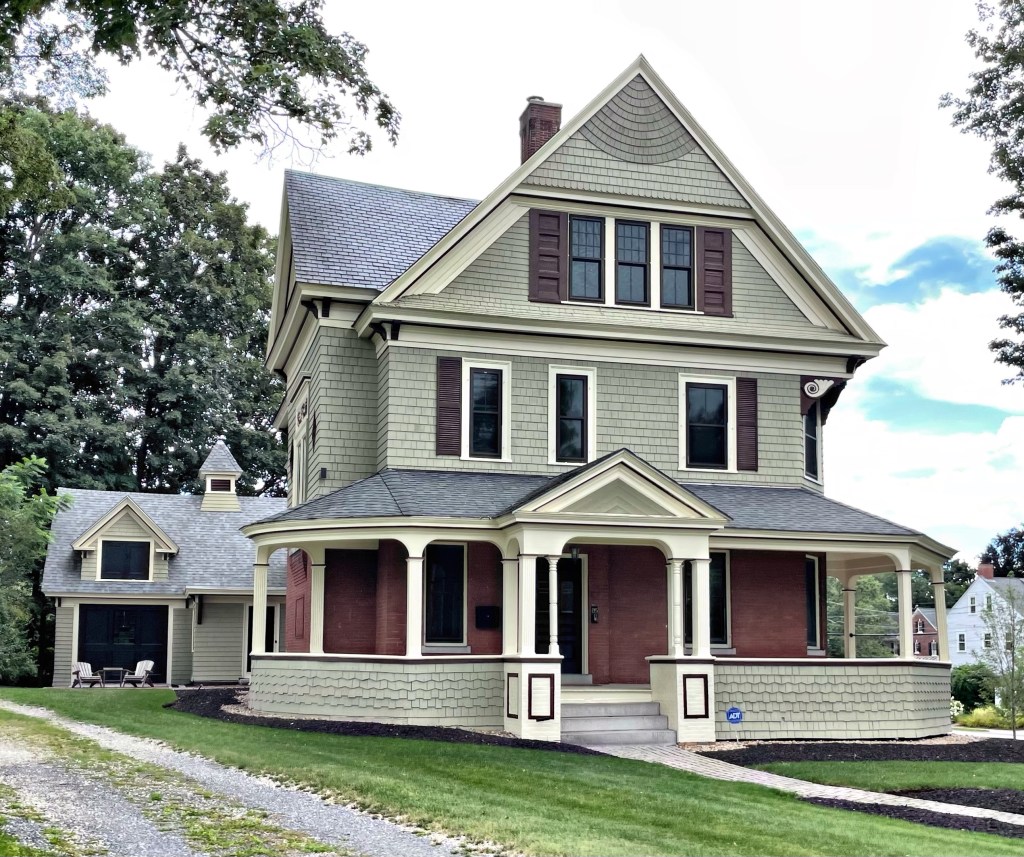
This Queen Anne Victorian residence sits at 85 Concord Street in Nashua, New Hampshire. Built in 1889-90 for Elijah Shaw, the house is one of a dozen or so well-preserved Victorian-era mansions along the prominent street. Elijah Morrill Shaw (1826-1903) was born in Kensington, NH and spent many of his early years working at woolen mills all over the Northeast until the outbreak of the American Civil War. Obeying his country’s call to arms, at the time of the Rebellion, he entered the army in 1861 and was later promoted to Captain in 1863. After the war, he continued working at mills all over the region until 1888 when he was hired by the Nashua Manufacturing Company. He built this house soon after his arrival and remained there until his death in 1903. The dwelling and rear carriage house are clad in shingles with the house built with a brick first floor.

Charles Hoitt House // 1895

Charles William Hoitt (1847-1925) was born in Newmarket, New Hampshire, the son of William K. A. and Sarah C. (Swain) Hoitt. His father was a descendant of John Hoyt, one of the original settlers of Salisbury, Massachusetts. On the maternal side he is a descendant of Phineas Swain who served at Bunker Hill on the American side. Charles enrolled at Dartmouth College in 1867, and was graduated in the class of 1871. He moved to Nashua to work as Master of the Mt. Pleasant School and later worked as an usher at the Lincoln Grammar School in Boston. He eventually gave up teaching as a profession and returned to Nashua and worked at a local law office. He was admitted to the Hillsboro bar in 1877, and worked as a City Solicitor and later as Justice to the Nashua Police Court. With his standing, he erected this fine house on Concord Avenue, with a deep lot where he raised rare exotic birds. Judge Hoitt served in the New Hampshire House of Representatives in 1901 and in 1907, was appointed by Theodore Roosevelt to be the United States Attorney for the District of New Hampshire. His residence in Nashua blends Queen Anne, Shingle, and Colonial Revival styles elegantly. The property was purchased in the 1920s by the Unitarian Universalist Church of Nashua as a parsonage, a use it held until it was sold in 1977 to a private homeowner. The shingled porch was removed during the time it was a parsonage, but the house remains in excellent condition today!

Stephen & Maria Mansfield House // 1888

The Stephen and Maria Mansfield House is located at 70 Concord Street in Nashua, New Hampshire, and is one of many stunning old houses along the largely residential street. The dwelling was built in 1888 for Stephen Willard Mansfield, a shoe dealer in Nashua, and his wife, Maria. The Mansfield House is a great example of a more modestly sized Queen Anne style house, which is typified by the asymmetrical plan, varied siding types, and intricate carvings and turned posts. This house is dominated by a two-story rounded bay which is capped by a conical roof. She could definitely use a good paint job but it’s a really sturdy old home built from old-growth lumber. She’s here to stay!

Isaac Newton Center Homestead // c.1850

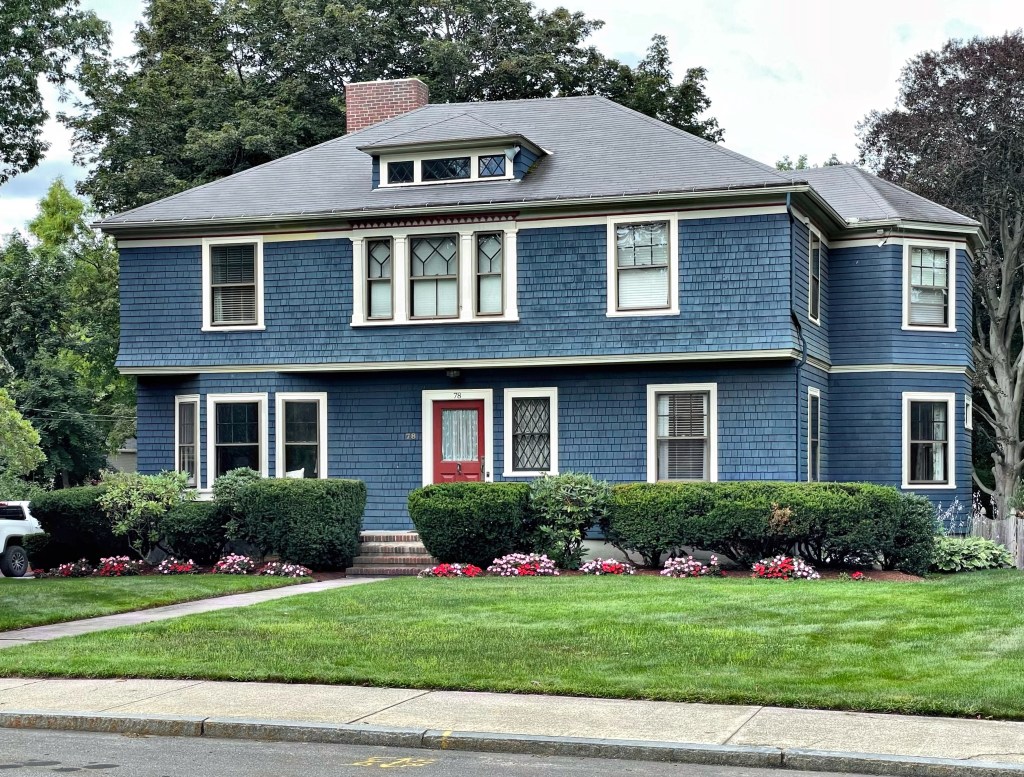
Isaac Newton Center (1811-1889) was born in Windham, NH and arrived to the rural town of Litchfield, NH in its early days. Upon arrival, he appears to have built this homestead sometime in the mid-19th century based on its style. Like many in town, he was a farmer and was involved with the local Presbyterian Church, which is still neighboring this old farmhouse. After his death, the old farmhouse and homestead was inherited by Isaac’s youngest son, Isaac Newton Center, Jr., who was engaged in local town affairs, serving as City Clerk, Treasurer, Forest Fire Warden, and Library Trustee. The house appears as a melding of late Greek Revival and Italianate, possibly from the 1850s or 1860s.

Cragin-Frye-Savage Mill // 1858

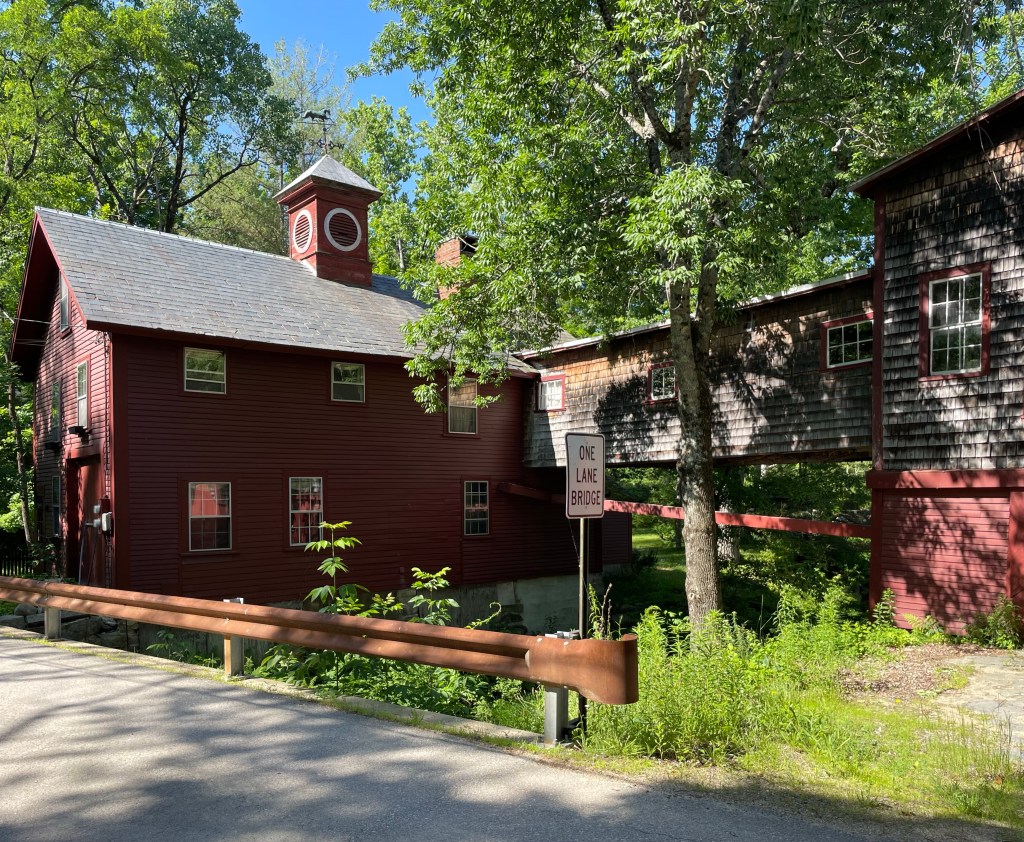
There’s not much that is more picturesque and stereotypical New Hampshire than old, wooden mill buildings. When I was looking for a town to explore in NH, I got stuck on a photograph of the old Cragin-Frye Mill in Wilton, and off I went! Daniel Cragin (1836-1921) was born in Merrimack, NH of Scottish descent. In 1856, age 21, he rented a room in a woolen goods mill, and he built knife trays and wooden toys which he turned into a business. He started his business with ten dollars, and turned a profit from the beginning, so much so that by 1858, he accumulated enough money to purchase a nearby existing building for his own operation. The mill was water-powered and grew quickly. The Daniel Cragin Mill began production of sugar boxes and dry measure boxes. The mill closed briefly after Cragin retired in the early 20th century. In 1909, Whitney Morse Frye and his father, Dr. Edmund Bailey Frye, bought the mill from Cragin. Frye continued the Cragin line of wooden trays, boxes, and pails in addition to his normal processing of grains. Whitney Frye died in 1961, and his employee, Harland Savage Sr. purchased the old mill, continuing operations. After his retirement in 1981, his son Harley and his wife Pam Porter Savage took over operations and they have operated the mill to the present day as Frye’s Measure Mill. The mill is one of a few remaining operating water-powered measure mills in the United States!