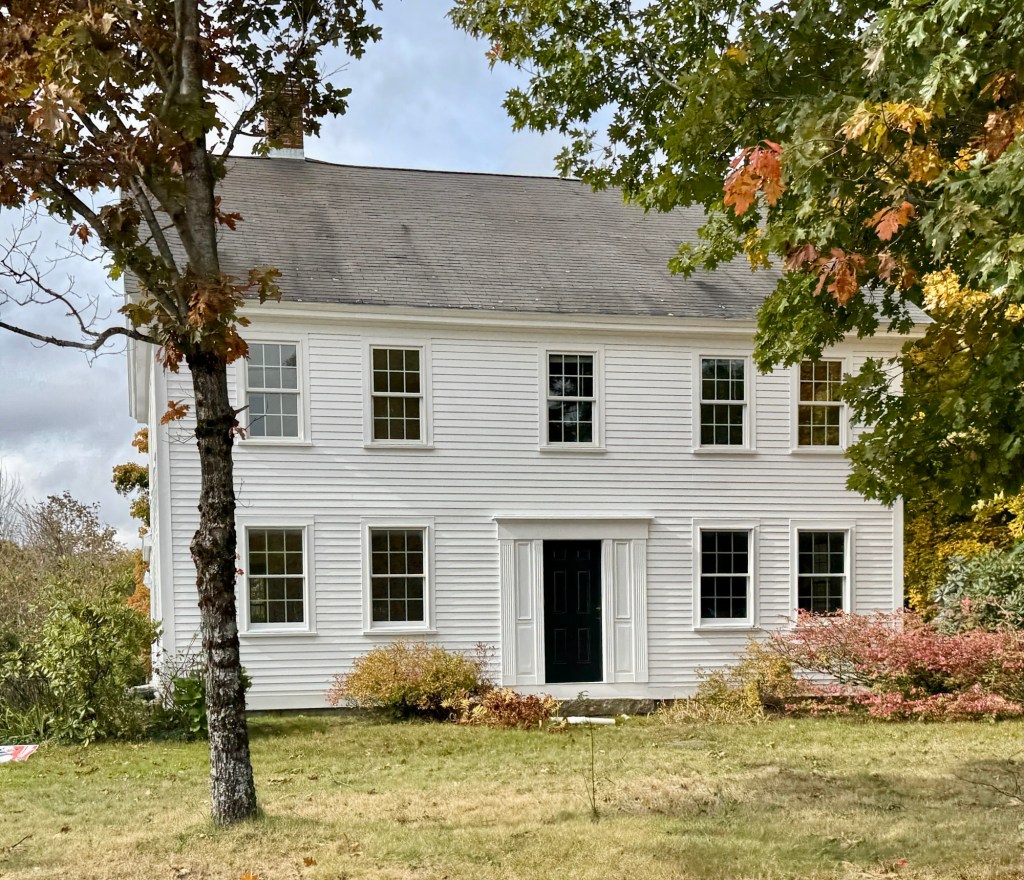
Ivory Wilder House // c.1842

In 1842, Ivory Wilder, a shopkeeper in the village of Princeton, Massachusetts, demolished the old store formerly on the edge of the town common and oversaw construction of this residence. Ivory Wilder (1804-1886) worked for a time as the town constable and post master, and operated a store in the main village. He had this residence built as a double-house, where he resided with his family and rented the other half to boarders, including resident, Reverend Willard M. Harding and later Reverend Alfred Goldsmith, both pastors at the Congregational Church. The property later converted back to a single-family residence and was recently renovated. The Wilder House now serves as one of the important landmarks to greet those arriving to Princeton’s town common.
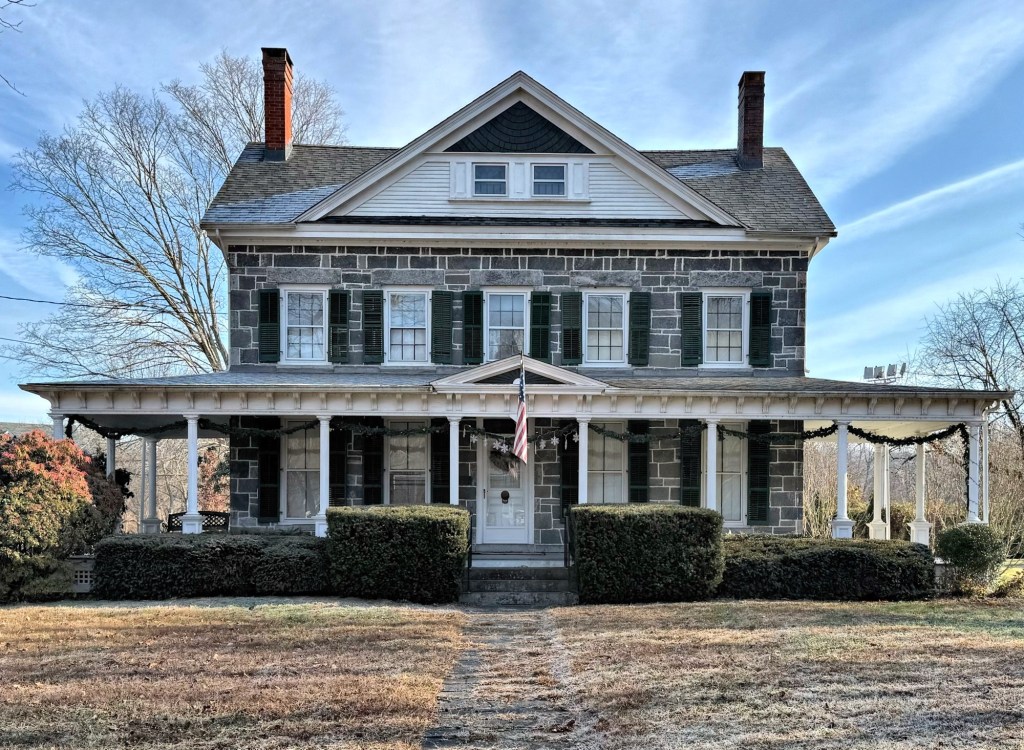
Southworth House – Deep River Historical Society // 1842

The Southworth House, also known as the Old Stone House, in Deep River, Connecticut, is a significant example of a stone, Greek Revival style house built for an important local family. The Southworth House was constructed in 1842 for Deacon Ezra Southworth (1803-1859) from stone harvested from one of the Southworth family’s quarries. Ezra was the son of local shipbuilder, Job Southworth who began building ships at the Deep River landing in the 1790s. Ezra Southworth branched off into manufacturing, becoming a partner and patent holder producing ink wells. His son, Ezra Job Birney Southworth (1844-1919), went into business with his father-in-law in shipping and served as a member of the State Legislature twice. In 1882, Ezra Jr. added the wooden ell onto the rear of the Stone House along with the wrap-around veranda and likely the rear barn as well. Ada Gilbert Southworth Munson was Ezra J. B. Southworth’s only child to live to adulthood and inherited the family home. She was a founding member of the Deep River Historical Society and bequeathed her family home to the Society in 1946, who have maintained the significant home here ever since.