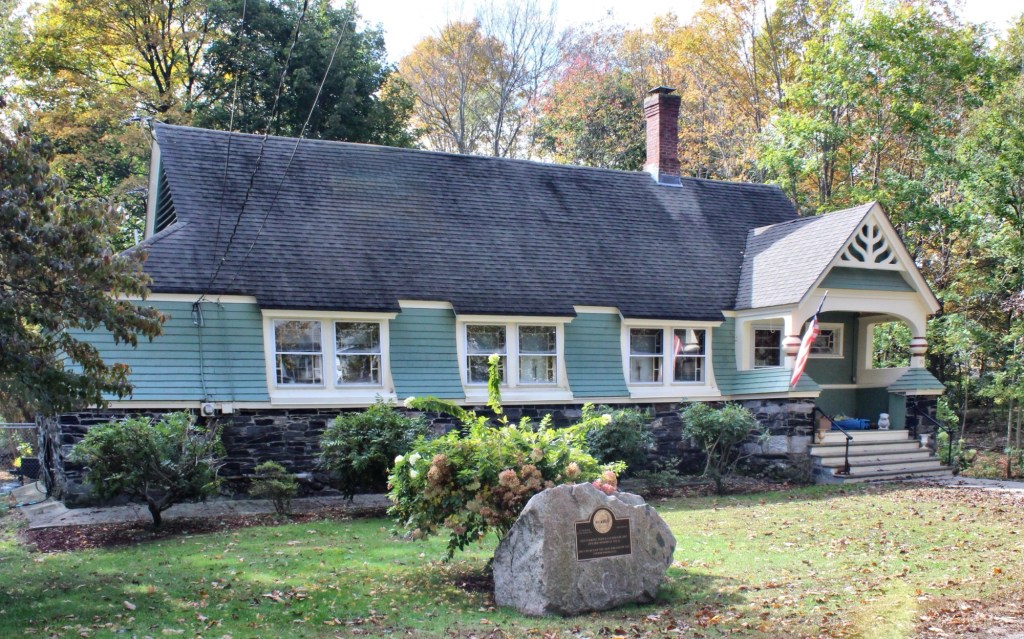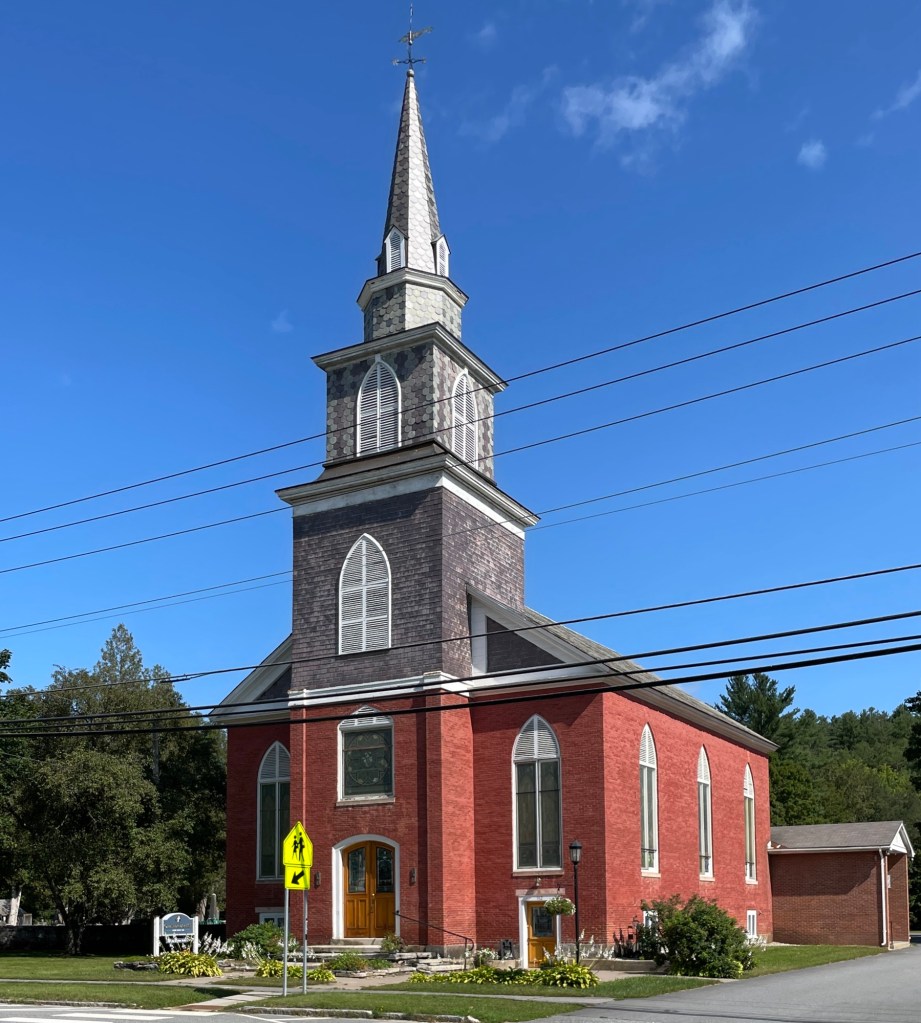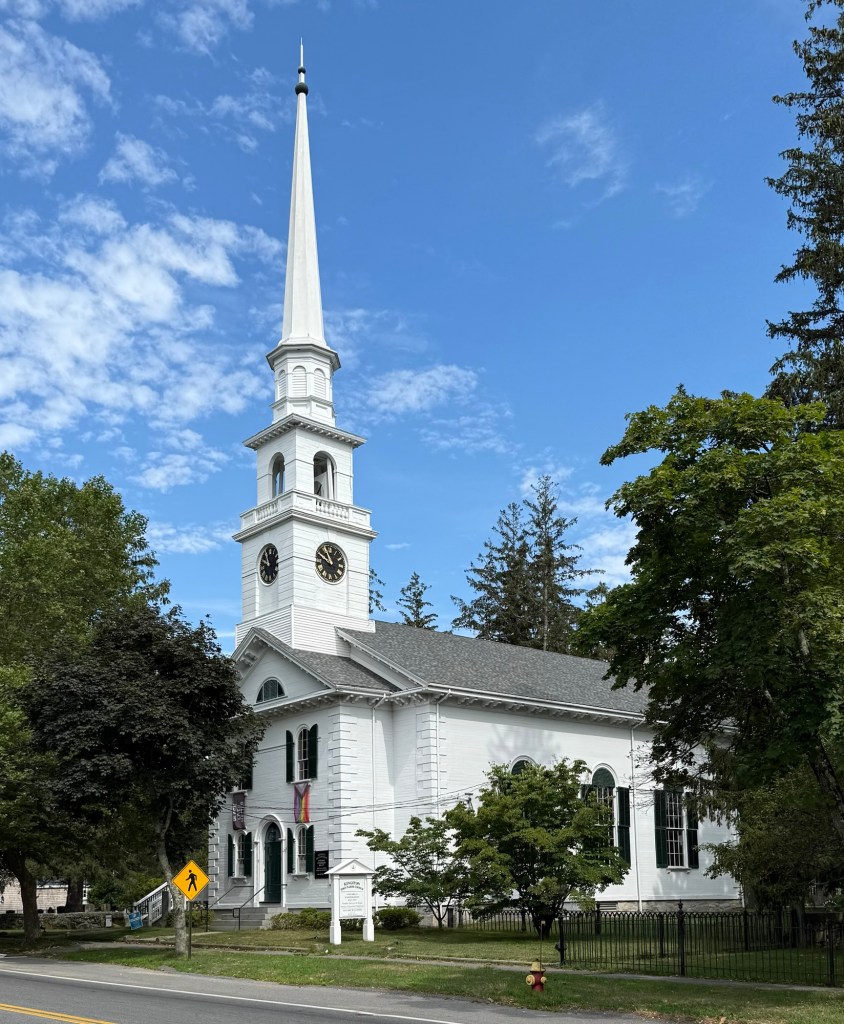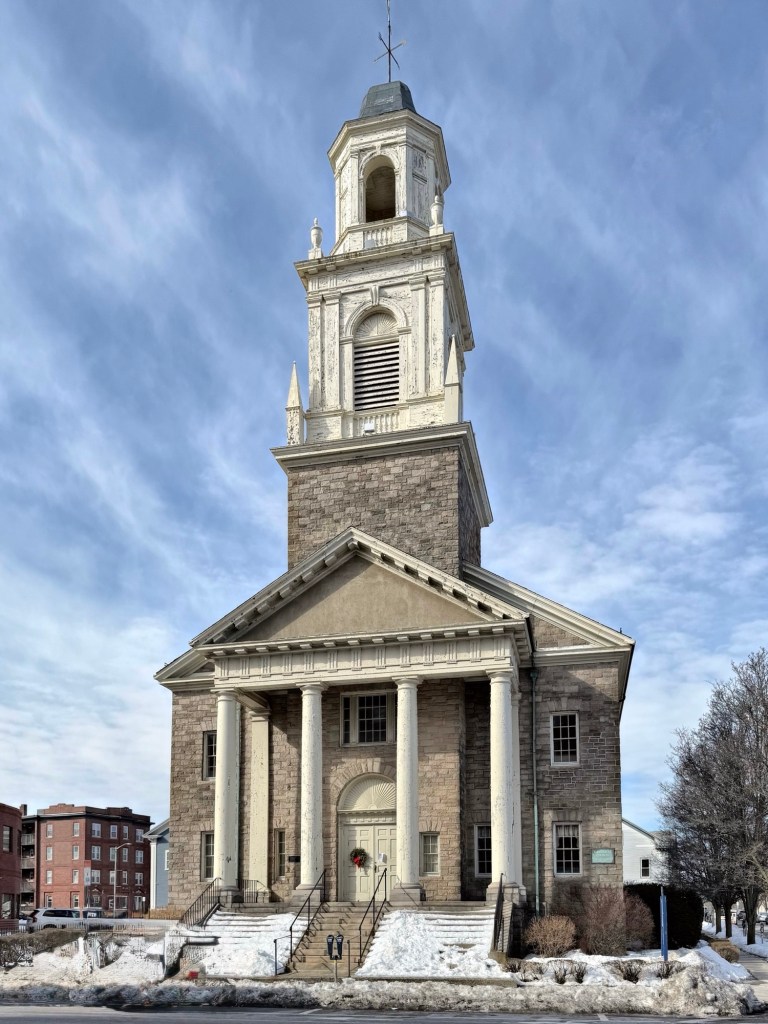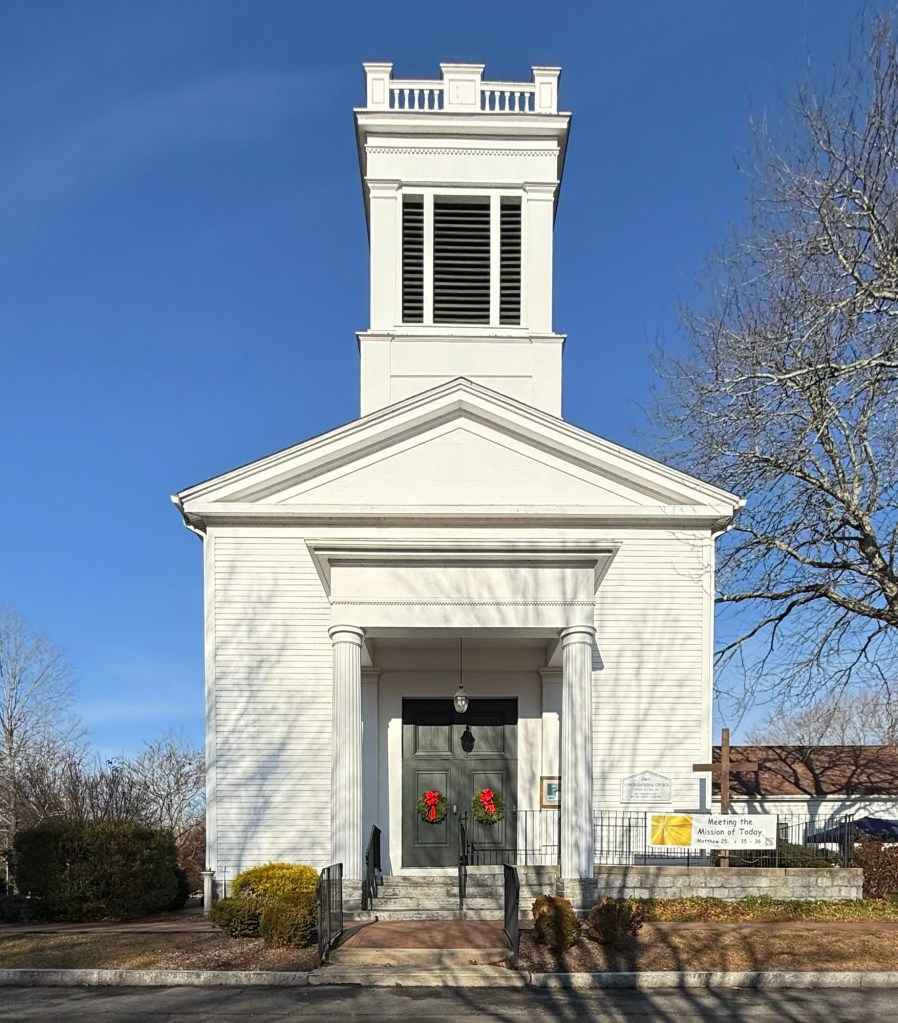
Westford Baptist Church // 1840

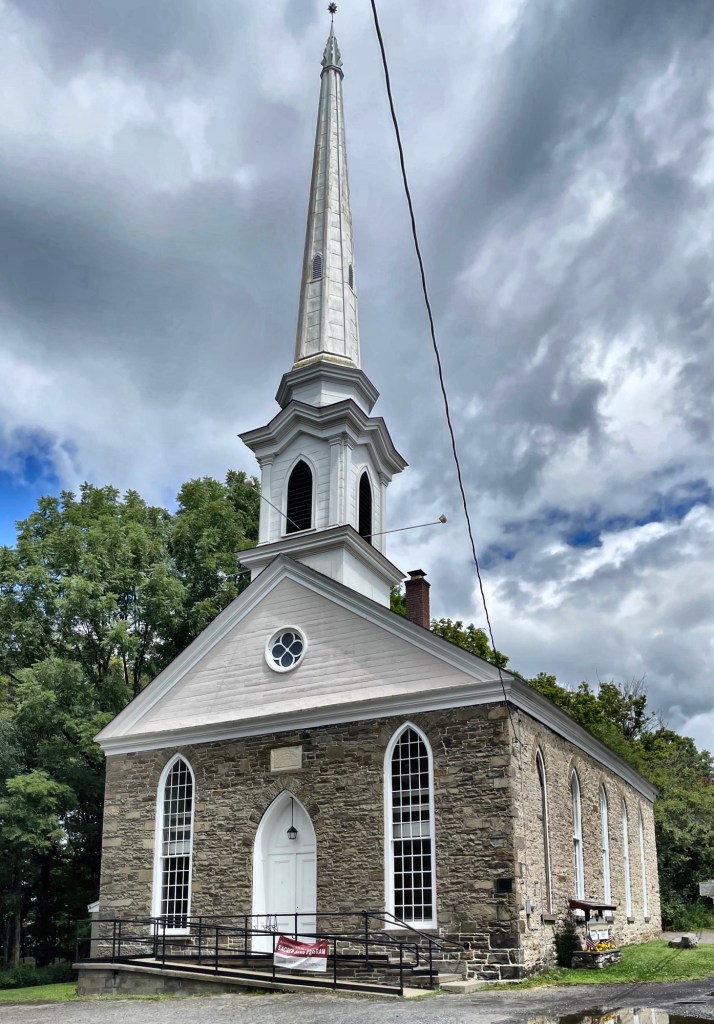
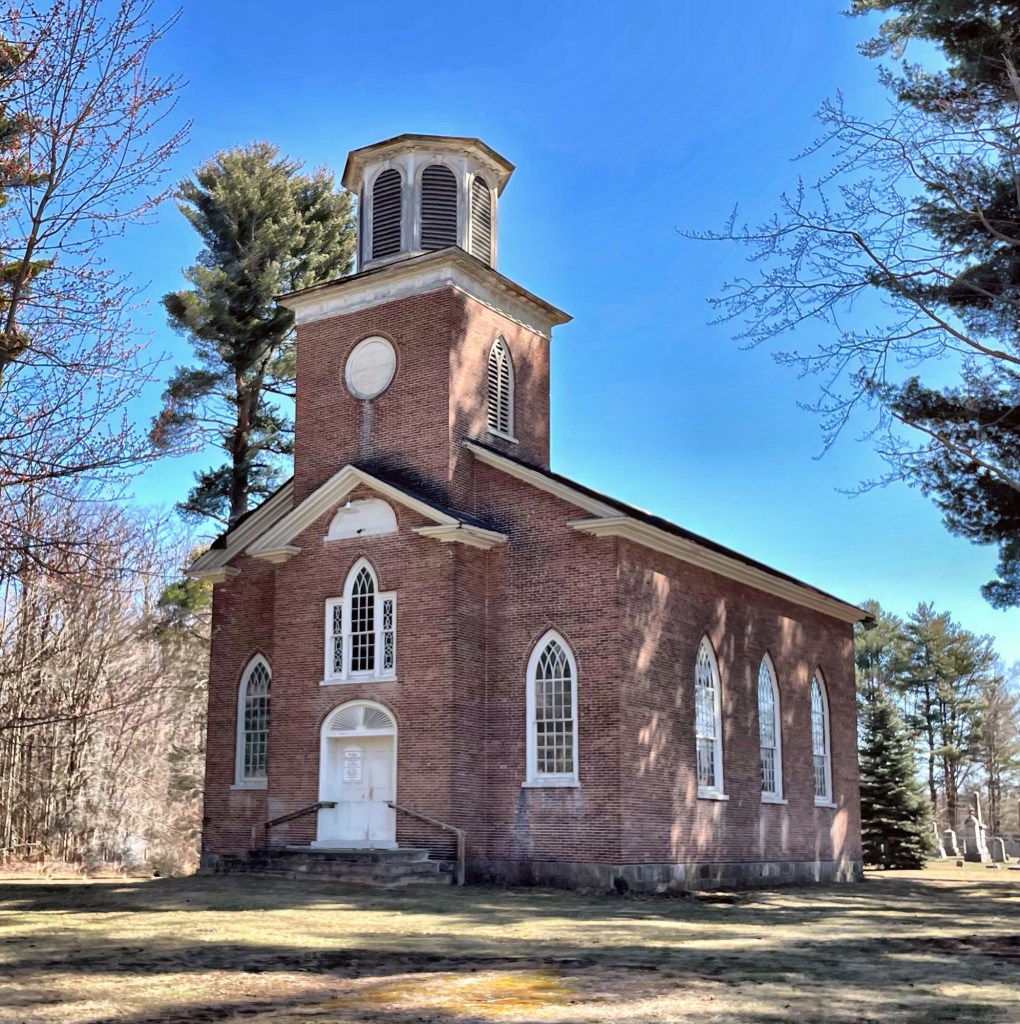
The Baptist church in Westford (a village in northern Ashford, yes it’s a little confusing) was formed in 1780. Its growth in the town can largely be attributed to Reverend John Rathburn, who had moved to town from Stonington, and was ordained as its pastor in 1781. A membership of fifty-four was reported in 1795. By the late 1830s, the village thrived due to the success of local businessmen and later, thanks to the Westford Glass Company, located nearby. Members donated to build this Greek Revival style church on a prominent corner in town, replacing the former meetinghouse. By the late 20th century, the church saw dwindling membership and merged with another in town. This church was sold to a neighboring property and is privately owned today.

Old Swedish Lutheran Church, Newport // 1896

By the end of the 19th century, the summer colony of Newport, Rhode Island continued to see the erection of large summer cottages which required large staffs to maintain them. Scandinavian girls were preferred by the wealthy residents for maids and drivers, and beginning in the 1870s; they joined other ethnic groups, such as the Irish in establishing their own communities in the coastal city. In 1892, organized under the New York Conference of the Augustana Synod, a Lutheran Church for Swedish-speaking residents was established. A small lot on Corne Street was purchased and work began on this small wood-framed church. Completed in 1896, the church was designed by by architect James W. Smith in the Gothic Revival style. It has a central bell tower and a spire and the interior of the church originally had an hourglass pulpit. Gold and white decorations surrounded an oil painting of the risen and ascending Christ. In the 1950s, the congregation purchased land on Broadway in the north end of Newport and built St. Peter’s Lutheran Church. The Corne Street church was sold and is now a private residence.

Head Tide Church // 1838

In the early 19th century, Head Tide was a bustling village within the Town of Alna, Maine, supported by mills at the dam, agriculture and apple orchards, boat building, fishing and forestry. As Head Tide grew in population, village leaders determined to build their own Congregational church so they would not have to travel the three miles to the 1789 Meeting House in Alna Center. The Head Tide Church in Alna, Maine was dedicated in November 1838 and sits on a hill overlooking the village. The Head Tide Church is a handsome rural Maine house of worship which exhibits a combination of Federal style, Greek Revival, and Gothic Revival elements in its design. The facade displays the outline of a Grecian temple front with its six pilasters and strongly accented triangular pediment. The Federal fan motif appears above the two facade windows as well as in the center of the pediment and the Gothic Revival influence is felt in the two pointed arch windows on either side of the church and in the simple pinnacle at the top of each corner of the belfry. The church is a high-style building for the rural Maine village and is kept very well by the community. The congregation disbanded, but the church remains an important part of the town and is rented for memorial services, events, weddings.

Bunker Hill Baptist Church // 1889

The Second Baptist Church of Jefferson, Maine, was organized in 1808 and originally rented a schoolhouse for its services. After eighty years of cramped-quarters, the members of the church had enough funds to erect their own purpose-built church, this stunning edifice on Bunker Hill Road, in West Jefferson. The congregation broke ground in 1889 and the church was dedicated in January of 1890. Apparently, the belfry was originally at the center of the roof, but the heavy bell required a new steeple to be built at the corner, in its present configuration. This well-preserved church building was a treat to stumble upon when driving through the town.

Church of the Epiphany // 1867

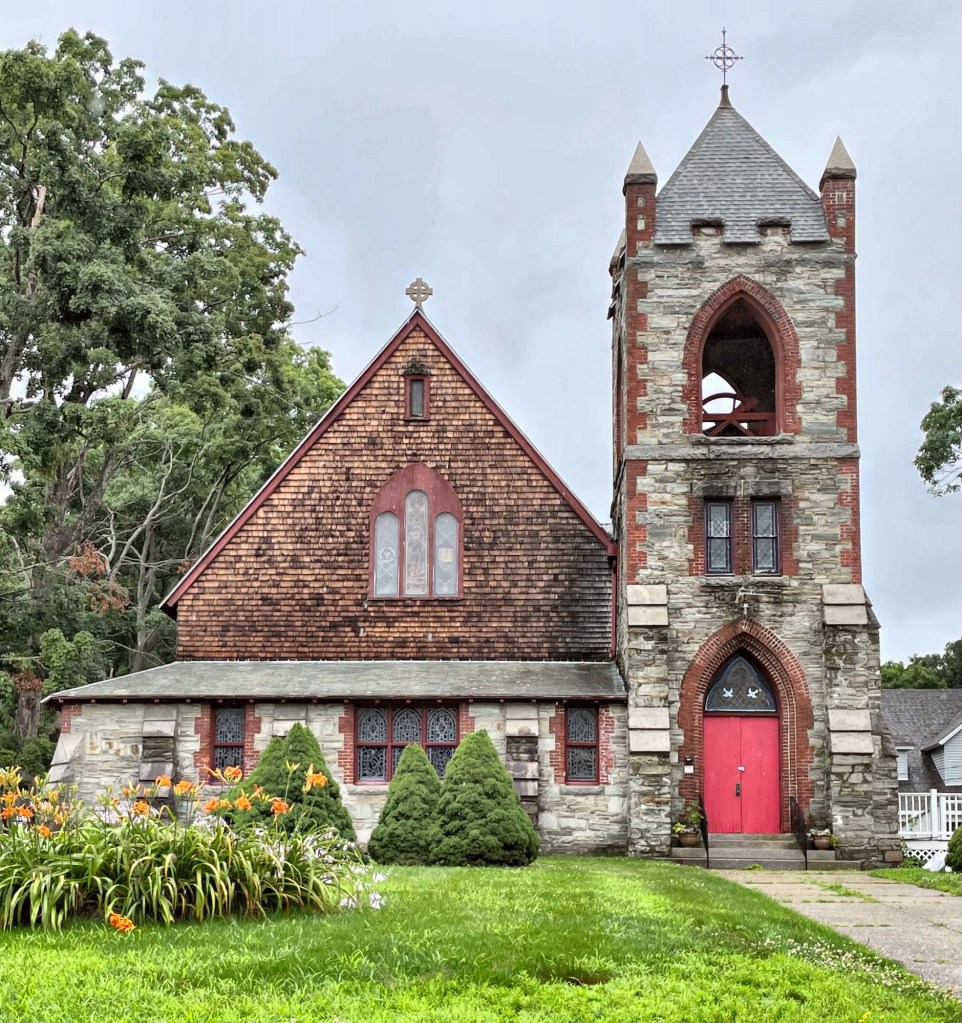
The stereotypical church in New England is the usual wooden structure with a central steeple and painted a bright white. Whenever I see an old church that breaks that oh-so-common mold, I have to snap a photo and learn more! This is the Church of the Epiphany, located on Main Street in Southbury, Connecticut. The church is an example of the Gothic style built in the Victorian period and is constructed of stone with a wooden corner belfry. Construction started in 1863, and the church was not completed until four years later in 1867. I could not locate who the architect was, but I am dying to know!

First Baptist Church of Blue Hill // 1817

In 1793, Rev. Daniel Merrill was ordained at the newly-organized Congregational Church in Sedgwick, Maine. Soon after the religious revival of 1799, Rev. Merrill changed his belief from a congregationalist to a Baptist; and in 1805, he and most of his church members were baptized by immersion. Rev. Merrill was
then re-ordained and installed as pastor of a newly-formed Baptist Church in town there. Baptism took hold in Maine (which was then still a part of Massachusetts), and in 1813, the Massachusetts Legislature passed a resolution incorporating the Baptist Society of Bluehill. Funds were gathered and the Baptist Church in Blue Hill began construction in 1817. In 1856, as Blue Hill saw great prosperity, the building was renovated by retired ship carpenter and local builder, Thomas Lord. The updated Greek Revival design has many pilasters and details that highlight the wealth and success of the Baptists in Maine.

North Adams Universalist Church // 1893

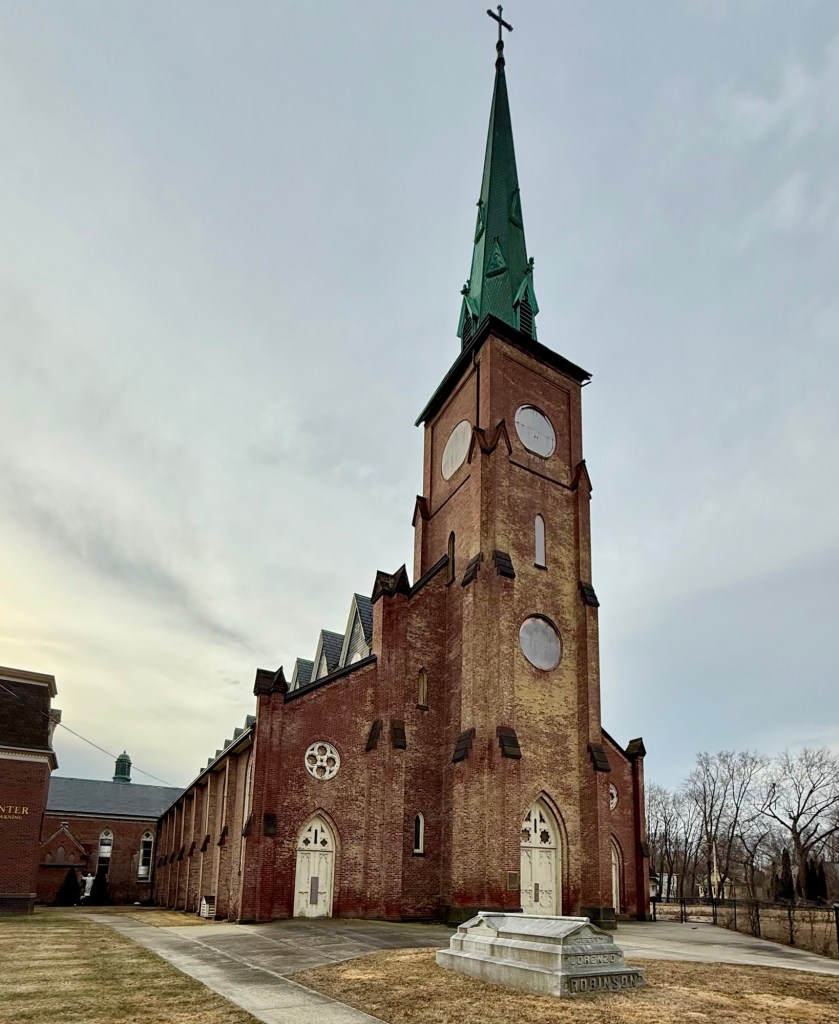
Tucked away off Main Street in North Adams you’ll find this charming little church. The Universalists were organized in North Adams in 1842, restoring an existing church near the Hoosic River. The congregation chose a site for a new church in 1852, and erected a white wooden chapel. It is unclear if the church was outgrown or a fire destroyed it, but the Unitarian society voted to build this church for a cost of approximately $25,000 in 1892. Architect Henry Neill Wilson of Pittsfield drew the plans, and the firm of Porter and Harnam of North Adams constructed the church. Due to the declining population in town in the mid-20th century, the church struggled and was sold to a private owner. The building began to decay by the 1970s and was later sold in 1996 to Barbara and Eric Rudd to house artist Eric Rudd’s installation entitled “A Chapel for Humanity”. The building is currently used as the Berkshire Art Museum Annex.