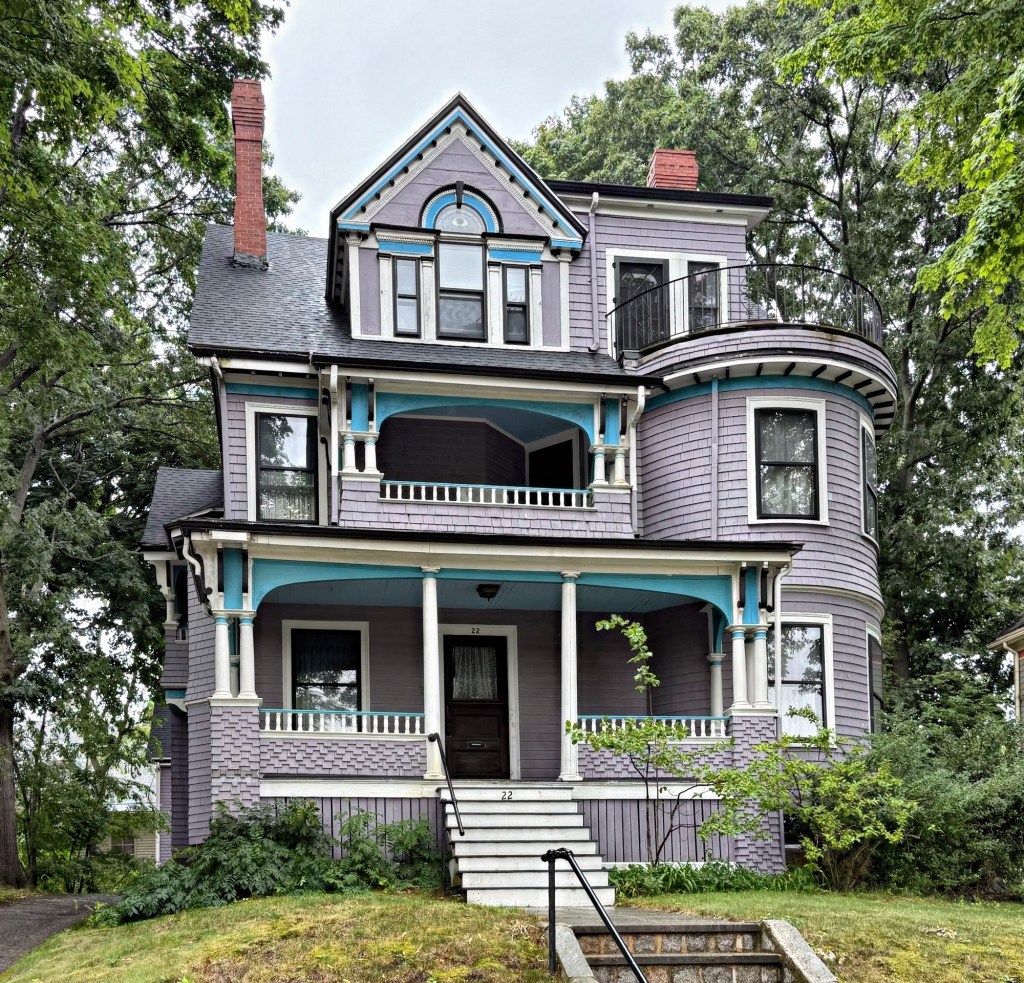
Chansonetta Stanley Emmons House // 1893

Chansonetta Stanley Emmons (1858-1937) was born in Kingfield, Maine, and was one of the great women photographers in the 19th and early 20th century, often depicting domestic life and New England scenes. The young Chansonetta Stanley grew interested in photography after her brothers’ (Francis E. and Freelan O. Stanley) dry-plate printing invention, they also invented the steam-powered automobile known as the Stanley Steamer. She married James Nathaniel Whitman Emmons in 1887 and in 1894, James hired architect Henry McLean, to design a residence for him and Chansonetta, this lovely home on Harley Street on Ashmont Hill. The couple occupied the house until 1898, when James died of blood poisoning at the age of 41. Chansonetta sold the home and moved to Newton, where her two brothers lived and operated their business. The house blends Queen Anne and Colonial Revival styles and originally had a conical roof over the corner rounded bay. The roof was replaced with a flat roof at about the time of the large balcony and extended dormer.
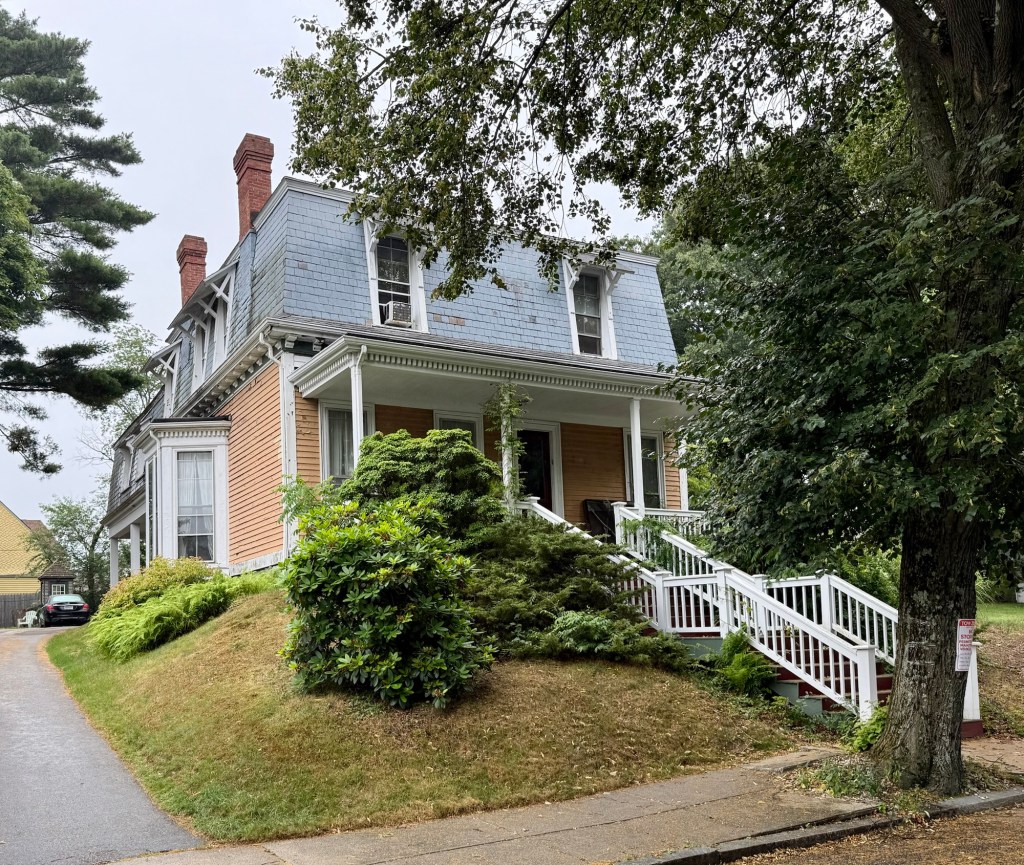
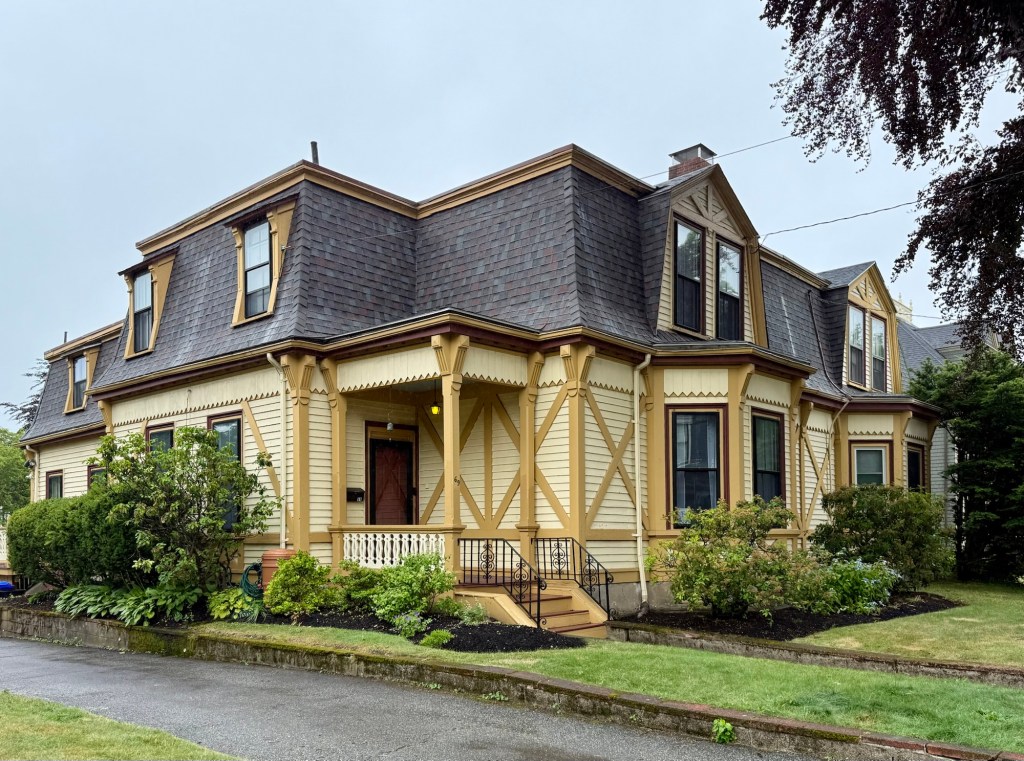
Reed-Loring House // c.1872

Another of the early houses built in the Ashmont Hill neighborhood by George D. Welles, a young man who inherited and subdivided his family estate in Dorchester, is this mini-Mansard on Harley Street. Like a few others in the neighborhood, this house was built for Welles, likely as a rental property. The house was rented by Charles and Nellie Reed, who had painter, Frank Henry Shapleigh over as a guest. Shapleigh would paint the house in the 1870s, shortly after a stint in Paris. The property would be purchased by Stephen L. Emery, a coal and wood merchant in Boston, and later by Clara Reed, the daughter of Charles and Nellie Reed, who took up permanent residence in this house with her husband Royden Loring, the vice president of the Arnold Roberts Company on Congress Street. Clara Reed Loring lived here until the early 1970s. The Second Empire style house and large, preserved barn at the rear of the lot, provides a glimpse into the early development of Ashmont Hill.

George Derby Welles Rental House // c.1872

From the 1780s until 1870, almost all of Ashmont Hill (west of the present train station) was a farm, with the large farmhouse dating to about 1720, located at the corner of Washington and Welles streets, now the home to the Codman Square Branch of the Boston Public Library system. The farm was owned for a time by General Henry Knox. Sometime before 1850, the estate and mansion came into the possession of the Honorable John Welles, who died in 1855. The property would eventually be deeded to John Welles’ grandson, George Derby Welles, who was then just 26 years old and living in Paris with his wife, Armandine V. Derby. Welles wasted no time in developing the property through his agent, Boston Attorney Edward Ingersoll Browne. Streets were laid out and house lots were platted and sold, with some early properties built with much of the neighborhood developing by the turn of the century. The old Knox-Welles farmhouse would be razed by 1889, but the remainder of the neighborhood has since become a landmark neighborhood of Victorian-era homes. This mansard double-house at 67-69 Ocean Street dates to around 1872 and is one of the earliest properties in the area. Blending the Second Empire and Stick architectural styles, the handsome double house is said to have been designed by architect Luther Briggs for George D. Welles and rented to tenants.

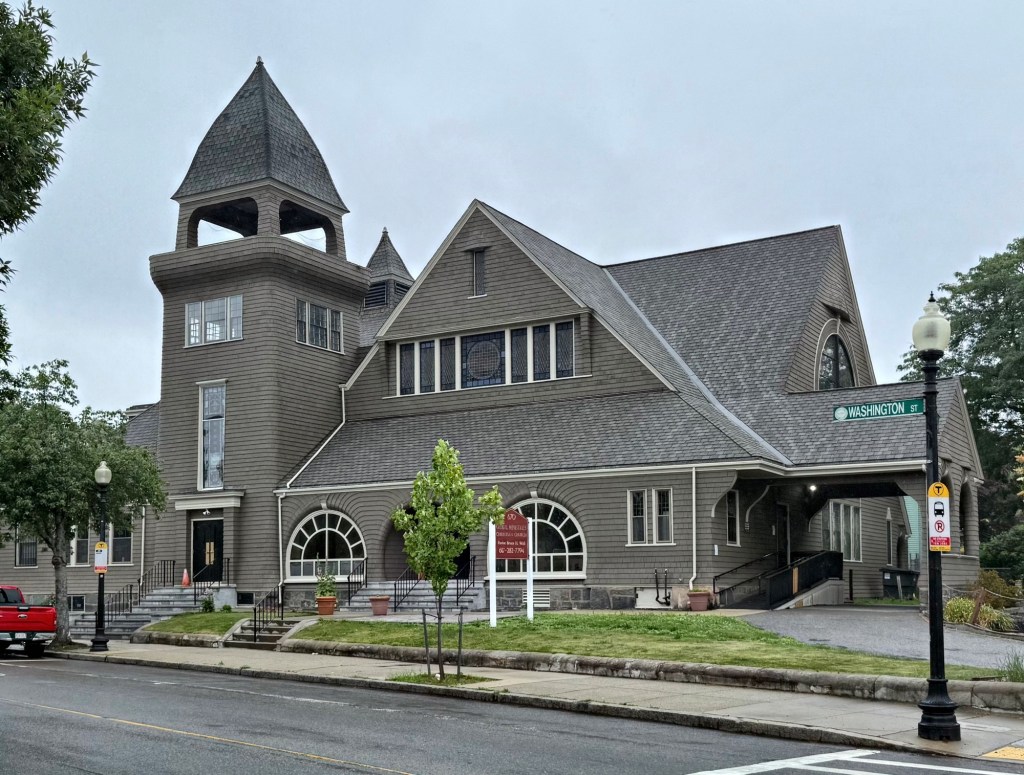
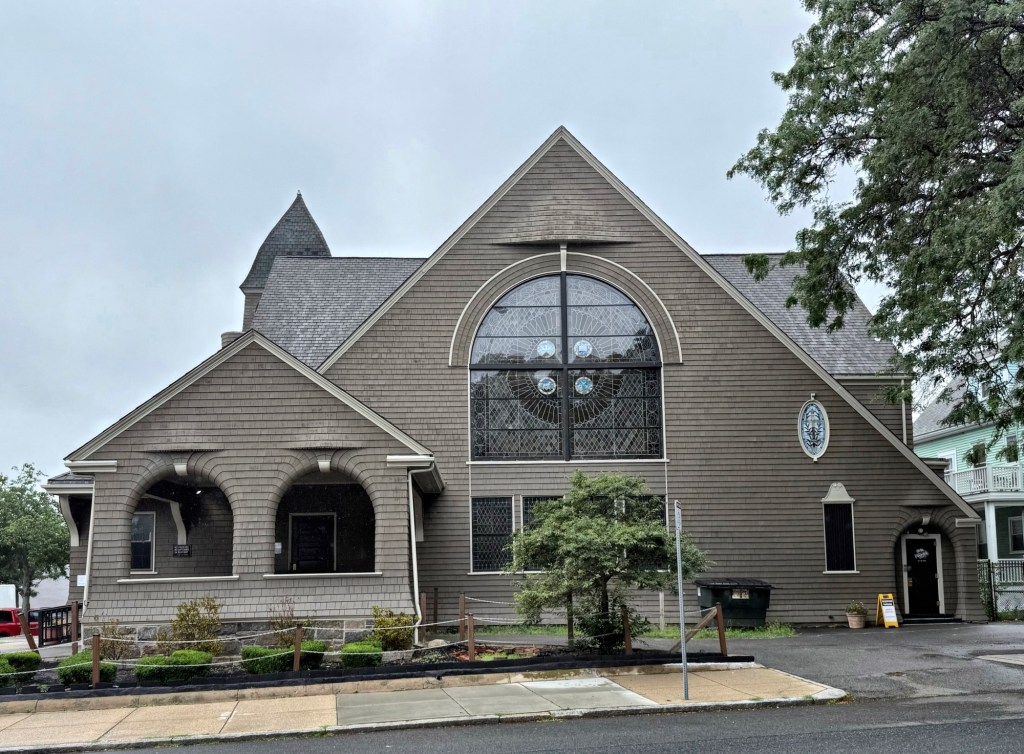
Dorchester Temple Baptist Church // 1889

Located at the corner of Washington Street and Welles Avenue, the Dorchester Temple Baptist Church was designed in 1889 by architect Arthur H. Vinal, as one of the best examples of a church designed in the Shingle Style in New England. The church began in 1886 as a mission church of the Tremont Temple Baptist Church in Boston. At this time, Dorchester was a semi-rural area and would surge in development when the streetcars were electrified in the 1880s. With a rapidly developing neighborhood, the congregation here, purchased lots and hired Vinal to furnish plans for a house of worship. The church’s cornerstone was laid October 3, 1889, with the church membership numbering ninety-nine at that time. Membership would decline in the decades following WWII, and shifting racial and ethnic demographics in the neighborhood brought new members to worship here. The building was renamed as the Global Ministries Christian Church by the current congregation, who with the assistance of preservation grants, worked with Mills Whitaker architects to restore the iconic landmark. Specific details of the building stand out, including the stained glass windows, the belfry with bulbous form, and the arched openings with continuous shingled walls.