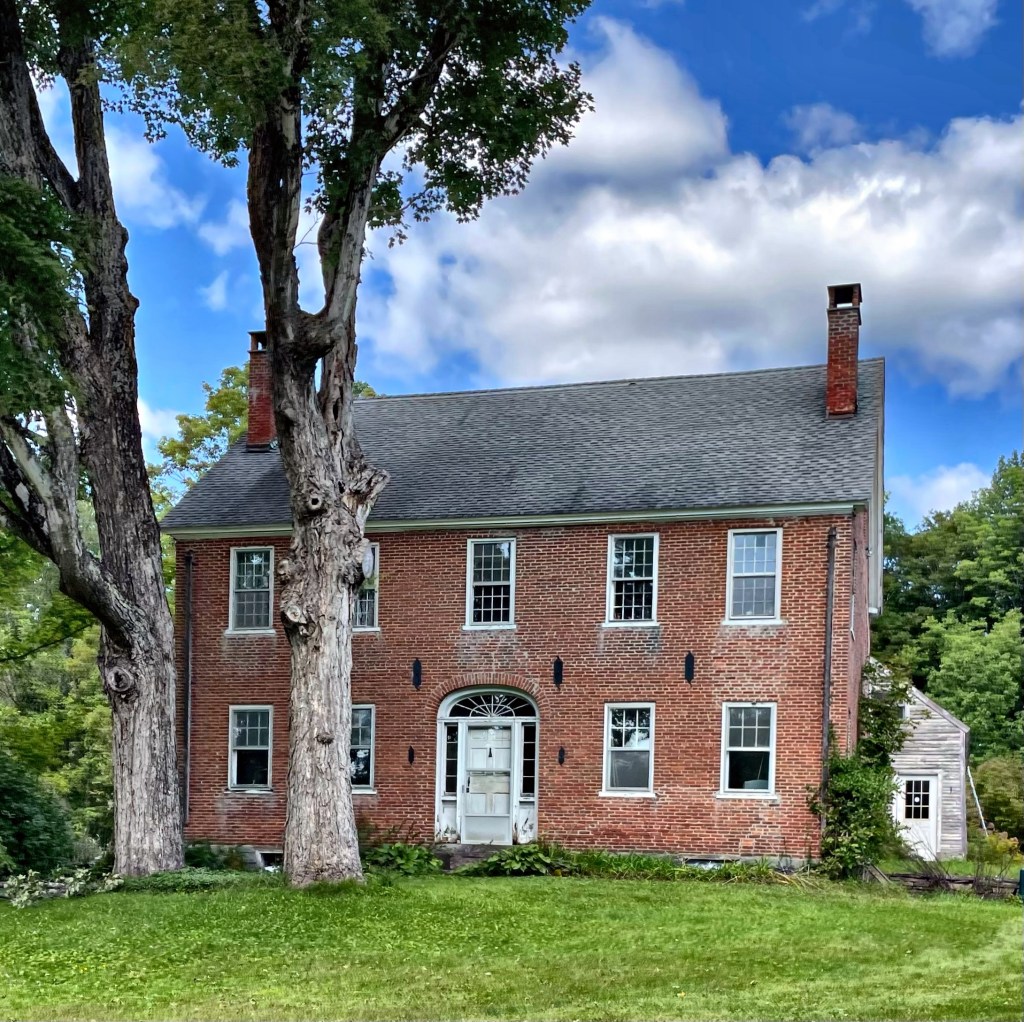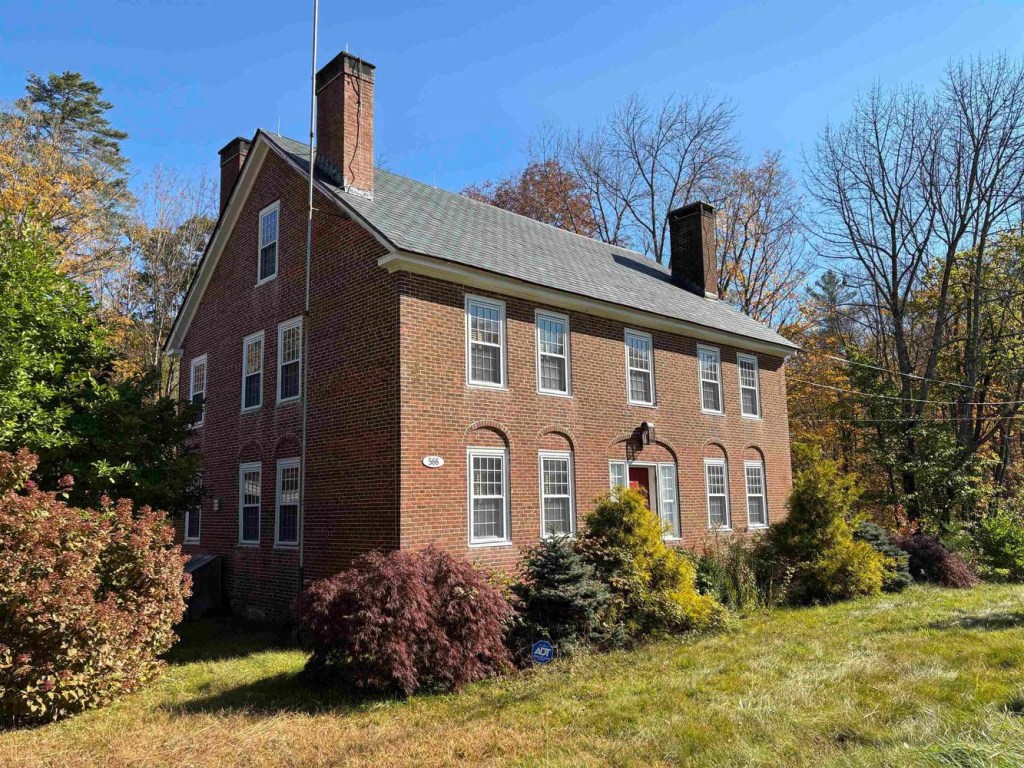
Jaquith Homestead // c.1820

Erected in the 1820s by Joshua Jaquith, a prosperous mill owner who operated a sawmill and grist mill on the river directly behind his house, this residence in Andover, Vermont, exemplifies vernacular Federal period residential architecture in rural New England. The residence is said to have been carved up inside into apartments in the mid-1800s but was restored by Alden Jaquith, the third generation of the family later in the 19th century back into a single-family residence. The handsome brick home is symmetrical with a five-bay facade, 12-over-12 sash windows, and large end chimneys. Of particular note are the relief arches above first floor windows and above the door and the attached sidelight windows.
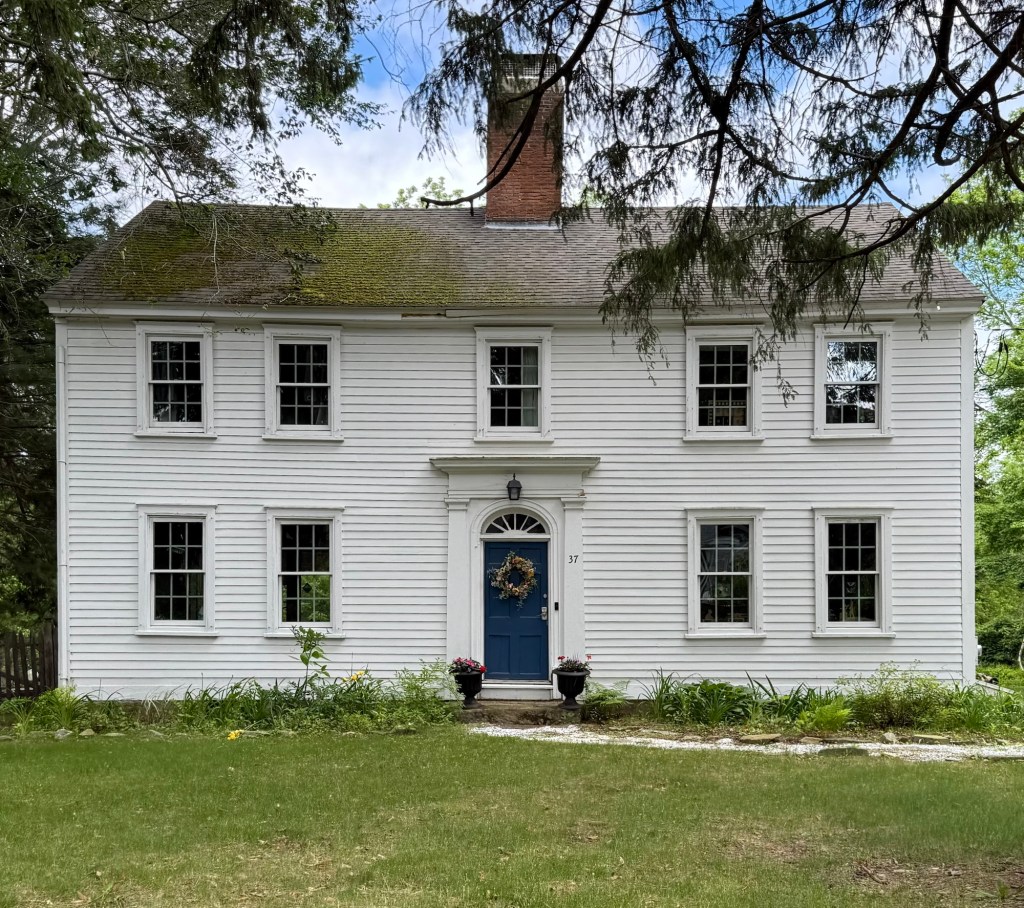
Rice-Harrington House // c.1731

This charming Federal style house sits on Maynard Street in Westborough, Massachusetts, and according to local records, dates to the early-mid 1700s. The property was originally owned by Eliezer Rice (1703-1767), a farmer and town constable, and likely built around the time of his marriage to Persis Newton, who died in 1746 during childbirth. After Eliezer’s death, the property was owned by an E. Harrington, who likely rotated the earlier structure 90 degrees and built the Federal style residence facing the street, utilizing the 100-year old house as a rear kitchen ell, or completely modernized the old residence, retaining the central chimney. The Federal house features a symmetrical facade, pilastered entry with fanlight transom window, and a large central chimney.

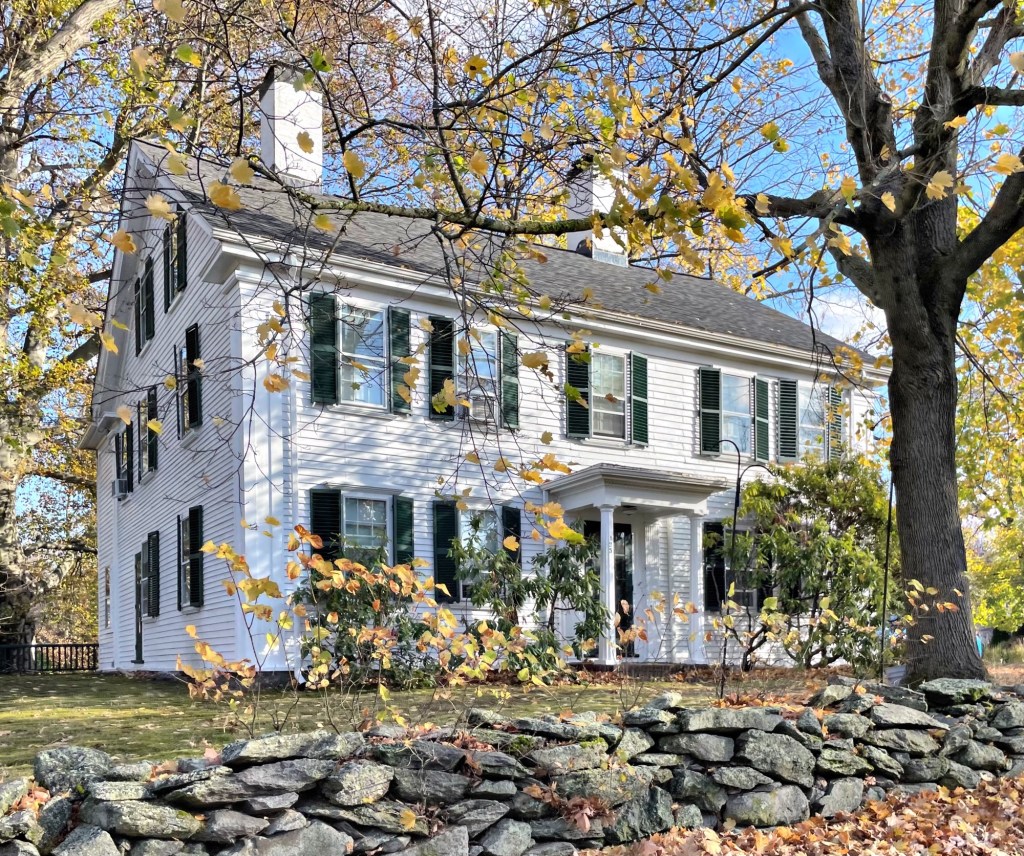
Jackson-Richards Farmhouse // c.1768

This historic home at the edge of Newton Centre is believed to have been built by 1768 by Abraham Jackson, a descendant of one of the earliest settlers in what would become Newton. Abraham took out a mortgage on three acres of land and woodlands, a dwelling house and barn. In 1782, the property was acquired by Aaron Richards (1750-1823), a Revolutionary War veteran and carpenter, who likely modified the residence into the Federal style form and design we see today. Aaron Richards would farm the land here until his death. The farmhouse would be bought and sold and the property subdivided in the 19th and 20th centuries, diminishing the farm and woodland which once surrounded the residence. For a period after the Civil War, the property was owned by the Boston Children’s Aid Society as a Girl’s Home, used as a boarding house to raise orphaned girls from the Boston area, teaching them skills to increase their hopes of adoption or moving out on their own. The property was reverted to a residence by the 20th century and is significant as one of Newton’s few extant 18th-century farmhouses.

Oliver Tarbell House // c.1830

Oliver Tarbell and his wife Sandy erected this stunning brick Federal farmhouse in Cavendish around 1830 for their ever-growing family. The couple had thirteen children who survived infancy, so even this large home was likely stuffed to the gills and hectic! Oliver appears to have built the home, incorporating his ancestral home onto the rear of this brick house, as a rear ell. The house recently sold in 2022, so of course I had to gawk at the amazing interior photos…