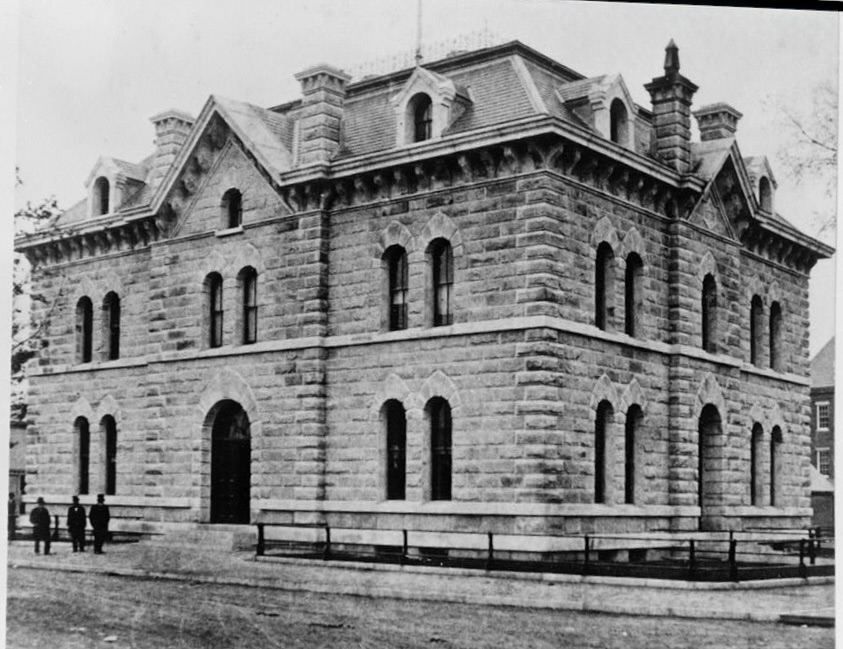
Rockland Custom House & Post Office // 1873-1969

Photo included in HABS documentation

It saddens me to see photos and learn about some of the amazing buildings demolished in the name of “progress”; it is even more disappointing when said building is replaced by a surface parking lot (over 50 years later)! This great stone building was built in Rockland, Maine, in 1876 as the town’s post office and custom house by the Federal government. Relatively unknown architect Alfred B. Mullett is credited with the design as he served from 1866 to 1874 as Supervising Architect of the United States Treasury Department. The building can be classified as Italianate-Second Empire in style and is constructed of massive, rough-faced granite block walls with a shallow mansard roof above. The building was offered for sale by the U.S. Government in 1967, likely due to the upkeep costs and a shrinking local population with the dependency on maritime trade diminished. The building was ultimately razed in late 1969, with a new, uninspiring, post office built next door to this site.
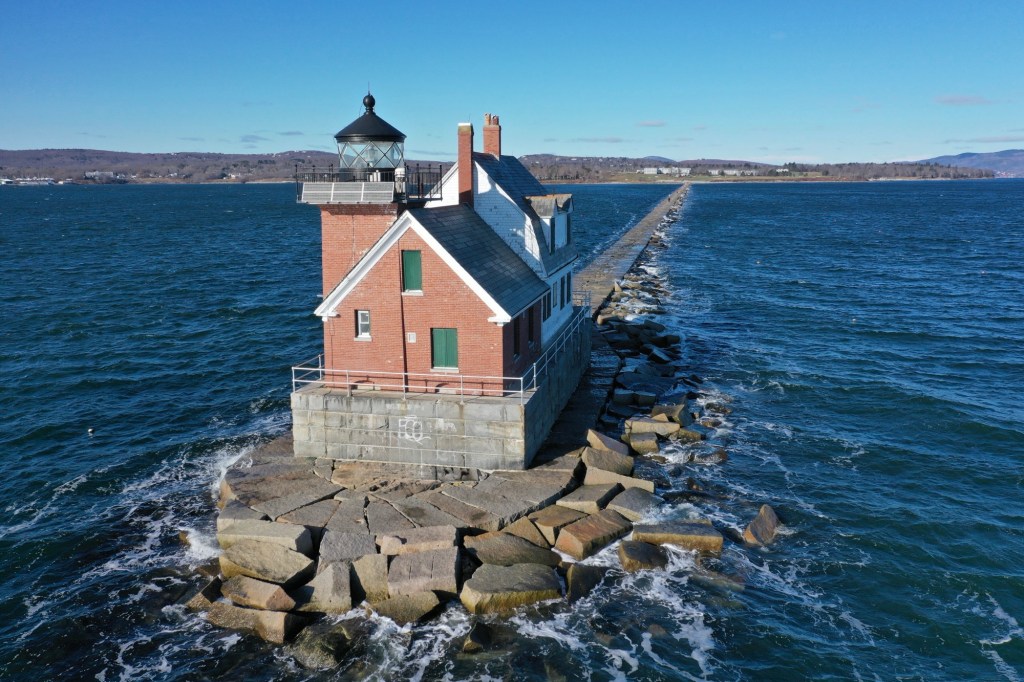
Rockland Harbor Breakwater Light // 1902

The Rockland Harbor Breakwater and Lighthouse is arguably the most iconic structure in the coastal town of Rockland, Maine. As Rockland was a major port and harbor, relying on the transportation of lime and shipbuilding for its economy, protecting the harbor was of paramount importance. Major storms in the 1850s highlighted the need for improved harbor protection, but federal appropriations for a breakwater were not approved until 1880. Between 1880 and 1900 the United States Army Corps of Engineers, under a series of Congressional appropriations, built the breakwater, a 4,364 foot long wall in the harbor built of locally quarried blocks of granite. It is truly a feat of engineering! The lighthouse standing at its end was added in 1902. The iconic breakwater is accessible by those who brave the crashing waves and distance to the end of the nearly mile-long walk out to the lighthouse. The structure is today maintained by volunteers and the City of Rockland.

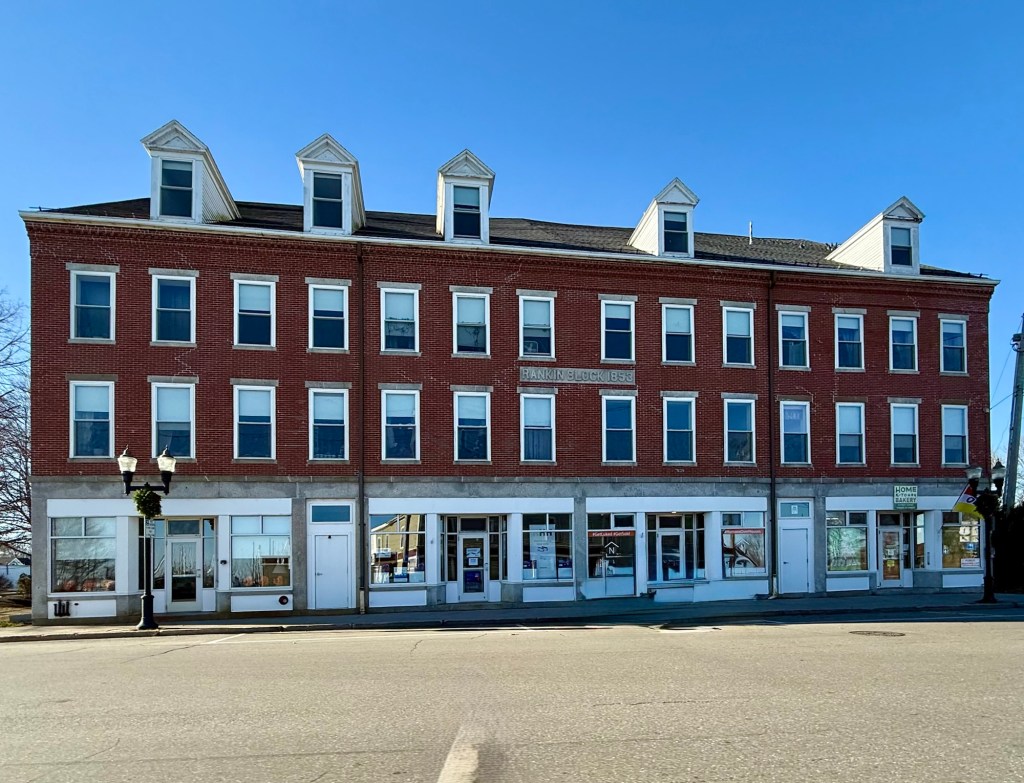
Rankin Block // 1853

The Rankin Block is a significant early commercial building in Rockland, Maine. The brick block was built in 1853 by Samuel Rankin, a descendant of one of the area’s first European settlers. Its location was near the center of the city’s shipbuilding industries, and replaced an earlier commercial building destroyed by fire. Its early tenants included a ship chandlery, shipping offices, and a sail loft. The vernacular Greek Revival style building is constructed of brick and granite, showcasing the no-frill architecture that working Maine sailors preferred. The building is now occupied by a senior living facility. Talk about a great adaptive reuse!

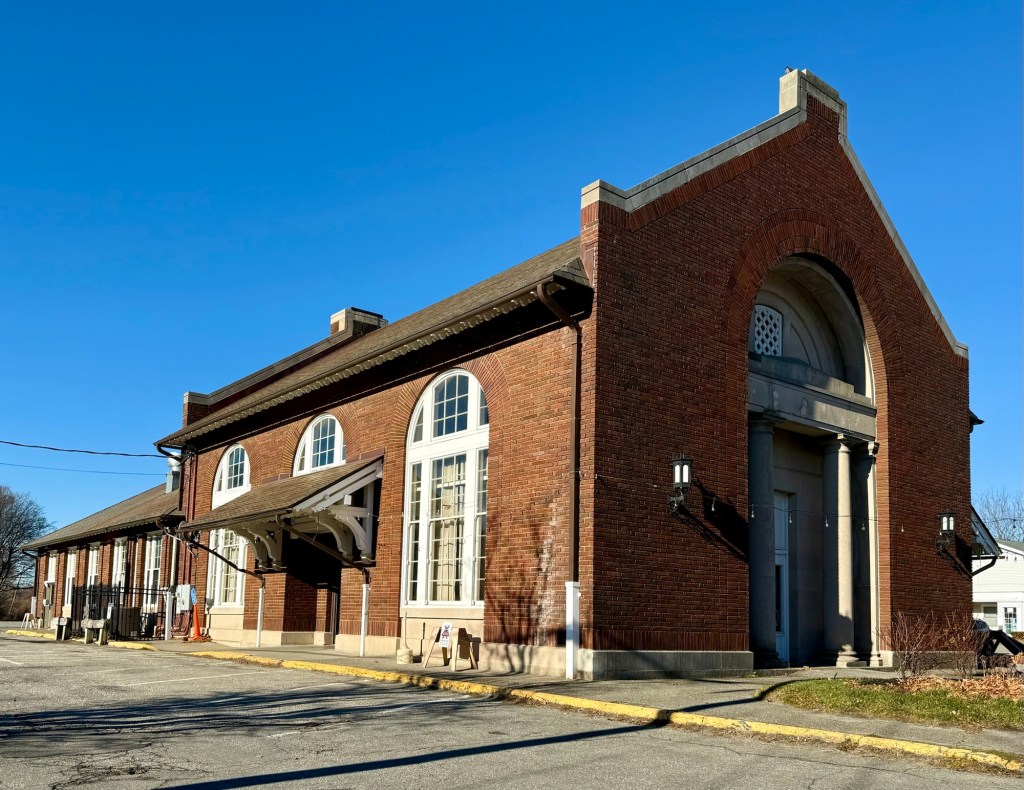
Rockland Railroad Station // 1917

Welcome to Rockland, Maine! Originally called Catawamteak by the Abenaki, meaning “great landing place”, Rockland was first settled by European settlers in In 1769 as a camp to produce oak staves and pine lumber. In 1777, when Thomaston was incorporated, present-day Rockland became a district called Shore village. In 1848, it was set off as the town of East Thomaston and renamed Rockland in 1850. The coastal community grew quickly as a shipbuilding and lime production center, with upwards of 300 vessels to transport the mineral to various ports in the country for the building of communities all down the coast. The opening of the Knox and Lincoln Railroad in 1871 brought an influx of tourists and businesses, creating a development boom for the community. The line was leased to the Maine Central Railroad in 1891, which took over ownership in 1901. The Rockland Railroad Station, seen here, was built in 1917, just before the government took over the railroads during World War IArchitects Coolidge and Shattuck designed the station in the Romanesque Revival style with the oversized arched openings at the windows and main entrance. The rise of the automobile industry would further harm rail service and usage, and the Rockland Branch officially closed in 1959. The old Rockland branch station operated as the Rockland Town Hall for decades and is now occupied by a local restaurant, Trackside Station.

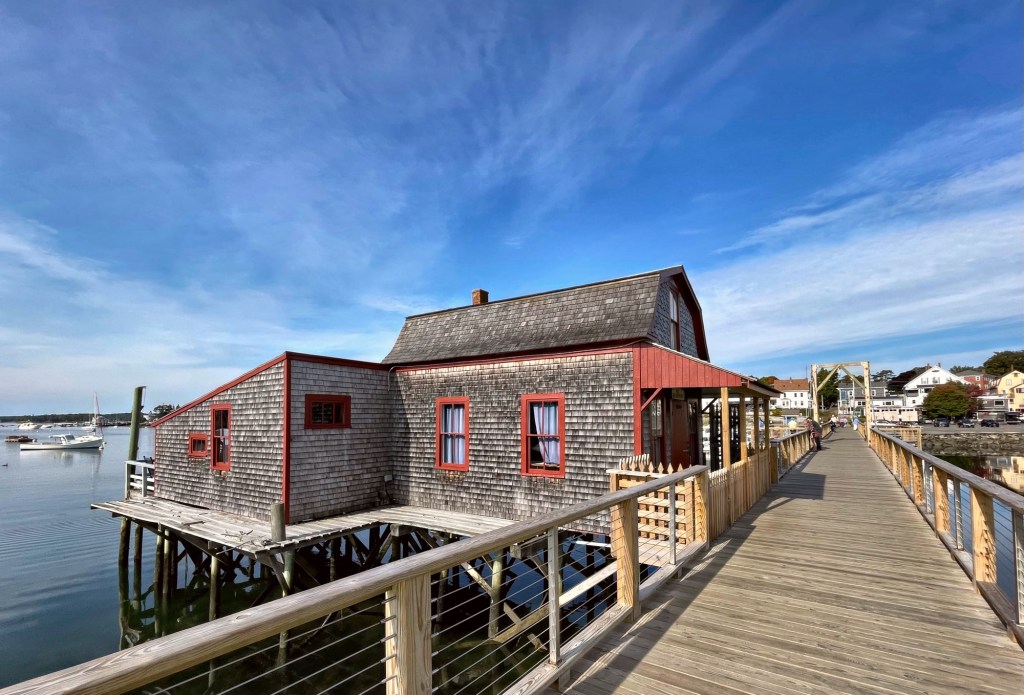
Boothbay Harbor Bridge House // 1902

In 1901, a footbridge was built in Boothbay Harbor, Maine, connecting the downtown area with the Mt. Pisgah and Spruce Point areas, which both developed as summer colonies. Within a year, this bridge house was built and occupied by William Foster, the bridge-tender who likely operated some sort of swing to allow vessels to pass by until the footbridge was largely replaced after the Great Freeze of 1918, without a swing or draw. When Mr. Foster operated the footbridge, others in town suspected some wrongdoing. A local selectman began investigating and as the story goes, Mr. Foster had been smuggling liquor into town via ships to this bridge house through a trap-door in the floor of the building. Maine was a dry state, and William would have been able to bring in illegal alcohol to the town. Later uses of the building included a candy shop, gift shop, and the bridge house is now a private residence, with thousands passing by every summer.

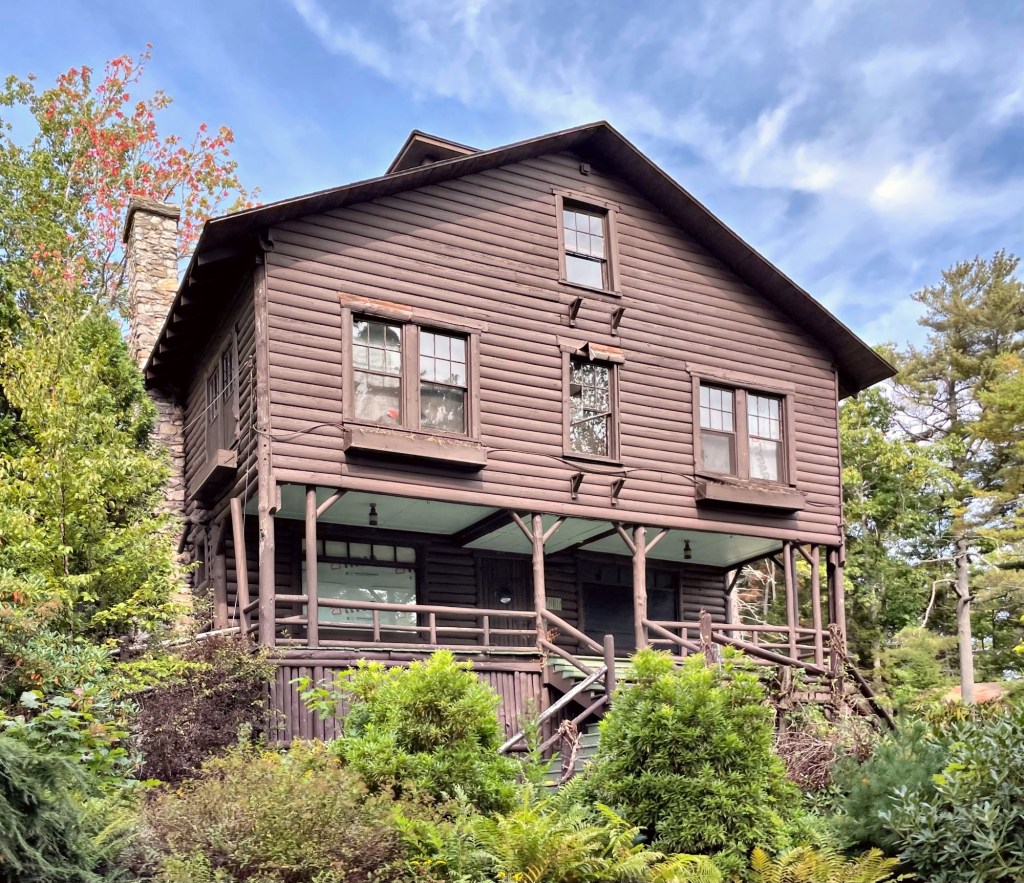
Sprucewold Lodge // 1927

Sprucewold Lodge, nestled in the picturesque coastal town of Boothbay Harbor, Maine, boasts a rich history that dates back to the early 20th century. Established in 1911 by a group of visionary investors and rusticators, the lodge was designed as a summer retreat for families seeking solace in nature. Like the Spruce Point Inn, the building was developed with modest means, but quickly expanded and grew as the unique and rugged site on Spruce Point drew flocks of visitors every year. Its unique blend of craftsman and Adirondack style architecture and stunning natural surroundings quickly made it a popular destination. The investors hired Portland architect John P. Thomas to design a grand log hotel. The hotel was advertised as the largest log cabin in the world until it burned down just years later in 1930. A 31-room annex, this building, was added in 1927 and assisted to serve the over 60 rental cabins, tennis courts, a swimming pool, recreation hall, and a thirty-car garage. When the original Sprucewold Lodge burned down, this building became the new lodge, and it has remained so nearly 100 years later. This enclave of rustic log cabins on Spruce Point is very evocative of the early days of Maine, and it is easy to see why the state garnered the nickname, Vacationland.

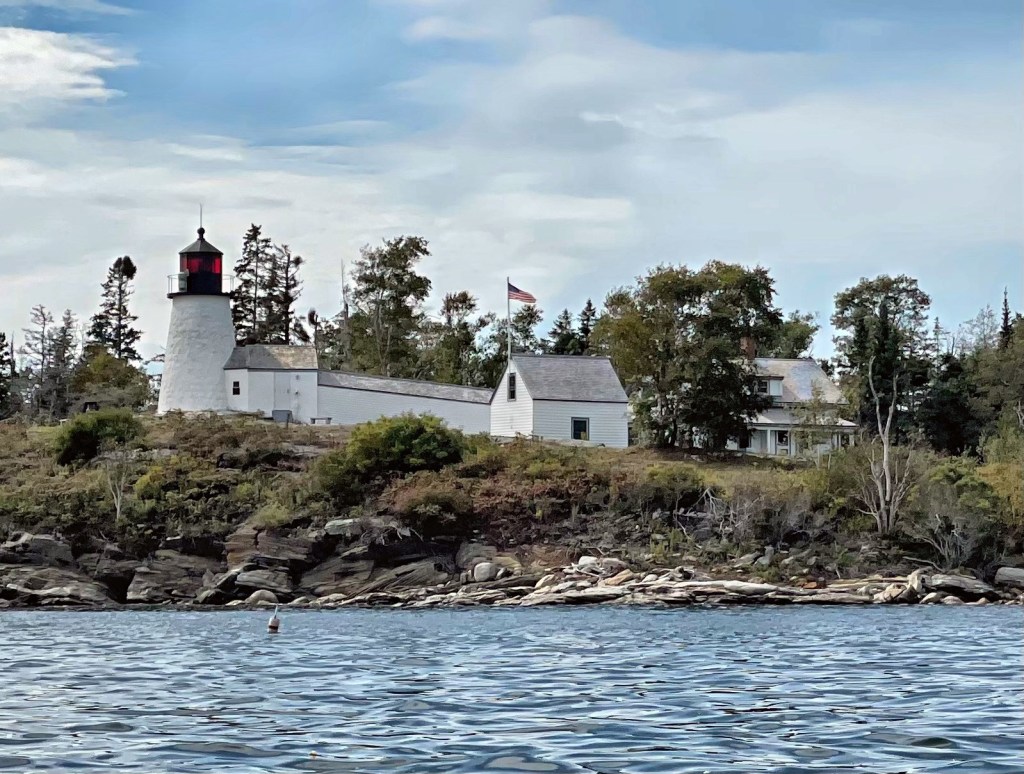
Burnt Island Light // 1821

The Burnt Island Light Station was built in 1821 on the west side of the entrance to Boothbay Harbor, opposite the Spruce Point Inn (which I kayaked from to get a better view of this lighthouse). The federal government purchased the island for $150 from local businessmen Jacob Auld and Joseph McCobb. The government’s builders constructed a stone lighthouse and keeper’s dwelling using granite blocks cut from the island. The lighthouse was built on Burnt Island, which took its name from the historic practice of burning the island’s vegetation in order to keep the land clear for sheep grazing. Its purpose was the guidance of ships, the carriers of cargo destined for the development of industry and commerce, into Boothbay Harbor over a mile away. Built just one year before Maine became a state, the Burnt Island Light Station has served mariners for over 200 years. In fact, it’s considered the state’s oldest unaltered lighthouse, and it was manned until 1988 when the light was automated. In 1998, the island and light station were transferred to the State of Maine Department of Marine Resources as part of the Maine Lighthouse Program.

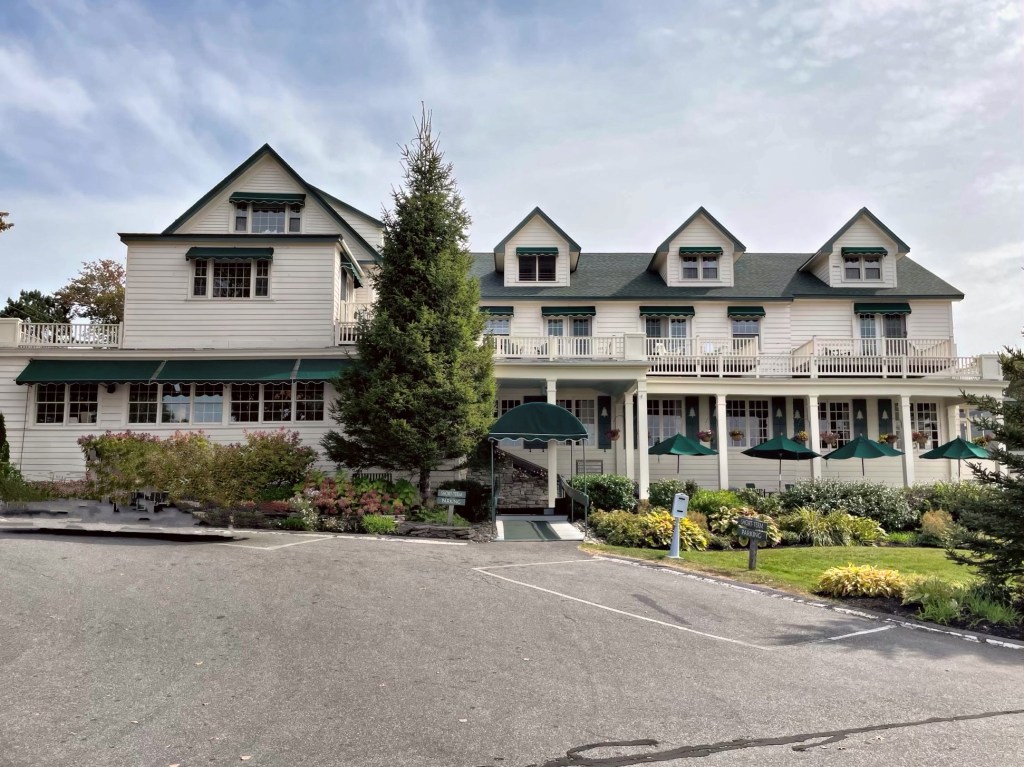
Spruce Point Inn // c.1892

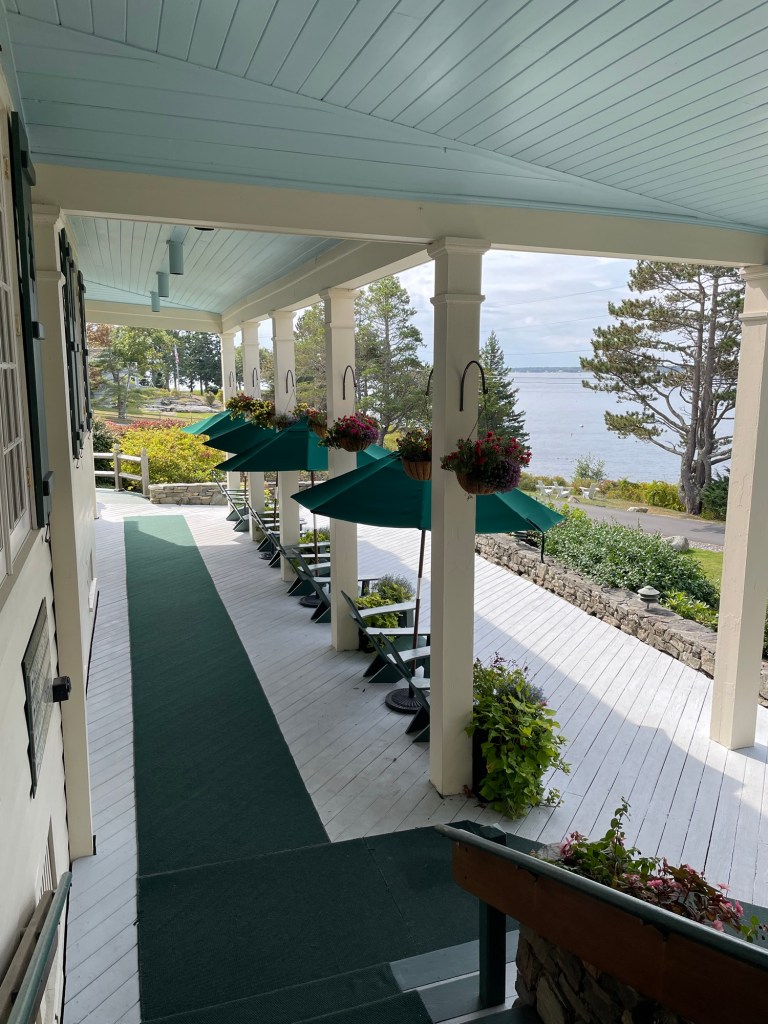
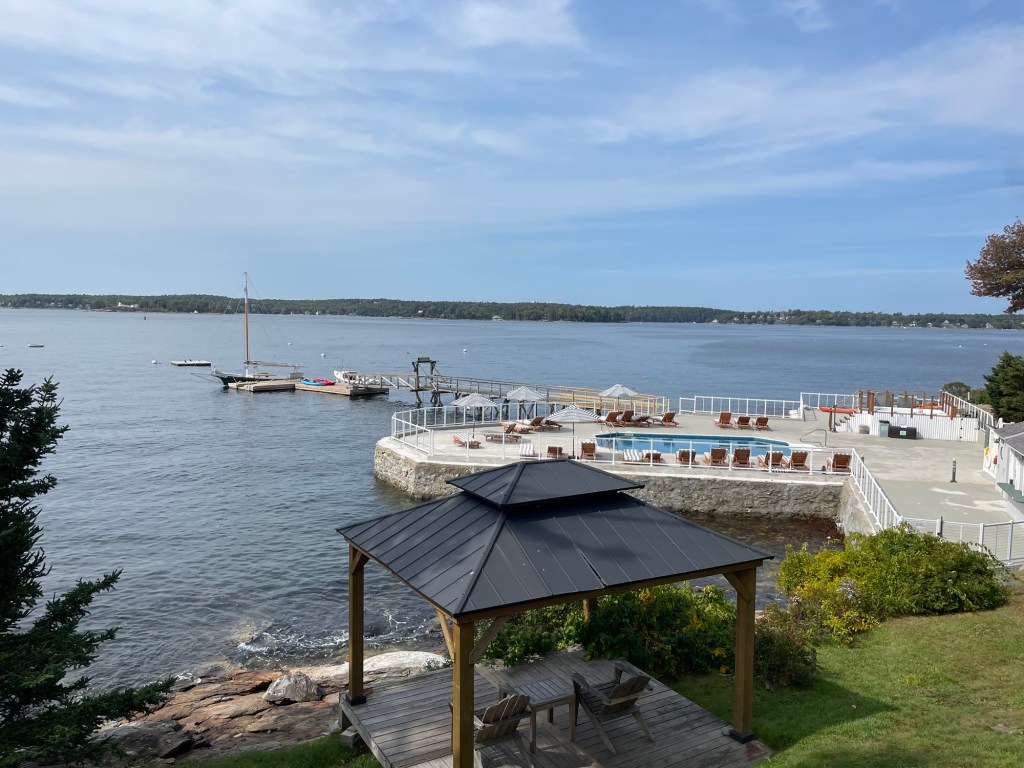
Spruce Point Inn sits amongst acres of pristine pine forests on the shore of the rugged coastline in Boothbay Harbor, in Mid-Coast Maine. The Inn had its beginnings in the 1890s as a hunting and fishing lodge when the peninsula was an undeveloped and remote point on the outer edge of Boothbay Harbor. The enchanting location off the beaten path attracted rusticators, who sought to escape the hot and polluted air of Boston and other cities, for the coastal breezes on Spruce Point. Private cottages were built nearby the old lodge, and frequented by summer rusticators year-after-year. By the 1940s the lodge was converted to an inn and many of the private summer cottages surrounding were acquired and rented out for summers. The buildings exhibit the warm, natural materials typical of the region, with weathered shingles and expansive porches that invite guests to take in the ocean breeze. Inside, the beadboard walls, wood floors, and fireplaces paired with period-appropriate furnishings really provide an authentic historic feeling. The resort’s first saltwater pool was constructed in a rocky outcropping right at the coastline and was recently restored, providing visitors a unique experience to swim in a historic saltwater pool just over the ocean! Over the years, the inn has undergone several renovations and expansions, ensuring that it continues to meet the needs of modern travelers while preserving its historical significance. The Spruce Point Inn is more than just a place to stay; it is a part of the rich history of Boothbay Harbor and ongoing legacy, a historic getaway that blends both luxury and history in a setting unlike any other.

Megunticook Clubhouse // 1901

As coastal communities in Maine’s mid-coast began to see more wealthy summer residents, these enclaves of cottages needed clubhouses and spaces to spend their summer days. In 1899, Philadelphian (and Rockport summer resident) Charles Wolcott Henry converted a section of his oceanfront summer estate at Rockport’s Beauchamp Point to a newly established golf club which quickly outcompeted all others nearby. Within a few years, Boston architect Charles H. Brigham, was hired to design this Craftsman style clubhouse that sits on an elevated site with an expansive wraparound veranda providing views of the new course and the Penobscot Bay. The rubble-stone foundation and walls clad in brown-stained shingles are well suited to the rugged coastal Maine site. The golf course, also designed in 1901, was planned by groundskeeper Thomas Grant as a 9-hole course. The recreational complex has been meticulously preserved and is a great example of a turn-of-the-century clubhouse in coastal Maine. The 1901 clubhouse is also said to be the oldest golf building in Maine!

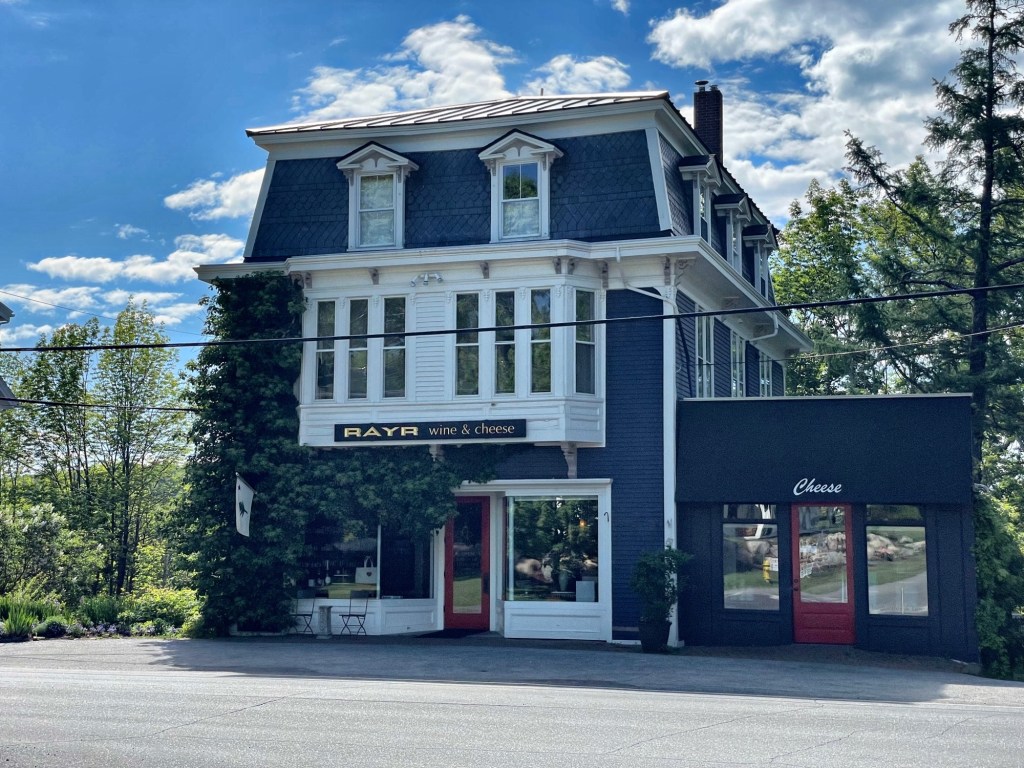
Enos E. Ingraham Store // c.1880

This perfect historic commercial building sits on Pascal Avenue in Rockport, Maine, in a section of the village more-so dominated by residences than larger commercial blocks. That may be the reason for the Enos E. Ingraham Store having a certain small-scale and residential quality. The block was built sometime after 1875 and has been known as the Enos E. Ingraham Store, after the longtime owner of the same name. The Ingraham Store is Second Empire in style with the prototypical mansard roof, bracketed cornice, and projecting bay window.