Lovejoy Wharf // 2017

Photo courtesy of RAMSA

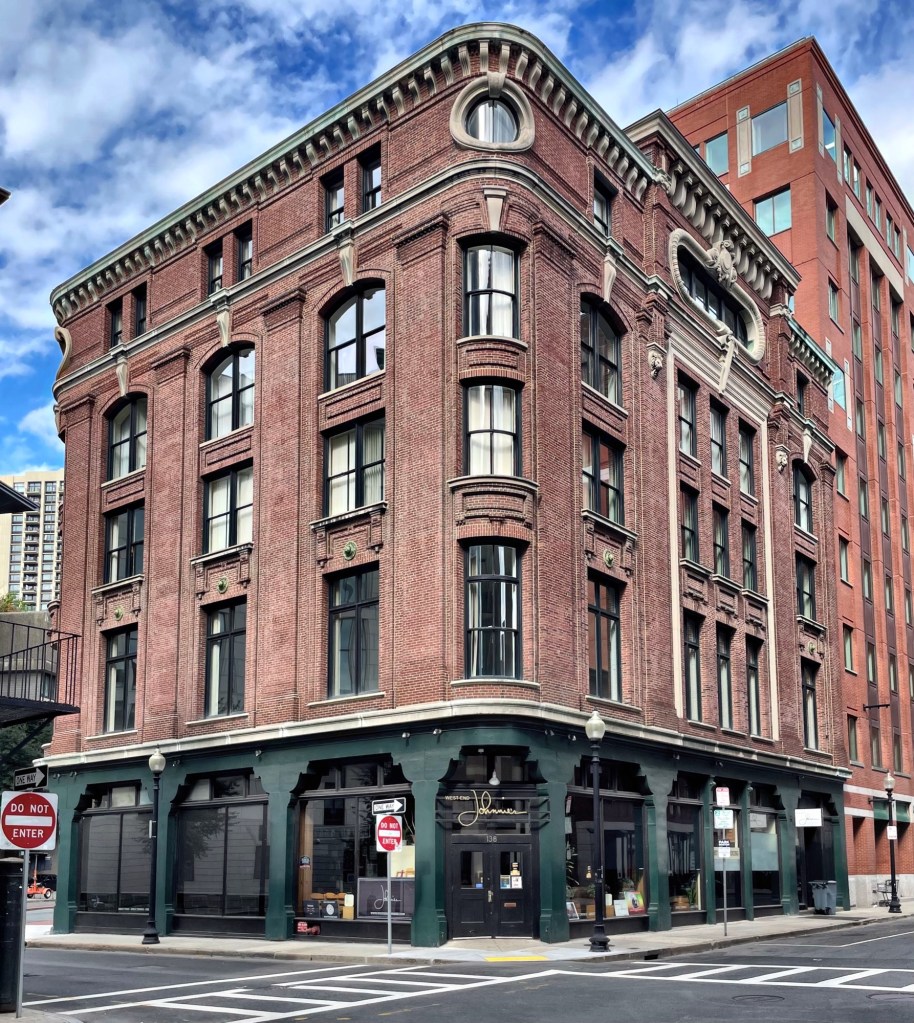
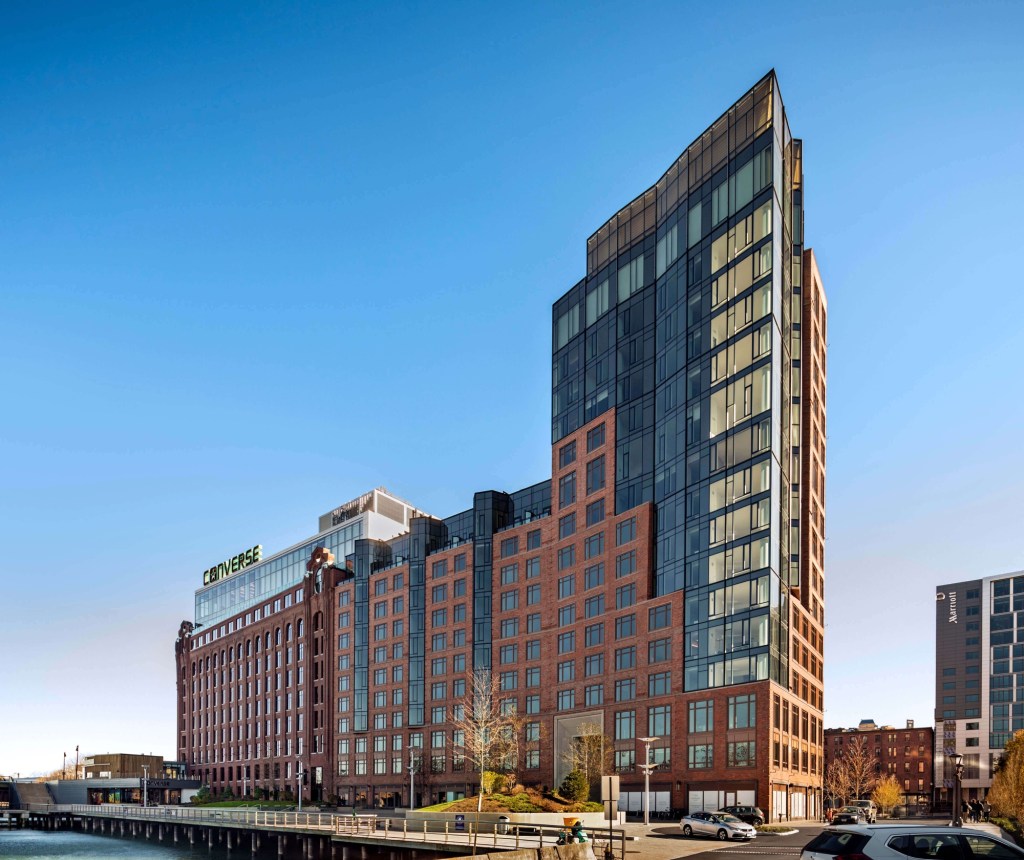
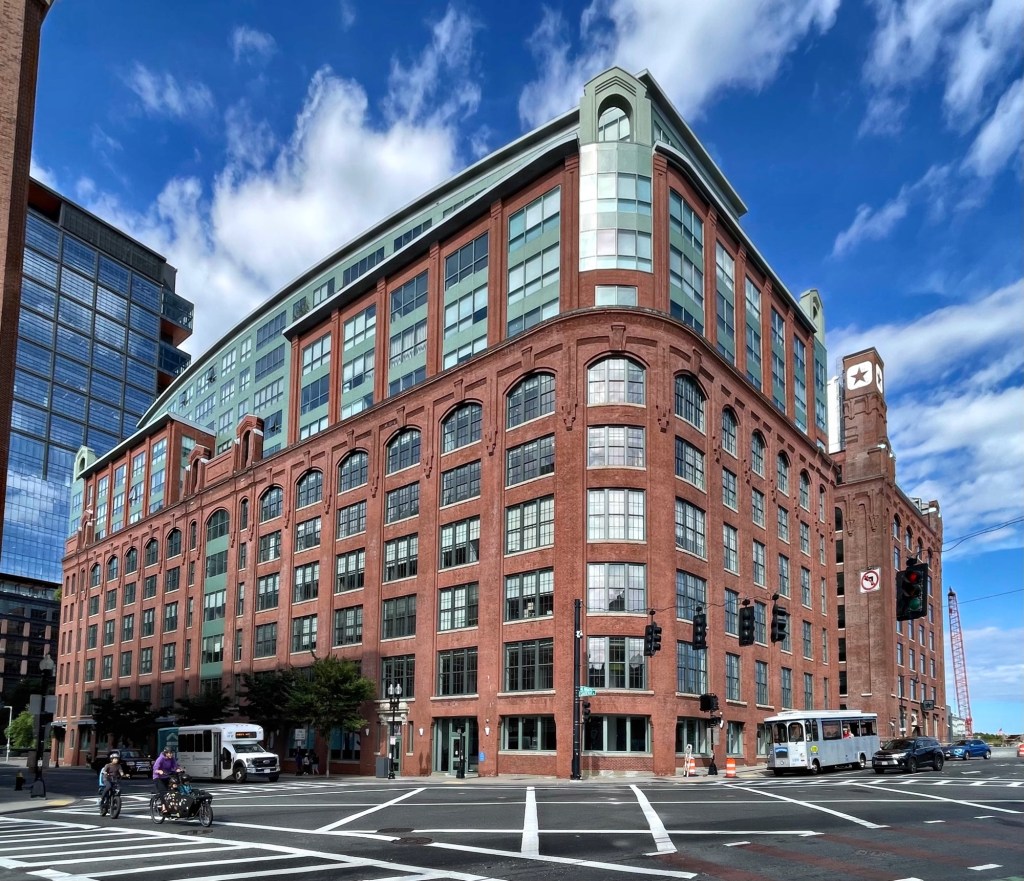
New buildings in Boston rarely are contextual and so often take no cues from their surroundings, but Lovejoy Wharf, one of my favorite 21st century buildings in the city breaks that mold. Completed in 2017, the contemporary building is clearly modern, but takes important cues in the design and materials to relate it to the surrounding industrial context surrounding the site. The Lovejoy Wharf condominium building was designed by the great Robert A.M. Stern Architects and incorporates red brick facades, stacked bay windows, and a glass curtain wall, which effortlessly blend old with new. A glass tower breaks free from the masonry mass at its corner, which leads into the denser, more modern West End buildings while the eastern side closely follows the old Schraft’s Candy Factory (now Converse Headquarters building) brick industrial style. Additionally, the developer, Related Beal, took a gamble by not including parking in the facility, hoping the unit owners would instead use local public transportation (or walk), it seems to have been a success and promotes healthy urbanism. What do you all think of this contemporary building?
Former Schrafft’s Candy Factory – Converse HQ // 1907

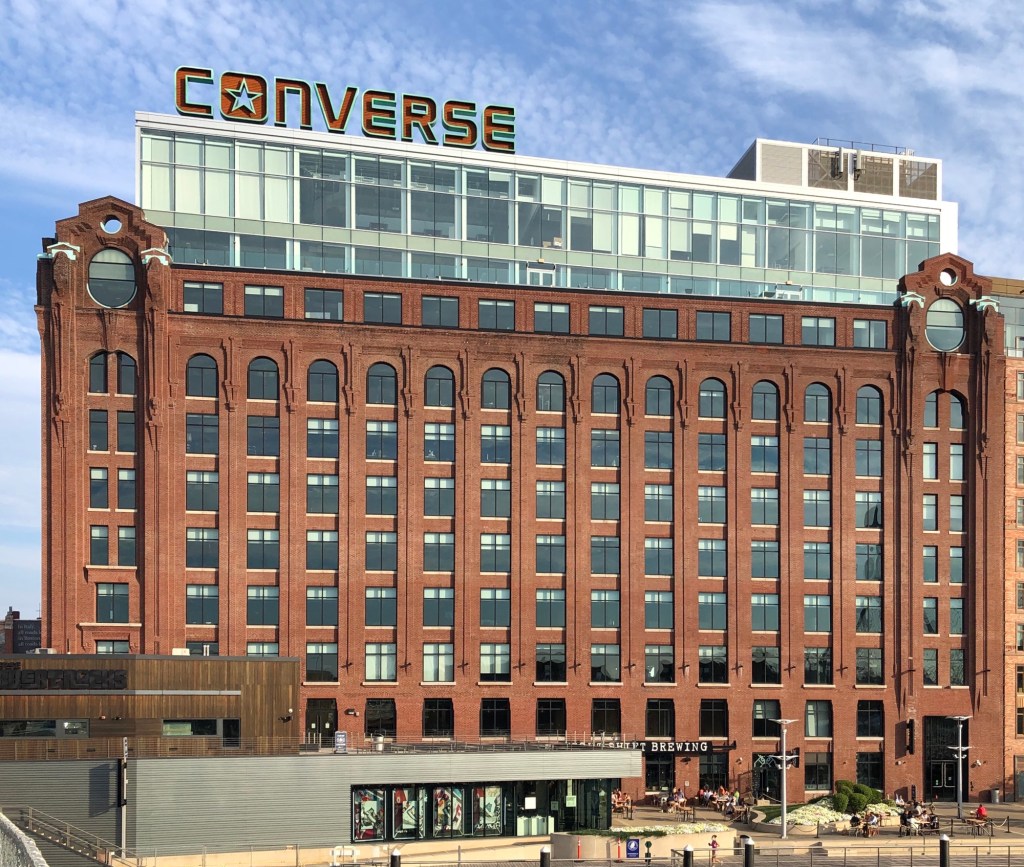
Possibly my favorite building in the Bulfinch Triangle/North Station area of Boston is this brick behemoth. Known as the Schrafft’s Candy Factory, Hoffman Building, Lovejoy Wharf, Submarine Signal Building, etc., the building was constructed in 1907 from plans by Codman & Despradelle and first-occupied by the Schrafft’s Candy Company. It held the candy makers until 1928, when Schrafft’s moved to Charlestown, building their massive factory in Sullivan Square. A landmark in the Panel Brick style of architecture, prevalent in industrial and multi-family structures in the late 19th and early 20th centuries, the old factory saw many later uses from cold storage, to a Submarine Signal Co. before it was largely vacant by the end of the 20th century. Through Preservation Tax Credits and grants, developer Related Beal was able to reimagine the building, restoring it to its former glory. The Architectural Team (TAT) oversaw the renovations and expansion of the building with a glass crown with the project accommodating the corporate headquarters for world-renowned sneaker manufacturer, Converse.

Austin Biscuit Company Building // 1906

Originally constructed in 1906 for the Austin Biscuit Company, this building on Causeway Street serves as both a gateway into Boston from the north and as an excellent example of adaptive reuse with thoughtful additions. The massive structure, which was originally two separate but connected buildings are a significant example of the panel brick construction with Romanesque detailing. Part-owner of the site, Edmund Dwight Codman hired  his brother, architect Stephen Russell Hurd Codman (1867-1944) and business partner Constant-Desire Despradelle (1862-1912) to design the building which was immediately rented out to the Austin Biscuit Company and the American Glue Company. When opened, the Boston Daily Globe wrote that it was “…a large new building of a thousand windows, a building which on fine days is flooded with sunshine and good air”. By the late 1900s, the building was altered and suffering from deferred maintenance, with an unknown fate. Luckily by 2001, the local architectural firm of Finegold Alexander, was hired to re-envision the building. They converted the two connected buildings into a unified mixed-use residential condominium and retail/office complex. The adaptive reuse of this building provided for 108 dwelling units in the top six floors (in the addition), offices on floors two through six, retail space on the first floor and garage parking in the basement. This is one of my favorite success stories in Boston architecture and historic preservation!

Dr. Jenks Apothecary Shop // c.1860

Who doesn’t love a good flatiron building?! This charming three-story with Mansard roof building is located in the Bulfinch Triangle district of Boston. The triangular-shaped building was built around 1860 as an apothecary shop for Dr. Thomas Leighton Jenks (1829-1899), a doctor who was born in Conway, New Hampshire, but left for Boston while still a teenager. When the Mexican-American War broke out in 1846 he enlisted in the Navy, where he served for three years in the hospital ward of the frigate U.S.S. United States. Upon returning from the war, Jenks attended Harvard Medical School, and wrote his thesis on Syphilis. Dr. Jenks apprenticed in a building on this site under Dr. Samuel Trull. He likely redeveloped or modernized the 1850s building, adding the mansard roof by the 1860s. During the Civil War, Dr. Jenks served as a front line surgeon. After returning home, he grew tired of the medical profession, and got involved with local politics. He was elected as an alderman, Massachusetts state representative, and in later years he earned appointments as Chairman of the Boston Board of Police, and Chairman of the Board of Commissioners of Public Institutions. He tragically collapsed and died in 1899 at a Boston courthouse. As a tribute to his birthplace, Dr. Jenks made a provision in his will for the funds necessary to build a public library in Conway, New Hampshire, which is still in use today. Somehow, the old Dr. Jenks Apothecary Shop has survived all this time as the city grows and changes all around it. The building saw life later as a restaurant and offices.

Tarbell Building // 1896

Similar to the Heywood Brothers & Wakefield Co. Building on Portland Street in the Bulfinch Triangle Historic District, the equally stunning building here was also designed by the same architect in a matching style. The building was constructed in 1896 by owner Catherine E. Tarbell , and the Boston branch of the National Casket Company moved in as tenants soon after its completion as part of its national expansion. The company would become the largest manufacturer and supplier of caskets in New England by 1906. The Tarbell building was designed by Stephen Codman in the Beaux-Arts style and is notable for its use of oxeye windows, rounded corners, and engaged pilastered facades. The company held its regional headquarters and sales offices from this building, which benefited from rail access for shipping caskets all over the region. The building is one of the finest examples of the Beaux Arts and Classical Revival styles in Boston.

Heywood Brothers & Wakefield Co. Building // 1897

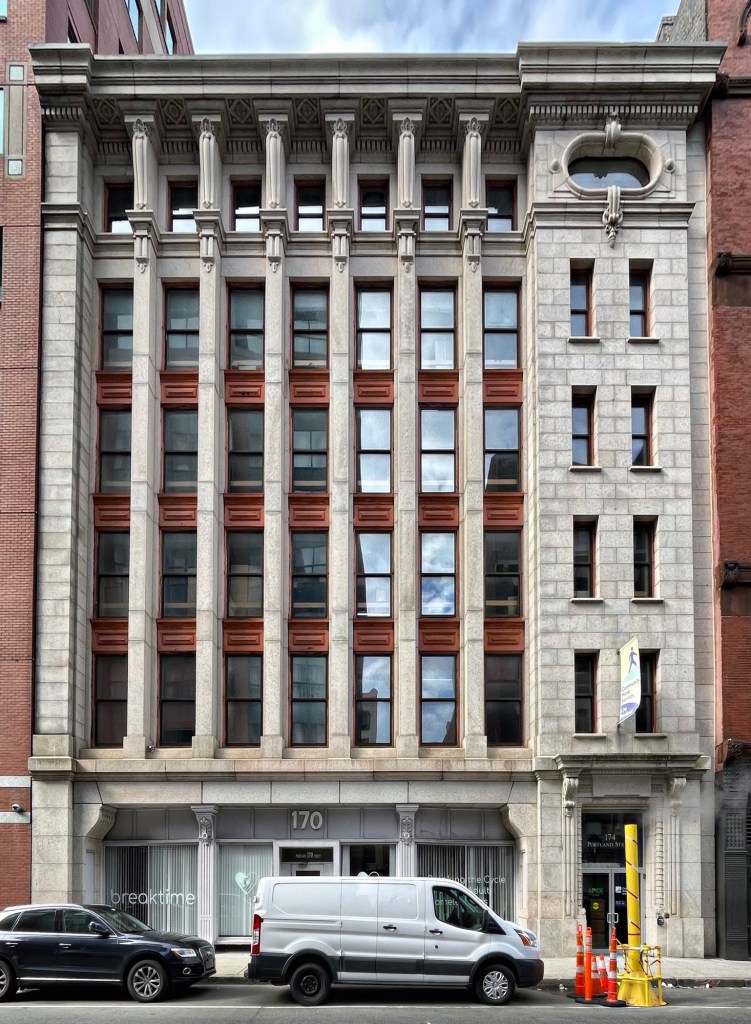
Nearly a decade after the heirs of Peter Bent Brigham and his wealthy estate erected the Peter B. Brigham building in the Bulfinch Triangle Historic District of Boston, they would again develop more of the block the trust owned, building this stately commercial building. Much of the Peter Bent Brigham Building was rented to the Heywood Brothers & Company and Wakefield Company, both furniture makers. Heywood Brothers was established in 1826, Wakefield Company in 1855, with both firms producing wicker and rattan furniture. The companies merged in 1897 and moved into this building constructed by the Brigham estate that same year. The building was designed in a unique version of the Beaux Arts and Classical Revival styles by relatively unknown architect Stephen Russell Hurd Codman (1867-1944), a first cousin of more famous architect and interior designer, Ogden Codman. Stephen Codman opened a firm with the French-born architect, Constant Desire Despradelle, designing some landmark buildings in Boston together. The Heywood Brothers & Wakefield Company Building on Portland Street is a distinctive granite-faced building standing six-stories tall with engaged box columns spanning four floors and dividing the bays of the facade.

Peter Bent Brigham Building // 1888

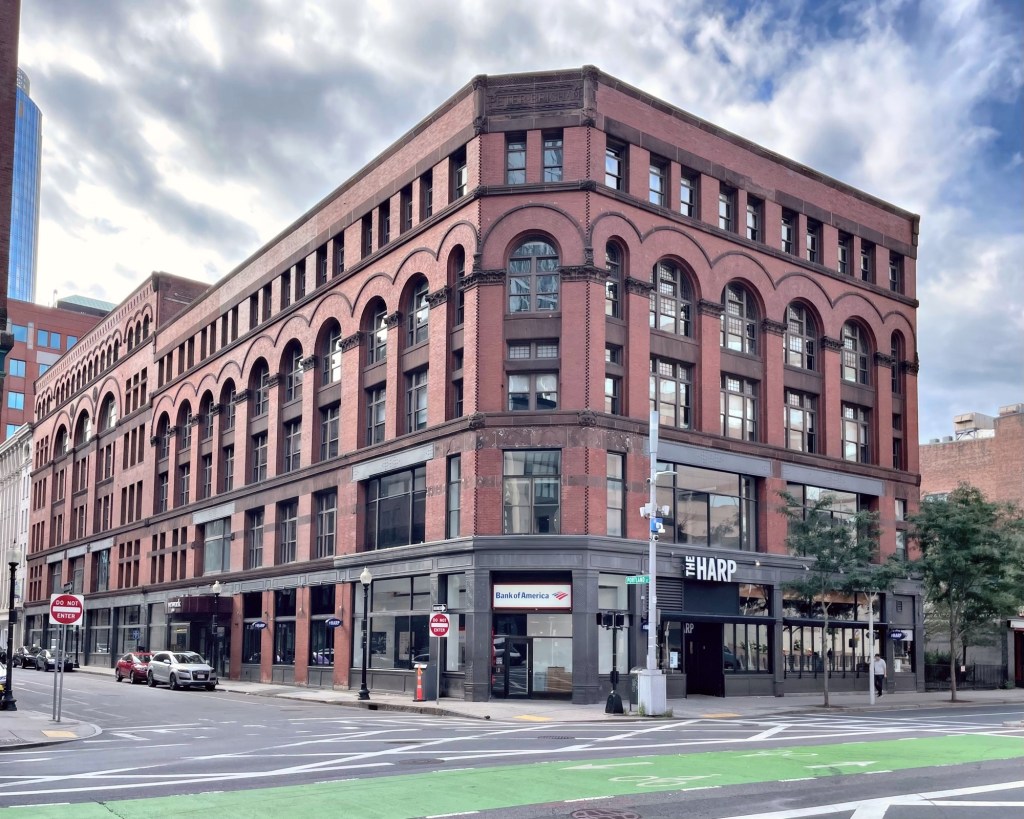
Located at the corner of Causeway and Portland streets in the Bulfinch Triangle Historic District of Boston, you will find the Peter Bent Brigham Building, one of the best examples of the Richardsonian Romanesque architecture style in the city. The building was built by the estate of Peter Bent Brigham (1807-1877), an interesting character in Boston’s history. Peter B. Brigham was born in Vermont and eventually moved to Boston and began his career selling fish and oysters in Boston. A self-made, hardworking man, Peter would eventually own a restaurant in the city and began making connections with the movers and shakers of town. With his success, he began investing in real estate and would become a founding director of the Fitchburg Railroad. Peter died in 1877, he never married nor had children. His estate valued in the millions and was to be spent 25 years after his death, for a hospital “for the care of sick persons in indigent circumstances”. The money appreciated to $2,000,000 by 1902 and was used to establish the Peter Bent Brigham Hospital, now Brigham and Women’s Hospital. His family, who also received a substantial amount of money in the will, built this building, hiring the firm of Hartwell & Richardson to design the 1888 corner and the later, larger 1891 addition. The commercial building was rented to stores and professionals and even retains Peter B. Brigham’s name in the facade carved in terra cotta.

William L. Lockhart Company Building // 1887

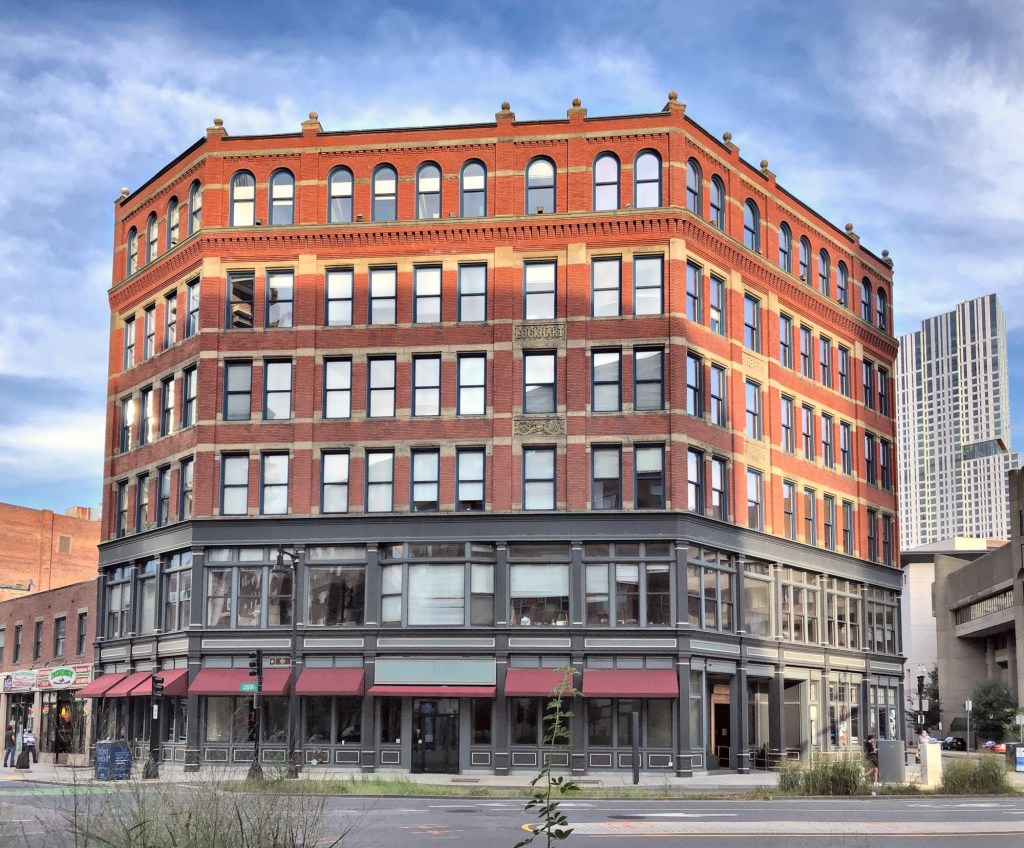
This six-story brick and sandstone building at Causeway and Staniford streets near North Station in Boston was built in 1887 as the headquarters and sales center for William L. Lockhart & Co., manufacturers and wholesale dealers of coffins, caskets, and undertakers’ supplies, which at the time was considered the largest establishment of its kind in New England. The company had its factory in East Cambridge and built this structure as offices and sales rooms. The building is an excellent example of the Romanesque Revival style, which is typified by the use of round arched windows at the top floor and the use of inlaid carved stone panels. Frederick Nason Footman a relatively unknown architect is said to have designed the building for the Lockhart Company, with the building serving as an important piece of the company’s portfolio. Shop space was created on the street level, with the company’s offices, salesrooms and casket hardware department occupying the second floor, show rooms on the third floor, shipping department on the fourth floor and storage on the fifth and sixth floors. While the adjacent parcels have been razed and are still vacant, this building serves as an important visual gateway into what was once the West End, a neighborhood that was almost entirely demolished during urban renewal.

The Last Tenement // c.1870s

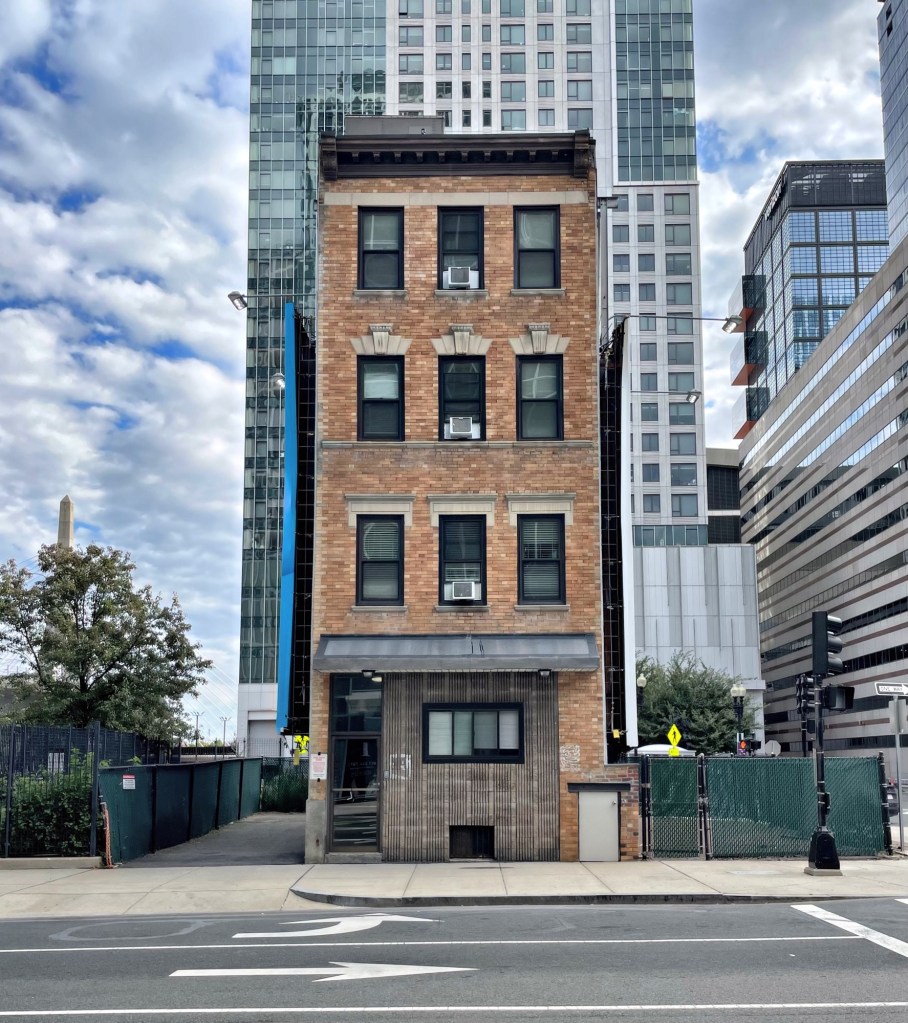
Originally built in the 1870s, and largely remodeled in the early 1900s, this charming building has been known locally as “The Last Tenement” of the old West End of Boston. Once part of an unbroken a row of 30 brick tenements along the east side of Lowell Street, this building typified much of the West End of Boston, a vibrant and dynamic immigrant neighborhood. Dwarfed by larger, modern apartment towers and highway off-ramps, this stand-alone building is a survivor, and should really be preserved! Here is a little history on The Last Tenement that I found. The building was originally built as a three-story residence just after the Civil War by furniture dealer, George M. Rogers. The building was rented to four families in the 1880 census, showing the diversity of the region with 20 people residing in the building of Irish, English, and German-Jewish backgrounds. At the turn of the century, an elevated rail line was laid out down Lowell Street. After WWII, the neighborhood would see a terrible demise, that has been widely told. City leaders effectively considered the vibrant immigrant neighborhood a slum, and in an effort to redevelop it to bring back middle-class families (and their tax dollars) handed much of the neighborhood to developers to start over, with little more than lip service for the displaced. This building, now with an address of 42 Lomasney Way, was occupied for some time by “Skinny” Kazonis, a low-level Mafia associate of the Angiulo Brothers, which was a leading gang in the North End until the Winter Hill Gang decided to run rackets in the area. The property sold, and residential units have been rented and the building maintained, with the assistance of a billboard for additional income for the owner. The Last Tenement showcases the strength and resilience of the old West End and will hopefully remain as a reminder of the vibrant neighborhood that was razed and replaced with mediocrity.

Hotel Manger // 1930-1983

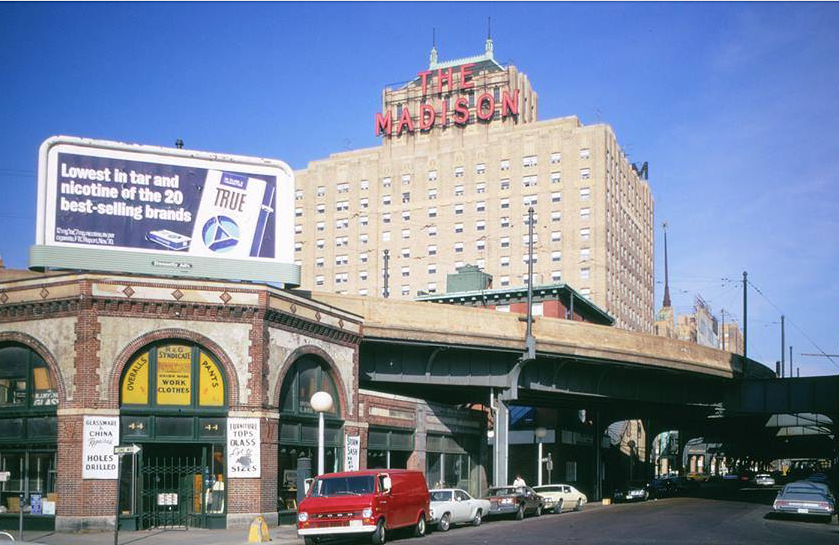
Built on the site of the former Boston & Lowell Train Station the Hotel Manger (later renamed the Madison Hotel in 1959) was part of the first redevelopment of North Station in Boston. When the Boston & Maine Railroad announced that plans had been finalized for the construction of a new North Station facility, which would include a sports arena, hotel, office building, and distributing terminal, Manger Hotels, a national hotel chain, and the Boston & Maine Railroad announced that the two parties had signed a contract for the construction of the hotel on the site with each party holding a 50% stock in the building. Designed by the architectural firm of Funk & Wilcox in the Art Deco style, the 17-story hotel was completed in 1930 and contained 500 rooms and at the time of its opening, the hotel was said to have had proportionately more marble than any other building in New England! As railroad traffic declined, the neighborhood surrounding North Station lost its importance as a commuter center and the hotel began to suffer financially, leading the hotel to close in 1976. Plans to convert the old hotel into elderly housing fell through, and in March 1983, the Boston Redevelopment Authority purchased the hotel and demolished it as part of their urban renewal plan for the area. The site is now occupied by the mundane Thomas P. O’Neill Jr. Federal Building.