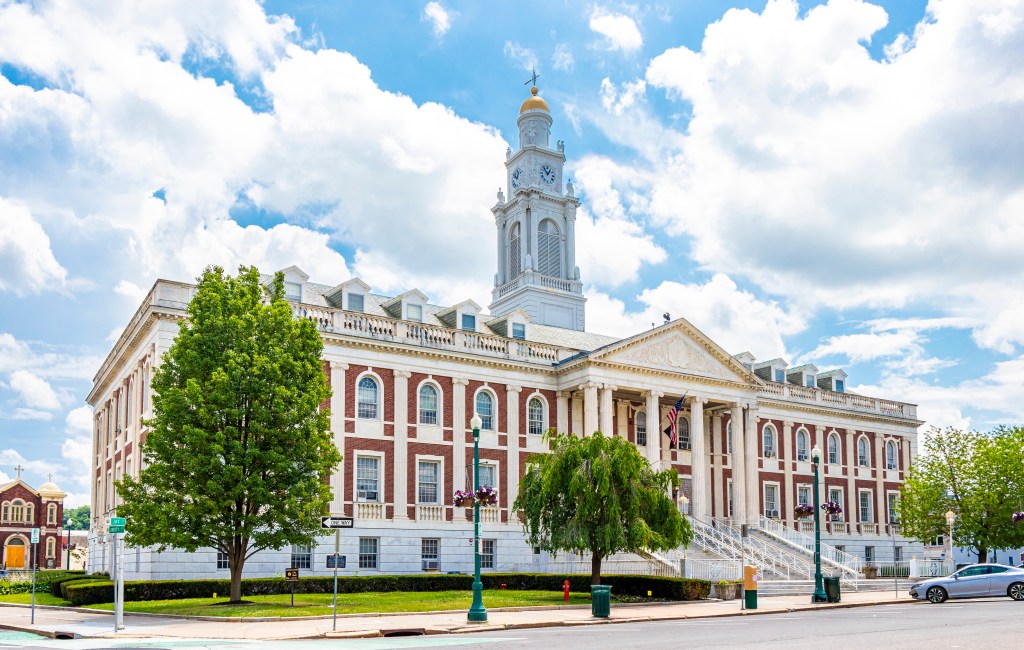
Schenectady City Hall // 1931

Buildings of New England travels! Welcome to Schenectady, a great city in upstate New York, with an hard to spell and pronounce name! The name “Schenectady” is derived from the Mohawk word skahnéhtati, meaning “beyond the pines”. Schenectady was founded on the south side of the Mohawk River by Dutch colonists in the 17th century, many of whom were from the Albany area. In 1664 the English seized the Dutch New Netherland colony and renamed it New York. They established a monopoly on the fur trade around Albany, and issued orders to prohibit Schenectady from the trade through 1670 and later. The town grew mostly as an inland agricultural town until the Erie Canal was built in 1825, creating a navigable water route from New York City and the Atlantic Ocean to the Great Lakes, cutting through Schenectady. The town grew and became an industrial center, attracting a very diverse population of immigrants in the 19th century and African Americans as part of the Great Migration out of the rural South to northern cities for work. The community struggled (like many) in the mid 19th century but has seen a large resurgence as of late!

This building is the Schenectady City Hall, a massive architectural landmark which made my jaw drop when I saw it! The City of Schenectedy outgrew their old City Hall, and in the late 1920s, held a nationwide contest to select designs for a new City Hall. The contest was won by the prominent architectural firm McKim, Mead, and White. It appears that the designs were furnished by James Kellum Smith of the firm, the often overlooked genius of the MMW practice. The exorbitant cost of the project, which was undertaken during the Great Depression, caused the building to be dubbed “Fagal’s Folly” after Mayor Henry C. Fagal, who allowed all the cost increases while the city’s future was uncertain. He was not re-elected after this building was completed. The building is a pleasing mixture of Colonial and Classical Revival styles and features bold pilasters and a towering cupola
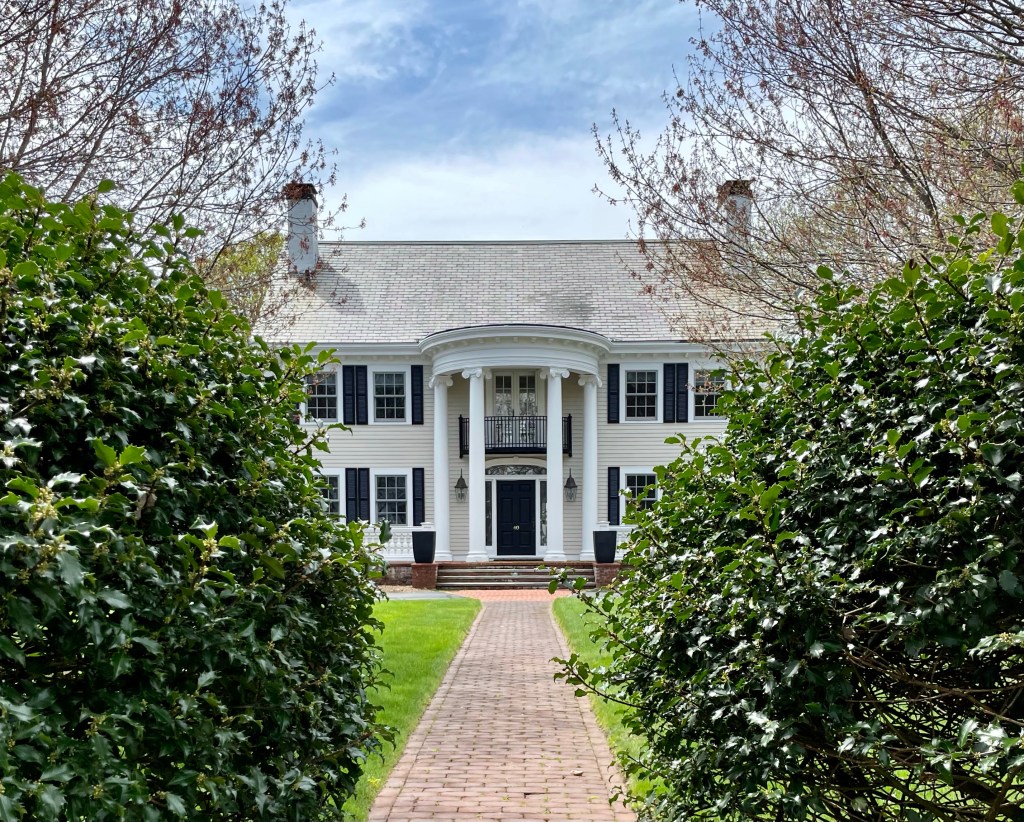
Susan Lord House // 1913

This home was built in 1913 and is a high-style Neo-Classical example of a “beach cottage”. The home is located in the fashionable Rye Beach colony in New Hampshire, which developed in the mid 19th century through the first half of the 20th century as an exclusive enclave for vacationing elite. The home was purchased by Susan Bailey Lord just years after its completion as a summer retreat from her home in Malden, MA, just outside Boston. She purchased the home just years after the death of her husband, who was thirty years her senior. It’s safe to say that Susan let loose up on the beach and had a “hot girl summer”.

Rye Beach Club // 1925

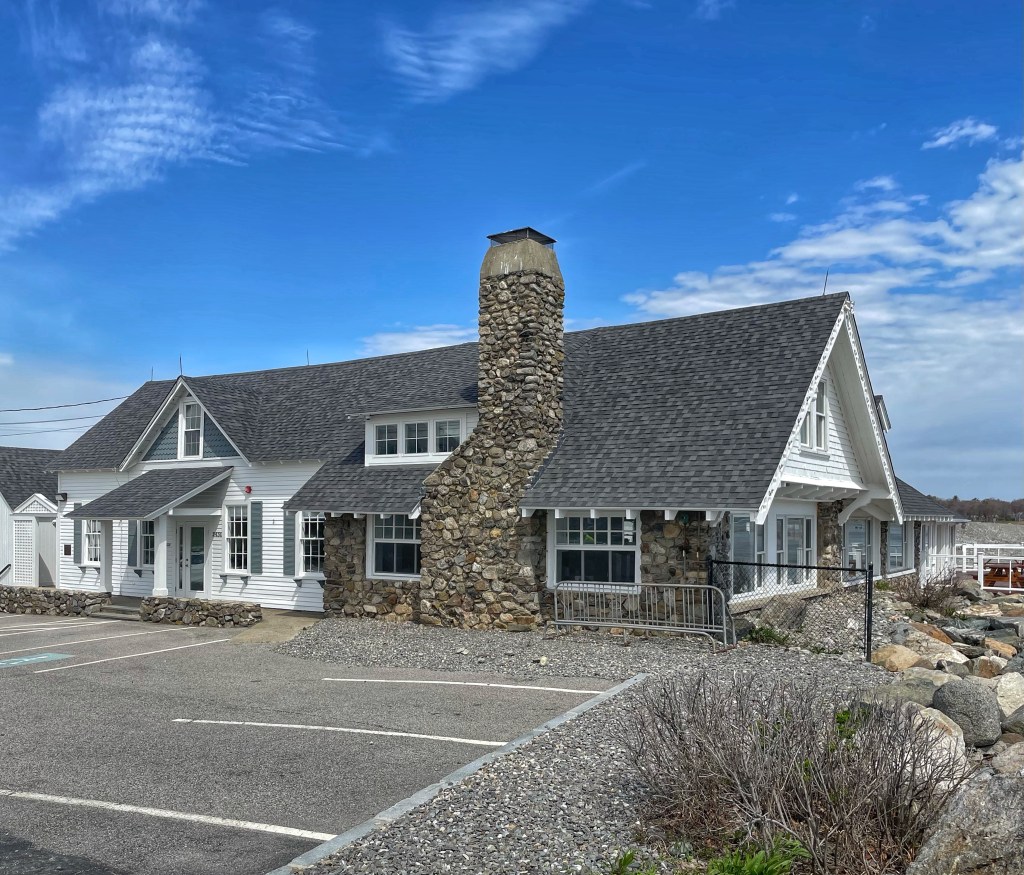
The Rye Beach Club is located right on Rye Beach, one of New Hampshire’s most upscale seaside communities, one whose history as a fashionable summer resort dates back to the 1840s. The Beach Club was established in 1925 in the decade after the First World War as the nation was experiencing a social transformation fueled by the postwar boom of the “Roaring Twenties”. As automobile ownership rates increased by the 1920s, the average motorist was no longer dependent upon schedules and the fixed routes of streetcars, railroads and steamboats. As one early historian of American recreation noted tongue-in-cheek, “The wealthy could make the fashionable tour in 1825, the well-to-do built up summer resorts of the 1890s, but every Tom, Dick and Harry toured the country in the 1930s.” As a result, many wealthy communities created private, exclusive recreation and social clubs where they would not be forced to mingle with the “average” American. Rye Beach residents formed the Rye Beach Club in 1925, which comprises of a rubblestone building with various wood-frame additions.

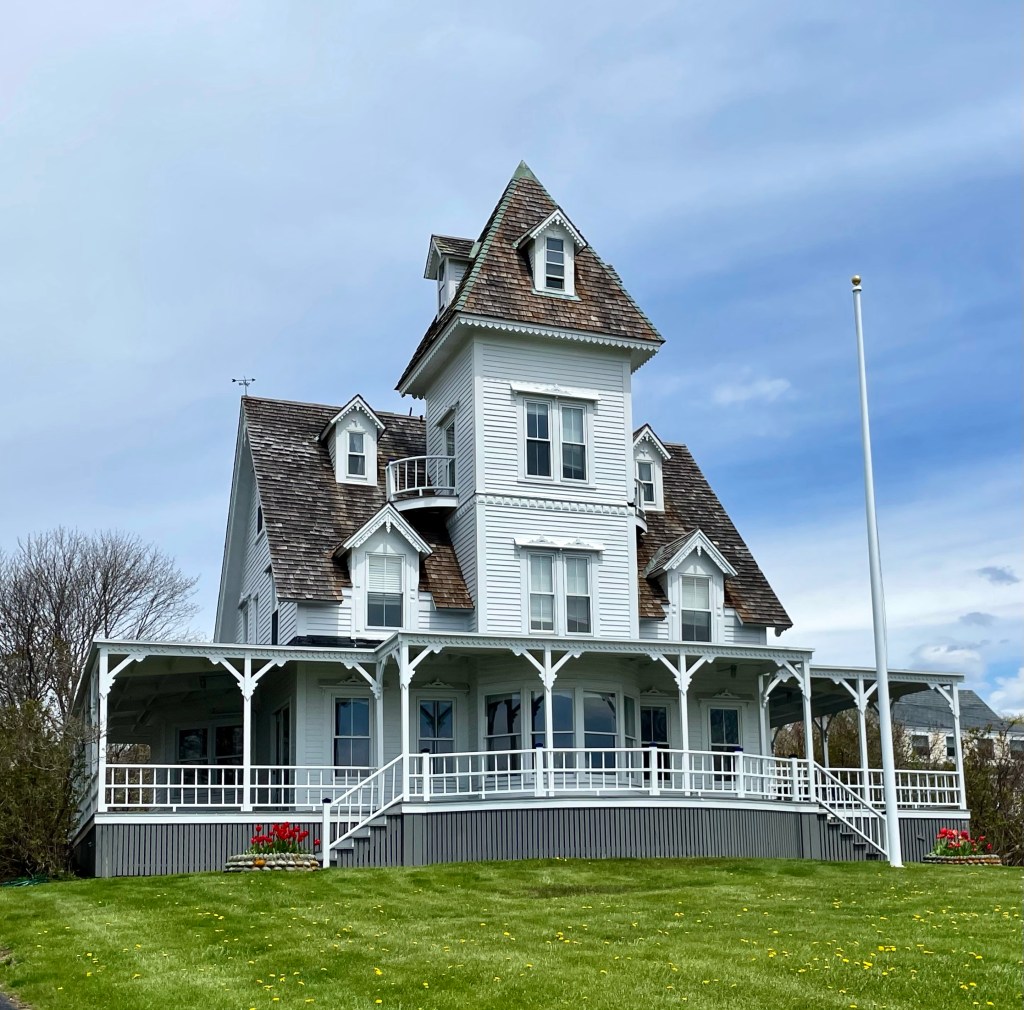
Tower Cottage // c.1880

Located in the Foss Beach section of Rye, NH, this Victorian summer cottage stands out among the later new construction of lesser detailed and quality late 20th century homes seen here lately. The home, known as “Tower Cottage” was built at the end of the 19th century and exhibits Victorian Gothic elements with a massive center tower. The steep wood shingle roof is punctuated by two rows of delicate dormers which add detail and views to the ocean. The massive wrap-around porch is also a must for such a prime location fronting the Atlantic Ocean!

Lougee Cottage // c.1880

This house was built and first occupied by George G. Lougee, owner and proprietor of the Sea View House Hotel (demolished) across the street. Before building his own hotel, Lougee was a clerk at the Atlantic House, another summer resort. Lougee eventually worked his way up and ended up managing that hotel. Lougee’s success managing the Atlantic and later, the Farragut, enabled him to pursue his own enterprise and build his Sea View Hotel. When Lougee sold the Sea View hotel, he also sold this house with it. His former Stick style home was then converted to additional rooms at the hotel until it closed in the 20th century.

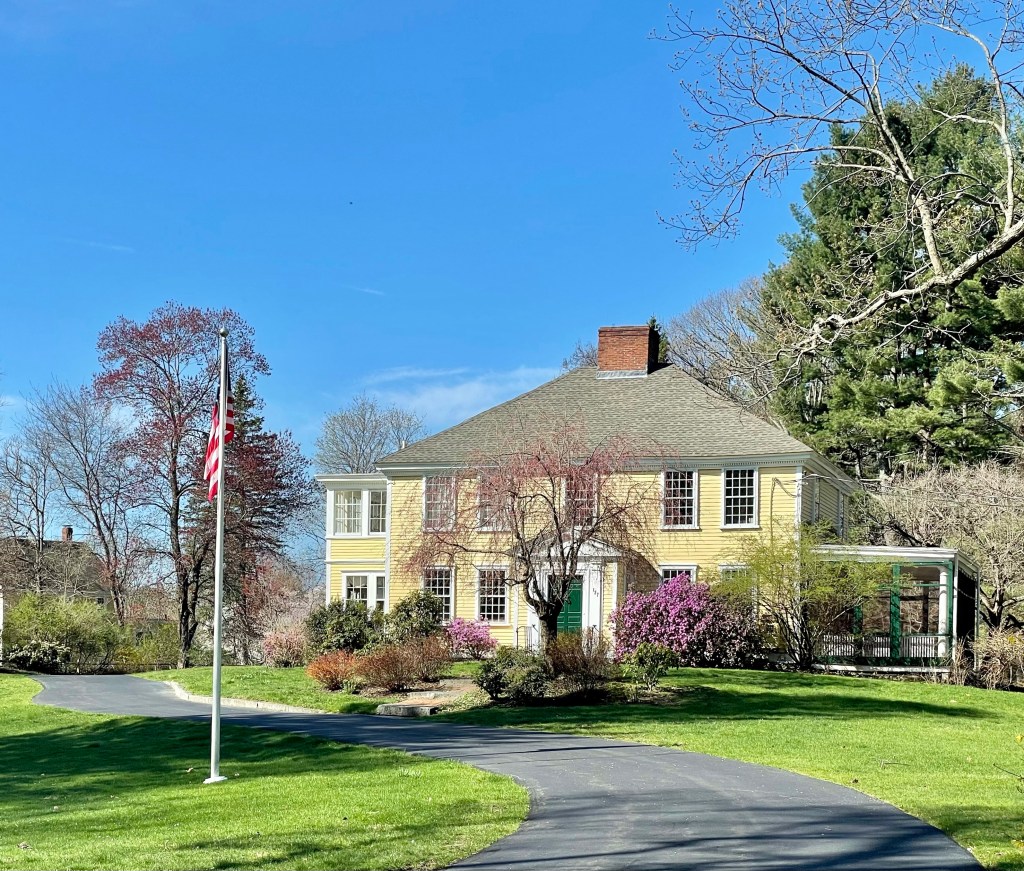
Stoneymeade Farm // c.1773

This stunning Georgian farmhouse in Acton, Massachusetts, was built around 1773 for Seth Brooks (1740-1831) and his wife Molly Conant Brooks, on land that had belonged to her father, William Conant of Concord (part of which was later annexed to Acton). Seth Brooks fought under Captain Isaac Davis on April 19th, 1775 at the Battle of Concord, who was among the first killed and was the first American officer to die in the Revolution. It was Brooks who ordered Davis’ body carried from the field after he fell, so he could be buried with honor. After the war, the family suffered an unfathomable tragedy. Seth and his wife, all their nine children, and all but one of their grandchildren died of the same type of tuberculosis, “slow consumption.” The family “curse” appears to have been broken by grandson Nathan Brooks, Jr., (1799-1881,) who inherited the property. According to local legend, a room beside the center chimney sheltered runaway slaves, as Nathan Brooks was an avid abolitionist. At the turn of the 20th century, the farm was purchased by Brookline timber merchant Benjamin Pope, owner of the Pope and Cottle Company of Boston. For many years, the Pope family used the house as a summer residence, with managers working the property as a dairy farm. It was Pope who named the farm “Stoneymeade,” and added greenhouses, an icehouse, and had an elaborate water system installed. Stoneymeade Farm continues to this day as an equestrian farm with boarding space for horses.

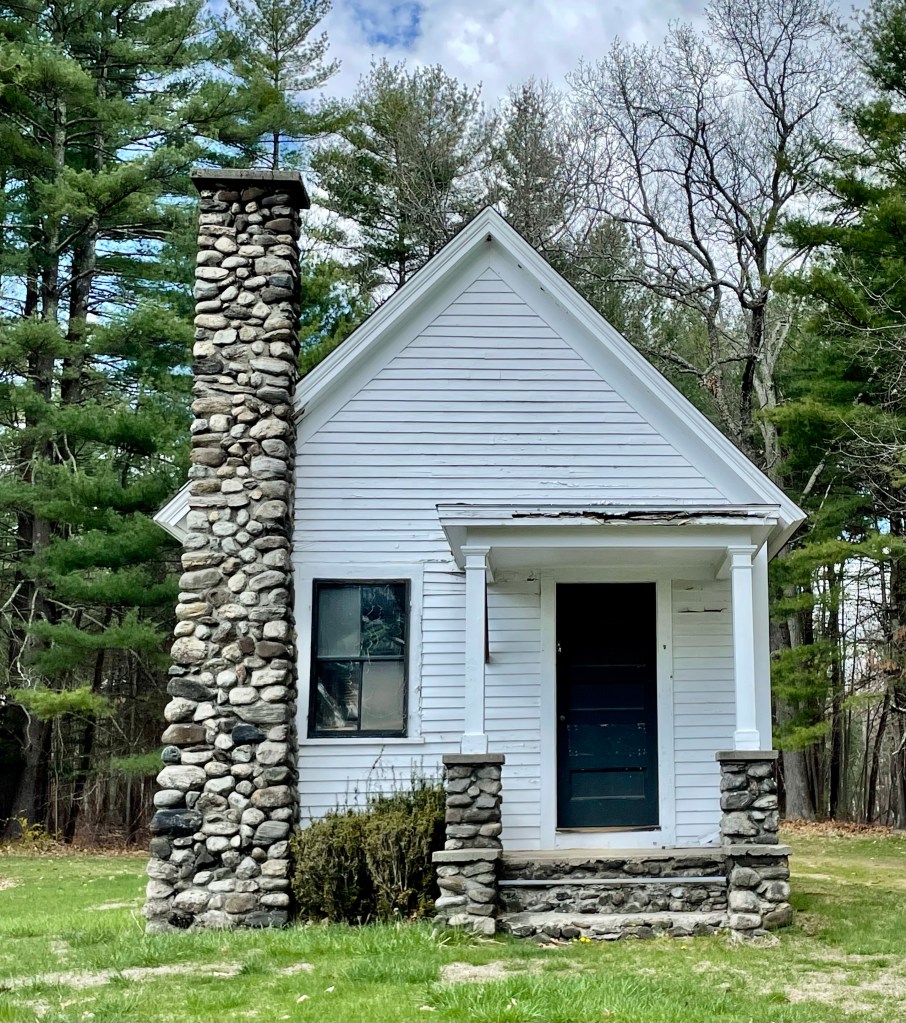
Mount Hope Cemetery Chapel // 1908

Mount Hope Cemetery in Acton was laid out in 1848 as the third municipal burying ground for the town. Before that, there was a need for a cemetery between the West and South Acton villages, closer to the developing parts of town, without a cemetery of their own. The cemetery was laid out with paths following a grid pattern, with land tapering off towards the rear. The cemetery, used by many prominent families of Acton, was without a chapel for over 50 years until funds were donated by George C. Wright a wealthy resident who lived nearby (featured in the last post). Town officials proceeded to build a small building that was apparently was quite different from the vision that Mr. Wright had for the building, but Mr. Wright generously agreed to accept what had been done and presented it to the town. At the 1909 annual town meeting, the town formally acknowledged the gift. It saw some use as a chapel in the early days, but has since been used for storage and an office for groundskeeping.

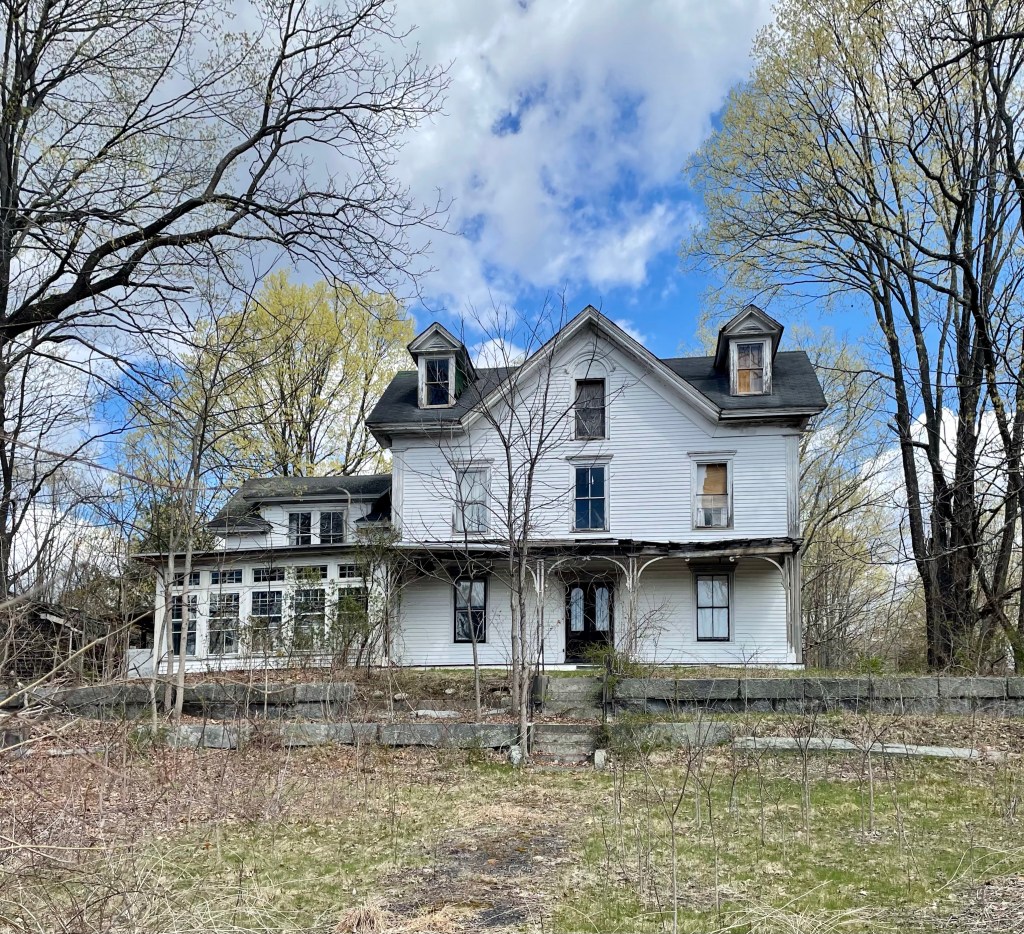
George C. Wright House // 1861

Perched high on a hill in Acton, Massachusetts, this once grand Italianate mansion has been slowly deteriorating without a caretaker. The home was built in 1861 for George C. Wright (1823-1910), a wealthy coffee and spice merchant at Dwinell, Hayward, and Co., a powerhouse in the coffee industry in Boston. In 1855, he was overworked in Boston and fell ill for two years, which worried his wife, who convinced him to relinquish some of his work and move back to Acton, which he did. Soon after he built this house, not too far from the village train depot which would give him easy access to Boston. In papers, he stated, “I felt that good air and a plenty of sunshine would do more for my health than anything else. For this reason, we built upon a hill and arranged the rooms of the house so as to get the sun to its fullest degree.” Wright later served as a State Representative, and remained active in local politics in the suburban town. His home was connected to a large barn (since demolished) and featured a large belvedere (removed after a hurricane) to provide sweeping views from his house on the hill. In recent years, an absentee owner did not appear to maintain the home and it has deteriorated, but good news! The house sold the week that I took these photos, so hopefully it will be restored to its former glory soon!

Henry Tuttle House // 1873

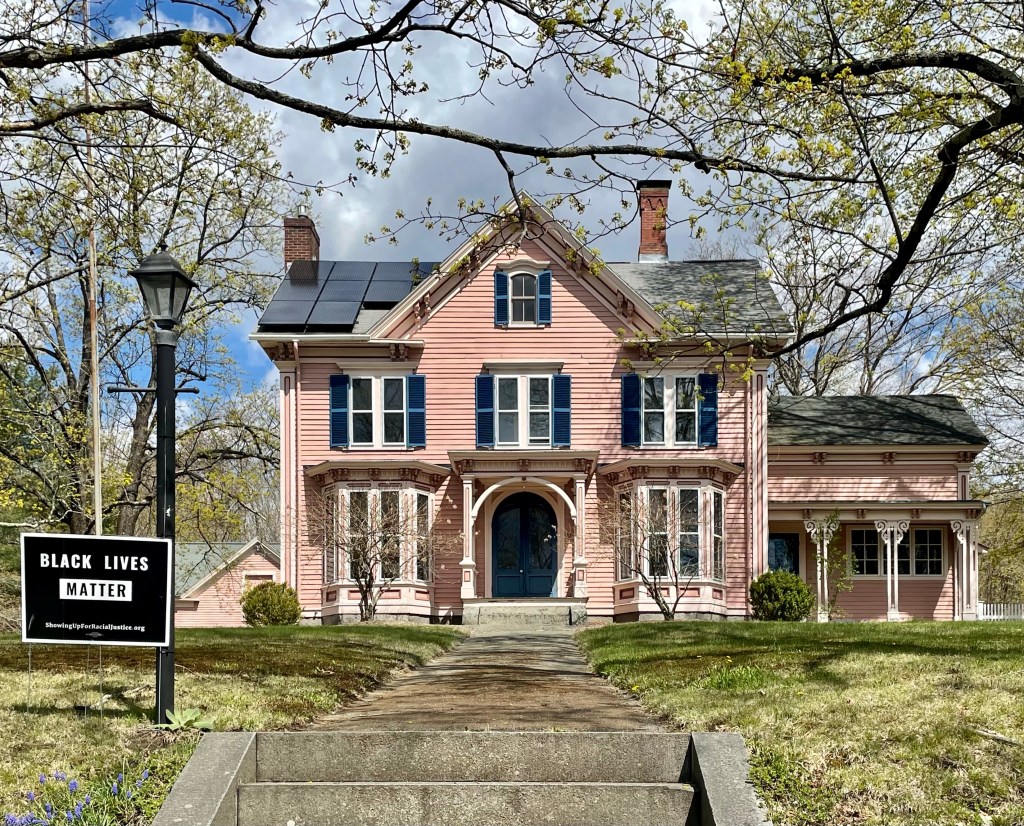
This large Italianate house in Acton was built in 1873 for Henry Waldo Tuttle (1847-1916), who ran a grocery store business in town with his father, James Tuttle. The business did quite well as Henry built this massive home around his 26th birthday, likely around the time of his marriage. The exuberant Italianate home features a wide central gable and a projecting central entrance porch accessed by double entrance doors. The home has a detached stable to the left of the home too!

Robbins “Lottery” House // 1800

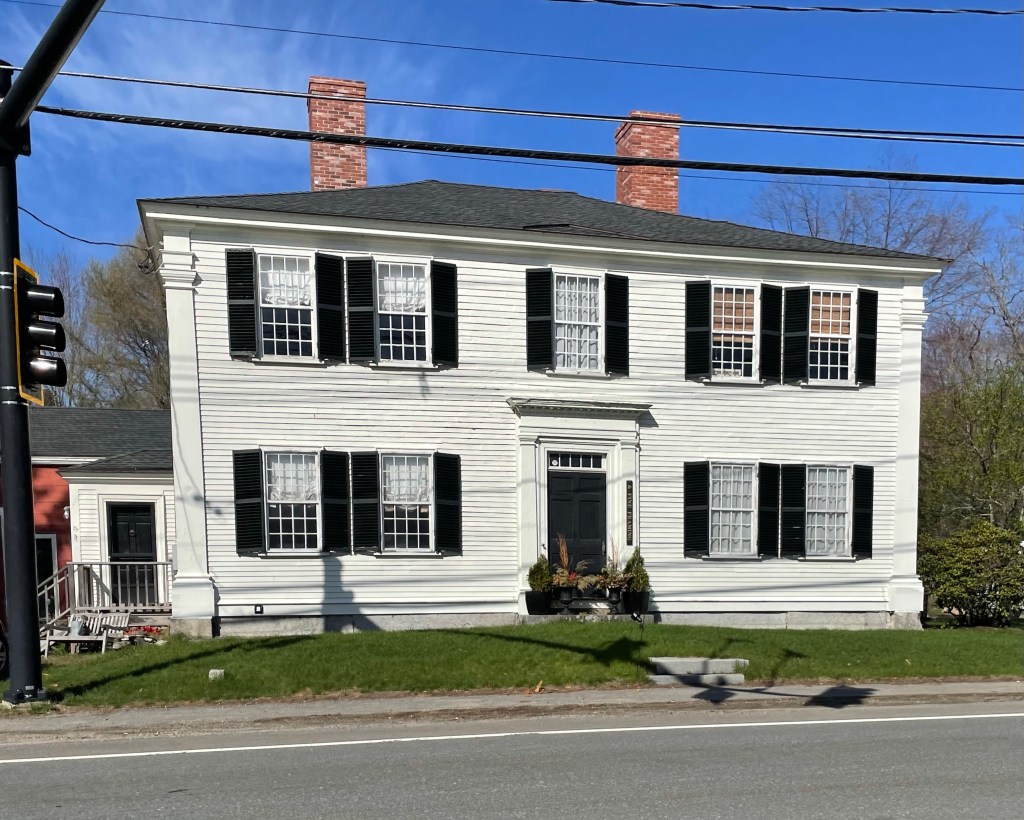
Government-sanctioned lotteries originated in Massachusetts as an alternative to taxation, but soon expanded as a fundraising tool to help fund building projects and support charities. In 1765, the General Court passed the first legislation allowing Harvard College to run a lottery to support dormitory building projects. Before Harvard University accepted multi-million dollar donations, they drew lotteries between 1794 and 1797 to build the second Stoughton Hall and in the early 1800s, for the building of Holworthy Hall. In Harvard’s lottery of 1794-1796 which John Robbins, a farmer and Revolutionary War veteran, entered, together with three friends, each of whom purchased a quarter-share in one ticket. They won! This Federal style home with hipped roof and symmetrical facade is one of four built in Acton.