John E. Sylvester House // 1884

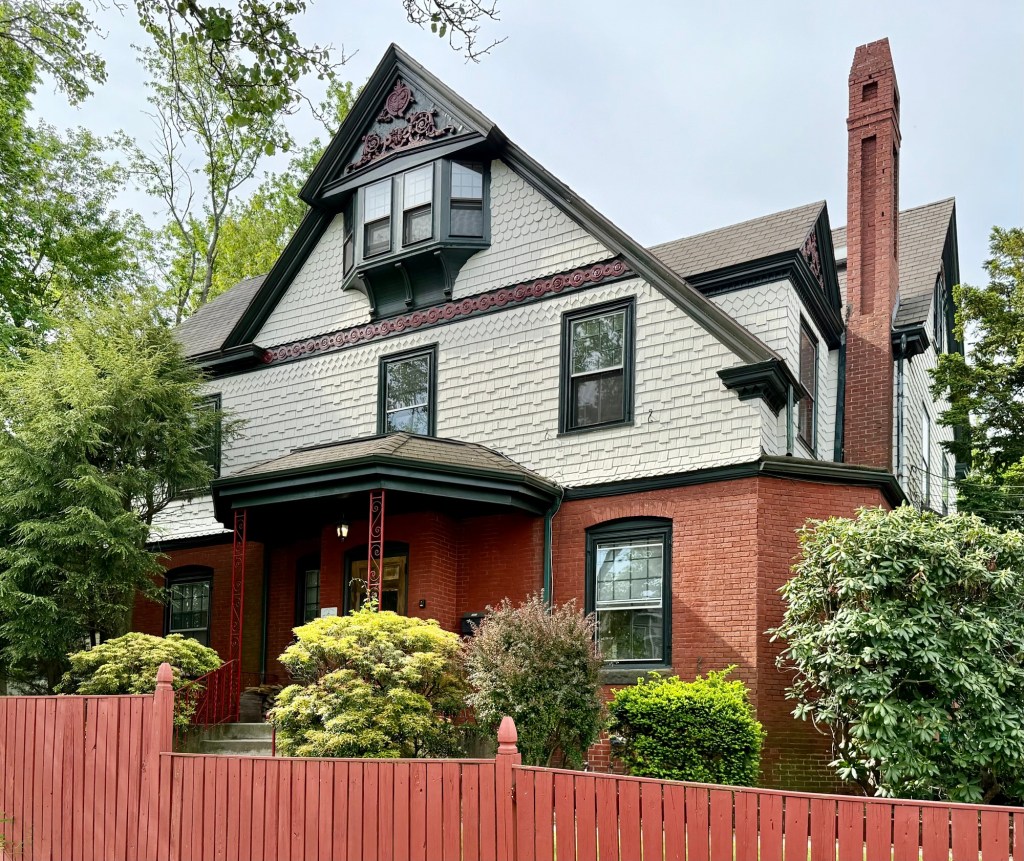
One of the many beautiful old Victorian houses in the Prospect Hill area of Somerville can be found here on Summit Avenue, a tree-lined street with sweeping views to Boston and other neighborhoods. This house was built in 1884 for John Edwards Sylvester (1839-1901) and his wife Clarissa (Clara). The Queen Anne style house has a brick ground floor with shingled walls above. The facade is dominated by its gable roof with varied shingle siding, decorative belt course, and oriel window with highly ornate pediment above. The house was likely designed by the Boston firm of Sturgis & Brigham, who included Sylvester in their list of clients. Mr. John E. Sylvester was head of the John E. Slyvester Co. in Somerville, a spike manufacturing company started by his father. After John died in the home from heart failure in 1901, his widow, Clara, remained in the home with her daughter until after WWI, when the property was sold. 
Dr. Edson F. Whitman House // 1852 

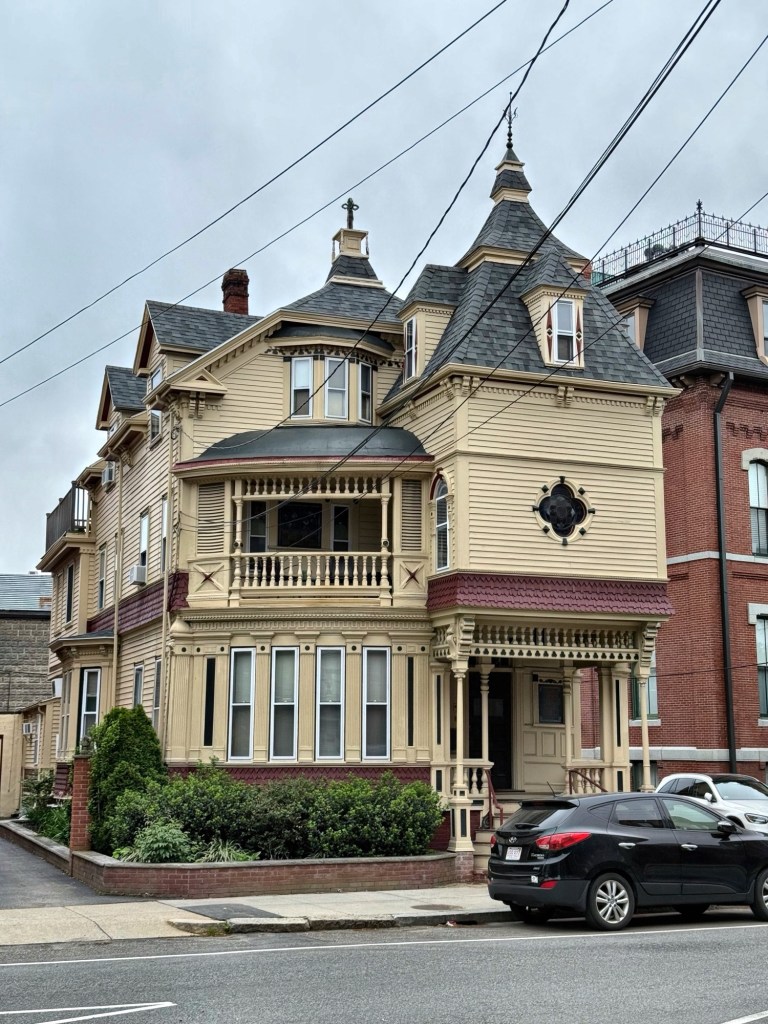
One of the most eccentric and architecturally unique houses in Somerville can be found on Bow Street, in the middle of the busiest commercial district of the city. This is the Dr. Edson F. Whitman House (often known as the E.C. Mann House), which was built around 1852 and long-occupied by Dr. Whitman until just before his death in 1900. The house was likely a modest, 1850s Italianate style residence with its gable facing the street. Over time, as business increased, Dr. Whitman expanded his house and practice, adding Victorian flair to the once usual house. An entry tower with pyramidal roof and final was added with quatrefoil window and Stick style porch, an angled two-story addition was also added to the facade with a second-story porch, and applied ornament and curiosities were added to the doctor’s office and residence through the 19th century. Luckily for us, the Dr. Whitman house has remained relatively unaltered for the next 125 years! 

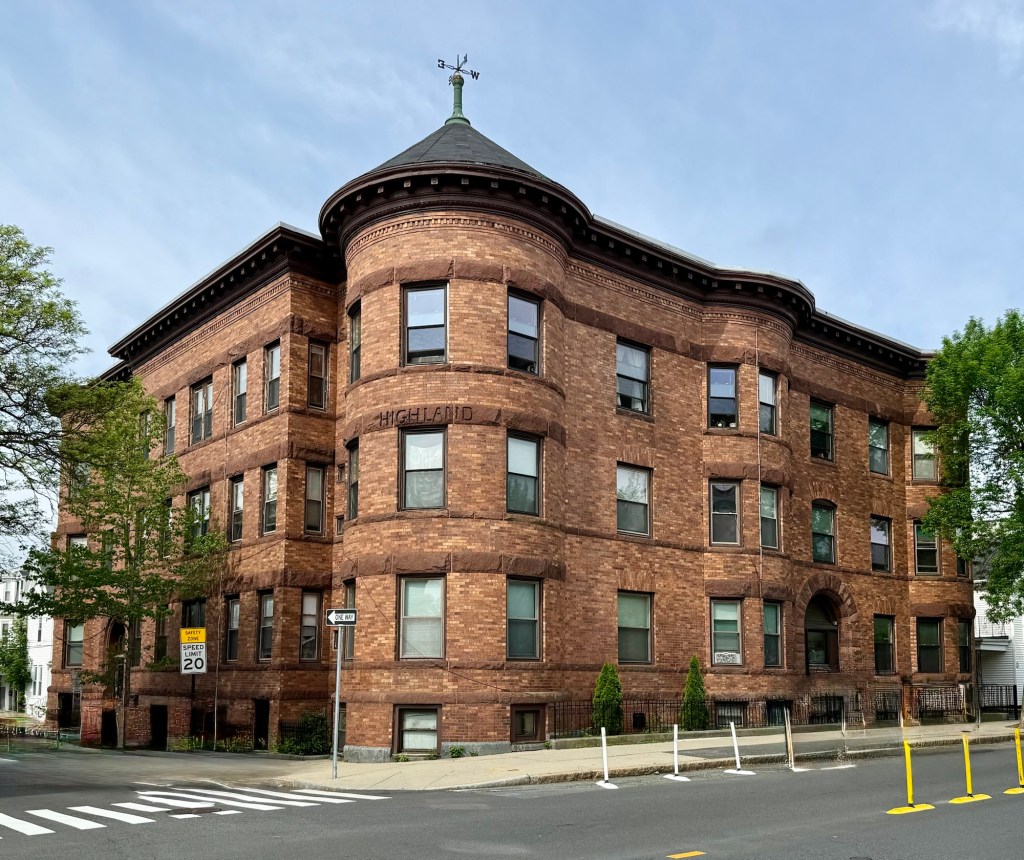
The Highland Apartments // 1892

The Highland Apartments, on Highland Avenue in Somerville, is one of the city’s most architecturally distinguished and significant late 19th century apartment buildings. Richardsonian Romanesque in style, the building is constructed of brick with brownstone trimmings, a rounded corner tower with conical roof, and Romanesque arched entrances. The building even retains its name, “Highland”, carved in brownstone at the corner. The building contained 12 units, all with multiple windows and views of the adjacent park or ever-growing Boston from its hilltop location. The architect, Samuel Dudley Kelley, was a noted designer of apartment buildings at the time. The Highland remains an important, preserved example of late 19th century multi-family housing, and showcases how far we have fallen when designing such structures today. 

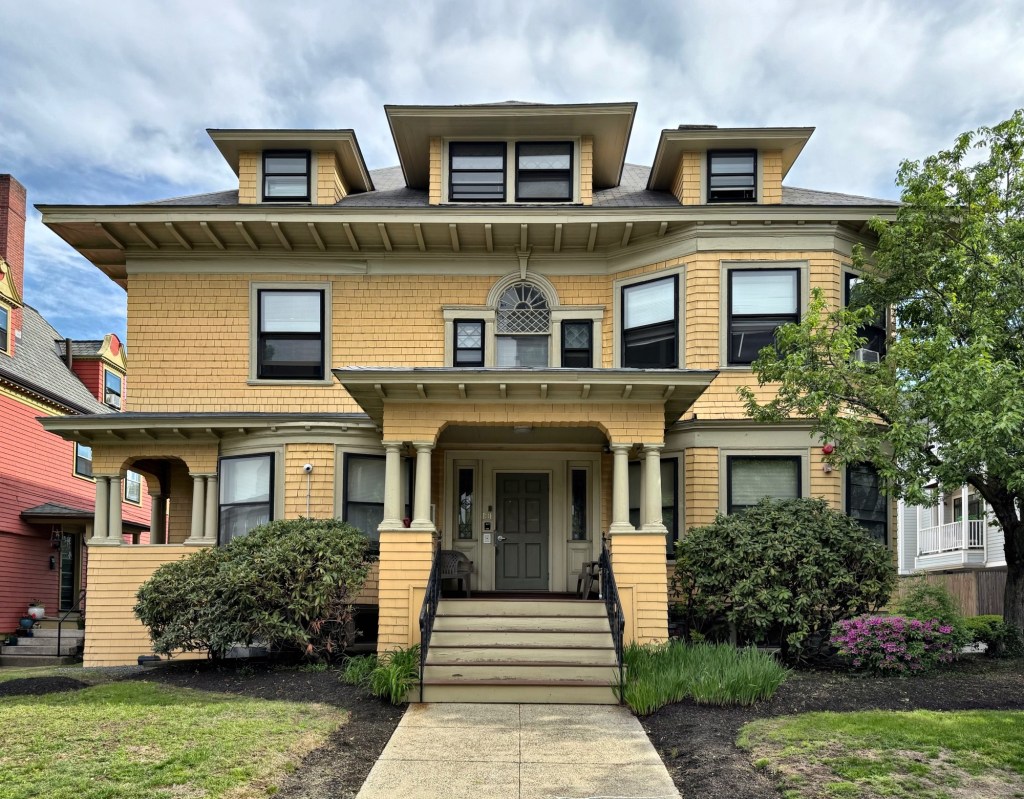
Dr. Thomas M. Durell House // 1897

Located next to the colorful Wadleigh-Friend House on Highland Avenue in Somerville, the Dr. Thomas M. Durell House stands as a more academic example of the Colonial Revival style, but leaning more towards Arts and Crafts style than Queen Anne like its neighbor. This residence was built in 1897 for Dr. Thomas M. Durell, a Harvard-educated doctor and surgeon who, at the formation of the Tufts Medical School, was appointed Lecturer on Legal Medicine, and in 1895, was made Professor of that subject. Architects (and brothers) Edwin King Blaikie and William Everett Blaikie designed the residence for Dr. Durell along with a stable at the rear. While the house exhibits Colonial Revival detailing from the Palladian window and proportions, there are some Arts and Crafts style influences including the shed dormers, shingled siding, inset porches, and broad overhanging eaves with exposed rafters. 

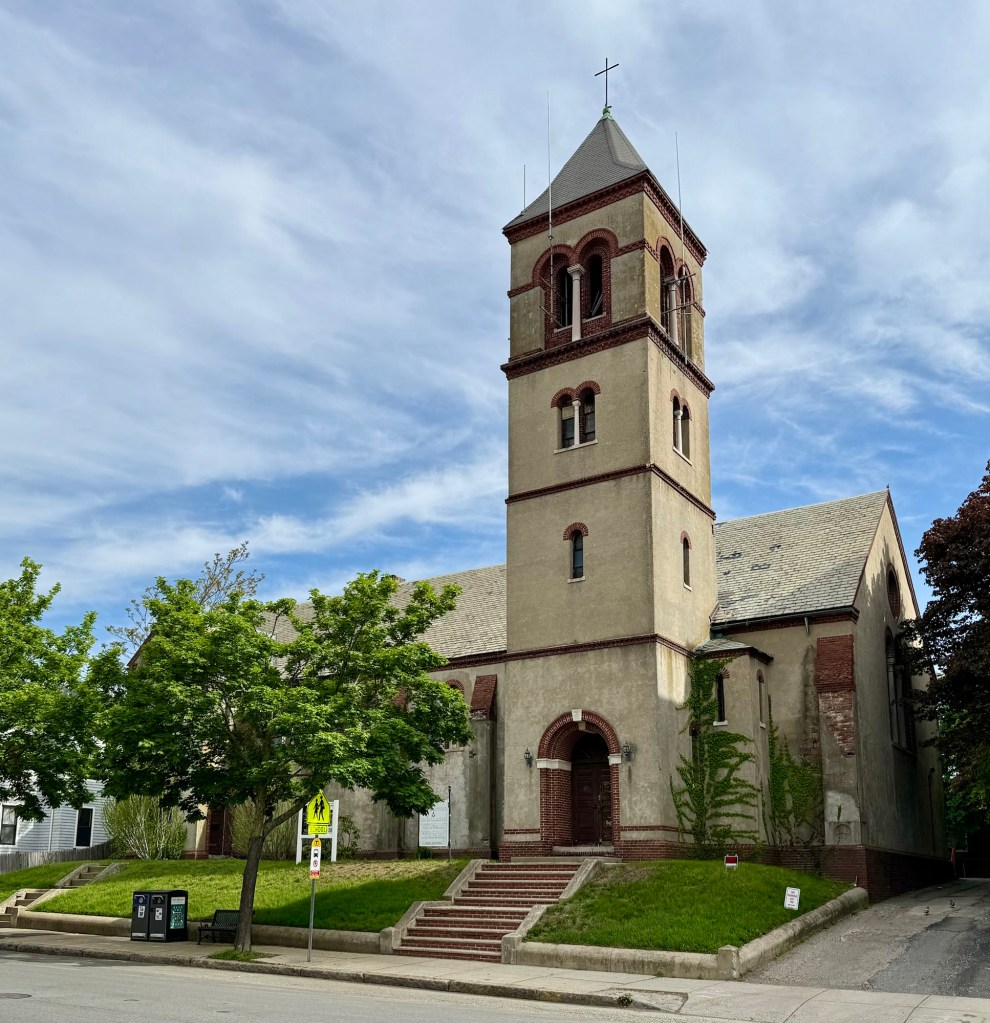
First Universalist Church of Somerville // 1917

The First Universalist Church of Somerville is located on the north side of Highland Avenue across from the First Unitarian Church of Somerville, in a completely different design. The congregation acquired this site in 1915, and the church was built from 1916 to 1923 to a design by the noted ecclesiastical architect Ralph Adams Cram, who produced a somewhat more Romanesque plan than the typical Gothical Revival work he is best known for. One of the key members of the building committee was Gilbert Henry Hood of the Hood Milk Company family. The new church was planned to house an “assembly room,” Sunday school classes, and a parish house. The church operated here for decades, but most recently was home to the Highland Masonic Building Association as the King Solomon’s Lodge. The lodge moved from the building and the property was purchased by a developer who hoped to demolish the building and erect a housing development. The building was deemed significant and “preferably preserved” by the Somerville Historical Commission, and landmark designation was initiated. The building was recently re-listed for sale, and would make a great adaptive reuse or even partial demolition for housing incorporated into the old church. Kudos to the Somerville Historical Commission for standing firm on this significant church by a nationally recognized architect.

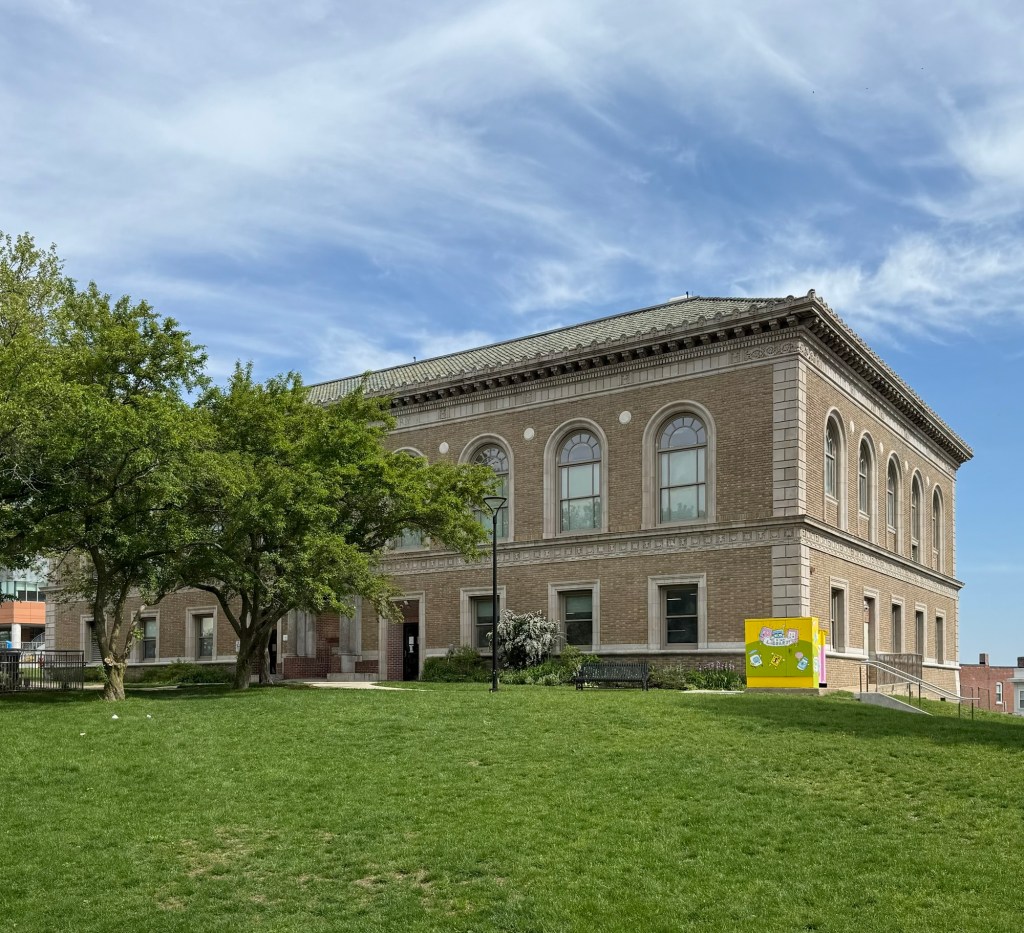
Somerville Central Library // 1914

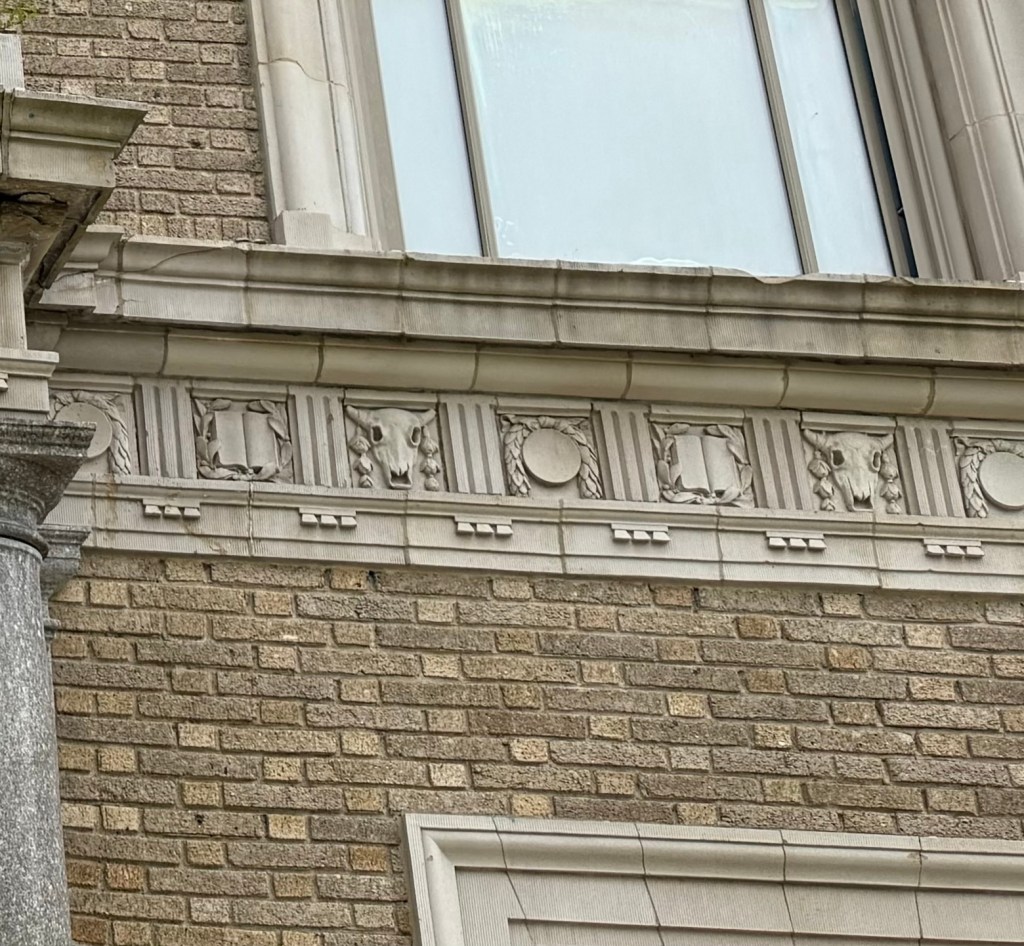
The Central Library of Somerville, Massachusetts, is a landmark example of the Renaissance Revival architectural style for civic purposes and showcases the prosperity and growth of the city in the early 20th century. The building was the second library constructed on Central Hill,  with the city’s first library built on west side of Central Hill, near City Hill, and was designed by local architect George F. Loring in the Romanesque style. By the early 20th century, the old library was becoming outgrown and planning began for a new, larger library. A site at the eastern edge of Central Hill Park was selected, and following a $123,000 gift from the Andrew Carnegie foundation for funding a new library, the new library became a reality. Architect Edward L. Tilton, was hired to furnish designs for the building. Tilton was likely selected as his experience with modern libraries was a highlight in his works. The two-story Italian Renaissance Revival style building is built of blonde brick with limestone and terra cotta trim. The building is capped by a shallow hipped roof of green tiles. A character-defining feature of the building is the large, second-story round arched windows along with the string course between floors, decorated by alternating wreath, book, and animal skull medallions. 

First Unitarian Church of Somerville // 1895

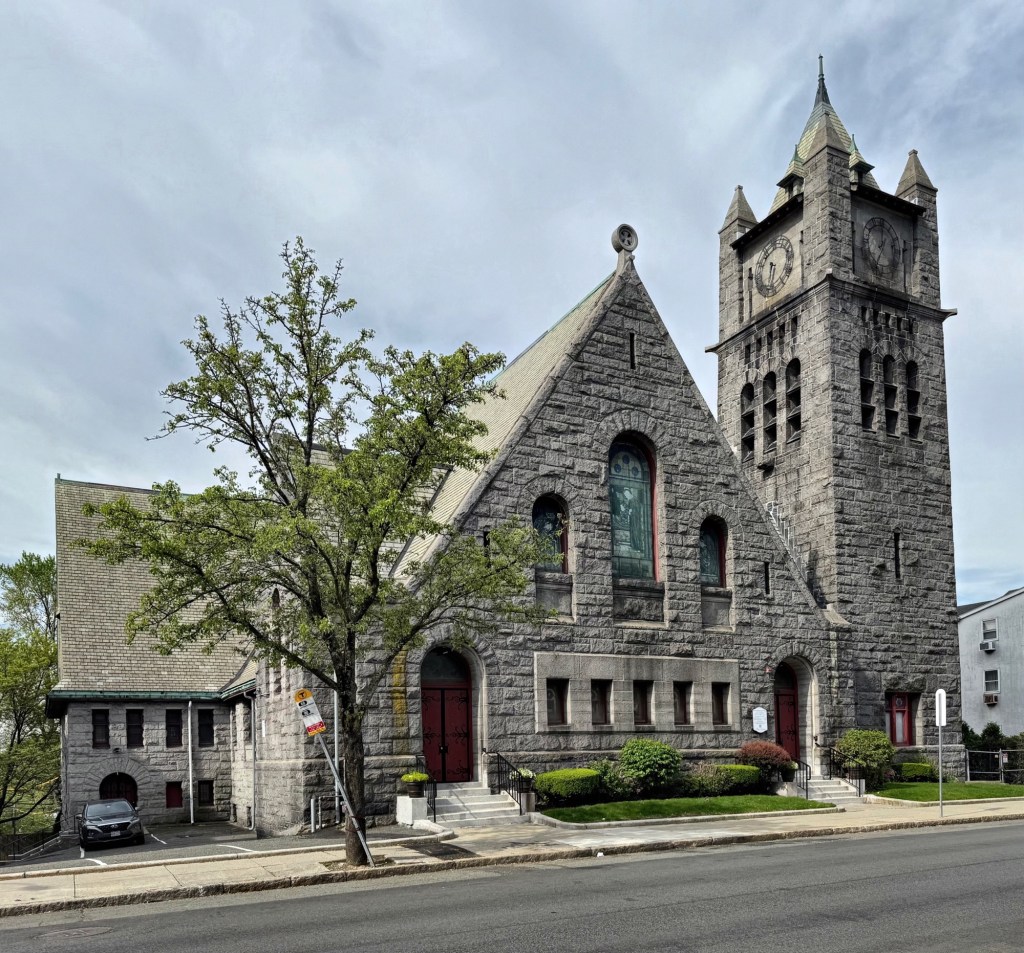
Located on Highland Avenue in the Central Hill section of Somerville, Massachusetts, the First Unitarian Church of Somerville is a landmark example of a church in the Romanesque Revival style. The church was built in 1895 from plans by the esteemed architectural firm of Hartwell & Richardson, and was the fourth and final building of the congregation, which was originally established in 1844. The congregation’s first church was a Gothic Revival style building designed by Richard Bond, but was destroyed by fire in 1852. A year later, the second edifice was designed and built by architect Thomas W. Silloway, which also burned in 1867. The church was replaced again by a Romanesque style structure in 1869. In the 1890s, when the City of Somerville purchased the building as part of the site for the new Somerville High School, a lot down Highland Avenue was secured and planning began for this building. The church is built of granite block with a steeply pitched gable roof, and a square tower at its right front corner. The prominent gable contains two arched entrances with a bank of five rectangular stained-glass windows below three tall round-arch stained glass windows. The congregation was dissolved in 1975 and a year later, the building was purchased by the Mission Church of Our Lord Jesus Christ, an Apostolic Pentacostalist church, who continue to use the building today.