William Pollard House // 1899

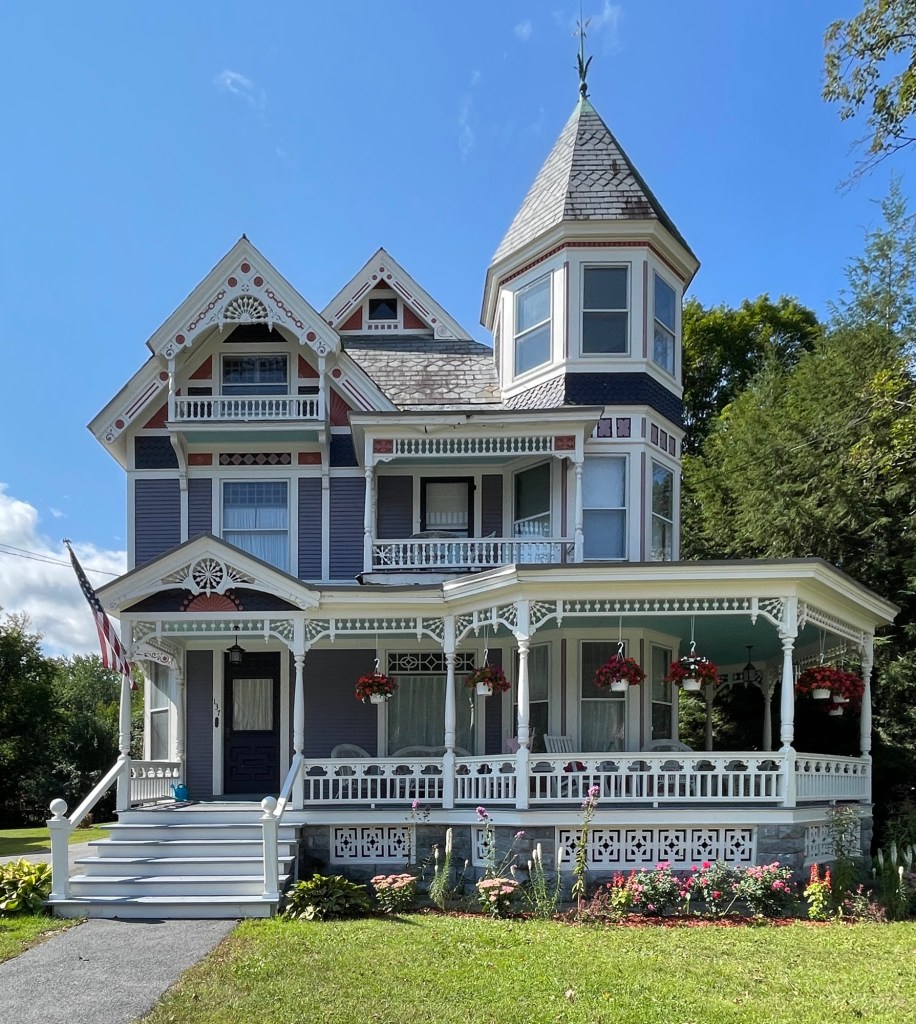
This high-style and ornamental house in Chester, Vermont, ranks among the state’s best examples of the Queen Anne style. The residence was constructed in 1899 for William Pollard (1854-1941), a local businessman who owned a shirtwaist manufactory in town with his brother, who lived next door. The painted-lady Victorian house features an asymmetrical plan highlighted by a three-story octagonal corner tower that is surrounded by a wrap-around porch with a delicate spindled frieze. The use of accent colors in the paint scheme further highlight the millwork details on the residence, which have all been preserved for well over a century. 
Chester Masonic Temple // 1907

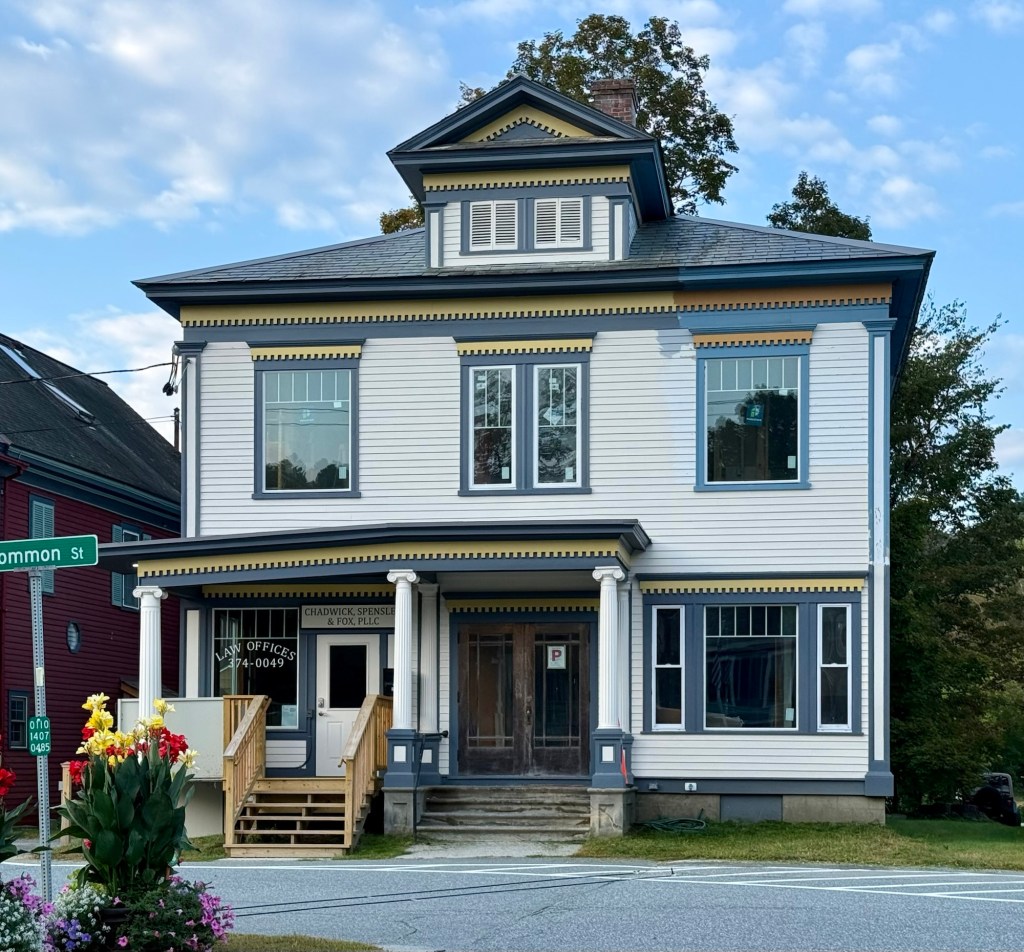
Built in 1907, this handsome building on Main Street in Chester, Vermont, has long been the home to the Olive Branch Lodge 64 of the Freemasons, an international fraternal organization. Colonial Revival in style, the building features corner pilasters that support a denticulated entablature along the eaves of the slate hip roof. A projecting portico over the front entrance is supported by classical Ionic columns. The 1920s marked a heyday for Freemasonry, especially in the United States. By 1930, over 12% of the adult male population of the United States were members of the fraternity. Following the Great Depression and WWII, membership sharply declined in fraternal organizations, like the Masonic Temple. A number of years ago, the Lodge here moved to a new building in a nearby town, and a local law firm purchased the building and spent 18 months renovating the building for use. Today, the historic character and even symbology remain on the building, while it houses a local business. 

Comfort C. Dresser House // 1799

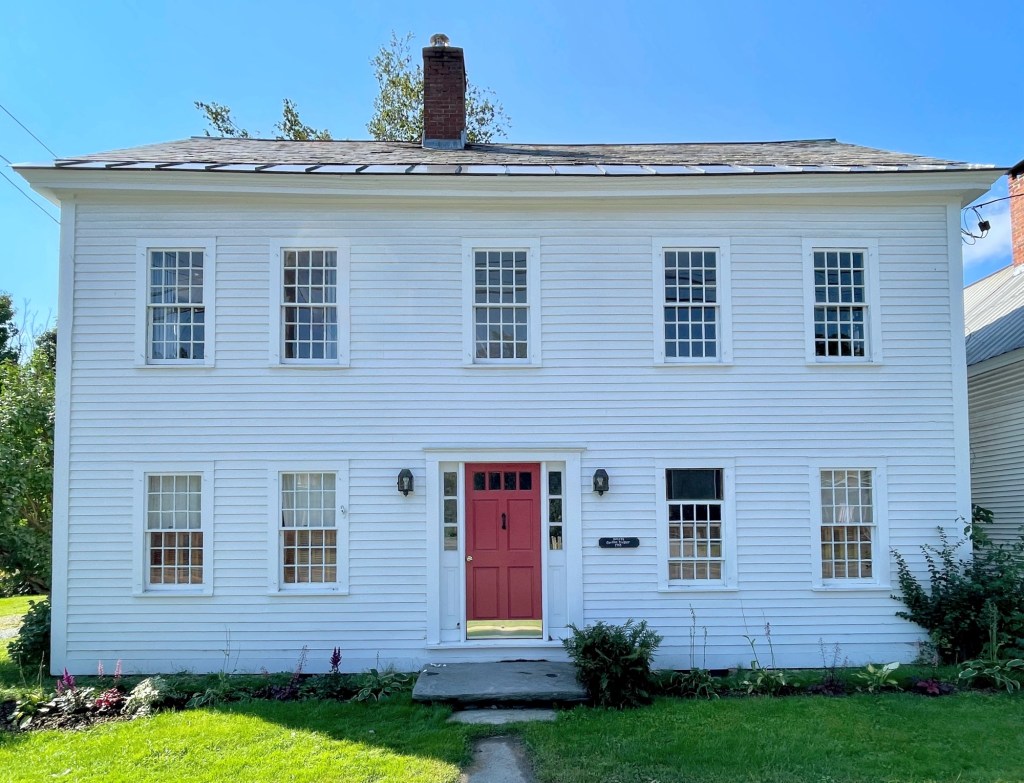
Built just before the turn of the 19th century, this handsome five-bay vernacular Federal period house is located on the charming Main Street of Chester, Vermont, and is one of the oldest extant houses in the village. The residence was built in 1799 by Comfort Carpenter Dresser (1777-1856), who with his family, moved from Bridgewater, Massachusetts, to the town of Chester, where he found work as a carpenter and housewright, a fitting profession due to his middle name. The family resided here for nearly 30 years until they moved to New Hampshire. The beautiful home, painted a bright white sometime in the 20th century, features a front door with sidelights, 12-over-12 sash windows, and a symmetrical facade, common for the style. 

Chester Academy – Chester Historical Society // 1884

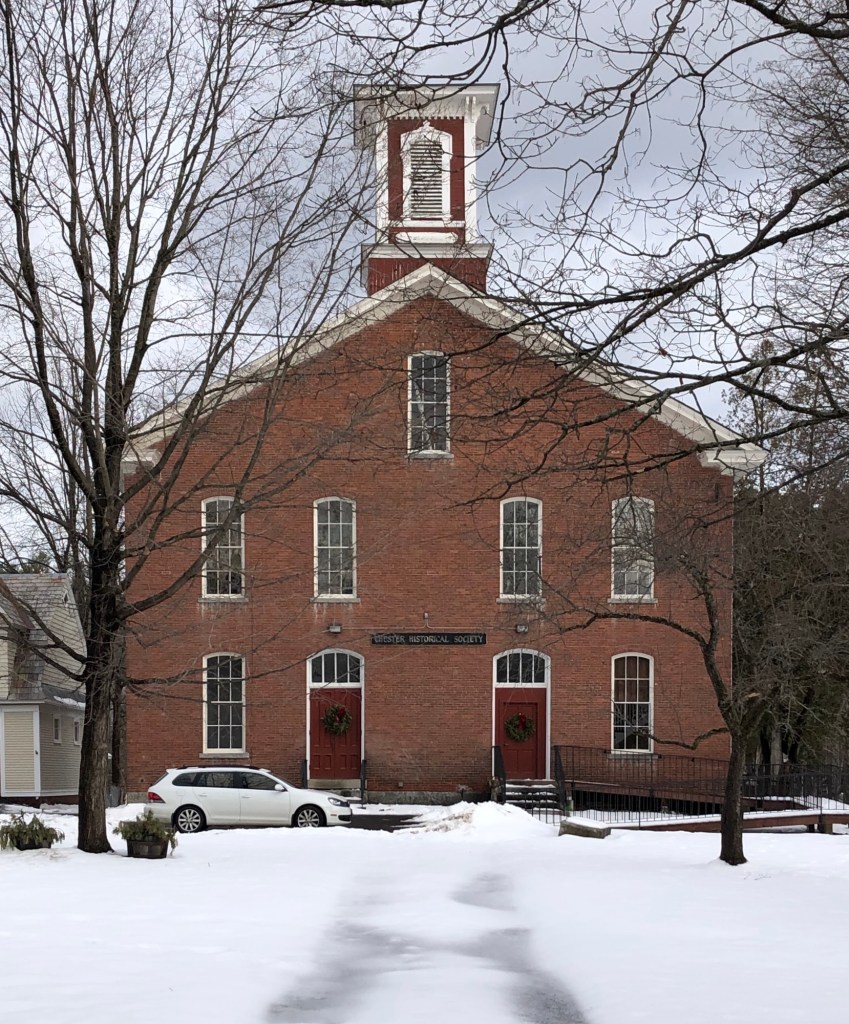
The town of Chester, Vermont, is one of the best small towns in the state for architecture lovers! Don’t believe me? I will prove it in this upcoming series. Located in Chester Village, the town’s center, this handsome brick building set off the main street, was built in 1884 as the town’s high school, replacing an 1814 private academy formerly on the site. The private academy closed in 1881, and the building was sold to the town, who by 1884, demolished the original structure and erected the current Italianate style building. The building served as the town high school until 1911, when a new high school was constructed nearby. The elementary and junior high school operated from here until the 1950s, when a modern school was constructed in town. Since 1950, the former academy building has been used by the Chester Art Guild, and currently is leased from the Town by the Chester Historical Society. The structure retains its architectural character down to the segmental arched windows and cupola.

Chester Tin Shop // c.1830

Located on the edge of the Chester Town Green, you can find this beautiful Federal style commercial building. The use of blind arches at the facade is a fairly common feature found in brick Federal style buildings in Vermont. The structure was built around 1830 and has served a variety of uses through its existence, the most notable being the tin shop owned by various members of the Miller and Hadley families that sold stoves and hardware during the latter half of the 19th century. The tin business in New England grew rapidly after 1820. Tin shop owners imported tinplated sheet iron from Great Britain, shaped it into a variety of forms, and distributed their finished goods through peddlers and country stores. They also sold tinware in their shops. Colanders, dippers, dish kettles, funnels, measures, and pans were in greatest demand. Other common items included lanterns, foot stoves, teapots, coffeepots, “tin kitchens”, skimmers, and sconces. After its use as a tin shop, the building was occupied as a telephone exchange and electric utility company office. It presently is home to an antique store.