Brookline Village Fire Station // 1908

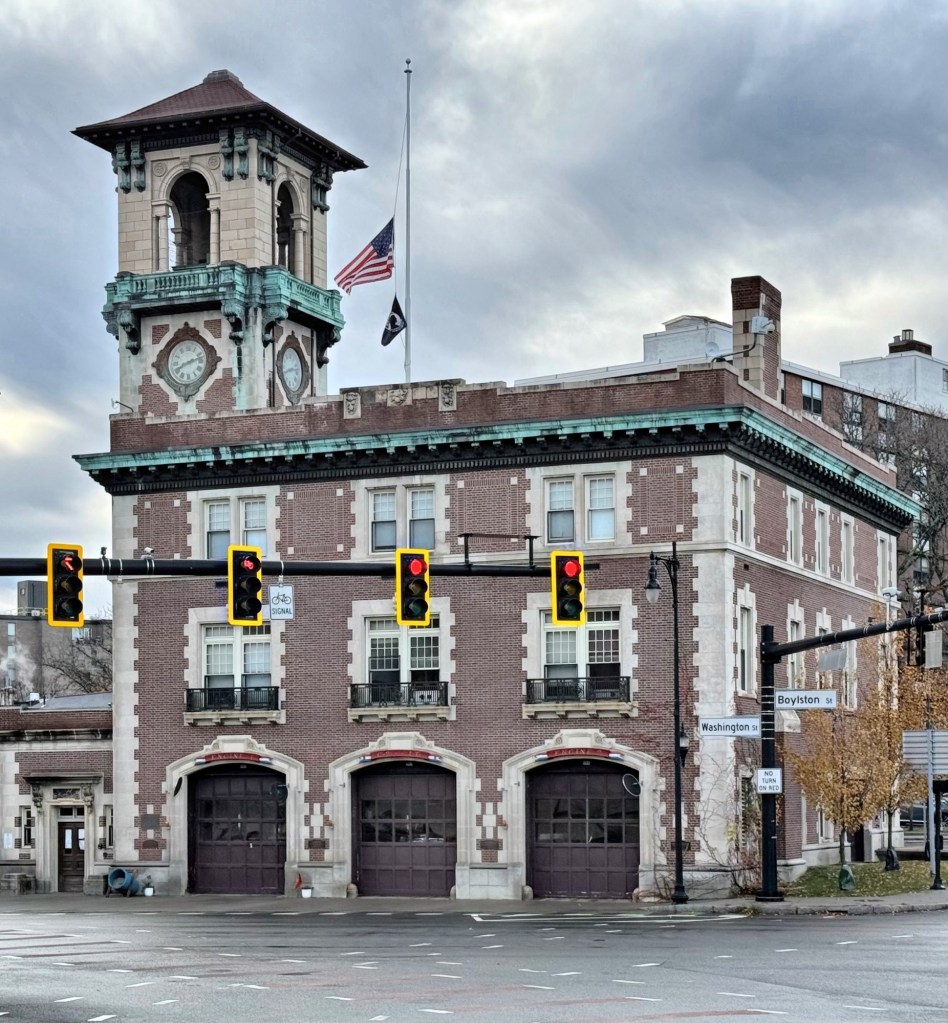
Built in 1908 from plans by the architectural firm of Freeman, Funk and Wilcox, the Brookline Village Fire Station is a massive, red brick structure with white sandstone trim and a copper cornice. Located on Washington Street in Brookline Village, the station stands out for its high-style Italian Renaissance style, notable for the use of brackets and off-center hose-drying tower with arched openings. The station replaced an earlier hose house, and was built before the fire department shifted to fire trucks, but was adapted later for larger fire apparatus. The station is one of the finest in the Boston area, and the Town of Brookline have done a great job preserving this significant structure.

Yosemite Engine House // 1879

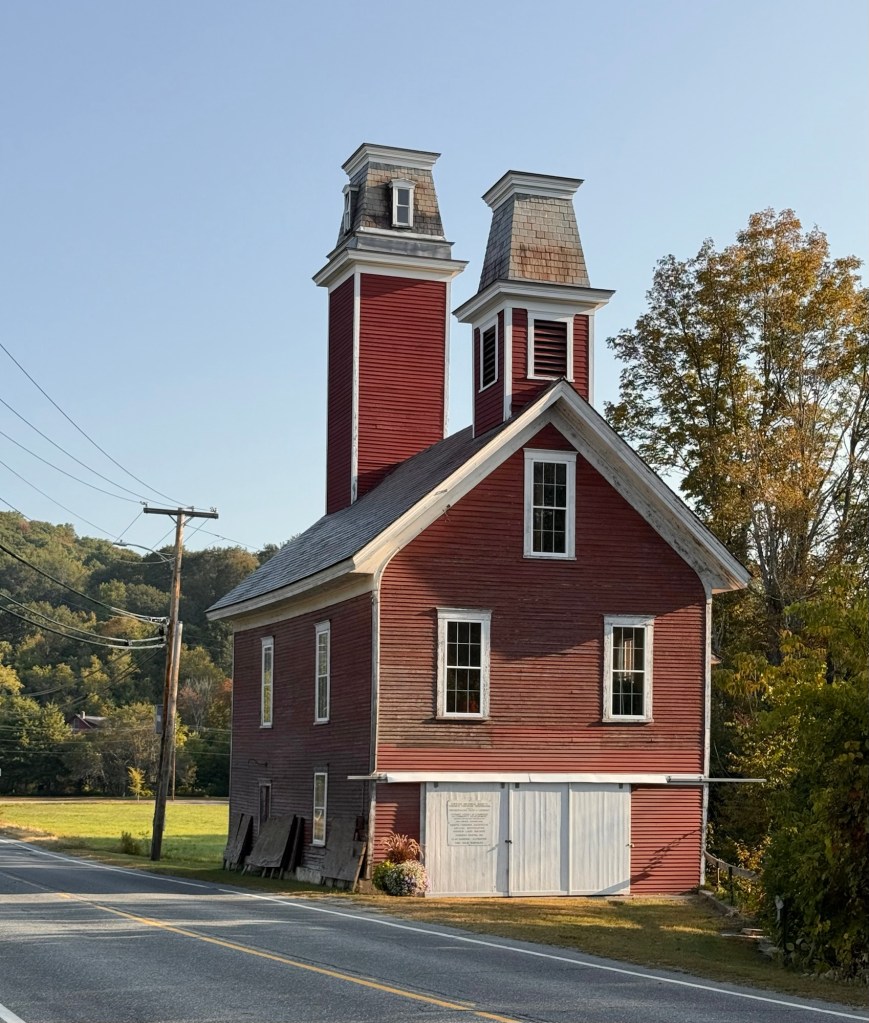
The Yosemite Engine House on Route 103 in Chester, Vermont, is a unique and iconic architectural landmark that has stood for almost 150 years. Chester’s second fire district was established in 1871, following a number of large fires in the village, prompting funding from businessmen and the town for a new engine house. Built in 1879, the Yosemite Engine house was built as a fire station for the village defined by its rectangular massing, first-floor engine hall, second-floor meeting hall, and twin bell and hose-drying towers that are capped by mansard roofs. The station originally housed horse-drawn and human-operated fire engines until the 1920s, when the doors were enlarged for the first engine-powered fire truck. The fire district, a separate taxing entity from the town since its creation, was dissolved in 1967, and its properties, including this iconic fire station, reverted to the town. It was eventually sold into private hands, and was operated for a short time as a museum by the local historical society before being reacquired by the town in 2018. The building is awaiting a full restoration.


South Main Street Engine House, Providence // 1892

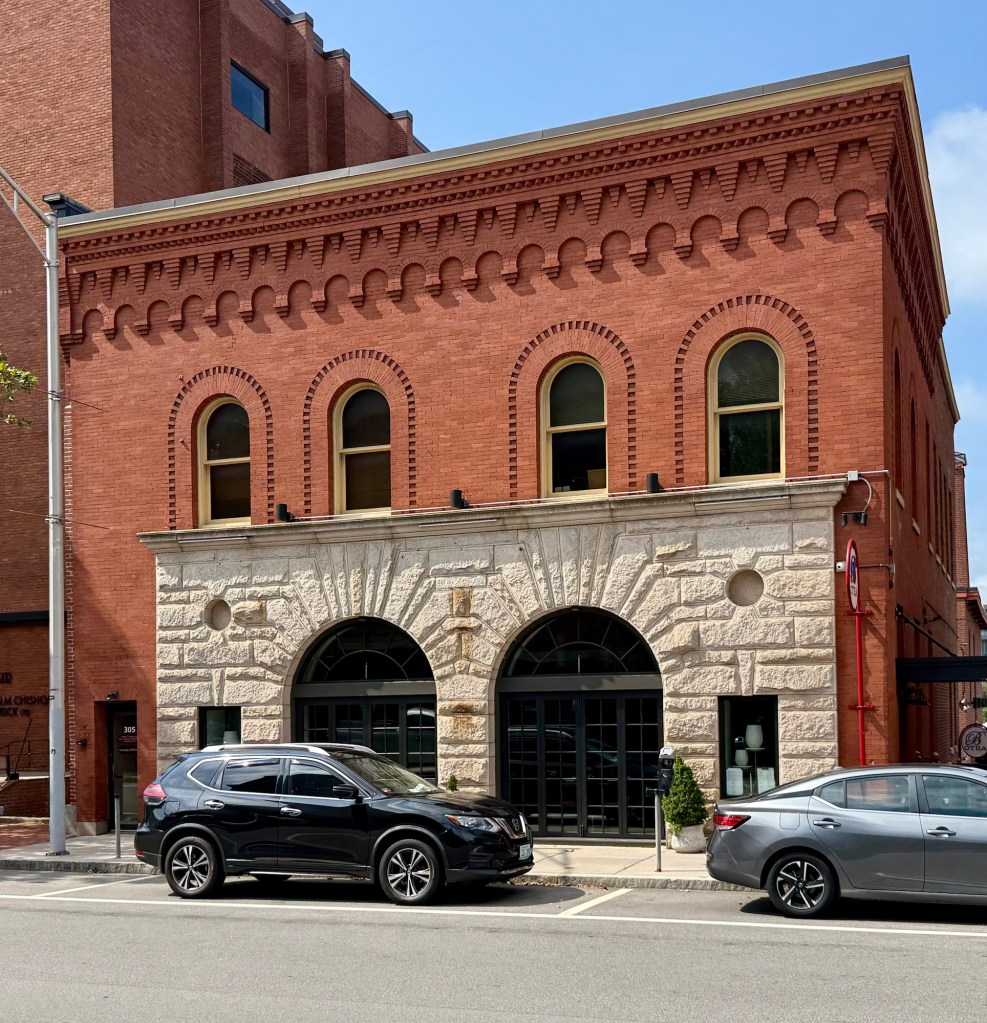
Built as a neighborhood fire station by the City of Providence in 1892, this handsome brick structure on South Main Street showcases how infrastructure and civic buildings can (and should) still contribute to the streetscape. Constructed along a streetscape of early 19th century brick buildings, the local architectural firm of Stone, Carpenter & Willson, sought to take cues of the materiality and massing of nearby structures, but employ new detailing and vocabulary for the fire station here. The result is a Romanesque style fire station with a pair of round-arched engine portals surrounded by stone facing, with the showstopping second floor and roofline with ornate brickwork around the arched windows and multi-staged corbeled cornice. The building with its smaller engine doors became obsolete with newer, larger fire trucks, and the building has since held a variety of commercial uses, today as a up-scale Italian restaurant.

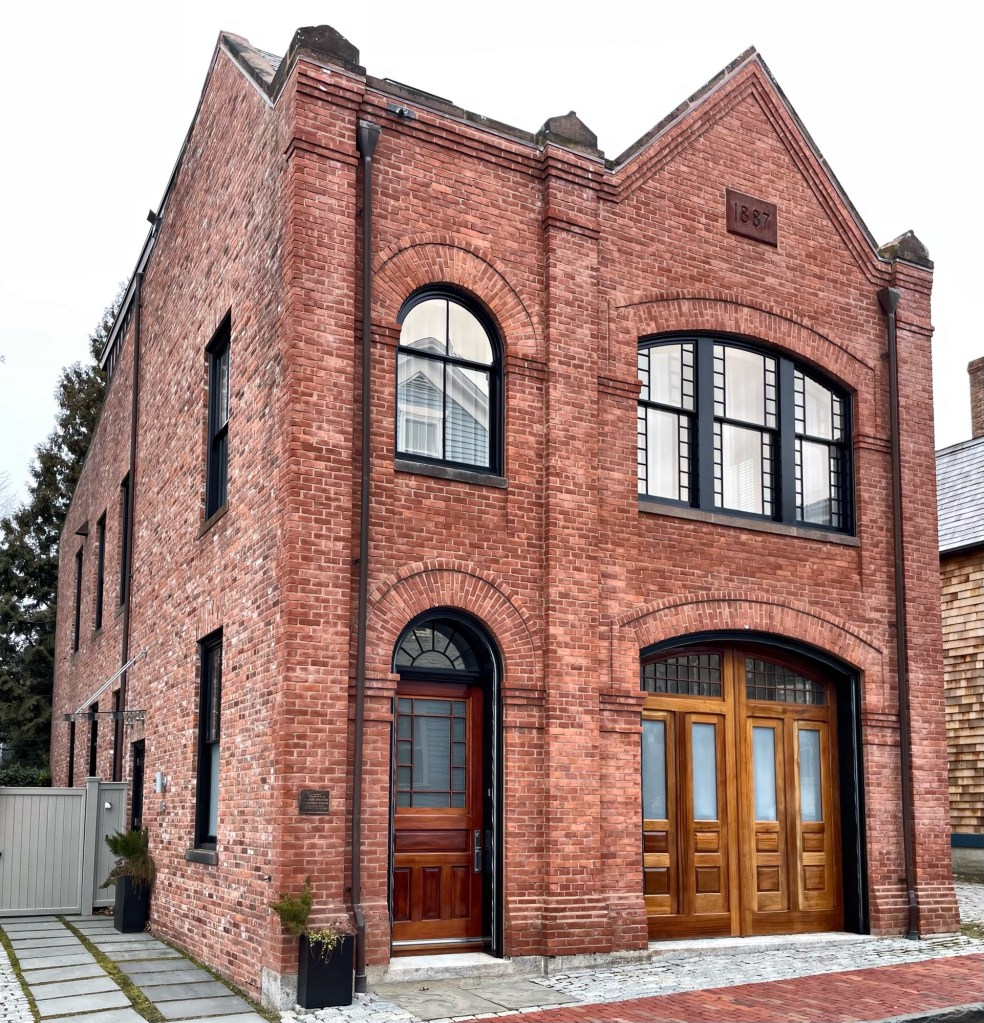
Newport Old Fire Station Hose No. 8 // 1887

One of the charming converted old fire stations of Newport, Rhode Island, can be found tucked away on Prospect Hill Street. This is Hose No. 8 Fire Station, built in 1887 by the City of Newport as a neighborhood station to battle fires in the dense network of streets and homes Downtown. The design blends Romanesque Revival and Victorian Gothic elements into a compact, two-story brick building. The station was closed in 1912 as the structure no-longer was compatible with larger fire apparatus and gasoline-powered trucks. The building would suffer from neglect and was crumbling, before being reconstructed, brick-by-brick, and restored by Hacin Architects of Boston as a private residence. The structure is essentially new on the interior but provides a significant preserved exterior that was long part of the eclectic streetscape of Prospect Hill Street.

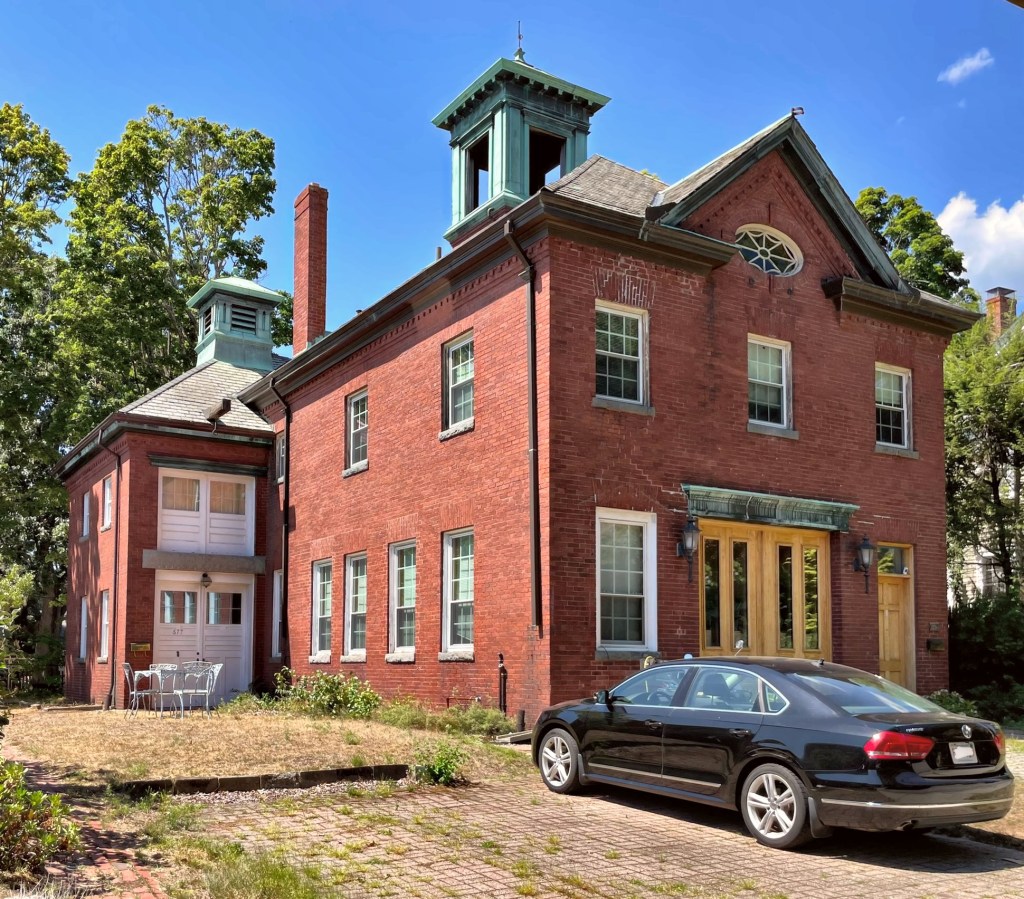
Lower Falls Firehouse // 1900

The Newton Lower Falls Firehouse was built in 1900 to serve the village’s fire prevention needs. As nearby Waban Village’s population surged (along with a stronger tax base) the City of Newton constructed a new fire station in 1918, that could serve both areas. This, the already outdated station, was converted to a village library on the ground floor with a janitor’s apartment and storage above. The space was determined to be surplus by the City and was sold off in 1979, quickly converted to housing by a developer. The building retains much of its original character, down to the hose-drying tower.

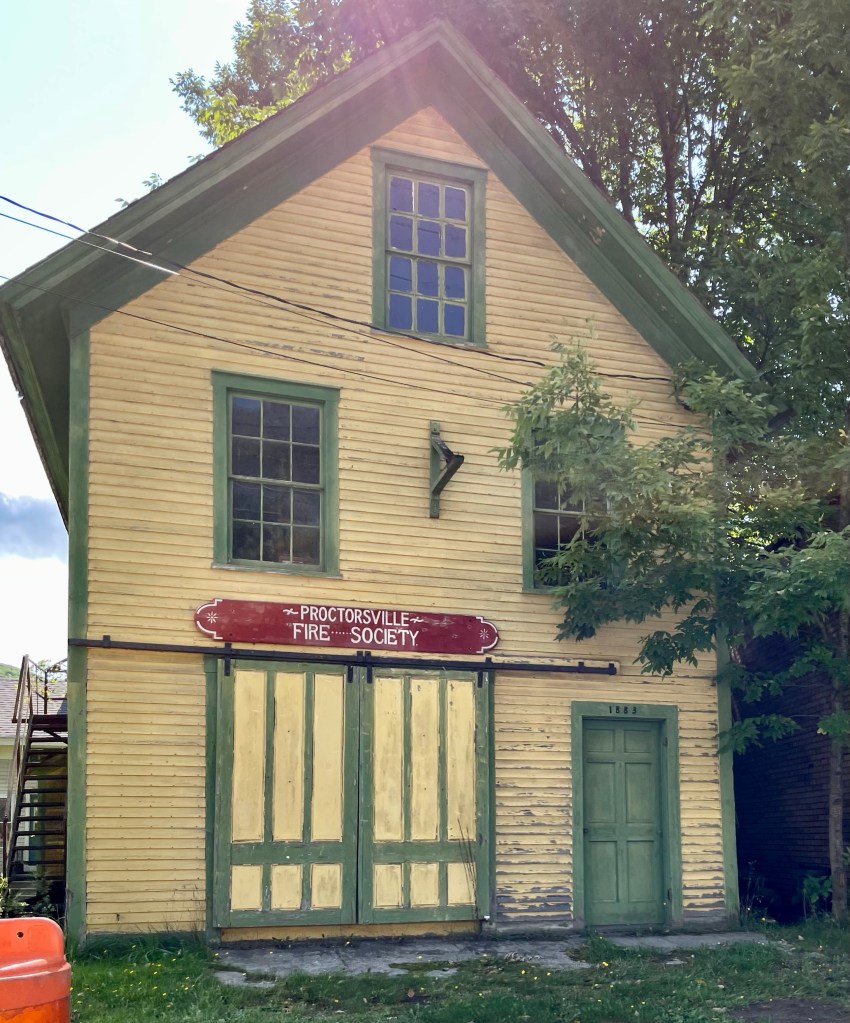
Proctorsville Firehouse // 1883

Industrial villages like Proctorsville in Cavendish, Vermont, have always been susceptible to fire and complete destruction. As a result, many such villages erected firehouses or barns where apparatus (and sometimes horses) would be kept in case of emergency. The Proctorsville Volunteer Fire Department was formed in 1883, and this structure was built to house the fire apparatus and possibly a small apartment or living quarters above. Today, the building appears to be home to the Fire Society.

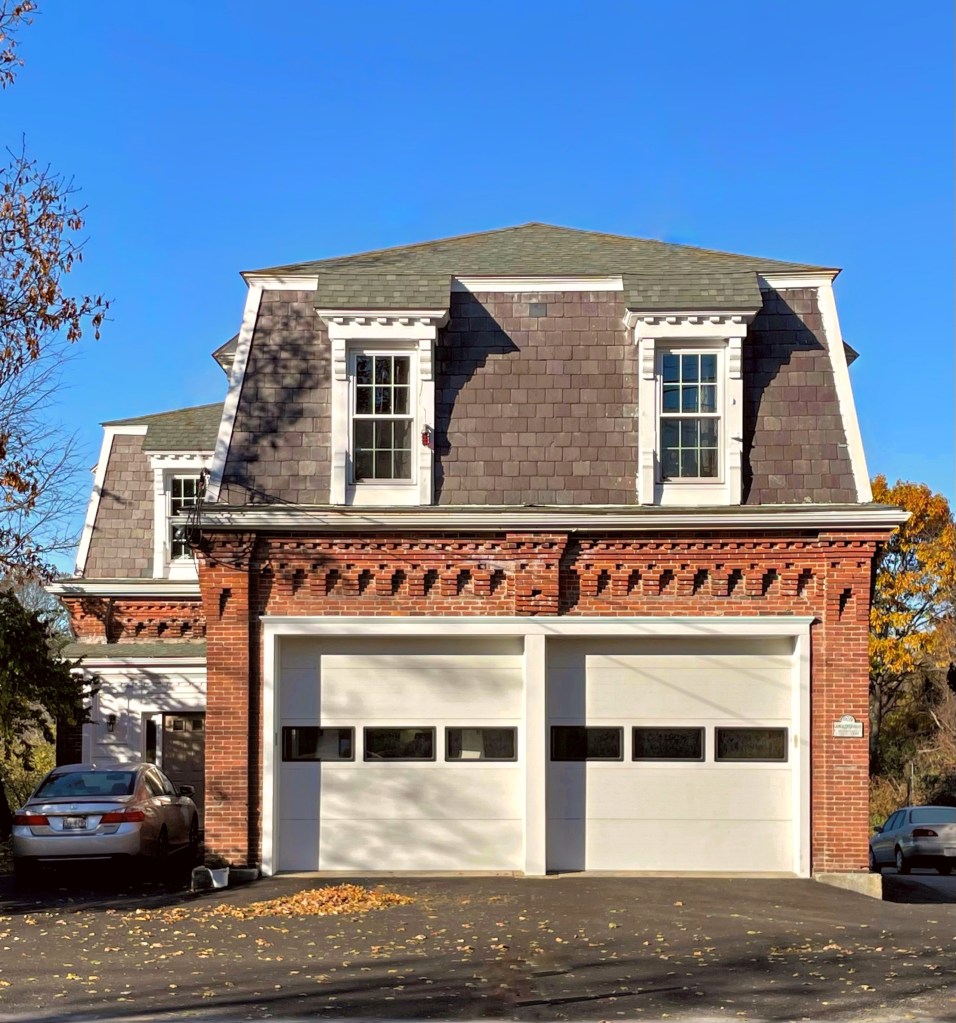
Lancaster National Bank – Central Fire Station // 1836

Located on sleepy Main Street in Lancaster, Massachusetts, this cute mini-mansard building caught my eye immediately, and I had to take a picture! The building was constructed in 1836 for the Lancaster National Bank. The brick building was just one story with storefront windows and a central entrance, and was the only bank in the small town. When the neighboring town of Clinton saw a large increase in population due to industrial growth, the Lancaster National Bank decided to relocate to be closer to a larger clientele. They sold this building to the Town of Lancaster in 1882 and moved out. Within a year, the town added the mansard roof to the building, being careful to preserve the original cornice (now where the brick meets the roof), and converted the building to a fire station with double doors. The Central Fire Station was in operation here until 1967 when a new building was built nearby, with doors large enough to easily house modern engines. The building was then used as storage and offices for the Lancaster Water Department. Sadly, the replacement fire station doors really diminish the appeal of the building.

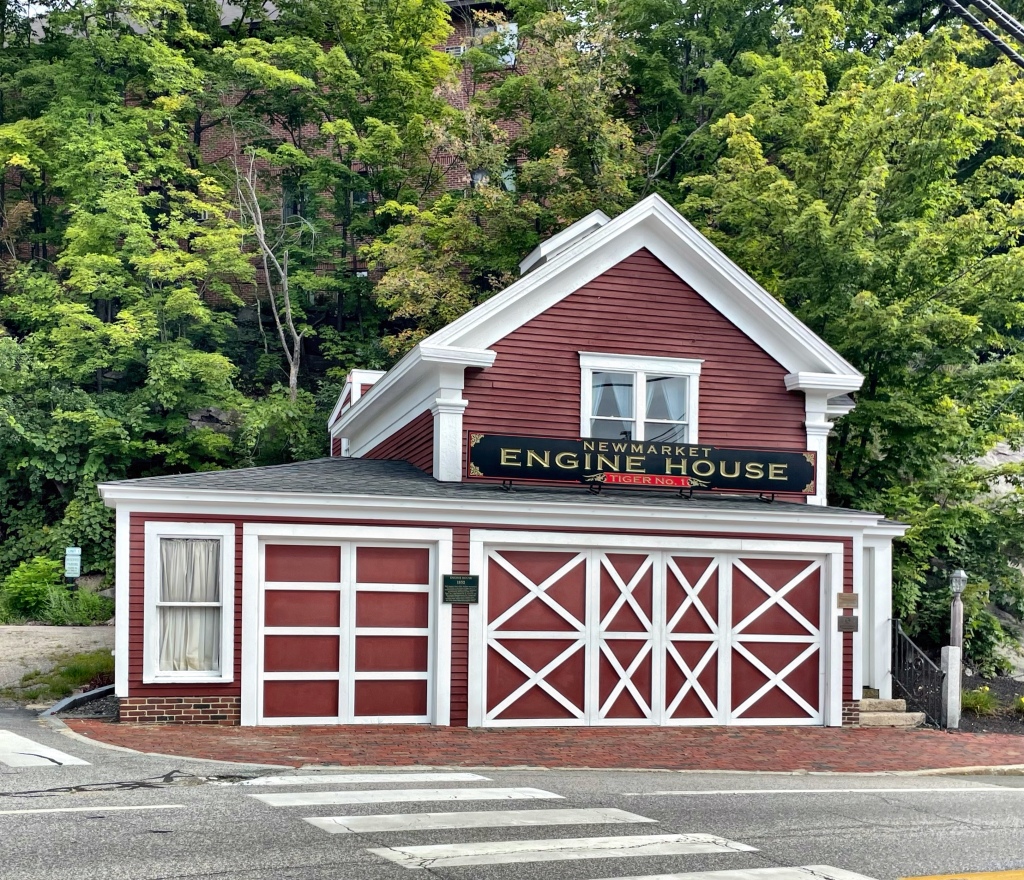
Granite Engine Fire House // 1853

In 1852, the Newmarket Manufacturing Company, who operated a massive mill complex along the Lamprey River in Newmarket, realized the need of adequate fire service to protect their investments and goods. They leased land on Main Street to the town and funded a new fire station, providing engines as well that could be pulled by horse to fires in town. The old station is a surviving landmark in town and retains much of its architectural integrity.