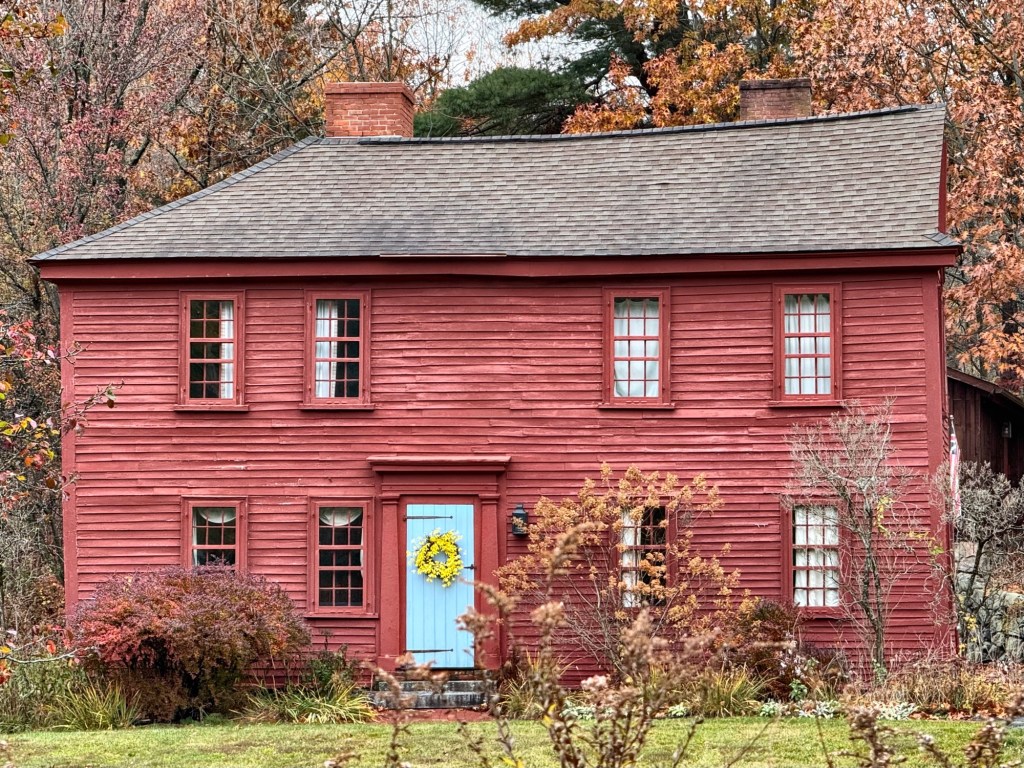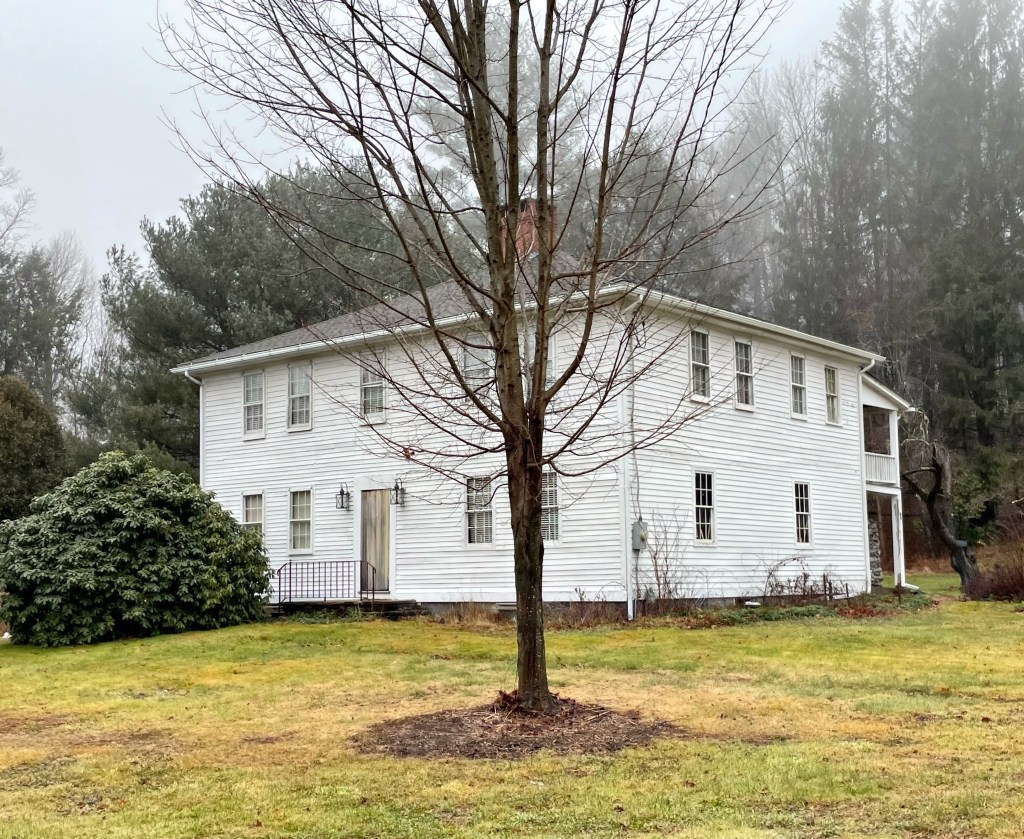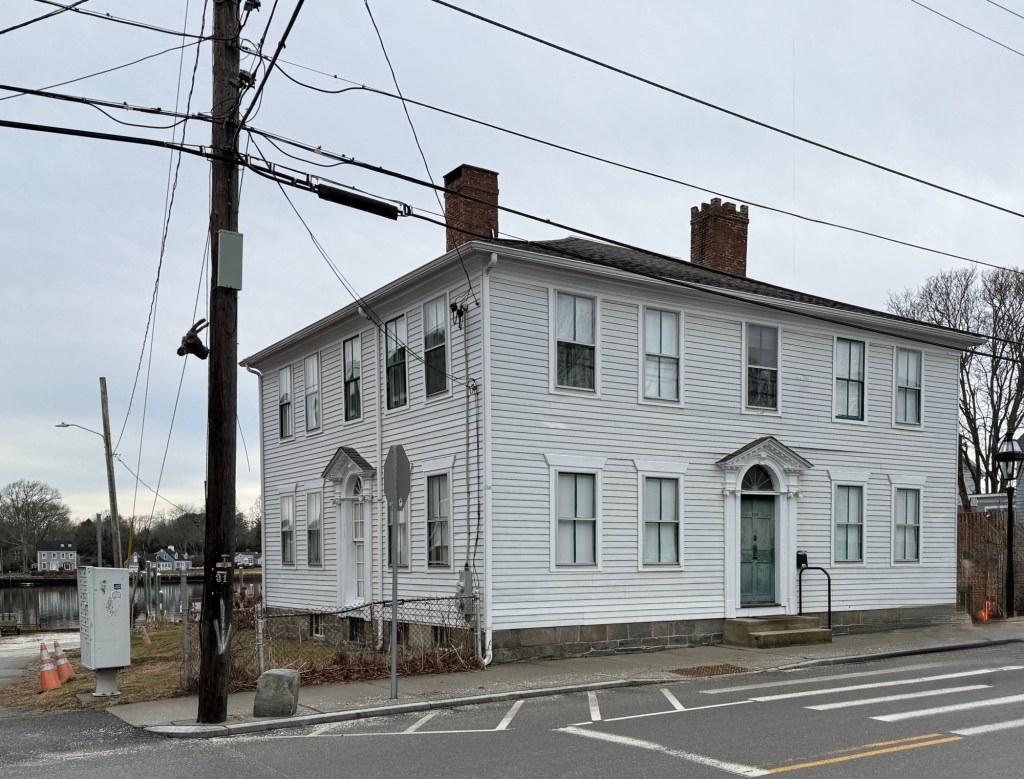
Hopestill Bent Tavern // 1710

The Hopestill Bent Tavern is a historic First Period tavern, now a private residence, in Wayland, Massachusetts, on the Old Connecticut Path, a Colonial postal road. The tavern was owned and occupied by Hopestill Bent (1672–1725), a veteran from the King William’s War (one of the French and Indian Wars). Hopestill Bent was the great-great-grandfather of Charles Bent, a fur trader and first territorial Governor of New Mexico during the Mexican-American War, who was later scalped and killed by Pueblo warriors, during the Taos Revolt. The Bent Tavern served as a tavern until about 1780, was moved to the present site farther back from the street in 1800, and enlarged to the current size.

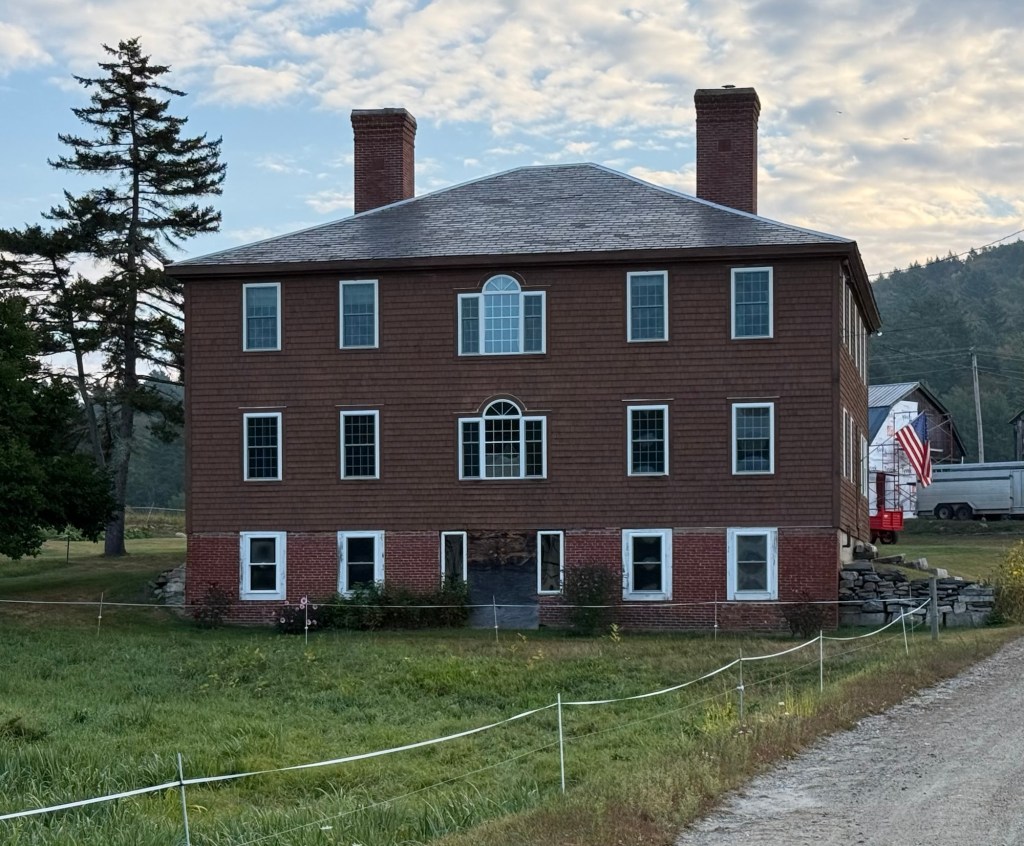
Jabez Sargeant Jr. House // 1797

Deacon Jabez Sargeant (1720-1788) was born in Malden, Massachusetts, and later moved to the newly established town of Chester, Vermont in 1763. He is thought to have been the first settler of European ancestry in the town. Upon the outbreak of the Revolution, he served in Captain Little’s Company in 1778, returning home to Chester after. His son, Jabez Sargeant Jr. built this stately three-story late-Georgian residence in 1797 as a tavern along the Green Mountain Turnpike, a highway connecting Boston and Montreal. The dwelling originally fronted directly on the road, but was moved back sometime in the 19th or 20th centuries. The building boasted a large ballroom on the second floor, likely for community and fraternal organizations, and a tavern in the brick first floor. It is likely that Jabez and his family lived on the third floor. Outside, the property contained a large apple orchard and cider house, providing drinks to weary travellers. Although the tavern is built to a large size, it lacks many of the high-style features often found in large Georgian houses, telling for its time of construction in a sparsely developed area without seasoned builders.

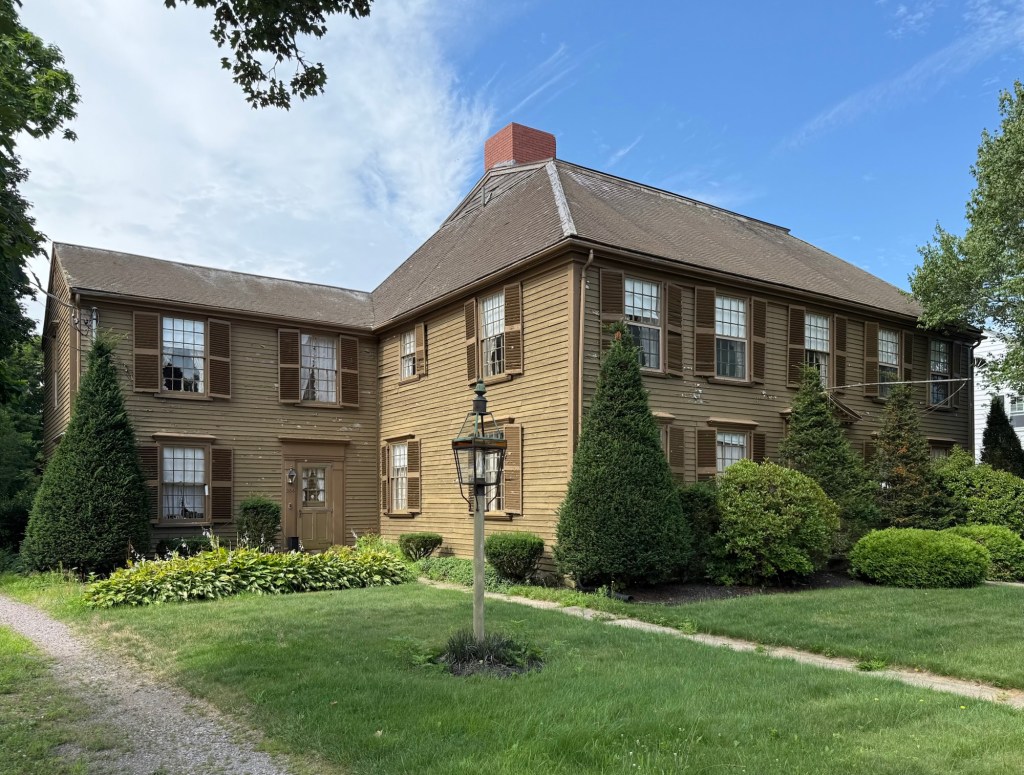
Bildad Washburn Tavern // c.1774

This stately Georgian style house on Main Street in Kingston, Massachusetts, was originally built in nearby Marshfield and later moved to its current location just decades later. The house was built on the Winslow estate in Marshfield in about 1774 by either Dr. Isaac Winslow or his brother, Maj Pelham Winslow. In 1796, the property was purchased by Bildad Washburn, a noted gravestone carver, and the house was moved to its present site. Reports state that the house was moved by boat and oxcart to its current location, where it became a tavern and residence of Mr. Washburn. In 1804, the house was sold to Major George Russell, a merchant and town clerk, who later served in the War of 1812, who converted the ell into a store where he sold, East and West India goods from his ships. After his death, his daughter ran a dame’s school from the house. The Washburn Tavern is significant as a large Georgian-era house that remains in a great state of preservation.

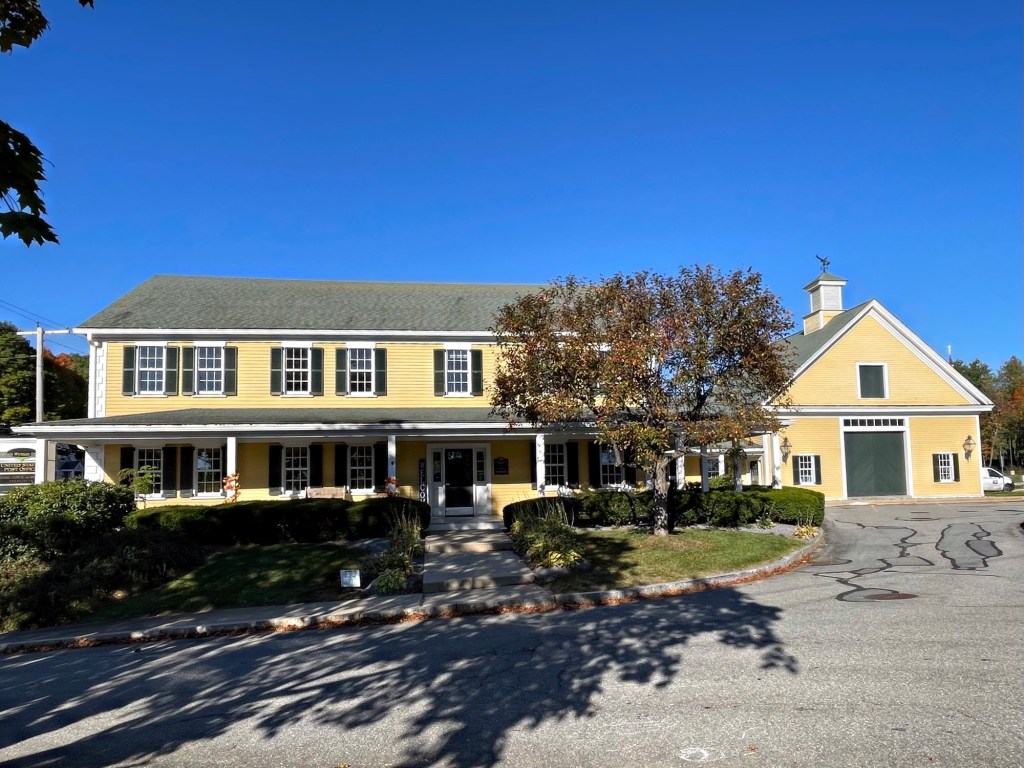
Wyman Tavern // c.1780

This large Colonial house sits on the Ashby town common adjacent to the town’s meetinghouse. The structure was built by Abijah Wyman, a Captain in the American Revolution, in about 1780 as a family home. In 1803 a turnpike was established and was well travelled by heavy wagons and stagecoaches travelling between Boston, NH, and VT. Taking advantage of the location, Abijah’s son John expanded the building and began operating a tavern from the house. It would become a drinking establishment, post office, and inn during the 19th century. Later owners modified and expanded the building further, adding a porch and connecting the tavern to the barn. The building is now occupied by commercial uses including the local post office!

Daniel Glazier Tavern // 1815

The Daniel Glazier Tavern is located at the west end of the Willington Green, an area showcasing great vernacular examples of Federal and Greek Revival architecture. The tavern was apparently built by Daniel Glazier as a stop along the route connecting Norwich, CT to Springfield, MA, where visitors could grab a bite to eat and/or stay the night to rest. Daniel’s son Isaac was the first tavern-keeper, followed by Daniel’s son-in-law Arial Eldridge until his death in 1849. The ballroom of the tavern had long been used in the winter months for town meetings, as he basement of the Town Meetinghouse, used for town meetings, lacked any form of heat. Since 2009, the property has been owned by the Willington Historical Society, who have restored the building.