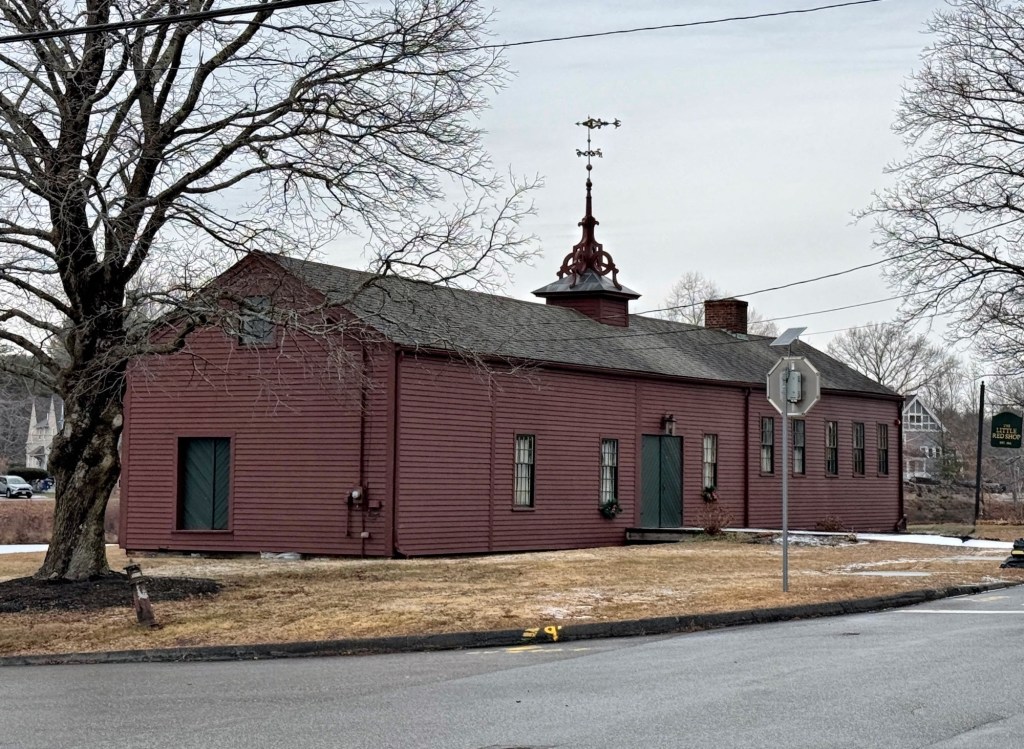
Pratt, Read and Company Factory // 1881

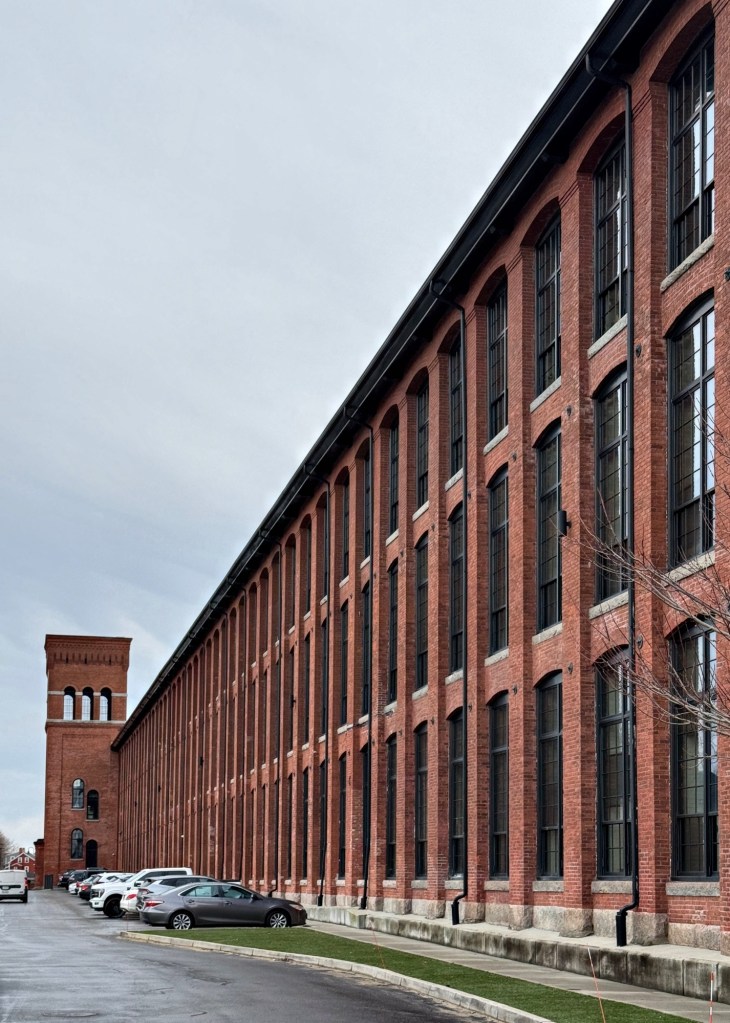
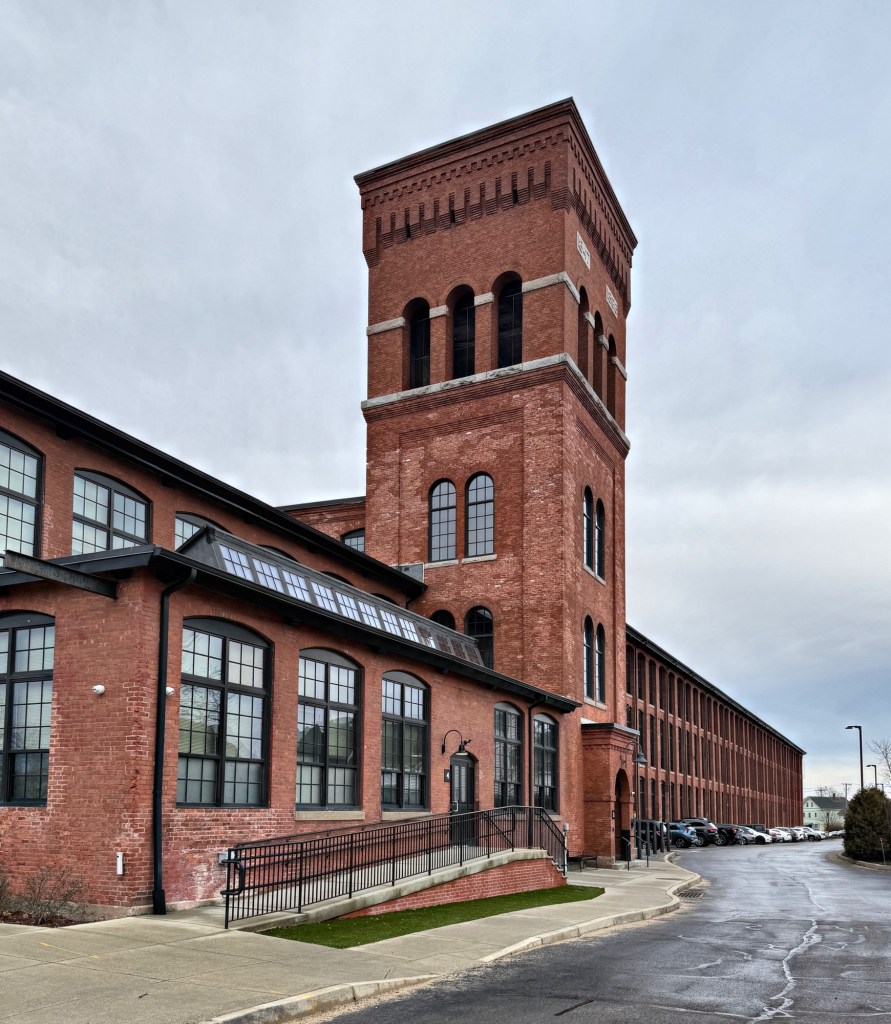
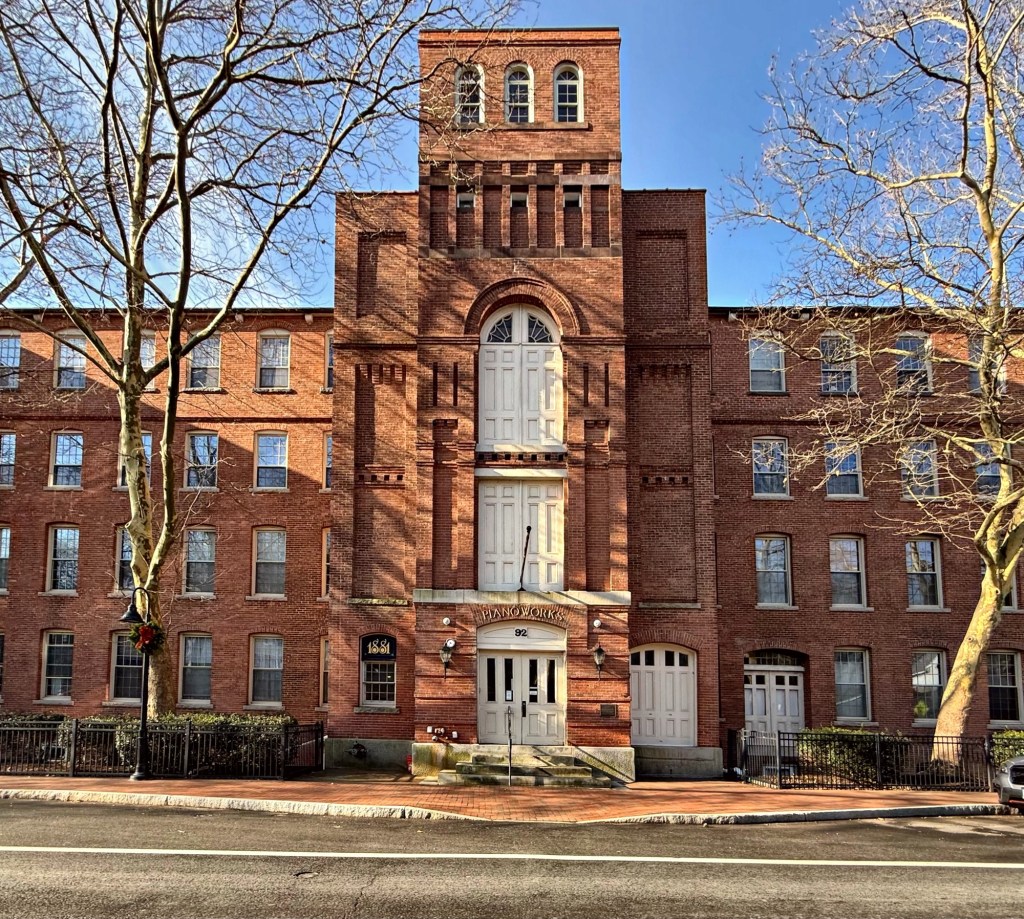
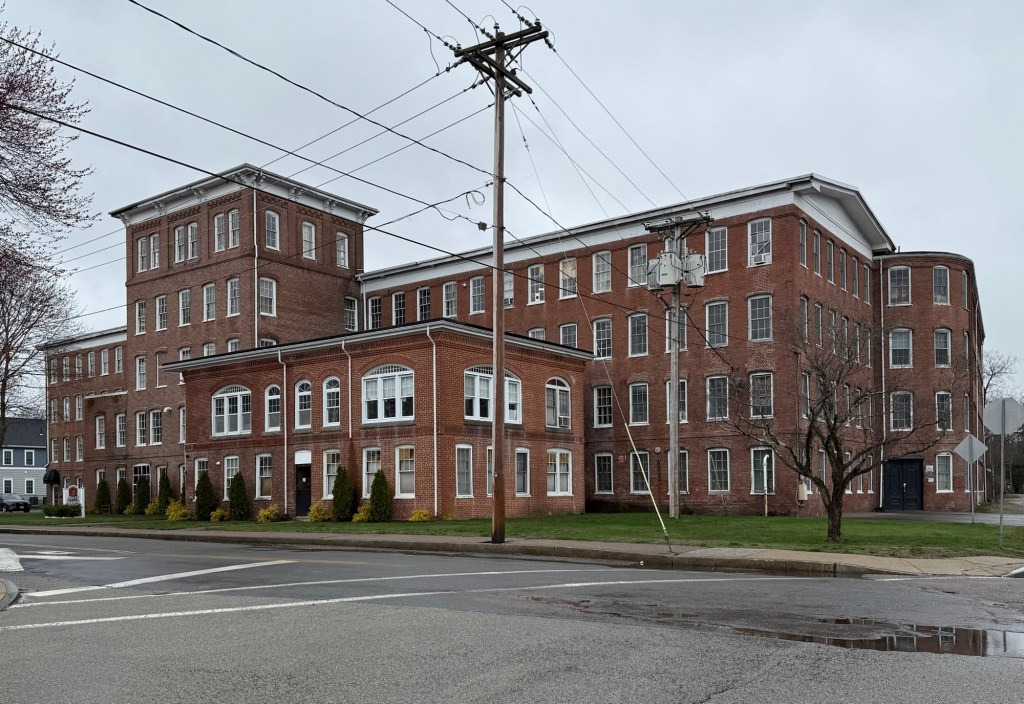
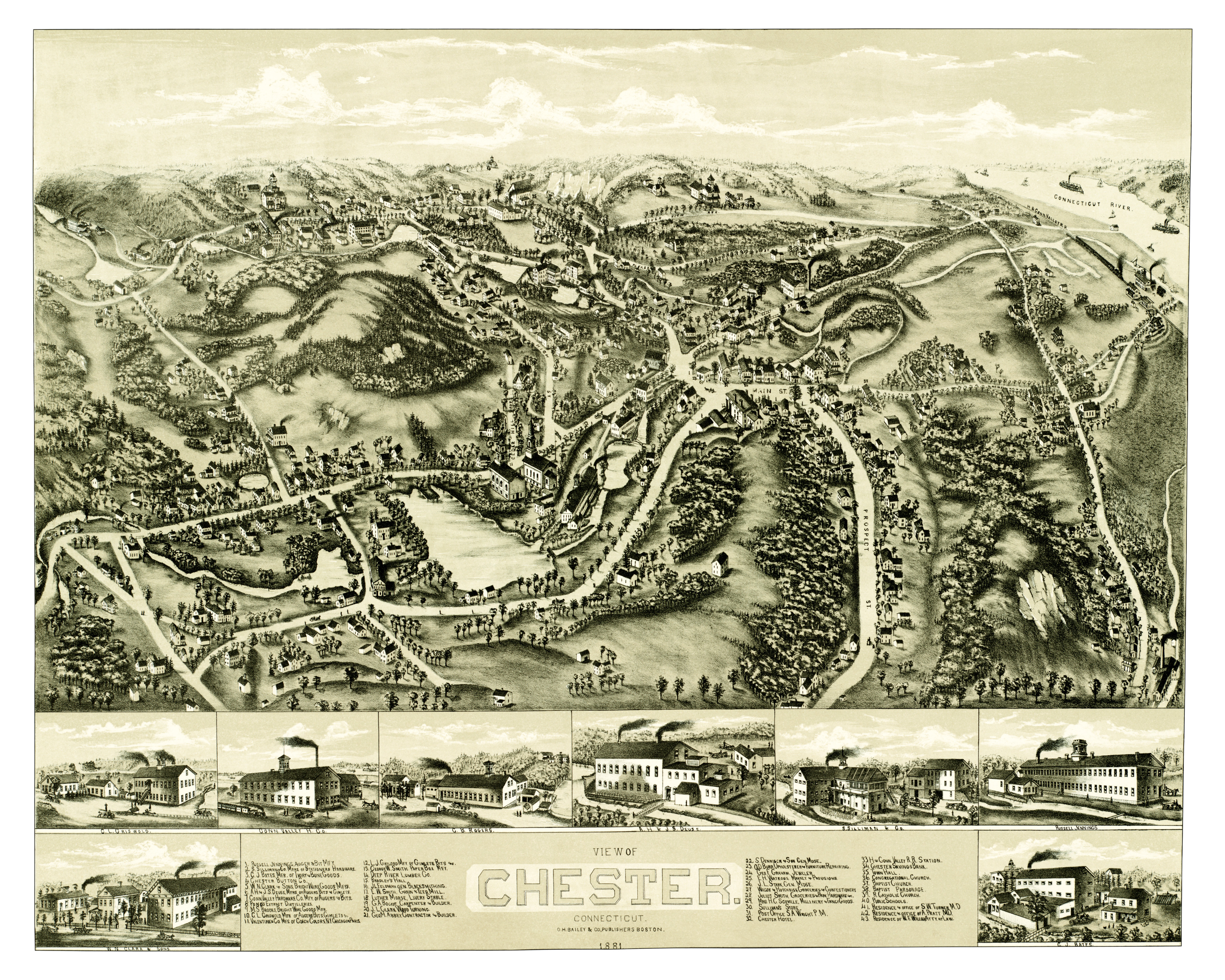
The Pratt, Read & Company Factory, located on Main Street in Deep River, Connecticut, was once the largest producer of ivory products in the world. The company was established in 1863, when Julius Pratt, George Read and their corresponding companies, merged to become Pratt, Read and Co. In 1866, the newly organized company built a new factory on this site. The business manufactured ivory combs, collar buttons, and toothpicks and specialized in the production of piano and organ keys. That factory burned in 1881 and as a result, over 160 employees were out of work. A year later, in 1882, the present factory was built of fireproof brick construction. The company, like many others, imported ivory from King Leopold’s Congo, where atrocities against indigenous people were common. The original Pratt, Read and Co. factory had an ornate pyramidal tower, which was removed in 1914. In 1936, the company merged with Comstock, Cheney & Co. and moved all operations to Ivoryton, CT. The Deep River factory was used for various manufacturing purposes throughout the rest of the 20th century until it was converted to condominiums as the appropriately named Piano Lofts.

Delano Warehouse and Wharf // 1803

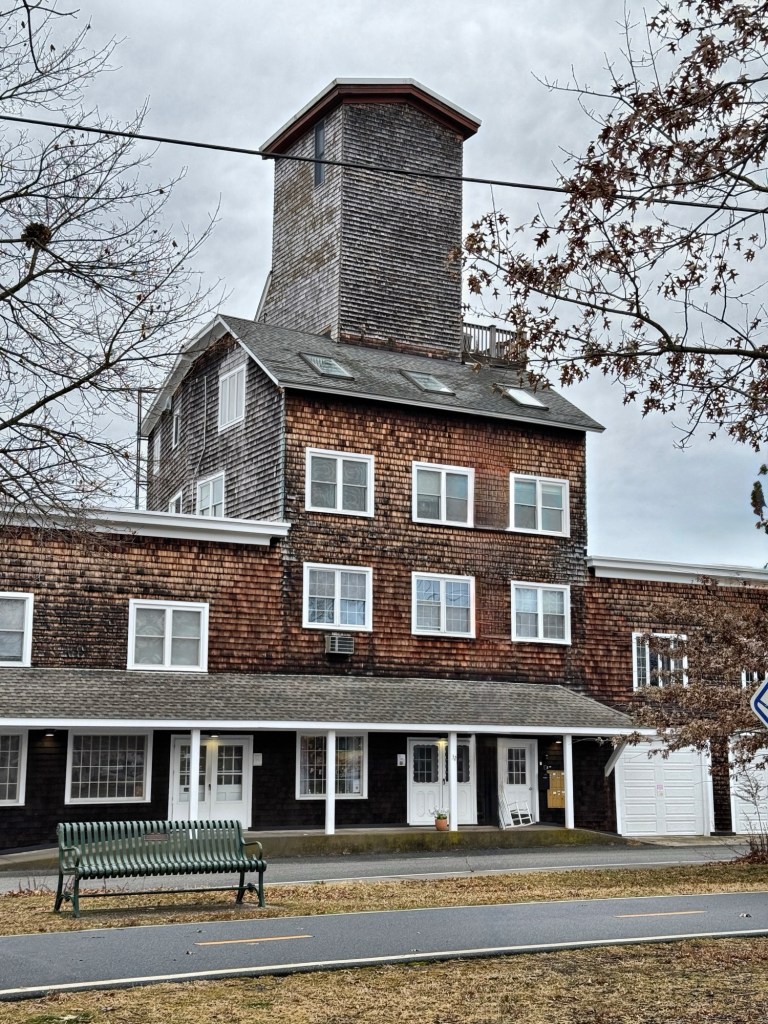
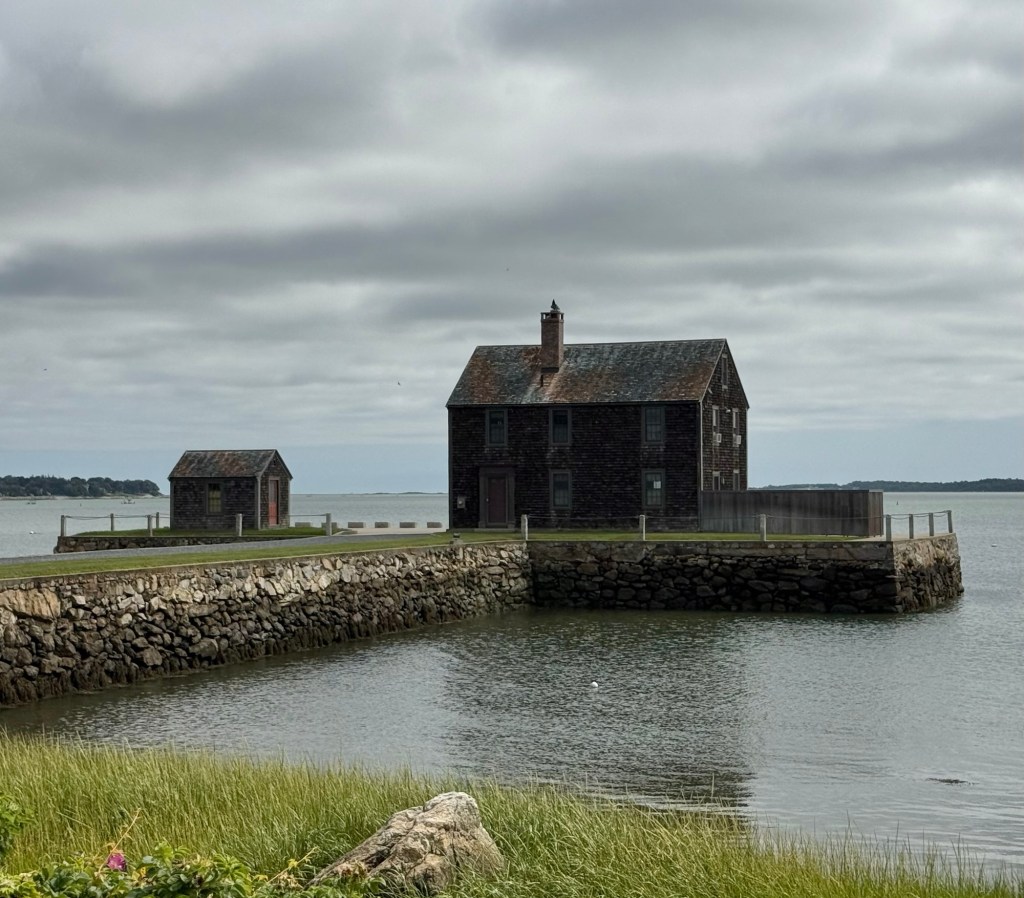
In 1802, Kingston-based merchants and landowners Benjamin Delano and brother-in-law Peter Winsor built this stone wharf and warehouse at Rocky Nook, a small peninsula at the end of the Jones River where it meets Plymouth Bay. The Rocky Nook had several warehouses in the early 1800’s which were used to hold cargo for the busy Kingston vessels that carried passengers and goods all down the eastern seaboard for transit, with larger vessels sent to the West Indies for trade. Benjamin Delano and his son Joshua either owned or partly owned 37 vessels between 1803 and 1882 and were a wealthy family that built their fortune on shipbuilding and trade. The warehouse, built at the end of the wharf was used to store goods and also served as a ship chandlery, a store selling goods needed for newly outfitted ships that were berthed up the Jones River.  A combination of the coming of the railroad and the need for faster and bigger vessels caused the decline of the shipping business in Kingston in the late 19th century with the shipbuilding industry largely evaporating by the 20th century. The Delano warehouse at the end of the wharf has since been converted to a private residence yet retains its unique character and siting with arguably the best view in town. 

Emerson Shoe Company Factory // 1894+

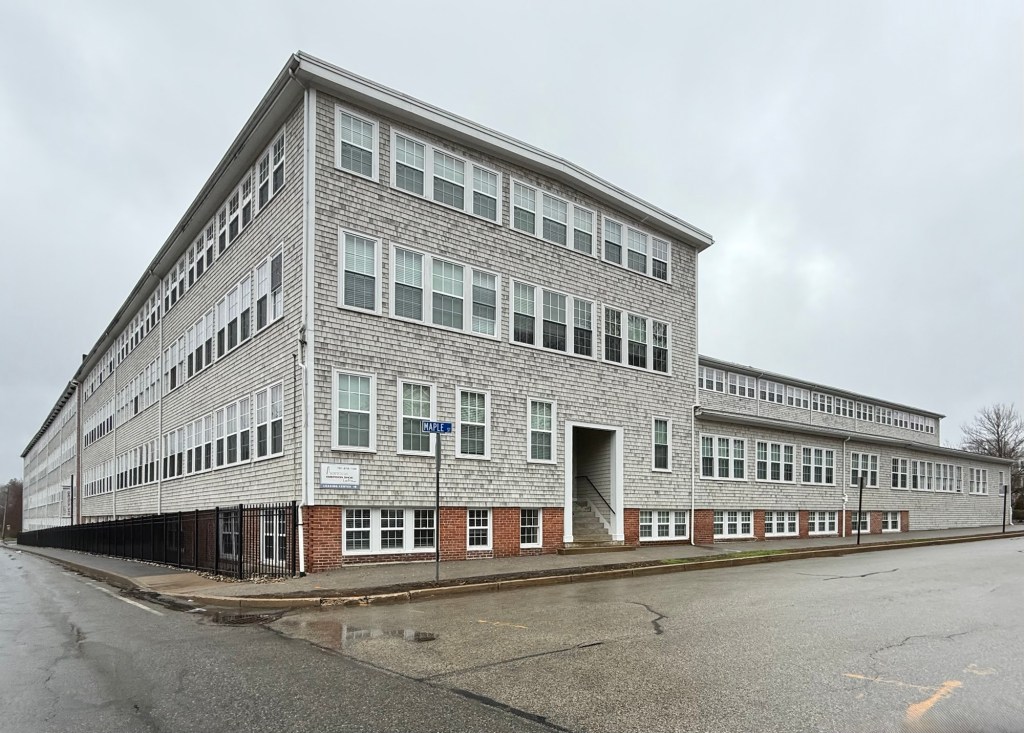
Prior to its establishment as an independent town in 1874, Rockland, Massachusetts, was part of “Old” Abington. The town became best-known for its number of shoe manufacturing companies, even more significant as the town is said to have provided nearly half of the Union Army’s footwear during the Civil War. In the late 19th century, due to increased connectivity of Rockland to regional markets, business boomed, and this site on Maple Street, adjacent to the railroad, was purchased for a new factory. The first factory here was constructed in 1894 for the local Hall, Gallagher & Foulke Shoe Company, who would dissolve after just two years, selling the site to George W. Hall, one of the original trustees. In 1906, the Emerson Shoe Company, burned out of its Brockton factory caused by a disastrous fire, began operations as a tenant in the former George W. Hall factory in Rockland. With continued expansion, the Emerson Shoe Company soon became one of the largest employers in Rockland. The factory was enlarged numerous times through the 1920s. The company would eventually close, even though, by the late 1920s, Rockland and six neighboring communities were manufacturing 27% of all shoes worn in the United States. However, most likely due to the aging of the original founders and labor issues, Emerson Shoe was sold. After various other uses, including as an artist’s colony of studios, the building was restored and converted into residential loft-style housing.


Arnold Shoe Factory // 1875

Moses Noyes Arnold (1844-1919) was born in Abington, Massachusetts and began making shoes in his free time, a task that would make him his fortune later as an adult. After serving in the Civil War and mustering out in 1863, he began a shoe-making business from his father’s property before renting a small factory space in town to increase operations. His company continued to grow and it was decided that Arnold would build his own factory in town. In 1875, Moses N. Arnold began the building of the main wing of the present brick shoe factory near the railroad station in North Abington. As the M. N. Arnold Shoe Company grew, five additions were made until it attained its present capacity of 3,000 pairs of shoes daily. The company weathered the collapse of the stock market in 1929 but the economic instability took its toll on the company, leading the company to sell in 1931 to the Stetson Shoe Company of South Weymouth. This factory was sold at auction and later in 1943, was purchased by The Abington Company which manufactured, installed, and serviced vacuum cleaning systems for textile factories. The handsome brick, Italianate style factory remains in a great state of preservation, and showcases the type of factories built all over New England following the Civil War. 

Kennedy-Stafford Mill // 1825

One of the oldest mills in Central Falls, Rhode Island, is this four-story brick building constructed in 1825 is important as one of the earliest extant brick mills in Rhode Island, at a time when such buildings were shifting from wood construction to fire-proof brick or stone construction. Built on one of the first industrial sites in the city, along the Blackstone River, the mill was originally constructed for a John Kennedy as a cotton manufactory. The complex was purchased and expanded in the 1860s by the Stafford Manufacturing Company, who built a new dam on the river and extension to the 1825 building. The structure features a five-story square end tower with freight doors, and a monitor roof which runs the span of the original 1825 building, terminating where the Stafford Company addition begins. Originally, canals flowed directly under the building, powering the building and three mills downstream, but they were filled in by 1965. Elizabeth Webbing started in the Kennedy/Stafford mill buildings in 1933. After over 70 years of making cloth straps used for seat belts, dog collars, luggage straps and more, it ceased operations in March of 2001. The complex, which included 19 nearby mill buildings, was split up and sold off. In 2007 work began on converting the former mill to residential use with the first phase of the project opening to tenants in 2009. It’s another great example of adaptive reuse into housing, the best type of project!

Valley Falls Mill // 1849

The Valley Falls Mill sits along the Blackstone River in Central Falls, Rhode Island, and is one of the many significant industrial complexes which facilitated the development and growth of the city. The main building in the complex is the four-story rectangular building, constructed in 1849. To meet the requirements of fire resistance, the mill was constructed with load-bearing brick walls and heavy timber columns. Samuel B. and Harvey Chace, sons of Fall River mill owner Oliver Chace, built the mill on this site, influenced not only by the availability of water power, but also by the completion the same year of the Providence & Worcester Railroad, which passes by the mill on its east side. The mill was designed for the manufacture of a variety of cotton products. The Valley Falls Company merged with another industrial concern in 1929, and this mill was subsequently closed the following year. After decades of little-to-no use, the significant Valley Falls Mill was converted into senior housing in 1979 following its listing on the National Register of Historic Places. It ranks as one of the earliest mill conversion projects in New England and while some details were lost, it preserves a significant piece of local history and meets a much-needed demand of housing.

Ames Sword Company Offices // c.1865

Adjacent to the main Ames Manufacturing Company mills in Chicopee, Massachusetts, this handsome brick structure has ties to industry and the economic growth of the city in the 19th and early 20th centuries. Tucked away on Grape Street, at the edge of the Chicopee River, this building was built following the American Civil War as the offices of the Gaylord Manufacturing Company, a later subsidiary of the Ames Manufacturing Company. The company was run by Emerson Gaylord, a manufacturer, who produced leather belting and swords for the military just before and during the War. After the Civil War, the Gaylord company manufactured cabinet locks and society swords. In 1881, the adjacent Ames Manufacturing Company consolidated its own sword department with the Gaylord Manufacturing Company, forming the Ames Sword Company. The company would close in the 1930s, and today, this handsome brick building with corbelled cornice and segmental arches, sits vacant, awaiting preservation and a new life.

Dwight Manufacturing Company Complex // 1841+

The Dwight Manufacturing Company is named for Edmund Dwight (1780-1849) of Boston, an industrialist who envisioned an industrial town on the Chicopee River. Dwight, having a country home in Chicopee, had begun a venture with his brother, Jonathan, at Chicopee Falls creating the Chicopee Manufacturing Company, to produce cotton cloth. Due to the company’s immediate success, the Dwights along with other investors formed the Springfield Canal Company in 1831, with the goal to create the “new Lowell”, an industrial community in what is now Chicopee Center. In 1856, the Dwight Mills purchased some earlier mill complexes, creating the Dwight Manufacturing Company and consolidating all their cotton cloth manufacturing into one organization. In addition to the mills, the Company also built employee housing
along Depot and Dwight Streets, a stone’s throw from the mills. The creation of employee housing allowed the Company to attract new employees in particular women and children, nearly all immigrants, who could be housed together. My favorite part of the complex is the entrance gate, built in 1894, connecting the Office and Cloth Building. It is amazing to think of all of the people who passed through this portal, working long hours for a better life. Overtime as production methods changed and technology evolved, nearly all the original mills would be replaced or retrofitted. Despite the changes, the Company could not remain profitable and shut down production in 1927 and ultimately selling the land and equipment in 1930. Some smaller manufacturing has since occupied some of these buildings, but they remain largely (if not entirely) vacant, awaiting a new life.

Beebe Building // 1886

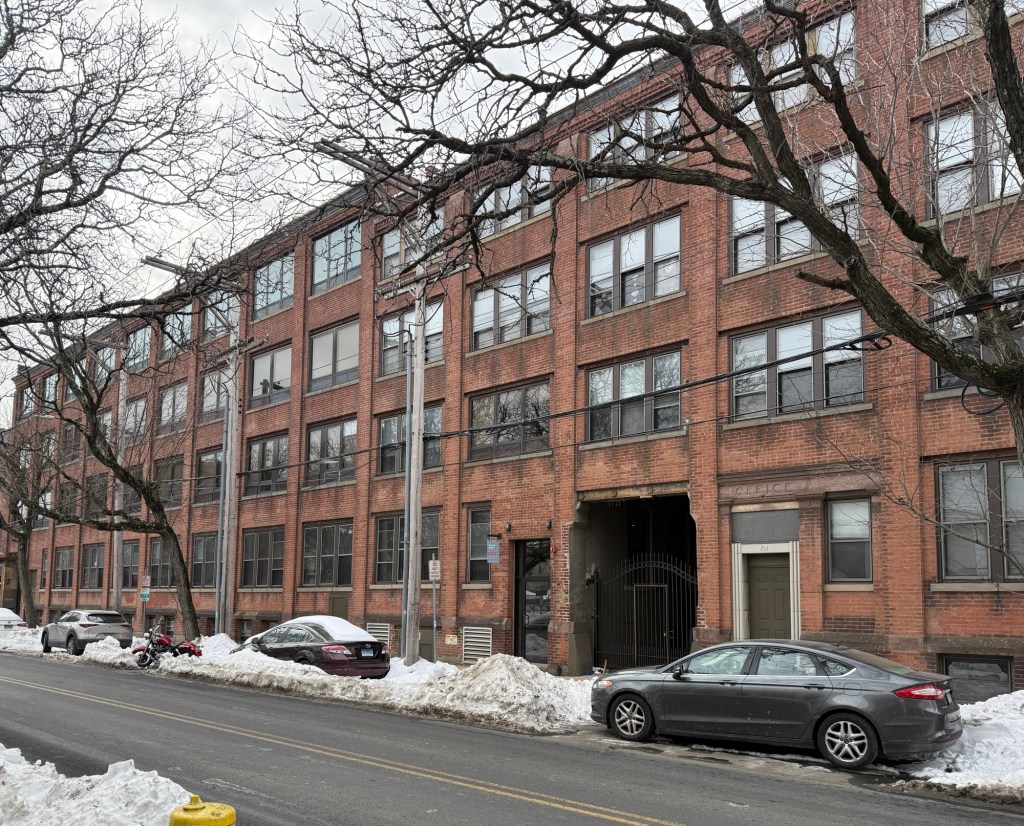
Located at 127-133 South Street in the under-appreciated Leather District of Boston, the 1886 Beebe Building is an excellent vestige of the leathergoods trade and commercial architecture of the late 19th century. This building was constructed by J. Franklin Faxon (1832-1912), a business owner who engaged in real estate development and built a number of commercial blocks in this part of Boston. Rand & Taylor, architects, designed the building in an effective blending of Classical and Romanesque styles with rock faced brownstone ashlar above the storefronts, oculus windows, and segmental arched openings on the top floor. The Classical detailing of the two-story brick pilasters and modillion cornice add to its complexity. The building was originally occupied by the Thomas E. Proctor Leather Company and was later purchased by leather goods company Lucius Beebe & Sons and the storefront was renovated by Hutchins & French in 1930. The building has since been known as the Beebe Building and has been well-maintained by subsequent owners.  

Former Columbian Cotton Mill // 1864

While New Ipswich, New Hampshire, is best known for its early Georgian and Federal period architecture, the small town is home to Warwick Mills, the site of the oldest textile mill in the state. Originally built circa 1807, the mills here burned down two times and were rebuilt a third time using brick; that third iteration is the building seen today. The brick for the building was forged on site and was finished in 1864, with signatures on the beams by craftsmen as far south as Baltimore. The mill was home to the Columbian Mill Company, who created textiles from cotton and other materials in the building, becoming a leading employer in the region. The building is now known as the Warwick Mill, and is an active manufacturing complex, making many contemporary and high-quality materials for 21st century clothing. The buildings exhibit stunning corbel detailing.