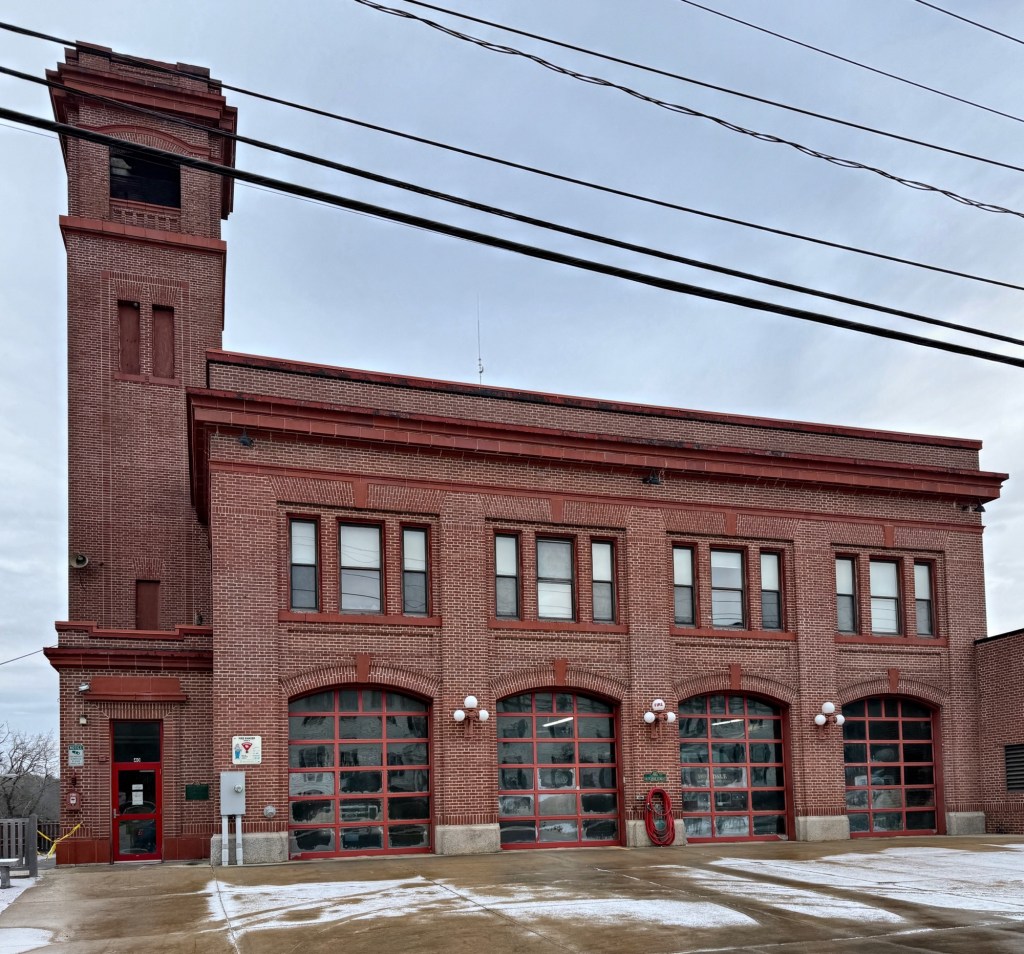
Brookline Village Fire Station // 1908

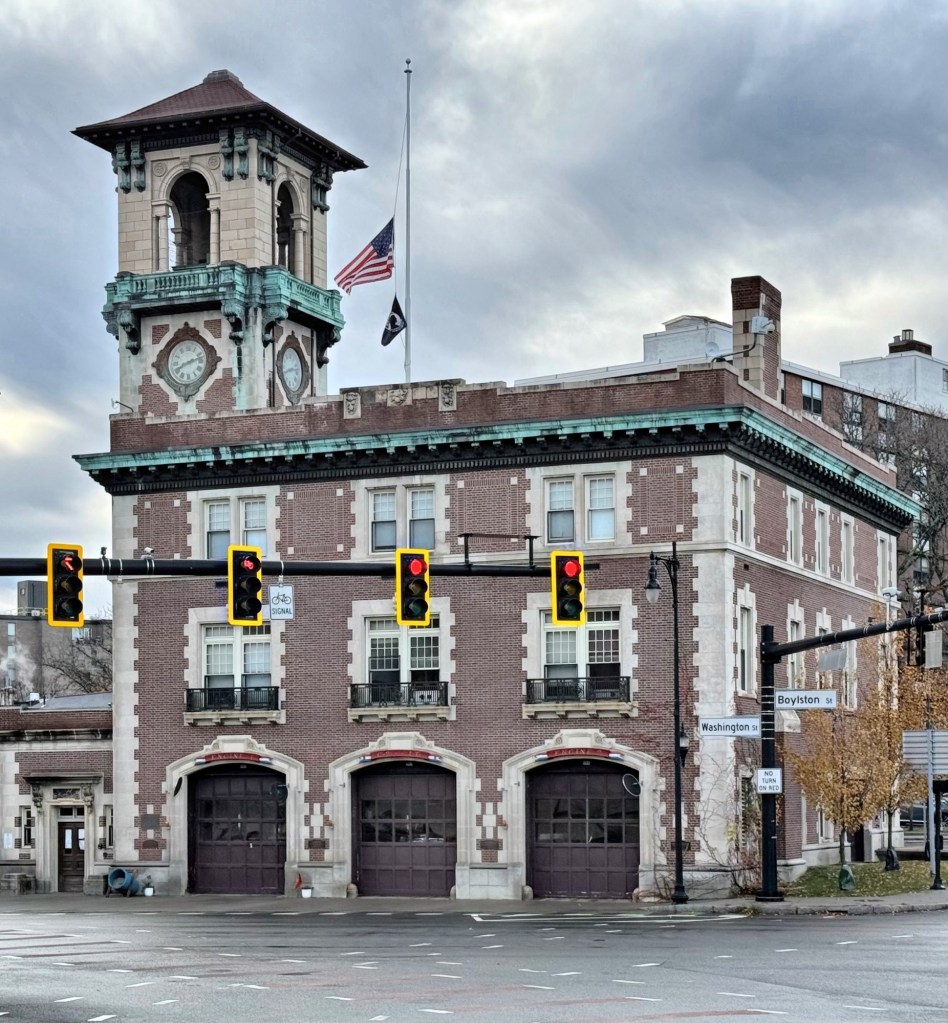
Built in 1908 from plans by the architectural firm of Freeman, Funk and Wilcox, the Brookline Village Fire Station is a massive, red brick structure with white sandstone trim and a copper cornice. Located on Washington Street in Brookline Village, the station stands out for its high-style Italian Renaissance style, notable for the use of brackets and off-center hose-drying tower with arched openings. The station replaced an earlier hose house, and was built before the fire department shifted to fire trucks, but was adapted later for larger fire apparatus. The station is one of the finest in the Boston area, and the Town of Brookline have done a great job preserving this significant structure.

Westborough Savings Bank // 1928

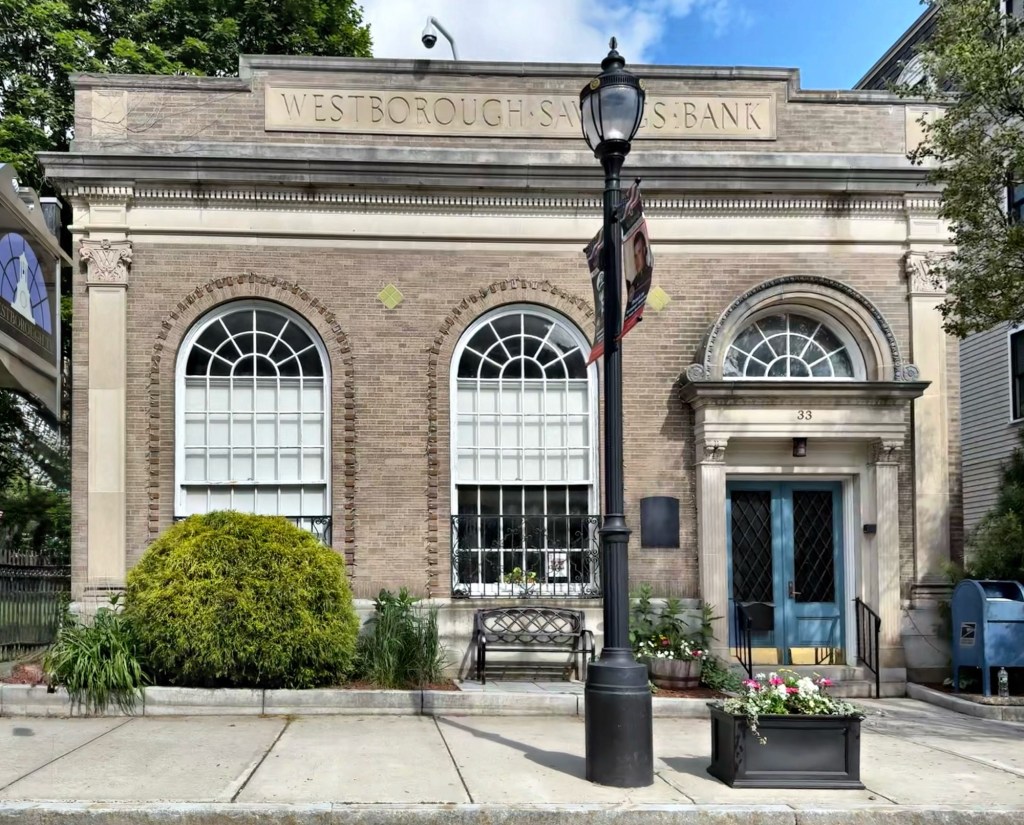
The Westborough Savings Bank was incorporated in 1869 and shared space in a building with another bank and the post office. As the population and prosperity grew in the suburban community, so did the Westborough Savings Bank, who would move into a larger space. Just before the Great Depression, the bank sought to build its first purpose-built structure, and they hired the firm J. Williams Beal & Sons to furnish plans for this handsome masonry bank, designed to showcase the strength and stability of the institution. Renaissance Revival in style, the 1928 building is constructed of buff brick with limestone trim. The facade is dominated by large, round arched windows and is framed by pilasters with an off-center entrance. The Westborough Savings Bank would eventually merge into Avidia Bank and the West Main Street building was sold. The handsome building is well-preserved and home to Westborough TV, which makes broadcast media programming that is by, about, and for the entire Westborough community.

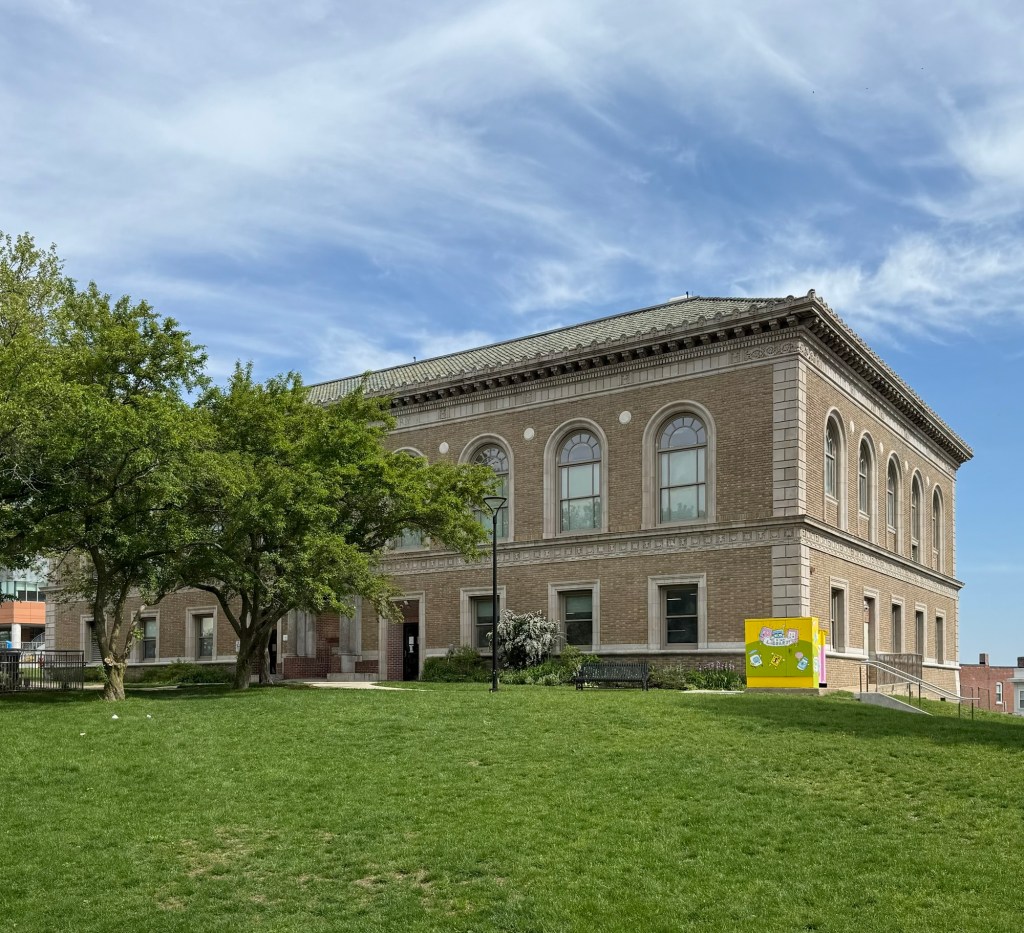
Somerville Central Library // 1914

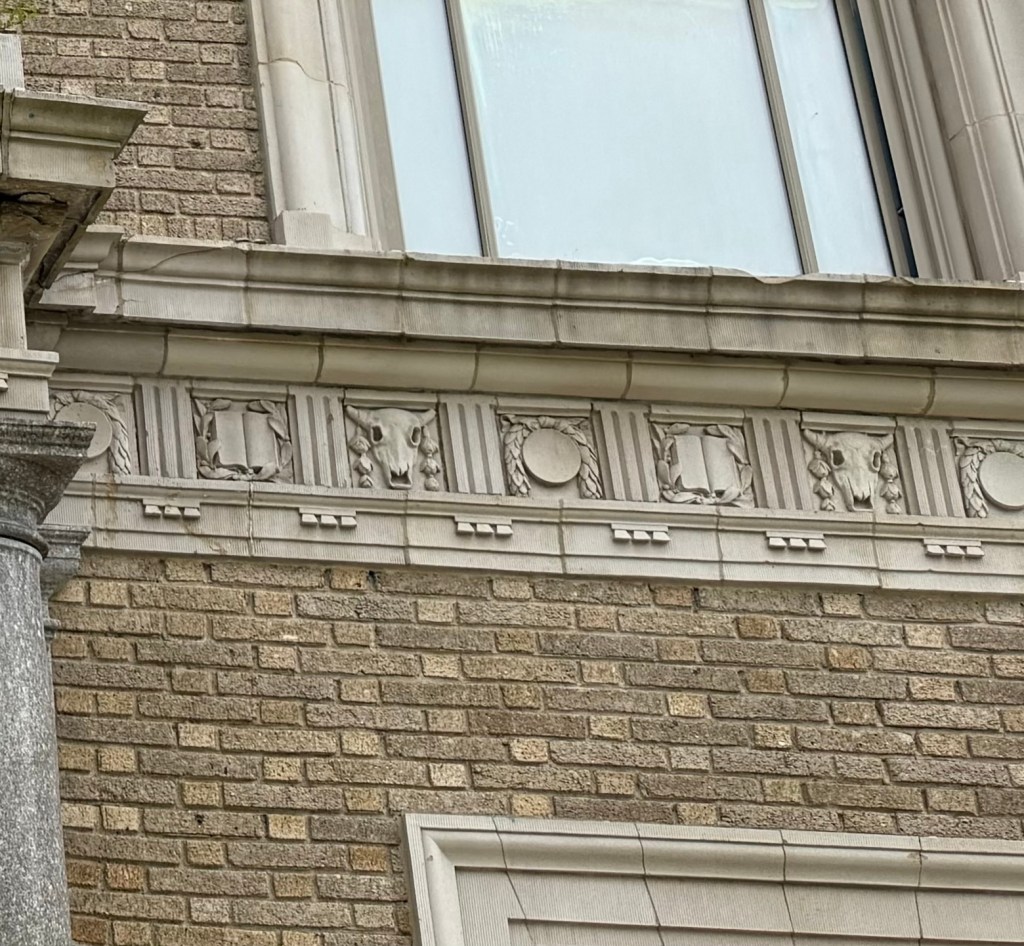
The Central Library of Somerville, Massachusetts, is a landmark example of the Renaissance Revival architectural style for civic purposes and showcases the prosperity and growth of the city in the early 20th century. The building was the second library constructed on Central Hill,  with the city’s first library built on west side of Central Hill, near City Hill, and was designed by local architect George F. Loring in the Romanesque style. By the early 20th century, the old library was becoming outgrown and planning began for a new, larger library. A site at the eastern edge of Central Hill Park was selected, and following a $123,000 gift from the Andrew Carnegie foundation for funding a new library, the new library became a reality. Architect Edward L. Tilton, was hired to furnish designs for the building. Tilton was likely selected as his experience with modern libraries was a highlight in his works. The two-story Italian Renaissance Revival style building is built of blonde brick with limestone and terra cotta trim. The building is capped by a shallow hipped roof of green tiles. A character-defining feature of the building is the large, second-story round arched windows along with the string course between floors, decorated by alternating wreath, book, and animal skull medallions. 

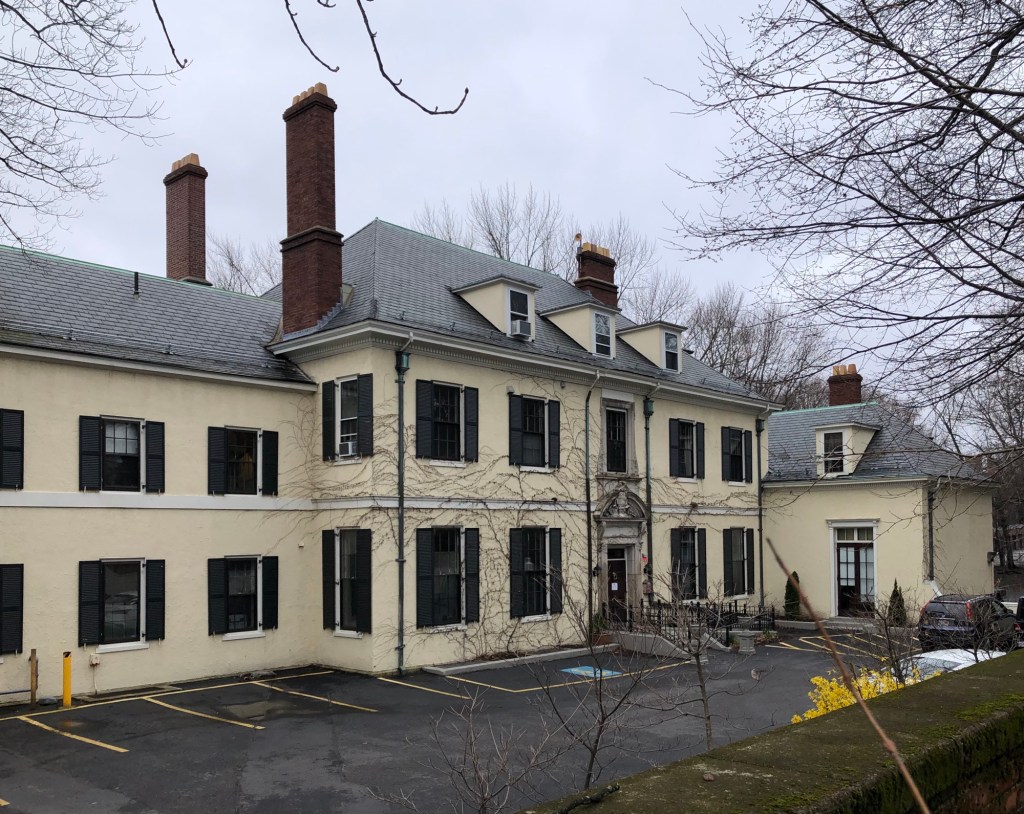
John Endicott Peabody House – Ivy Street School // 1910

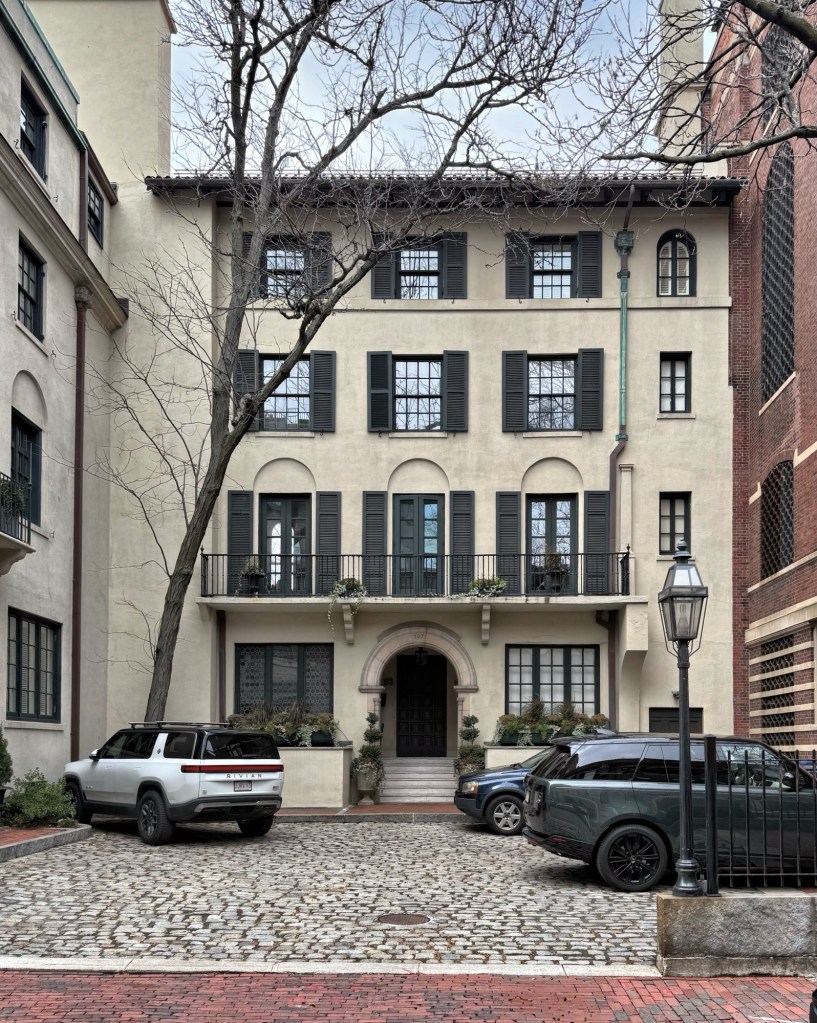
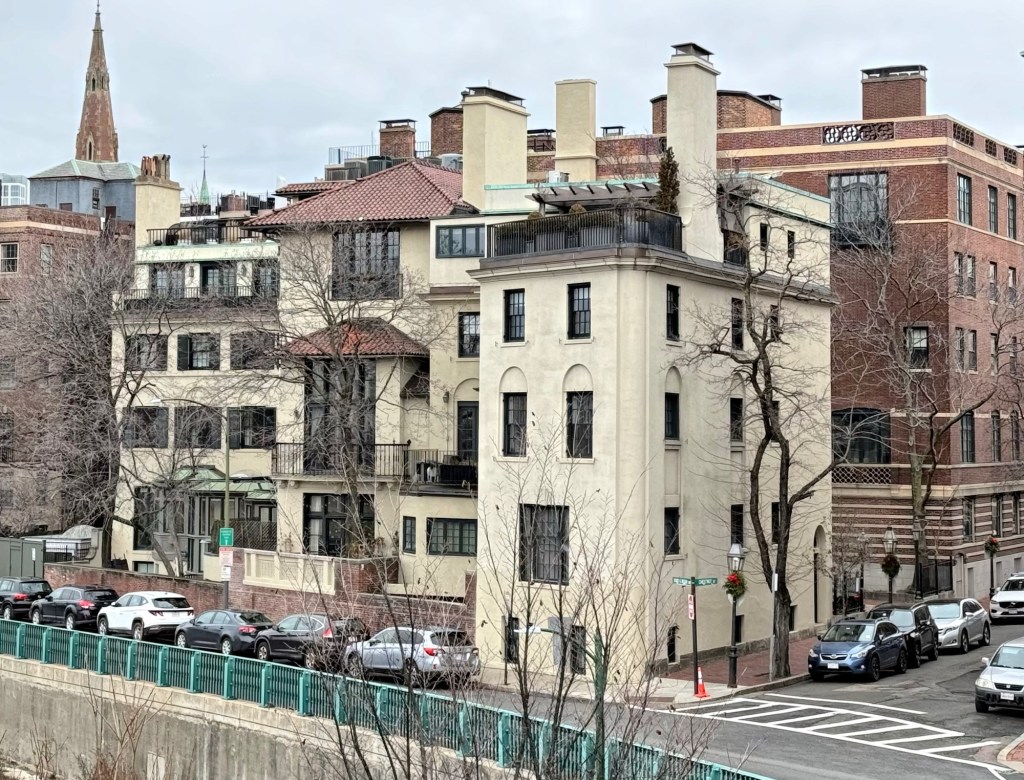
This stately mansion is located at 200 Ivy Street in the Cottage Farm neighborhood of Brookline and was built in 1910 for Martha and John Endicott Peabody. Designed in a Renaissance/Colonial Revival style by architect John Worthington Ames, the house has since been converted to institutional use, but retains much of its original character. John Endicott Peabody (1853-1921) was a businessman and later got involved with the arts in Boston. The building was acquired for institutional use beginning in the 1950’s and was occupied as the St. Dominic’s Institute and has been owned by the Massachusetts Association for the Blind since 1976, and today is occupied by the organization’s Ivy Street School, a special education residential and day high school for neurodivergent youth to help prepare pupils for adulthood with the tools they need to achieve their greatest independence. The brick house is covered in stucco and features an elaborate stone door surround, symmetrical facade, and massive chimneys.

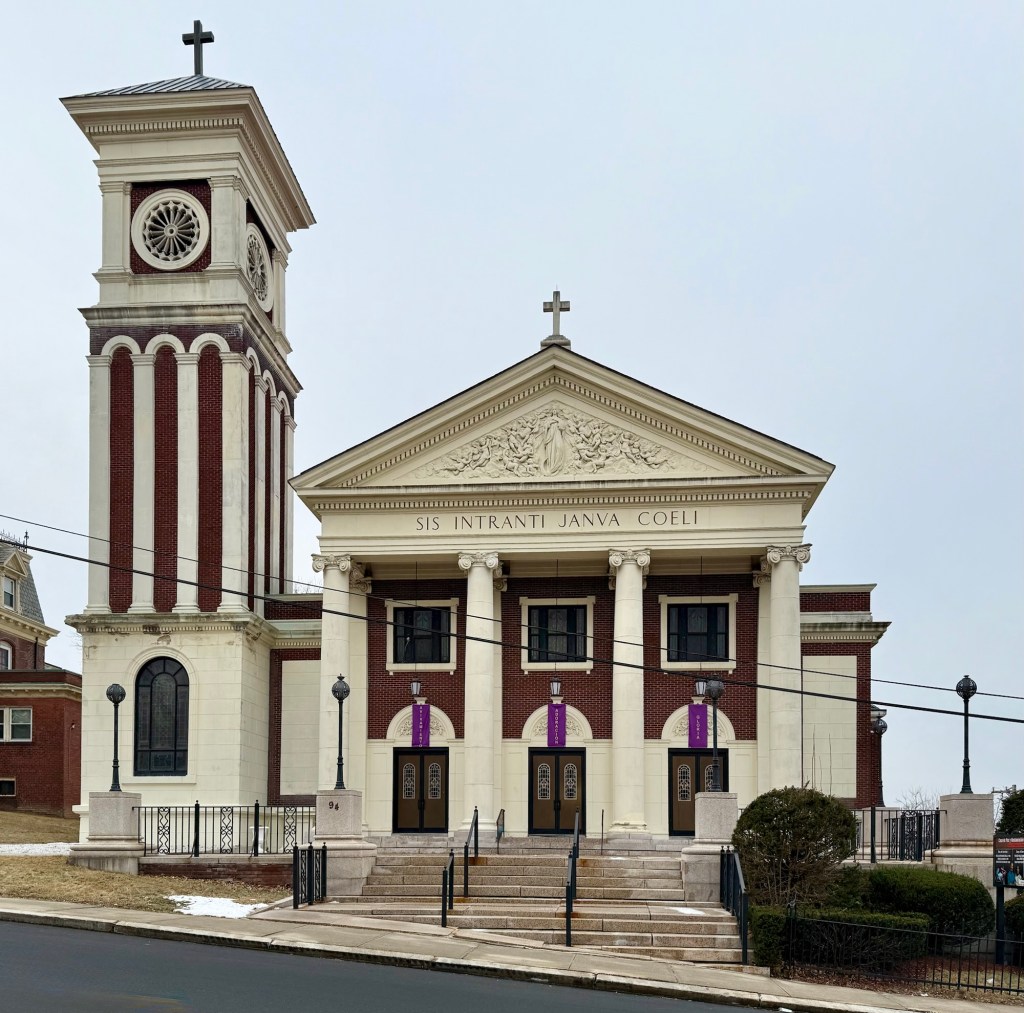
Assumption Roman Catholic Church // 1922

As Chicopee developed into one of the major industrial cities in Western Massachusetts, immigrant groups moved there, finding work at some of the major manufacturing companies. Irish and Polish churches were built and French and French Canadian residents too built their own church, where they could gather and worship in their native language. A wood-frame church was first built in the 1870s and used until it was destroyed by fire in 1912. It took a decade for the congregation to gather enough funds to purchase a new lot and build a new church, but patience was a virtue as their church is a stunner! The cornerstone for the church was laid in 1922 and the building was designed by local architect, George P. Dion, and constructed at the cost of $200,000. The building was dedicated in 1925 and is one of the finest, and most unique churches in the state. Italian Renaissance Revival in style, the church stands out for its 85-foot-tall campanile and cast-stone high-relief in the pediment at the facade. It is believed that within the relief, that depicts the figure of Mary surrounded by Cherubs, depicting the “Assumption of the Virgin,” George P. Dion used the likeness of his granddaughter as a face of one of the cherubs. The congregation moved out of the building but has been recently mortgaged to a new church, Iglesia Cristiana Casa De Paz y Restauración, showcasing the ever-changing demographics that keep our cities vibrant and stewards that do right by our collective history and buildings.