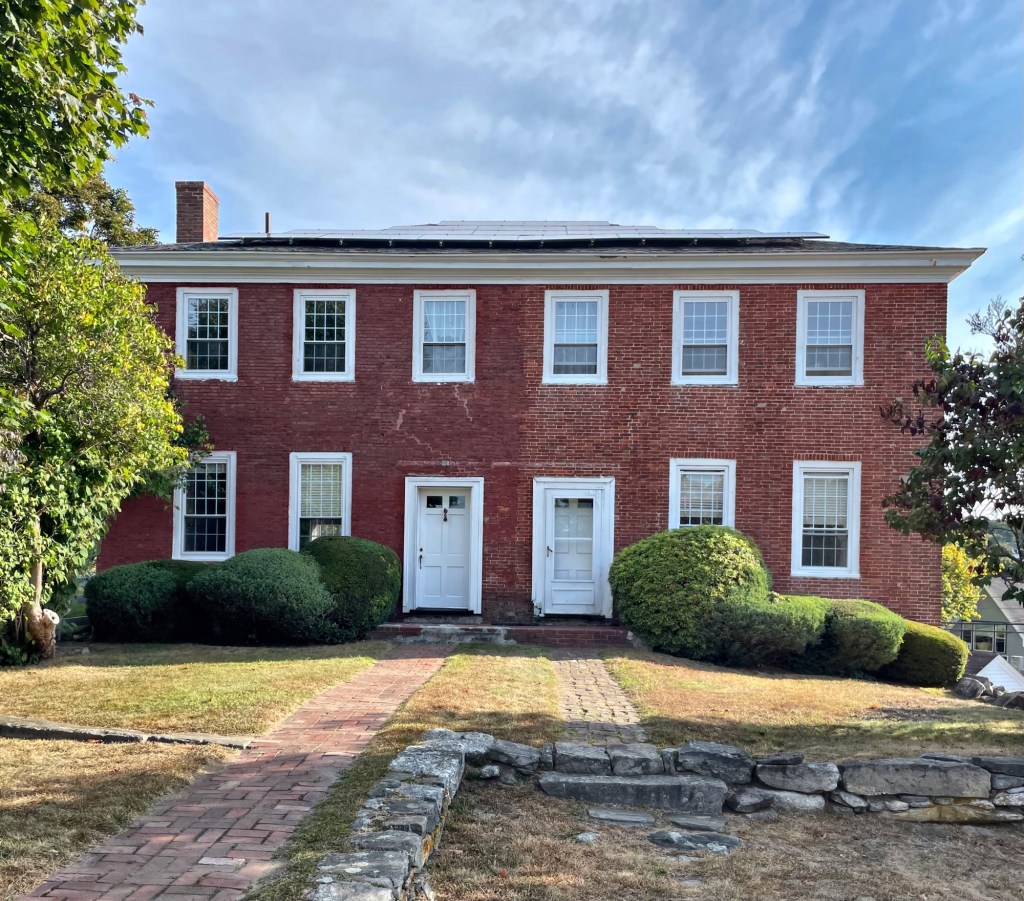
Auld-McCobb House // 1807

The Auld-McCobb House is set on a rocky ledge overlooking the absolutely charming downtown Boothbay Harbor, Maine. The brick, Federal-period double-house was built in 1807 for Jacob Auld and Joseph McCobb, two prominent local merchants. The two were engaged in a business partnership that included fishing, shipbuilding, and general mercantile pursuits, and were a dominant force in the local economy in the first quarter of the 19th century. The duo owned a good bit of land in town, eventually selling the five-acre Burnt Island to the Federal Government for a new lighthouse. McCobb married Auld’s sister in 1807, and it is thought that this is what necessitated the house’s construction at the time. The house is interesting, not only as a rare example of a double-house of the period, but also as one of the first (and only) brick homes in Boothbay Harbor.
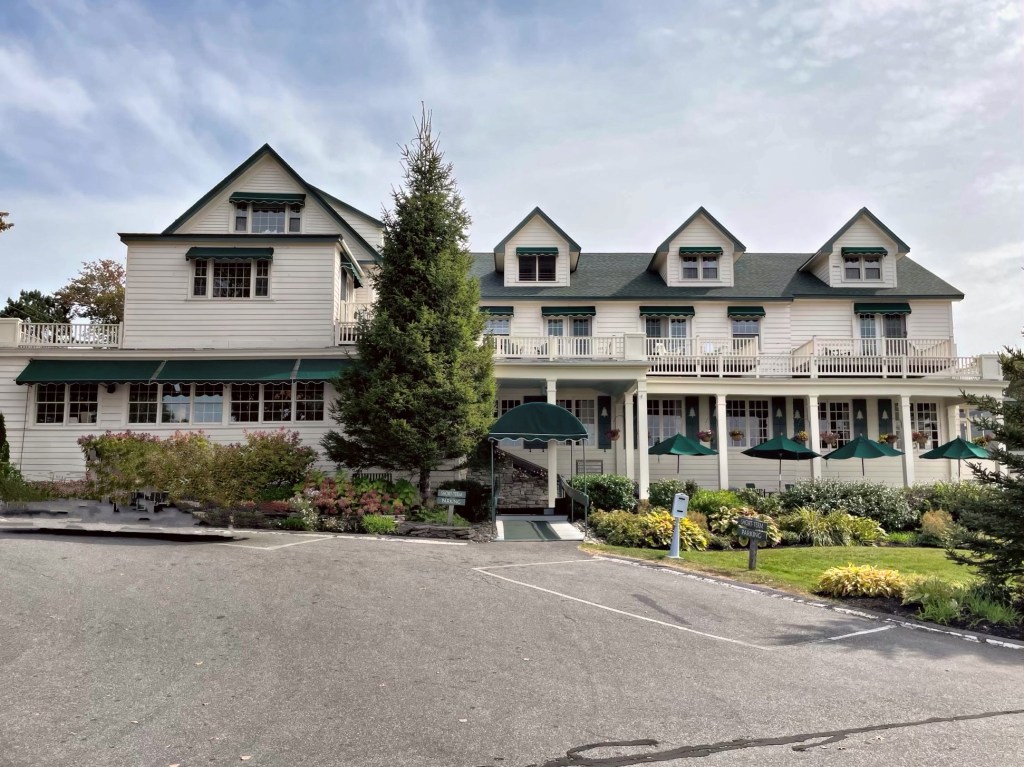
Spruce Point Inn // c.1892

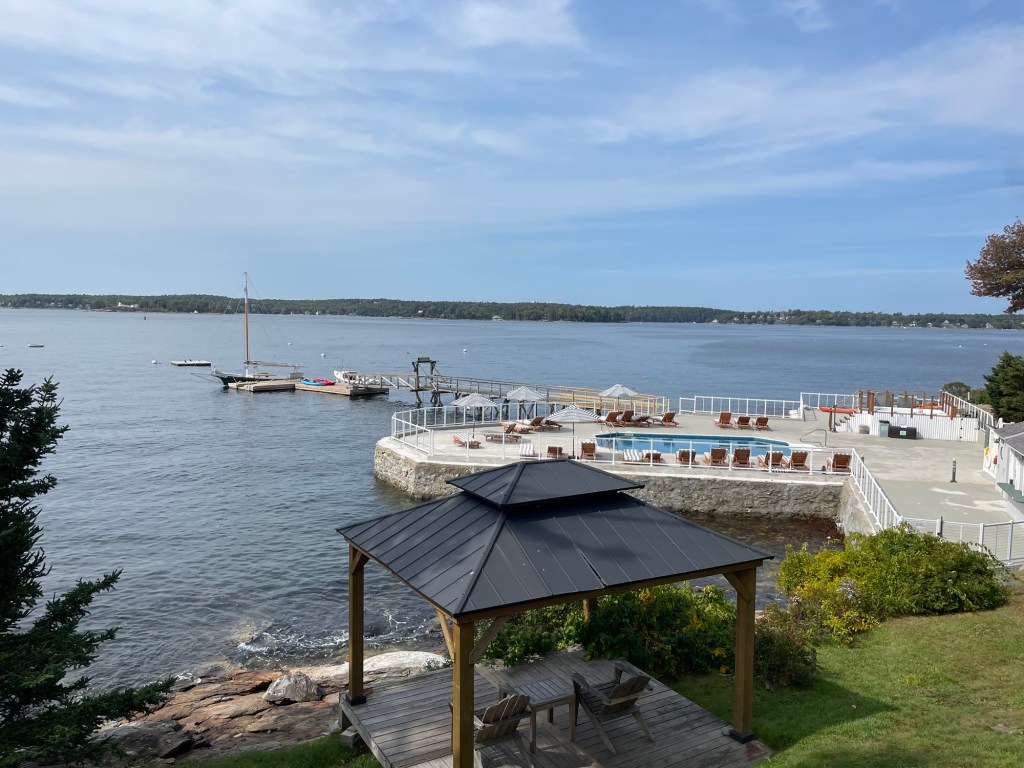
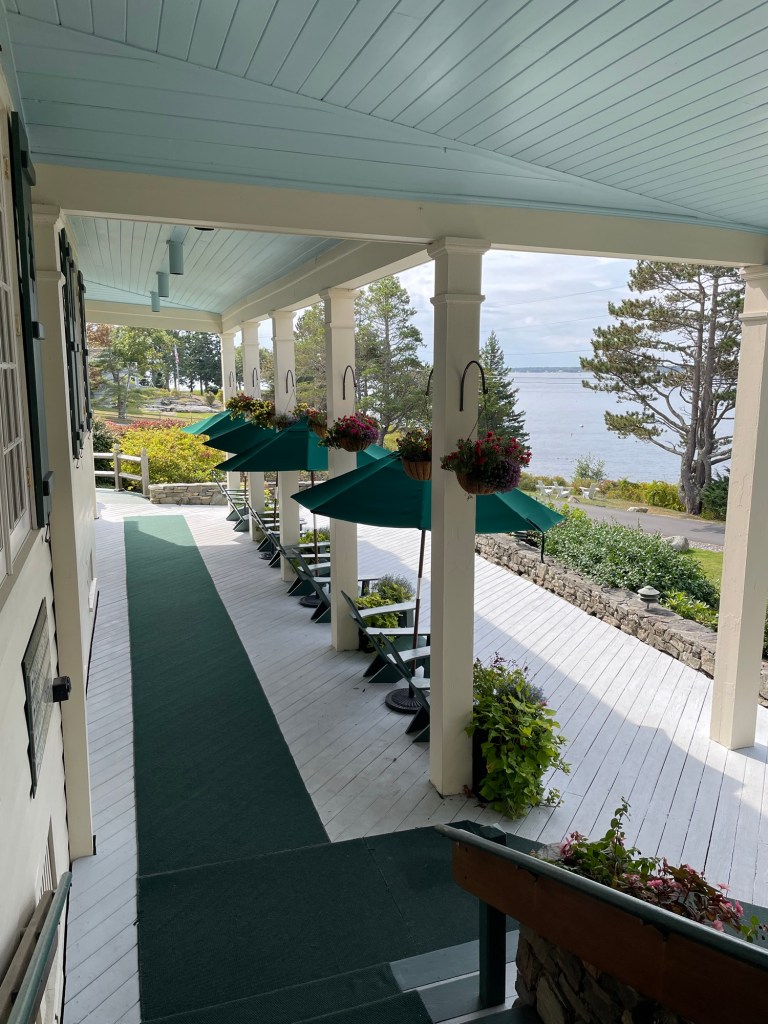
Spruce Point Inn sits amongst acres of pristine pine forests on the shore of the rugged coastline in Boothbay Harbor, in Mid-Coast Maine. The Inn had its beginnings in the 1890s as a hunting and fishing lodge when the peninsula was an undeveloped and remote point on the outer edge of Boothbay Harbor. The enchanting location off the beaten path attracted rusticators, who sought to escape the hot and polluted air of Boston and other cities, for the coastal breezes on Spruce Point. Private cottages were built nearby the old lodge, and frequented by summer rusticators year-after-year. By the 1940s the lodge was converted to an inn and many of the private summer cottages surrounding were acquired and rented out for summers. The buildings exhibit the warm, natural materials typical of the region, with weathered shingles and expansive porches that invite guests to take in the ocean breeze. Inside, the beadboard walls, wood floors, and fireplaces paired with period-appropriate furnishings really provide an authentic historic feeling. The resort’s first saltwater pool was constructed in a rocky outcropping right at the coastline and was recently restored, providing visitors a unique experience to swim in a historic saltwater pool just over the ocean! Over the years, the inn has undergone several renovations and expansions, ensuring that it continues to meet the needs of modern travelers while preserving its historical significance. The Spruce Point Inn is more than just a place to stay; it is a part of the rich history of Boothbay Harbor and ongoing legacy, a historic getaway that blends both luxury and history in a setting unlike any other.

Thompson Ice House // c.1826

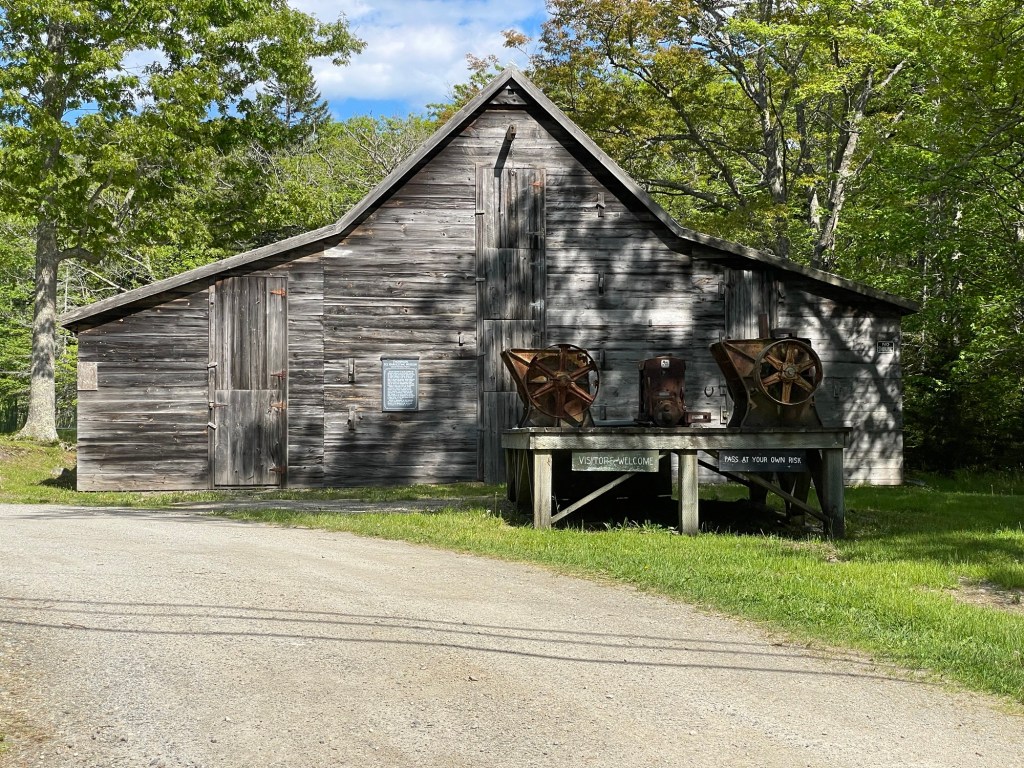
In 1826, a man named Asa Thompson, dammed a small brook from natural springs on his property in present-day South Bristol, Maine, and created Thompson Pond. He began cutting ice blocks for his own use. His neighbors began to purchase blocks of ice from him and he built this ice house sometime after to store blocks after harvesting from the pond. Thompson created a business, harvesting, shipping and selling ice blocks to residents in town and beyond. The property remained in the Thompson family until 1987, when it was gifted to a non-profit board to preserve the site indefinitely. Today, the Thompson Ice House Harvesting Museum showcases the tools of the trade with a participatory ice harvest takes place there annually. The building is opened on appointments or certain events.

S Road Schoolhouse // 1860

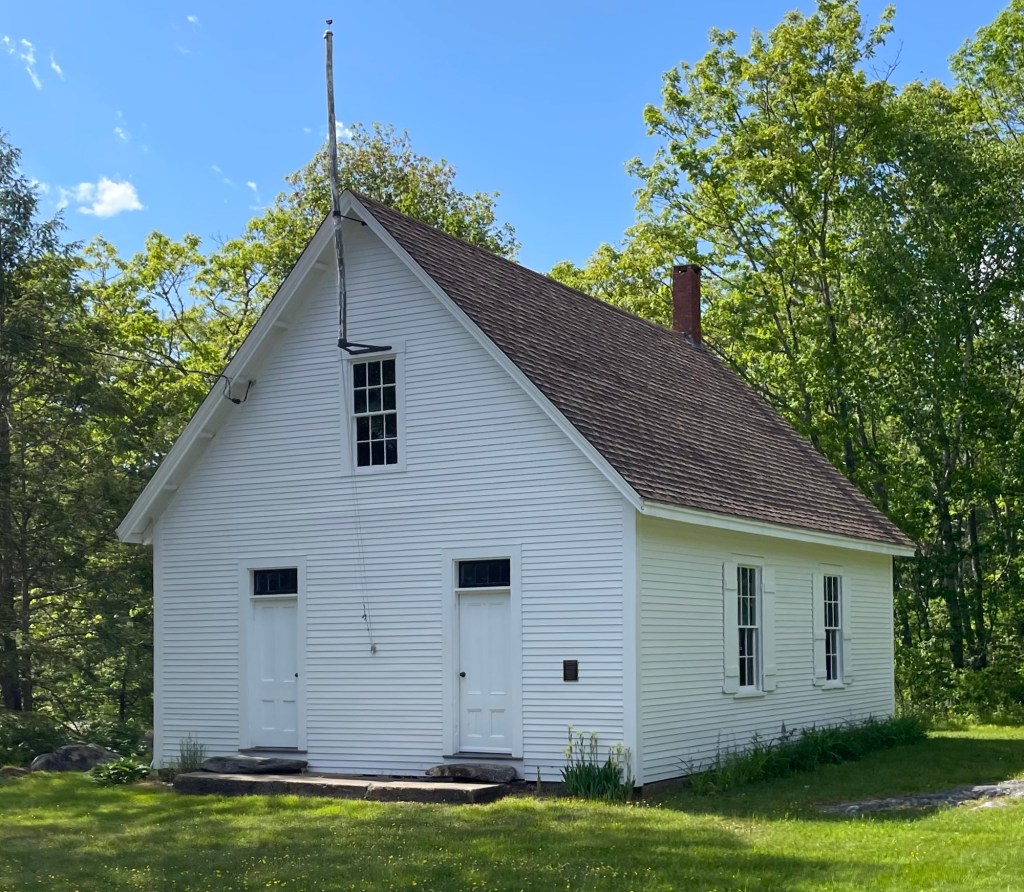
The S Road Schoolhouse is the last-remaining one-room schoolhouse in the charming coastal town of South Bristol, Maine. The structure was built in 1860 as the District Five School for the Town of Bristol (South Bristol set off and incorporated as a separate town in 1915). This building replaced an earlier schoolhouse on the site that was on the 1857 Map of Lincoln County. By 1895, enrollment was about 16 but rose to the mid-twenties after other schools closed in the early 1900’s. The school is said to have closed in 1943 following the death of the teacher here, it never reopened. The South Bristol Historical Society recently restored the building following a successful capital campaign, gathering funds from members and town citizens, preserving this lasting remnant of days past.

Walpole Meetinghouse // 1772

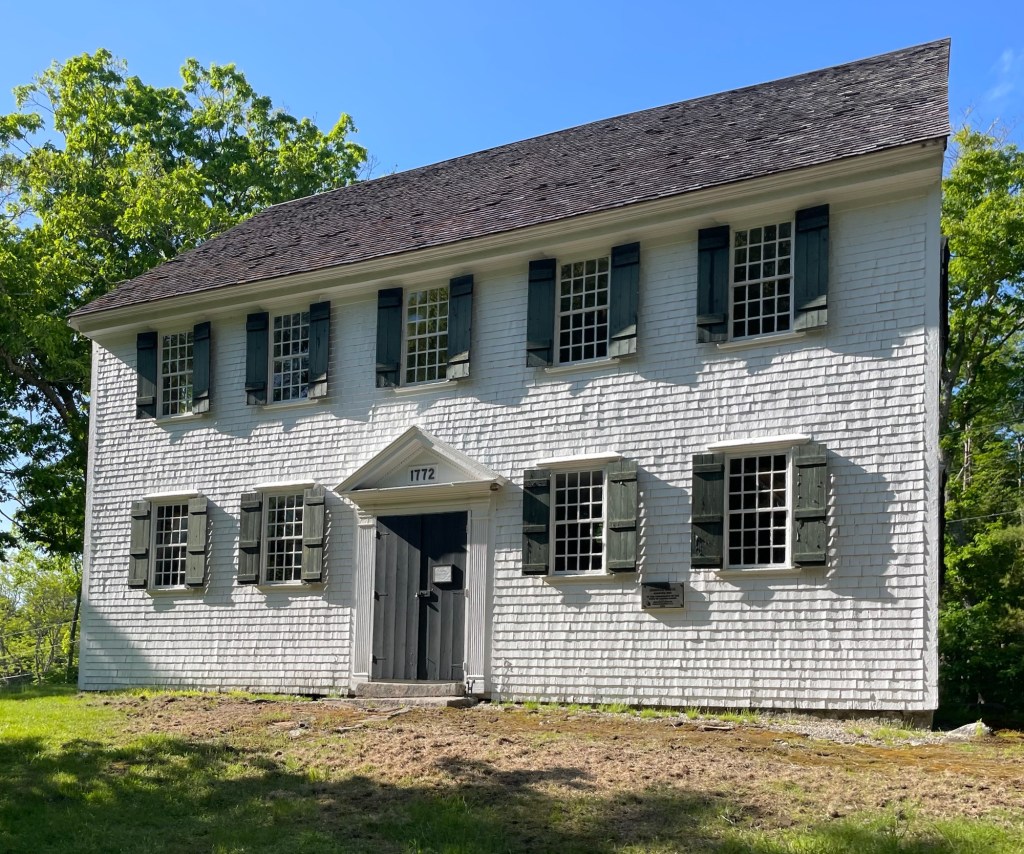
The Old Walpole Meetinghouse is a rare extant example of a Colonial meetinghouse in New England. The building is located in South Bristol, Maine, in the village of Walpole, and was constructed in 1772. The Walpole Meetinghouse is a little-altered example of a late colonial church in Maine (and one of the oldest actively used churches in the state.) The building originally housed a predominantly Presbyterian congregation of Scottish immigrants, but as the presbytery was based far away in Boston (Maine at this point was still a part of the Commonwealth of Massachusetts) the congregation eventually became Congregationalist. The Georgian-style building is clad in wood shingles, originally stained painted a brownish yellow to blend in with the birch leaves as to camouflage it among the trees. The building was painted white in the 20th century. It is one of a few extant meetinghouses in New England that utilized shingle siding instead of the quintessential New England clapboards. It is said that these are still the original shingles. Inside, the doors all enter the single main chamber, where the ground floor is dominated by a series of box pews and the elevated pulpit is sited at the north wall. It is maintained by the South Bristol Historical Society, and is still used occasionally for summer services.

Bailey Homestead // c.1815

Located on a hill overlooking the Head Tide Village of Alna, Maine, this stately brick farmhouse has sat for roughly 200 years. According to old maps of the area, the property was occupied by the Bailey Family as far back as the land was surveyed in 1813. The property was owned by Ezra Bailey, who possibly built the house soon after as the village began to develop. By 1857, the property and its house were owned by I. H. Bailey, seemingly Ezra’s son, Isaac, who married his first cousin, Laura Palmer. The couple resided in the old homestead until they sold it in 1866, moving to Boston. The brick, Federal style house has a four bay facade with the entry door surrounded by a recessed arched relief. Above the door is a blind fan with sidelights.

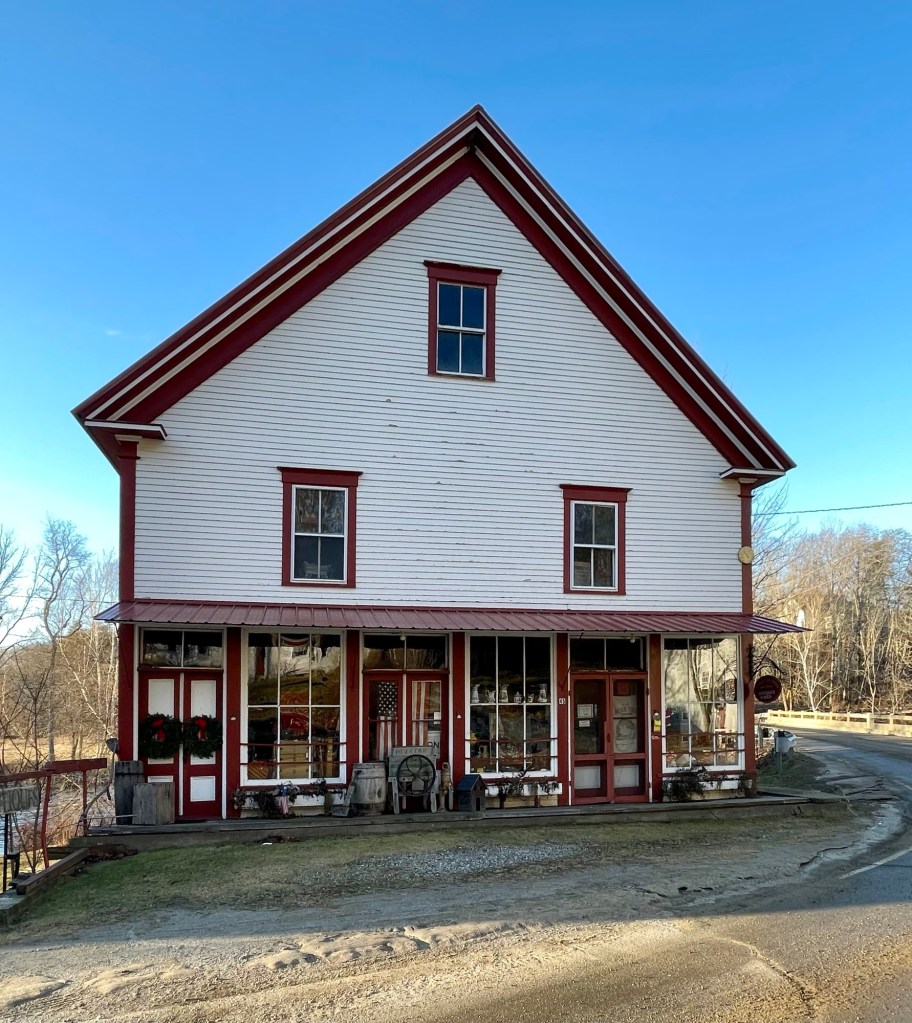
Old Head Tide Store // c.1890

Every village needs a general store, and the store in the Head Tide village of Alna was this vernacular building constructed around 1886. The store was operated for years by John Allen Jewett, who’s ancestors settled in Alna generations before. Jewett sold grain from the building to local farmers and residents and lived across the street in the family home. Vernacular “mom and pop” stores like this are becoming more rare, but they are among the most charming in New England. Be sure to shop local and support small businesses when you can!

Robinson Homestead // c.1835

Located in the Head of Tide village of Alna Maine, this large Greek Revival was once the home of prolific poet, Edwin Arlington Robinson. The home was built around 1835, likely by Edwin’s grandfather, Edward Robinson. The home was inherited by Edward’s second-born son, Edward Jr. Edward Jr. and his wife, Mary Elizabeth Palmer had two sons before their third pregnancy. Their third child was Edwin, but his parents did not name him until he was six months old, as it was said that they wished for a daughter. On a vacation, other vacationers decided that their six-month-old son should have a name, and selected the name “Edwin” from a hat containing a random set of boy’s names. The man who drew the name was from Arlington, Massachusetts, so “Arlington” was used for his middle name. Edwin described his childhood as “stark and unhappy” and his young adult years were plagued with tragedy with the death of a brother from a drug overdose and with his older brother marrying the woman that he was in love with. He would defy the odds and was accepted to Harvard. He became engaged in writing, specifically poetry, with his early struggles leading many of his poems to have a dark pessimism and his stories to deal with “an American dream gone awry.” He would go on to be awarded the Pulitzer Prize in Poetry three times in the 1920s. While he would likely not want to ever see this house again, it is significant both architecturally and as the home in his formative years in Alna.

Head Tide Church // 1838

In the early 19th century, Head Tide was a bustling village within the Town of Alna, Maine, supported by mills at the dam, agriculture and apple orchards, boat building, fishing and forestry. As Head Tide grew in population, village leaders determined to build their own Congregational church so they would not have to travel the three miles to the 1789 Meeting House in Alna Center. The Head Tide Church in Alna, Maine was dedicated in November 1838 and sits on a hill overlooking the village. The Head Tide Church is a handsome rural Maine house of worship which exhibits a combination of Federal style, Greek Revival, and Gothic Revival elements in its design. The facade displays the outline of a Grecian temple front with its six pilasters and strongly accented triangular pediment. The Federal fan motif appears above the two facade windows as well as in the center of the pediment and the Gothic Revival influence is felt in the two pointed arch windows on either side of the church and in the simple pinnacle at the top of each corner of the belfry. The church is a high-style building for the rural Maine village and is kept very well by the community. The congregation disbanded, but the church remains an important part of the town and is rented for memorial services, events, weddings.

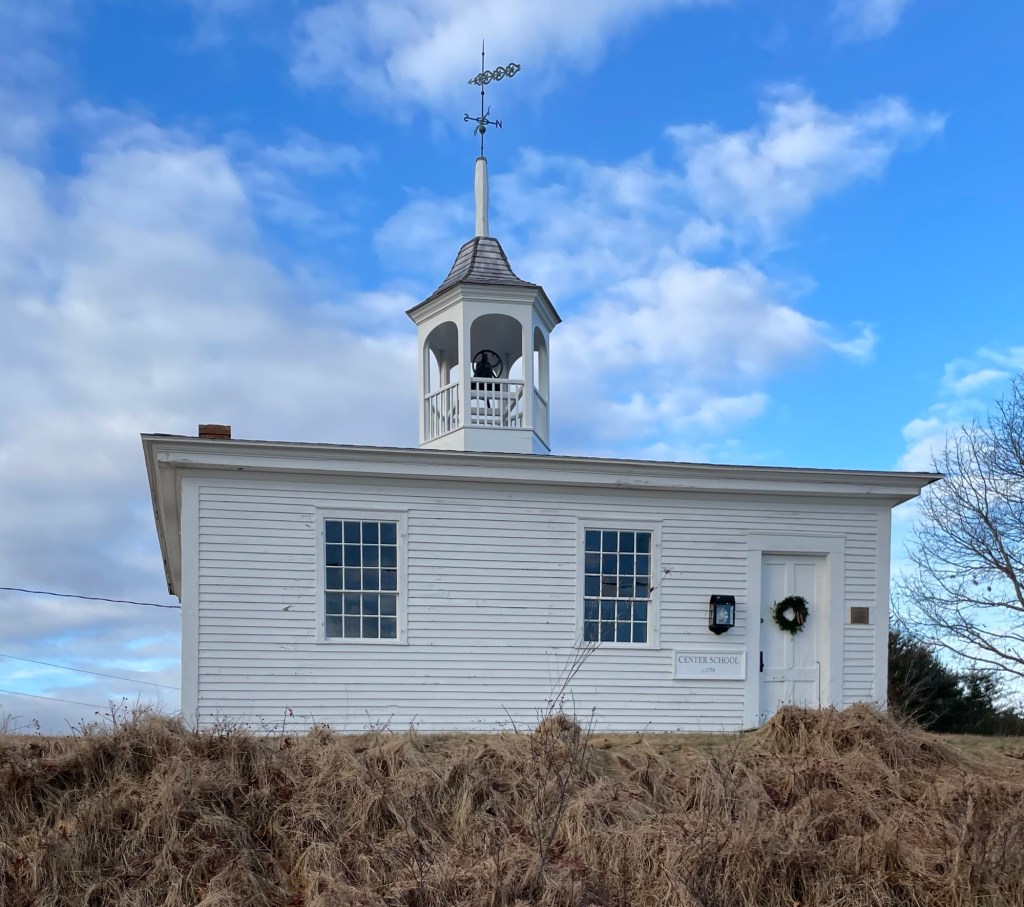
Alna Center School // 1795

Built in 1795, the Alna School is one of the oldest extant purpose-built school buildings in New England. The small frame structure sits a short distance from the Old Alna Meetinghouse and is one of the finest 18th century buildings in town. The Federal period one-room school building features a square footprint with graceful cupola housing a bell projecting from the roof, which was added a few years after the building was completed. The school was one of two early school buildings for the newly incorporated town of Alna, soon after its separation from Pownalborough and incorporation in 1794 (originally as New Milford, and later at Alna in 1811). The school remained in operation through the 20th century and is no longer used.