Dr. Benjamin L. Noyes House and Vault // 1903

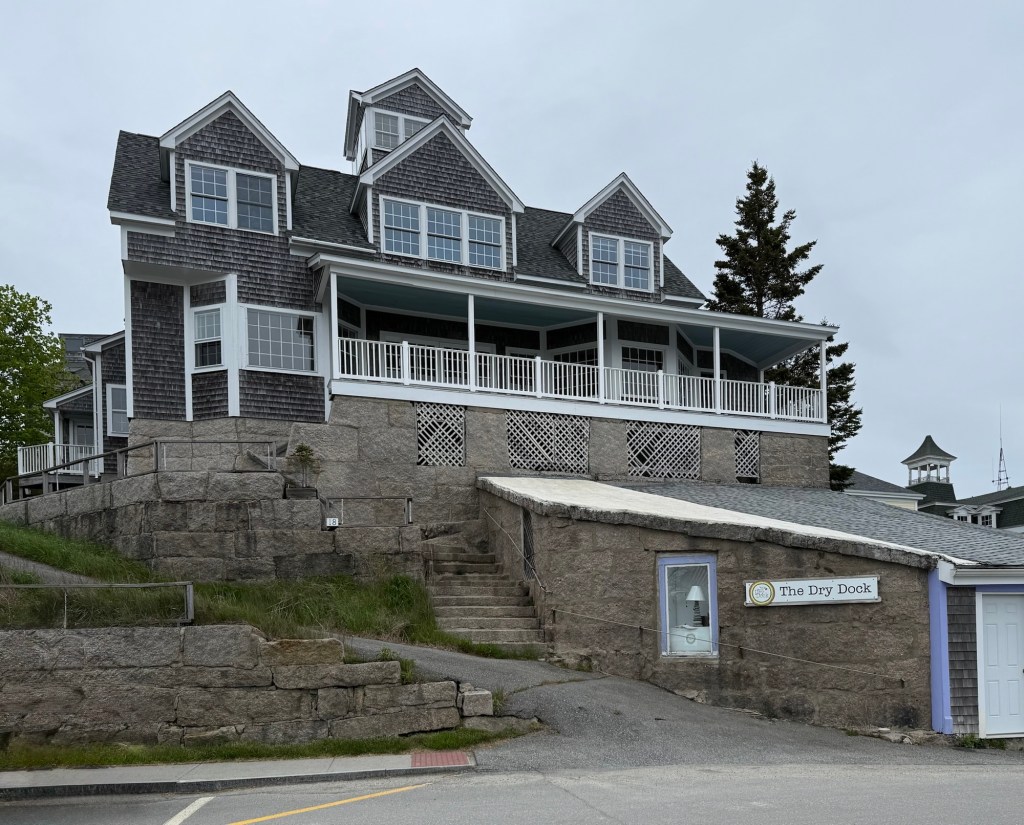
Benjamin Lake Noyes (1870-1945) was born in Lisbon Falls, Maine, but grew up on Grand Manan, New Brunswick, Canada. He worked at his father’s hardware store before entering Bowdoin Medical College. After graduating, he moved to Stonington, Maine, to work as a physician. Here, he met his wife, Linnie Howard, and they married in 1899. In 1903, the couple had a large Queen Anne style house built on a bluff, overlooking the Stonington Harbor. Dr. Noyes was a physician, surgeon, occultist, inventor, surveyor and antiquarian, who took interest in genealogy and local history in his spare time. By the time of his death Dr. Noyes had completed 100 volumes of material on island history and genealogies of its people. To house his massive collection, he constructed a fire-proof vault of local granite at the base of his home opened his record collection to the public known as the Penobscot Bay Archives. After his death in 1945, much of the collection was sent to the local historical society for preservation. A fire in 1981 destroyed much of the house except the first floor and the granite, fire-proof building, and the upper floors of the Noyes house were rebuilt.
Oceanview House // 1883

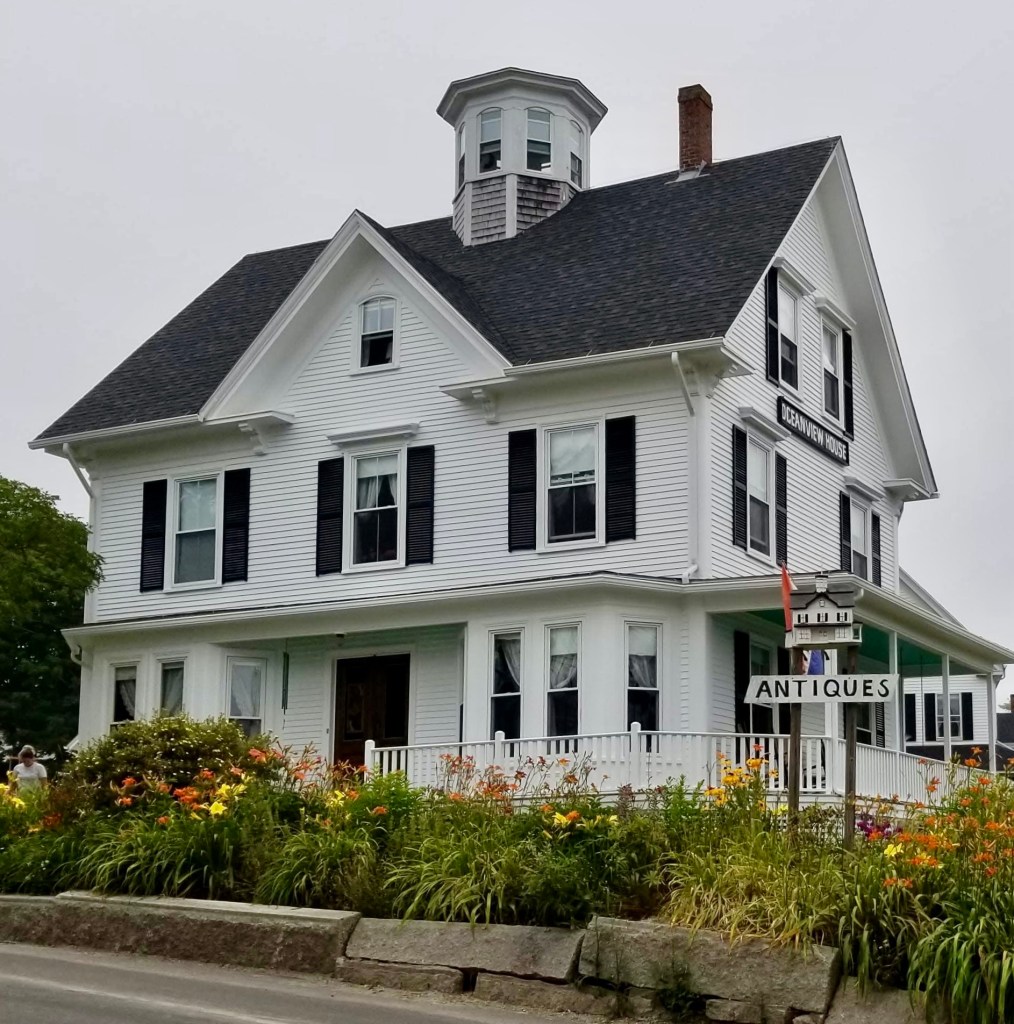
At the tail-end of the 19th century, the active fishing town of Stonington, Maine, like many other coastal communities Down East, began to see growing seasonal tourism and summer residents escaping the woes of city life for the cool sea breezes. Although there were neighborhoods of summer cottages built and occupied in the 1890s on Deer Isle, no summer colonies formed in Stonington in the late 19th century, likely due to its industrial nature with fishermen and quarry-workers living in the village. There were however, visitors, and the 1883 Oceanview House was built to house “people from away” every summer. The Oceanview House property also included its own water tank and windmill along with a meeting room for local groups. The late Italianate style building has been lovingly maintained by later owners and most recently, housed an antique store!

Thurlow Building – Stonington Public Library // 1897

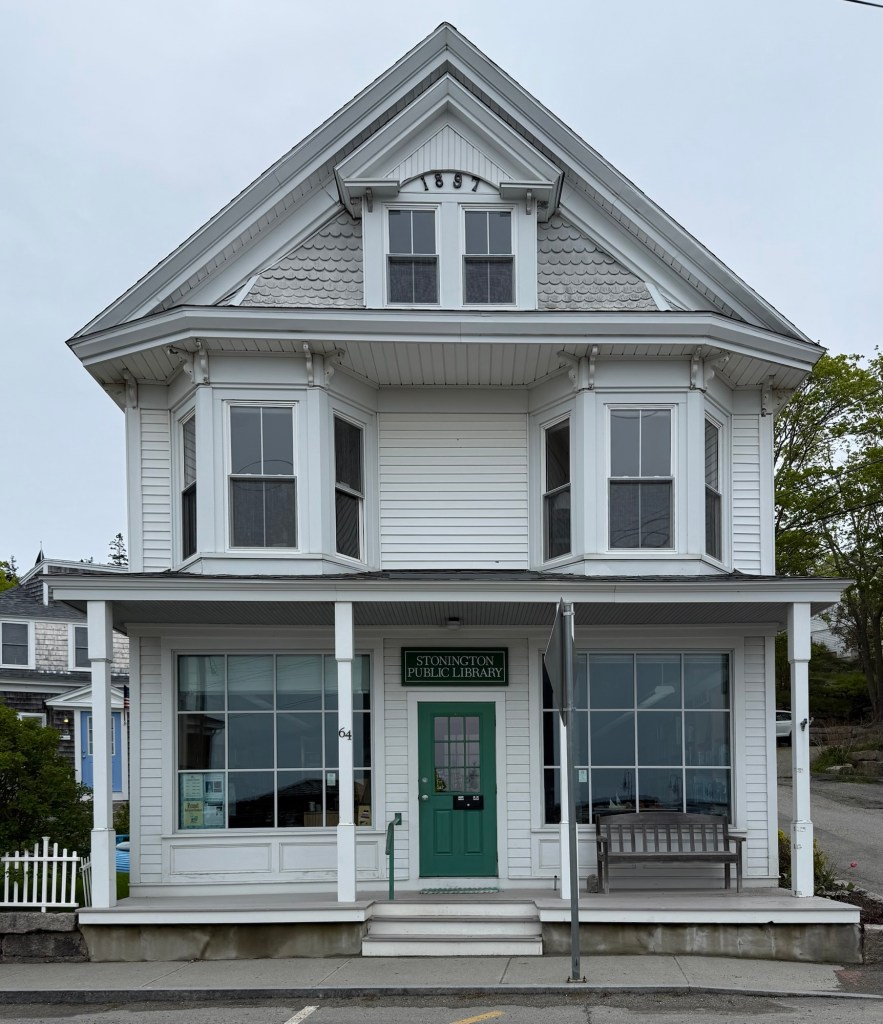
This historic building on Main Street in the working harbor village of Stonington, Maine, was built in 1897 as a commercial block for Mr. Thurlow. John Leman Thurlow (1842-1928) was born on Deer Isle and was engaged in business in town. Mr. Thurlow had this commercial building constructed to house a local grocery store with residences above. Just before its completion, the Deer Isle Gazette wrote, “J. L. Thurlow’s new store is up and the side finish is being put on. It will be a fine commodious two story and a half building, an ornament to the place.” The building later was occupied as a millinery shop, a dress shop, and was purchased in 1959 by a newly established library association. The all-volunteer operation to establish a library in town began in 1955, and a collection of donated books was eventually housed in a rented space until this building was purchased as the home of the village library.

Charles Berry House // 1899

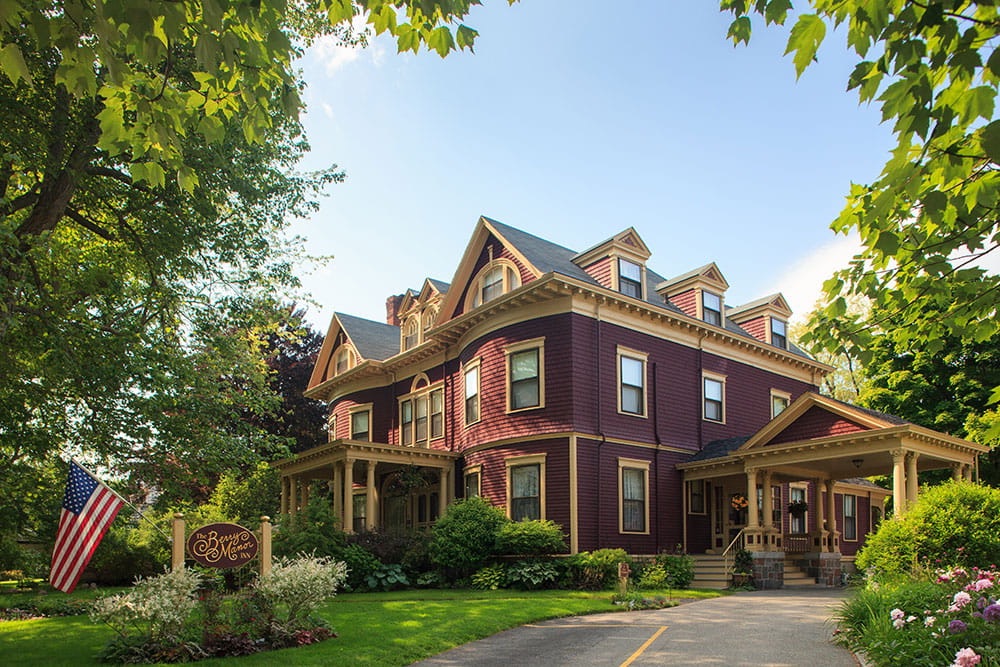
Photo courtesy of Berry Manor Inn

The Charles Berry House is located at 81 Talbot Avenue in Rockland, Maine, and it is one of the town’s finest examples of a residence built in the Colonial Revival style. The house was built for Charles Howard Berry (1849-1909), a businessman who operated a stage route, livery stables, and later entered the hotel business. He would hire Portland-based architect, Austin Pease, to furnish the plans for the house and adjacent carriage house. The residence features a symmetrical façade with front porch and porte-cochere, Palladian window over the entrance, bowed front, and ornate dormers at the roof. The entire property is lovingly maintained and preserved and is now home to the Berry Manor Inn, an up-scale bed & breakfast that maintains the old charm of Rockland, while providing high-class finishes.

Strand Theater // 1923

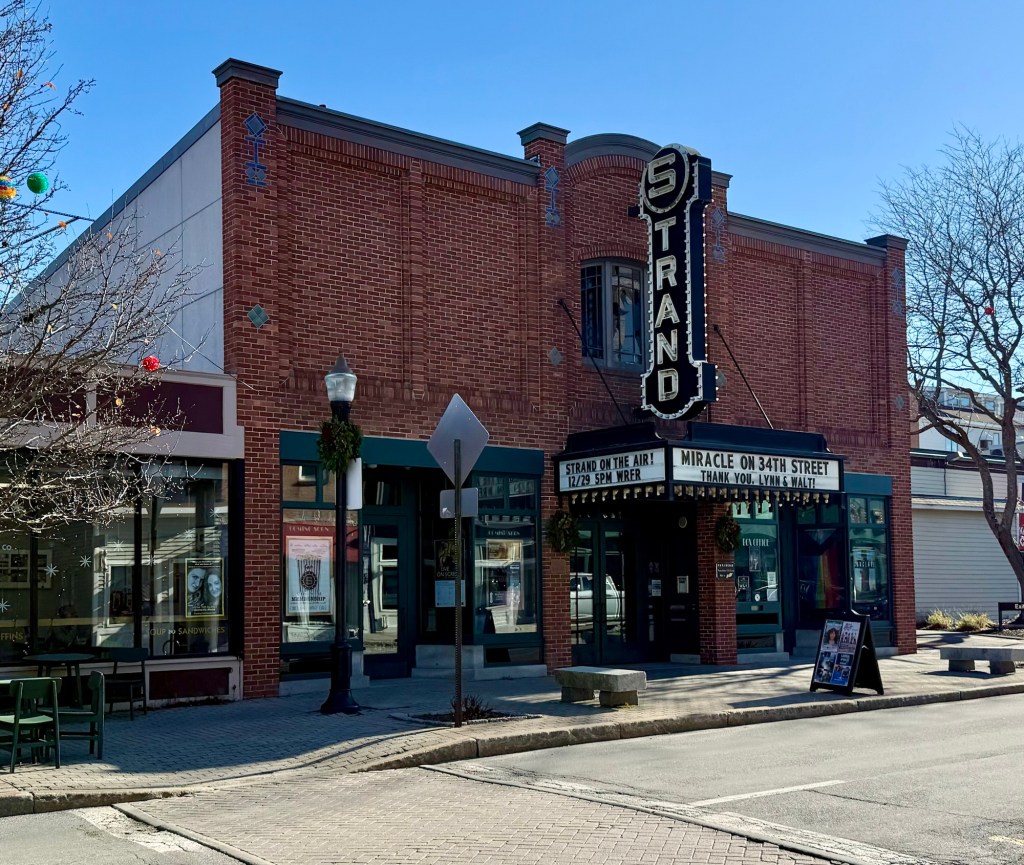
The Strand Theater on Main Street in Rockland, Maine, is a great example of the inter-war theaters that sprouted up in towns all across the country following WWI. The theater was built in 1922-23, on the site of a building destroyed in a 1922 fire that swept through the southern part of Rockland’s downtown. The steel-framed theater, with its terracotta tile walls and ornamental brick facade is fairly unadorned, besides the blade sign marquee reading “STRAND”. Two storefronts, a cigar store and a flower shop, were also incorporated into the theater, framing the entrance. The theater stayed open until the early 2000s when the local multiplex bought it and closed it. In February, 2004, the theatre was purchased by a long-time summer resident who restored the building and opened it back up. The Strand remains a vital economic and cultural center for the town, and its preservation is an important piece of Rockland’s charming Main Street.

Knox County Courthouse // 1874

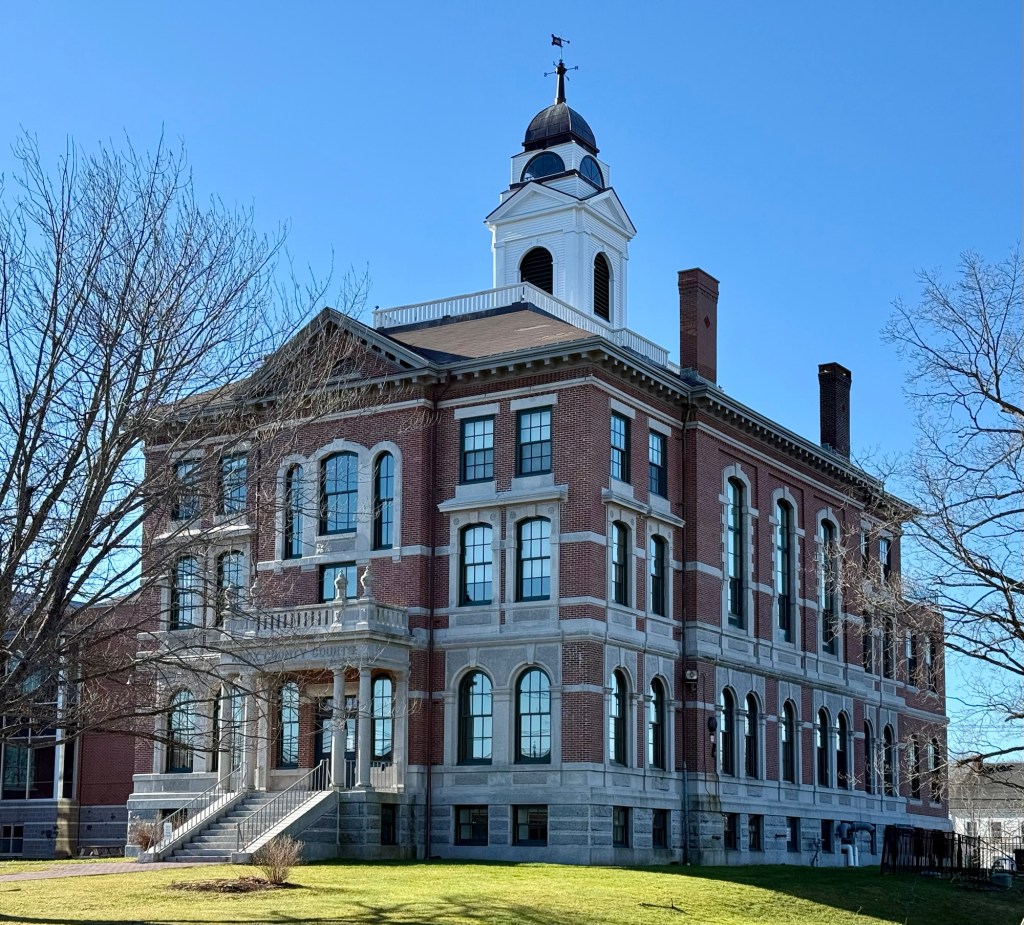
The Knox County Courthouse stands in Downtown Rockland, Maine, and is a landmark example of a Civic building constructed in the Italianate style. Knox County was separated from adjacent Lincoln County in 1860, with the coastal city of Rockland established as its county seat. For its first fifteen years, county offices were dispersed amongst buildings until in 1874 when the county retained Boston architect Gridley James Fox Bryant to design the present building. The building was constructed at a cost of $83,000, well over the anticipated $50,000 cost, and opened in 1875. The first floor accommodated all the county offices, with fireproof storage areas for records. The second floor was be taken up by the courtroom, and at either end were rooms for judges, jury and counsel.

Maine State Building // 1893

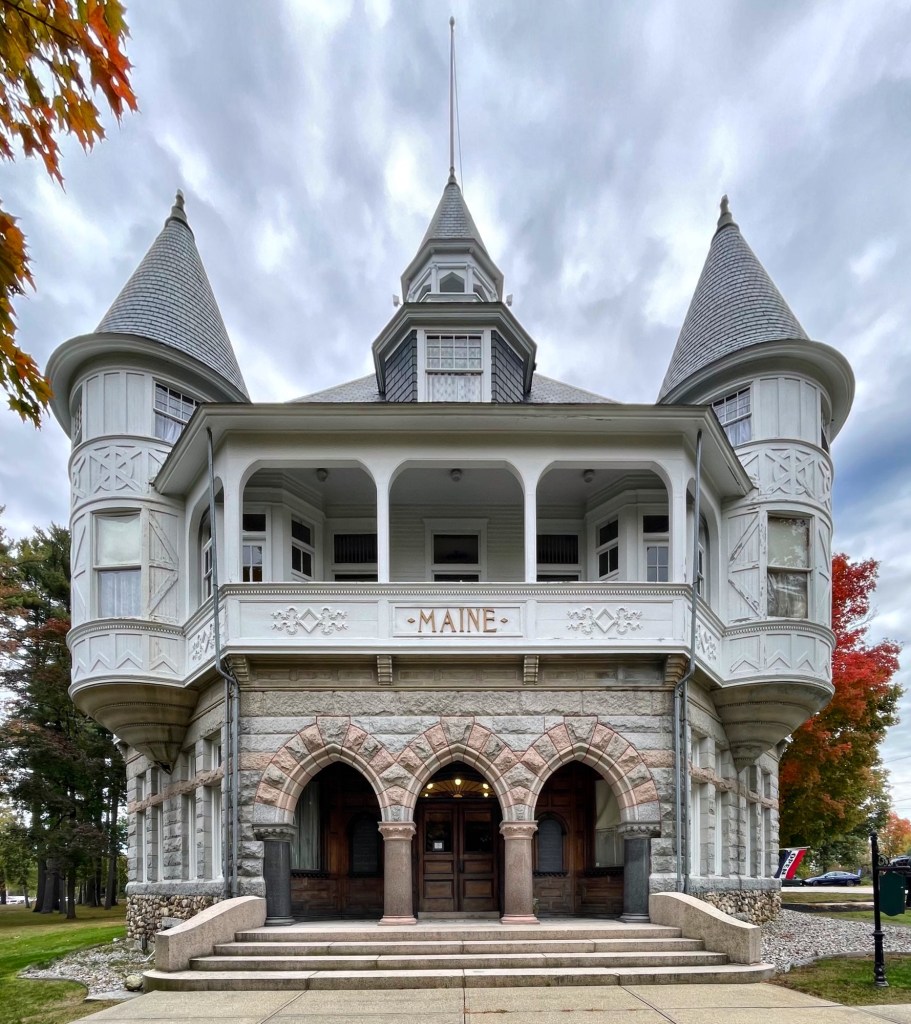
The Maine State Building is a one-of-a-kind landmark located in the Poland Springs Historic District of Poland, Maine, though it was not originally built in this location! The Victorian structure was built in 1893 at the Columbian Exposition in Chicago (aka the Chicago World’s Fair) as one of the State Buildings constructed by each U.S. state to highlight their history. Designed by Chicago architect Charles Sumner Frost, a Lewiston, Maine native and MIT graduate, the building was constructed of granite with a slate roof. After the close of the fair, the Ricker family of Poland Spring, purchased the building from the state. They had it dismantled, moved to Maine, and rebuilt on their resort, which brought even more visitors to their property. In Maine, it reopened in 1895 as a library and art gallery for their hotel guests. Along with the Norway Building in Norway, The Dutch House in Brookline (a personal favorite), the Palace of Fine Arts (now the Museum of Science and Industry) and World Congress Auxiliary Building (now the Art Institute of Chicago) in Chicago, the Maine State Building is one of the few remaining buildings from the 1893 World’s Fair, and the only State Building remaining. It has been lovingly preserved and operated by the Poland Spring Historical Society, who operate the building as a museum.

Poland Springs Bottling Plant & Spring House // 1907

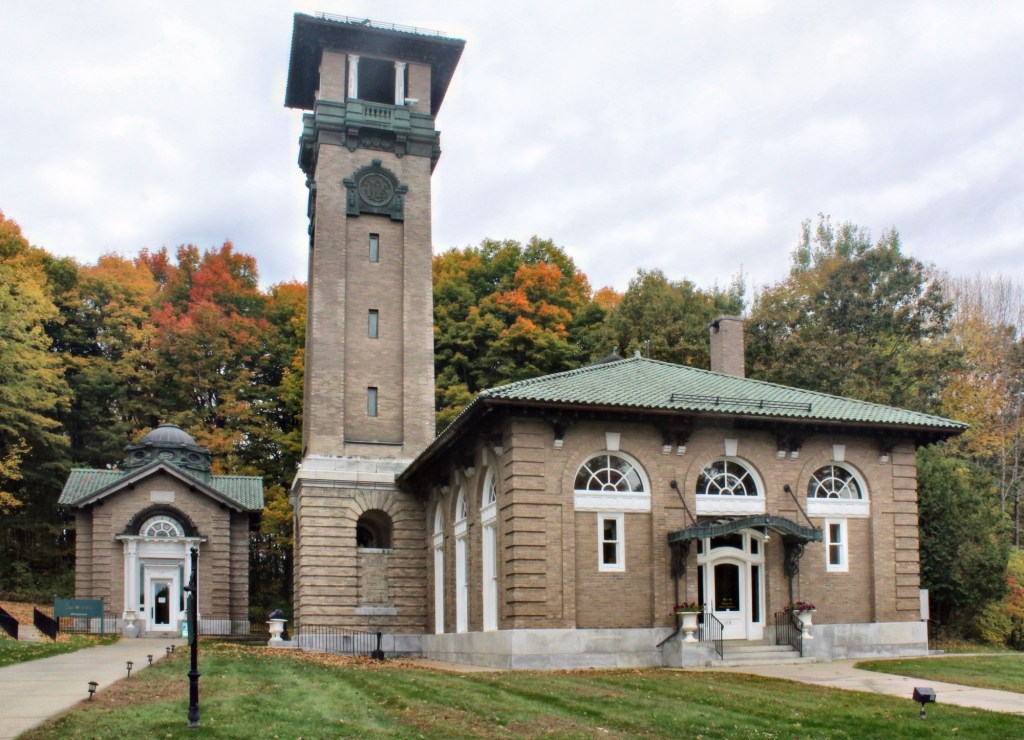
The Poland Springs Bottling Plant and Spring House contribute to the rich history of what was once a major American spa resort. In as early as 1797, Jabez Ricker founded a hostelry at the springs on his property in Poland, Maine, and later claimed that drinking the water saved him from a serious illness, a claim that was expanded by other members of his family for generations. In 1876, Hiram Ricker, Jabez’s grandson, opened the Poland Spring House, a “watering place” or spa, acclaimed for its health-giving environment. While the grand hotel burned in 1975, the bottling plant and spring house designed and built in 1907, still remains on the grounds. In 1903 Hiram Ricker’s son, Edward P. Ricker, wrote to architect Harry C. Wilkinson, a native of Poland, Maine, to solicit a design for his proposed bottling plant and Spring House to allow visitors to drink the natural spring water. His idea of bottling the spring waters for transport and sale, which would eventually be the main catalyst for Poland Spring water today! The extravagant Italian Renaissance Revival style buildings sit side-by-side and are of a high-style despite the relatively utilitarian purpose of the facility. Both structures are very well-preserved and are operated as museums, to learn more about the history of the spring water and resort here.

Poland Springs Beach House // 1909

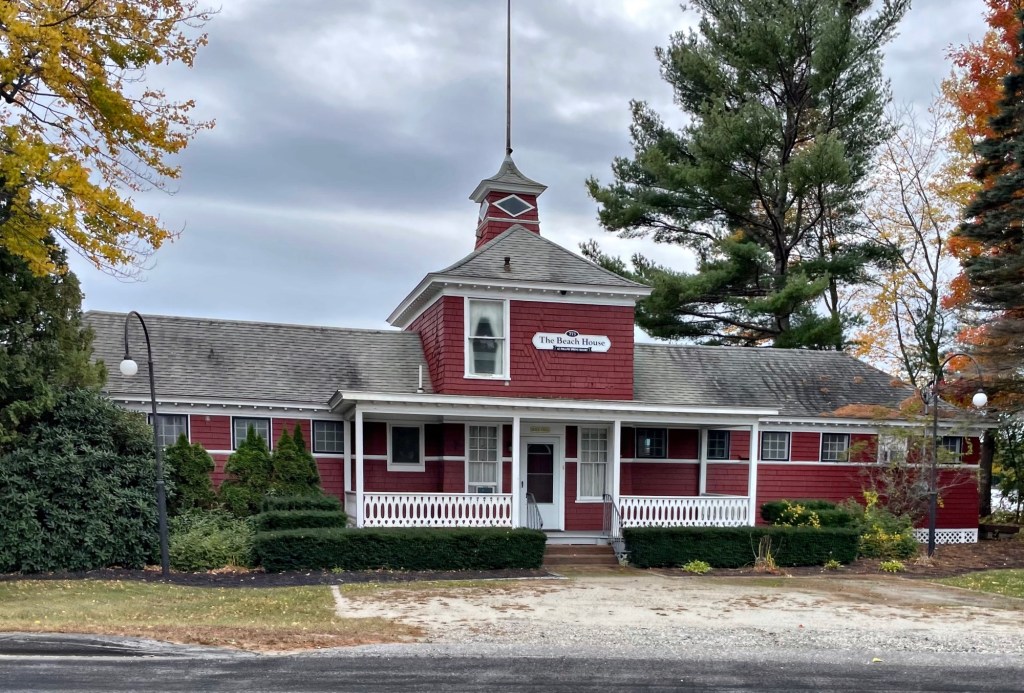
The Poland Springs Resort in Poland, Maine, brought thousands of visitors to the once sleepy community to take in the clean air and healing spring waters on the grounds, and eventually built recreational facilities to keep guests entertained for summers. An 18-hole golf course on the grounds was originally designed by Arthur Fenn in 1896 and redesigned by Donald Ross in 1915; and the Ricker family who owned and operated the resort, sought to take advantage of the nearby Middle Range Pond for guests. In 1909, this 1909 eclectic Queen Anne beach house was built on the northwest edge of Middle Range Pond. For twenty-four years, it was set over the water, supported on piers, but in 1932, it was moved to the east and was set on land. In 1982, the building was remodeled to a private home, now available for rent.

Hiram Ricker House // 1893

The Hiram Ricker House sits in the Poland Springs Historic District of Poland, Maine, and was built as the personal residence of its namesake, who developed this formerly sleepy town into a destination in the 19th and 20th centuries. Hiram Ricker (1809-1893), the son of Wentworth Ricker and Mary Pottle, helped turn his father’s country inn in Poland into a popular late 19th century resort, bringing in droves of tourists to take in fresh air and the healing natural spring water. He and his wife, Janette (Bolster) Ricker had six children, all but one of which helped run the resort. This Queen Anne style residence was designed by Lewiston architect, George M. Coombs, and is set back down a long drive overlooking the resort grounds. Sadly, Hiram Ricker died the same year his residence was built, but the home was occupied by the Ricker Family for years after, notably by Hiram’s son, Hiram Weston Ricker. It is covered in later siding, but the trim details are preserved and typical of high-end Victorian homes of this period in Maine.