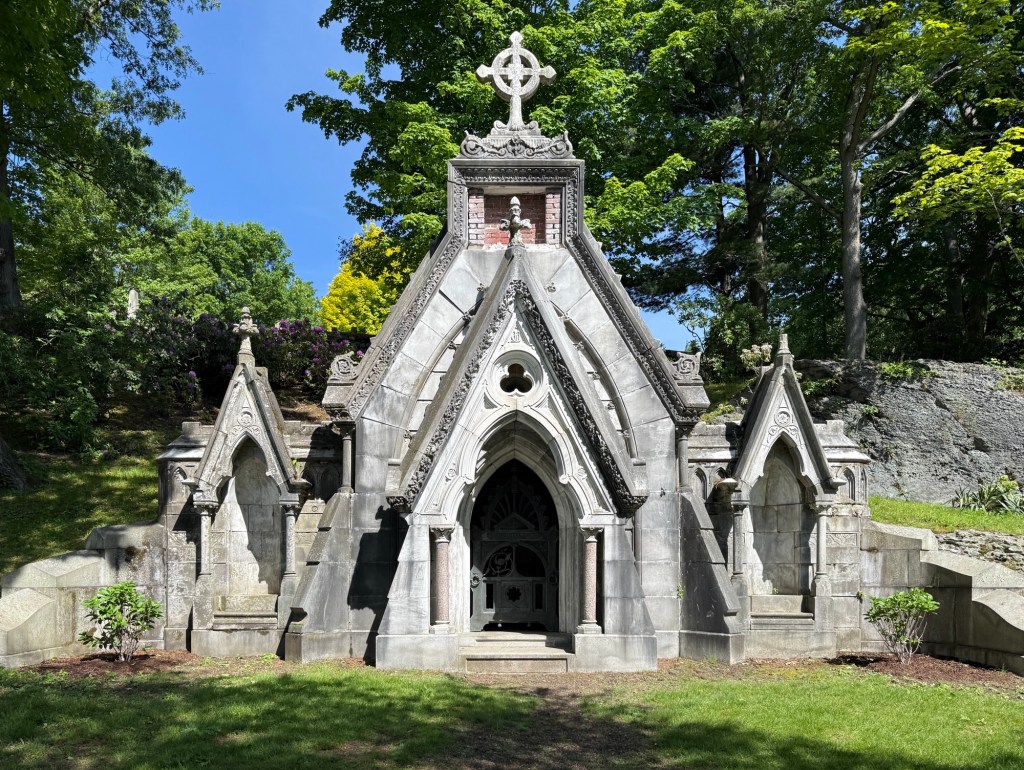
Forest Hills Cemetery – Chadwick Mausoleum // 1873

While many monuments in the Forest Hills Cemetery in Boston stand out for obvious reasons, there are many historic mausoleums dispersed throughout the cemetery, but none quite like the Chadwick Mausoleum. Mausoleums are above ground burial structures, where family can be interred together within the walls of the structure, that provides an interior space for family to mourn inside. Many mausoleums were designed by noted architects and are often outfitted with decorative bronze doors or stained-glass windows. The most visible and ornate at Forest Hills is the Chadwick Mausoleum, located at the west end of Lake Hibiscus. The structure was designed in the Gothic Revival style by William Gibbons Preston who designed the bridge over Greenwood Avenue. Nestled into the sloped hill in the rear, the stone mausoleum features a metal door bearing the name “Chadwick.” The structure was funded by Joseph Houghton Chadwick (1827-1902), following the death of his wife in 1872. Joseph was President of the Chadwick Lead Works in Downtown Boston and was a successful businessman, as a trustee of Boston University also serving as president and as a trustee of Forest Hills Cemetery where he was later interred. 

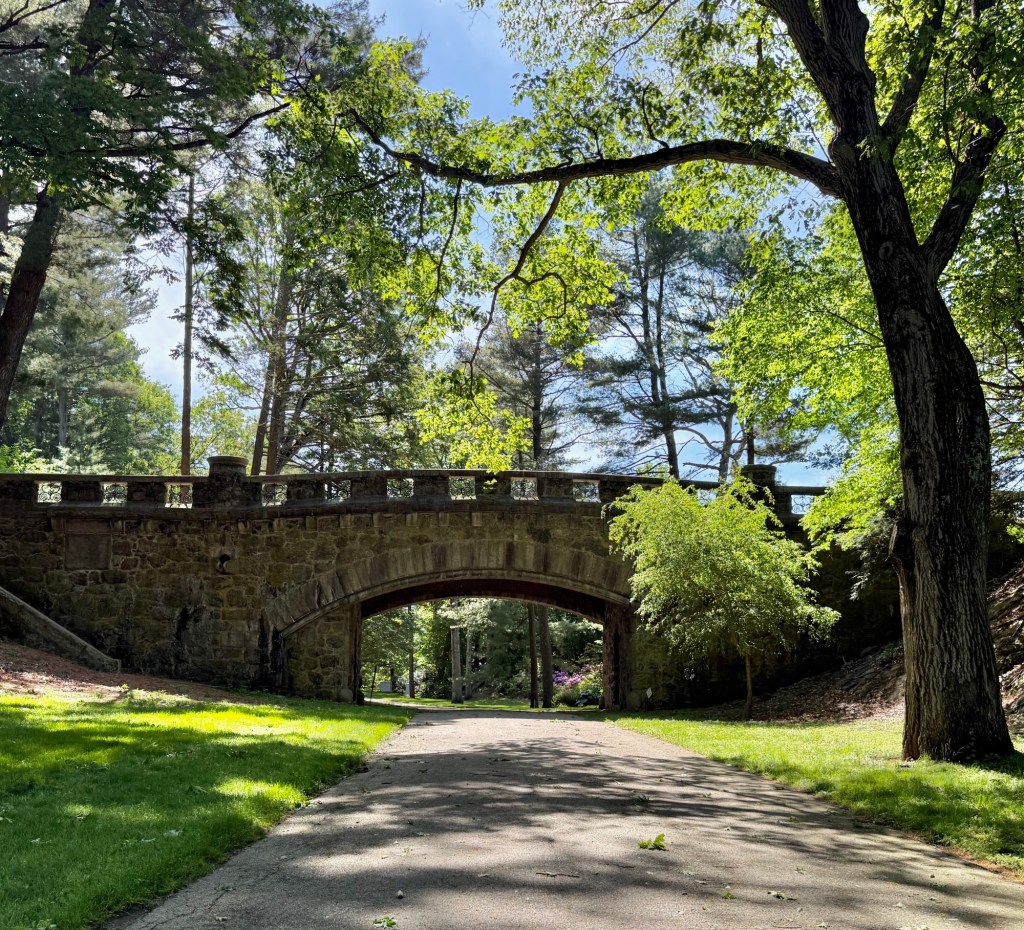
Forest Hills Cemetery – Stone Bridge // 1891

Forest Hills Cemetery in Boston was established in 1848 in the rural cemetery tradition, which followed Mount Auburn Cemetery, established in 1831 in nearby Cambridge and Watertown. The site was a municipal cemetery in Roxbury until it was annexed into Boston in 1868, becoming a private, non-denominational burial place for the who’s who of the area. The cemetery was envisioned by Henry A. S. Dearborn, who was the mayor of Roxbury in 1847 and first president of the Massachusetts Horticulture Society, who had also been instrumental in creating Mount Auburn. Since its creation in 1848, Forest Hills has grown from its original 72 acres to a total of approximately 250 acres today and is known for the rich topography and vegetation, dotted by thousands of beautiful monuments to the deceased and some iconic architectural landmarks tucked away in its winding paths. Forest Hills Cemetery was located on this site due to its varied natural features, which included hills, valleys and lakes, which together were preserved to enhance the experience of those visiting nearly 200 years later. The site’s topography consists of a series of geological drumlins of Roxbury puddingstone, an important material that was used in building projects all over the region (and for some of the buildings and monuments in Forest Hills). It is the burial place of a remarkable cross-section of people that reflect almost every aspect of American life — from statesmen to soldiers to industrialists to abolitionists to artists to poets. Forest Hills Cemetery is a somewhat hidden gem and is one of the best places in the area to walk and explore. 

The stone bridge in Forest Hills spans over Greenwood Avenue, linking Consecration Hill to Milton Hill, was designed by William Gibbons Preston and built in 1891-1892. It is 180’ long and 23’ wide and was constructed of random laid Roxbury puddingstone with granite trim and is capped by a stone balustrade inlaid with decorative cast iron. The bridge shows that even a traditionally functional structure in the cemetery was designed with intent and was a vessel to enhance the experience of those visiting. Stay tuned for more sites in this iconic landscape!

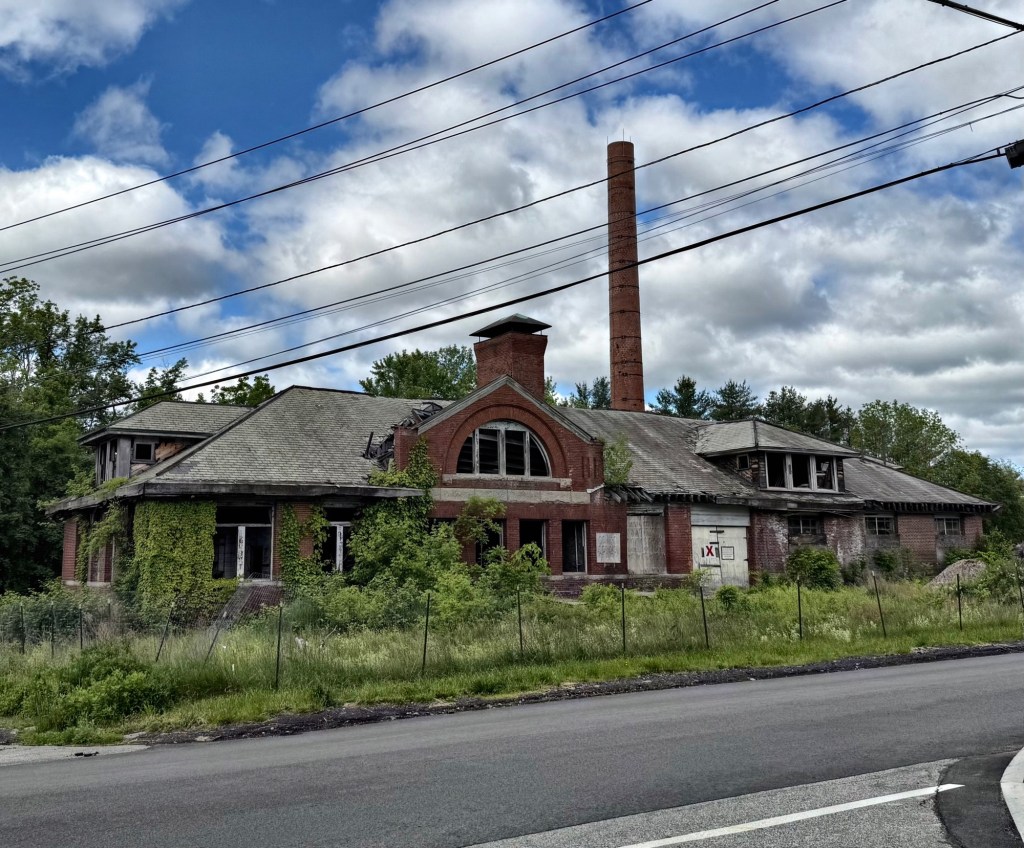
Lyman School for Boys – Manual Arts Building and Powerplant // c.1900

The former Lyman School for Boys was established in Westborough as the Massachusetts State Reform School in 1847, the first state-operated reform school in the country. Initially located on the eastern shore of Lake Chauncy and dominated by a single massive building, but its early history was plagued by conflict between inmates and administration. In 1885, legislative action authorized the Trustees to purchase and prepare a new site, the first in the state system to be developed on the dispersed cottage plan, the school thrived throughout the 19th century and into the 20th century until its eventual closure in about 1974. Much of the campus was designed by architect, William G. Preston, likely including this industrial building, which was used as a Manual Arts training building. Here, young men would learn trades, where upon graduation, they would be able to enter the workforce. The building appears to have been extended decades later with the addition of a powerplant wing, in a more Arts and Crafts style. The handsome building has been vacant for over 50 years and is literally a shell of its former self. With much of the old Lyman School campus razed for uninspiring replacement buildings, it would be a shame to see this building not restored and adaptively reused.

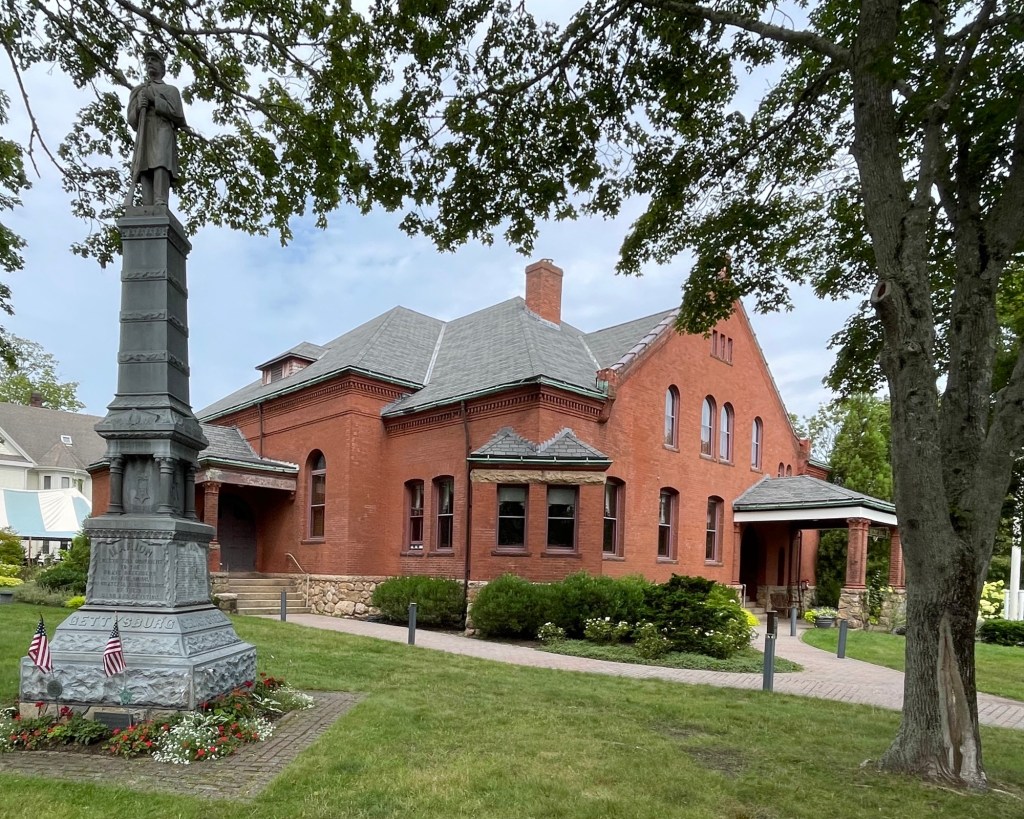
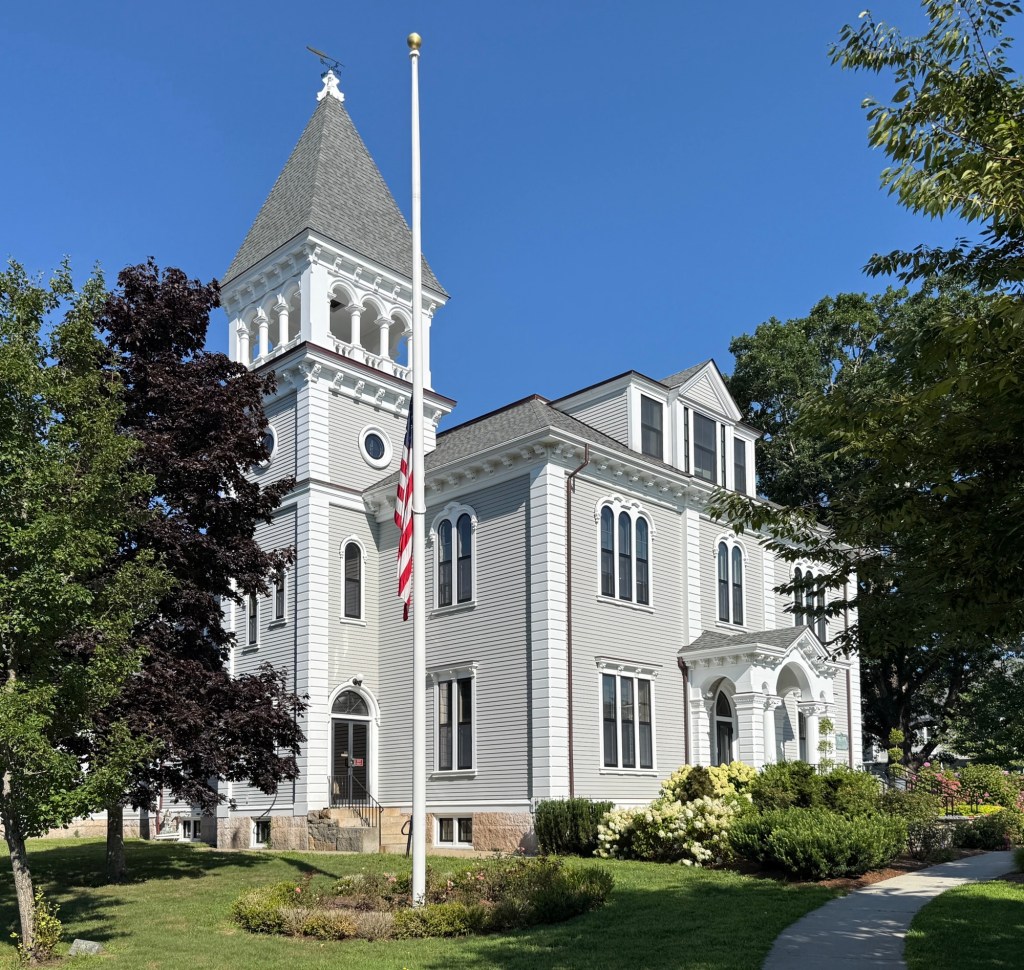
Marion Music Hall // 1891

You know a town is fancy if it has its own music hall! The Marion Music Hall was (you guessed it) largely funded by none other than Elizabeth Taber the prestigious benefactor of Tabor Academy, the Library, and more in her hometown. This building was first envisioned after Ms. Taber was dismayed by the poor quality of “worldy theatricals” that were taking place in the only such venue at the time, the Congregational Chapel. Her last gift to the town via a provision in her will, allotted money for the construction of a “suitable building for a lecture and music hall”, costing a total of $23,000. Her go-to architect, William Gibbons Preston, was hired to design the Music Hall, which is a pleasing late-Victorian, Queen Anne-Romanesque Revival building constructed of brick. The Music Hall’s lawn was deemed worthy as the site of a handsome cast-iron Soldiers Monument which was dedicated during the summer of 1894 and remains on the site today.