Benoni Cooke House // 1828

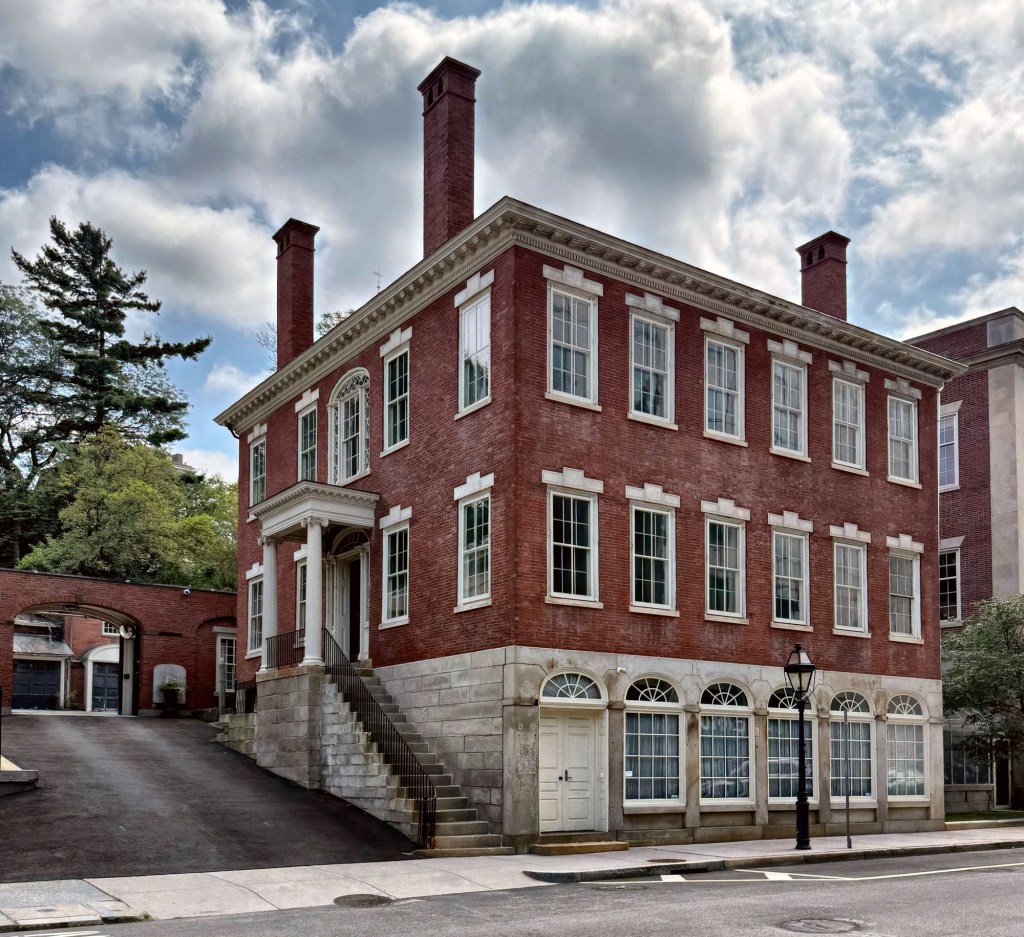
The Benoni Cooke House at 110 South Main Street in Providence, Rhode Island, is one of the finest examples of an architect-designed Federal style residence in the state. A fine and somewhat-typical example of architect, John Holden Greene’s 1820s work in the Federal style, the residence is actually the remaining half of what was originally a pair of mirror-image houses, built for two brothers-in-law and business partners, which once faced one another across a driveway leading to a large, well-preserved service court defined by connected stables (most of which remain). The mirror house, built for Rufus Greene, was demolished in 1895 for the expansion of the Old Stone Bank next door. The Benoni Cooke House was built in 1828 and sits atop an arcaded basement on the street elevation, which historically was used for commercial use. The Cooke House retains its iconic hipped roof with monitor (common for John Holden Greene’s works), an Ionic portico sheltering the entry with sidelights and fanlight transom, and elaborate stairhall window above. The building was later occupied as offices for the Old Stone Bank, and along with the Old Stone Bank, was acquired by Brown University, who sold the property in 2009 to an LLC, but its current use is unclear.
Eddy Block // 1812

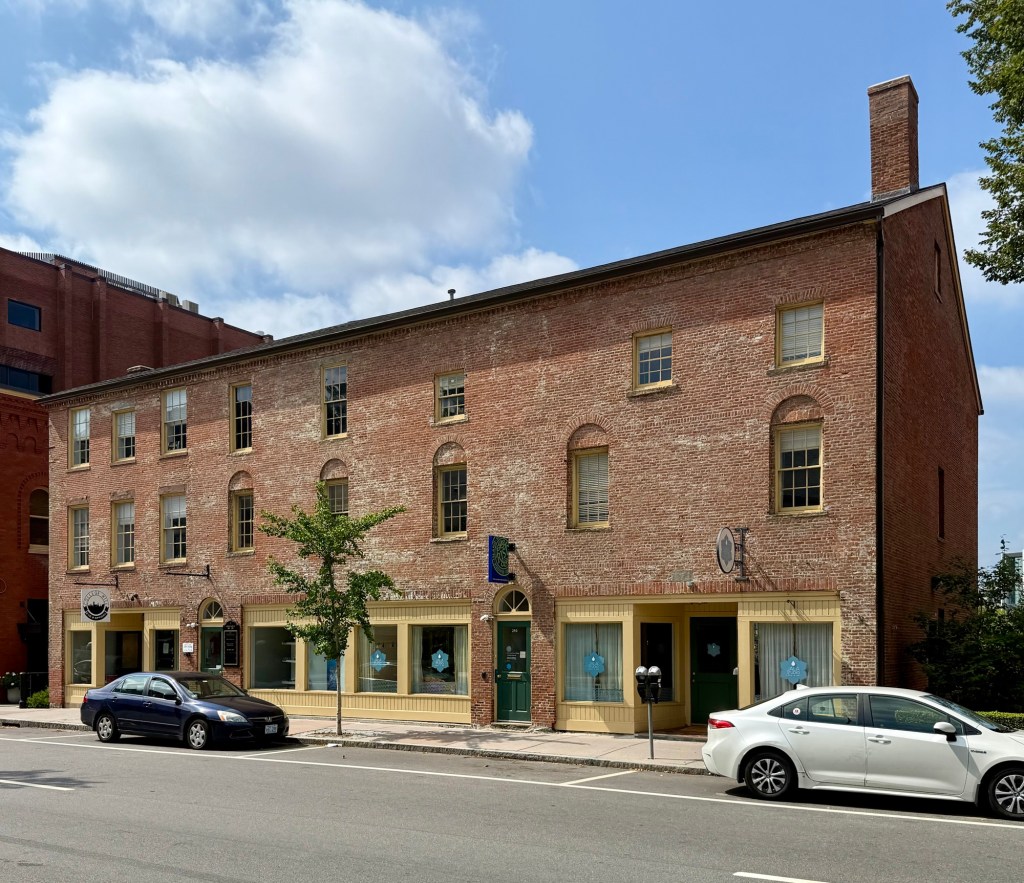
The last of the three similar brick rowhouse blocks on South Main Street in Providence’s East Side is the most altered, but maintains much of its architectural integrity and street-presence. Like the Comstock and Clark-Nightingale blocks further up South Main Street, the Eddy Block was built in 1812, at the beginning of the 19th century for a wealthy merchant, Moses Eddy (1766-1823), who owned and operated packet ships that transported mail and other goods between Providence and New York. The building is one of the oldest rowhouses in Providence, and its three-bays contain an interesting mix of alterations and original details that were changed or preserved over-time. Like the other two rows nearby, the Eddy Block was gutted, and rehabilitated in the 1970s as part of the Urban Renewal plan for Providence’s East Side.

Comstock Block // 1824

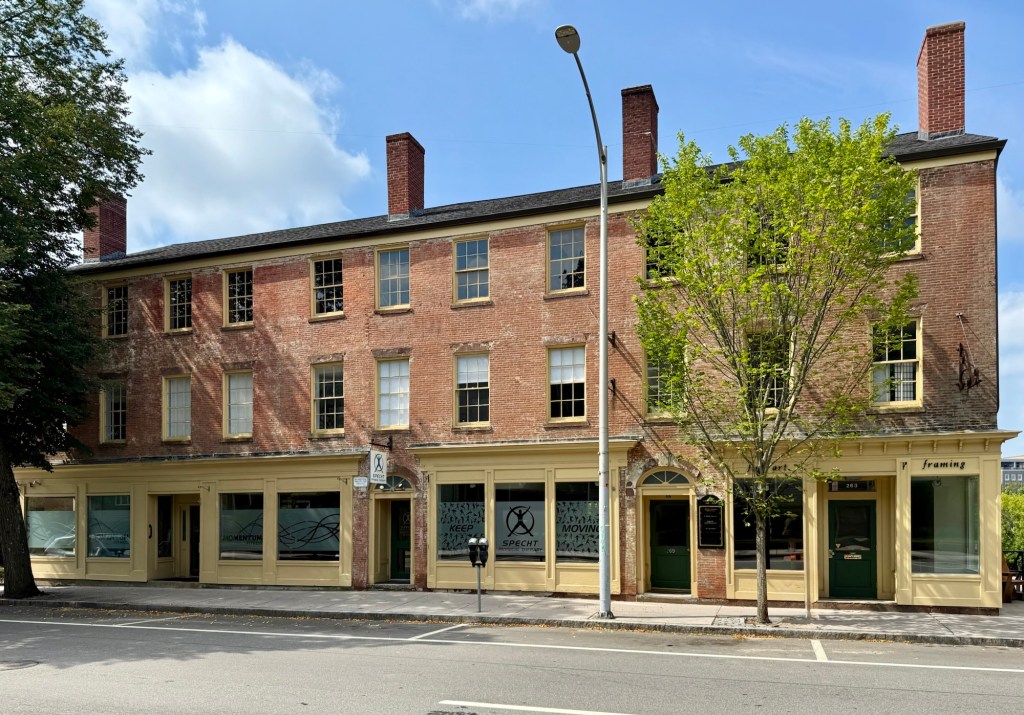
Located next to the Clark-Nightingale Block on South Main Street in Providence’s East Side, the Comstock Block echoes the form, materials and rhythm of the older building, but employs some additional architectural detailing courtesy of a local architect. The Comstock Block at 263-273 South Main Street was built in 1824 from plans by architect, John Holden Greene, who designed many stately buildings in Providence during the early 19th century. The typical fanlights over two of the entrances are common in nearly all of Greene’s Providence buildings. Joseph and William Comstock owned the block which seems to have operated as residential rowhouses, possibly with storefronts at the ground floor. This block, like much of the street, was acquired, gutted and rehabilitated as part of the East Side Urban Renewal project of Providence in the 1970s, luckily for us, this handsome block was not demolished like so many other great buildings of the time.

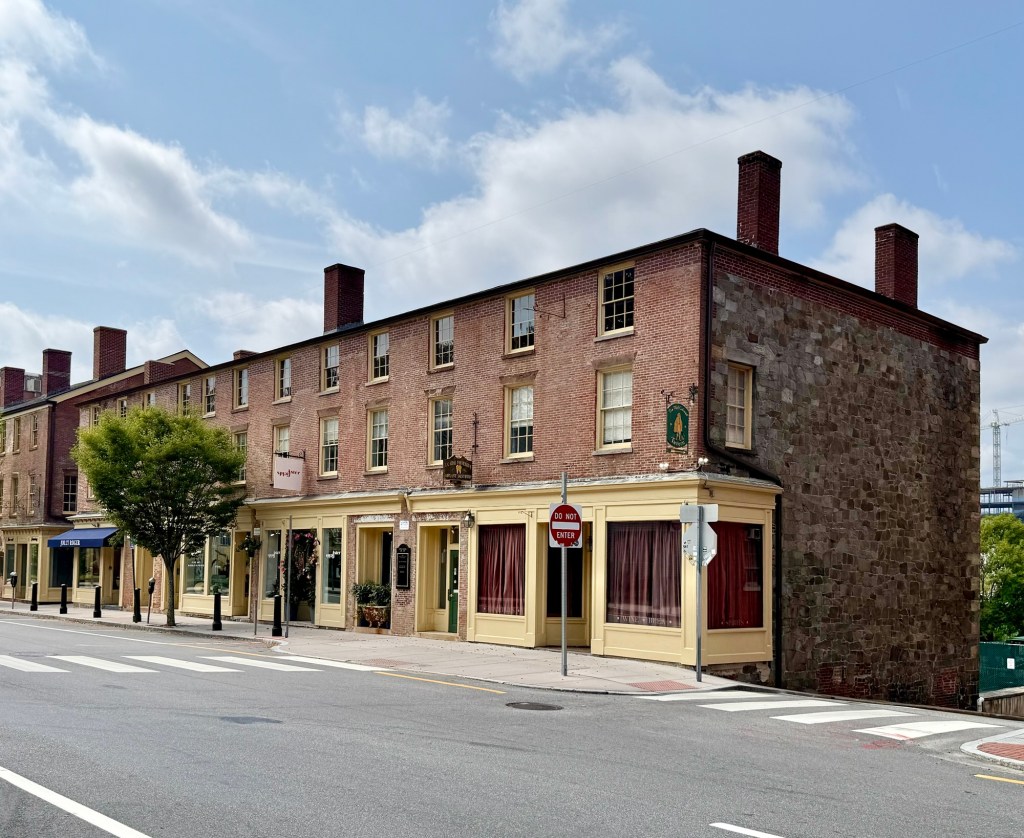
Clark & Nightingale Block // c.1815

In the early 19th century of Providence, wealthy merchants dabbled in real estate and urbanism, not only as an income-producing investment, but also to serve as a buffer to obscure unsightly industrial and wharf uses from their mansions on College Hill. This is the Clarke & Nightingale Block, a c.1815 vernacular Federal style row of residences above commercial storefronts on South Main Street. The block was developed by the heirs of wealthy merchants, Joseph Innes Clark (1745-1808) and Joseph Nightingale (1747-1797), and constructed of brick and stone, providing a handsome structure facing the wealthy residences to their east, and obscuring the view of industrial buildings closer to the river. The block was gutted and rehabilitated as part of the East Side Renewal project in the early 1970s. Arguably the only thing Urban Renewal did right was select restoration of significant buildings within seas of the destruction and scars on the landscape the program left behind.

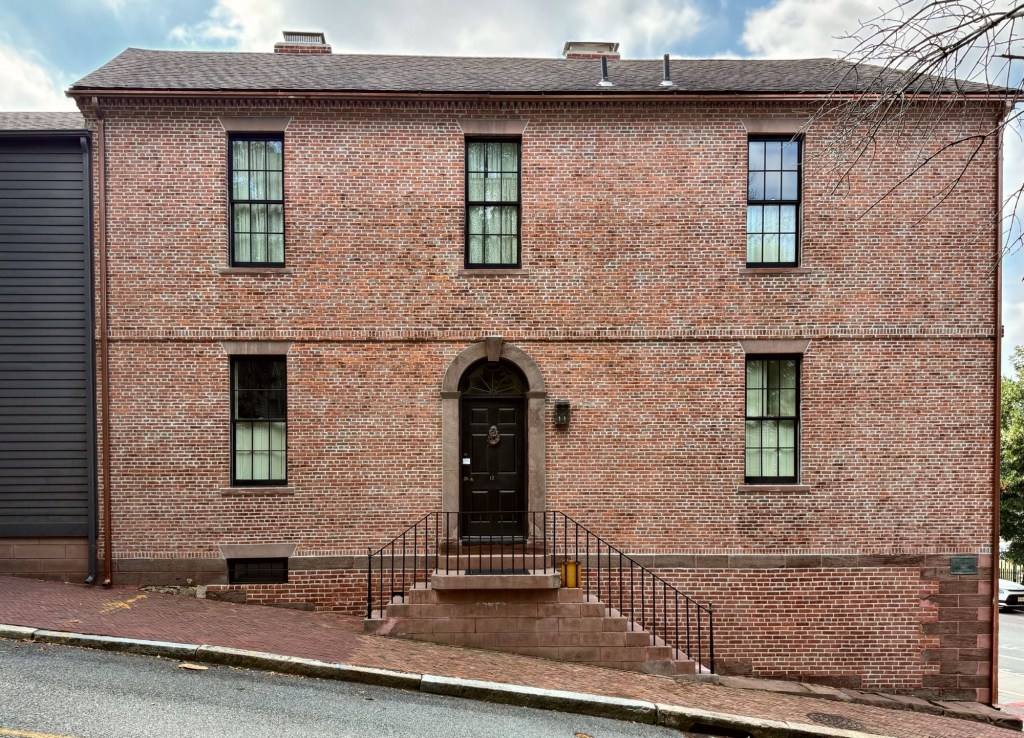
Tillinghast House // c.1800

The Tillinghast House at 10 James Street in Providence, Rhode Island, was built around 1800 by Captain Joseph Tillinghast (1734-1816), and it was occupied by a number of his children in the early 19th century. By 1818, with Joseph already deceased, the Federal style home was owned by two of his daughters, Mary, and Amey Tillinghast, who operated a small store from the basement. The two-and-a-half-story, brick Federal house is set on a high basement all with brownstone trim at the stringcourse (between first and second stories) and at the entrance. The house was restored in the late 1970s, along with a new clapboard addition by designers, Luigi Bianco and Georgia Patterson Boomer, of Bianco/Boomer. Without nearly as much ornate detail as many other Federal style homes in the East Side area of Providence, this residence proves that high-quality materials and strong proportions can make a home truly stand out!

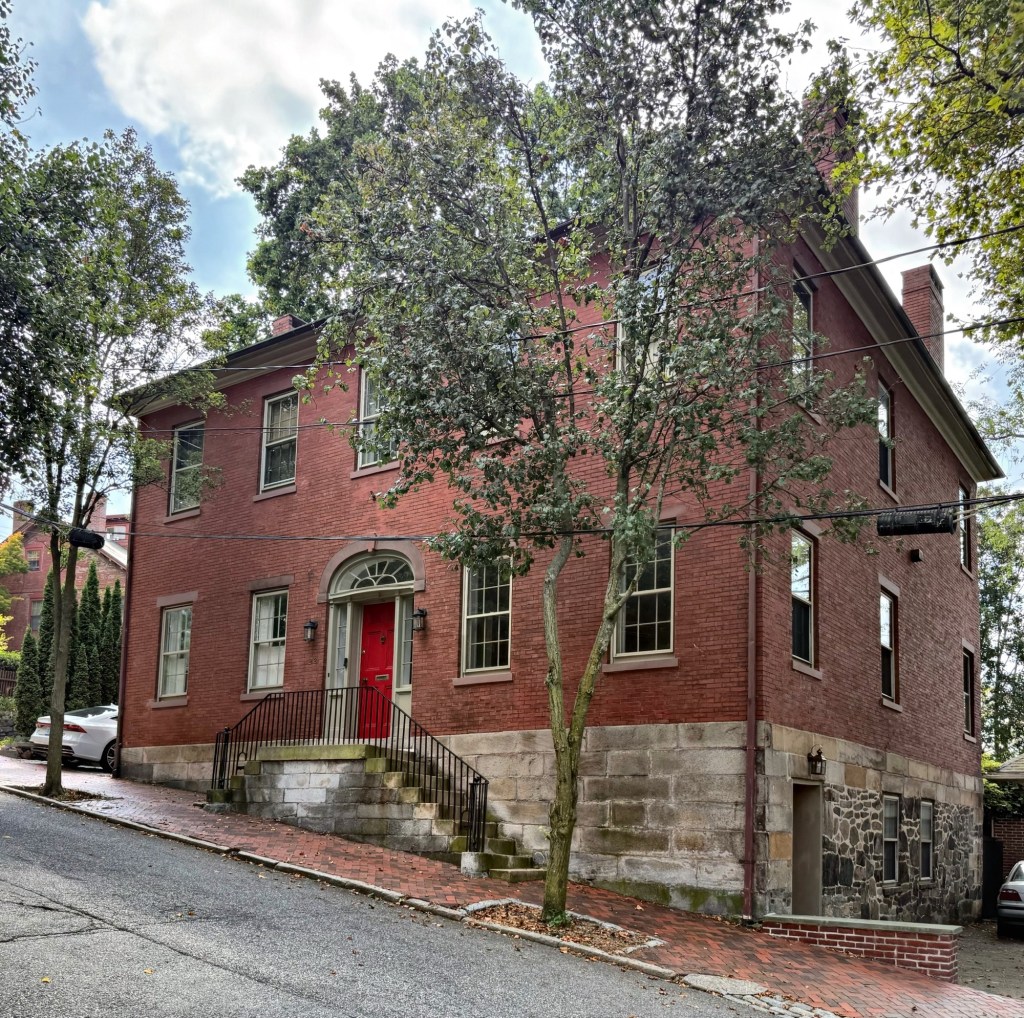
William Smith House // c.1826

The William Smith House at 18 James Street in the Fox Point neighborhood of Providence’s East Side, is similar to its neighbor, the William Woodward House in style and design details. Smith, a carpenter by trade, possibly built this house himself, with inspiration or plans by local architect, John Holden Greene, who designed many similar homes in the city around this time. The residence was built around 1826 and it was built into the steeply sloping hill on its raised granite foundation. Besides its elegant proportions, the house features a shallow hipped roof with monitor, fanlight over the door, and brownstone sills and lintels.

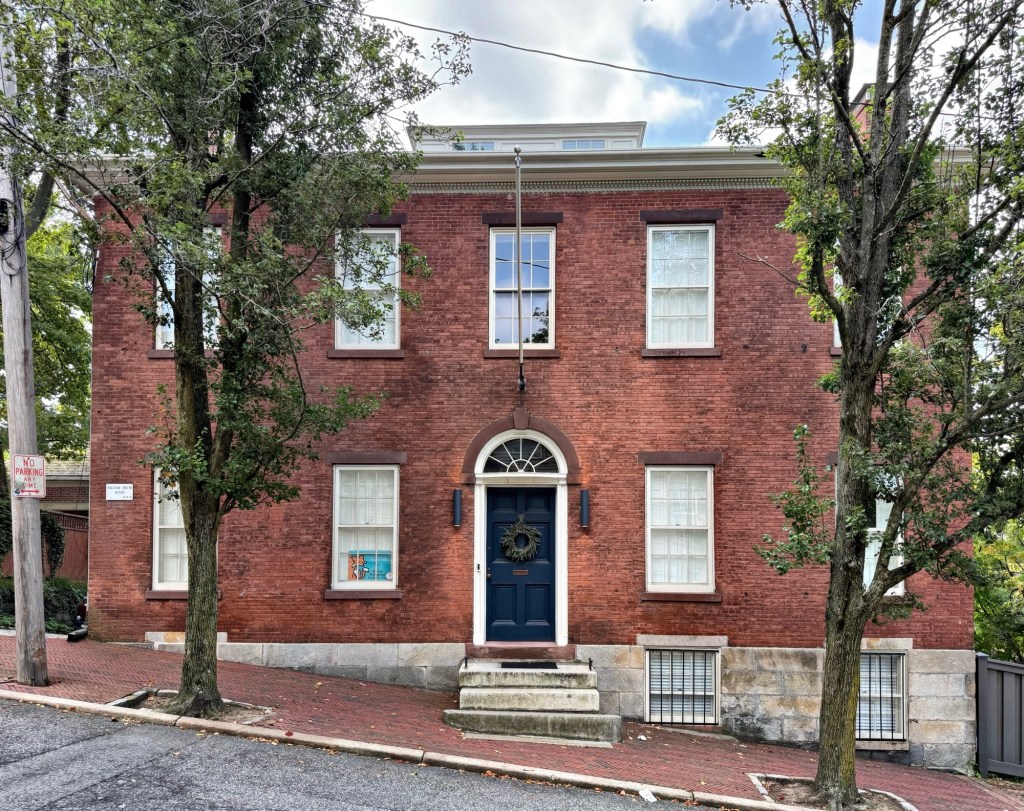
William Woodward House // c.1826

Providence has some of the finest 19th century housing in New England; from the early Colonial and Federal residences to Victorian mansions, you can find hundreds of architect-designed showpieces that tell the full story of American architecture, sometimes on the same street! This is the William Woodward House at 22 James Street in the Fox Point/East Side area of Providence, built sometime between 1826-1828. The Woodward House is a landmark example of the Federal style, likely designed or inspired by local architect, John Holden Greene, which characteristic features including the hip roof with monitor, fanlight transom, and center hall plan. William Woodward Jr. (1791-1861) worked as a grocer, with a market nearby, and clearly did well for himself to afford such a home. 

Walker – Russell House // 1797

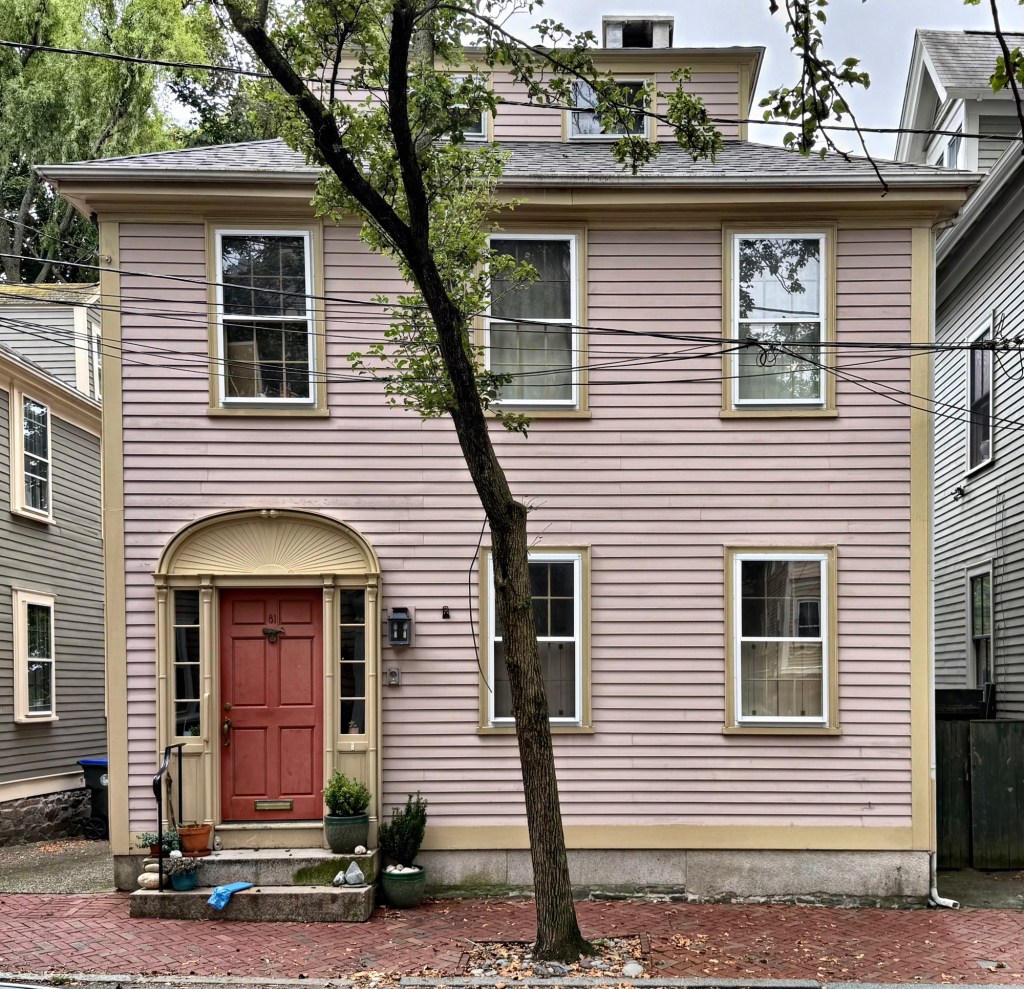
In 1797, housewright Calvin Walker acquired a house lot on Transit Street in Providence’s Fox Point/East Side neighborhood and built this Federal period residence for his family. The three-bay Federal style home was a side-hall form with off-center entry and a monitor roof. In 1824, Calvin sold the residence to his daughter, Mary and her husband, Daniel Russell, a grocer and shoemaker, for $250. By the 20th century, the house was altered with later siding and a new entry, which were later restored by later owners, back to the home’s original grandeur. The blind fan with engaged columns adorned by rounded capitals, really enhances the design. The Walker-Russell House remains as an excellent example of a Federal style residence in Providence built for middle-class residents. 

William Mason House // c.1812

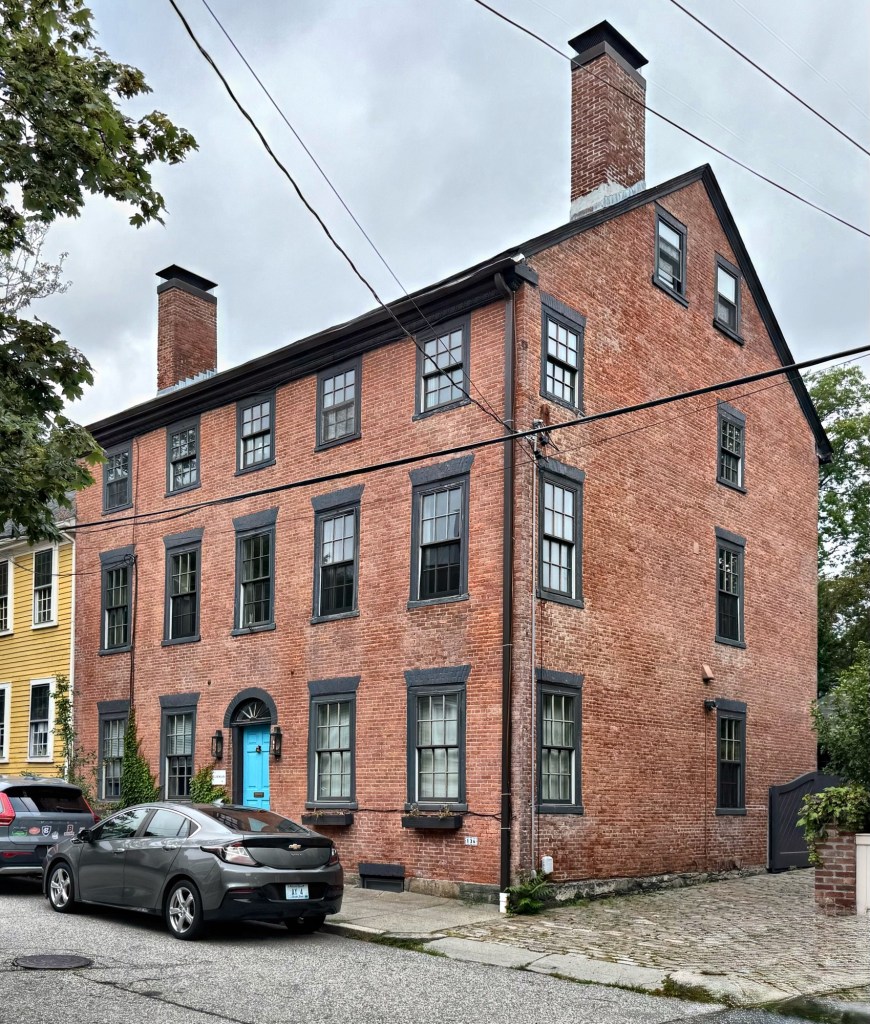
This oversized brick Federal style house in Providence looks like it belongs more on the iconic Benefit Street rather than a quieter side street like Transit Street, but its history informs us as to why. Located at 136 Transit Street, the Benjamin Mason House stands as one of the finest (and largest) brick houses in the Fox Point neighborhood of Providence. The residence was built around 1812 by William Mason, who appropriately worked as a bricklayer and builder in 19th century that put his talents to work to build his own home seen here. The large brick residence was not only a family home, but marketed his abilities as a mason to area residents who were in need of his services. Benjamin Mason lived here until he moved to a new house down the street with his wife, Ann. Benjamin died by 1828 and the brick residence was purchased at auction and later sold to Reverend William Phillips. The house retains much of its original fabric, and even includes a stunning courtyard garden bounded by – you guessed it – a brick wall. 

Peirce Mansion // 1799

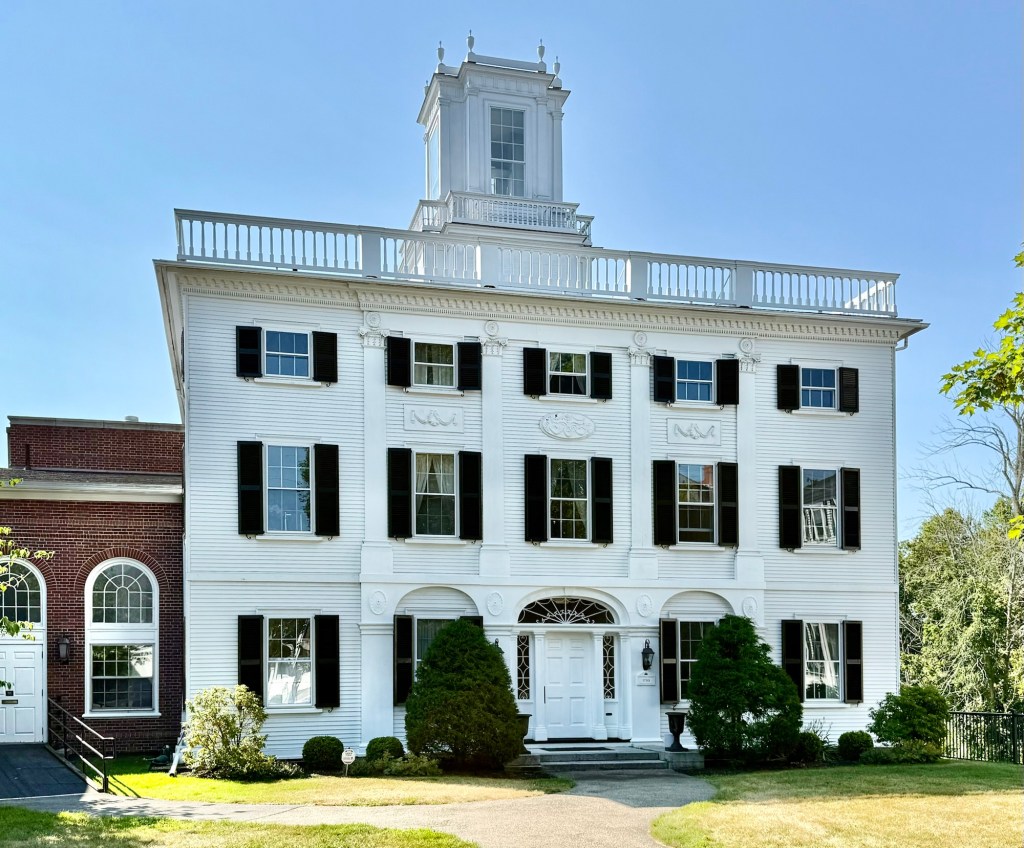
The Peirce Mansion on Court Street in Portsmouth, New Hampshire, is one of the finest, high-style Federal period homes in the United States. Built in 1799 for John Peirce (1746-1814), the residence is said to have been designed by Bradbury Johnson, a local carpenter and builder who was inspired by the designs of Charles Bulfinch. John Peirce began his career in the counting room of Daniel Rindge and worked in business and banking in Portsmouth. Peirce opposed the American rebellion against England but did not serve either side during the war. After the Revolution, in 1789, John Peirce was one of the leading citizens appointed to escort President George Washington around Portsmouth. The Peirce Mansion remained in the family over 150 years until it was sold by his descendants to the Middle Street Baptist Church in 1955, who extensively modified the residence to serve as a vestry and meeting space for church activities. The building was moved back from the road with the four tall chimneys were removed. Architecturally, the Peirce Mansion stands out for its massing, hip-roof with cupola adorned by a balustrade and urns, and the facade with elliptical arches, molded medallions, pilasters, and the Federal style entry treatment with fanlight transom and sidelights.