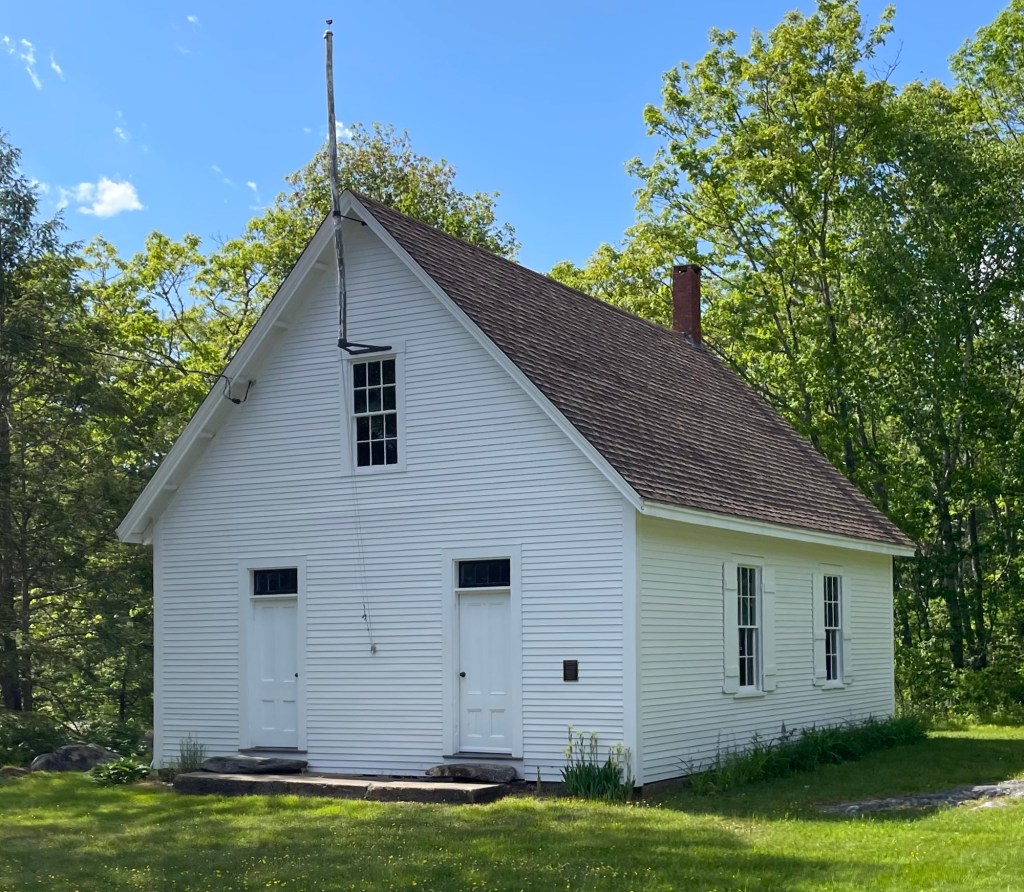
S Road Schoolhouse // 1860

The S Road Schoolhouse is the last-remaining one-room schoolhouse in the charming coastal town of South Bristol, Maine. The structure was built in 1860 as the District Five School for the Town of Bristol (South Bristol set off and incorporated as a separate town in 1915). This building replaced an earlier schoolhouse on the site that was on the 1857 Map of Lincoln County. By 1895, enrollment was about 16 but rose to the mid-twenties after other schools closed in the early 1900’s. The school is said to have closed in 1943 following the death of the teacher here, it never reopened. The South Bristol Historical Society recently restored the building following a successful capital campaign, gathering funds from members and town citizens, preserving this lasting remnant of days past.
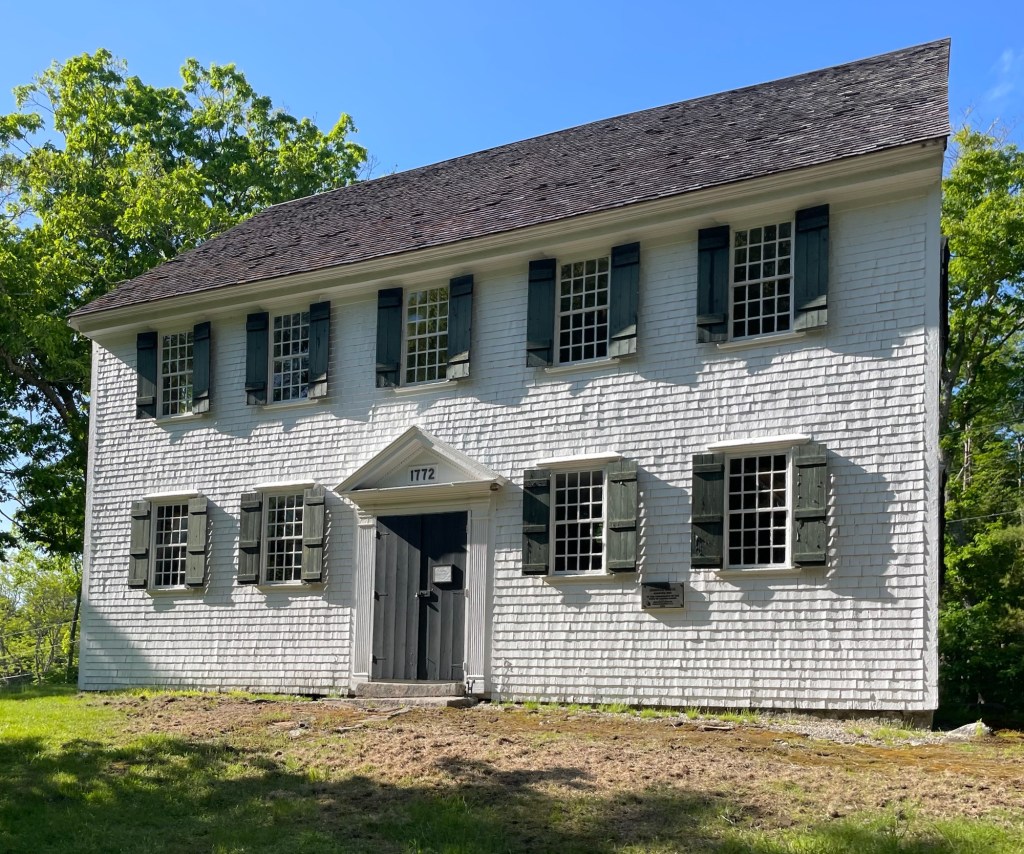
Walpole Meetinghouse // 1772

The Old Walpole Meetinghouse is a rare extant example of a Colonial meetinghouse in New England. The building is located in South Bristol, Maine, in the village of Walpole, and was constructed in 1772. The Walpole Meetinghouse is a little-altered example of a late colonial church in Maine (and one of the oldest actively used churches in the state.) The building originally housed a predominantly Presbyterian congregation of Scottish immigrants, but as the presbytery was based far away in Boston (Maine at this point was still a part of the Commonwealth of Massachusetts) the congregation eventually became Congregationalist. The Georgian-style building is clad in wood shingles, originally stained painted a brownish yellow to blend in with the birch leaves as to camouflage it among the trees. The building was painted white in the 20th century. It is one of a few extant meetinghouses in New England that utilized shingle siding instead of the quintessential New England clapboards. It is said that these are still the original shingles. Inside, the doors all enter the single main chamber, where the ground floor is dominated by a series of box pews and the elevated pulpit is sited at the north wall. It is maintained by the South Bristol Historical Society, and is still used occasionally for summer services.

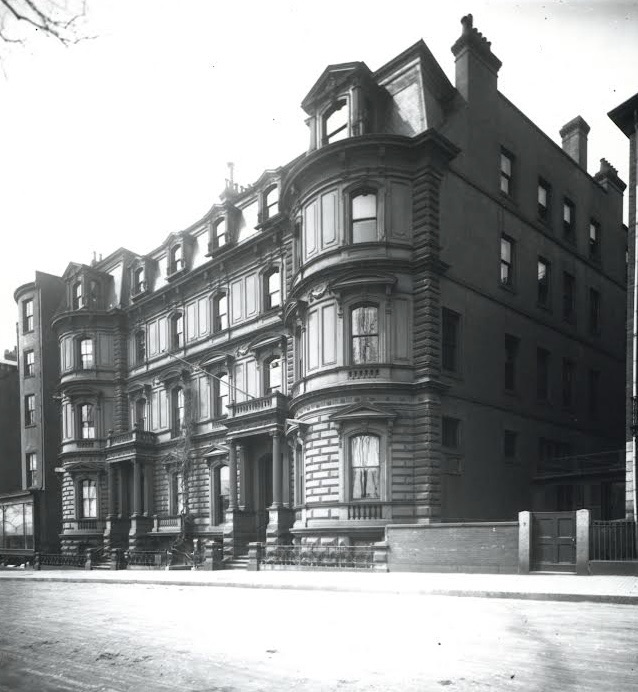
Brewer & Beebe Townhouses // 1863-1917

Boston is ever-changing and while change can be good, there have been some major architectural losses. This trend of redevelopment is not new however, as this single site on Beacon Street has seen two major losses, all before 1918! This lot on Beacon Street was originally home to Hancock Manor, a landmark Georgian mansion built between 1734-1737 for the wealthy merchant Thomas Hancock (1703–1764), and later inherited and occupied as the home of United States Founding Father John Hancock, yes, that John Hancock. In 1863, the Hancock Manor was sold at public auction and was purchased for $230. The house was demolished within days. While the building was torn down, souvenirs of it were actively sought as it fell. To replace it, two of the finest homes ever built in Boston were constructed on the site, from plans by elite Boston architect, Gridley James Fox Bryant. The double Second Empire style homes were first occupied by wealthy merchants, James Madison Beebe (the house on the left) and Gardner Brewer (right). In 1916, plans for the extension of the Massachusetts State House necessitated a taking of these (and other nearby) properties. These two houses were razed by 1917.

I wonder if the Hancock Manor would have survived to this time, would preservation prevail to save it?

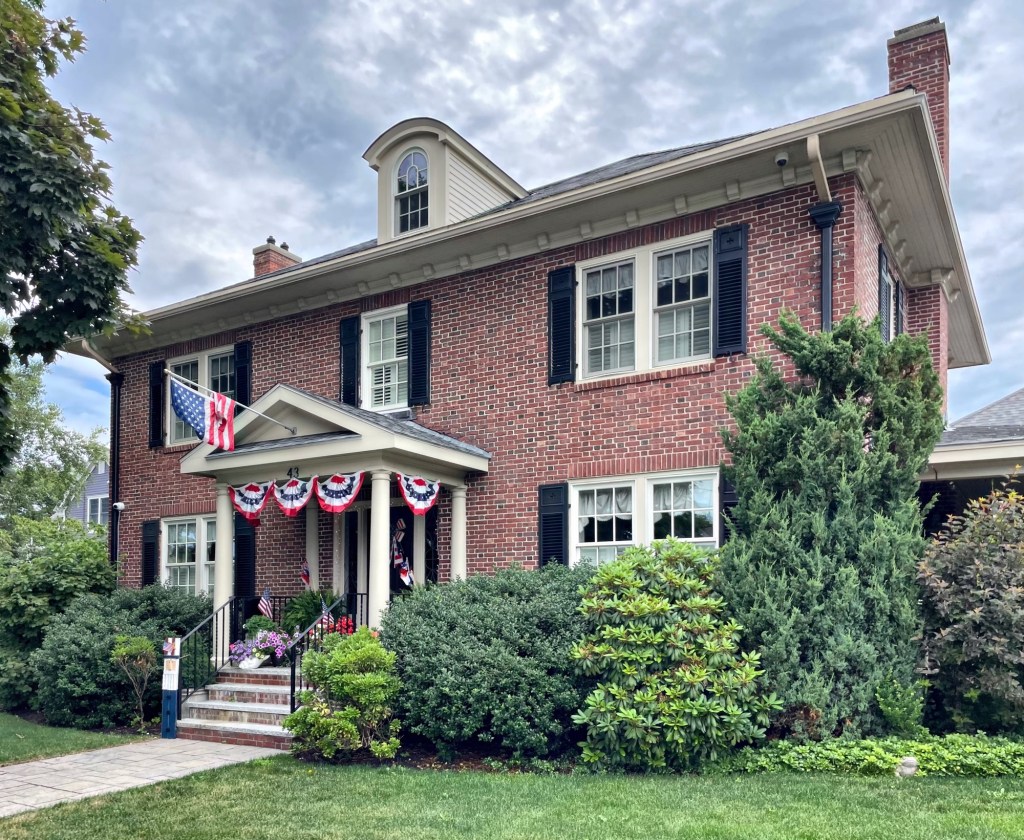
James Roope House // 1916

The only historic brick residence located in the charming Salem Willows neighborhood of Salem, Massachusetts is this stately Colonial Revival house at the corner of Bay View and Juniper avenues. The brick dwelling was constructed in 1916 for James Roope, President and Treasurer of the Salem Lumber Company. Designed by Boston architect, Gordon Robb, it is two stories high, with a shallow hipped roof. The central entry has leaded sidelights and a pedimented porch with trellises at the sides.

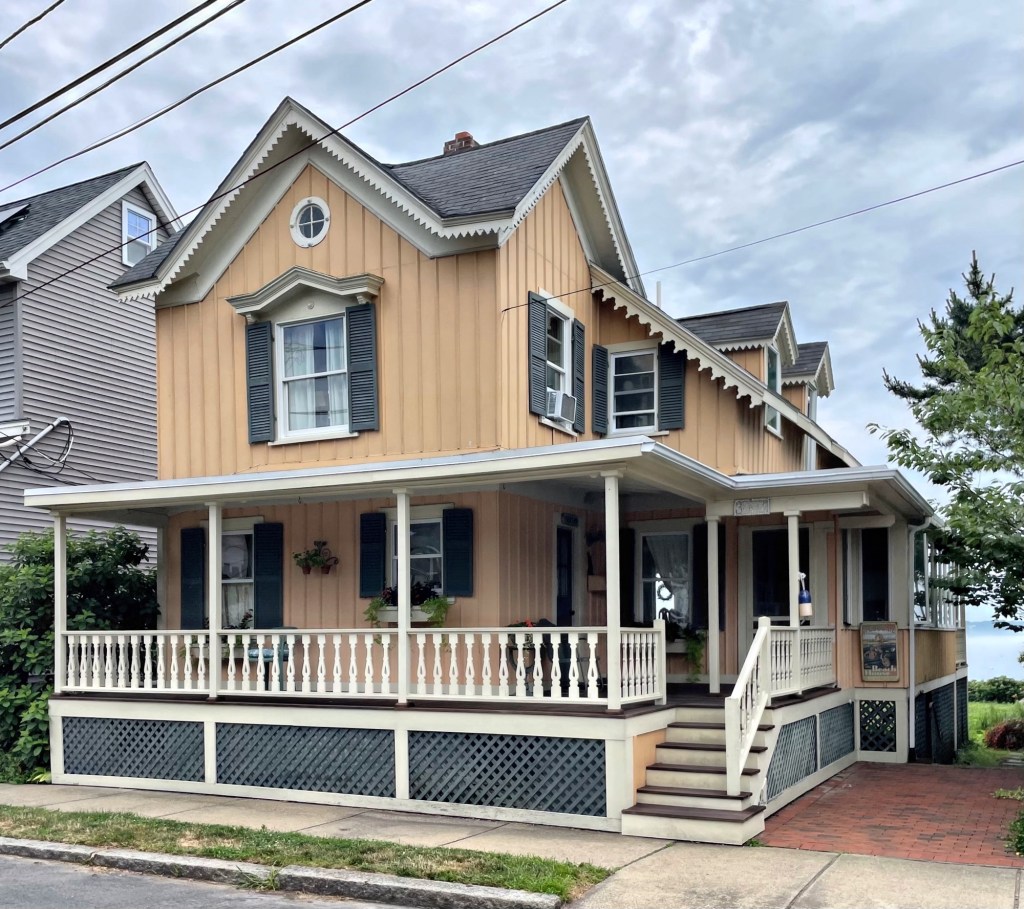
Streeter Cottage // 1882

In 1881, Gilbert Streeter and his wife Rebecca purchased a small house lot in the Salem Willows for a summer cottage for them to retreat across town to during the warmer months. Gilbert Streeter was an amateur historian, businessman, publisher of the Salem Observer and was able to afford a second residence in his hometown. The Streeter cottage was built by 1882 and stands out not only for its excellent state of preservation, but for its unique architecture. The cross-gabled form cottage is covered in board-and-batten siding with bargeboards lining the eaves.

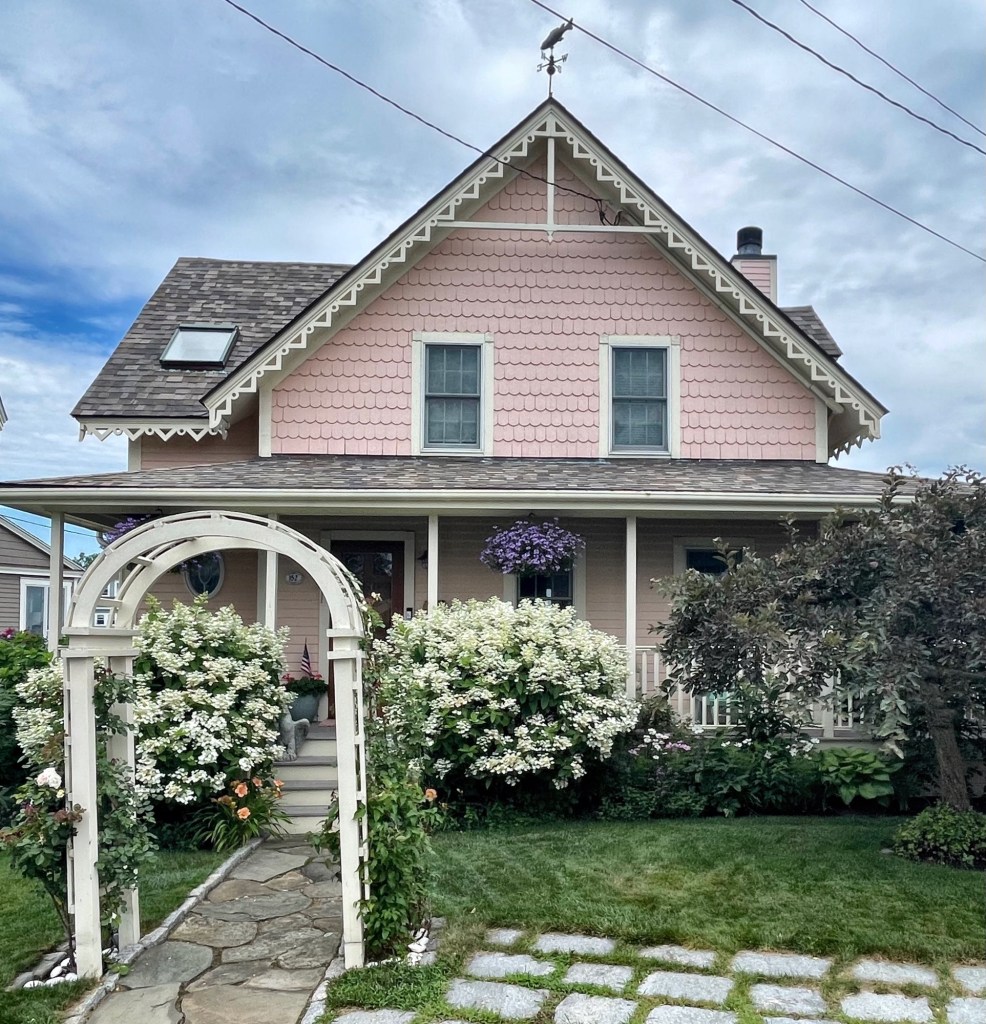
Joseph P. Allen Cottage // 1877

One of the most picturesque and charming summer cottages (now year-round residences) in the Salem Willows neighborhood in Salem, Massachusetts is this Victorian on Bay View Avenue. The cottage was built around 1877 for Joseph Pray Allen (1822-1897) who was a police officer who likely climbed the ranks in the force to afford a second home in the city. The 1 1/2-story cottage has decorative bargeboards at the eaves and stick bracket at the gable. Perfection!

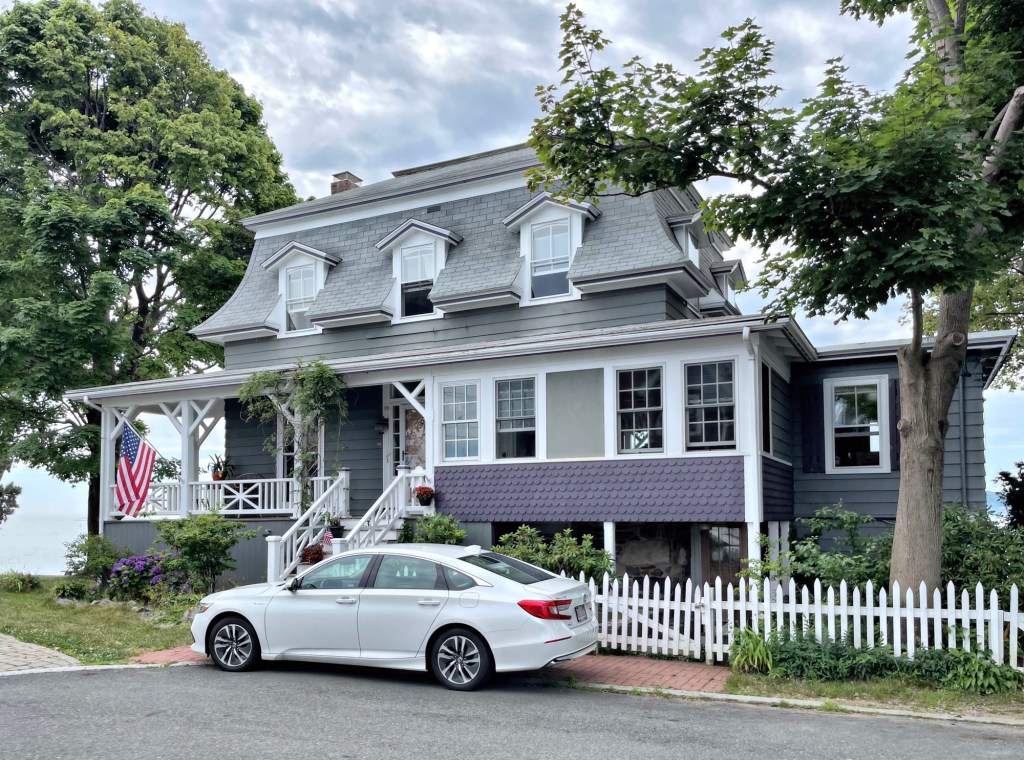
Patrick Dempsey Cottage // c.1875

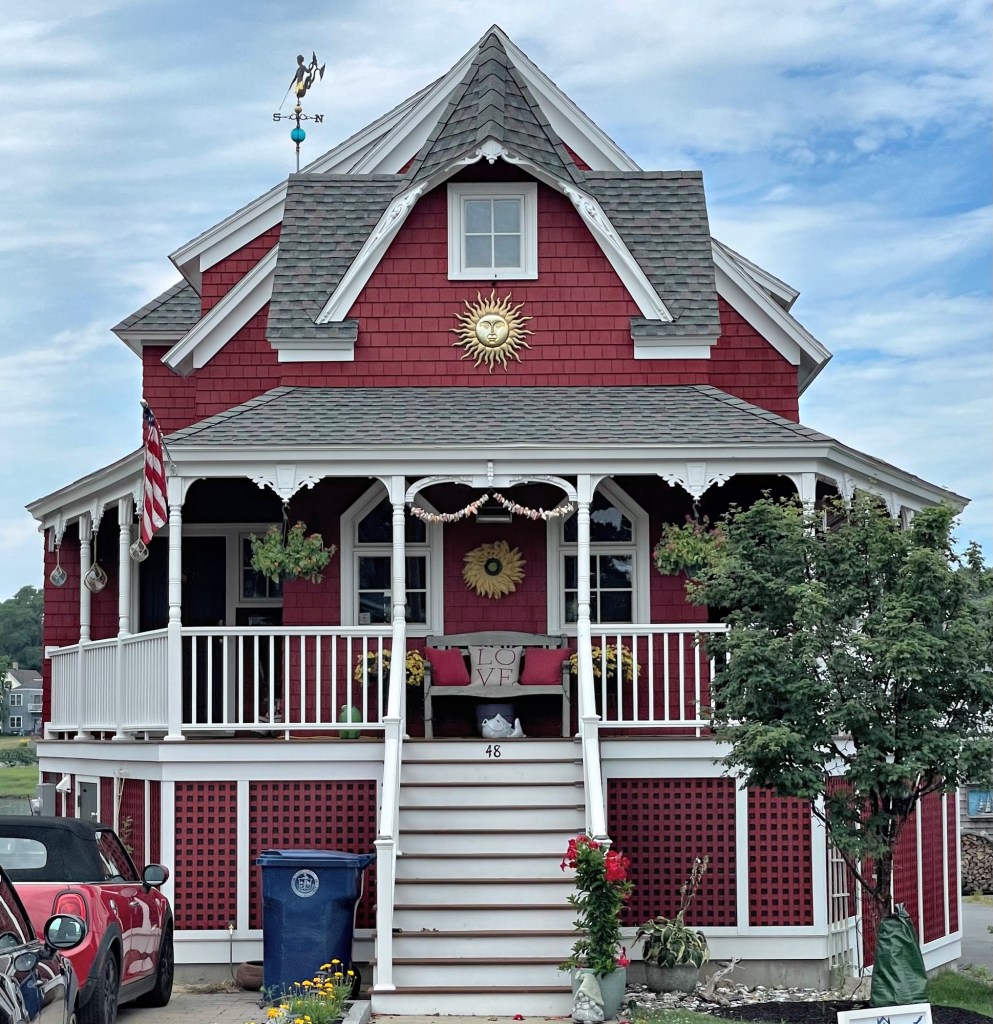
This charming mini-mansard summer cottage is located in the coastal neighborhood of Salem Willows, in Salem, Massachusetts. The neighborhood developed in the 1870s-1900s as a summer colony for middle-income families who wanted a second home away from the hustle-and-bustle of urban living in favor of ocean breezes. The cottage likely dates to the mid-1870s as one of the earliest summer homes in the neighborhood, and historic maps show it was owned by a P. Dempsey. It appears this is Patrick Dempsey (1821-1902), an Irish immigrant who settled in Lowell, Massachusetts, making it big as a liquor dealer and saloon-keeper. The Second Empire style cottage has a partially enclosed porch, but retains much of its original character and is located right on the water with sweeping views of the Atlantic Ocean.

William Bates Summer Cottage // 1885

While Salem is best-known for its First Period and Federal style buildings, the Salem Willows neighborhood features some of the finest Victorian summer cottages in the Boston area. This cottage was built in 1885 by William Marston Bates (1820-1912), a Salem-based dentist, as his summer retreat when not in the office. The Stick style cottage has a steep gable roof with jerkinhead clip at the facade and a wrap-around porch with decorative jigsawn bracketed details. The house is a well-preserved example of the style, examples of which are becoming less-and-less frequent in recent years.

Salem Willows Park // 1859

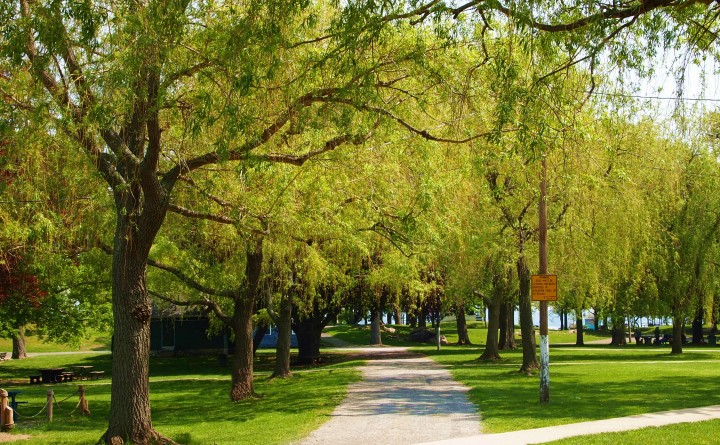
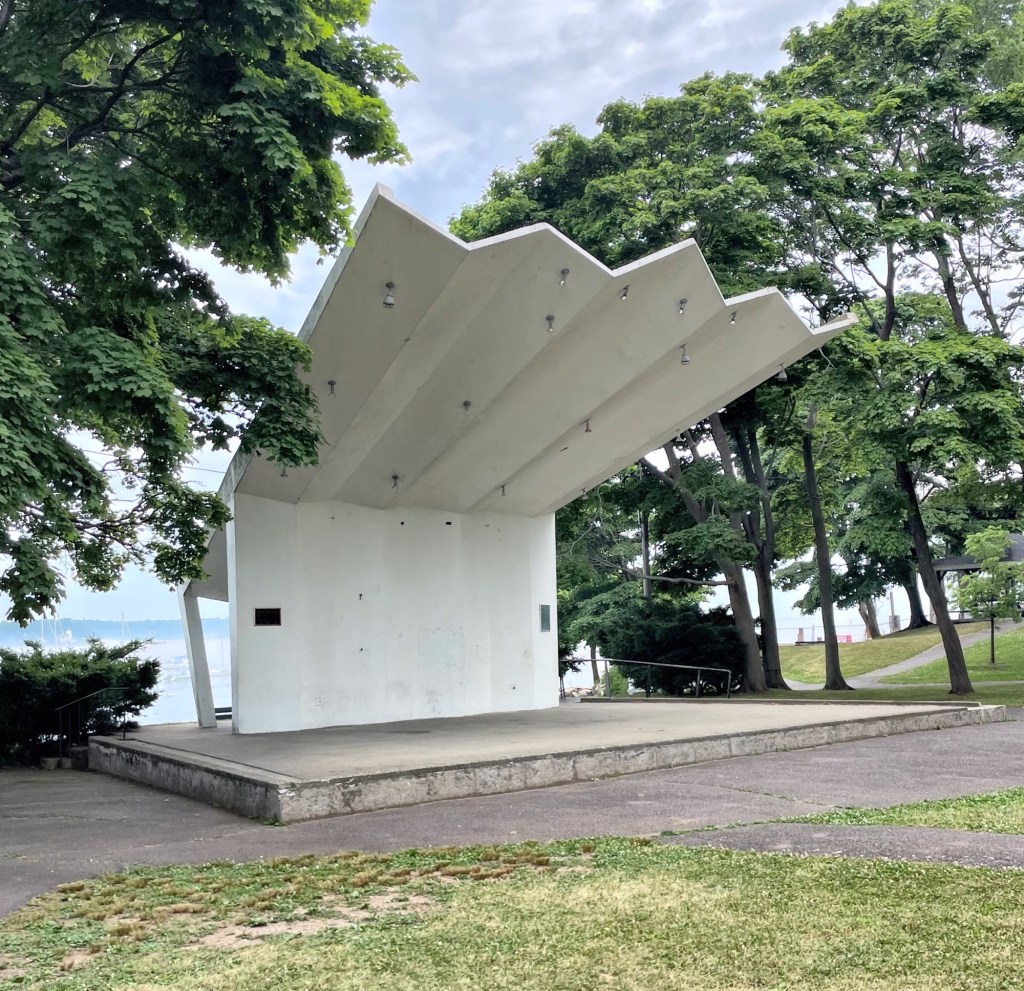
The Salem Willows neighborhood of Salem, Massachusetts sits at the extreme tip of Salem Neck, which juts out into the Atlantic Ocean. The area here was sparsely used until the 19th century, when a smallpox hospital was built here in 1800, mainly used for sailors to recover and be treated. Soon after, a man by the name of Hezekiah Williams planted rows of Willow trees for the enjoyment of patients, which would give the area (and later park) its name. The hospital burned in 1846. Part of the land on the Neck became a park, and a former farm known as the Derby Farm, was purchased and redeveloped with new streets and house lots laid out for summer cottages in the early 1870s. The neighborhood became known as Juniper Point. The Salem Willows Park was enhanced in the late 19th and early 20th centuries with bathing facilities, pavilions, and amusement and commercial buildings. The park is today well-maintained by the City of Salem and is an important protected site that documents the city’s history of the 19th and 20th centuries. I was also pleased to find the 1965 Memorial Shell Band Stand with accordion metal roof designed by the architectural firm of Robert Charles, Associates.

Wadsworth Hall // 1800

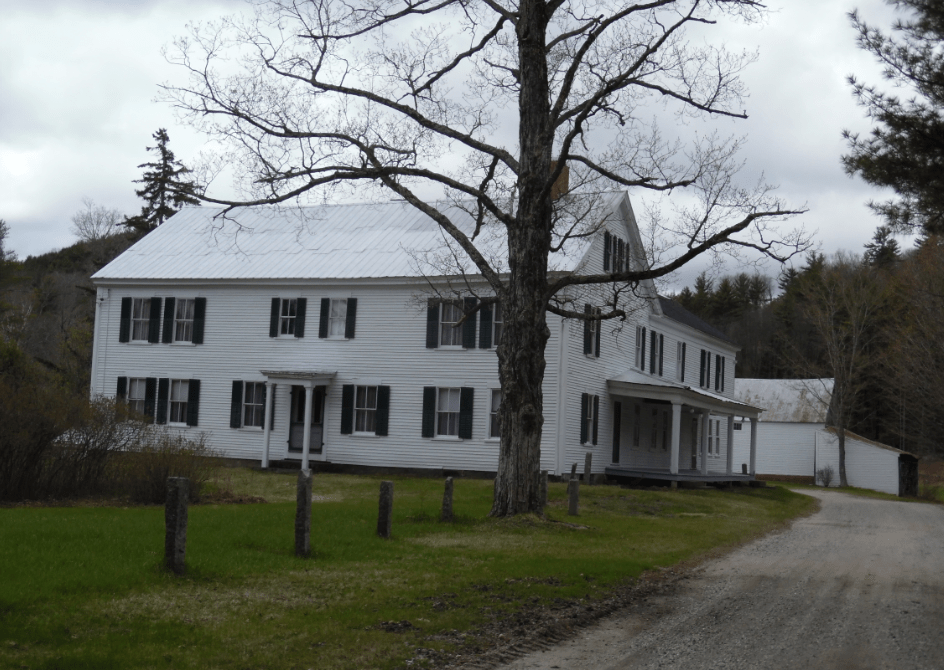
Wadsworth Hall is a significant and hidden estate house located in rural Hiram, Maine. The house was built in 1800 for Peleg Wadsworth (1748-1829), an officer during the American Revolutionary War and a Congressman from Massachusetts representing the District of Maine. He was also grandfather of noted American poet Henry Wadsworth Longfellow. General Wadsworth’s primary residence, now known as the Wadsworth-Longfellow House in Portland, Maine, was built in 1785–86. Following the war, Wadsworth was granted 7,800 acres of land by the state in 1790 for his war service, the land was located here in Hiram. General Wadsworth would build this large Federal period home. After, he gave his Portland home to his daughter Zilpah and her husband Stephen Longfellow, parents of the poet Henry W. Longfellow. Wadsworth, in his role as a leading citizen in Hiram, opened his house for meetings and town functions, and even used the large hall for militia drills during bad weather.