Mount Wachusett Summit House // 1870-1970

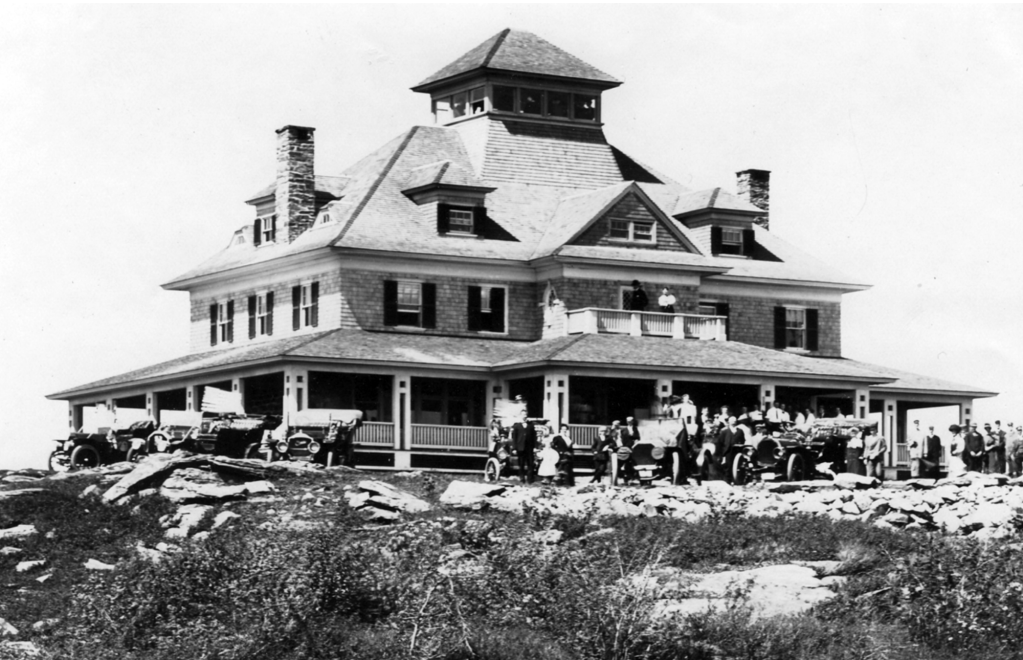
Third Summit House, courtesy of Princeton Historical Society.

Built as three buildings over a span of one hundred years, Mount Wachusett’s Summit House stood over the town of Princeton, Massachusetts, and epitomized the rise of tourism in the community in the late 19th and early 20th centuries. In as early as 1866, William Morse began selling candy and cigars to summer tourists at the summit of Mount Wachusett, later building the first Summit House in 1870. The small stone building was a respite for visitors who walked or took horses up the mountain until 1874, when the Wachusett Mountain Company built a road to the top drawing even more visitors from the summer-resort boom in Princeton. As the mountain saw increased visitors, a second hotel, built in 1884 by Phineas A. Beaman, was constructed and nicknamed the “Tip Top,” with lodging in 30 rooms, with water supplied by a windmill on the shore of Summit Pond. Stagecoaches carried guests up from the Princeton train depot, and the season is estimated to have drawn around 30,000 visitors a year at its peak. The third Summit House, built in 1907, is known from postcards as a hotel that treated the summit as a parlor. The building was slated for demolition in 1970 to make way for a new recreational facility, but burned to the ground later in the year. Today the hotels are gone, but the summit still draws visitors by foot, car, or ski gondola, who take in the views of Massachusetts.
Hotel Essex – Plymouth Rock Building // 1900

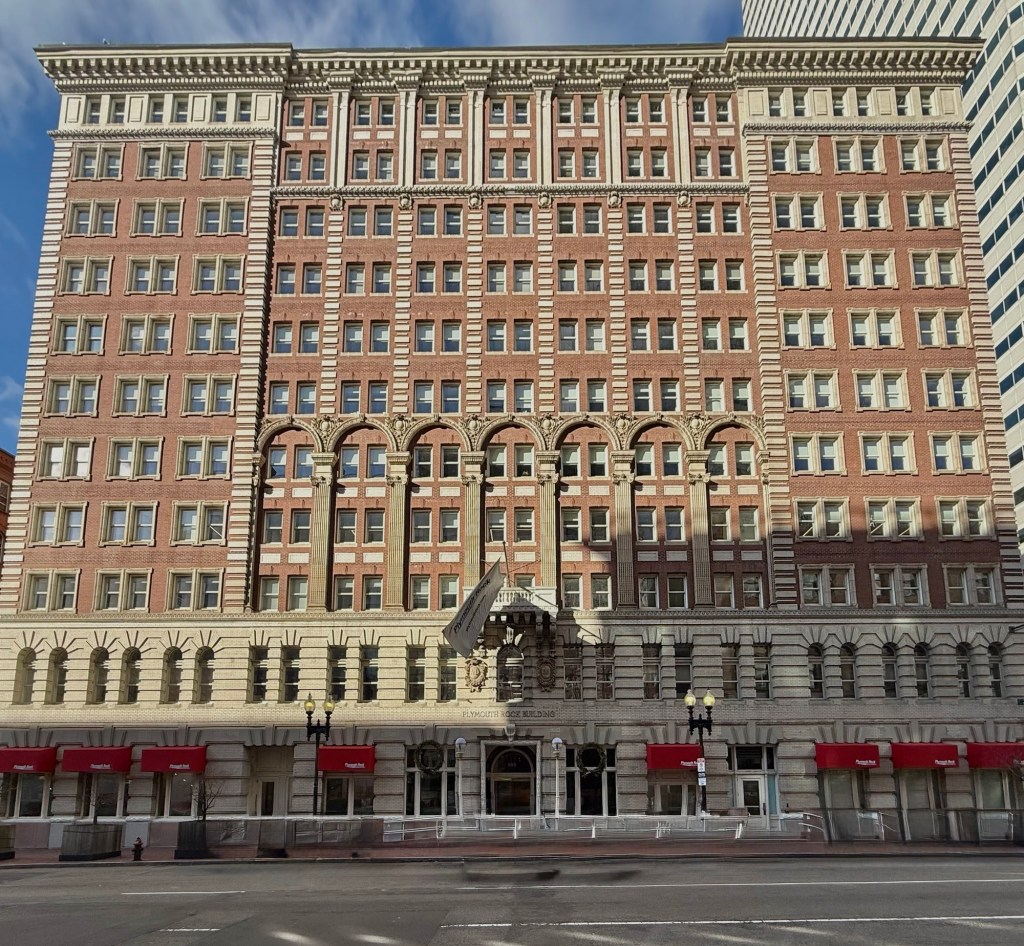
The construction of a new South Station Terminal in 1899, prompted a development boom for the nearby area, which had for the previous decades been almost entirely mercantile and centered around the leather and woolen industries. Due to increased land values and an influx of travelers to the area, developers saw an opportunity to erect this building to serve as a hotel for visitors to Boston via South Station. Boston architect, Arthur H. Bowditch, furnished plans for this building in the Beaux Arts/Renaissance Revival style, with use of brick and limestone construction, ornate finishes at the façade including the fluted pilasters, arches and cartouches in the spandrels. The building was completed in 1900 and known as Hotel Essex and featured a long, storied history as a hotel until it closed in the second half of the 20th century. After years of deteriorating conditions, the building was adapted as the corporate offices for Plymouth Rock Assurance Corporation in 1982. The building was restored and has been known as the Plymouth Rock Building ever since.

Prentiss House // 1843

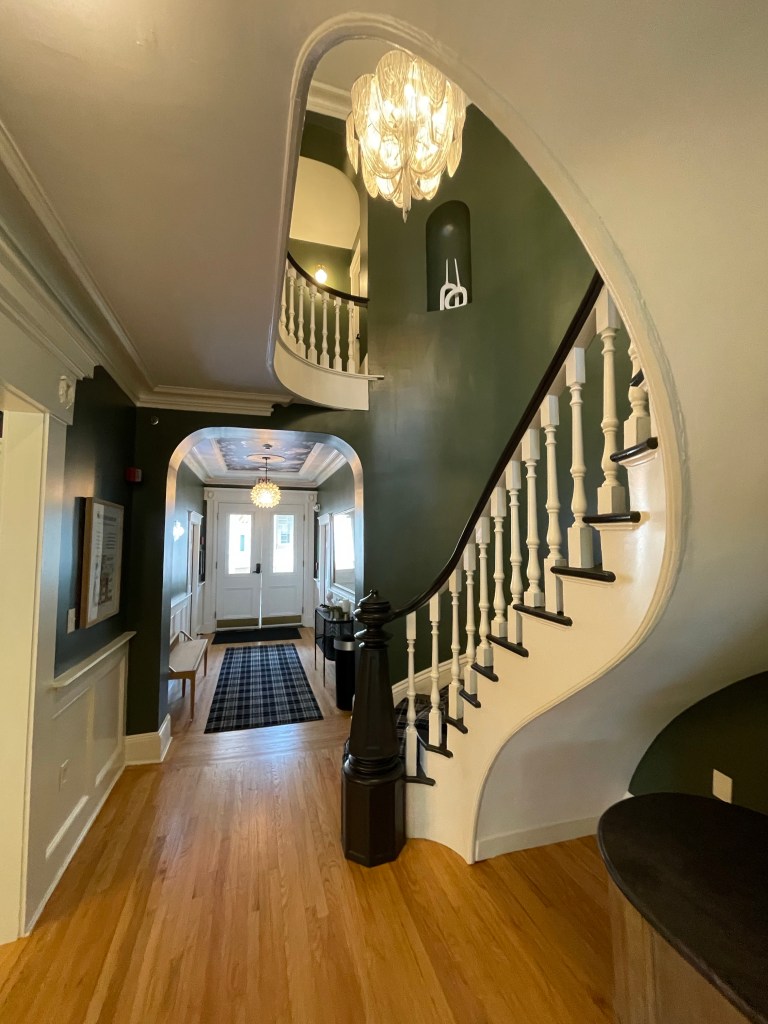
This past weekend, I took a little “stay-cation” in Cambridge, and I am so glad I did! I stayed at the Prentiss House, a highly significant Greek Revival house near Porter Square. The Inn is operated by Thatch, a company that offers short-term hotel stays, long-term apartments, and co-living arrangements in the Boston area. They recently acquired and renovated this amazing old house and its a great place to stay!

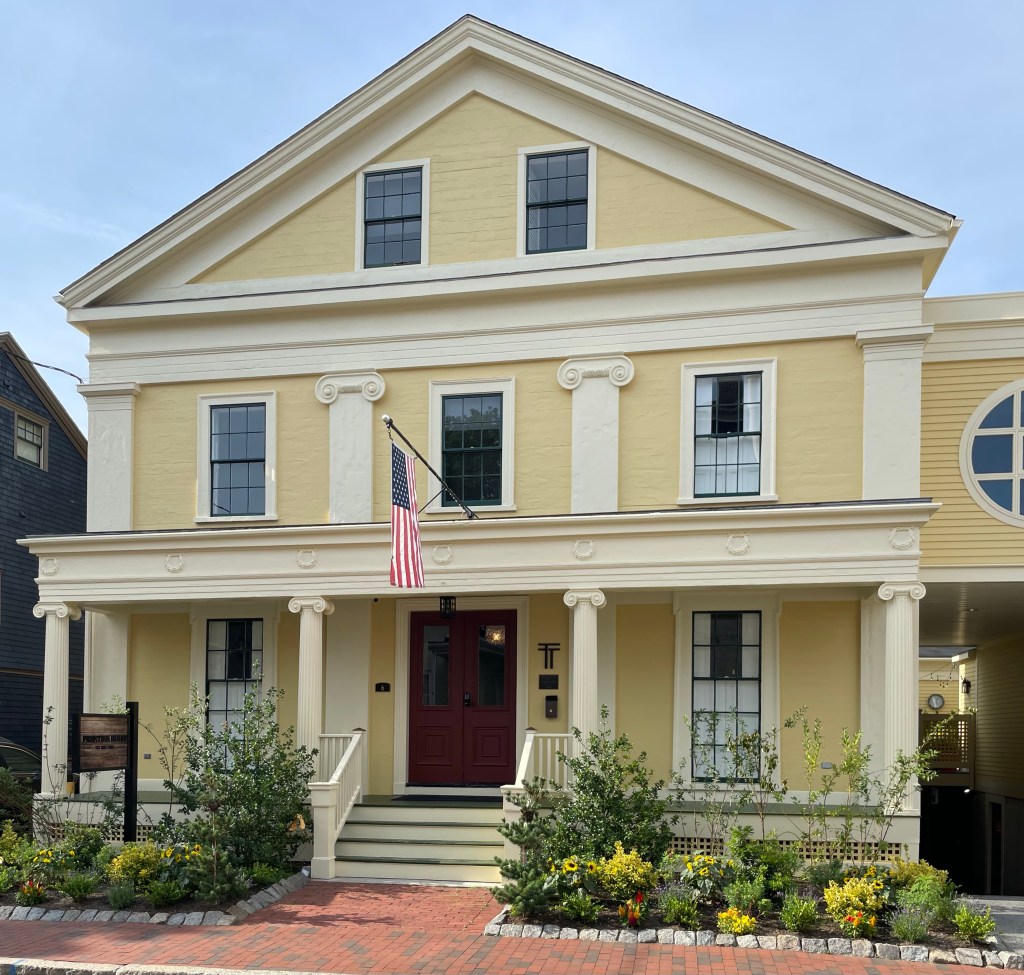
The home was built in 1843 by William Saunders a well-known housewright for his son, William Augustus Saunders about the same time as his first child, Mary was born. Sadly, Mary died at just six years old and was buried at Mount Auburn Cemetery with her grave guarded by a tiny stone dog. The Saunders Family resided at the home for over 50 years until William and his wife’s death at the end of the 19th century. The original location of the mansion on Massachusetts Avenue necessitated its move to the newly laid out Prentiss Street to save it from commercial development pressure and the wrecking ball. The home was moved to its present site in 1925 for the erection of a one-story block of stores on Mass. Ave. In 1992, the home was purchased by local artist, Charlotte Forsythe and she began the journey of transforming the home into the Mary Prentiss Inn. An addition by Bell/Fandetti added rooms and subterranean parking to the building at that time. The Inn was purchased by Thatch in 2021, who modernized the rooms.

The house reads like a Greek Temple, not with a full portico, but by using colossal applied pilasters and an entablature carried across the gable, suggesting a classical pediment. Ornamental wreaths adorn the full-length porch and interior mouldings.